Kirsten Pils Kilde i Dyrehaven
1803
oil
canvas
From the collection of Statens Museum for Kunst
1803
oil
canvas
From the collection of Statens Museum for Kunst
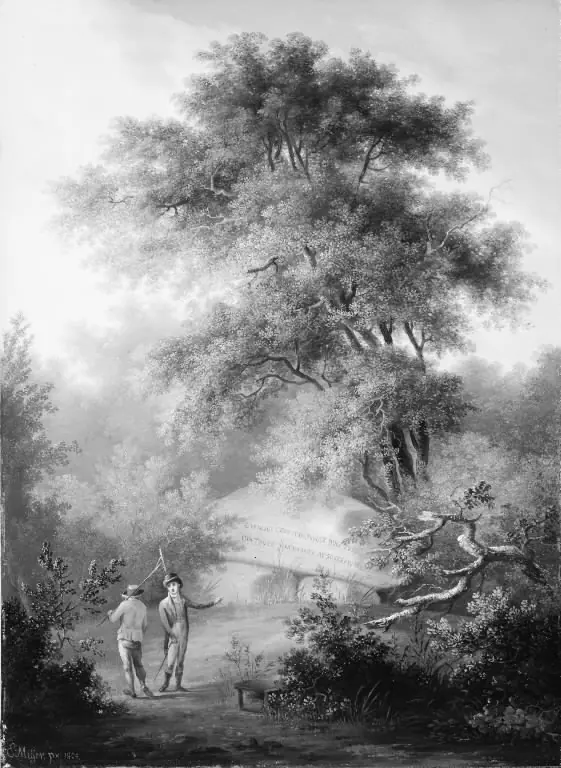
Kirsten Pils Kilde i Dyrehaven is a 1803 oil by Elias Meyer, held at Statens Museum for Kunst.
This painting shows a forest scene with a large tree in the center. The tree has a big trunk and branches that stretch out in different directions. There are people standing around the tree, some of them looking up at it. In the background, there are more trees and a fence. The painting is done in a style that makes the colors look soft and muted. The light is coming from the right side of the painting, which makes the shadows look deep and interesting. The artist has used a lot of detail to show the texture of the tree bark and the leaves. If you want to see more paintings like this, you could check out the work of artist Elias Meyer.
Painted in 1803 by Elias Meyer, Kirsten Pils Kilde i Dyrehaven is an oil-on-canvas landscape depicting a wooded area in Dyrehaven, Denmark. The work belongs to the collection of Statens Museum for Kunst in Copenhagen. It captures a quiet, observational moment in nature, emphasizing the relationship between the environment and the people within it, rendered with restrained tonal harmony and careful attention to atmospheric detail.
The painting centers on a prominent, ancient tree, around which several figures gather, some gazing upward. The tree is associated with Kirsten Pils, a local figure linked to folk traditions, suggesting the site may have held cultural or communal significance. The scene avoids drama, instead conveying a sense of quiet reverence, as if the tree serves as both a natural landmark and a silent witness to human presence.
Meyer employs soft, muted hues and subtle gradations of light to evoke a hazy, early morning atmosphere. Directional illumination from the right casts deep, naturalistic shadows, enhancing the volume of the tree’s trunk and the layered foliage. The bark and leaves are rendered with delicate brushwork, emphasizing texture without overt detail, aligning with the period’s move toward naturalistic observation over idealized composition.
Created in 1803, the painting entered the collection of Statens Museum for Kunst early in its history, likely through state acquisition or donation. Its preservation reflects Denmark’s growing interest in documenting native landscapes during the early 19th century. No significant alterations or reattributions are recorded, and it has remained in institutional custody since its acquisition.
This work emerged during a period when Danish artists increasingly turned to local scenery as subjects, moving away from classical or mythological themes. Dyrehaven, a royal deer park near Copenhagen, was a favored site for painters seeking authentic, unspoiled nature. Meyer’s depiction aligns with broader Nordic Romantic tendencies, valuing quiet contemplation of the natural world over grandeur.
Kirsten Pils Kilde i Dyrehaven remains a representative example of early 19th-century Danish landscape painting. While not widely reproduced, it contributes to the understanding of how Danish artists engaged with their environment during a formative era in national art. The painting continues to be studied for its restrained aesthetic and its role in documenting cultural ties to specific natural sites.
Read the full account in the museum source.
Elias Meyer (1763–1809) was an artist, born in Copenhagen.
See the richer artist page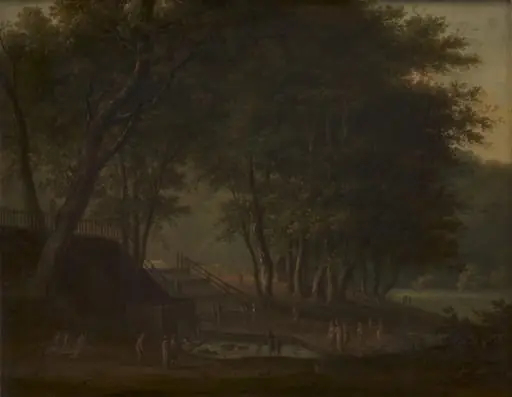
Kirsten Pils Kilde i Dyrehaven
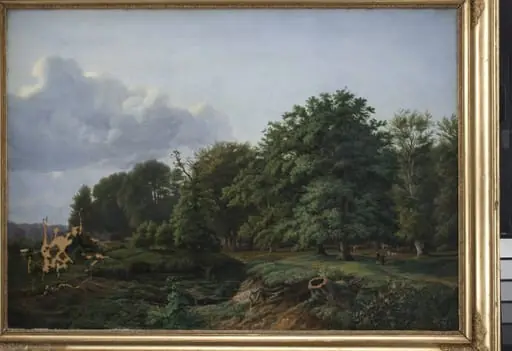
A Forrest near Hellebæk in the North of Zealand. Afternoon.
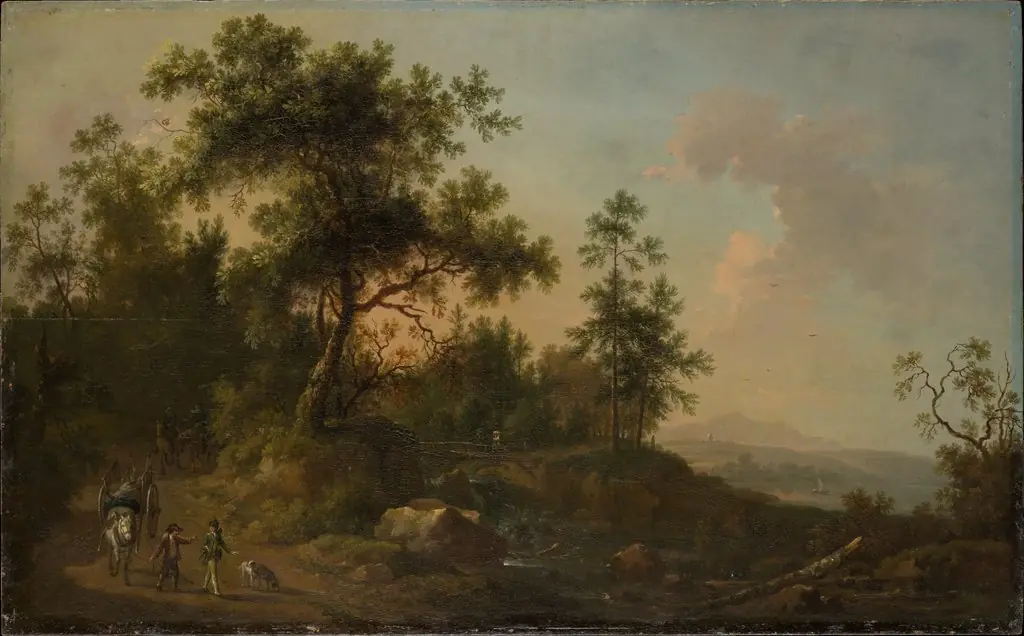
A Horsecart Leaving a Forest
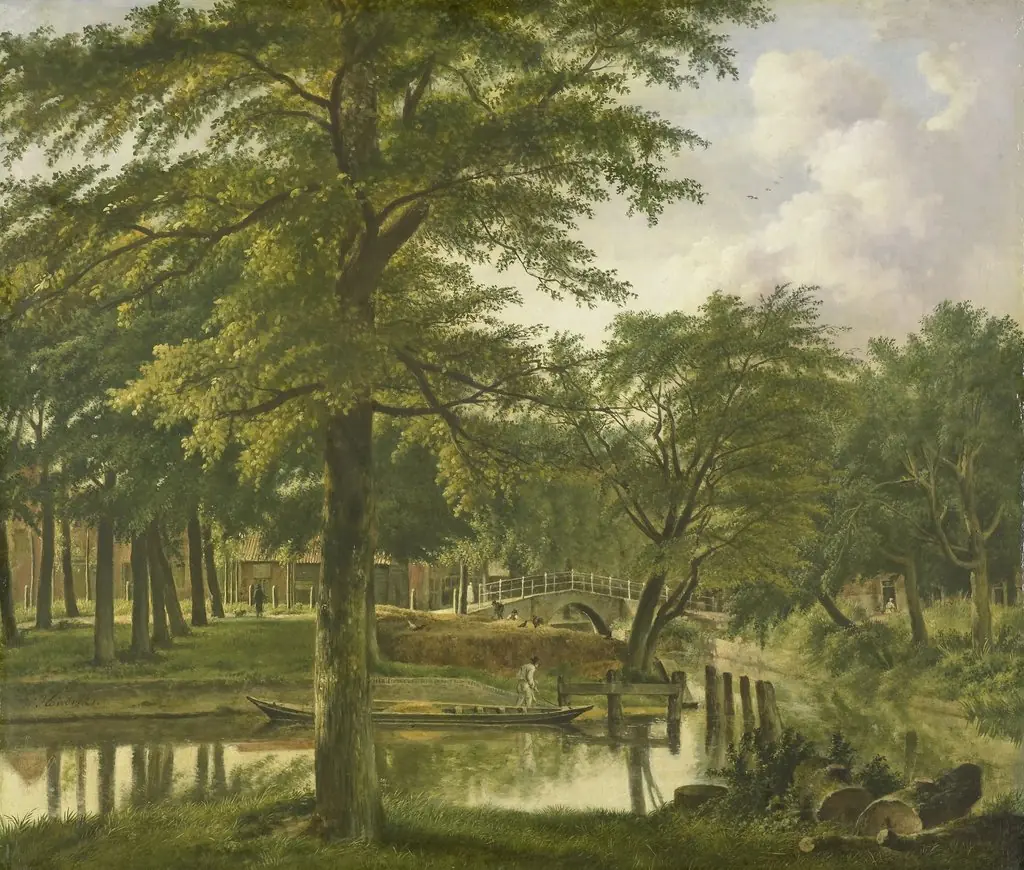
View of the Nieuwe Gracht near the Bolwerk, Haarlem
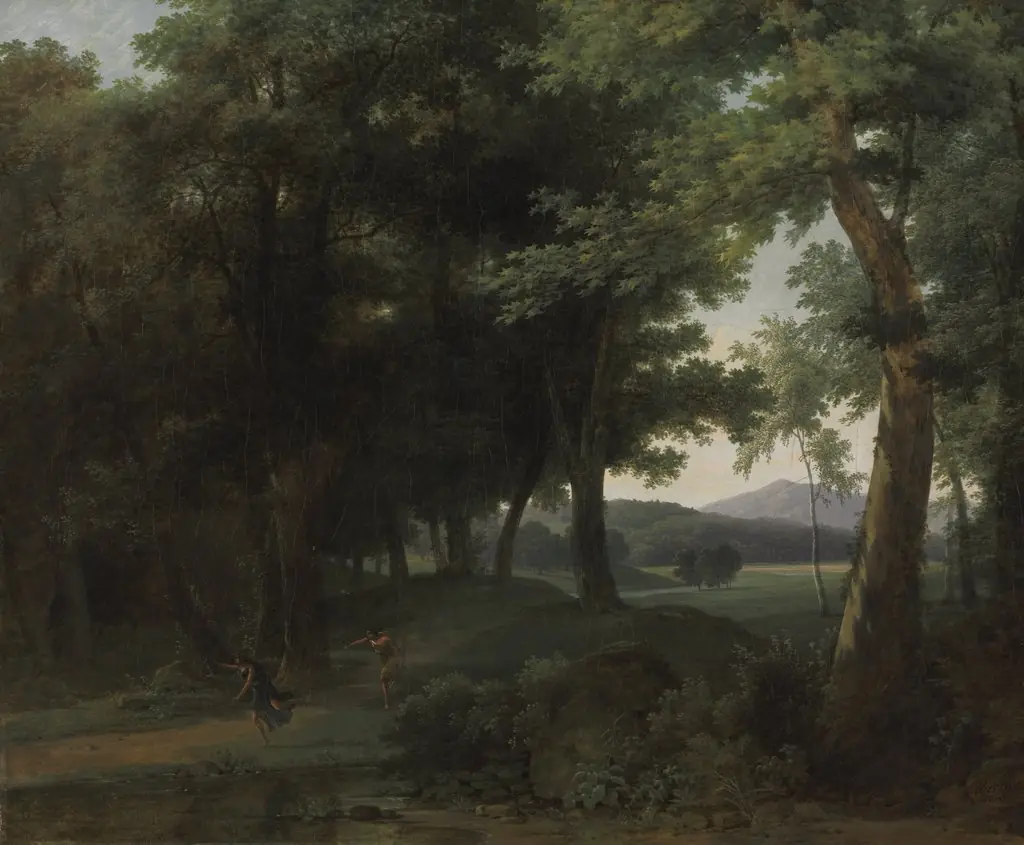
A Forest with Apollo and Daphne
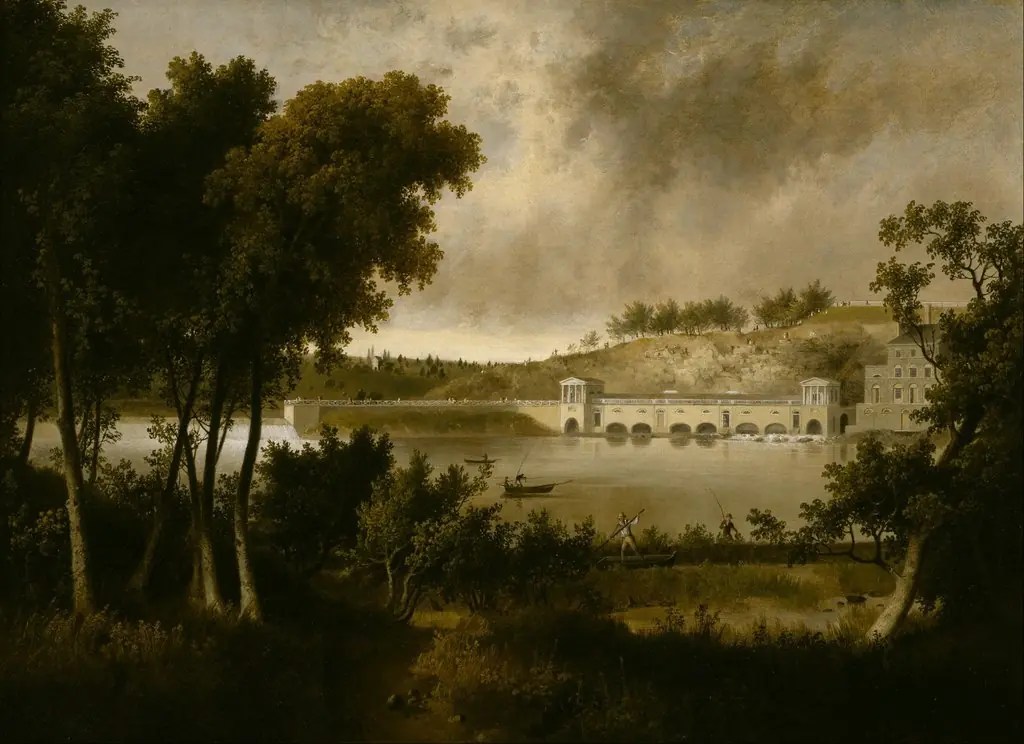
View of the Fairmount Waterworks, Philadelphia, from the Opposite Side of the Schuylkill River
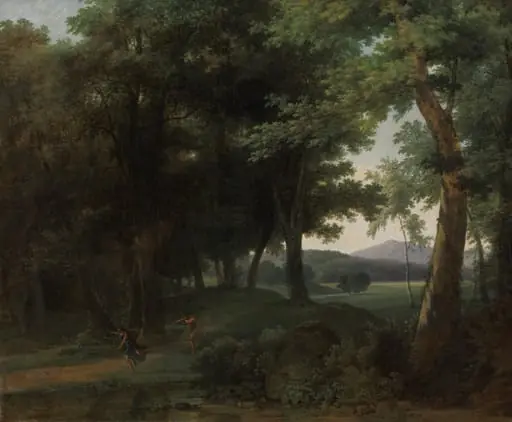
A Forest with Apollo and Daphne
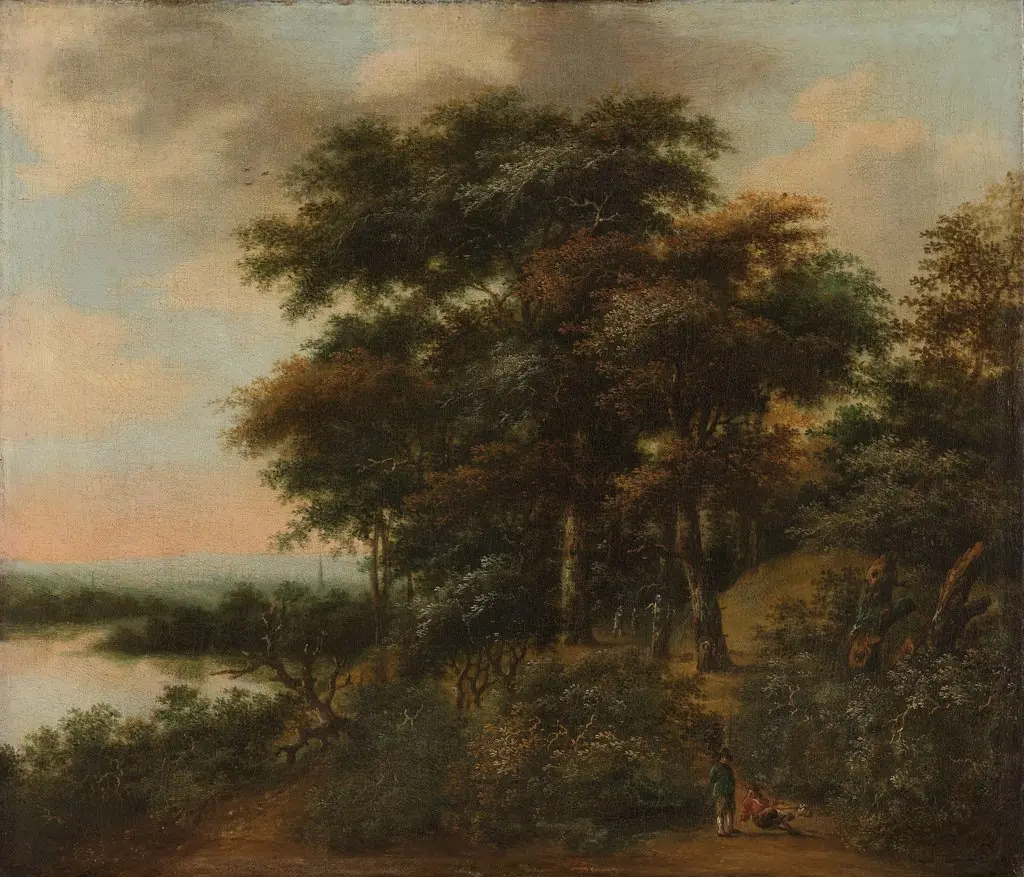
Wooded landscape
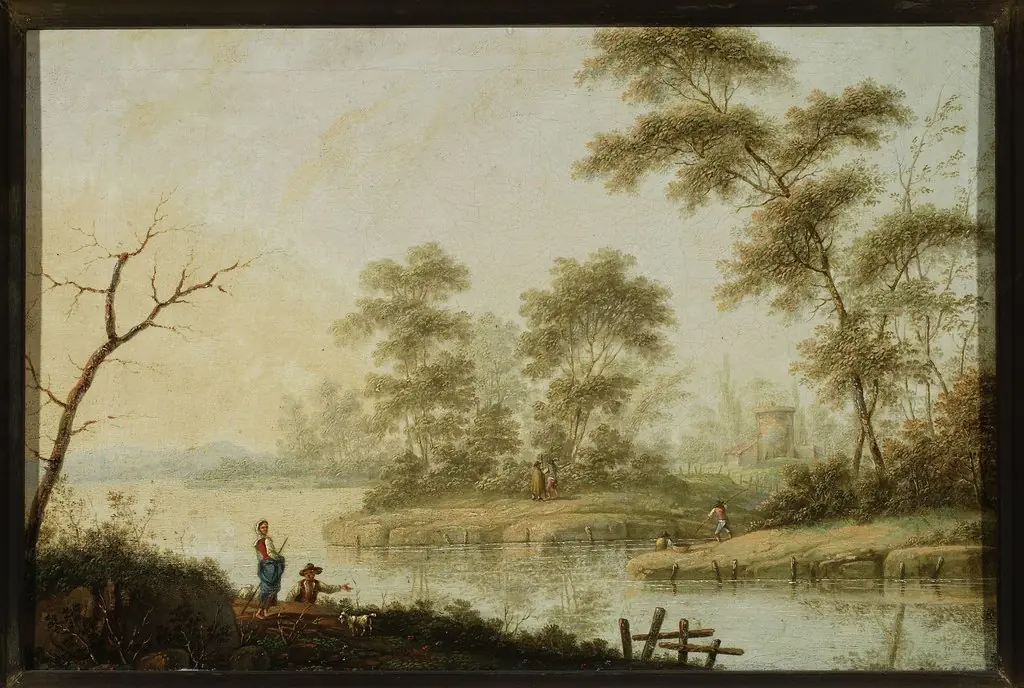
Landscape – rivulet bank
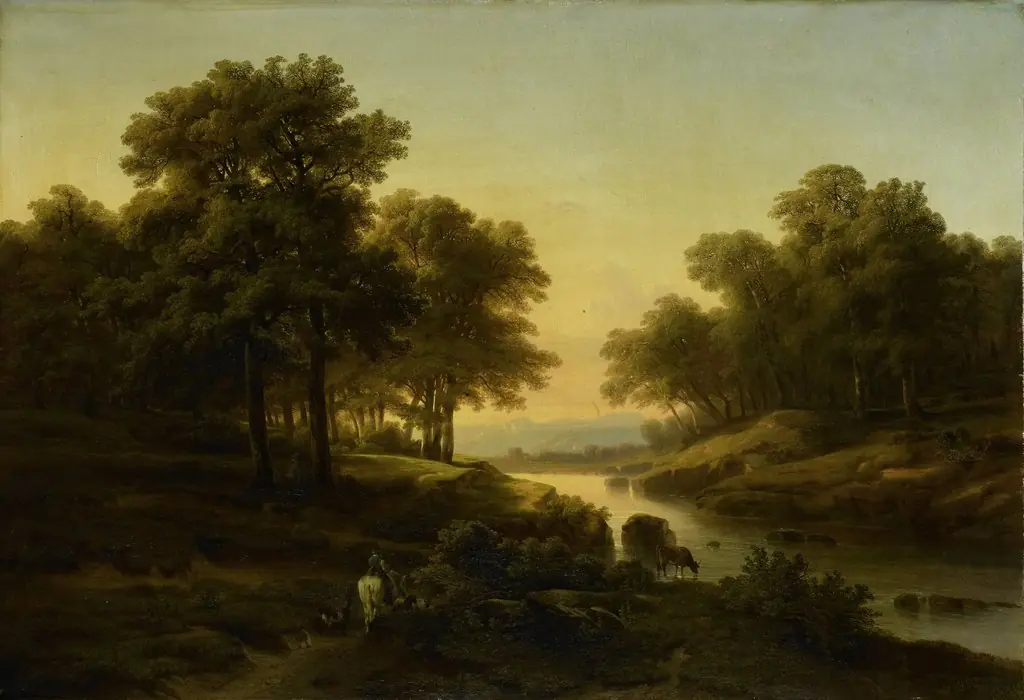
Landscape
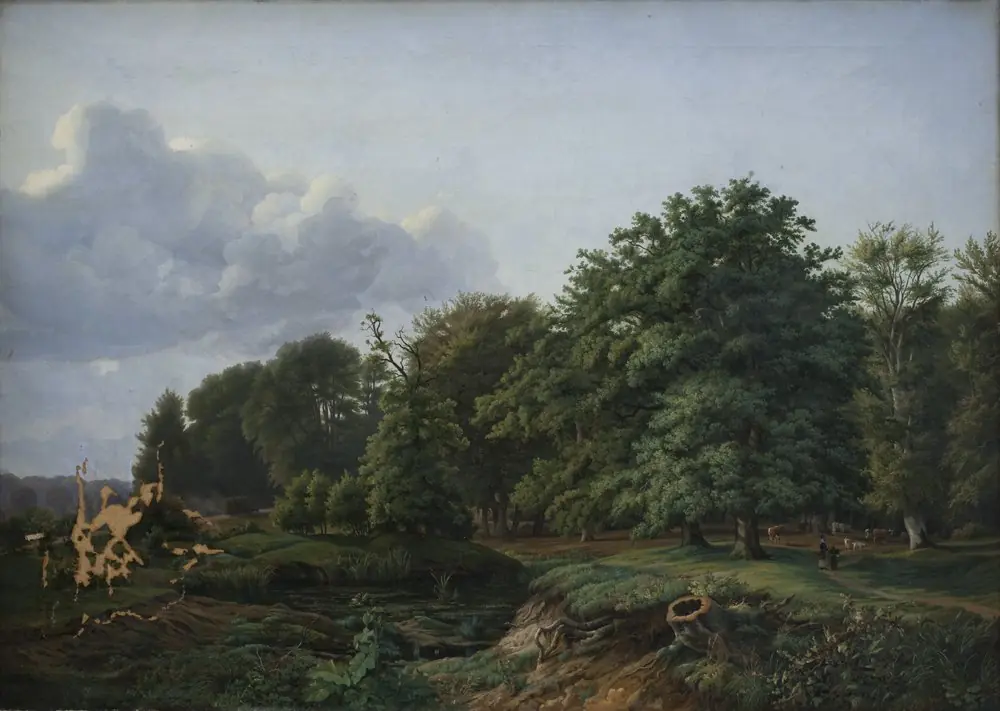
A Forrest near Hellebæk in the North of Zealand. Afternoon.
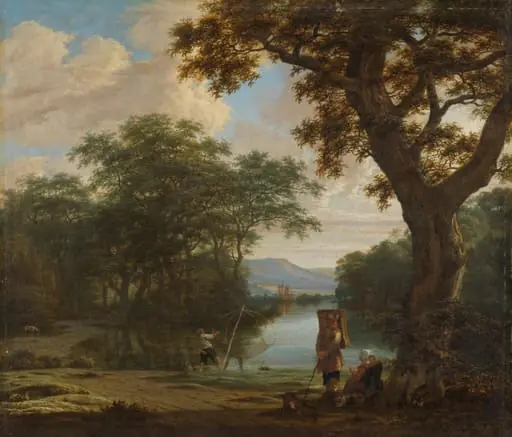
Landscape with Fisherman with a square Net
Your cart is empty
Explore artworks →