Artwork
Study for Prayer for Death in the Desert
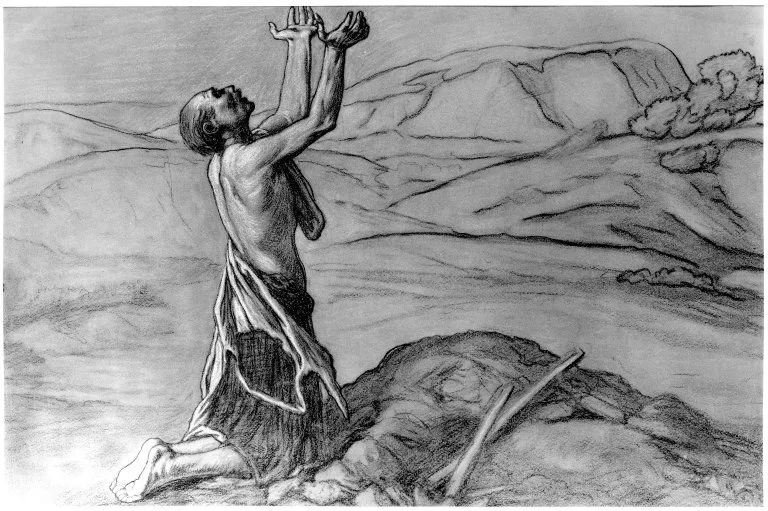
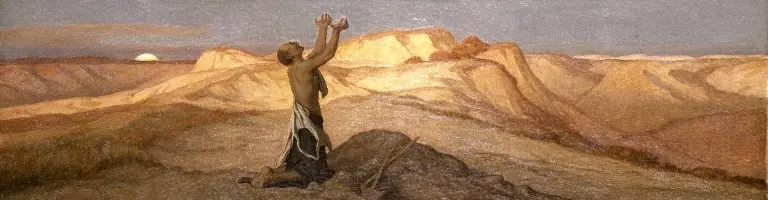
Study for Prayer for Death in the Desert is an unspecified painting by the American Impressionist artist Elihu Vedder. It dates from 1867 and is held in the collection of the Brooklyn Museum.
About this work
Overview
Elihu Vedder, an American artist active in the mid-to-late 19th century, produced this oil study in 1867 as part of a larger compositional exploration.
Elihu Vedder, an American artist active in the mid-to-late 19th century, produced this oil study in 1867 as part of a larger compositional exploration. Though often associated with symbolism, Vedder’s work during this period also engaged with emerging American landscape traditions. The piece was later acquired by the Brooklyn Museum, where it remains in the collection as a testament to his preparatory process and thematic interests in solitude and spiritual yearning.
Subject & Meaning
The figure, alone in a vast desert, kneels with arms outstretched, suggesting a moment of supplication or existential appeal. Dressed in a simple, draped robe, he appears neither as a specific religious figure nor a historical persona, but as a universal symbol of human vulnerability before nature and the divine. The barren landscape amplifies the isolation, reinforcing themes of existential prayer and the search for meaning in desolation.
Technique & Style
Vedder employed layered brushwork to establish depth, using darker tones in the foreground to anchor the figure while lighter, atmospheric hues in the sky and distant hills suggest spatial recession. The contrast between the figure’s muted clothing and the luminous horizon creates visual tension. Though not fully impressionist, the study shows a sensitivity to light and mood that aligns with broader 19th-century shifts toward expressive, emotive landscape rendering.
History & Provenance
Created in 1867, the study predates Vedder’s more widely recognized illustrations for *The Rubaiyat of Omar Khayyam*. It remained in private hands until entering the Brooklyn Museum’s collection, where it is preserved as a key example of his early work. Its survival as a preparatory piece offers insight into Vedder’s method, revealing how he refined emotional narratives before committing to final compositions.
Context
In the post-Civil War United States, artists increasingly turned to introspective and allegorical subjects. Vedder’s desert figure reflects a broader cultural preoccupation with spirituality, isolation, and the sublime in nature. While European symbolists explored similar themes, Vedder’s approach was shaped by American landscape traditions and the philosophical currents of transcendentalism, blending personal mysticism with the vastness of the American West.
Legacy
Though less known than his *Rubaiyat* illustrations, this study exemplifies Vedder’s commitment to emotional resonance over narrative clarity. It influenced later American artists seeking to convey inner states through landscape and figure. Its preservation in a major public collection ensures continued scholarly attention to his role in bridging symbolism and American realism during a formative era in national art.
Artist & collection

Artist
Elihu Vedder (26 February 1836 – 29 January 1923) was an American symbolist painter, book illustrator and poet from New York City.

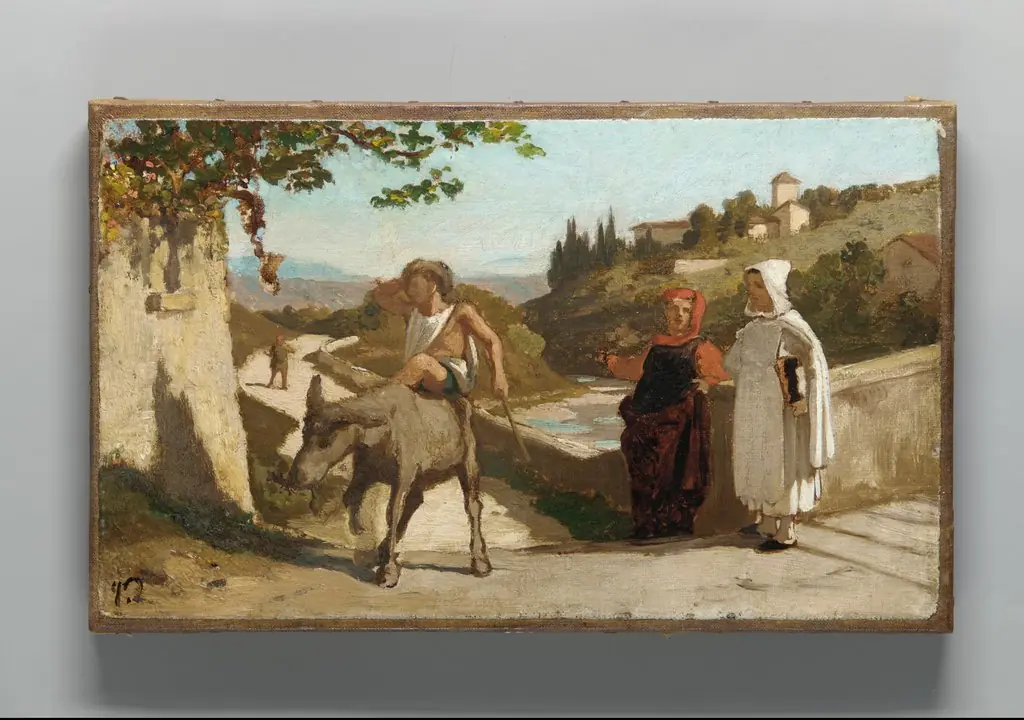 The Fable of the Miller, His Son, and the Donkey
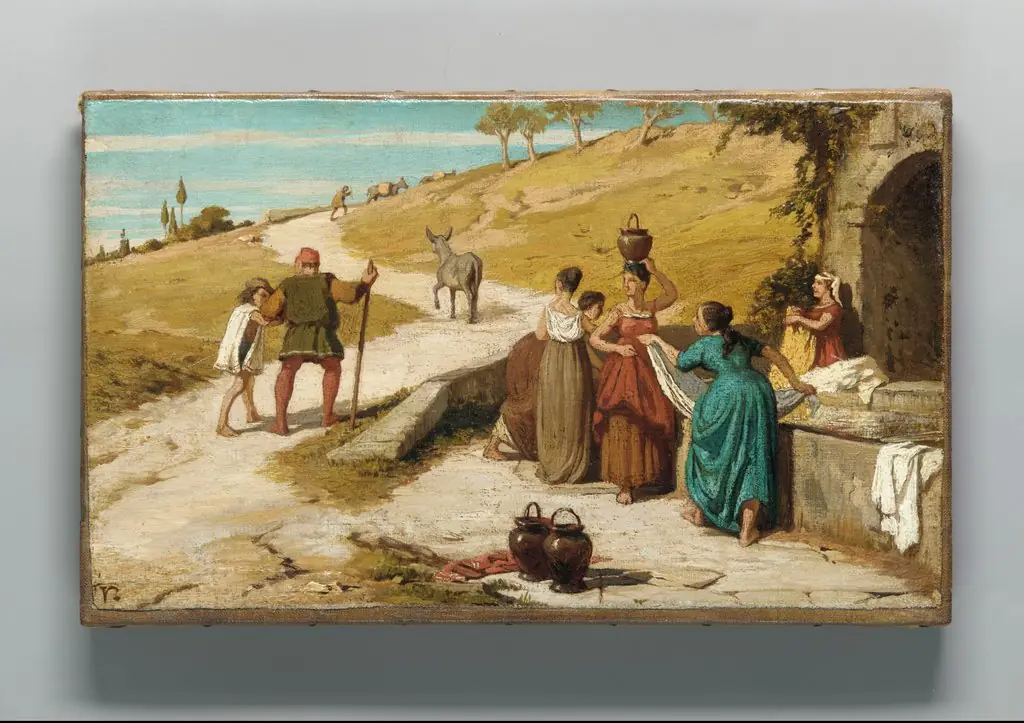 The Fable of the Miller, His Son, and the Donkey
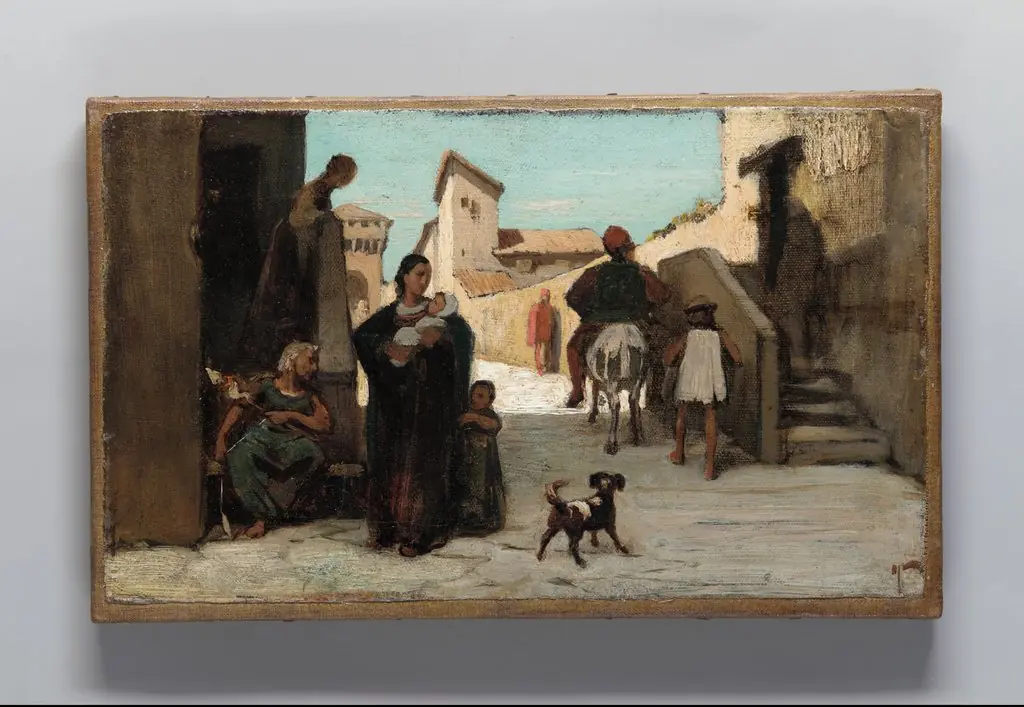 The Fable of the Miller, His Son, and the Donkey
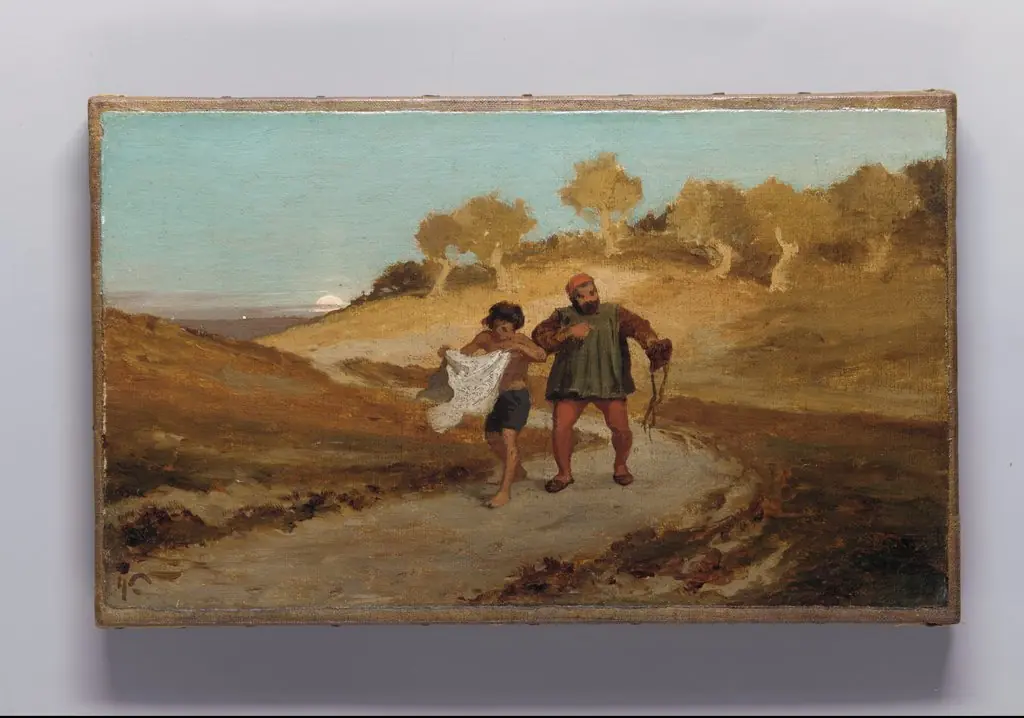 The Fable of the Miller, His Son, and the Donkey
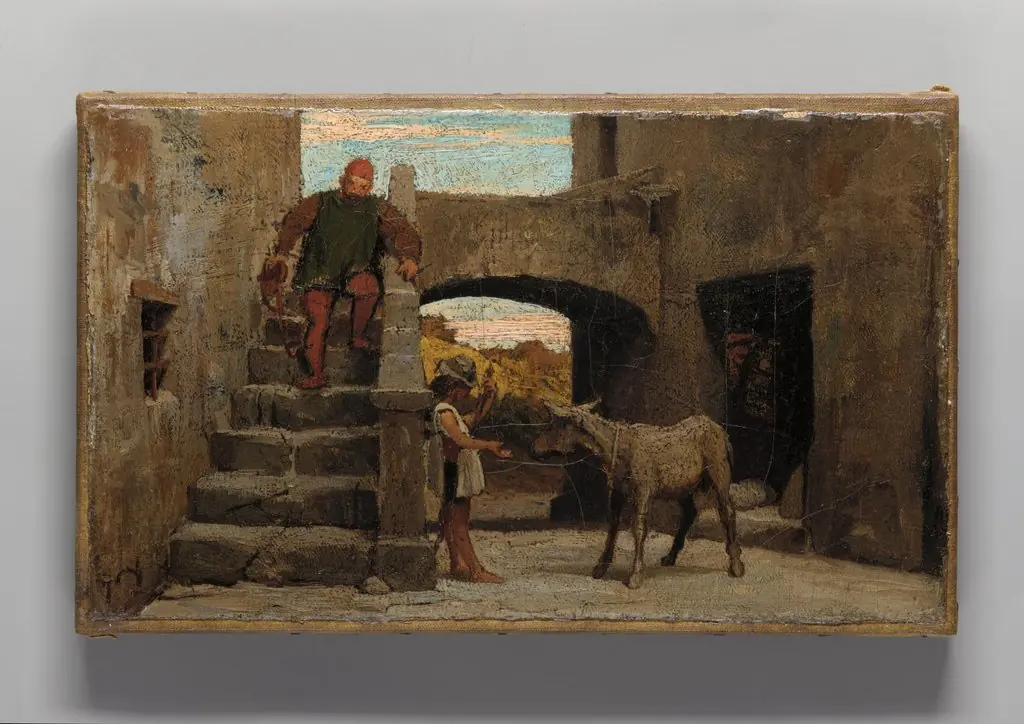 The Fable of the Miller, His Son, and the Donkey
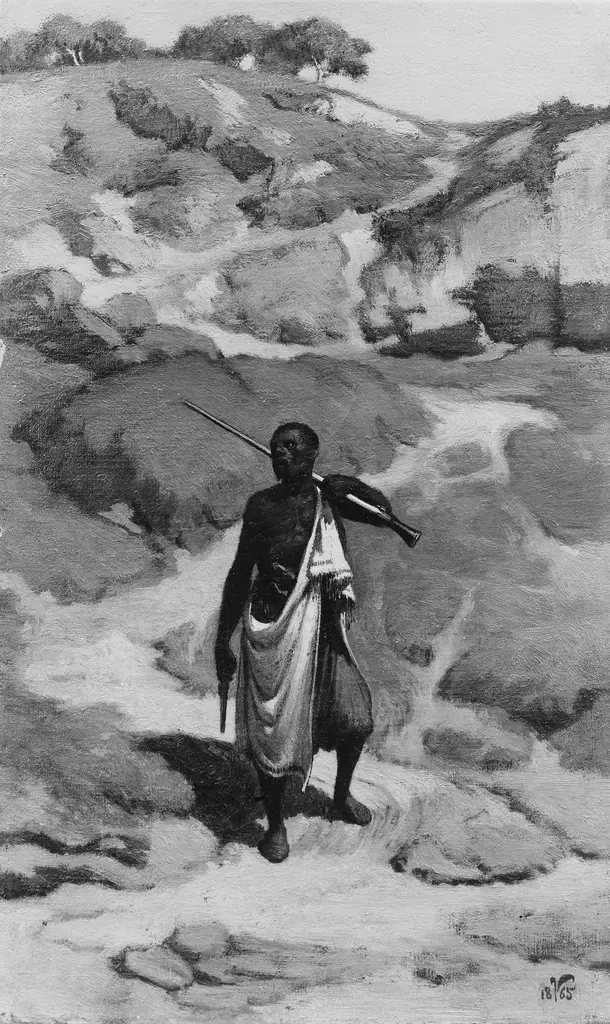 The African Sentinel
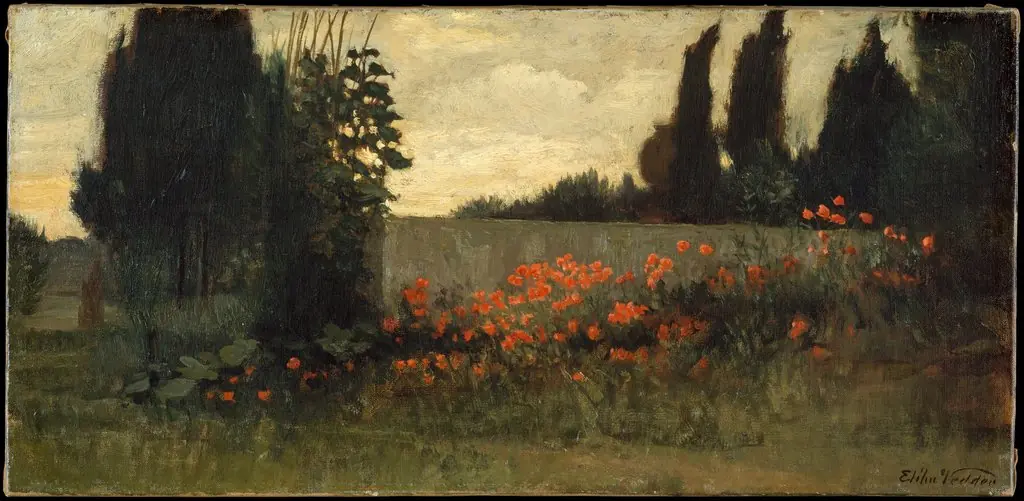 Cypress and Poppies
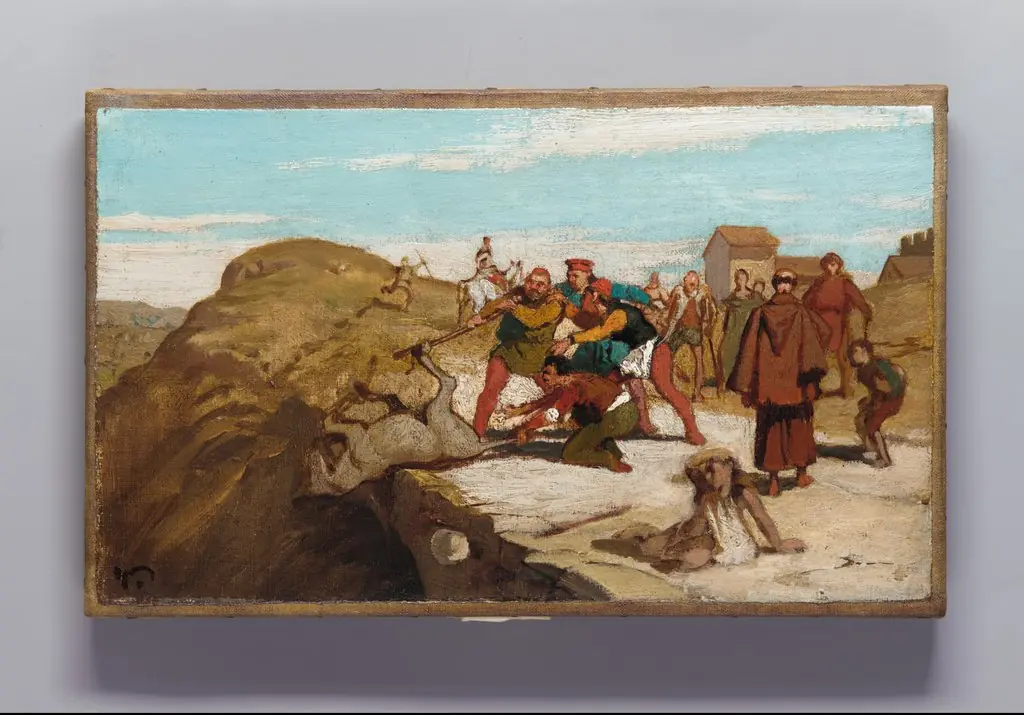 The Fable of the Miller, His Son, and the Donkey
 Beweinung Christi (Skizze)
 Den barmhjertige samaritan
 Den barmhjertige samaritan
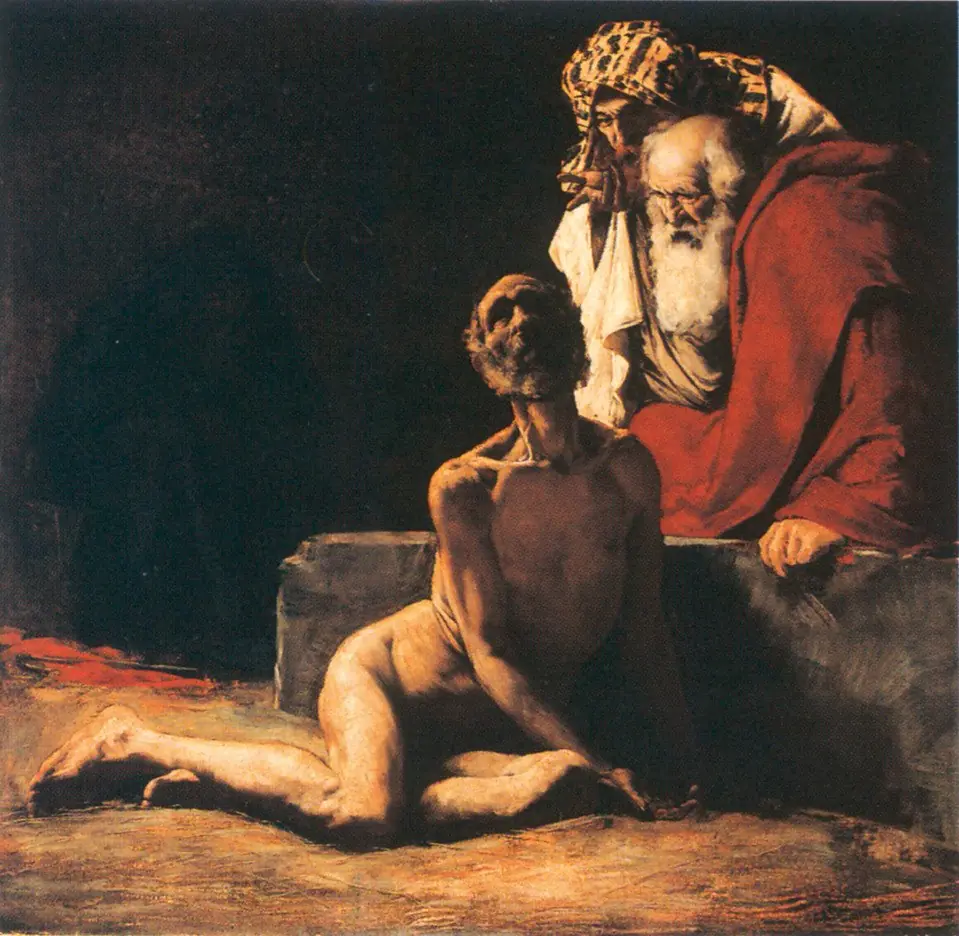 The God-fearing Job
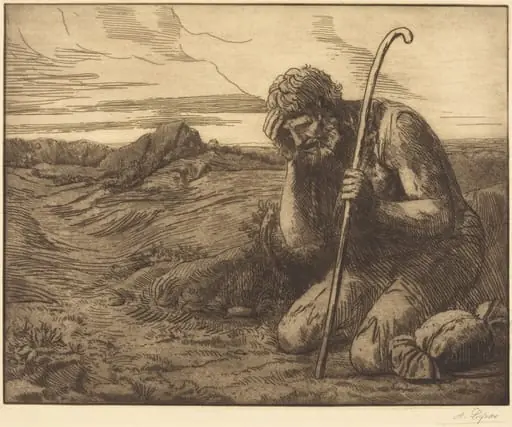 The Prodigal Son, 6th plate (L'enfant prodigue)
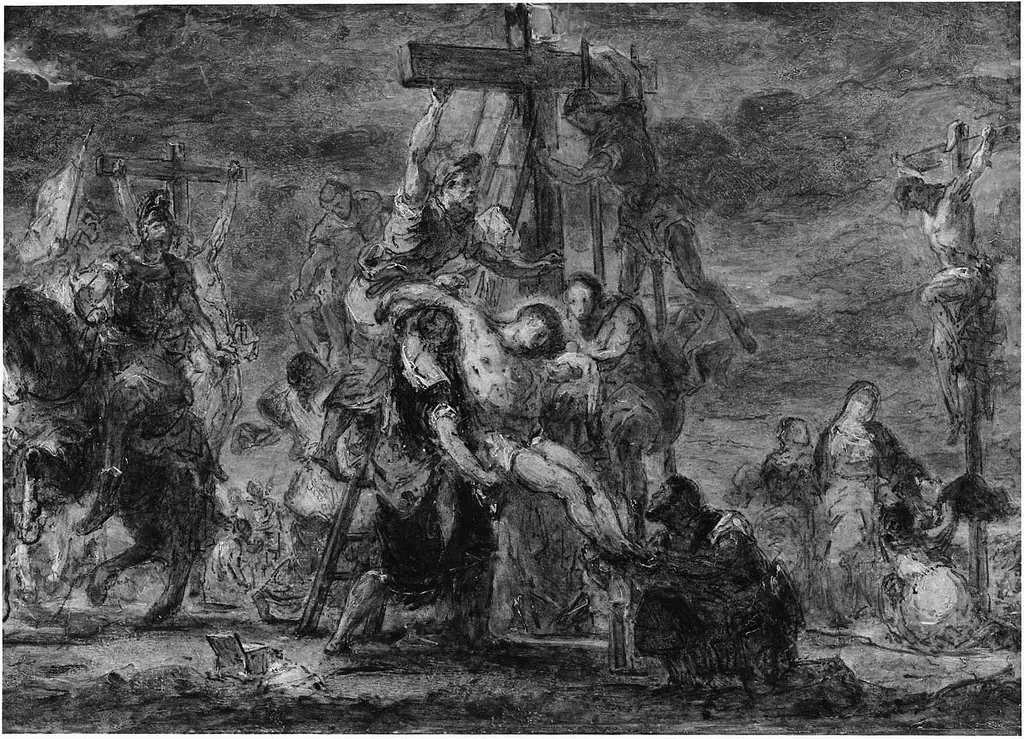 The Descent from the Cross
 Iov Credinciosul
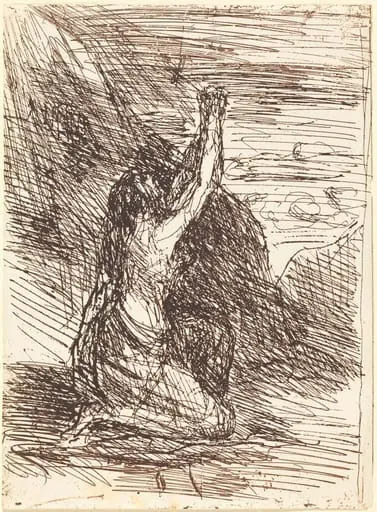 Mary Magdalene Kneeling (Madeleine a genoux)
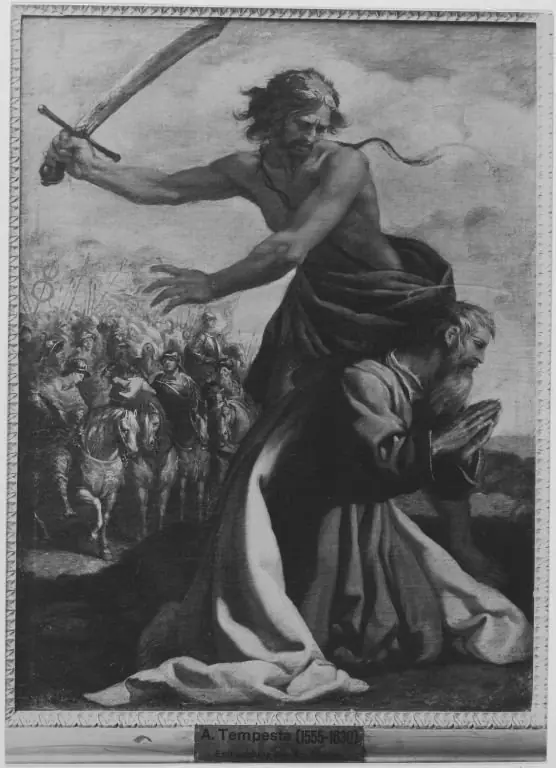 Enthauptung des Apostel Paulus
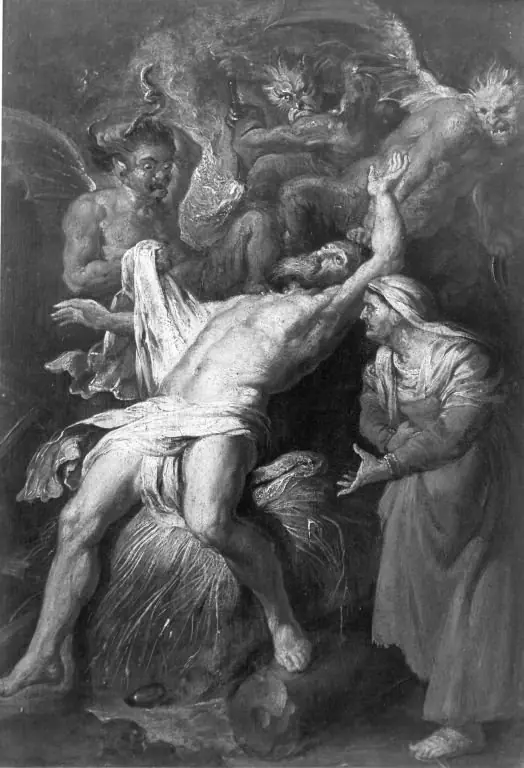 Mocking of Hiob
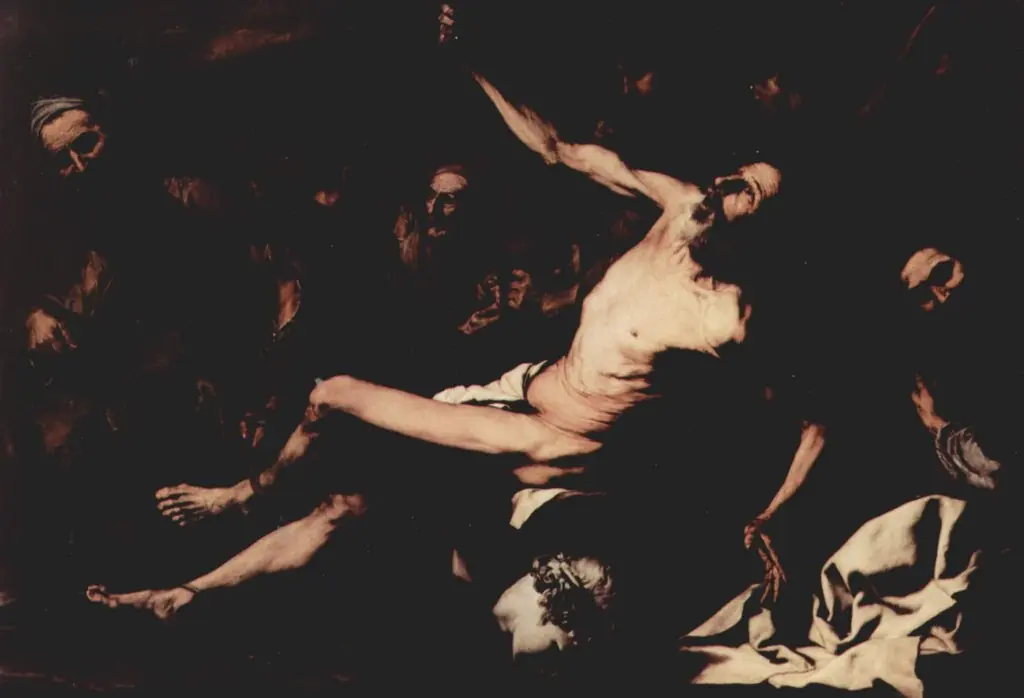 Martyrdom of St. Bartholomew
 Prayer for Death in the Desert