Artwork
Portrait of Jean-Baptiste Lemoyne the Younger
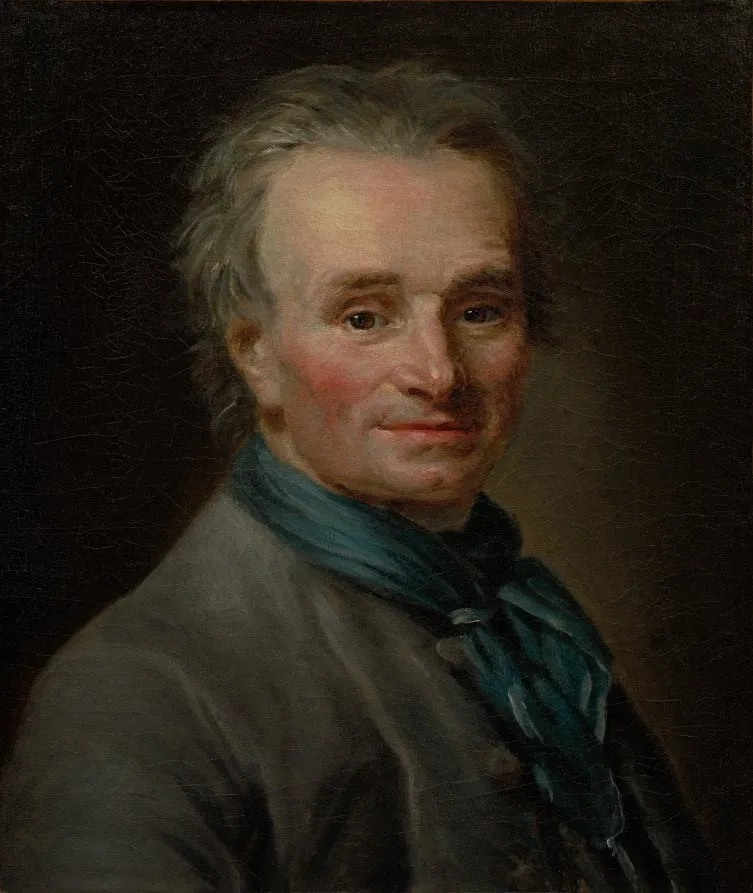
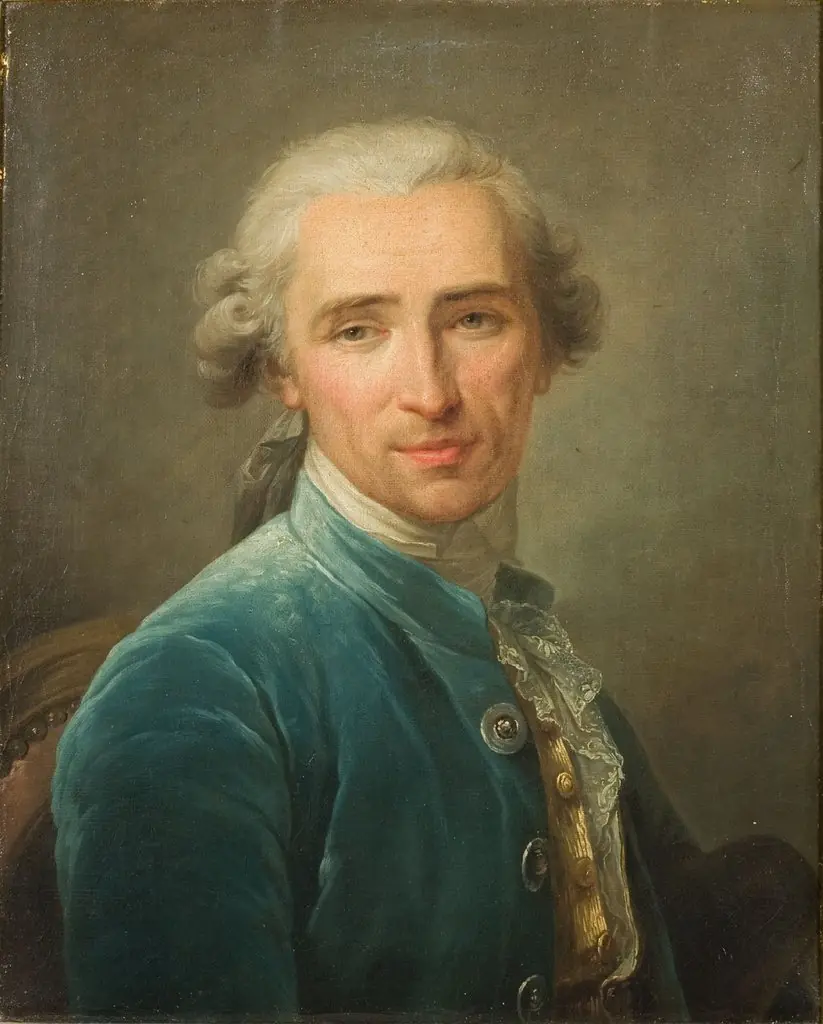
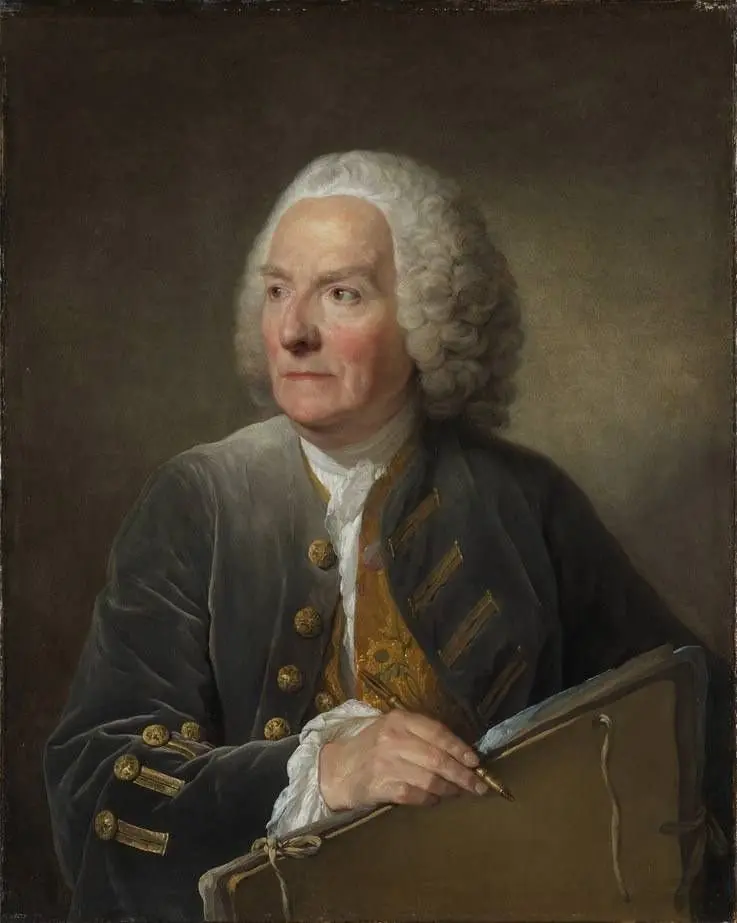
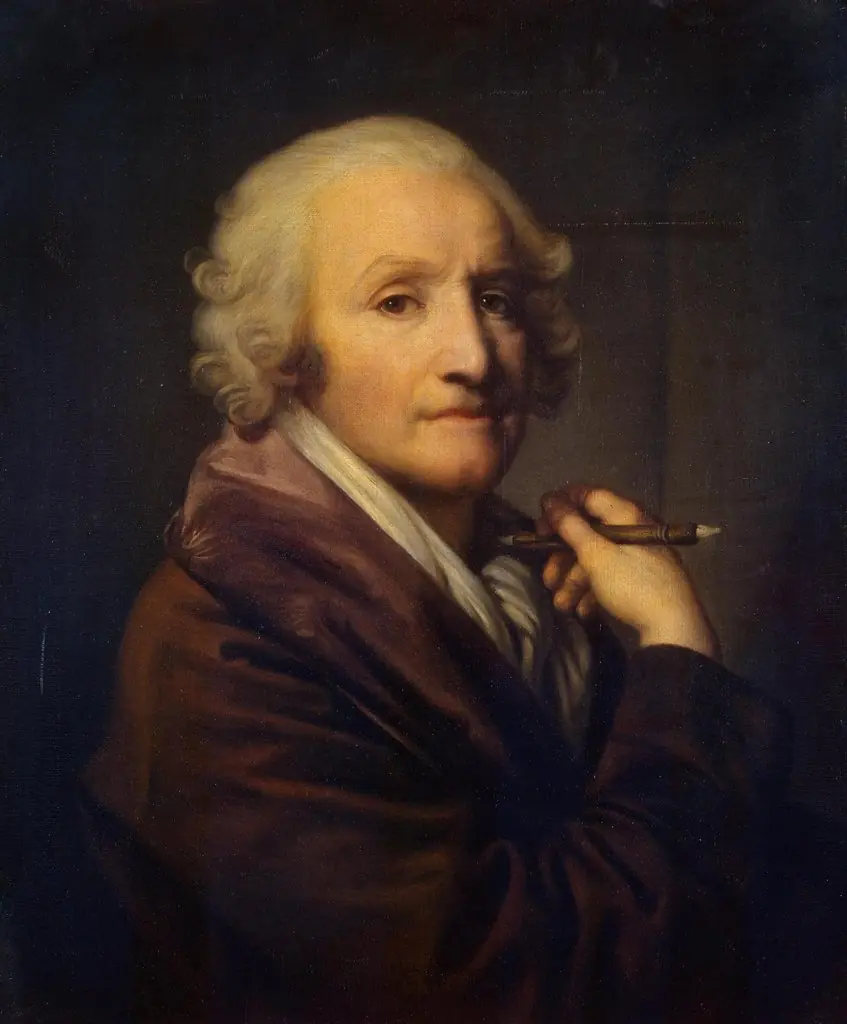
Portrait of Jean-Baptiste Lemoyne the Younger is an unspecified painting by the Rococo painting artist Élisabeth Louise Vigée Le Brun. It dates from 1774 and is held in the collection of the Cleveland Museum of Art. The painting is a close‑up portrait of the French sculptor Jean‑Baptiste Lemoyne the Younger, created near the end of his life.
About this work
Instead of fancy clothes or poses, she shows him in his everyday work clothes—like a snapshot of a real moment.
This is a close-up portrait of an older man with short gray hair, wearing a simple work shirt. His face looks tired but kind, with a small smile and sharp eyes that seem to really see you.
The man is a famous French sculptor, painted here by a young artist who knew him well. Instead of fancy clothes or poses, she shows him in his everyday work clothes—like a snapshot of a real moment. It’s rare for portraits of artists to feel this personal.
If you like this quiet, honest style, look up *Elisabeth Louise Vigée-LeBrun (French, 1755–1842)*.
Overview
The painting is a close‑up portrait of the French sculptor Jean‑Baptiste Lemoyne the Younger, created near the end of his life. Rendered in a naturalistic manner, the work captures the artist in plain work attire, his short grey hair and attentive gaze conveying a sense of immediacy and intimacy.
Subject & Meaning
Lemoyne, a leading sculptor of the eighteenth‑century French court, is depicted with a subtle smile and a direct stare that suggest both his professional confidence and a personal rapport with the painter. The informal dress and unguarded expression emphasize the artist’s everyday identity rather than a formal, idealized status.
Technique & Style
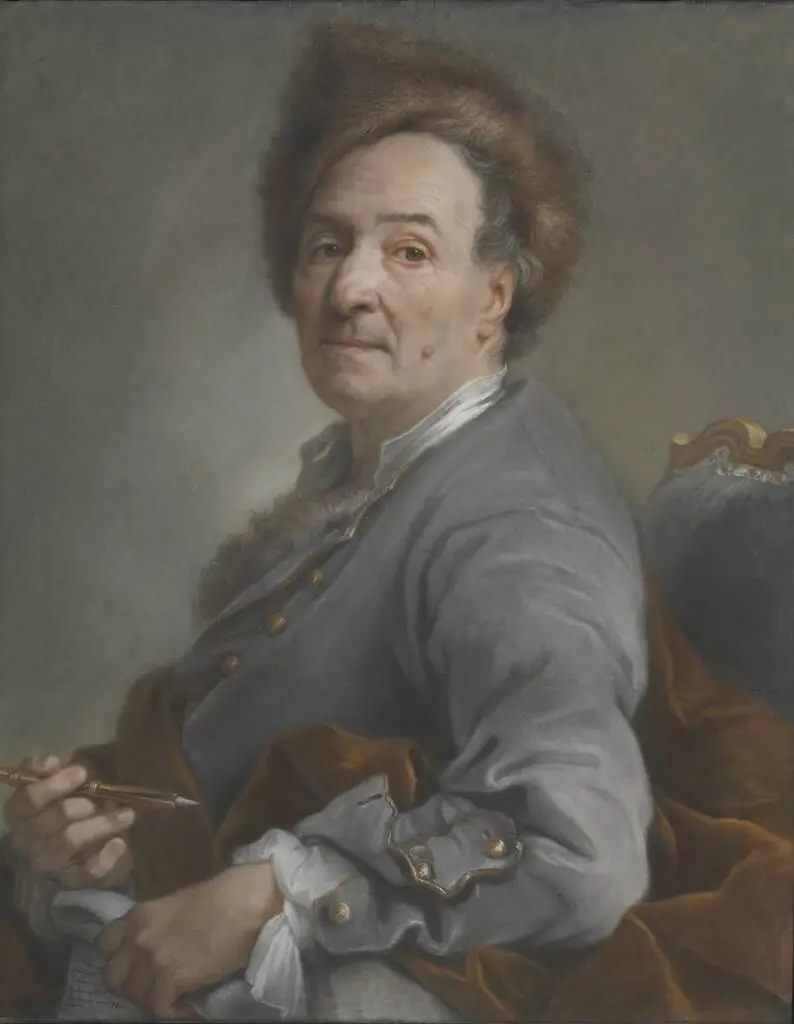
The portrait reinterprets Maurice‑Quentin de La Tour’s well‑known pastel of Lemoyne, translating its delicate tonal qualities into oil. Vigée‑Le Brun’s handling of paint mirrors the soft transitions and muted palette typical of pastel, underscoring her interest in naturalistic representation over the more elaborate, commissioned portraits for which she is known.
History & Provenance
Signed by Elisabeth Louise Vigée‑Le Brun, the work reflects her early career phase when she was a young artist acquainted with Lemoyne. The painting’s provenance traces back to private collections before entering a public museum, where it remains a testament to the artist’s network within Parisian artistic circles.
Context
Created in the late eighteenth century, the portrait aligns with a broader shift toward realism in French portraiture, moving away from aristocratic pageantry toward depictions of individuals in their professional environments. It also illustrates the cross‑medium dialogue between pastel and oil that was common among Parisian painters of the period.
Artist & collection
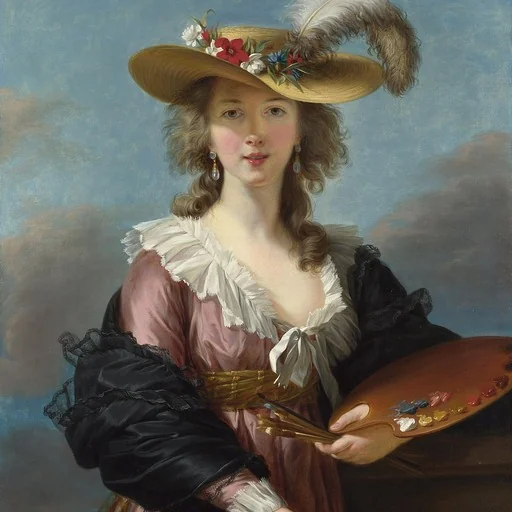
Artist
Élisabeth Louise Vigée Le Brun
Élisabeth Louise Vigée Le Brun (French: ; née Vigée; 16 April 1755 – 30 March 1842), also known as Louise Élisabeth Vigée Le Brun or simply Madame Le Brun, was a French painter who mostly specialized in portrait…

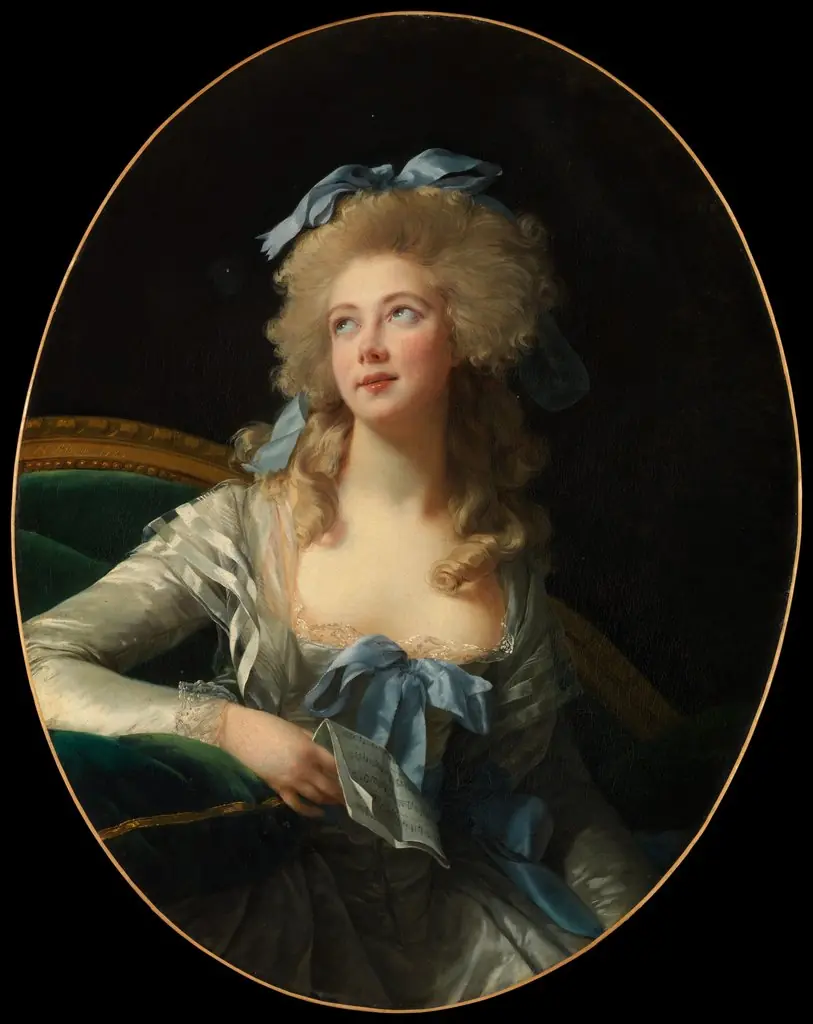 Madame Grand (Noël Catherine Verlée, 1761–1835)
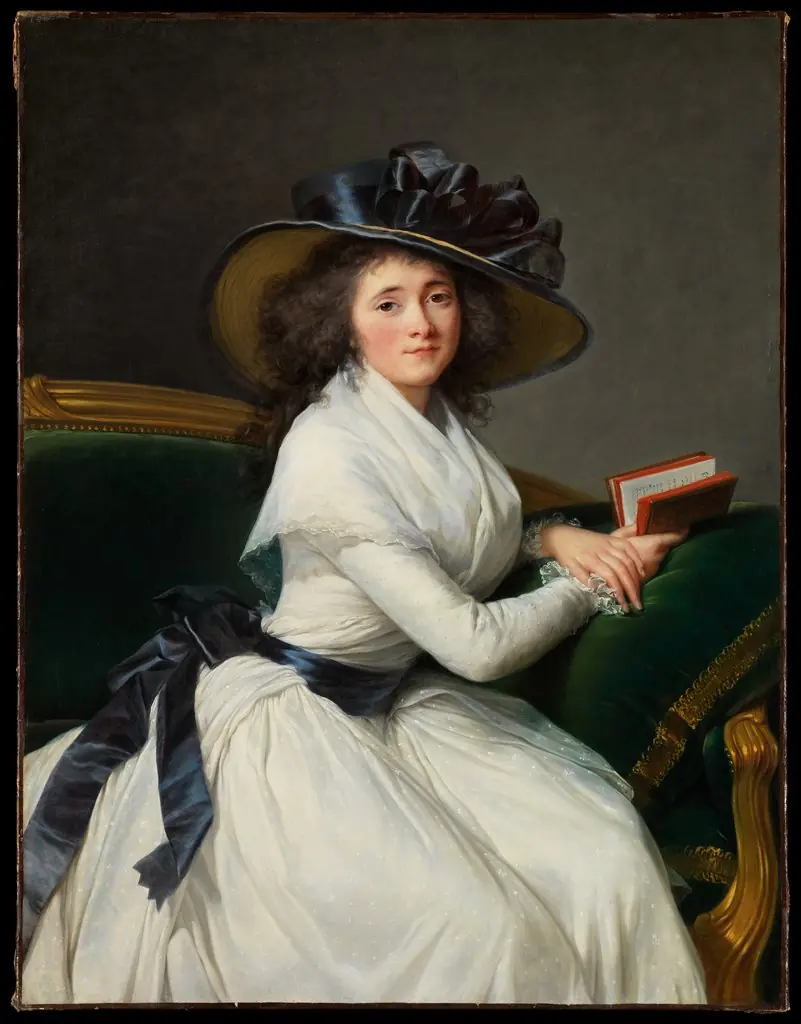 Comtesse de la Châtre (Marie Charlotte Louise Perrette Aglaé Bontemps, 1762–1848)
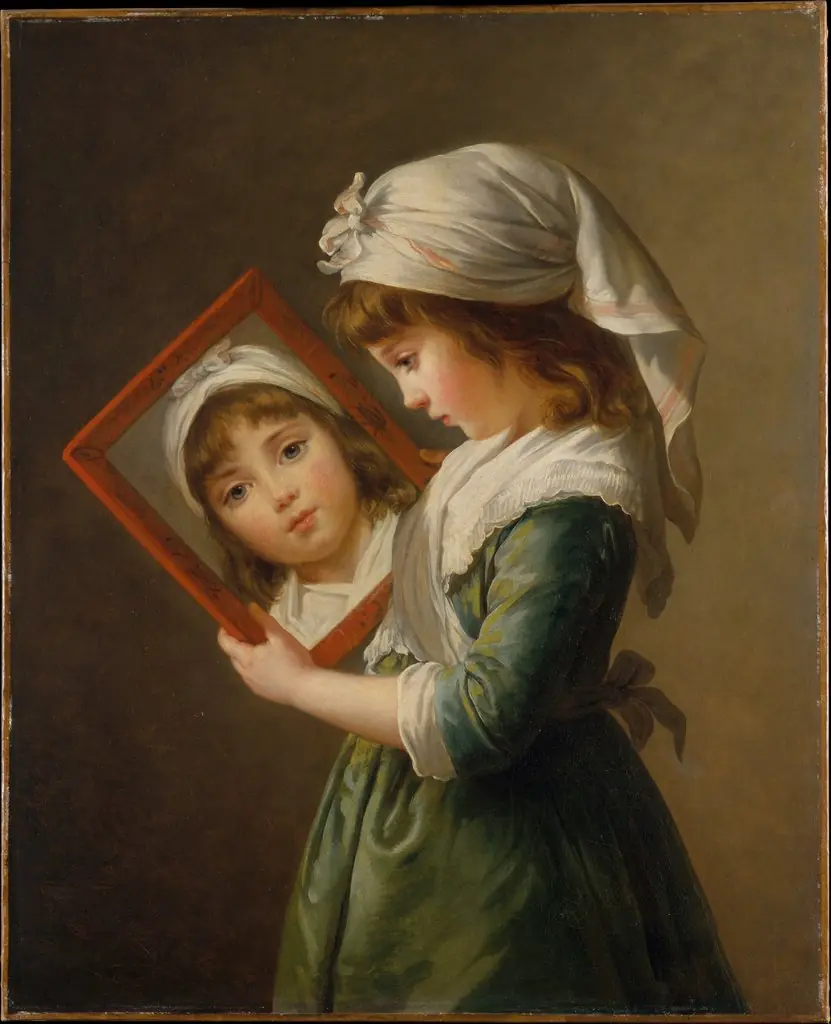 Julie Le Brun (1780–1819) Looking in a Mirror
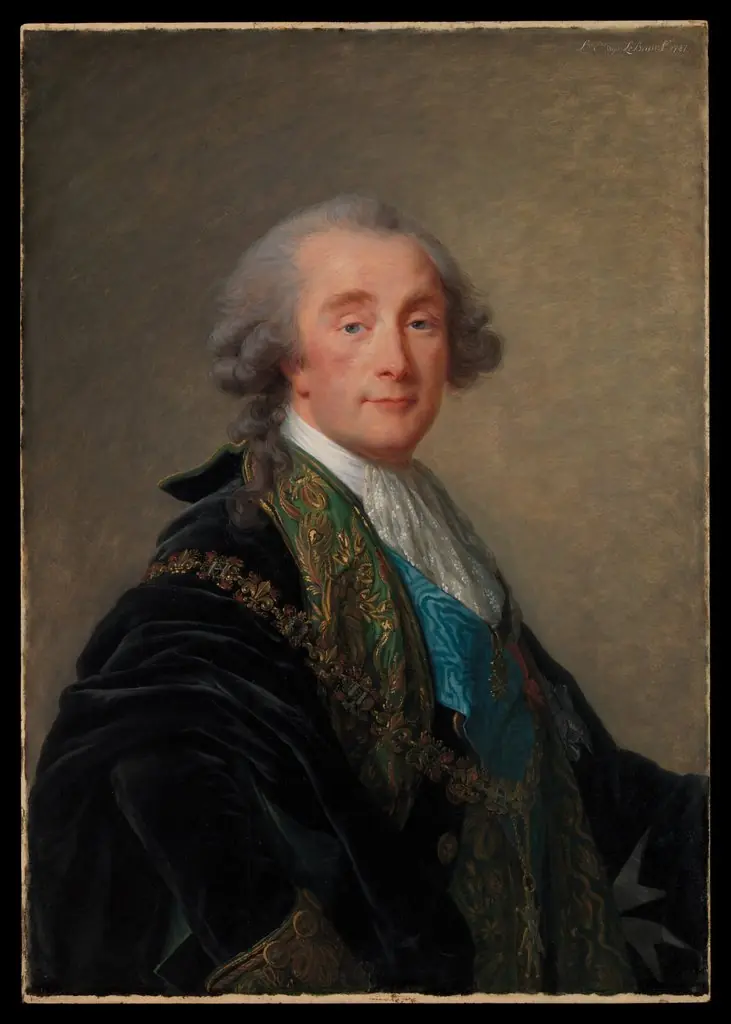 Alexandre Charles Emmanuel de Crussol-Florensac (1743–1815)
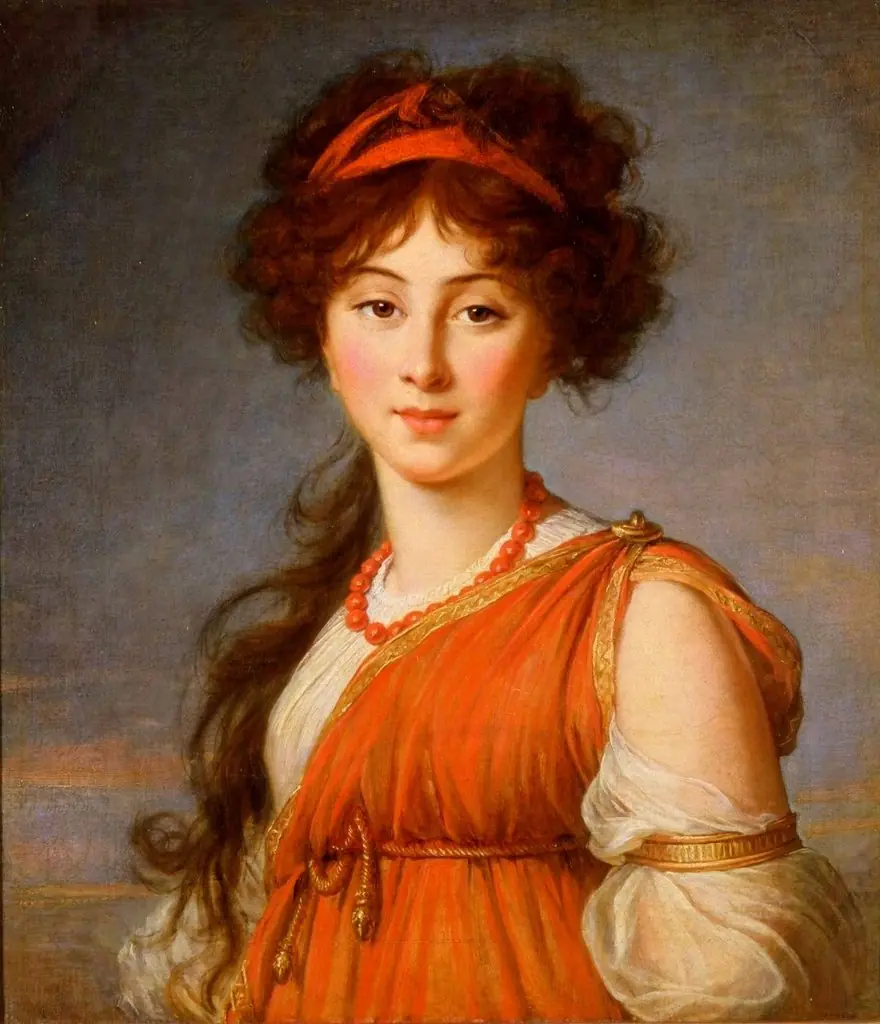 Varvara Ivanovna Ladomirsky
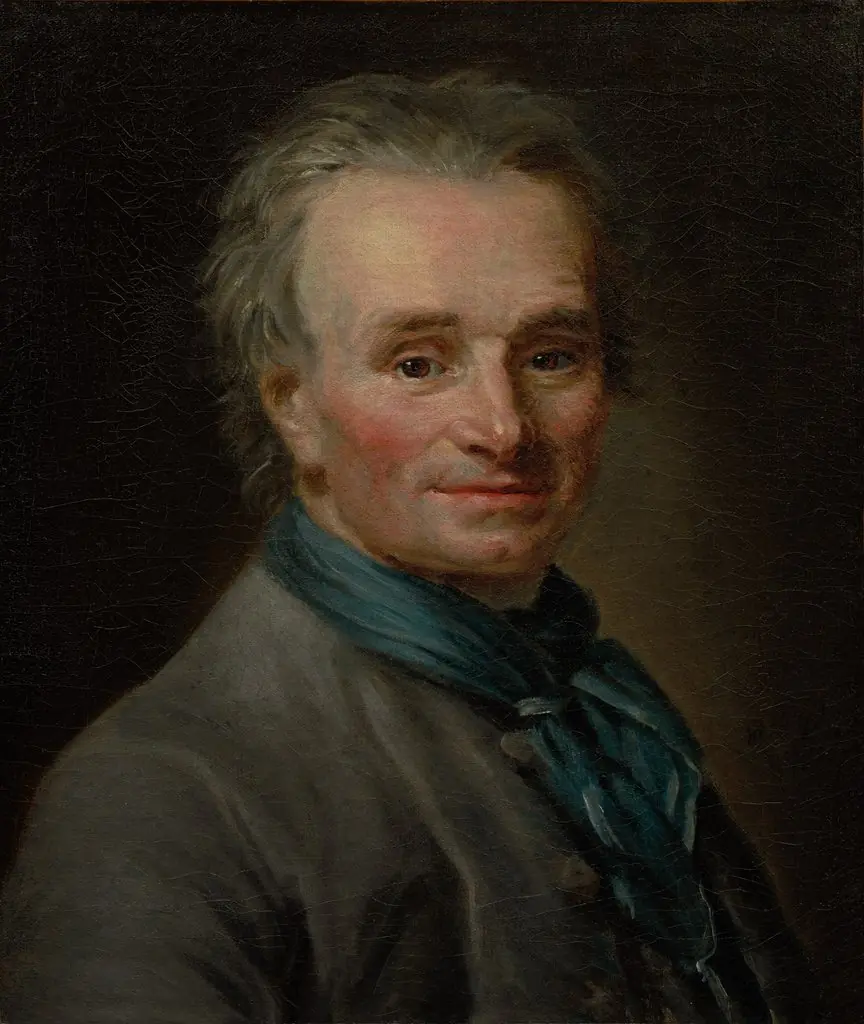 Portrait of Jean-Baptiste Lemoyne the Younger
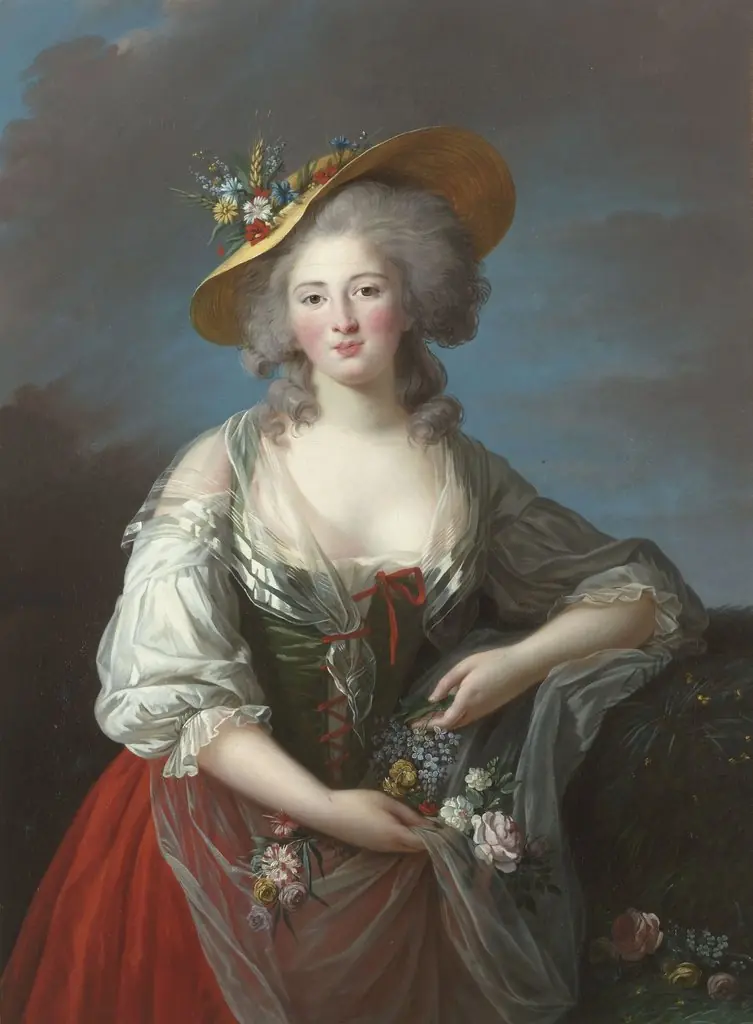 Elisabeth-Philippe-Marie-Hélène de France, dite Madame Elisabeth
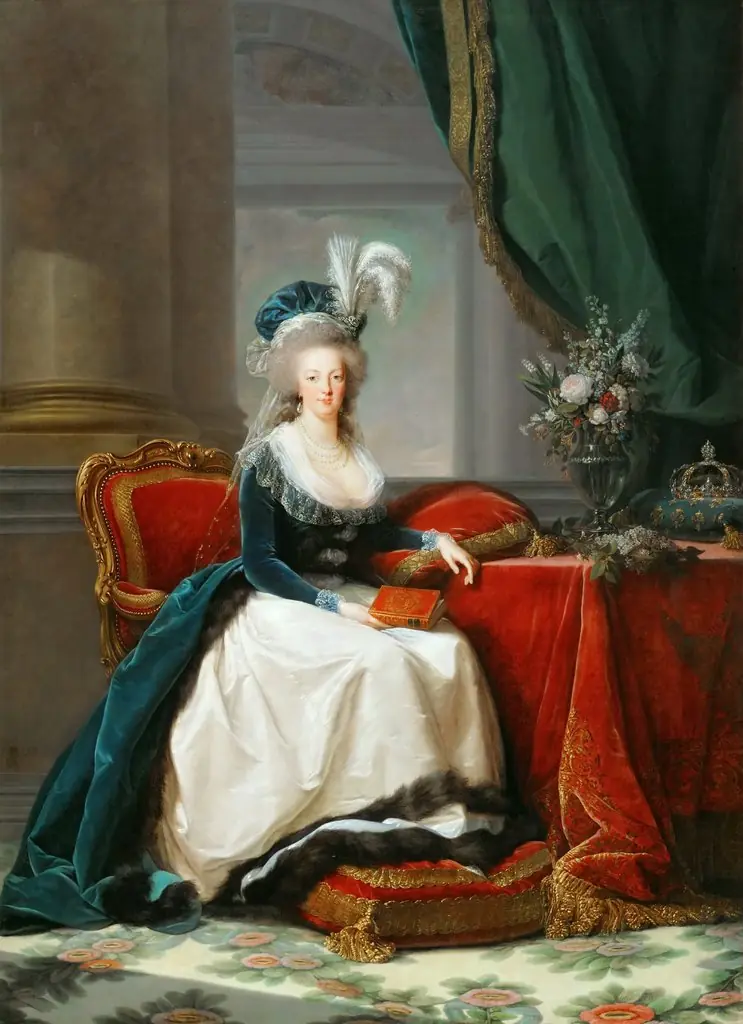 Marie-Antoinette seated, in blue coat and white dress, holding a book in her hand