Artwork
Selbstbildnis
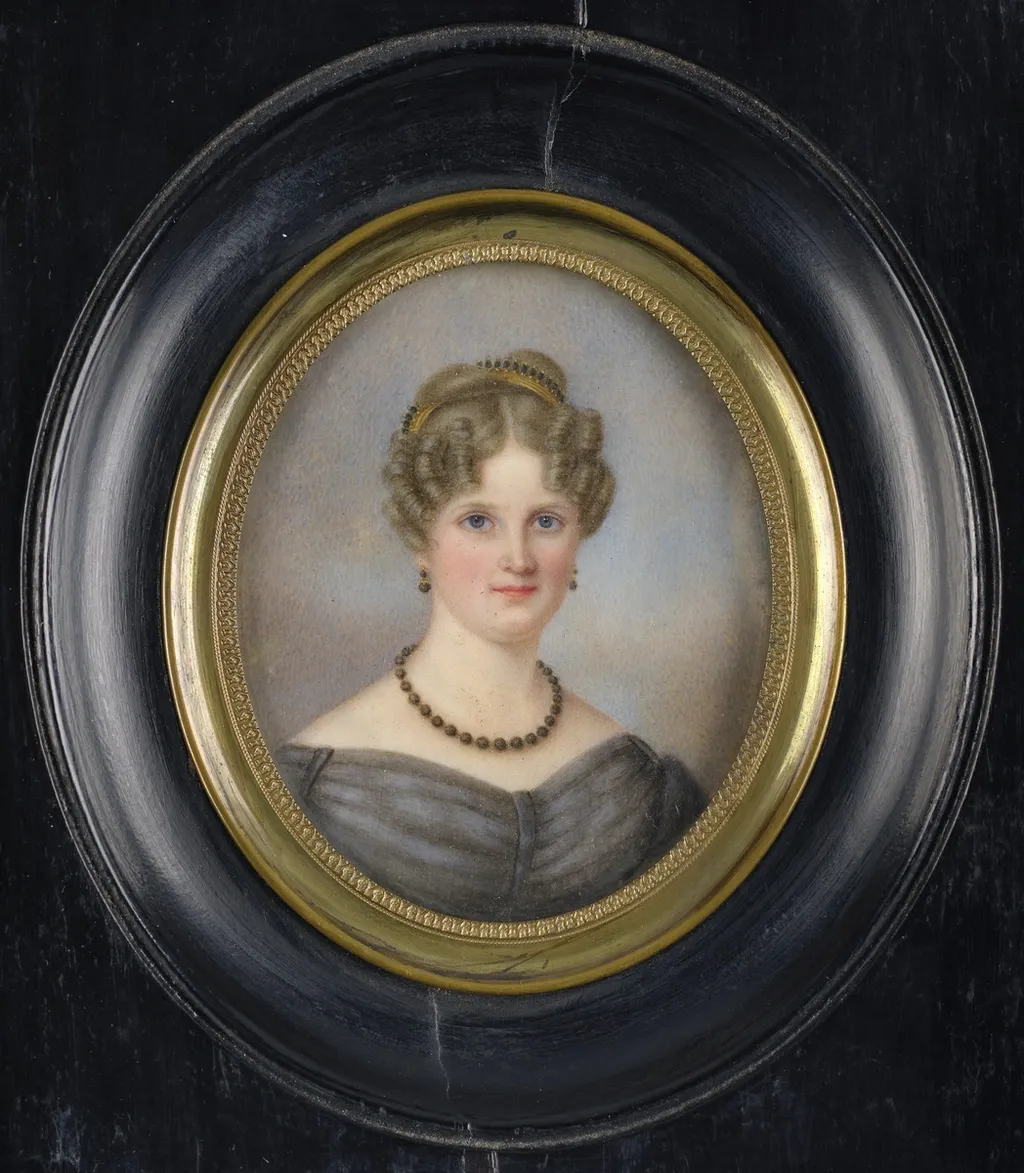
Selbstbildnis is an unspecified painting by the German Romanticist artist Elisabeth Pfenninger. It dates from 1816 and is held in the collection of the Kunsthaus Zürich.
About this work
Overview
Elisabeth Pfenninger painted this self-portrait in 1816, a rare surviving example of a woman artist depicting herself in early 19th-century Switzerland. The work is part of the collection at Kunsthaus Zürich, where it remains one of the few documented portraits by Pfenninger. Its quiet composition reflects the personal and restrained artistic expression common among female artists of the period.
Subject & Meaning
The subject is the artist herself, portrayed with calm composure and minimal adornment. Her off-the-shoulder dress and simple bead necklace suggest modesty rather than display, aligning with contemporary ideals of feminine restraint. The gentle gaze and neutral expression convey introspection, possibly signaling an assertion of identity through quiet dignity rather than theatricality.
Technique & Style
Pfenninger employed soft brushwork and a muted palette to create a subdued, intimate atmosphere. The background lacks detail, drawing focus to the figure’s form and facial features. Hair is rendered with delicate strokes to suggest volume and texture, while the necklace and dress folds are indicated with subtle tonal shifts rather than sharp definition, emphasizing restraint over ornamentation.
History & Provenance
No earlier ownership records are publicly available, suggesting it may have stayed within the artist’s family or local circle after its creation.
The painting has remained in Swiss institutional hands since at least the early 20th century, entering the Kunsthaus Zürich collection through documented acquisition. Its survival is notable, as many works by female artists of the era were lost or overlooked. No earlier ownership records are publicly available, suggesting it may have stayed within the artist’s family or local circle after its creation.
Context
In 1816, formal artistic training for women in Switzerland was limited, and public recognition of female painters was rare. Pfenninger’s self-portrait reflects both the constraints and quiet resilience of women artists navigating a male-dominated field. The work aligns with broader European trends of introspective portraiture, yet its simplicity distinguishes it from more elaborate contemporary examples.
Legacy
As one of the few confirmed self-portraits by a Swiss woman artist from this period, the painting contributes to the reassessment of female contributions to early 19th-century art. It is now referenced in scholarly studies on women in Swiss art history, serving as a tangible link to the personal and professional lives of artists who worked outside the mainstream canon.
Artist & collection

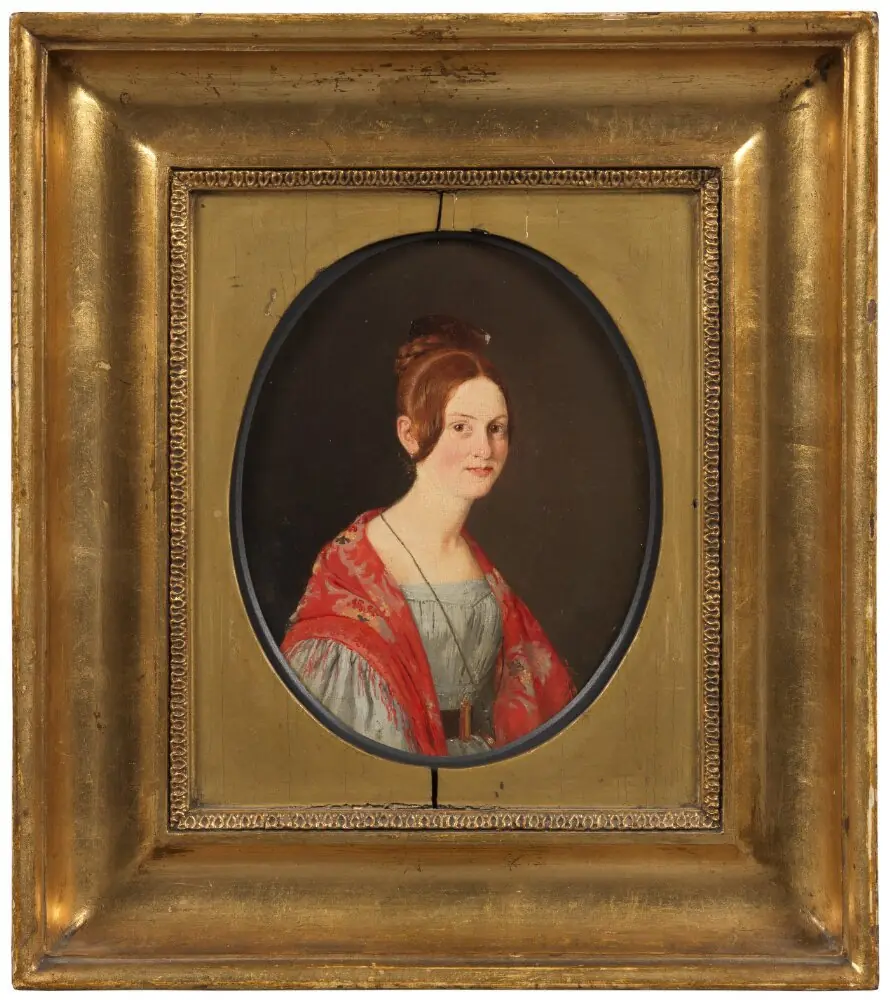 Portrait of Ane Elisabeth (Elise) Gurlitt, né Saxild (1817-39)
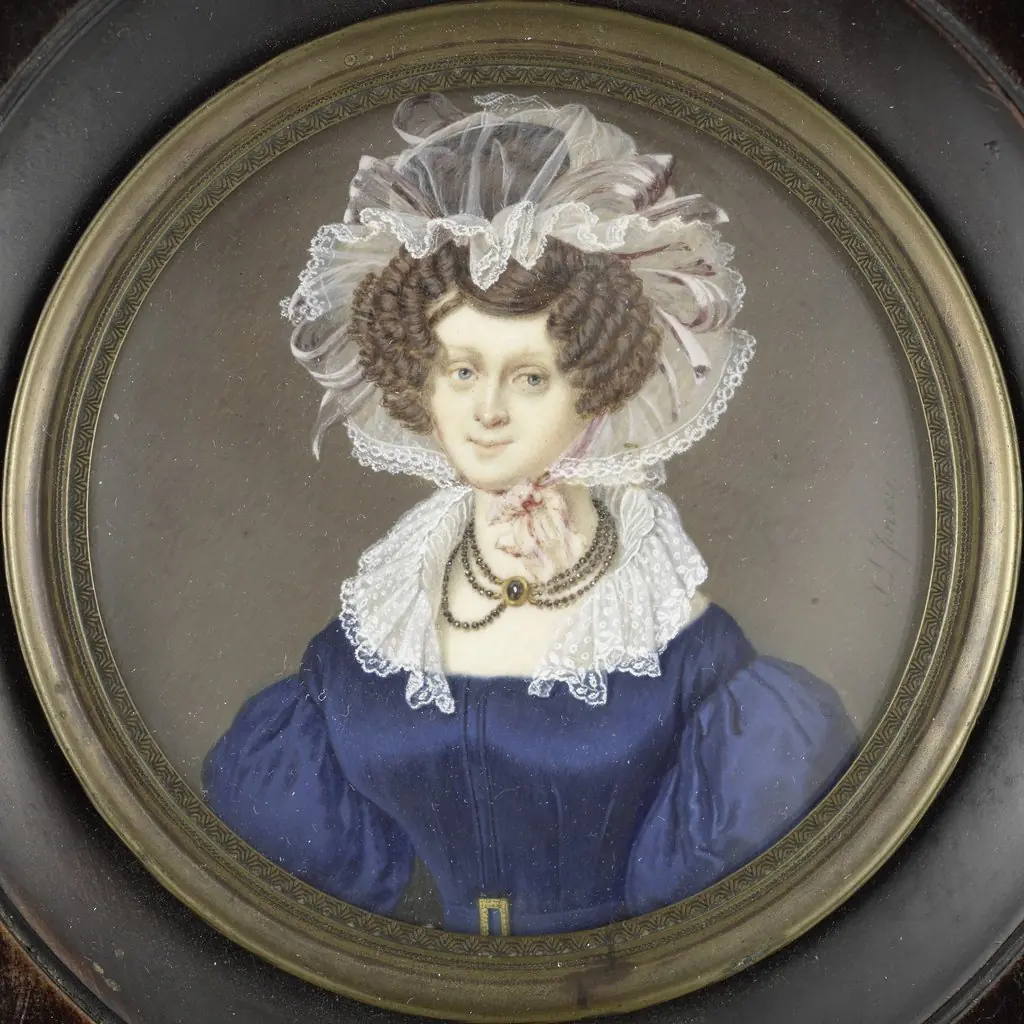 Portret van een vrouw
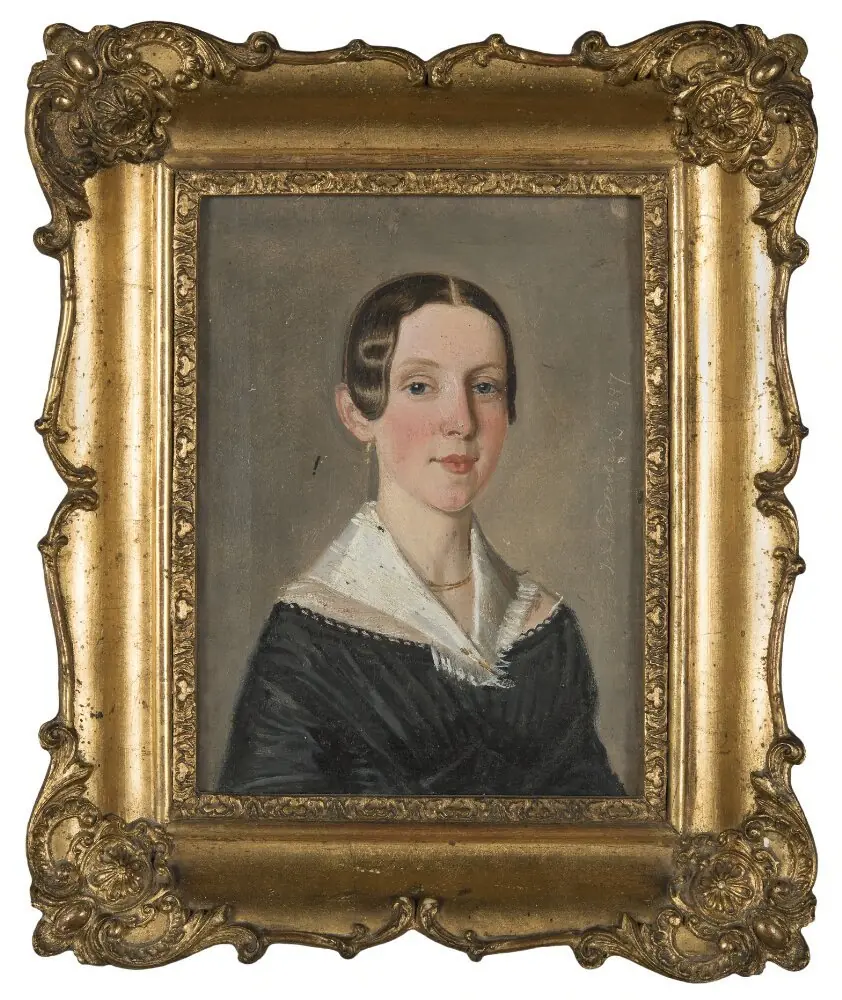 Elise Ljungman, m. Paint Manufacturer and the Director of an Orphanage Signeul in Uddevalla
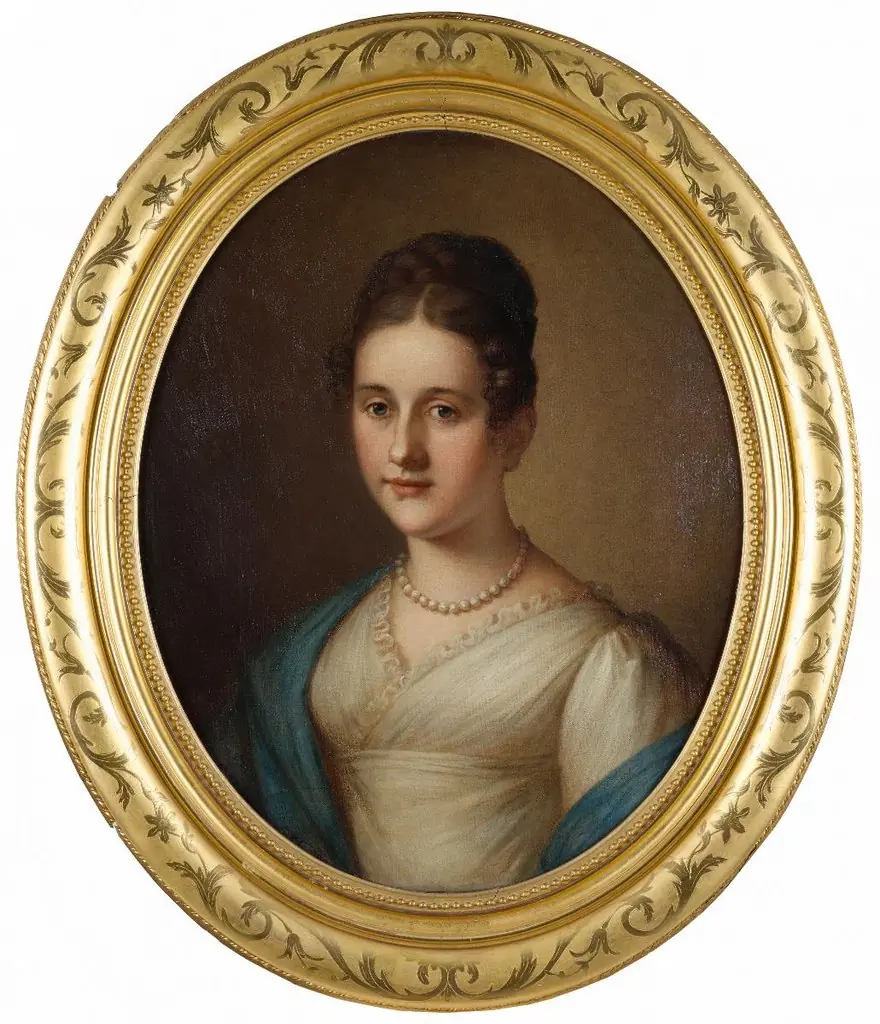 Bildnis Elisabeth Tobler, geborene Bindschedler
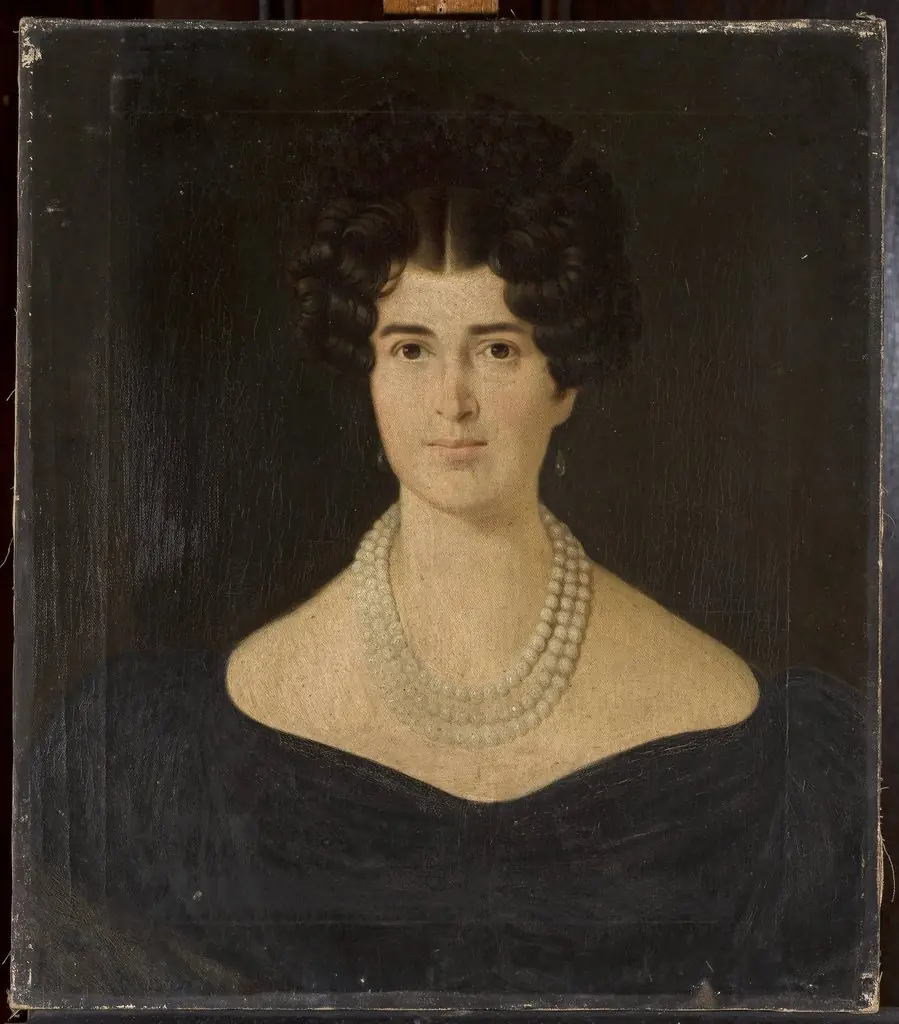 Portrait of Józefina Deboli née Drużbacka
 Portrait of a Lady
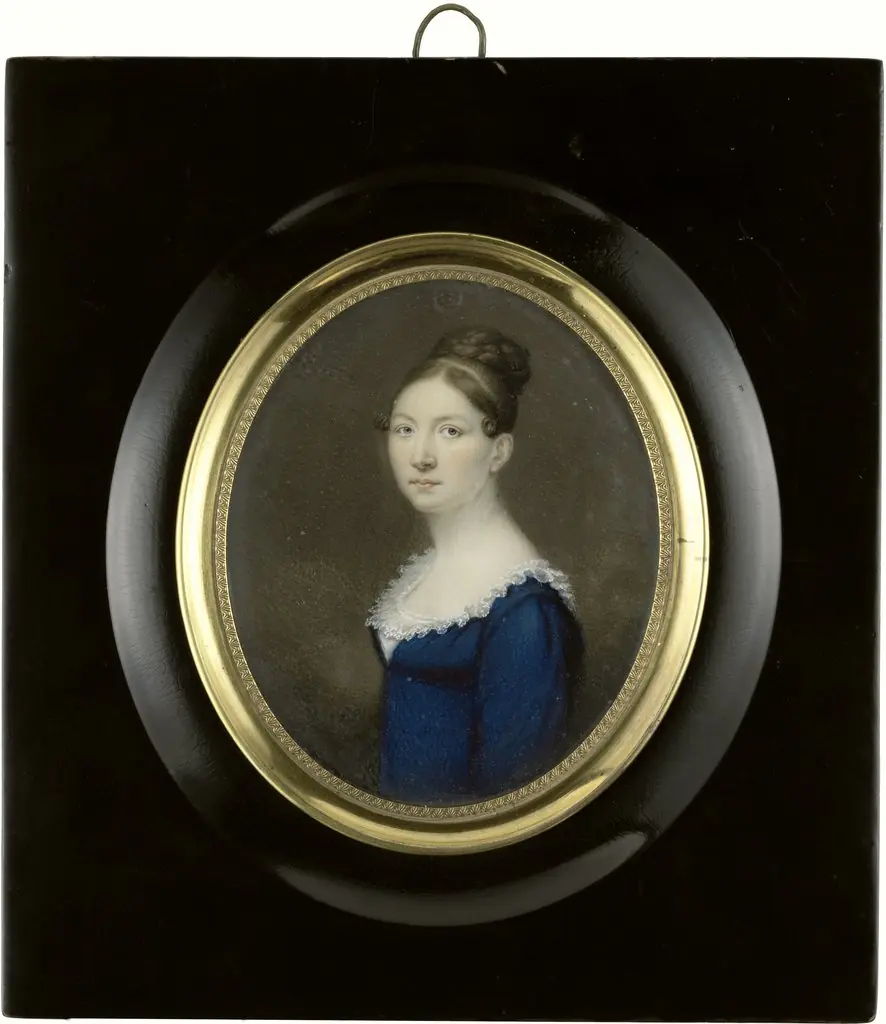 Portrait of Suzanna de Roth (1789-1822)
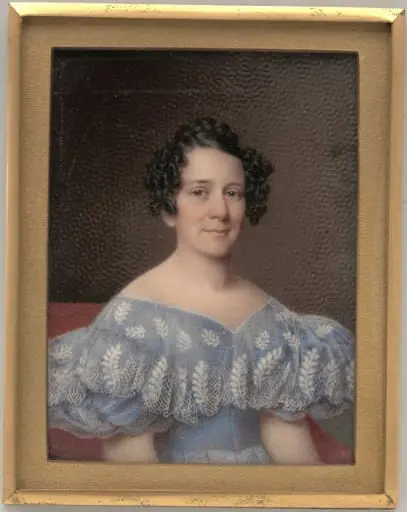 Portrait of a Lady
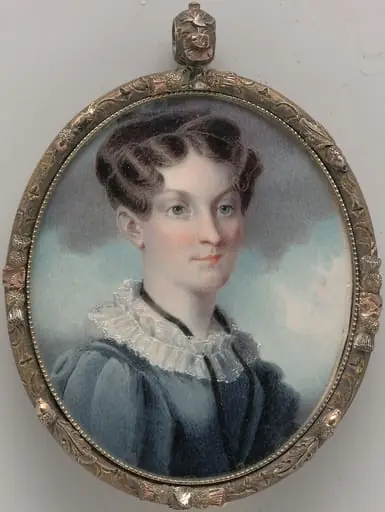 Carolyn Mishner
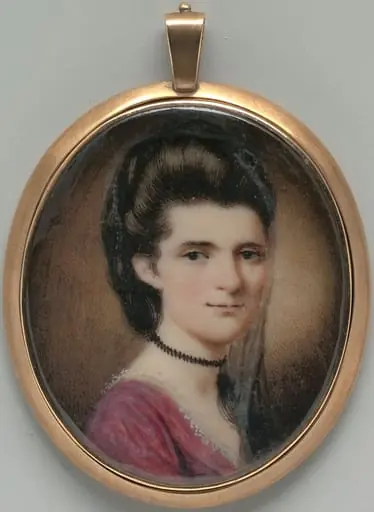 Elizabeth Ann Timothy
 Portrait of a Woman
 Ulrika Dahlman m. Camitz, Canoness