Artwork
Portrait of a Lady ('Phyllis in Town')
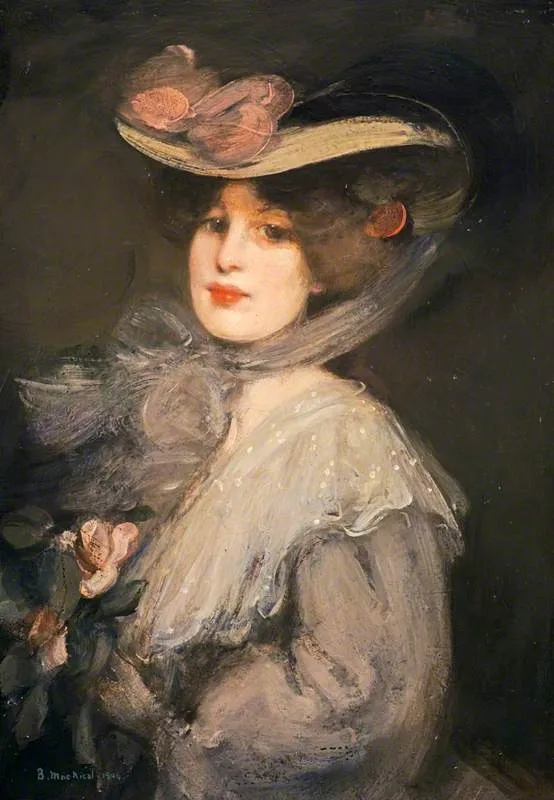
Portrait of a Lady ('Phyllis in Town') is an oil painting by the Impressionist artist Elizabeth MacNicol. It dates from 1904 and is held in the collection of the National Galleries Scotland.
About this work
Overview
Associated with the Glasgow Girls, a collective of women artists connected to the Glasgow School, she worked within a loosely impressionist idiom.
Elizabeth MacNicol, a Scottish artist active in the early 20th century, completed this oil portrait in 1904, the final year of her life. Associated with the Glasgow Girls, a collective of women artists connected to the Glasgow School, she worked within a loosely impressionist idiom. The painting is now part of the Scottish National Gallery’s collection, representing a quiet moment in urban feminine life during a period of artistic renewal in Scotland.
Subject & Meaning
The subject is a woman, possibly named Phyllis, depicted in a moment of stillness as she holds a bouquet of pink and white flowers. Her attire—a high-necked white blouse and dark skirt—suggests modesty and urban propriety. The wide-brimmed, flower-adorned hat casts soft shadow over her face, obscuring expression while emphasizing composure. The image conveys introspection rather than narrative, focusing on presence over identity.
Technique & Style
MacNicol employed oil paint with loose, textured brushwork that captures light without rigid definition. The dark background isolates the figure, enhancing the luminosity of her clothing and the delicate tones of the flowers. Facial features are softened, avoiding sharp detail, while the play of light across fabric and petals suggests depth through color modulation rather than line. The style reflects impressionist concerns with atmosphere and transient effects.
History & Provenance
Painted in 1904, the year of MacNicol’s death, the work remained in private hands before entering the Scottish National Gallery’s collection. Its title, 'Phyllis in Town,' was likely assigned later, as no documentation confirms the sitter’s identity. The painting’s survival and acquisition reflect growing institutional interest in women artists of the Glasgow School during the 20th century.
Context
MacNicol worked alongside other female artists in Glasgow who challenged the male-dominated art establishment by exhibiting independently and embracing modern techniques. This portrait aligns with broader trends in Scottish art that favored intimate, everyday scenes over grand historical subjects. The emphasis on a solitary woman in urban attire reflects shifting social roles for women at the turn of the century.
Legacy
Though MacNicol’s career was brief, her work contributes to the recognition of women’s roles in the Glasgow School. 'Portrait of a Lady' stands as a quiet testament to her sensitivity to light and form, and to the understated dignity of her subjects. It remains a key example of early 20th-century Scottish portraiture that resists melodrama in favor of subtle observation.
Artist & collection
Artist
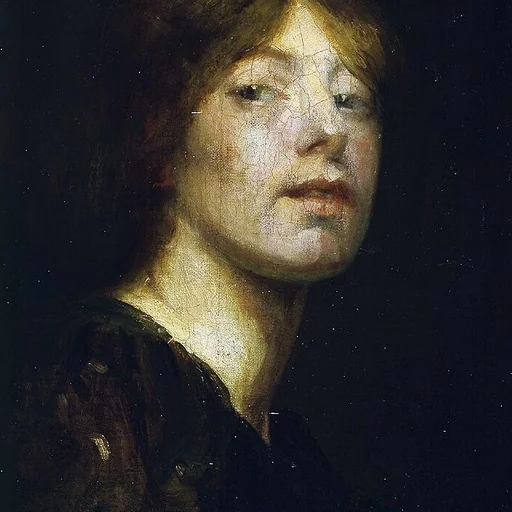
Elizabeth MacNicol (5 July 1869 – 4 June 1904) was a Scottish painter and member of the Glasgow Girls group of artists affiliated with the Glasgow School of artists.

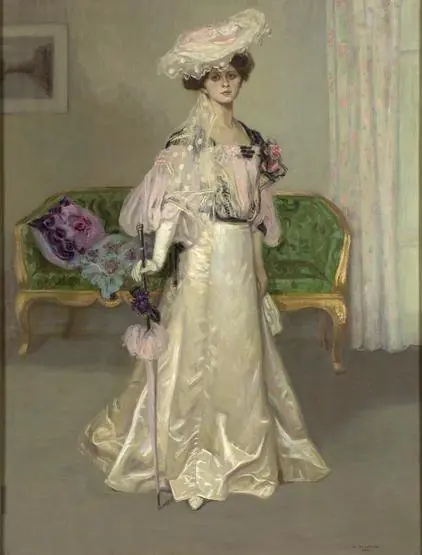 Porträt der Frau Elfy Cilly
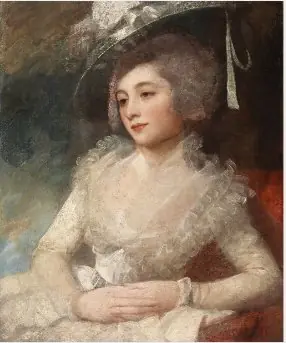 Portrait of Mrs Edward Taylor (née Janverin)
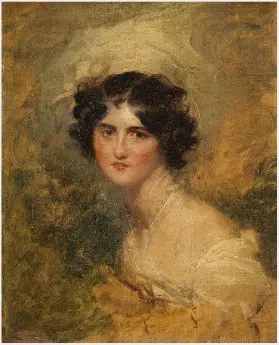 Portrait of Miss Boaden, Singer
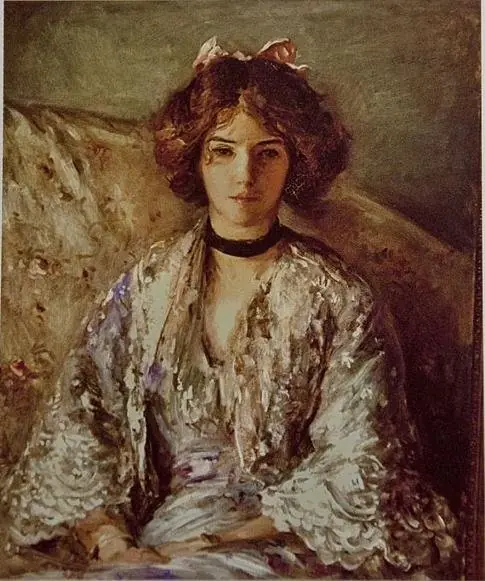 Portrait of Miss Ethel Warwick
 Head of a Young Girl
 Head of a Welsh Fishergirl
 Lilian May Law (d.1882)
 Isobelle Humphreys-Owen
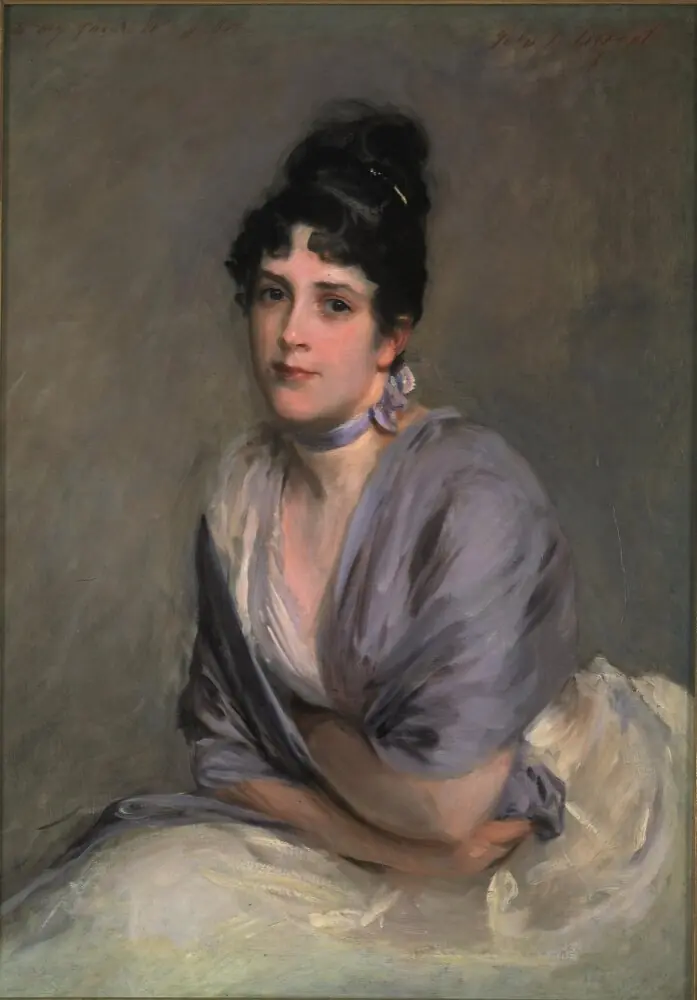 Mrs Frank Millet (Elizabeth Merrill)
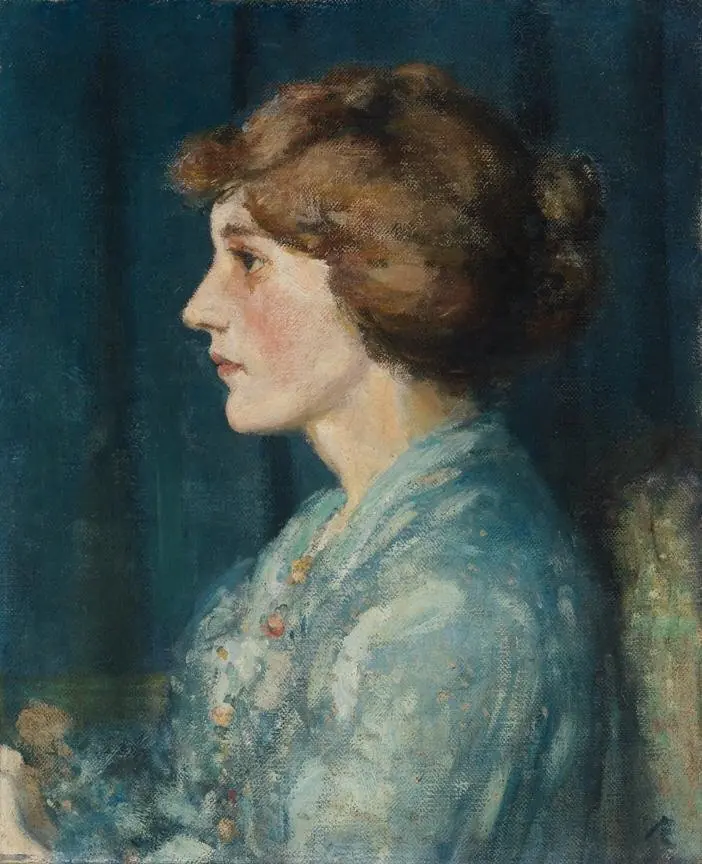 Portrait of Iseult Gonne (Mrs Francis Stuart)
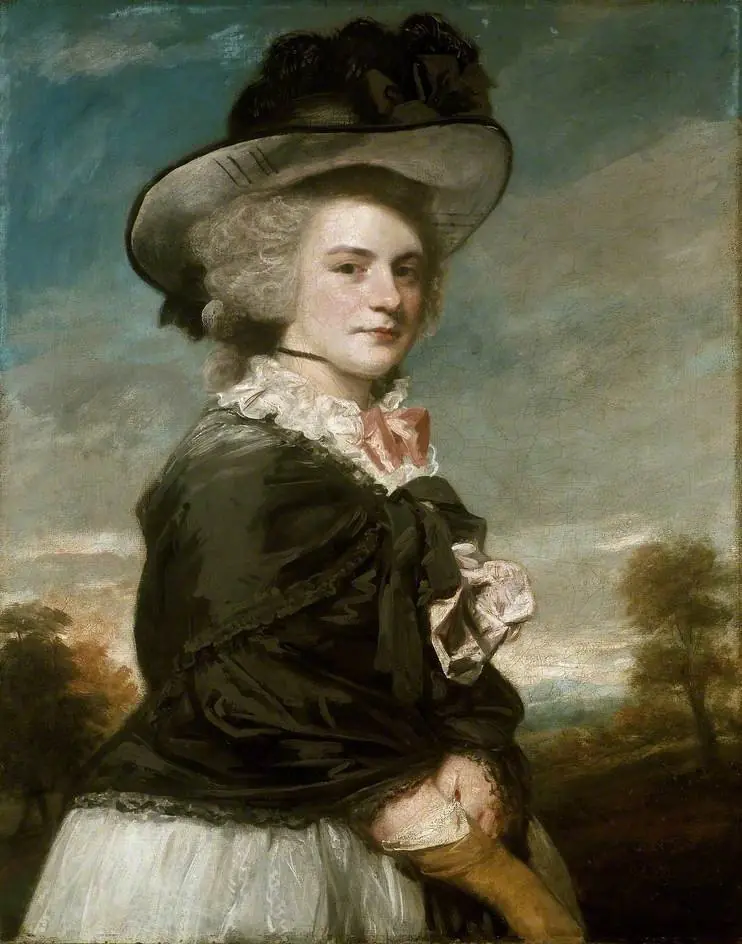 Elizabeth Meyrick, née Keppel (d.1821)
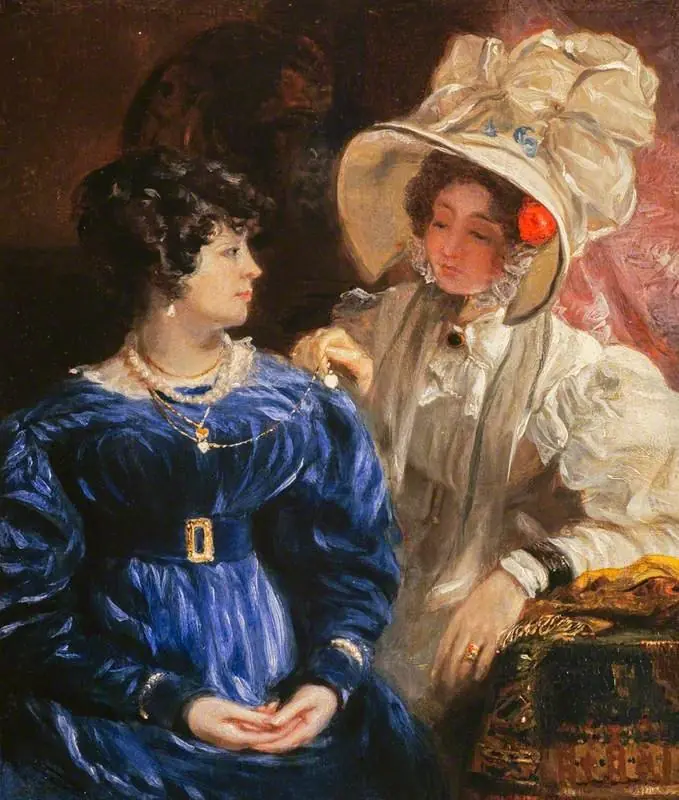 Portrait of Two Women (possibly Adela Geddes (1791-1881), the Artist's Wife, and a Friend)