Artwork
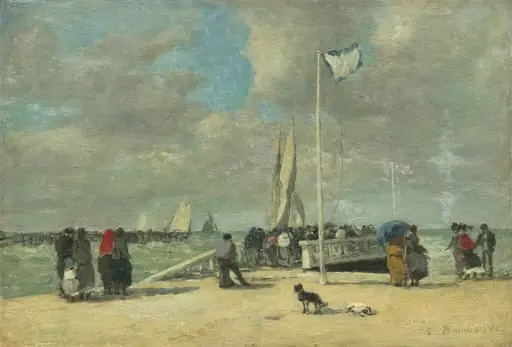
The Dock of Deauville
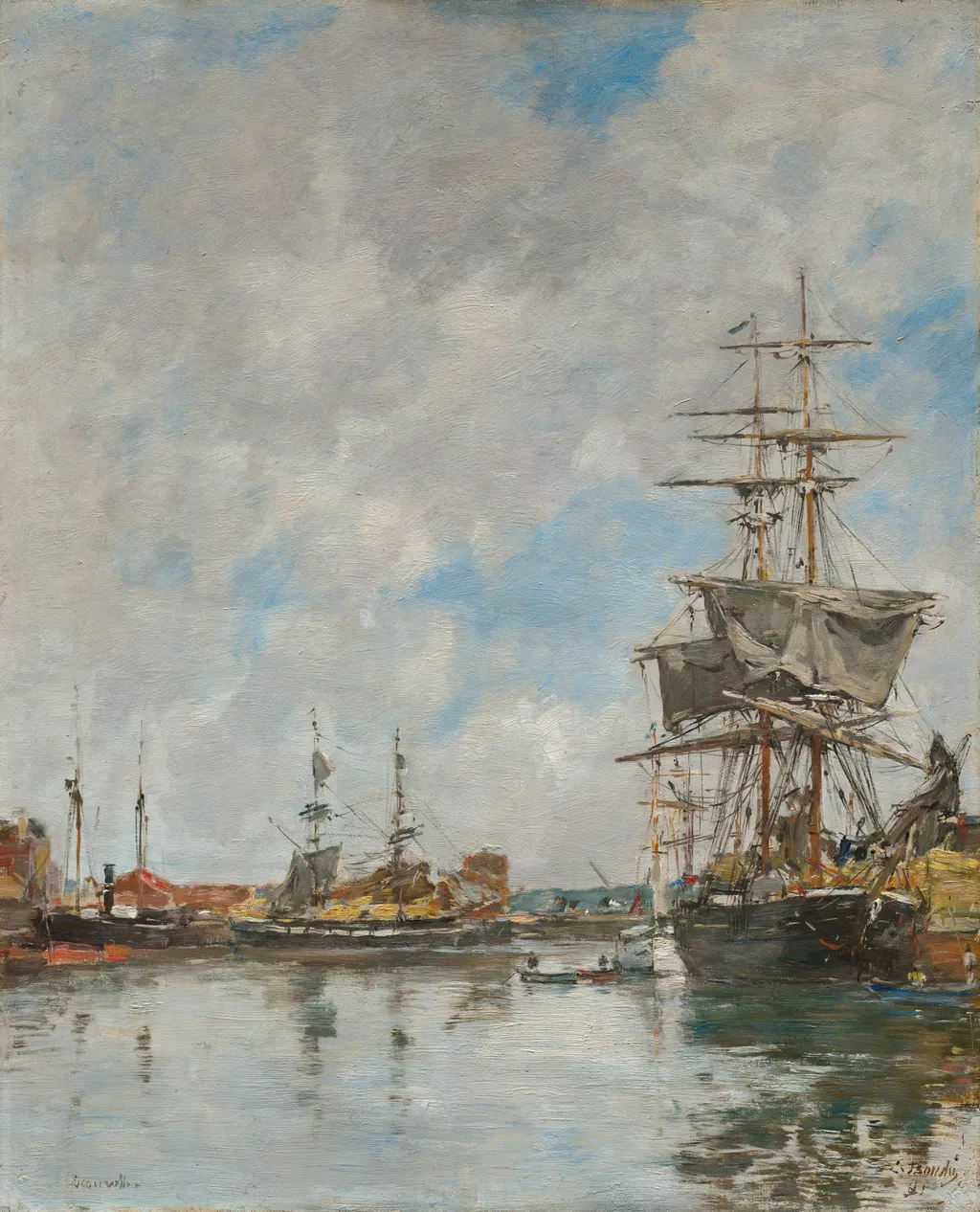
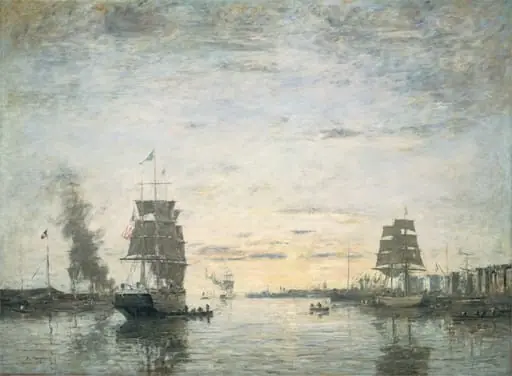
The Dock of Deauville is an oil painting by the Impressionist artist Eugène Boudin. It dates from 1896 and is held in the collection of the Cleveland Museum of Art.
About this work
Overview
Eugène Louis Boudin's 1896 oil painting, The Dock of Deauville, captures a tranquil harbor scene. This work exemplifies the French artist's dedication to marine subjects, a specialization that positioned him within the burgeoning Impressionist movement. The piece is currently part of the collection at The Cleveland Museum of Art.
Subject & Meaning
The composition centers on a large vessel with furled sails and prominent masts, moored in the foreground. Behind it, smaller boats line the dock, with coastal buildings visible along the distant shore. A soft blue sky, dotted with white clouds, extends above, contributing to the painting's overall sense of serenity and quietude, inviting contemplation of the peaceful maritime environment.
Technique & Style
Boudin employed oil paint with a distinctive loose and expressive brushwork, characteristic of Impressionism. This approach effectively conveys the play of light across the water and the ships, imbuing the scene with a subtle sense of movement and vitality. His use of varied colors further enhances the depiction of atmospheric conditions and the shifting reflections of the harbor.
Context
As a prominent landscape painter, Eugène Boudin frequently turned his attention to outdoor marine subjects. He became particularly recognized for his depictions of coastal life, seascapes, and harbor views, often featuring boats and shorelines. The Dock of Deauville stands as a representative example of his sustained engagement with these themes throughout his career.
Own this work as a print
Artist & collection
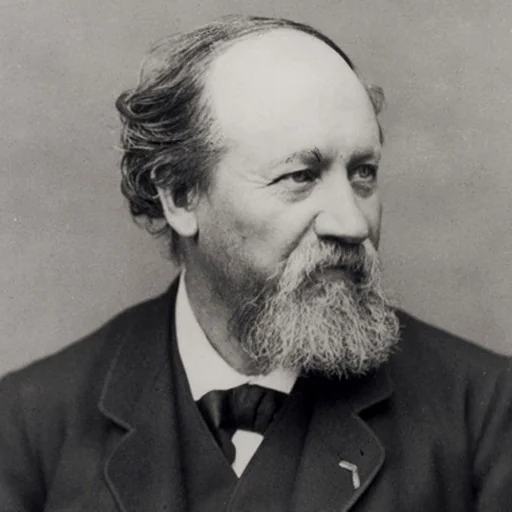
Artist
Eugène Louis Boudin (French: ; 12 July 1824 – 8 August 1898) was one of the first French landscape painters to paint outdoors.