Artwork
Album of Miscellaneous Subjects, Leaf 1
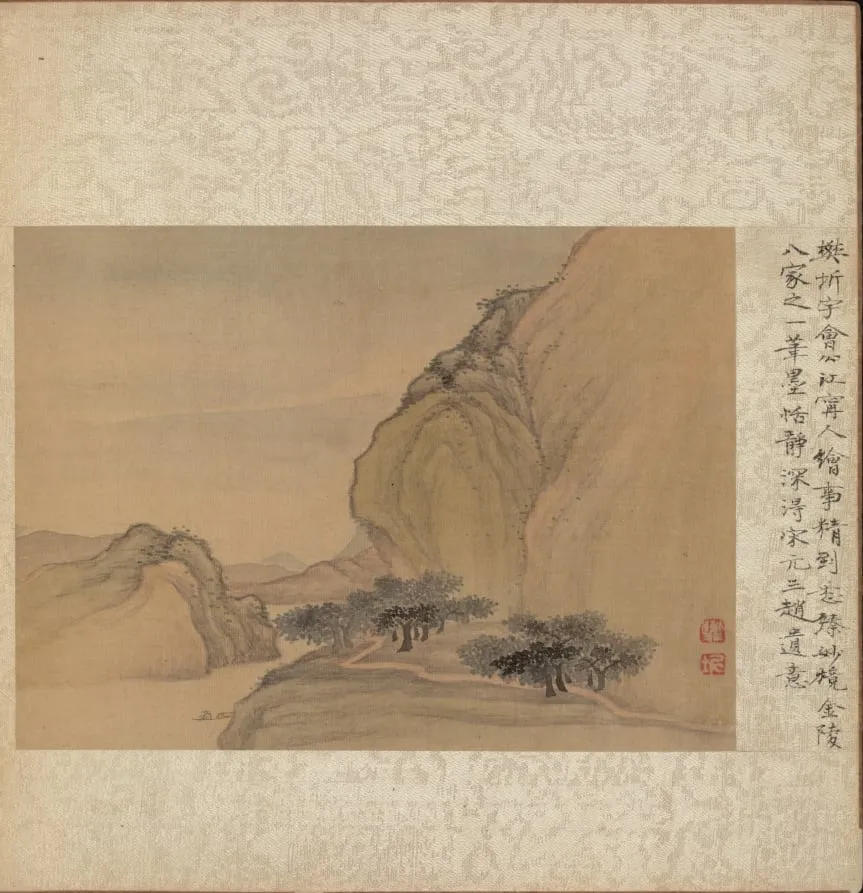
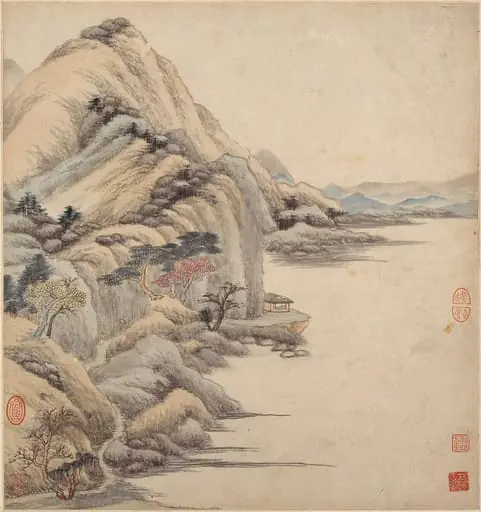
Album of Miscellaneous Subjects, Leaf 1 is an unspecified painting by the Baroque artist Fan Qi. It dates from 1654 and is held in the collection of the Cleveland Museum of Art.
About this work
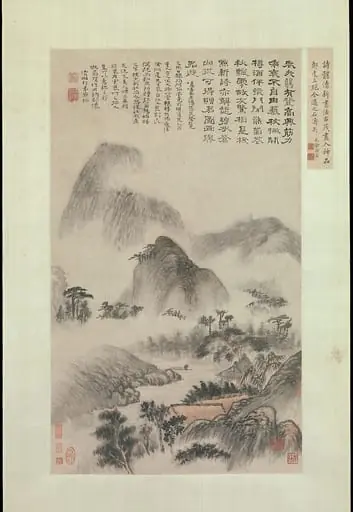
A poet’s words on the facing page say the boat has sailed “through ten thousand layers of hills,” as if the journey itself is invisible.
You see a tiny boat gliding between jagged cliffs on a single sheet of paper.
Fan Qi painted this in the 1650s, right after the Ming dynasty fell. The empty space around the boat isn’t just air—it’s the quiet of a country in upheaval. A poet’s words on the facing page say the boat has sailed “through ten thousand layers of hills,” as if the journey itself is invisible.
Look up more paintings of china, qing dynasty (1644-1911) to see how artists handled the same silence.
Overview
This leaf from Fan Qi’s album, created in the early 1650s, is a monochrome ink painting on paper depicting a solitary boat navigating between steep, angular cliffs. The composition is spare, with vast areas of untouched paper surrounding the vessel. It belongs to a series of works produced shortly after the fall of the Ming dynasty, reflecting a period of political transition and cultural reorientation in China.
Subject & Meaning
The boat, nearly swallowed by the landscape, evokes a journey both physical and metaphorical. Its isolation suggests displacement, echoing the experience of scholars and artists during the Ming-Qing transition. The reference to Li Bai’s verse implies a voyage beyond visible boundaries, where distance is measured not in miles but in emotional and historical weight. The silence of the composition mirrors the uncertainty of a society in flux.
Technique & Style
Fan Qi employs ink washes with restrained brushwork, using sharp, angular lines to define the cliffs and soft, blurred strokes for distant mist. The boat is rendered with minimal detail, its form barely distinguishable from the surrounding emptiness. This economy of means aligns with literati traditions, where suggestion replaces description, and the unmarked paper functions as both space and atmosphere.
History & Provenance
Painted during the early Qing dynasty, the work was likely intended for private contemplation rather than public display. The accompanying colophon by Wang Wu, written in a flowing script opposite the image, deepens its literary resonance. Such album leaves were often exchanged among scholar-officials, serving as intimate vehicles for poetic reflection amid political instability.
Context
In the decades following the Ming collapse, many artists turned inward, favoring subdued landscapes over grand narratives. Fan Qi’s work reflects a broader trend among literati painters who used nature as a vessel for expressing loss, resilience, and quiet endurance. The empty spaces in his compositions echo the absence of former institutions and the silence of displaced elites.
Legacy
Fan Qi’s approach influenced later Qing painters who embraced ambiguity and restraint as expressive tools. His use of negative space as emotional terrain became a hallmark of literati aesthetics during a time when overt political expression was risky. The album leaf remains a quiet testament to how art absorbed the weight of historical rupture without direct commentary.
Artist & collection


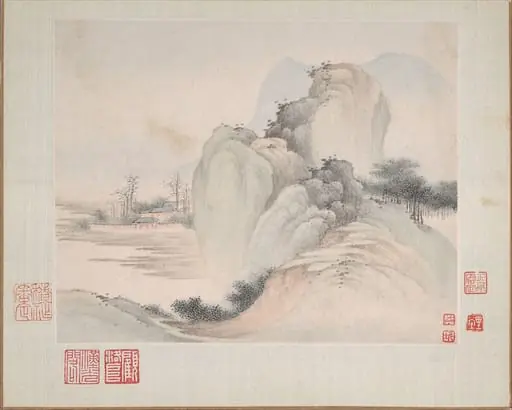 清 樊圻 為玉翁作山水圖 冊|Landscapes Painted for Yuweng
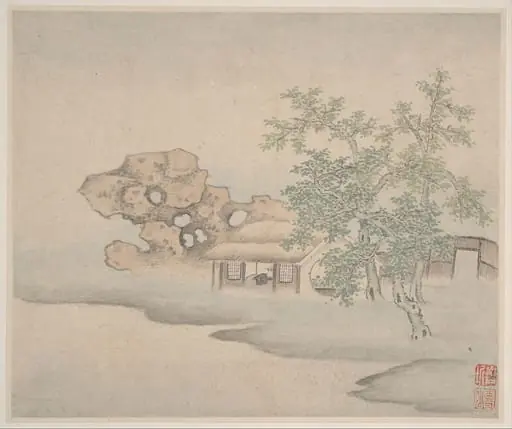 清 樊圻 山水圖 冊 紙本|Landscapes
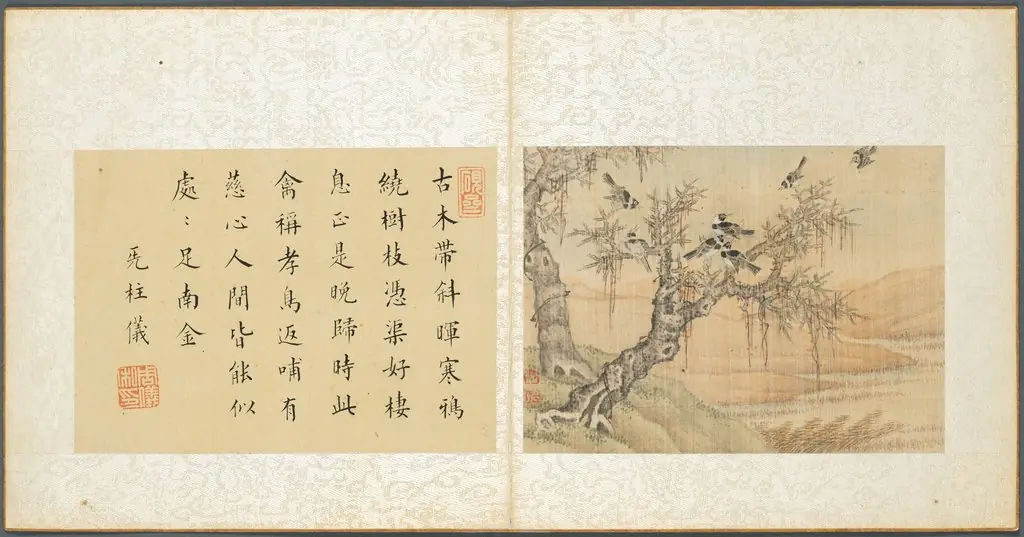 Album of Miscellaneous Subjects, Leaf 9
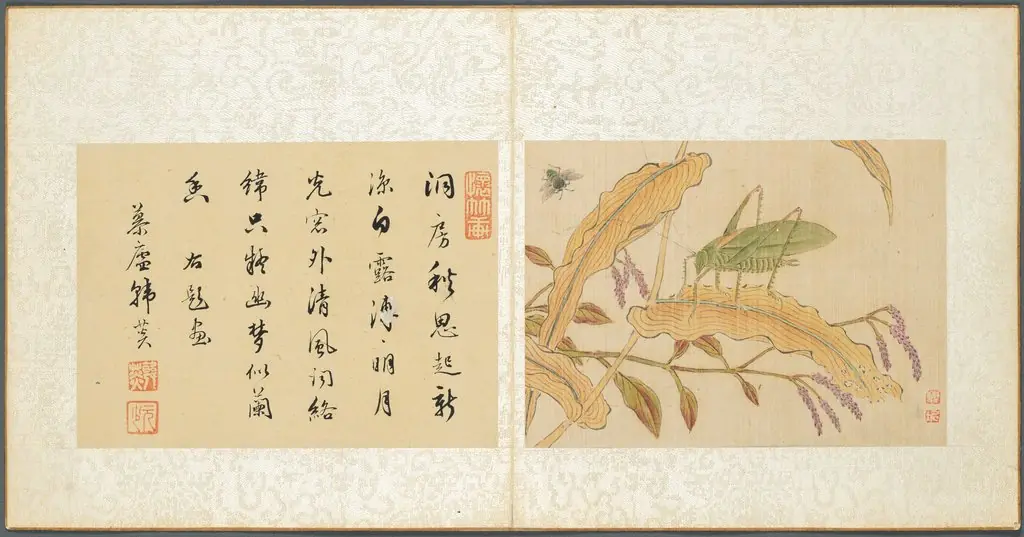 Album of Miscellaneous Subjects, Leaf 7
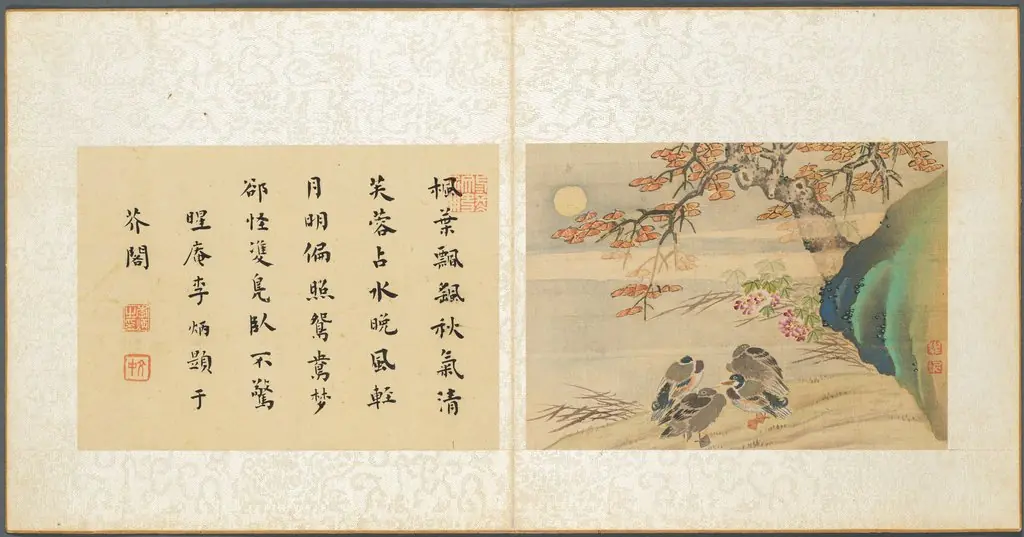 Album of Miscellaneous Subjects, Leaf 8
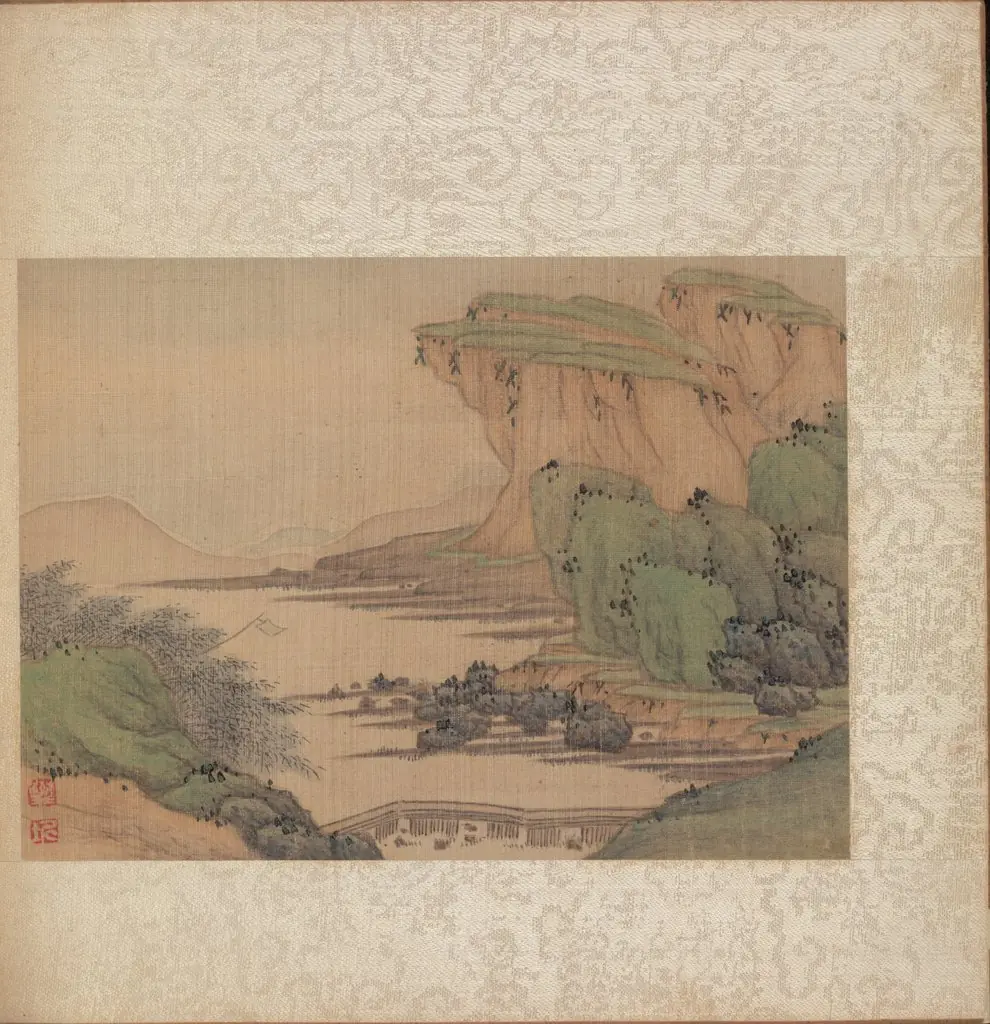 Album of Miscellaneous Subjects, Leaf 2
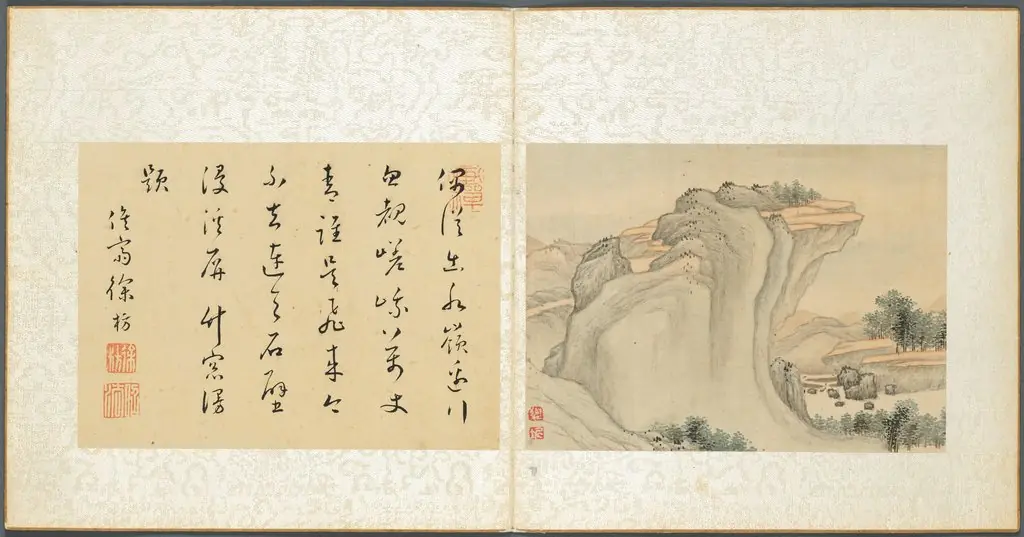 Album of Miscellaneous Subjects, Leaf 4
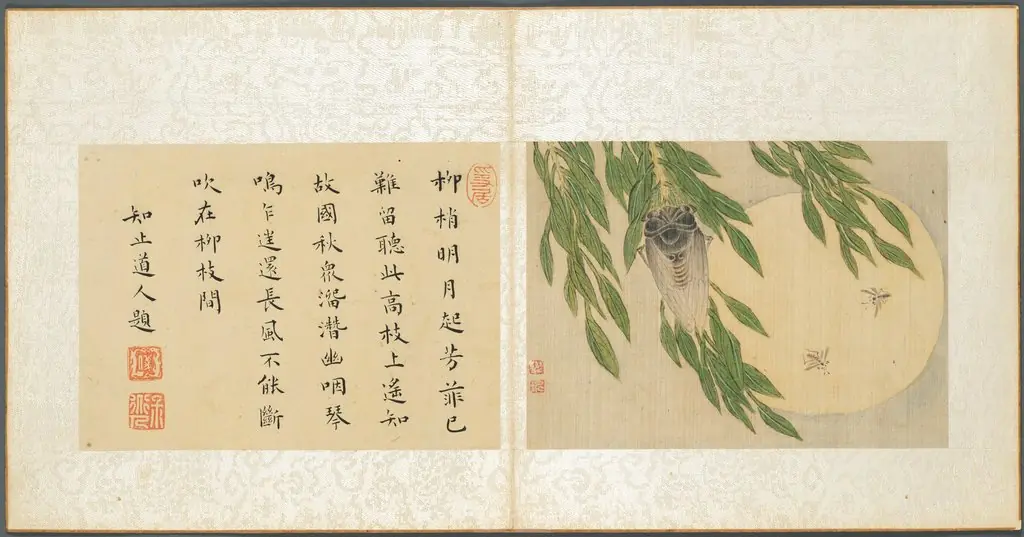 Album of Miscellaneous Subjects, Leaf 6