Artwork
Album of Miscellaneous Subjects, Leaf 5
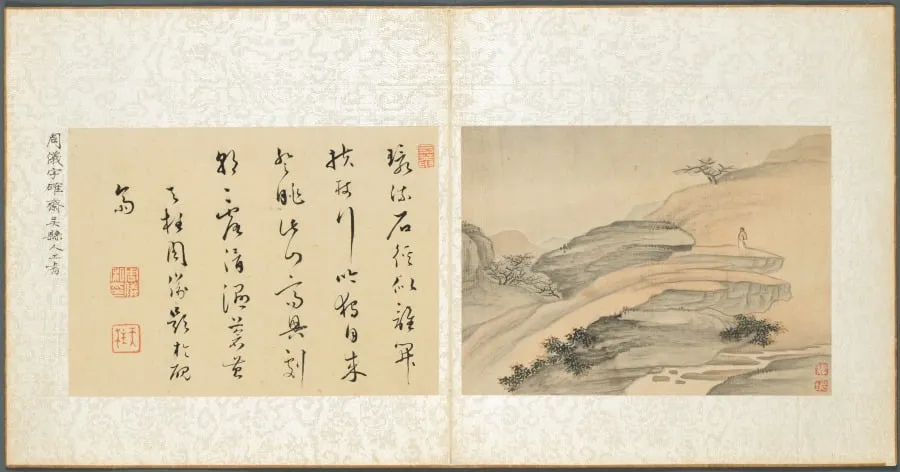
Album of Miscellaneous Subjects, Leaf 5 is an unspecified painting by the Baroque artist Fan Qi. It dates from 1654 and is held in the collection of the Cleveland Museum of Art.
About this work
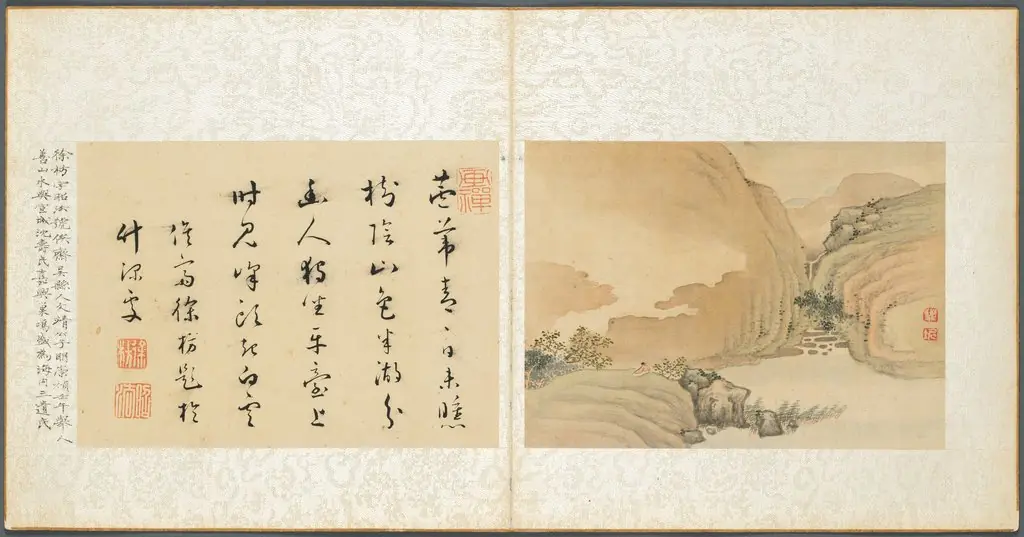
You see a mountain path winding through misty cliffs, a lone traveler leaning on a staff.
The painting is one page from a small album. Each leaf pairs a quiet scene with a poem—here, a friend’s calligraphy about wandering alone. The words and image feel like a private moment, not a grand statement.
To see more works like this, look up subject: china, qing dynasty (1644-1911).
Overview
Fan Qi’s fifth leaf from a modest album presents a solitary figure on a winding mountain path shrouded in mist. The traveler leans on a staff, his presence muted against the cliffs and the thin veil of clouds. The composition is paired with a poem in calligraphy by Zhou Yi, creating a quiet, introspective tableau that emphasizes personal wandering rather than grand narrative.
Subject & Meaning
The image echoes a line from the poet Zuo Si, suggesting a moment of solitary contemplation atop a lofty cliff. Zhou Yi’s accompanying verses speak of a stone road beside streams, a lone wanderer humming while leaning on his staff, and the increasing joy felt when gazing at the mountains. The combined visual and textual elements convey a private meditation on nature and the self.
Technique & Style
Executed in ink on paper, the painting employs delicate brushwork to render mist‑filled cliffs and the subtle texture of moss‑slicked stones. Fan Qi’s handling of line creates a sense of depth while maintaining the spare elegance typical of Qing‑period literati art. The muted palette and restrained composition focus attention on the lone figure and the atmospheric environment.
History & Provenance
The leaf is part of a small, hand‑bound album dating to the Qing dynasty (1644–1911). Each leaf pairs a serene landscape with a poem, reflecting a collaborative practice among scholar‑artists. The calligraphic inscription by Zhou Yi, a contemporary of Fan Qi, indicates a personal exchange, suggesting the album may have circulated within a close circle of friends or patrons.
Context
During the Qing era, album paintings often served as intimate objects for personal reflection, combining poetry, calligraphy, and painting in a single format. This work exemplifies that tradition, where the integration of text and image creates a layered experience. Its modest scale and focus on solitary travel align with broader literati ideals of retreat and communion with nature.
Artist & collection


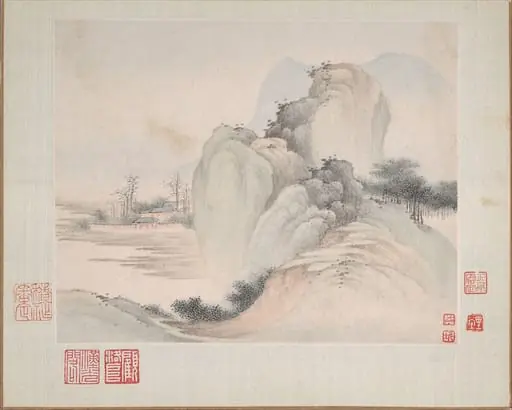 清 樊圻 為玉翁作山水圖 冊|Landscapes Painted for Yuweng
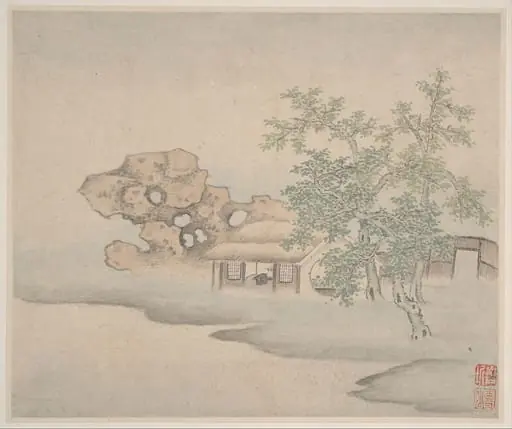 清 樊圻 山水圖 冊 紙本|Landscapes
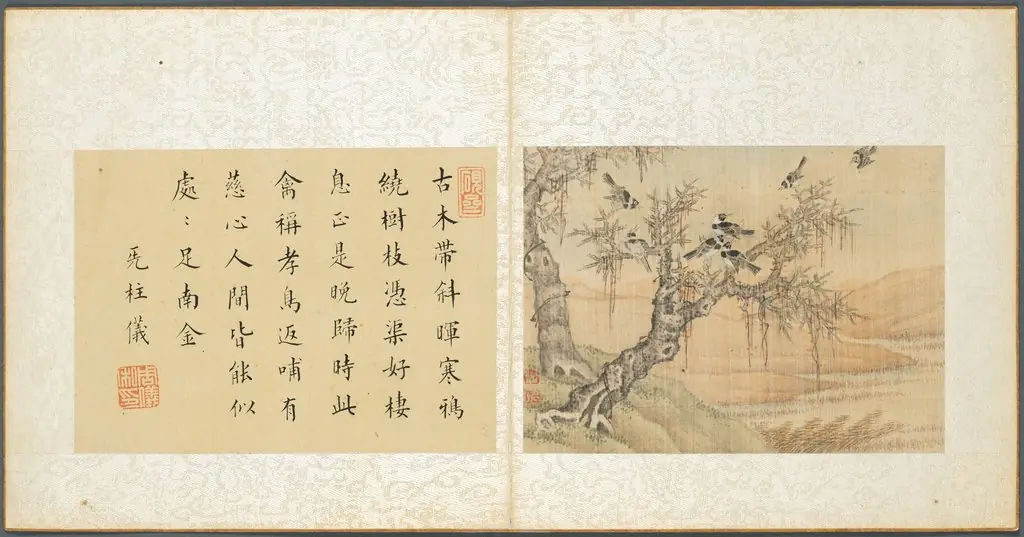 Album of Miscellaneous Subjects, Leaf 9
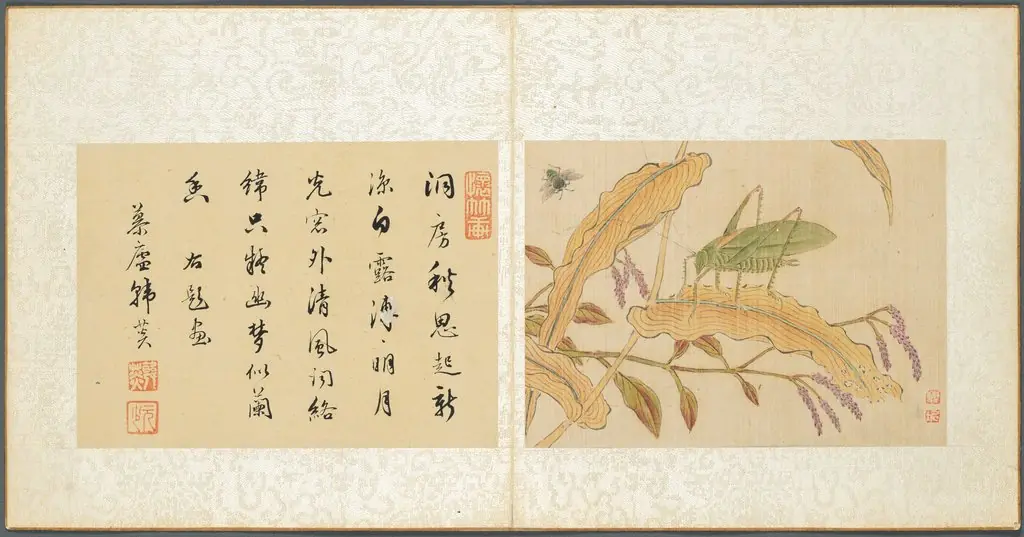 Album of Miscellaneous Subjects, Leaf 7
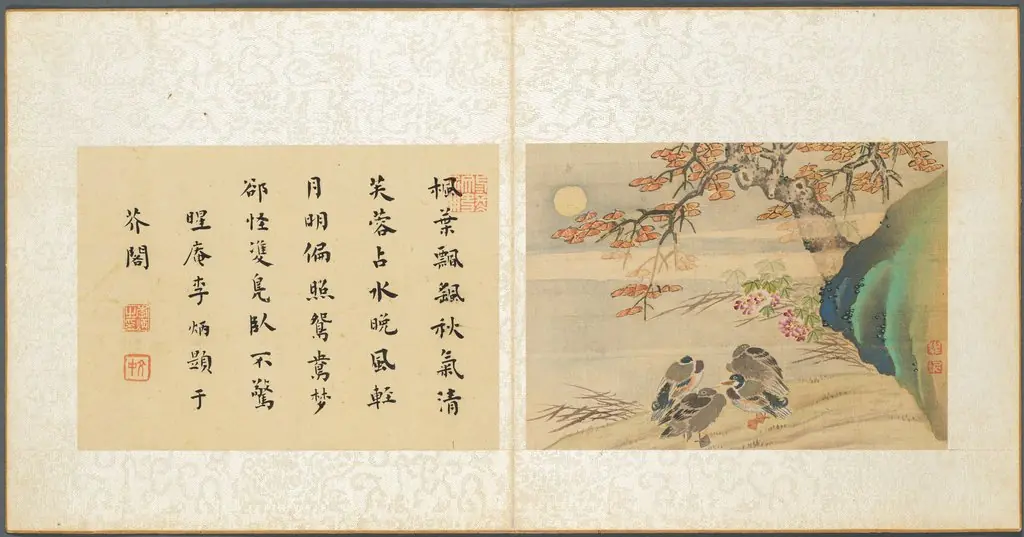 Album of Miscellaneous Subjects, Leaf 8
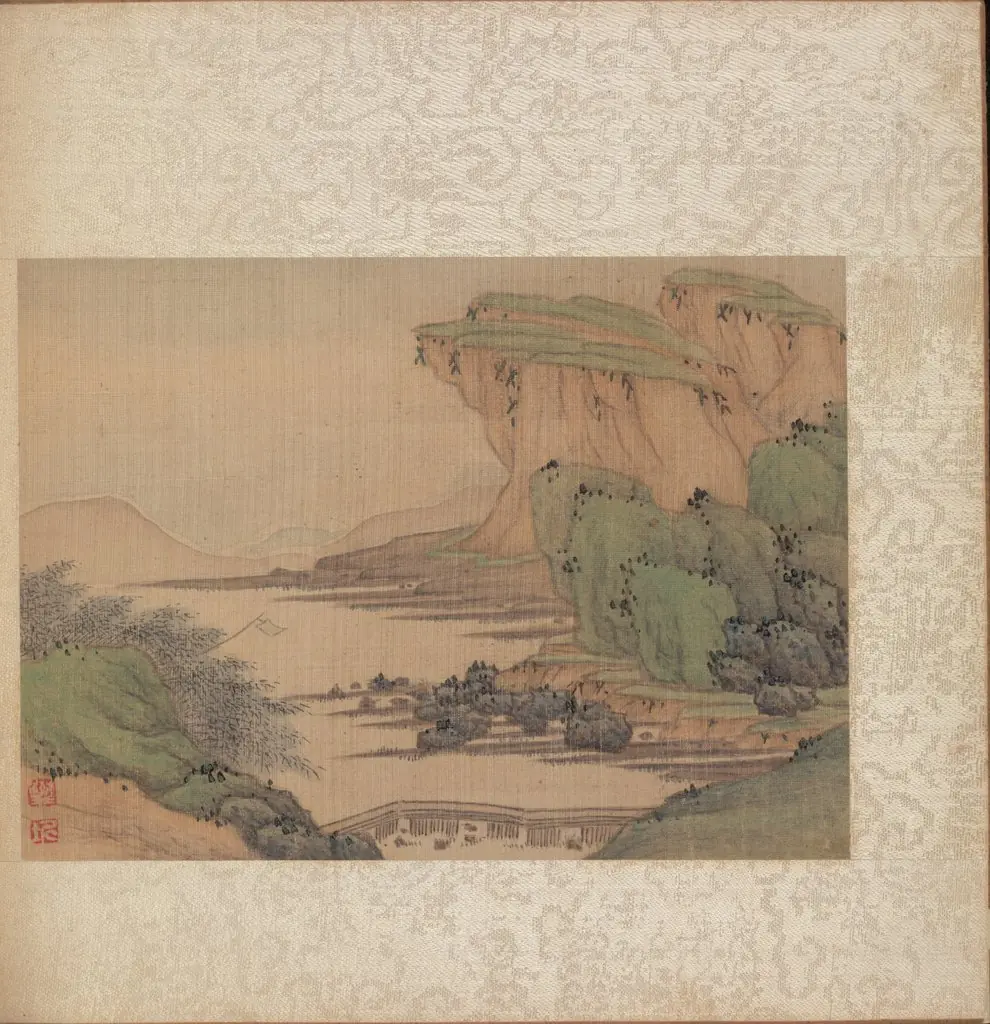 Album of Miscellaneous Subjects, Leaf 2
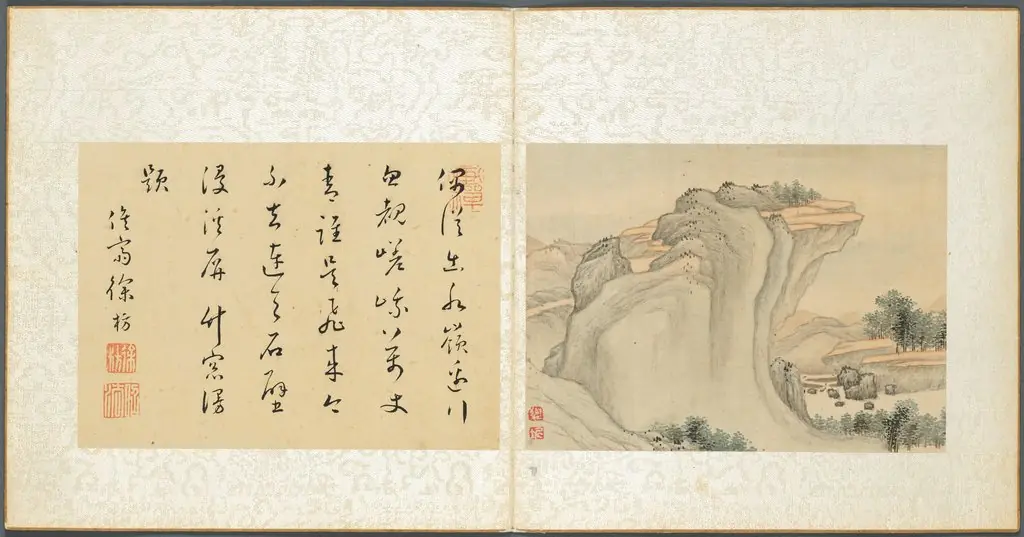 Album of Miscellaneous Subjects, Leaf 4
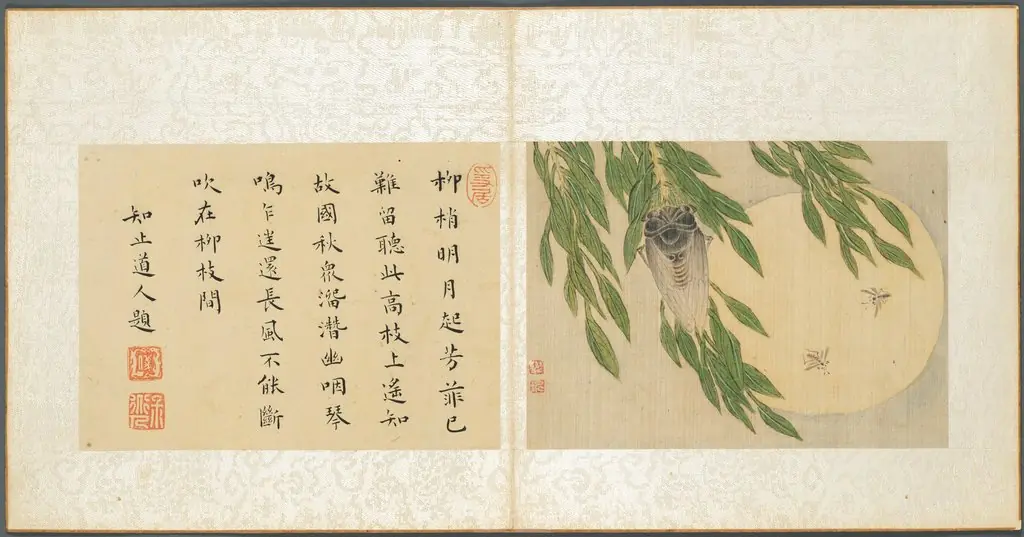 Album of Miscellaneous Subjects, Leaf 6
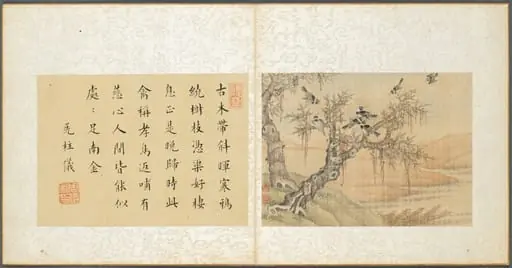 Album of Miscellaneous Subjects, Leaf 9
 Untitled
 Album of Miscellaneous Subjects, Leaf 3
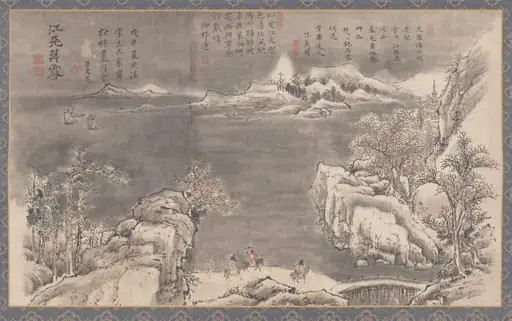 Evening Snow Blending River and Sky, from Eight Views of Xiao-Xiang
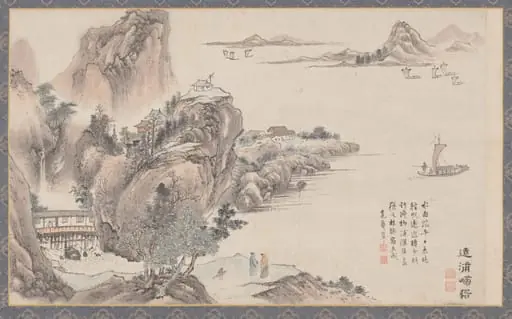 Returning Sails off a Distant Shores, from Eight Views of Xiao-Xiang
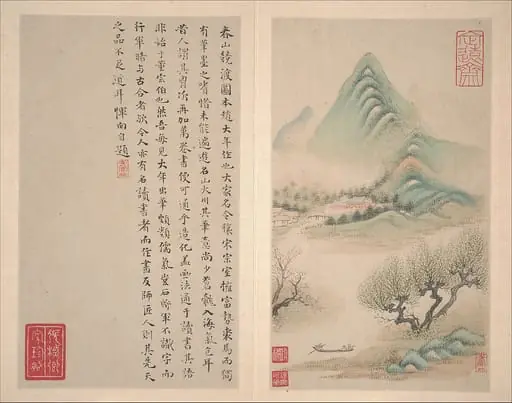 明/清 惲向 仿古山水圖 冊 紙本|Landscapes after old masters
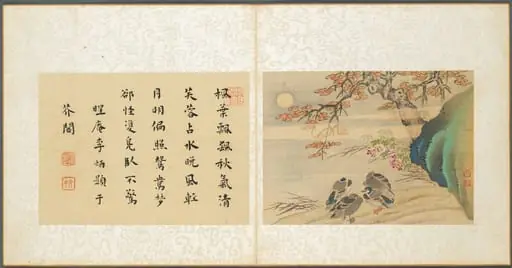 Album of Miscellaneous Subjects, Leaf 8