Artwork
Madame Ditte
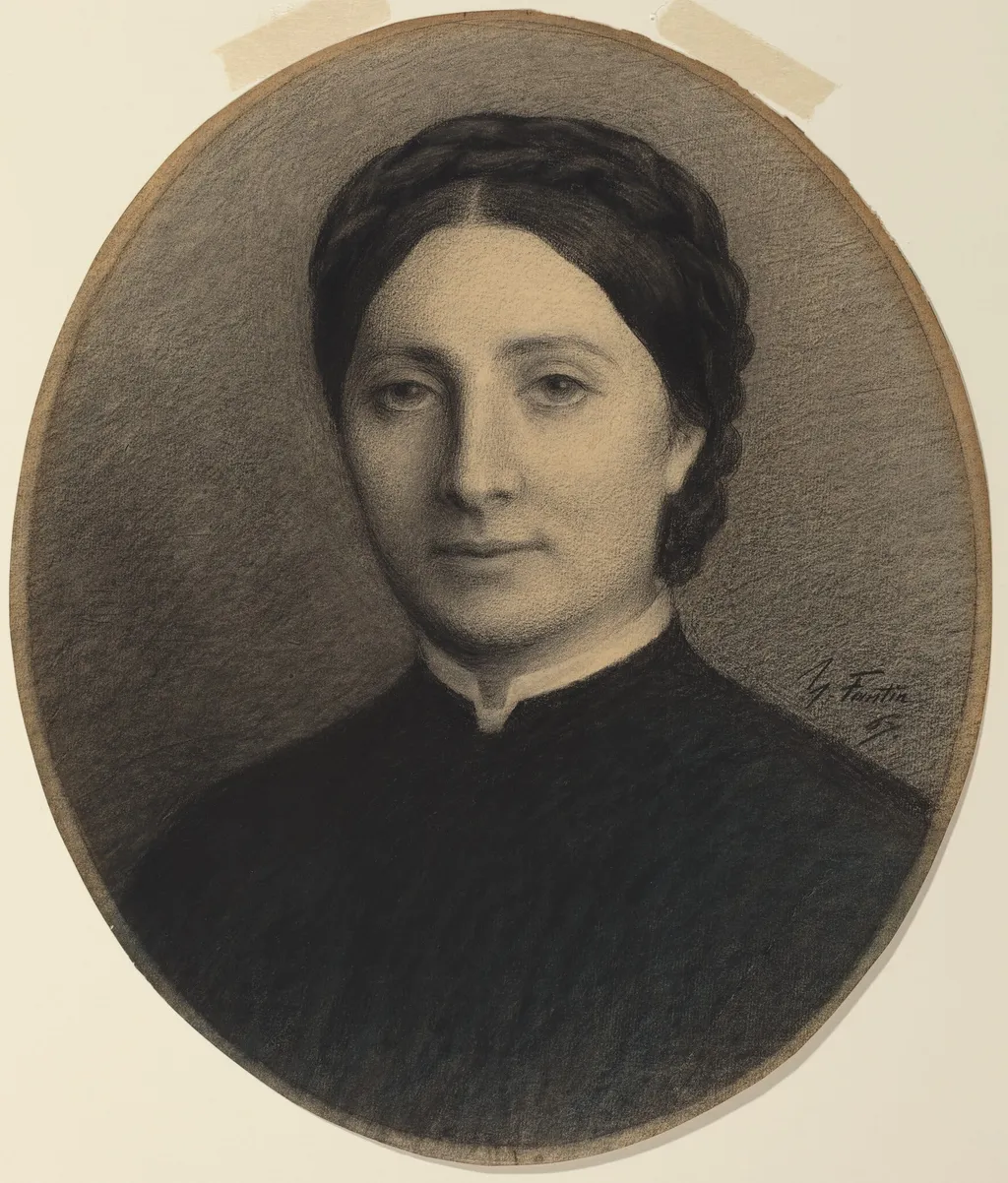
Madame Ditte is a chalk drawing by the Impressionist artist Henri Fantin-Latour. It dates from 1867 and is held in the collection of the National Gallery of Art.
About this work
Overview
The composition presents a single seated woman, rendered with careful modeling and a restrained background that concentrates attention on the sitter.
Created in 1867, *Madame Ditte* is a portrait drawing executed on laid paper. Henri Fantin‑Latour employed a combination of black conté crayon, black chalk, blue pastel, and occasional white touches, integrating stumping and erasure to achieve a nuanced tonal range. The composition presents a single seated woman, rendered with careful modeling and a restrained background that concentrates attention on the sitter.
Subject & Meaning
The work portrays a woman with dark hair, a solemn expression, and a high‑collared dark dress. Light falls from one side, illuminating her face and suggesting a quiet introspection. While no narrative is provided, the portrait aligns with Fantin‑Latour’s interest in capturing the character of individuals from Parisian artistic and literary circles.
Technique & Style
Fantin‑Latour blended black conté, chalk, and blue pastel, using stumping to smooth transitions and selective erasure to refine highlights. Subtle white accents accentuate light areas, while the overall surface retains a slightly fuzzy, sketch‑like quality typical of his delicate, blended approach to drawing and pastel work.
History & Provenance
The drawing originates from the artist’s mature period, when he was active as both a painter and lithographer in mid‑19th‑century France. It exemplifies his prolific output of portraiture, a genre through which he documented members of contemporary cultural circles. Specific ownership details beyond its creation are not recorded in the available sources.
Artist & collection
Artist
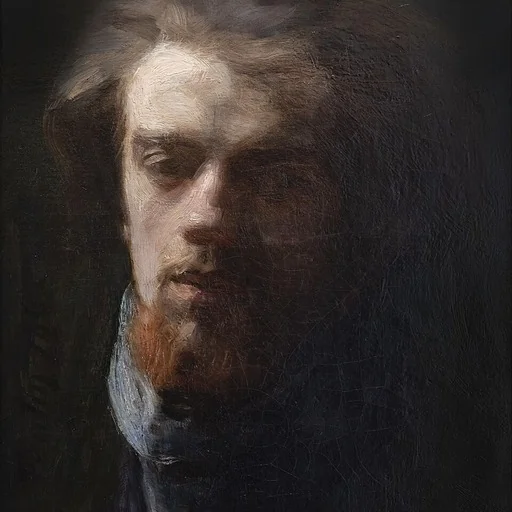
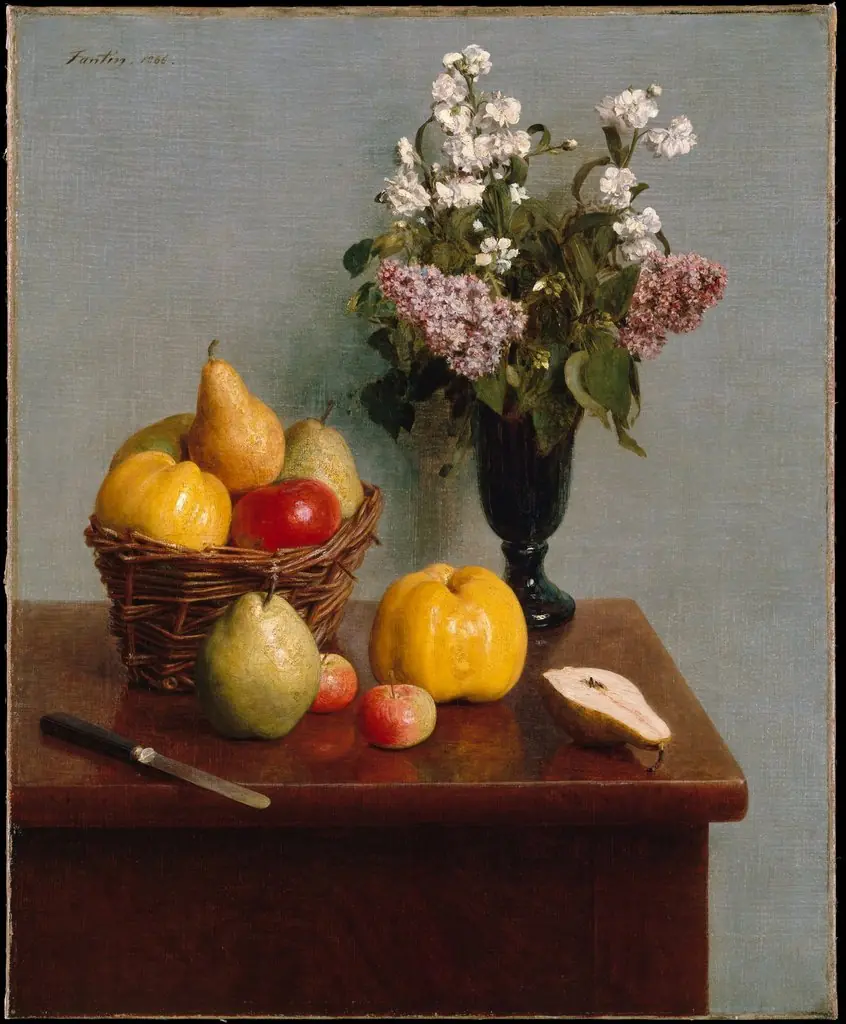
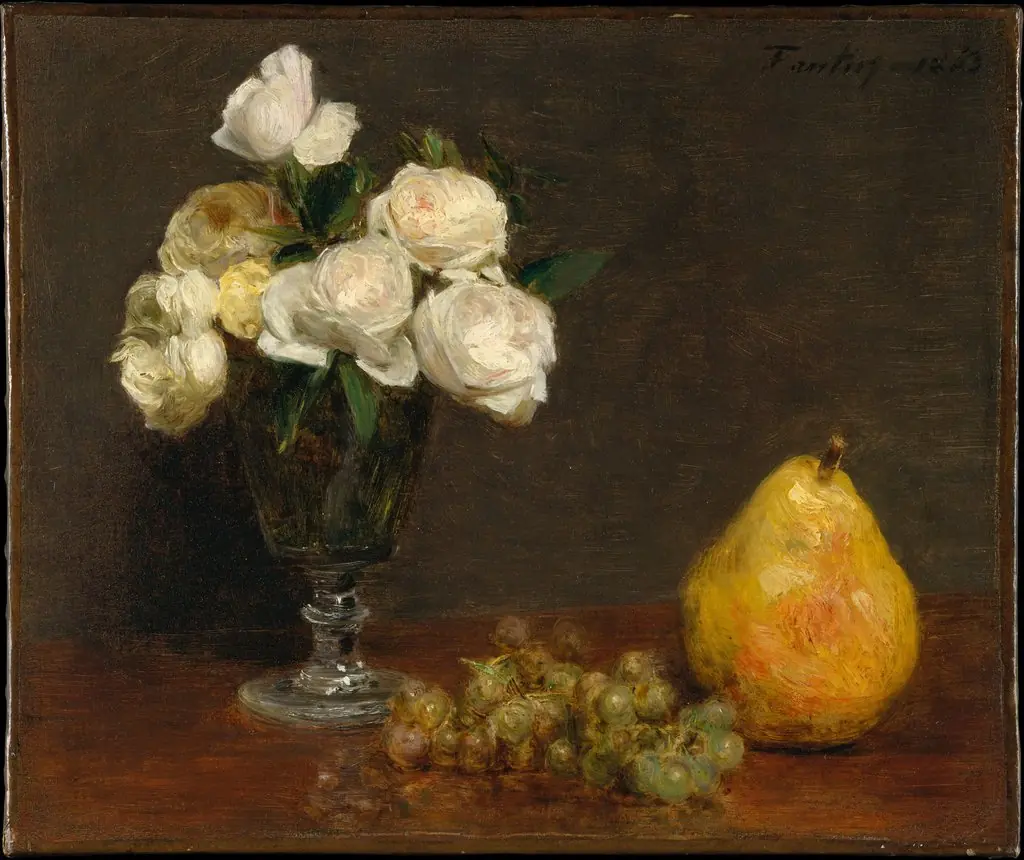
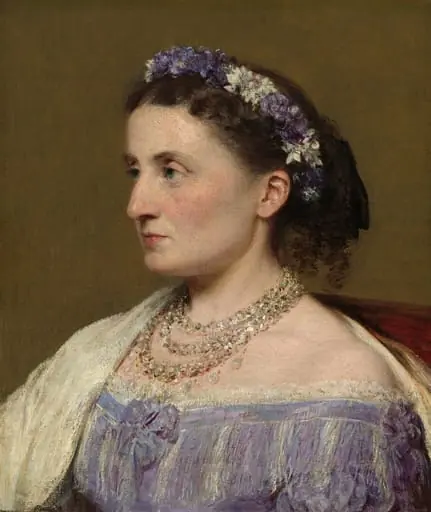
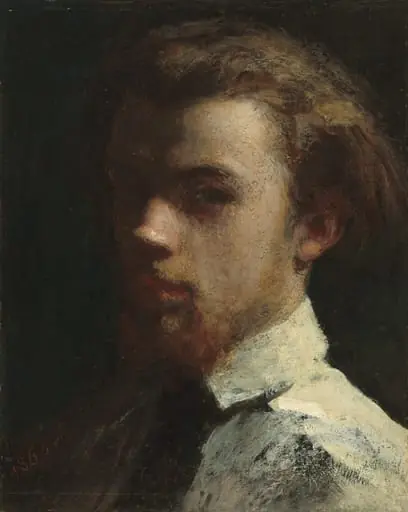
Ignace Henri Jean Theodore Fantin-Latour (French pronunciation: ; 14 January 1836 – 25 August 1904) was a French painter and lithographer best known for his flower paintings and group portraits of Parisian artists and writers.

 Portrait of a Lady
 Mrs. George P. Burne
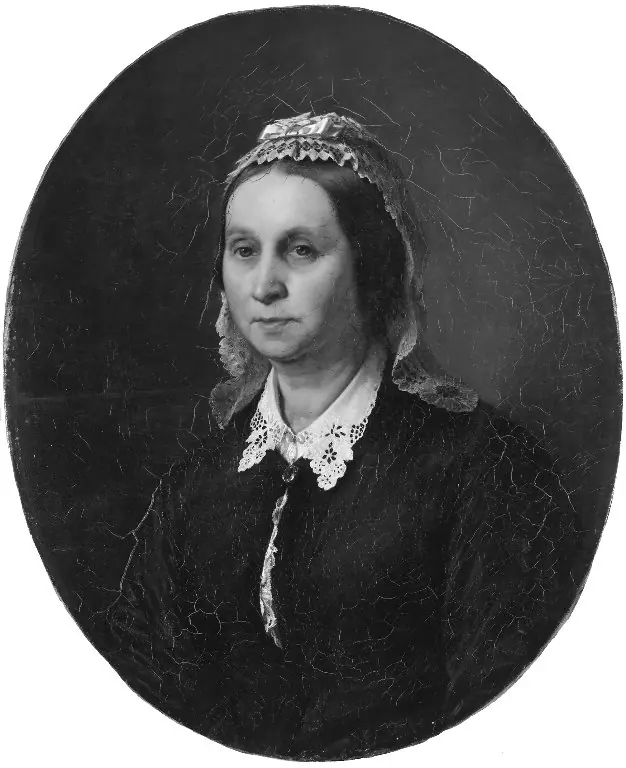 Emilie Mathilde Roed, f. Kruse, kunstnerens hustru
 Emilie Mathilde Roed, f. Kruse, kunstnerens hustru
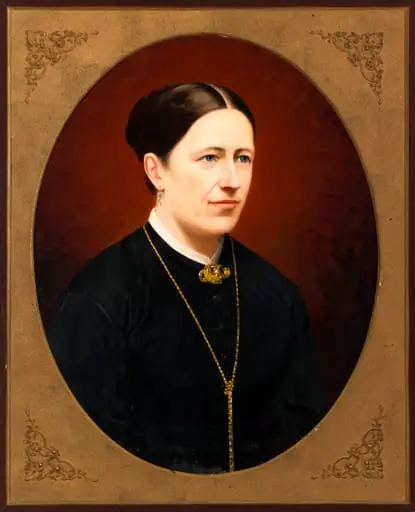 Anna Carolina Gustafva Wilhelmina Krook
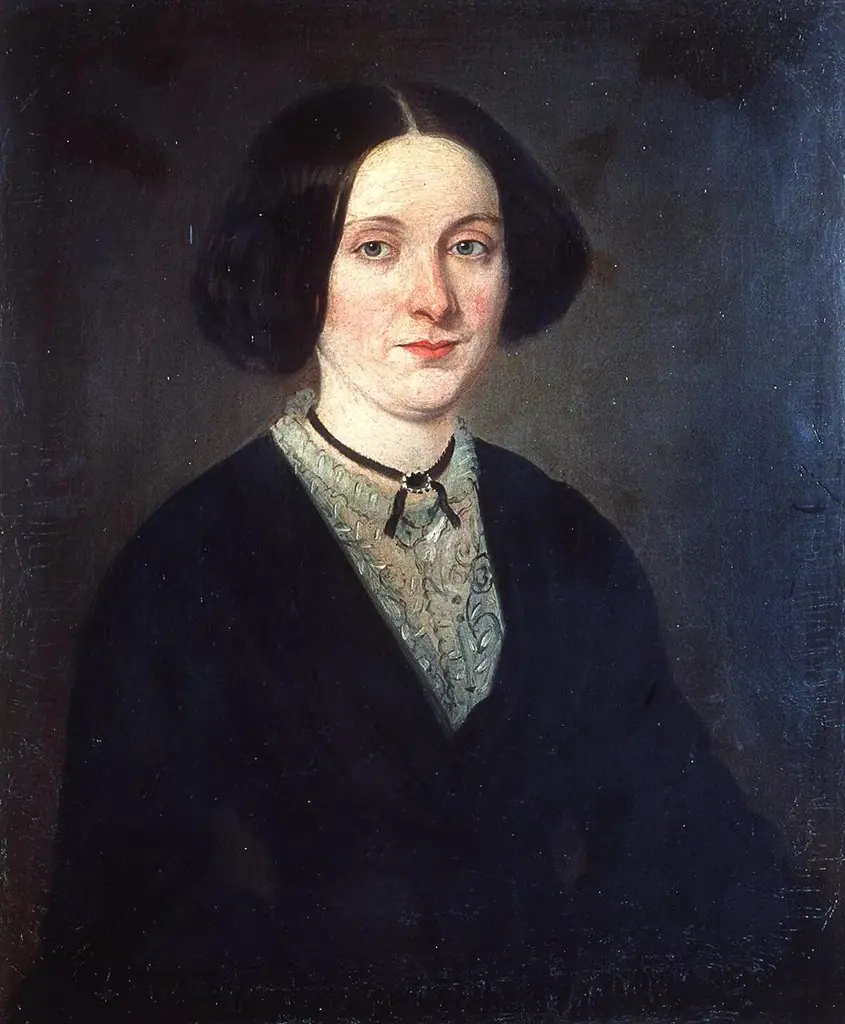 Tabitha Grace, gwraig John Rchrd Roberts
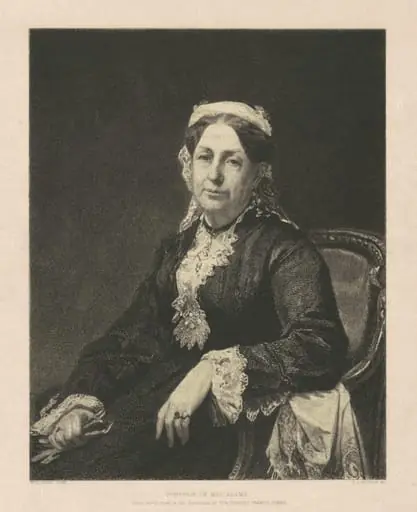 Portrait of Mrs. Adams
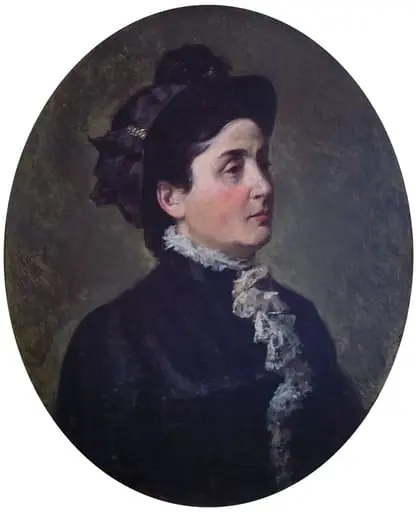 Portretul doamnei Fălcoianu
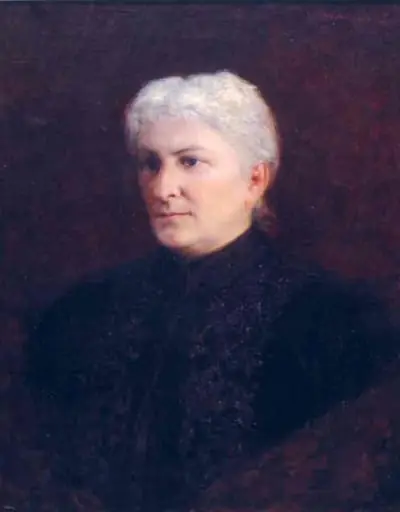 Iulia Hasdeu, soția
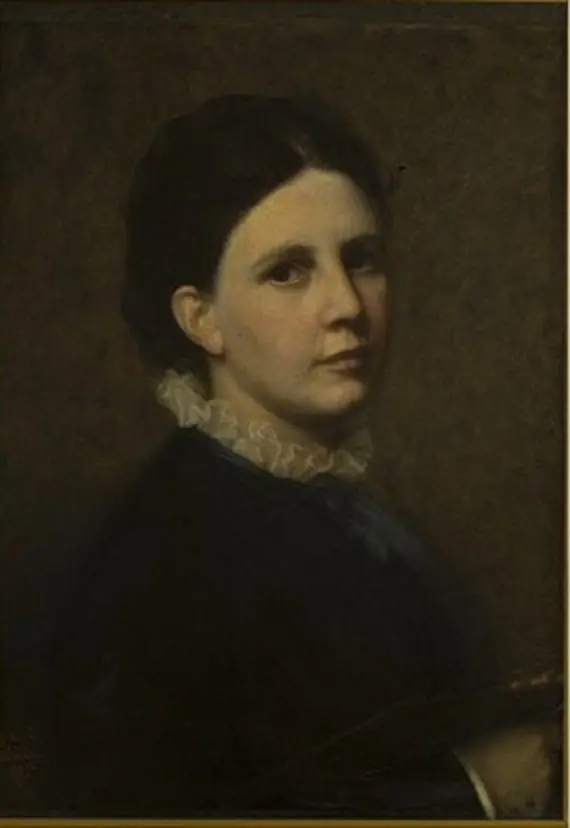 Self-portrait
 Portrait of an Elderly Woman
 Elvira Álvarez Espino