Artwork
Abraham entertaining the three angels
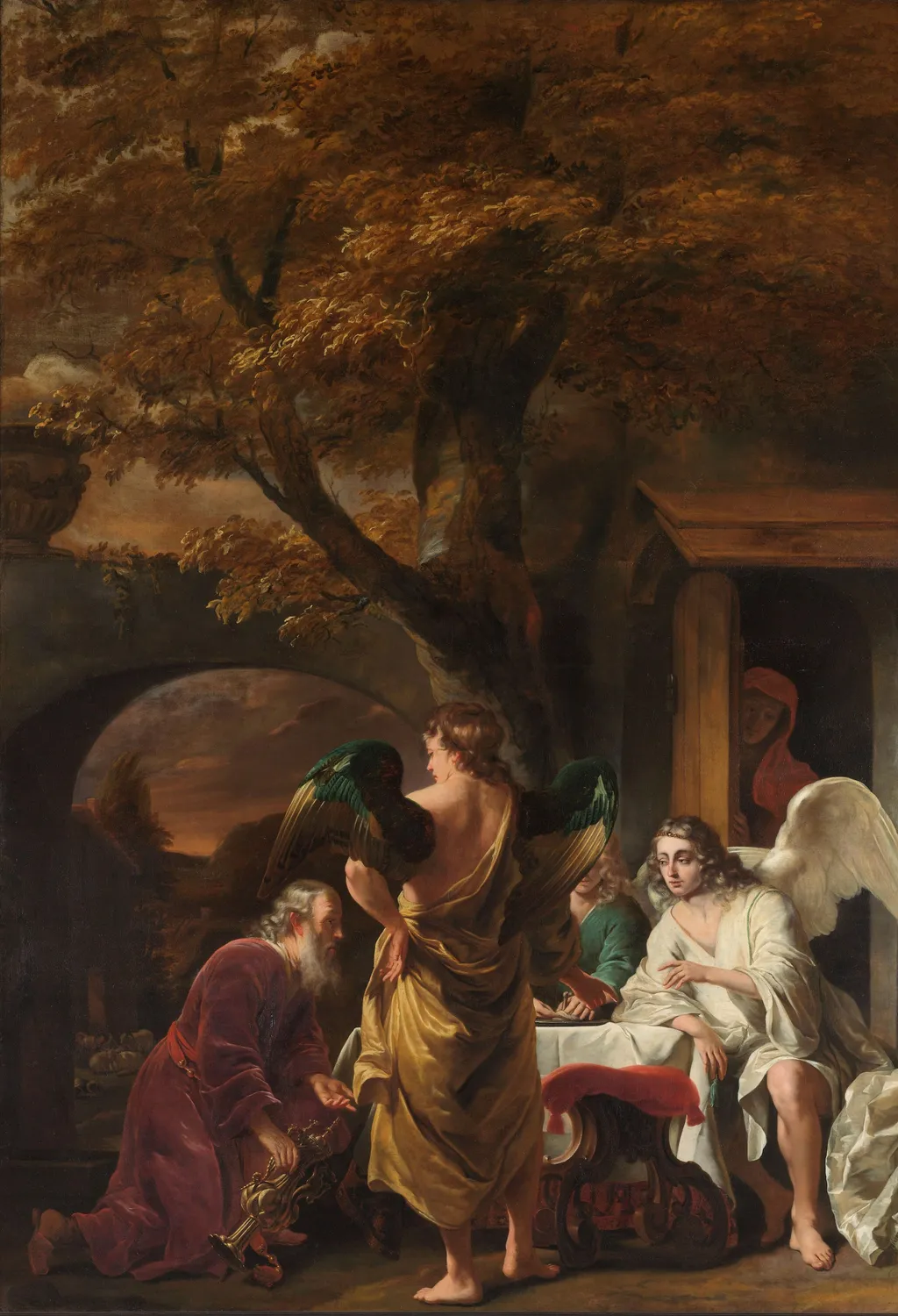
Abraham entertaining the three angels is an oil painting by the Dutch Golden Age artist Ferdinand Bol. It dates from 1662 and is held in the collection of the Rijksmuseum.
About this work
Overview
Ferdinand Bol’s 1662 oil painting, titled *Abraham entertaining the three angels*, presents a biblical encounter set within an interior space.
Ferdinand Bol’s 1662 oil painting, titled *Abraham entertaining the three angels*, presents a biblical encounter set within an interior space. An elderly figure in a red robe kneels, cradling a small object, while two winged beings—one adorned with green feathers, the other in white—stand beside a woman reclined on a red couch. A third figure is seated at a table, gazing downward, and a leaf‑bare tree is visible through a window.
Subject & Meaning
The composition illustrates the Genesis narrative in which Abraham receives three angelic visitors at the oaks of Mamre. The kneeling patriarch’s gesture suggests hospitality, while the angels’ luminous presence underscores their divine nature. The reclining woman and the attendant at the table hint at the domestic setting of the hospitality, emphasizing themes of generosity and the intersection of the mortal and the celestial.
Technique & Style
Bol employs a pronounced chiaroscuro, contrasting deep shadows with bright illumination to model the figures. The patriarch’s face emerges partially from darkness, whereas the angels are rendered with a soft, glowing light that separates them from the surrounding gloom. The handling of oil paint reveals a careful layering of glazes, producing rich reds and subtle tonal variations characteristic of Bol’s adaptation of Rembrandt’s dramatic lighting.
History & Provenance
Created during the Dutch Golden Age, the work reflects Bol’s mature period after his apprenticeship with Rembrandt. The painting entered the collection of the Rijksmuseum in Amsterdam, where it remains on display. Its provenance traces a typical 17th‑century trajectory from private ownership to public institution, illustrating the enduring interest in religious subjects among Dutch collectors.
Context
In the mid‑17th century, Dutch artists frequently turned to biblical scenes for moral instruction and visual drama. Bol, known for historical and religious subjects, integrated his master’s influence with his own compositional preferences. The interior setting, rather than an open landscape, aligns with contemporary Dutch tastes for intimate, narrative-driven works that could be appreciated within private homes or civic collections.
Own this work as a print
Artist & collection
Artist
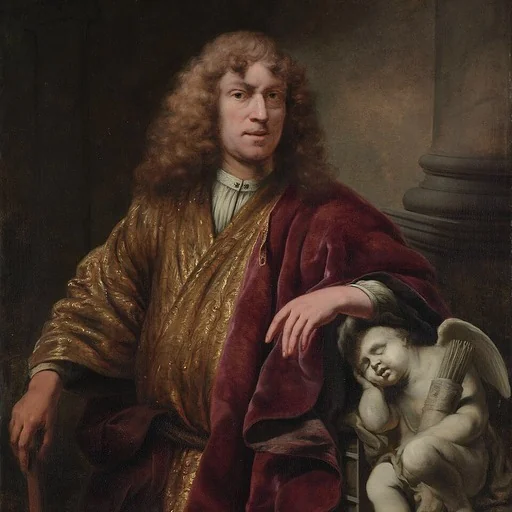
Ferdinand Bol (24 June 1616 - 24 August 1680) was a Dutch painter, etcher and draftsman.

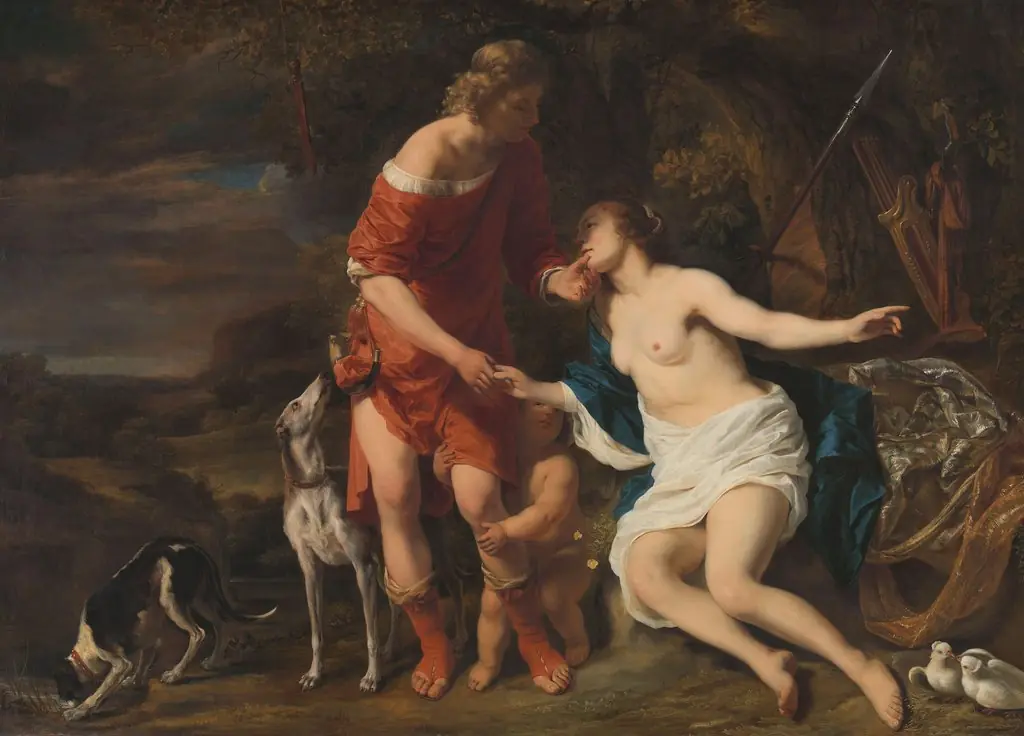 Venus and Adonis
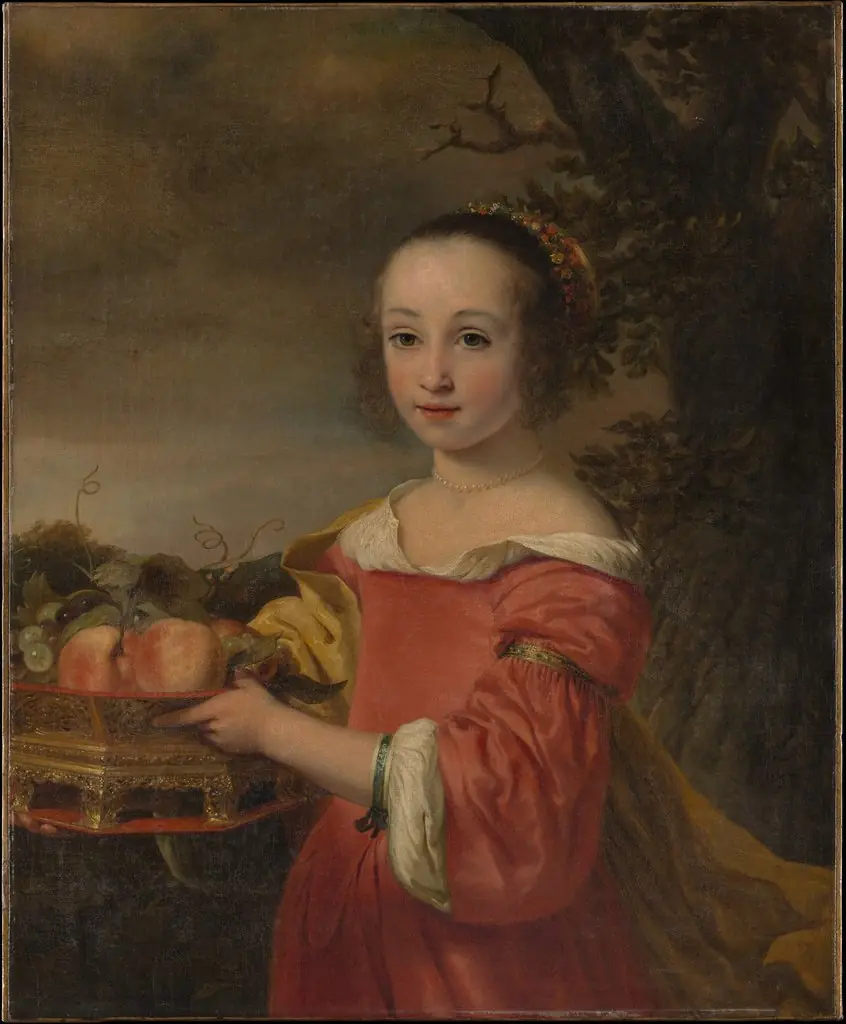 Petronella Elias (1648–1667) with a Basket of Fruit
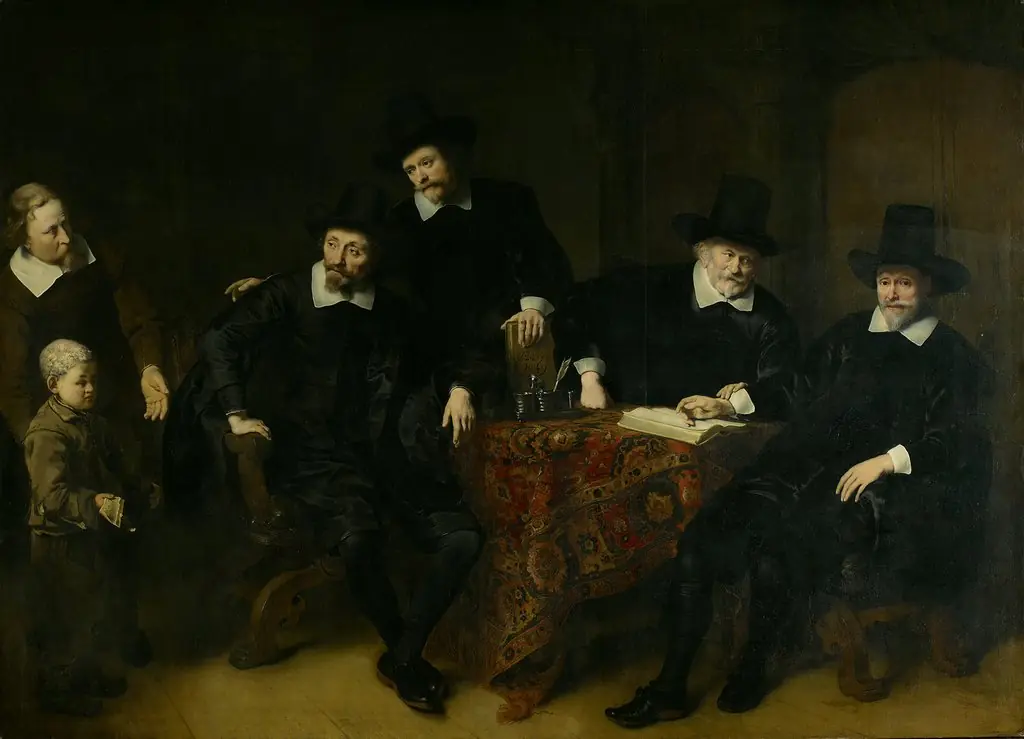 The Regents of the Leper's house in Amsterdam in 1649
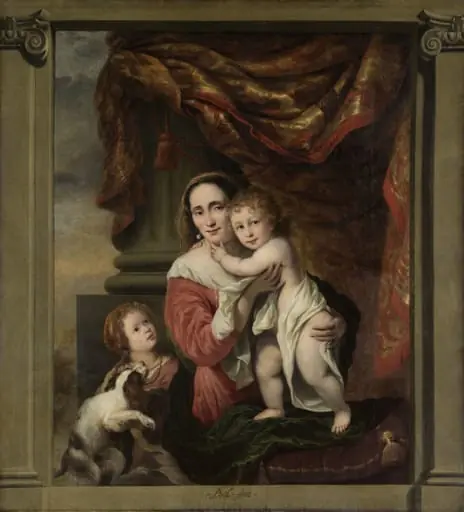 Caritas: Joanna de Geer (1629-1691) with her Children Cecilia Trip (1660-1728) and Laurens Trip (b. 1662)
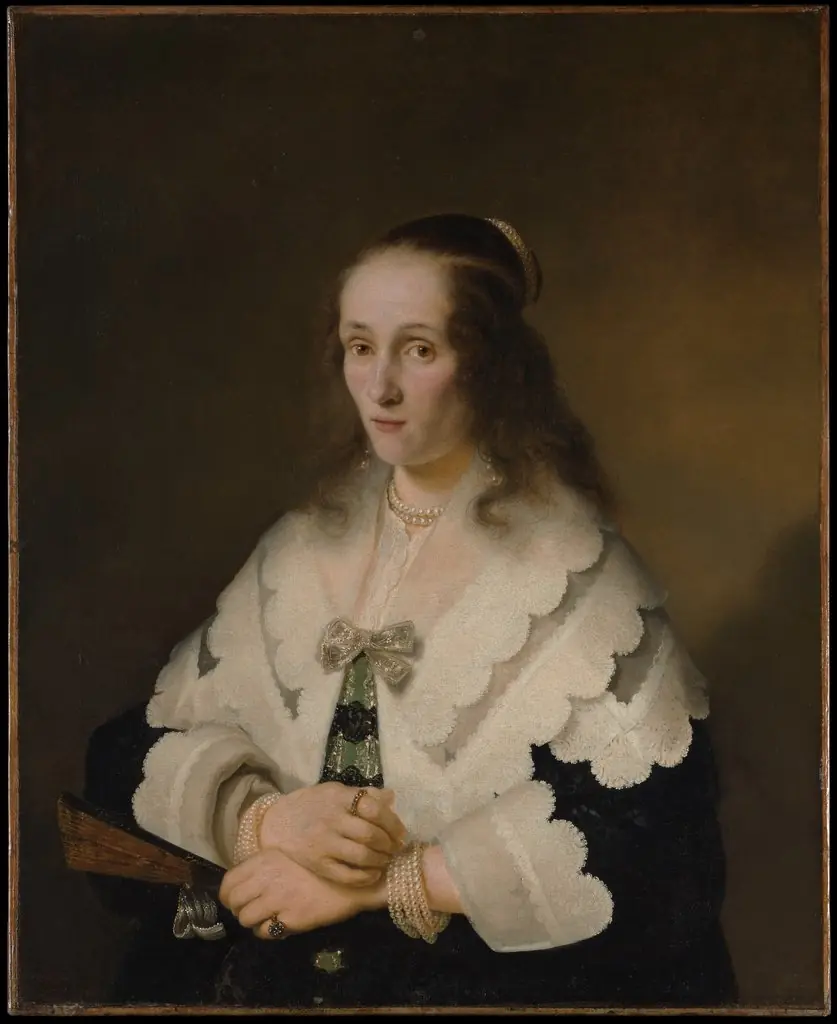 Portrait of a Woman
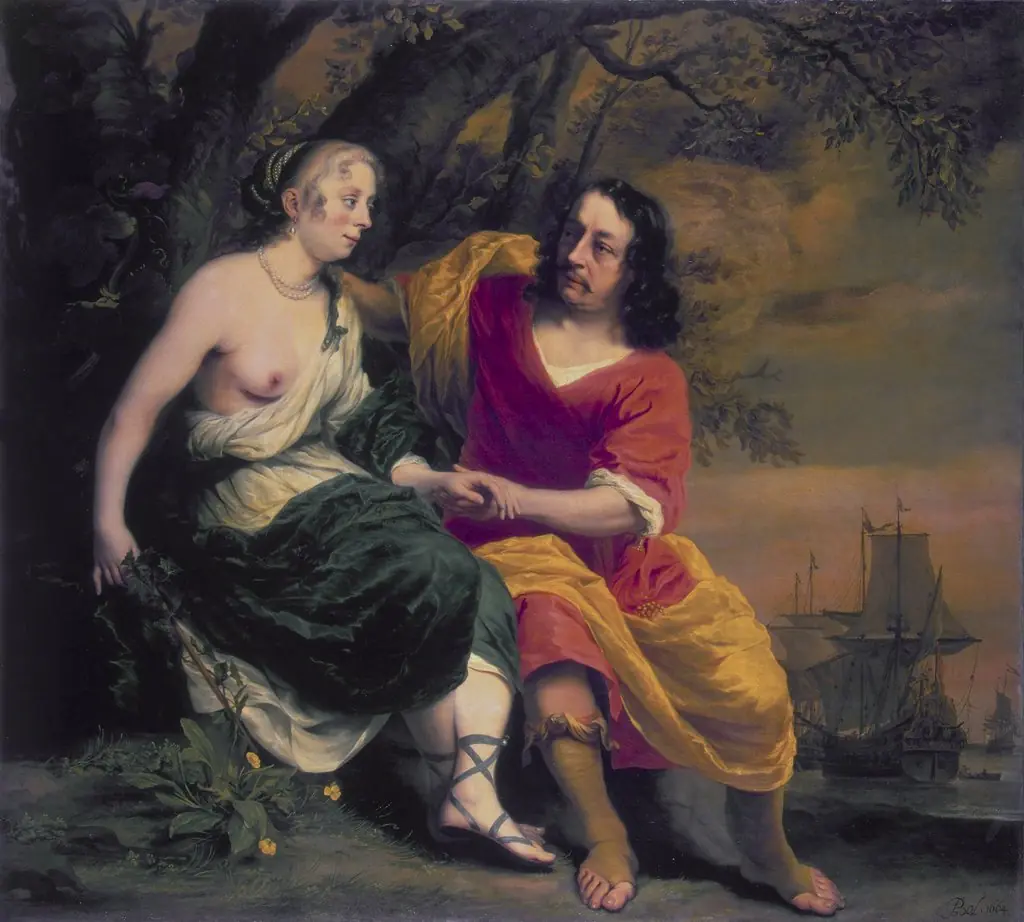 Bacchus and Ariadne
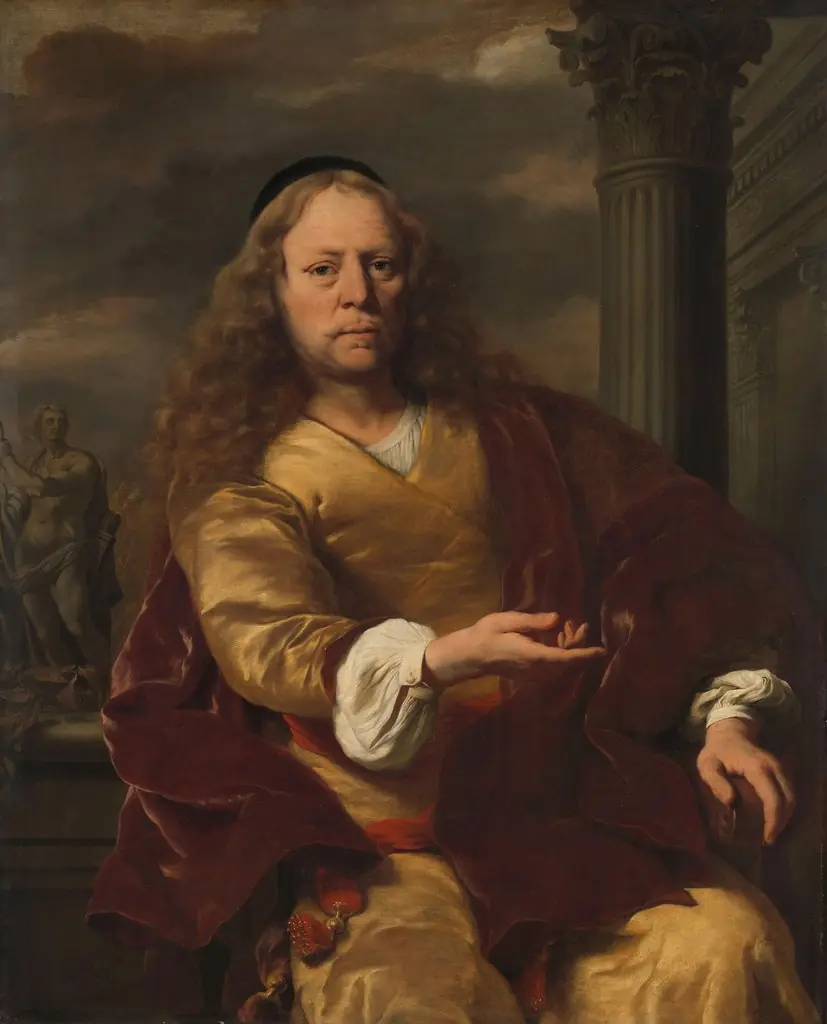 Portrait of a man
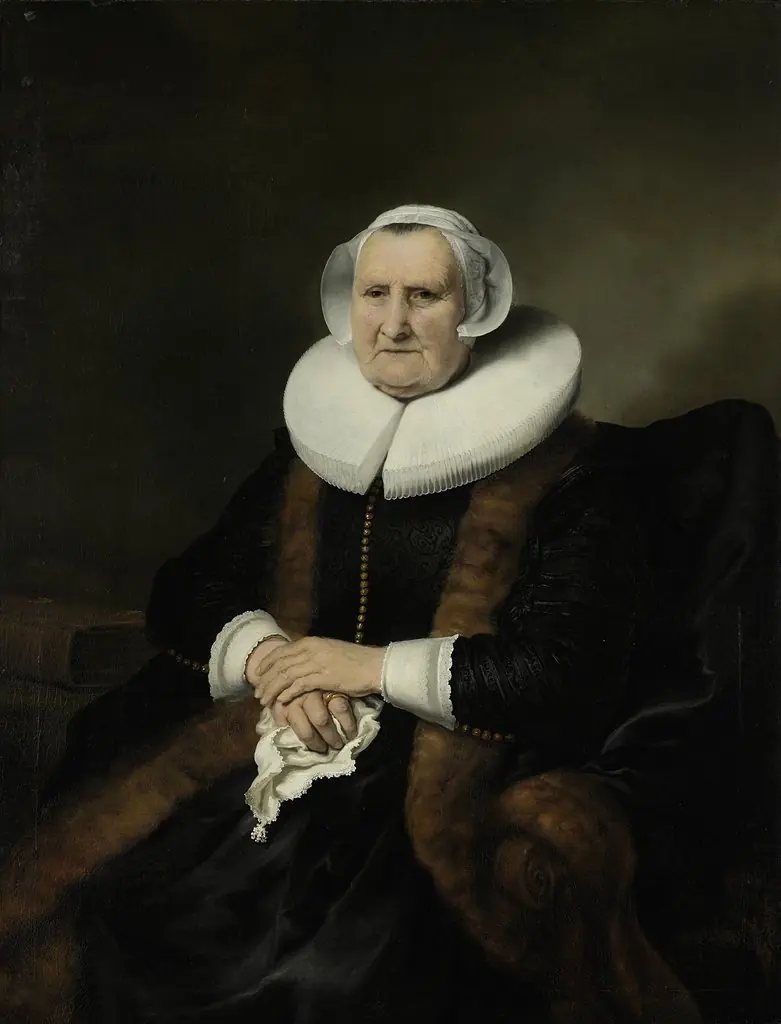 Portrait of an Old Lady, Possibly Elisabeth Bas