Artwork
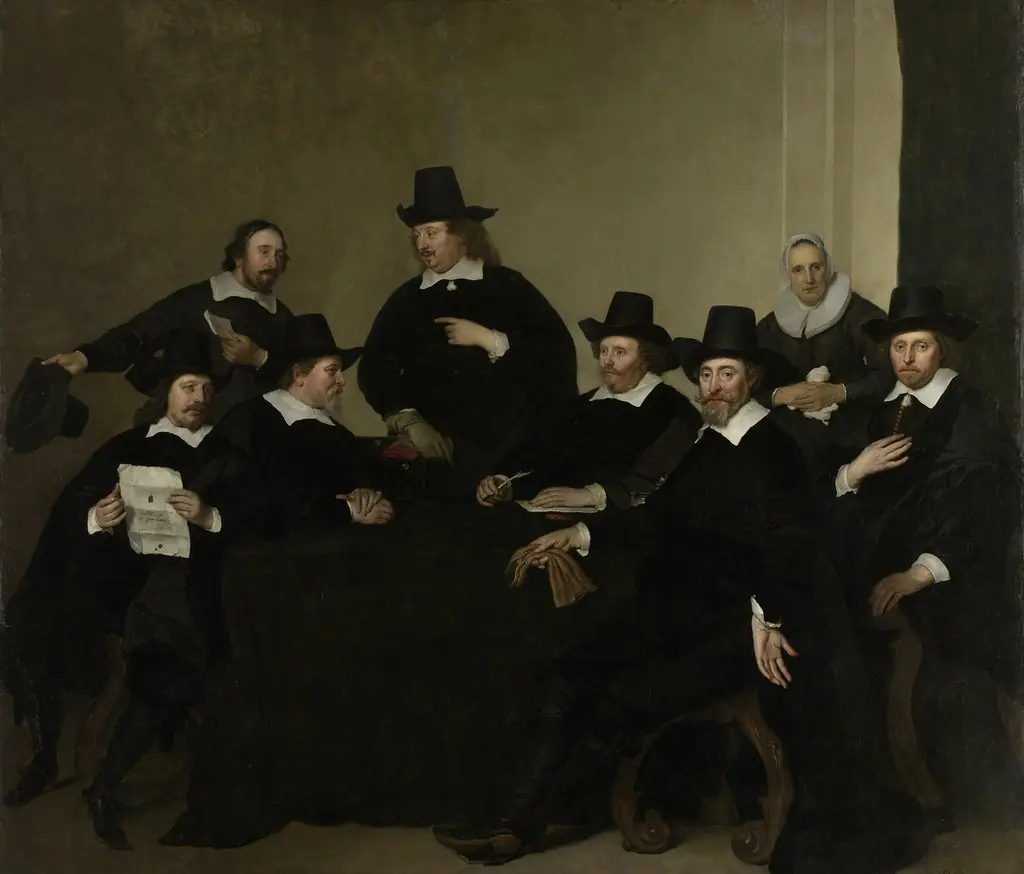
Six regents and the beadle of the Nieuwe Zijds institute for the outdoor relief of the poor
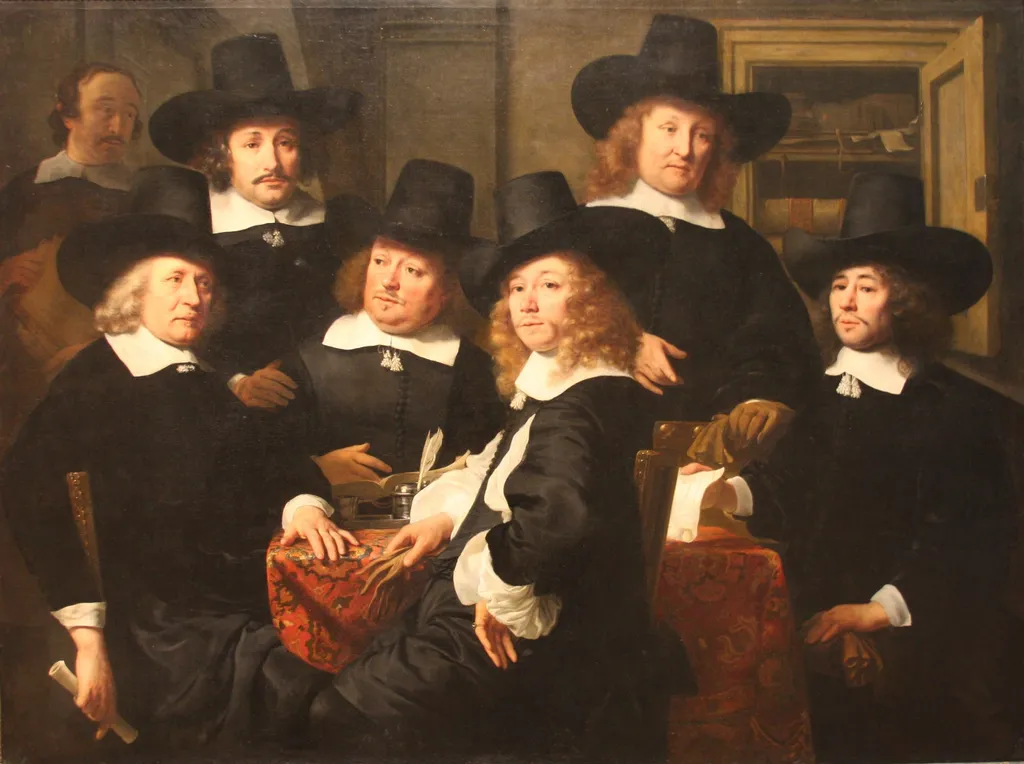
Six regents and the beadle of the Nieuwe Zijds institute for the outdoor relief of the poor is an oil painting by the Dutch Golden Age artist Ferdinand Bol. It dates from 1657 and is held in the collection of the Rijksmuseum.
About this work
Overview
Ferdinand Bol painted Six Regents and the Beadle of the Nieuwe Zijds Institute for the Outdoor Relief of the Poor in 1657. Executed in oil on canvas, the work records the governing board of an Amsterdam charitable organization, presenting seven men in formal attire within a modest interior.
Subject & Meaning
The composition shows six regents—civic trustees responsible for overseeing public welfare—and the institute’s beadle, a ceremonial official. Their solemn expressions and the central figure poised with a quill suggest a moment of deliberation, likely the recording of decisions concerning aid to the poor.
Technique & Style
Bol employs the chiaroscuro characteristic of the Dutch Golden Age, allowing the faces to emerge from a darkened space with a gentle illumination. The careful rendering of fabrics, hats, and the subtle play of light on skin reflects the influence of his former master, Rembrandt, while maintaining Bol’s own compositional clarity.
History & Provenance
Since its creation, the painting has remained in the Netherlands, entering the collection of the Rijksmuseum, where it is displayed as part of the museum’s holdings of 17th‑century Dutch portraiture.
Context
Regents were prominent members of Dutch urban society, charged with managing charitable institutions that provided outdoor relief to the indigent. The Nieuwe Zijds institute, founded in Amsterdam, exemplifies the civic philanthropy that flourished during the Republic’s economic prosperity.
Own this work as a print
Artist & collection
Artist
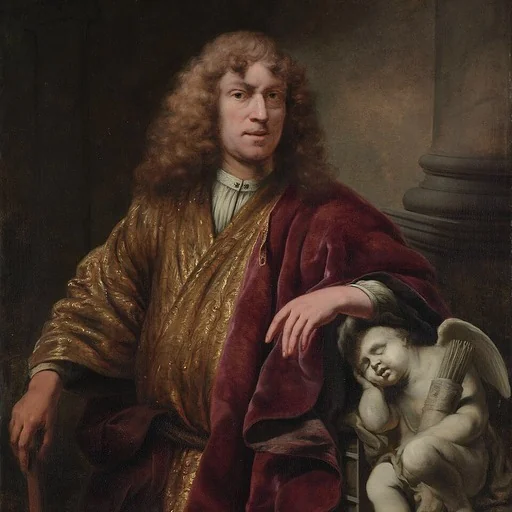
Ferdinand Bol (24 June 1616 - 24 August 1680) was a Dutch painter, etcher and draftsman.

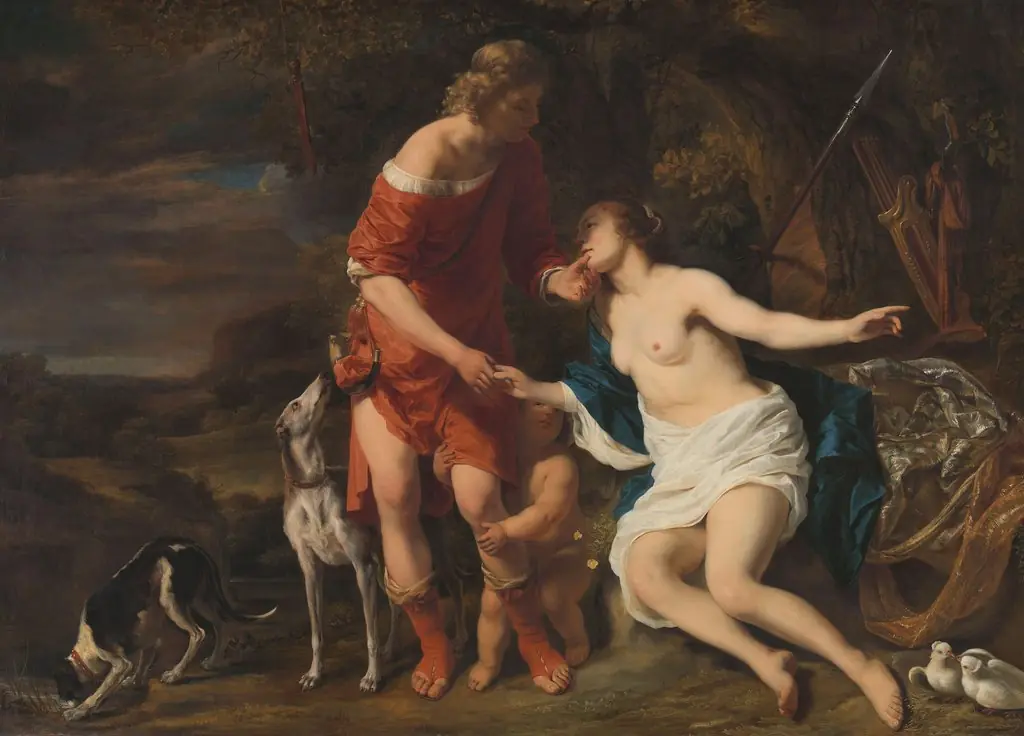 Venus and Adonis
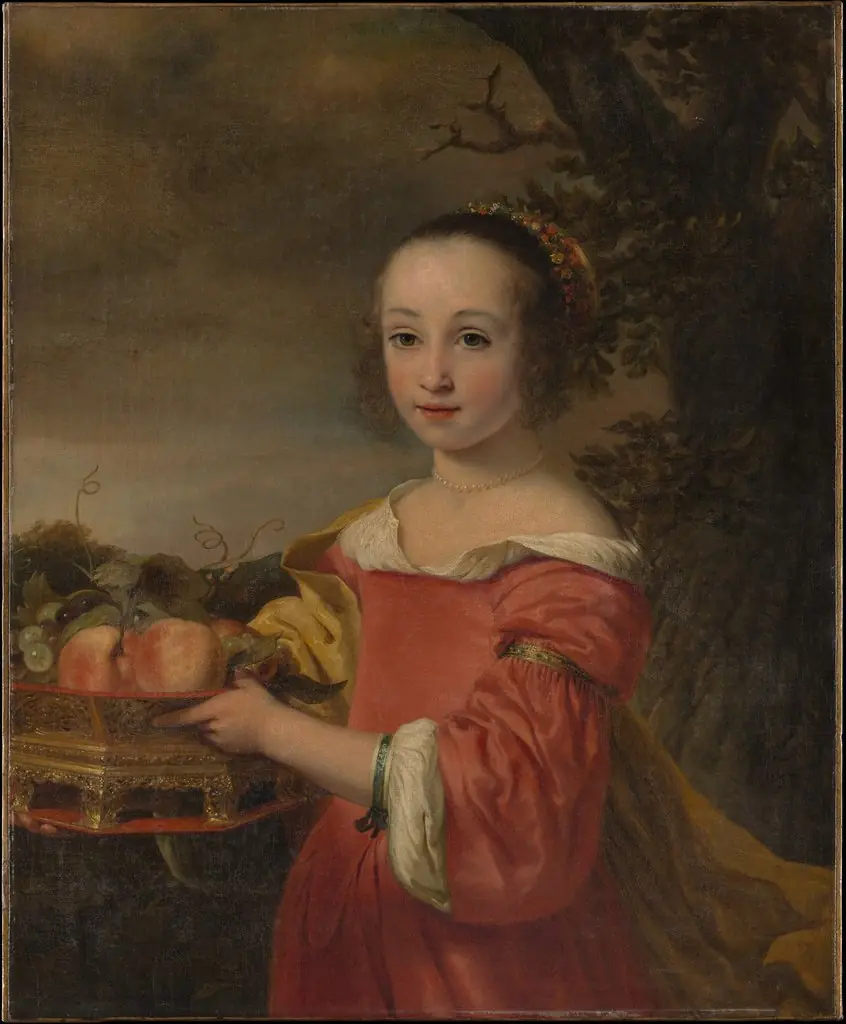 Petronella Elias (1648–1667) with a Basket of Fruit
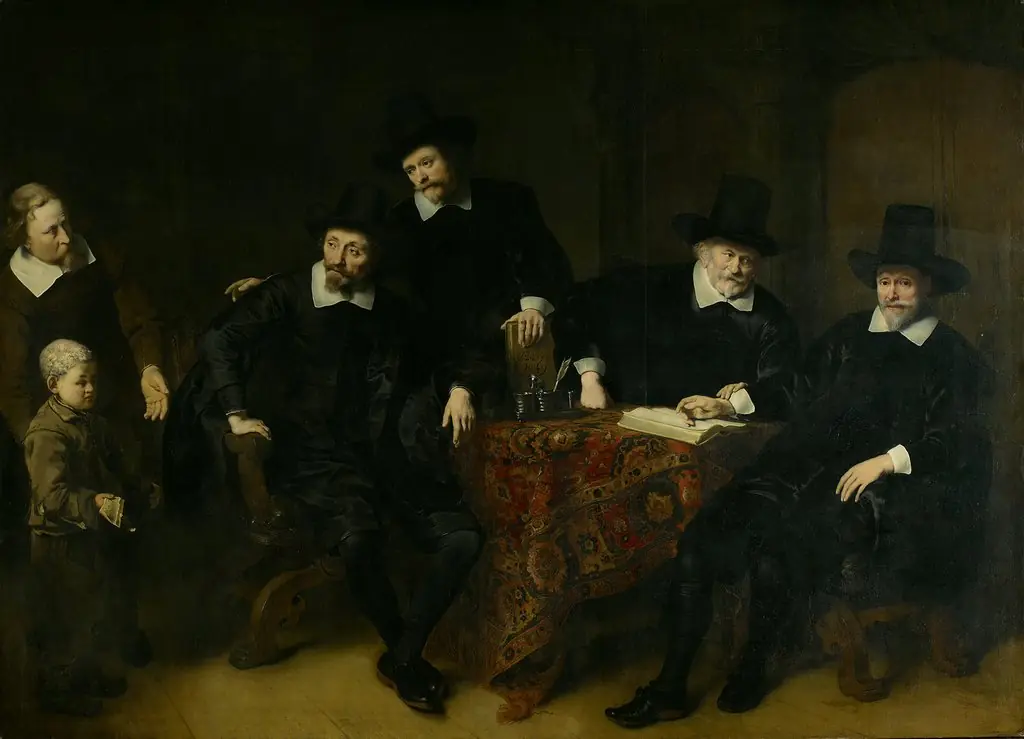 The Regents of the Leper's house in Amsterdam in 1649
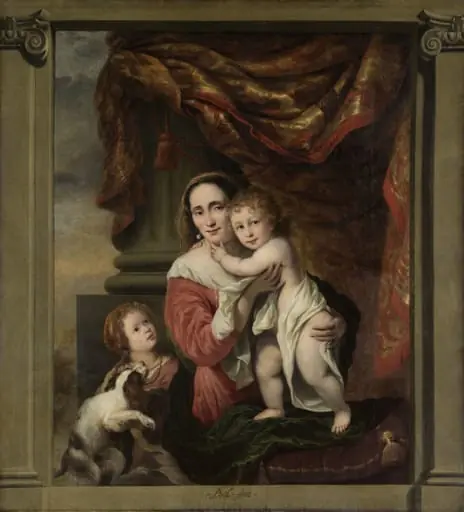 Caritas: Joanna de Geer (1629-1691) with her Children Cecilia Trip (1660-1728) and Laurens Trip (b. 1662)
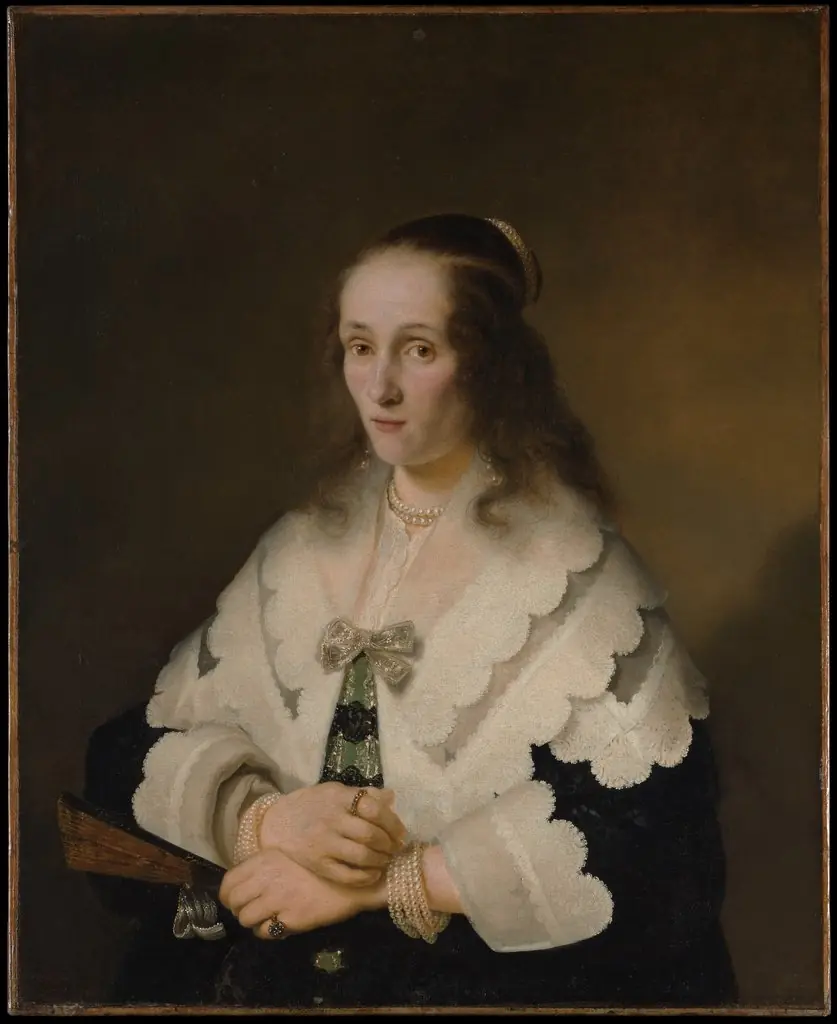 Portrait of a Woman
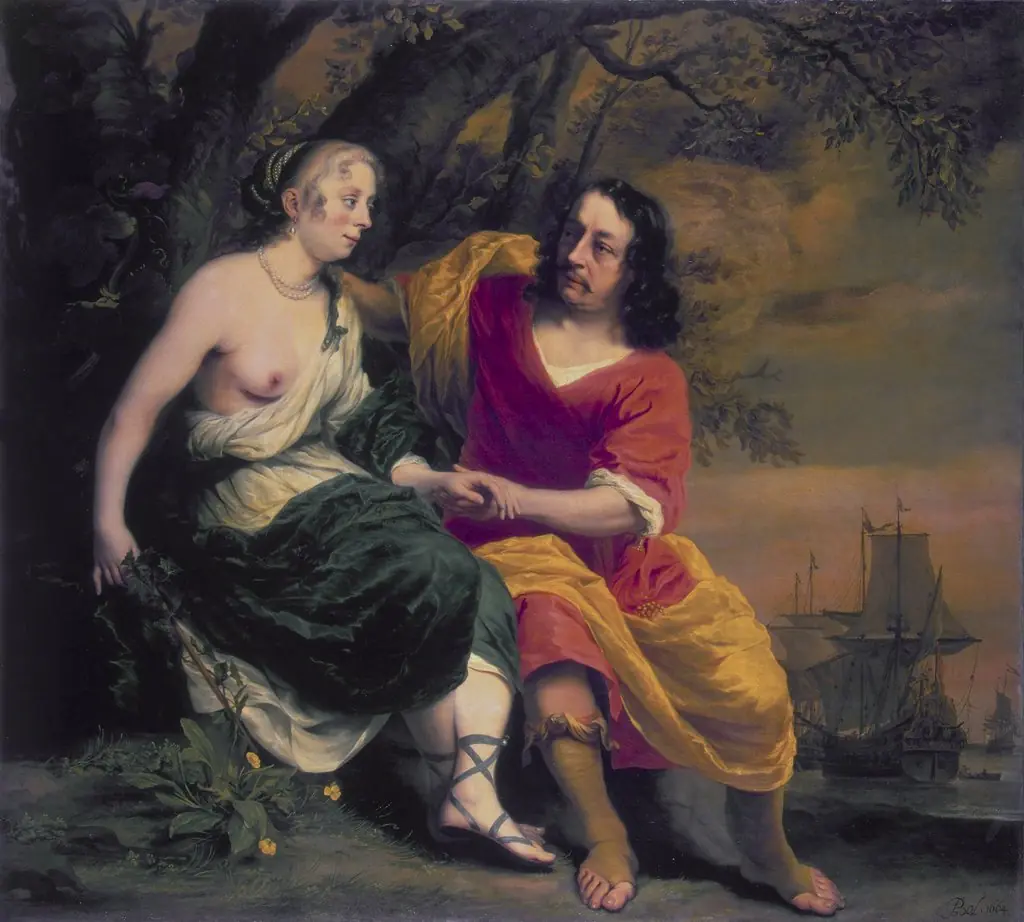 Bacchus and Ariadne
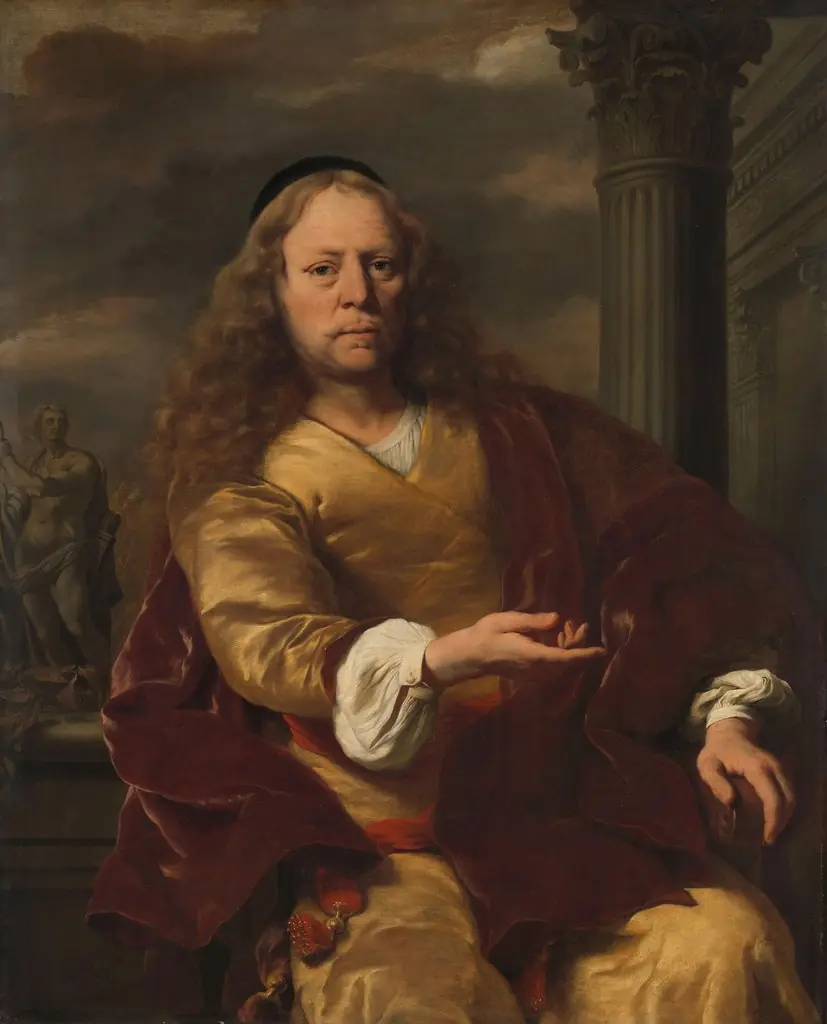 Portrait of a man
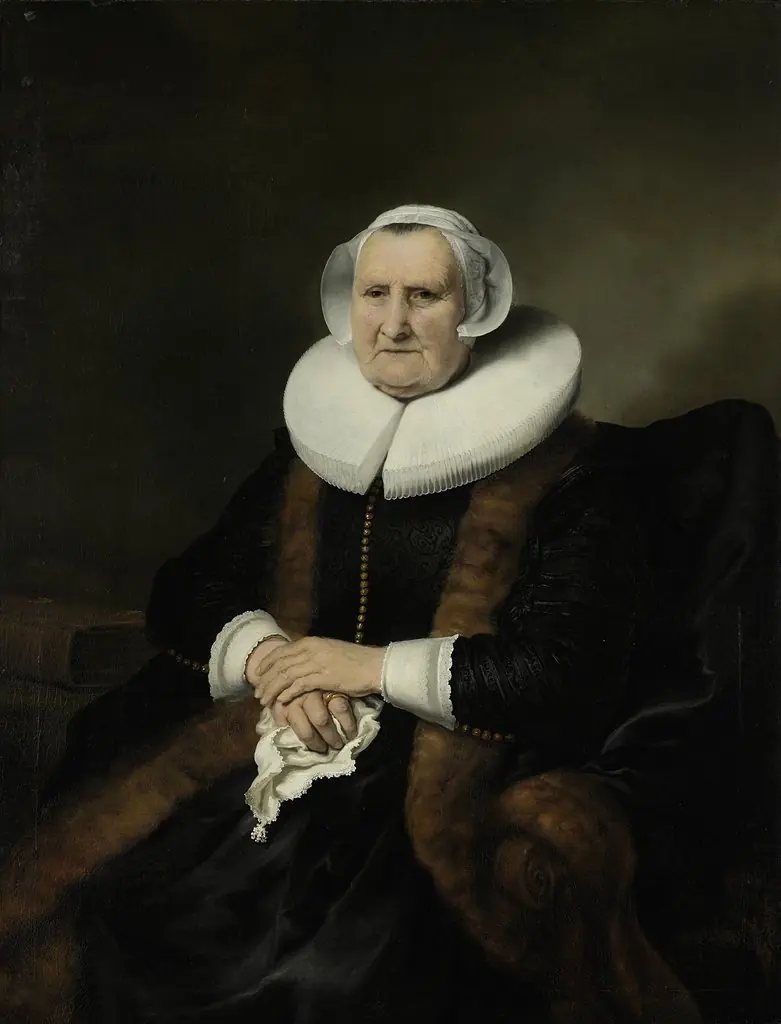 Portrait of an Old Lady, Possibly Elisabeth Bas