Artwork
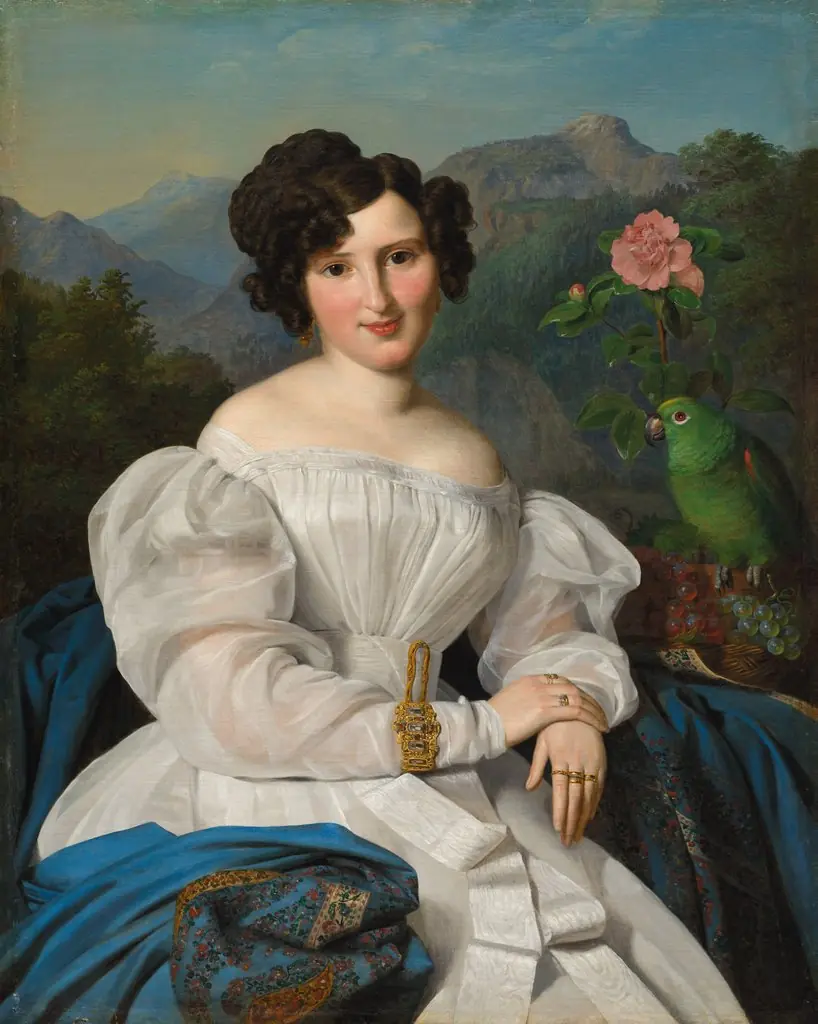
Countess Széchenyi
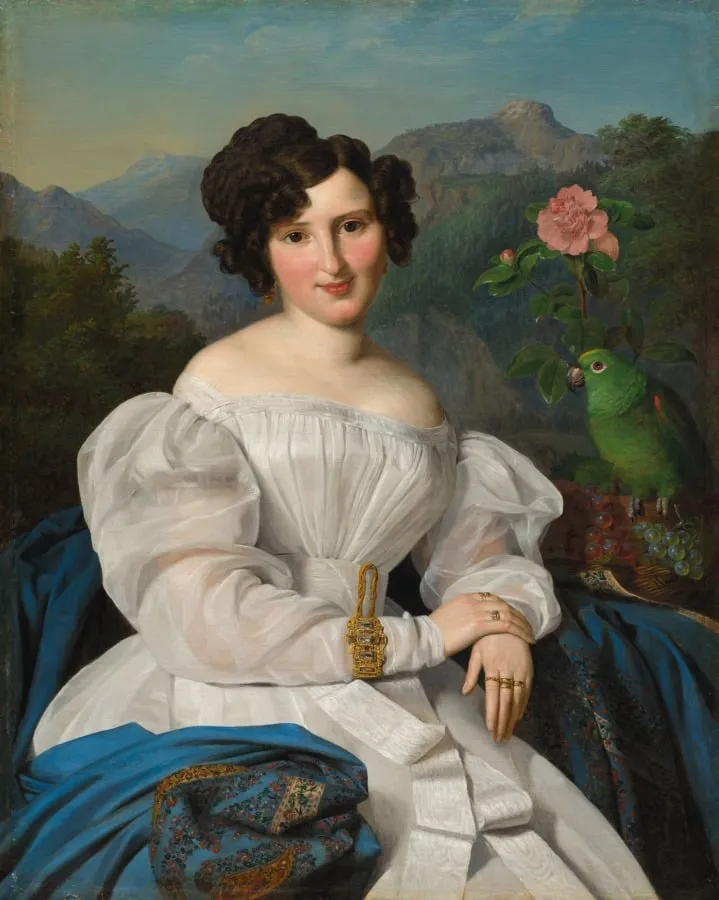
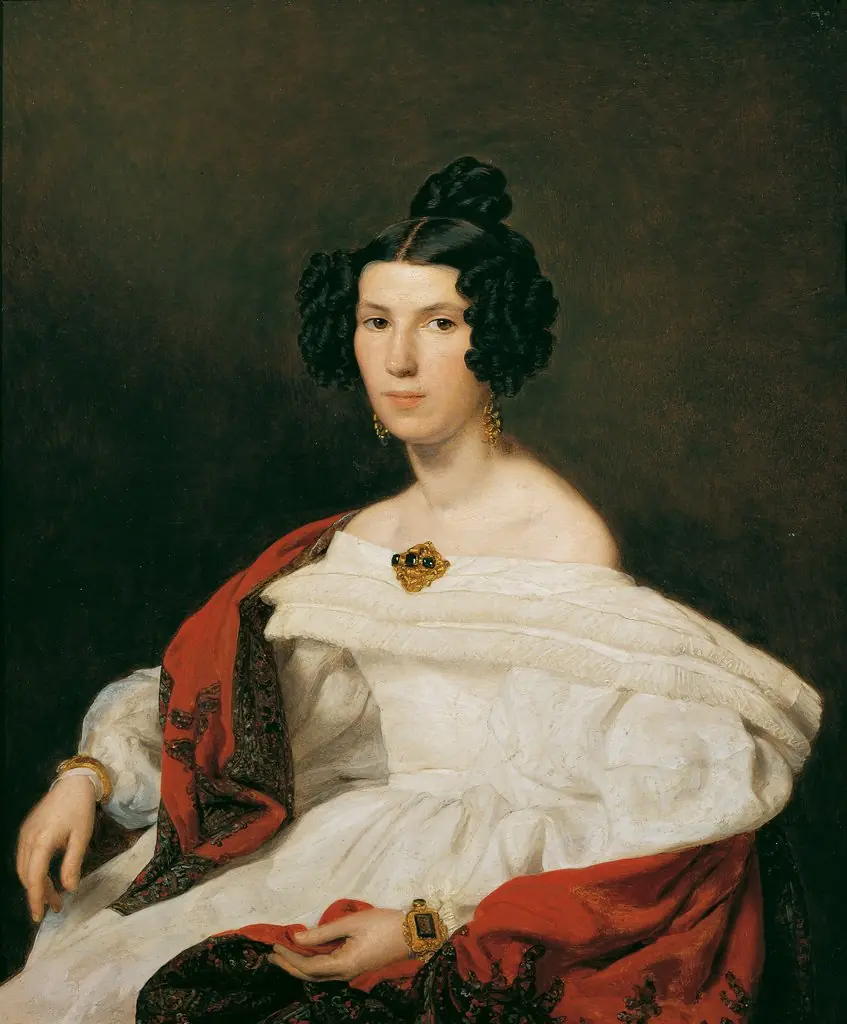
Countess Széchenyi is an unspecified painting by the Biedermeier artist Ferdinand Georg Waldmüller. It dates from 1828 and is held in the collection of the Cleveland Museum of Art.
About this work
Overview
The Countess Széchenyi portrait is a representative work from the Biedermeier period, a cultural era in Vienna characterized by a focus on depicting everyday life and culture.
Subject & Meaning
Crescentia Seilern, a high-ranking aristocrat, is depicted in a serene pose, wearing elaborate attire. Her marriage to Hungarian reformer István Széchenyi underscores her connection to influential circles.
Technique & Style
The painting showcases the artist's meticulous attention to detail, evident in the intricate rendering of the subject's clothing. The sfumato technique is not directly referenced in this work, but the soft, nuanced treatment of the background mountains is notable.
Context
The Habsburg government encouraged artists to produce works that positively represented Viennese culture during this period, influencing the development of Biedermeier art.
Artist & collection

Artist
Ferdinand Georg Waldmüller (Austrian German: ; 15 January 1793 – 23 August 1865) was an Austrian painter. Waldmüller was one of the most important Austrian painters of the Biedermeier period.

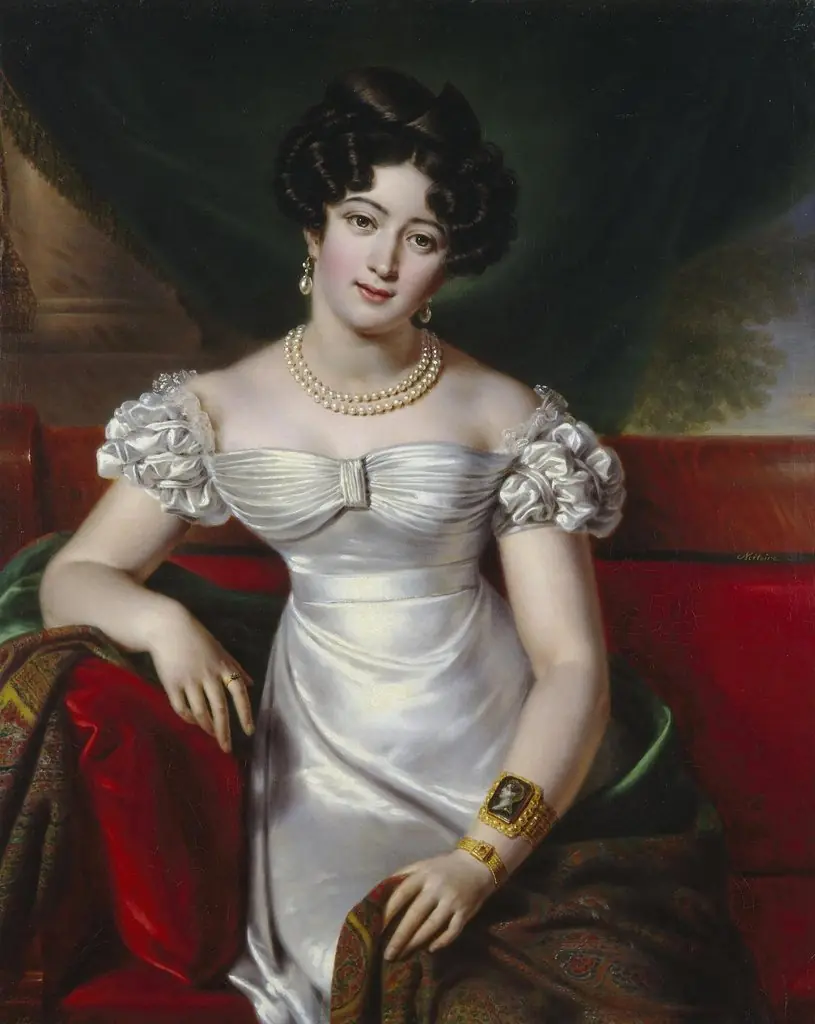 Portrait of Countess Yulia Samoilova
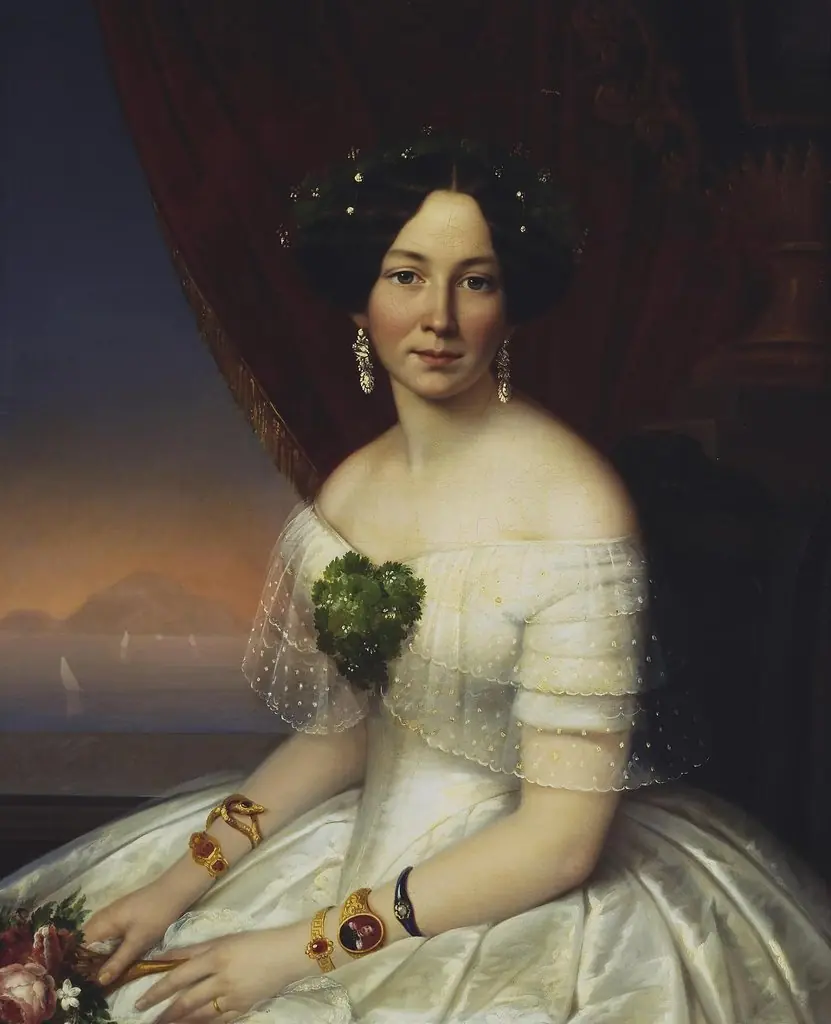 Portrait of Julia Telyakovskaya
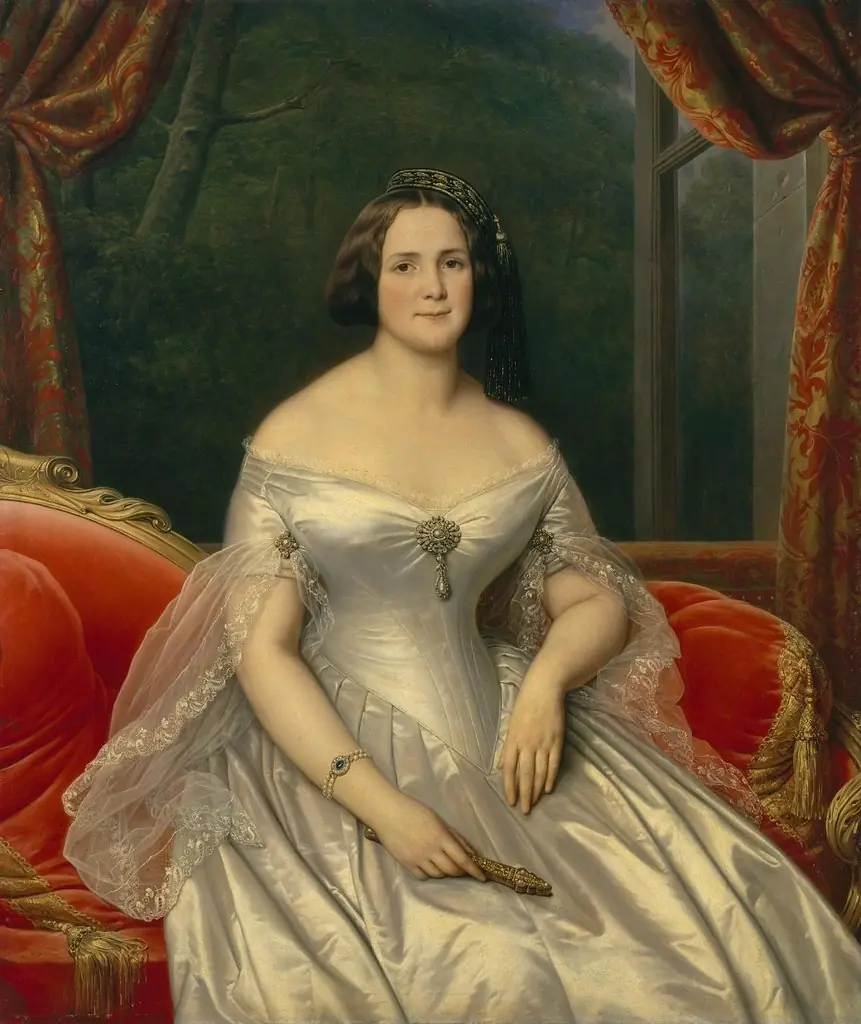 Portrait of Anna Benardaki
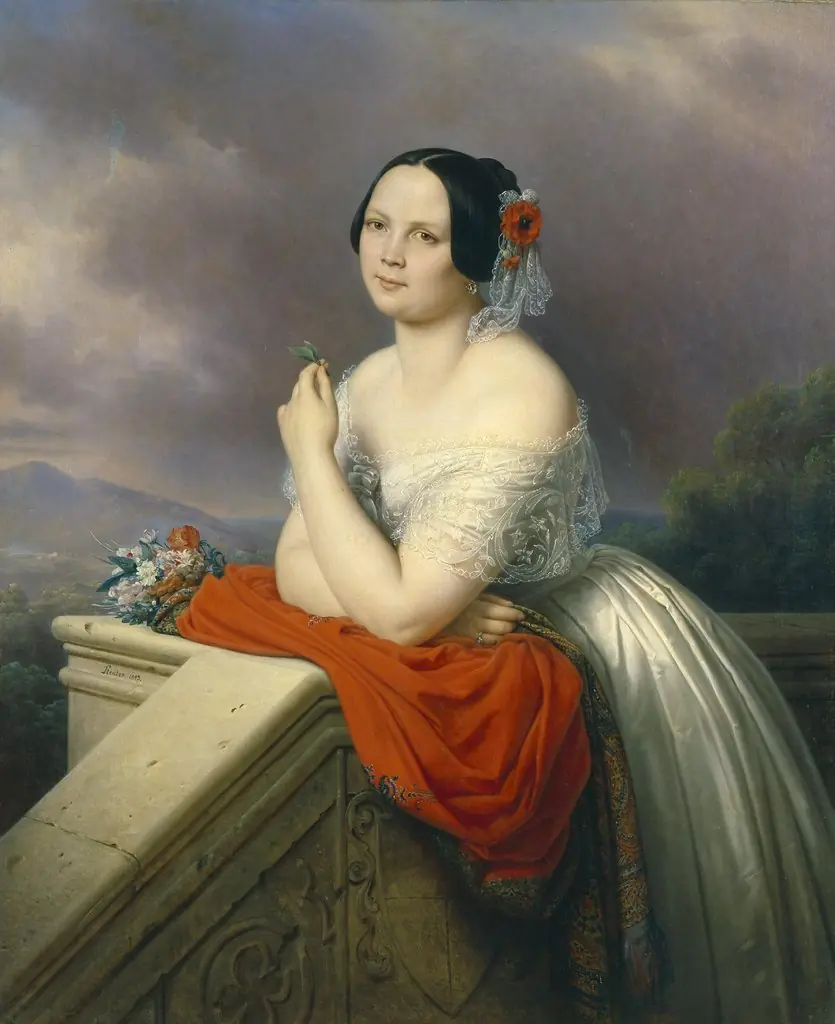 Portrait of a Young Woman
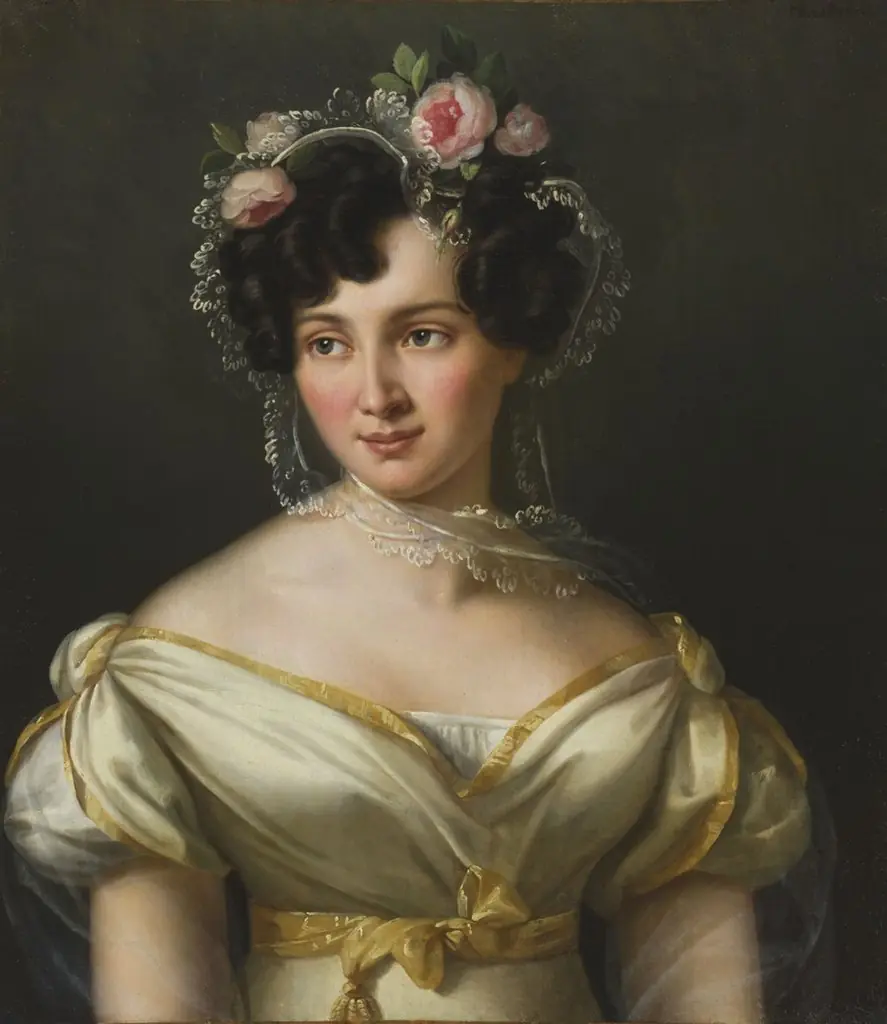 Portrait of Princess Anna Nikolayevna
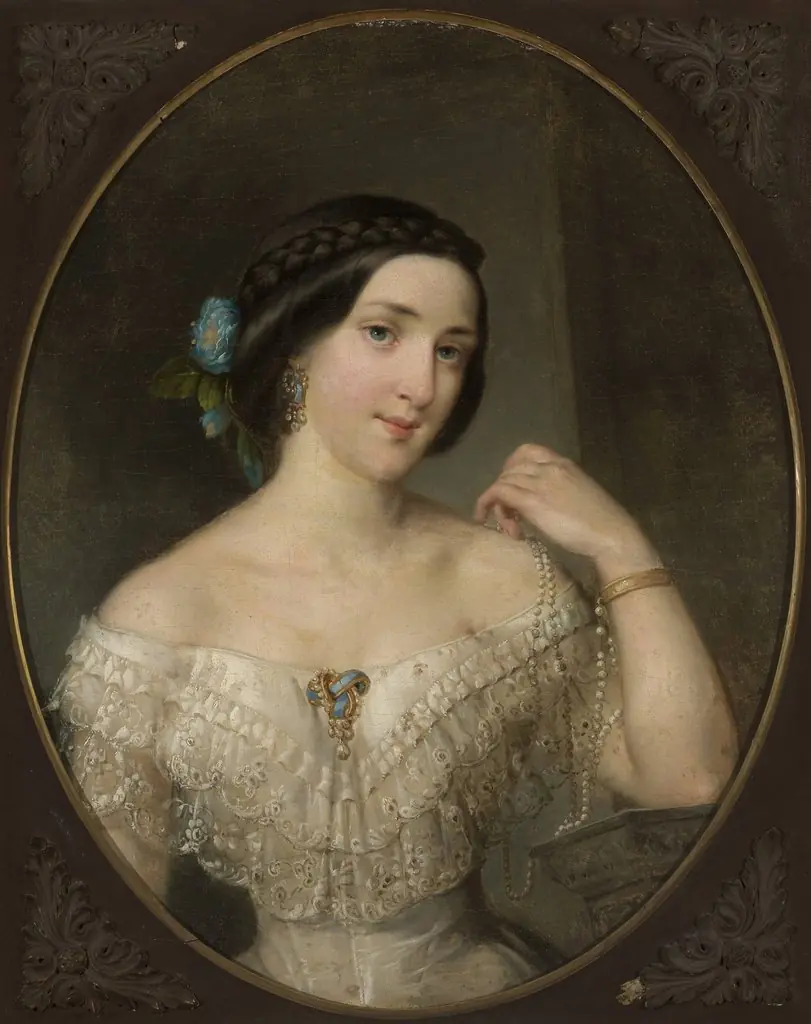 Portrait of Maria Ludwika Blumenfeld née Kobyłecka
 Portretul Alexandrinei Manu
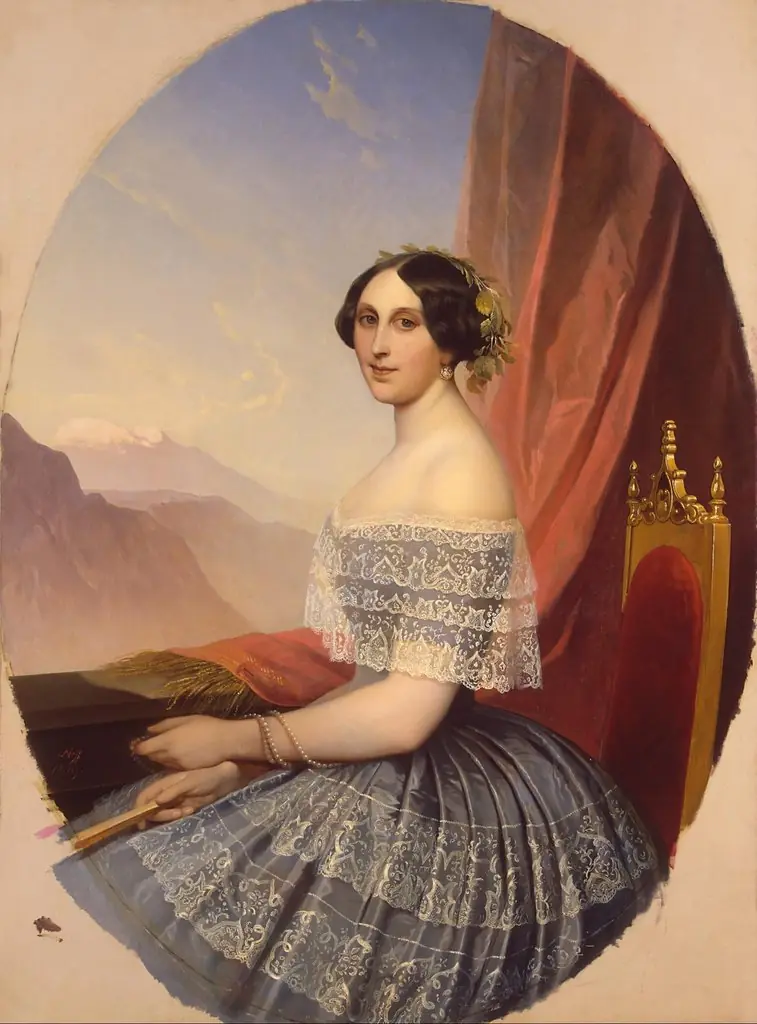 Portrait of a Young Woman
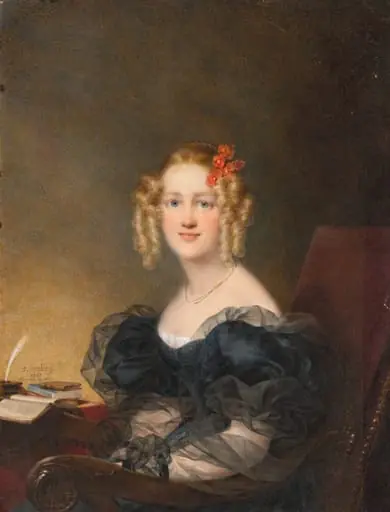 Portrait of a Woman
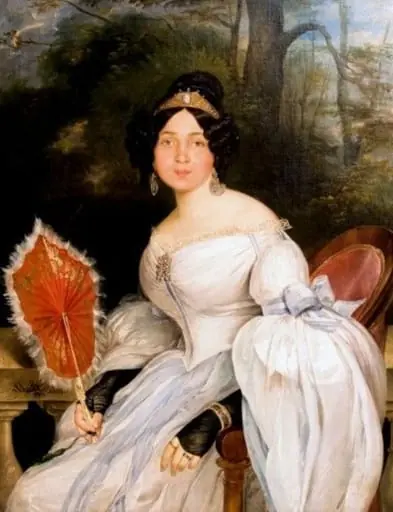 Portret de femeie cu evantai