Artwork
The Holy Family with Saint John the Baptist and Saint Margaret
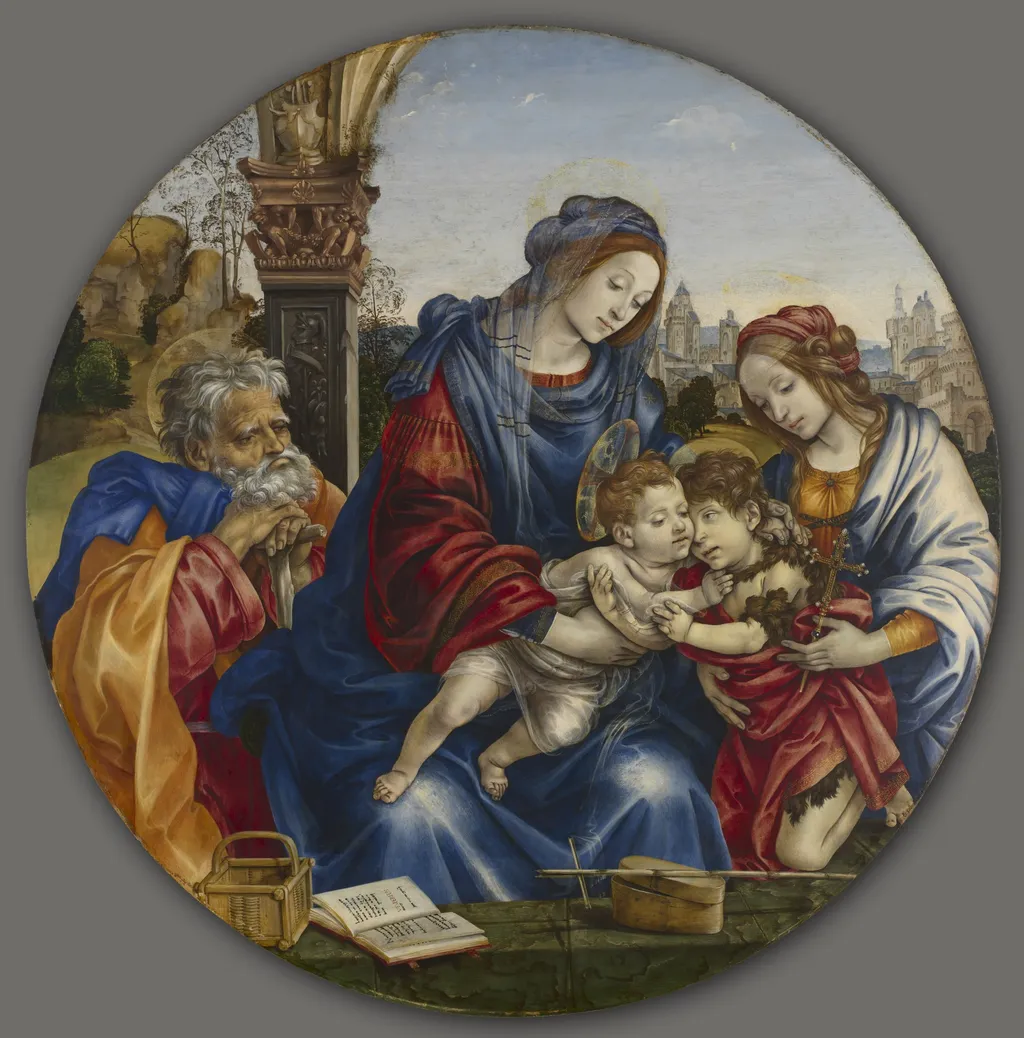
The Holy Family with Saint John the Baptist and Saint Margaret is an unspecified painting by Filippino Lippi. It dates from 1498 and is held in the collection of the Cleveland Museum of Art.
About this work
Overview
Filippino Lippi’s *Holy Family with Saint John the Baptist and Saint Margaret* was painted in 1498. Executed for a devotional context, the work presents a modest outdoor gathering of five figures rendered in the transitional language between the late Early Renaissance and the nascent High Renaissance. The painting is part of the permanent collection of the Cleveland Museum of Art.
Subject & Meaning
The central group consists of the Virgin Mary cradling the infant Christ, accompanied by a kneeling female figure, traditionally identified as Saint Margaret.
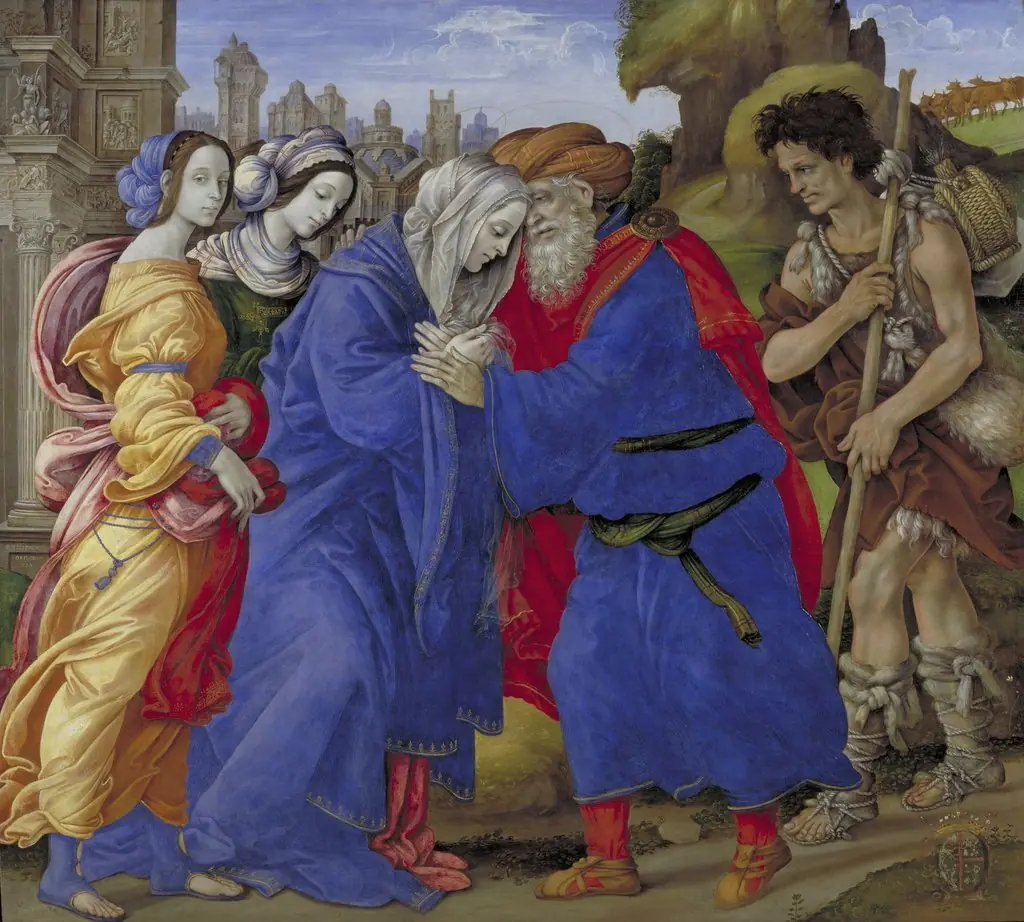
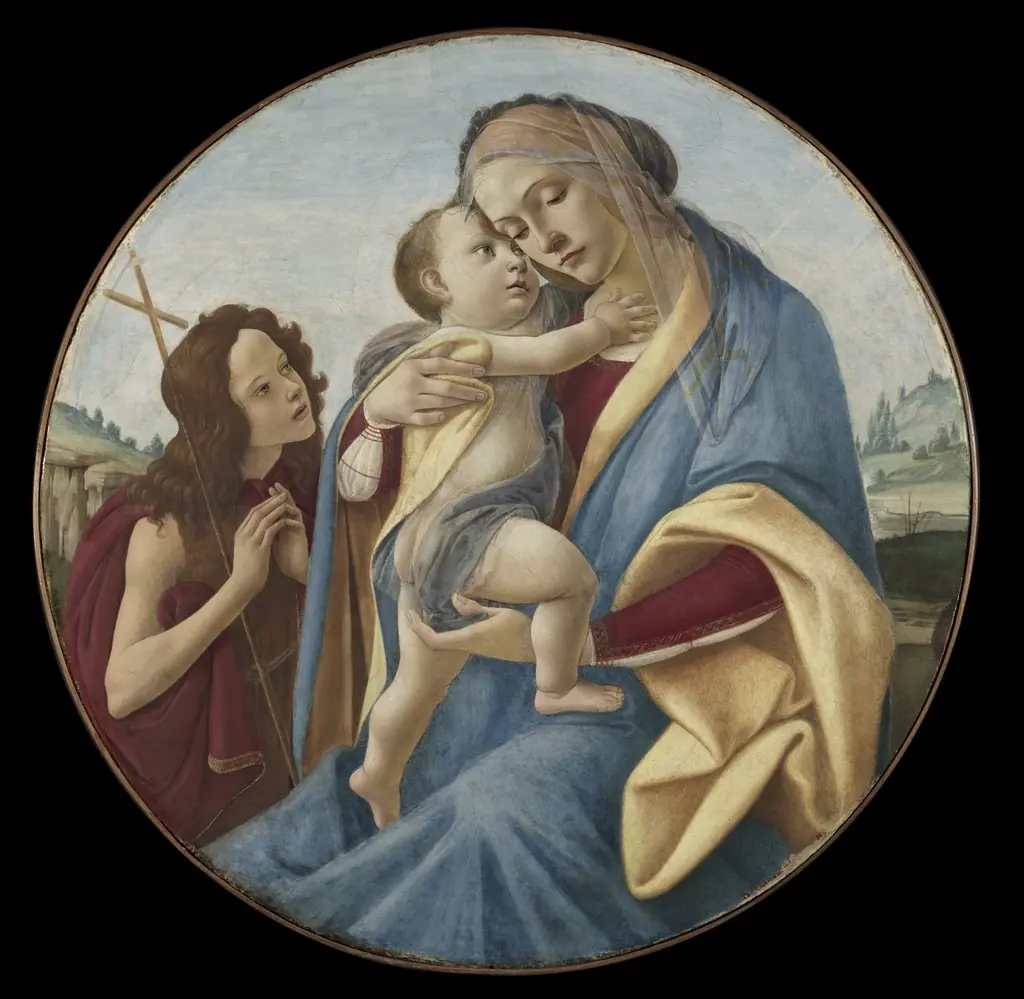
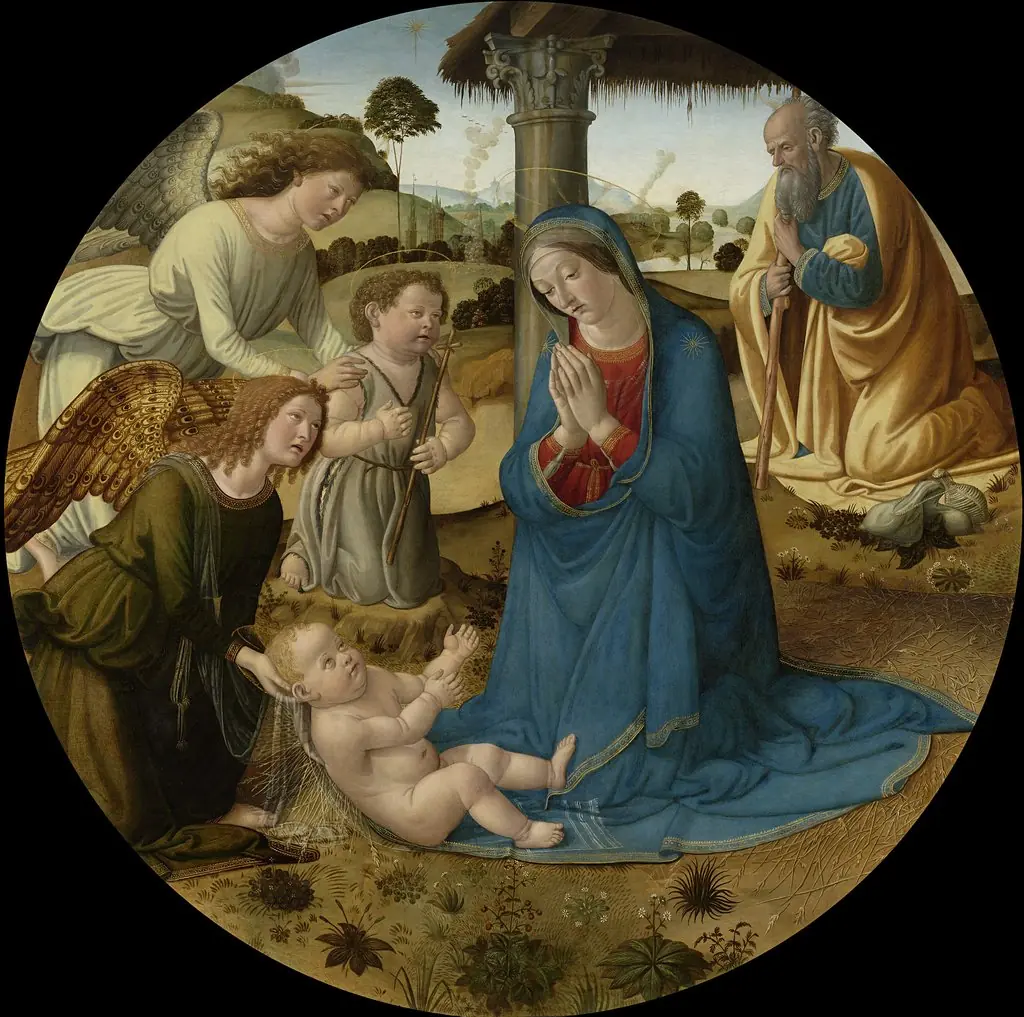
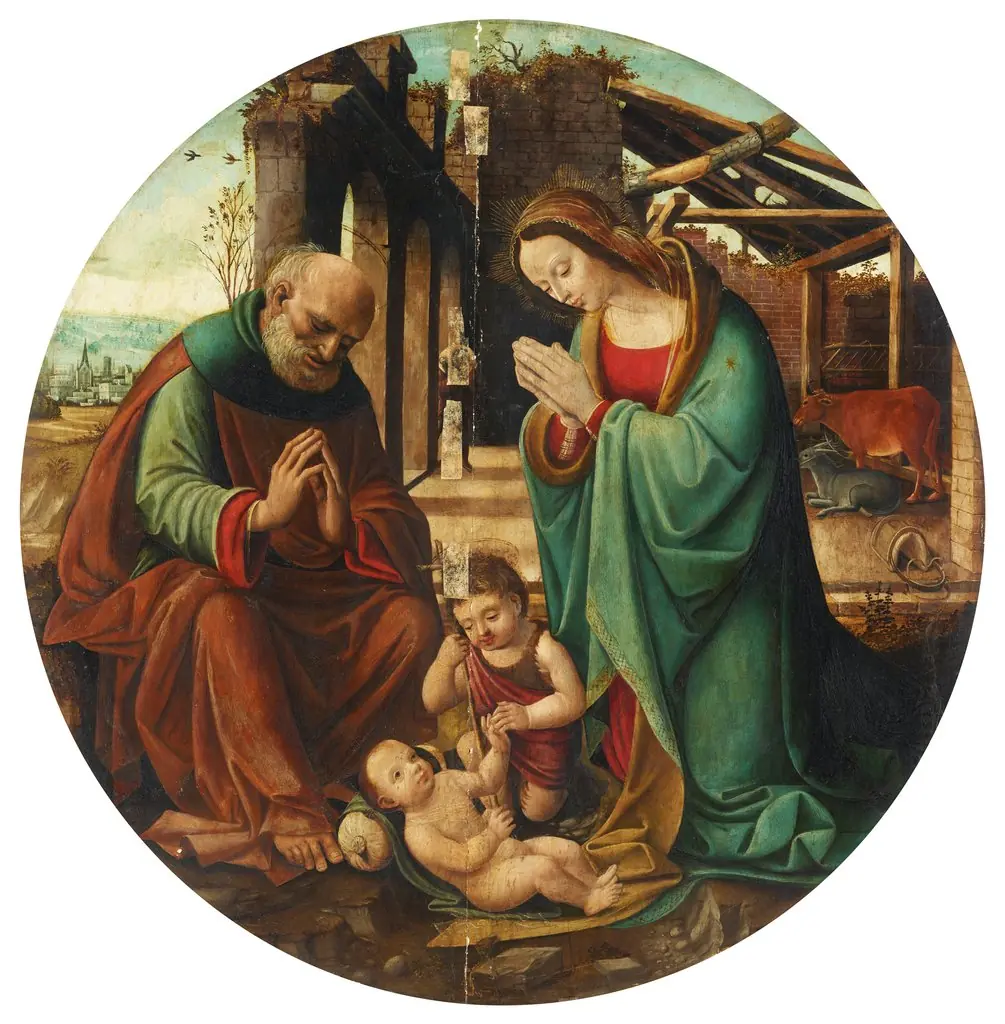
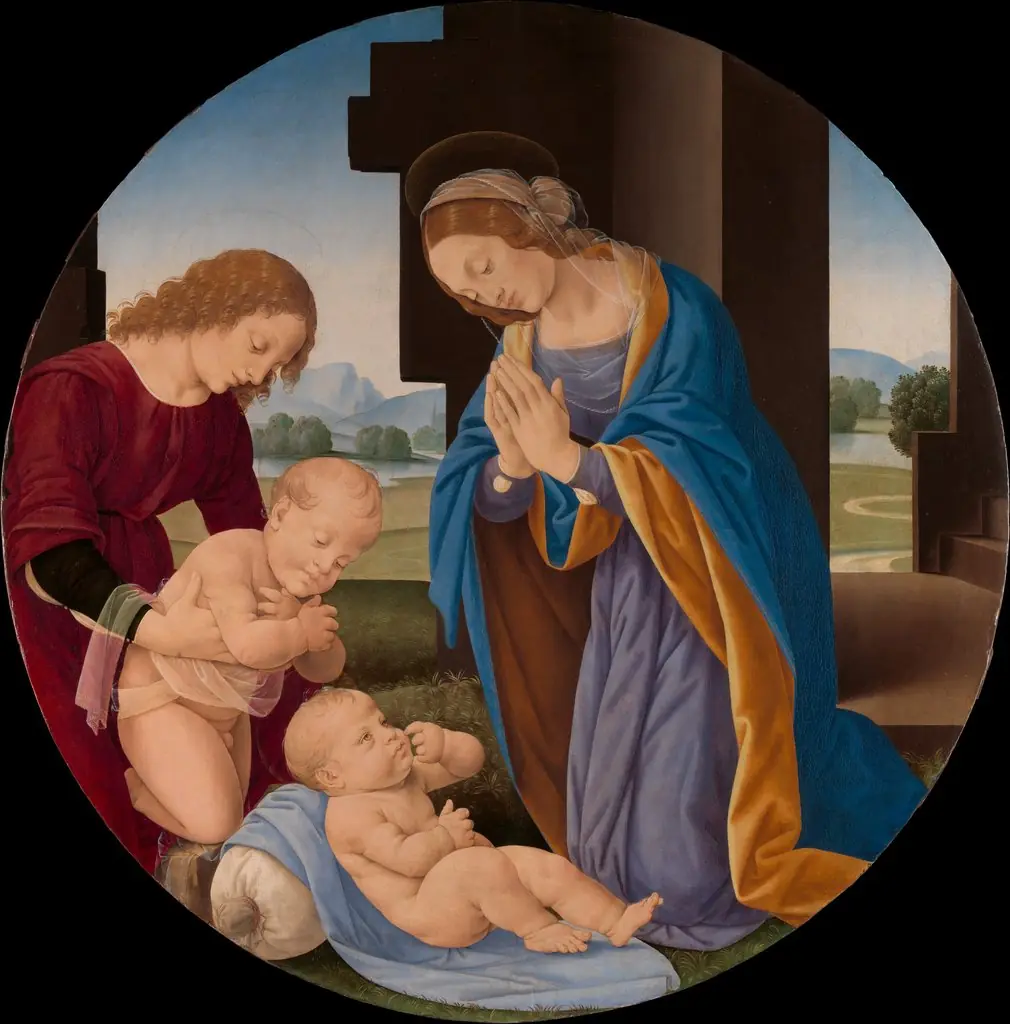
The central group consists of the Virgin Mary cradling the infant Christ, accompanied by a kneeling female figure, traditionally identified as Saint Margaret. To their left, a bearded elder—identified as Saint Joseph—sits contemplatively, while the two children, Saint John the Baptist and a youthful companion, stand nearby, the former holding a small cross. The composition underscores themes of familial intimacy and the prophetic link between John and Christ.
Technique & Style
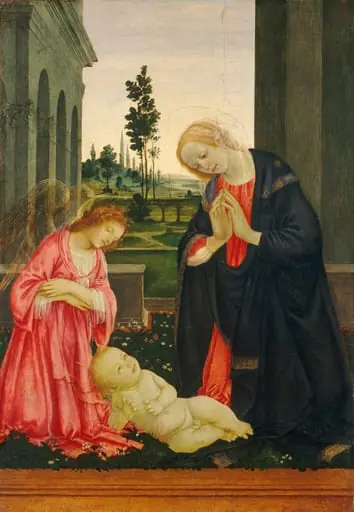
Lippi combines tempera and oil on panel, a practice becoming common in late‑15th‑century Florence. The figures are modeled with delicate chiaroscuro, and the palette juxtaposes Mary’s blue mantle against the richer reds and golds of the surrounding saints. The landscape background, with a modest building, a solitary tree, and a hazy cityscape, reflects the period’s growing interest in naturalistic settings.
History & Provenance
After its creation in Florence, the painting entered private collections before being acquired by the Cleveland Museum of Art in the 20th century. Documentation traces its movement through several European owners, confirming its attribution to Filippino Lippi and its consistent identification as a devotional panel.
Context
The work belongs to a phase in Lippi’s career when he was integrating the compositional clarity of the Early Renaissance with the emerging dynamism of the High Renaissance. Its inclusion of multiple saints alongside the Holy Family mirrors contemporary devotional practices that emphasized intercessory figures within a single visual narrative.
Artist & collection
Artist
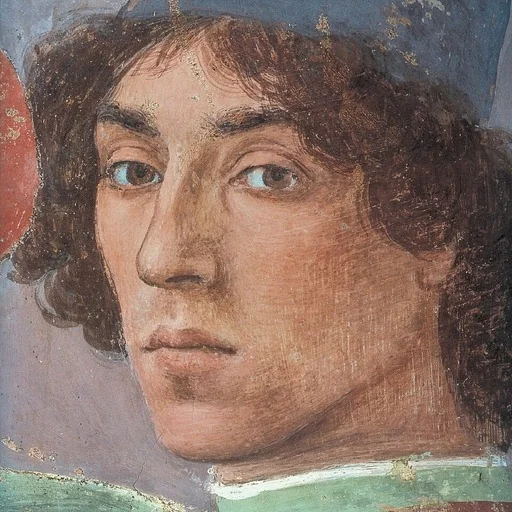
Filippino Lippi (probably 1457 – 18 April 1504) was an Italian Renaissance painter mostly working in Florence, Italy during the later years of the Early Renaissance and first few years of the High Renaissance.