Artwork
Head of a Laurel-Crowned Poet (?)
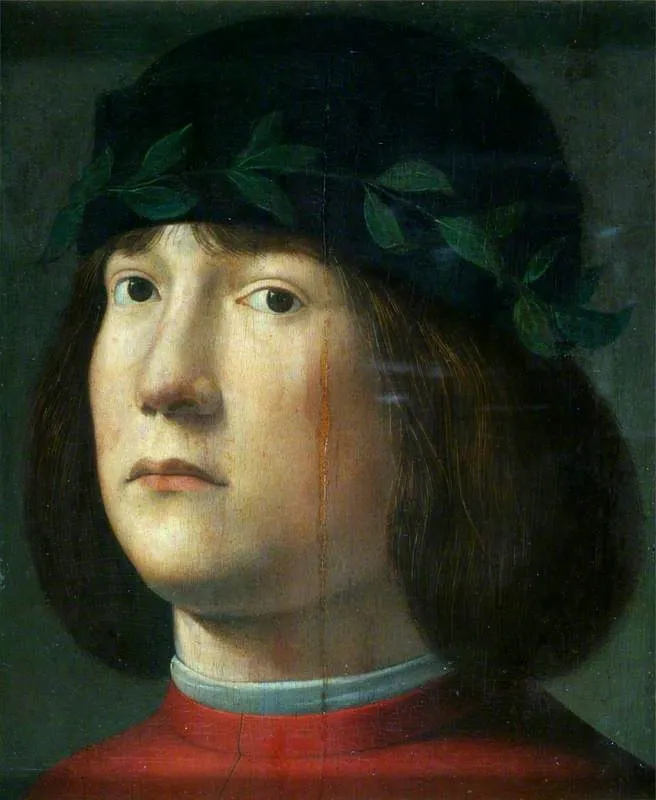
Head of a Laurel-Crowned Poet (?) is an oil painting by the Northern Renaissance artist Filippo Mazzola. It dates from 1499 and is held in the collection of the Victoria and Albert Museum.
About this work
Overview
It is now held in the Victoria and Albert Museum’s collection, where it is noted for its restrained palette and psychological presence.
Painted in 1499 by Filippo Mazzola, this oil-on-panel portrait presents a contemplative male figure crowned with laurel. Mazzola, active in northern Italy, absorbed Venetian stylistic innovations during his training. The work belongs to the Northern Renaissance tradition, distinguished by its quiet intensity and attention to texture. It is now held in the Victoria and Albert Museum’s collection, where it is noted for its restrained palette and psychological presence.
Subject & Meaning
The figure wears a laurel wreath, a classical emblem linked to poetic achievement and intellectual honor. Though the identity remains uncertain, the crown suggests a representation of the poet as a revered, contemplative figure. The solemn gaze and modest attire reinforce a sense of dignity rather than grandeur, aligning with humanist ideals of the era that valued inner thought over external display.
Technique & Style
Mazzola employs chiaroscuro to model the face and hat with subtle gradations of light and shadow, lending volume and realism. The brushwork is precise, particularly in rendering the texture of the fabric collar and the delicate leaves of the crown. The muted green-gray background isolates the figure, focusing attention on his expression and the interplay of light across his features, a hallmark of Venetian-influenced portraiture.
History & Provenance
Created during Mazzola’s formative years, the painting reflects his exposure to Venetian masters such as Bellini and Antonello da Messina. It remained in private hands until entering the Victoria and Albert Museum’s collection, where it has been studied as an example of regional Italian Renaissance portraiture. Its attribution to Mazzola is supported by stylistic parallels with his documented works from the same period.
Context
In late 15th-century northern Italy, portraiture increasingly emphasized individual character over idealized form. Mazzola’s work aligns with this shift, drawing on Venetian techniques to convey psychological depth. The laurel crown connects the subject to literary traditions revived during the Renaissance, reflecting broader cultural reverence for poetry and classical learning among educated elites.
Legacy
Though Mazzola’s oeuvre is limited, this portrait stands as a refined example of how regional artists integrated Venetian innovations into local practices. Its quiet realism and symbolic clarity influenced later portraiture in the Emilia-Romagna region. The painting continues to be referenced in studies of Northern Renaissance identity and the visual representation of intellectual figures.
Artist & collection
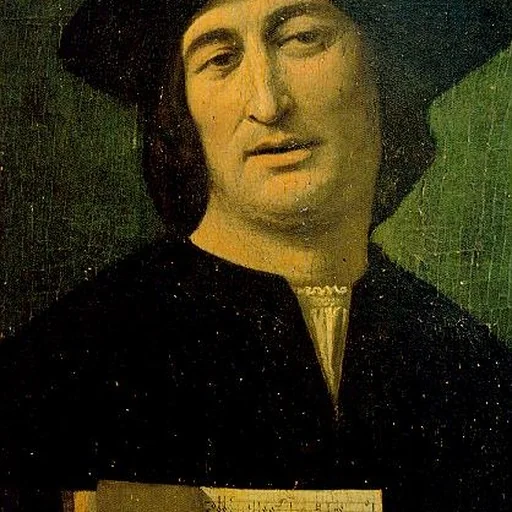
Artist
Filippo Mazzola (1460 - 1505) was an Italian painter of the Renaissance period. He was born in Parma, his father was Bartholomew, and he became a pupil of Francesco Tacconi. He worked mainly in the area between Parma…

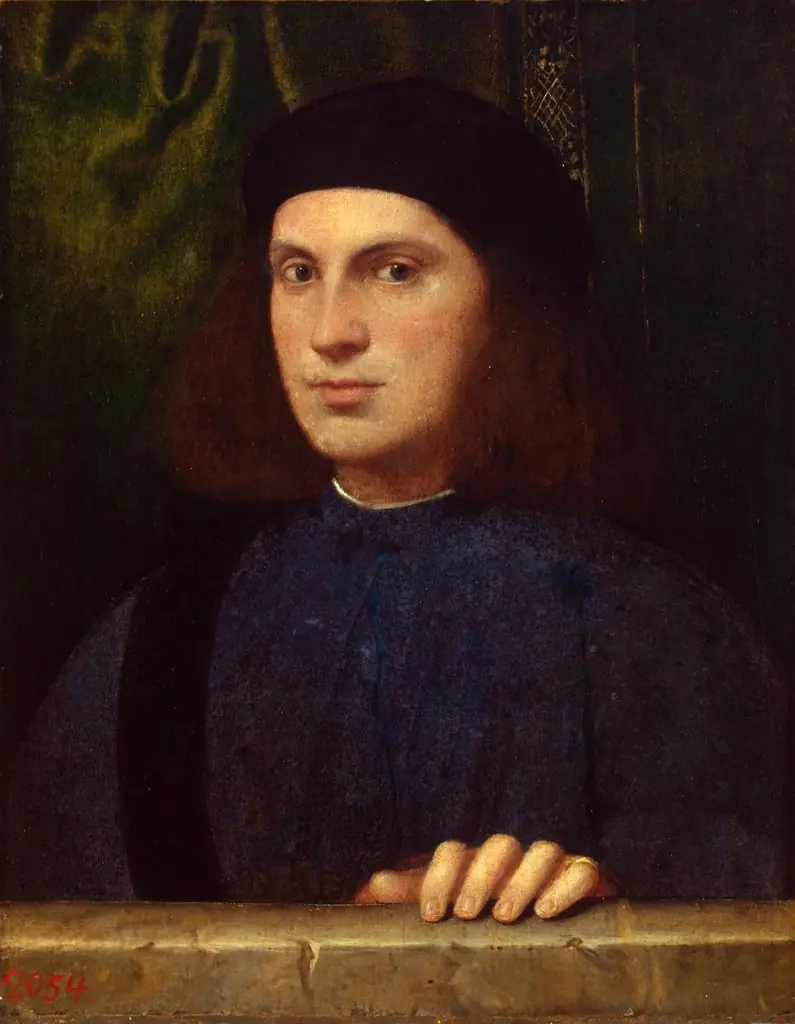 Portrait of a Young Man
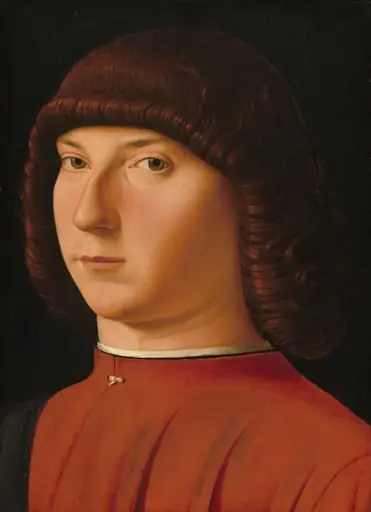 Portrait of a Young Man
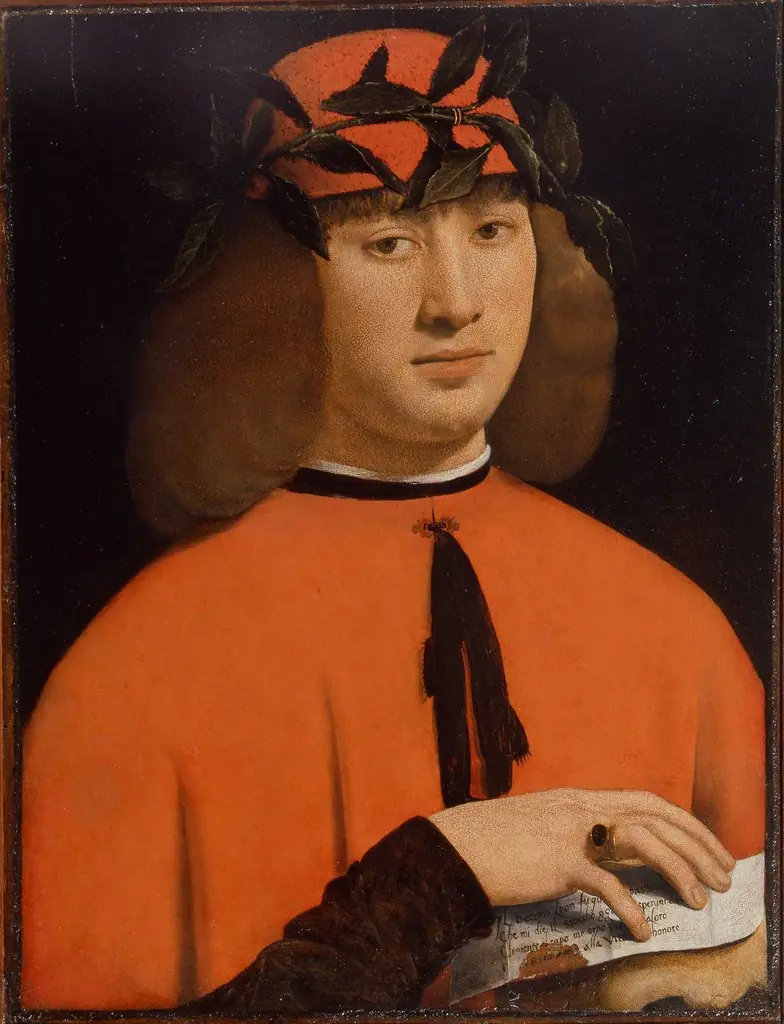 Portrait of Gerolamo Casio
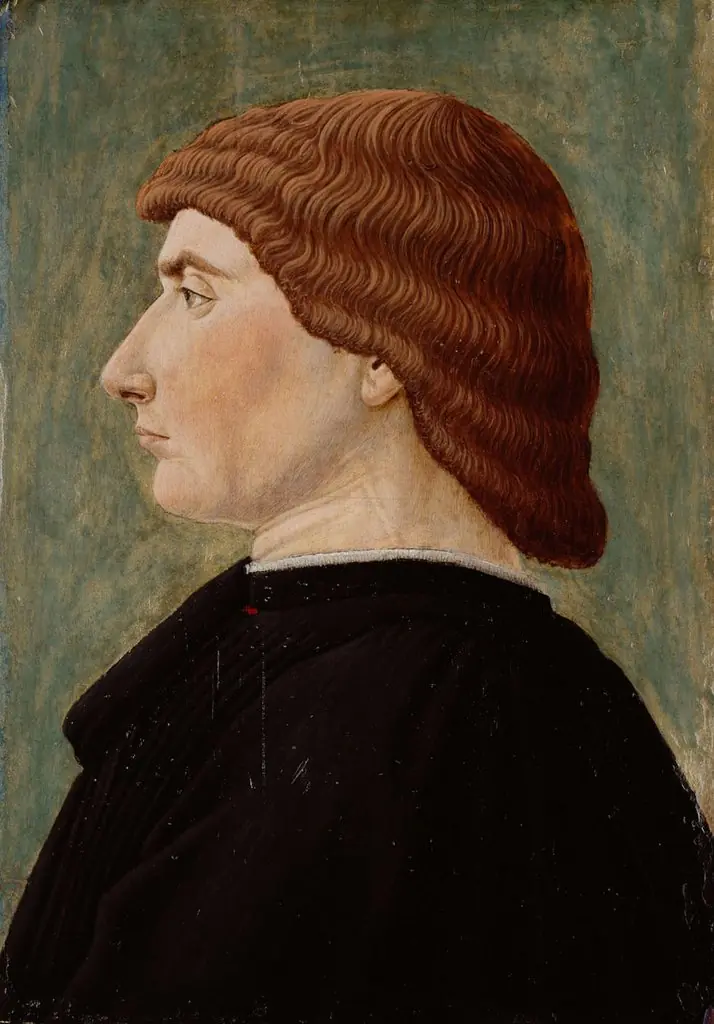 Portrait in profile
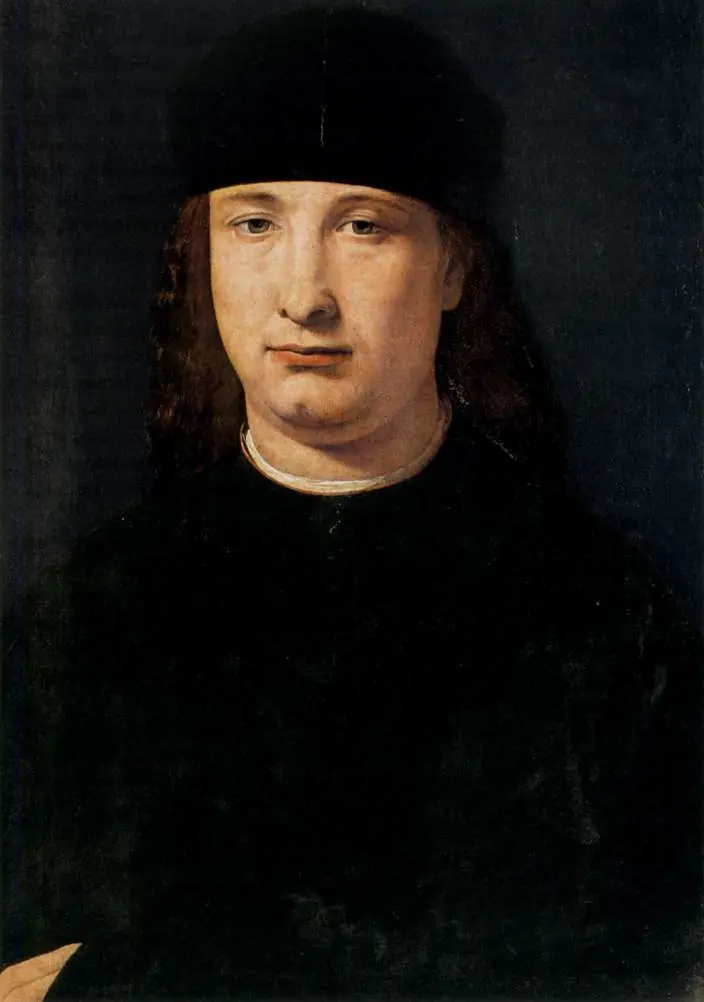 Portrait of a Notable (or Gerolamo Casio)
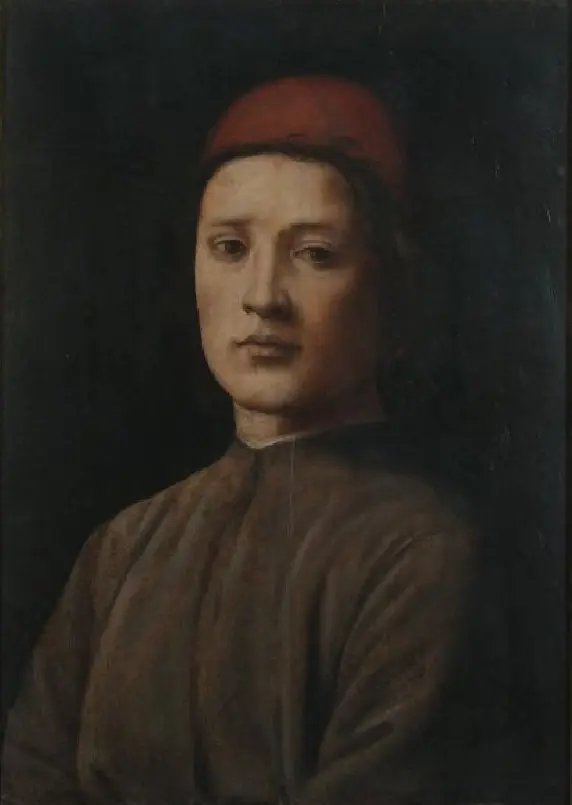 Portrait of a Young men with a red beret
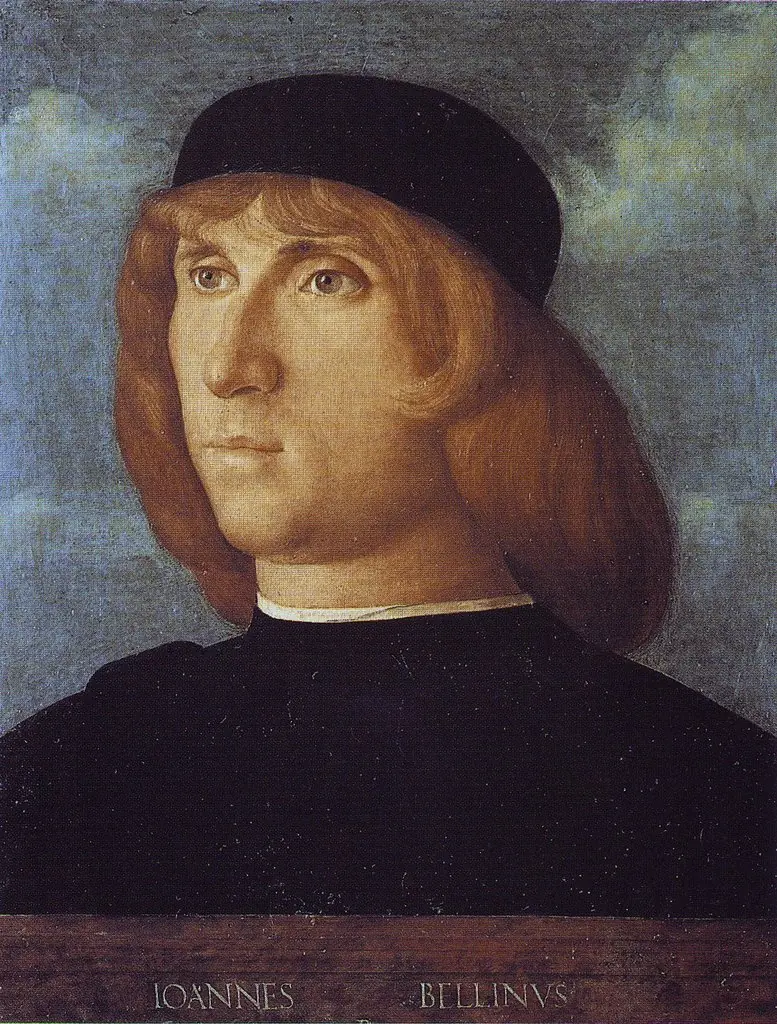 Portrait of a man
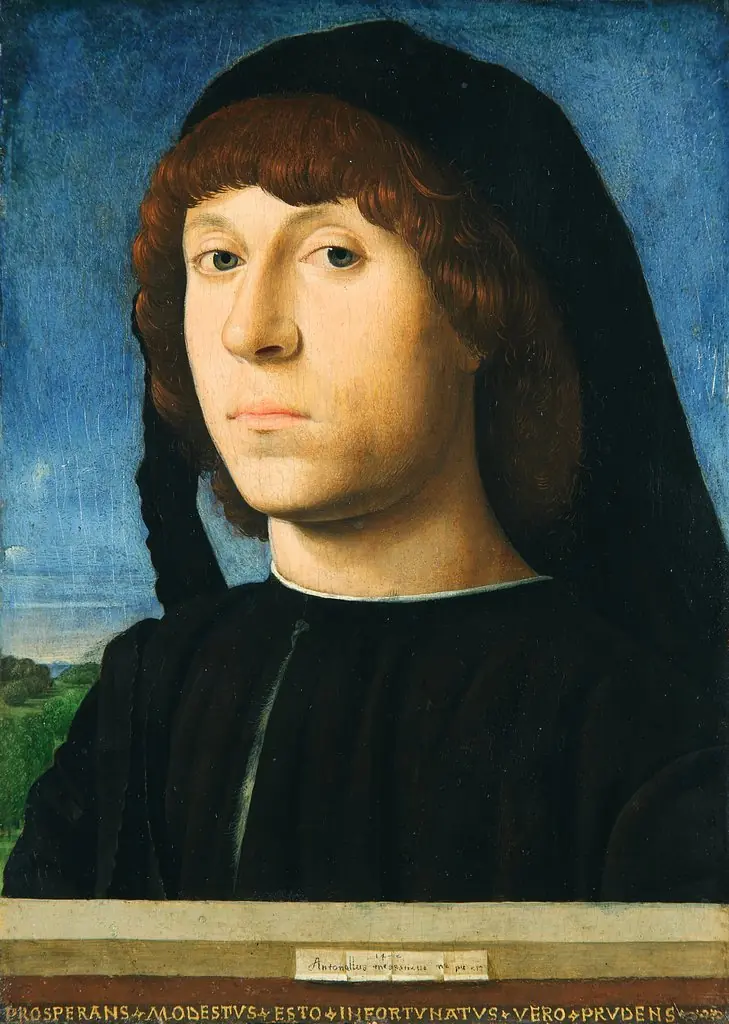 Portrait of a young Man
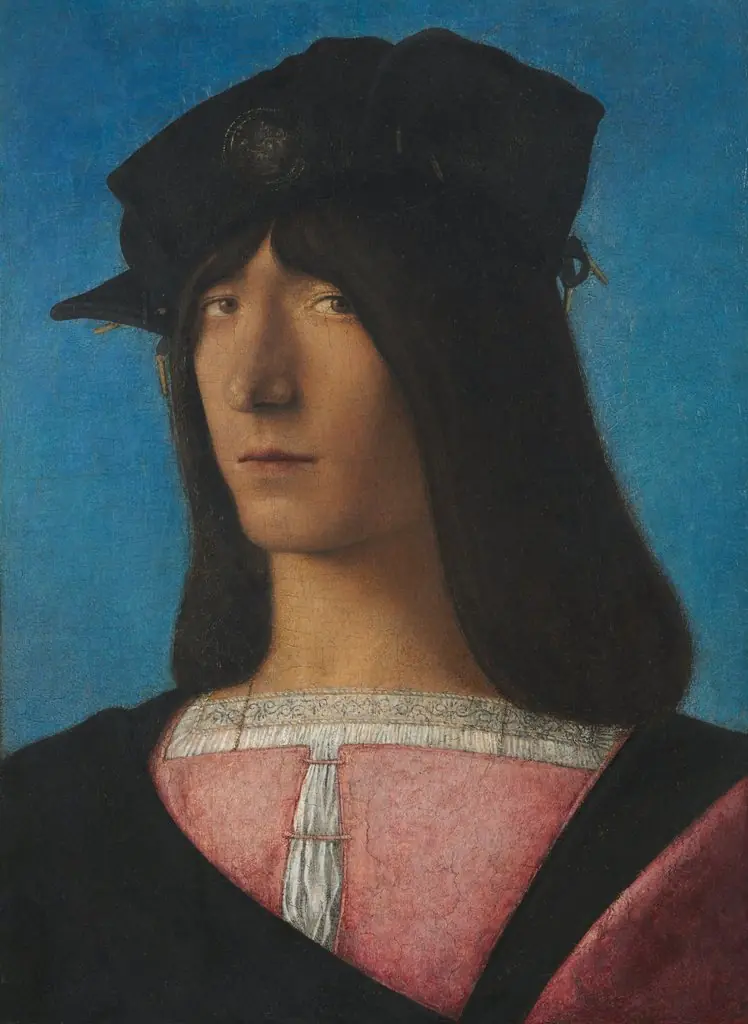 Portrait of a Man
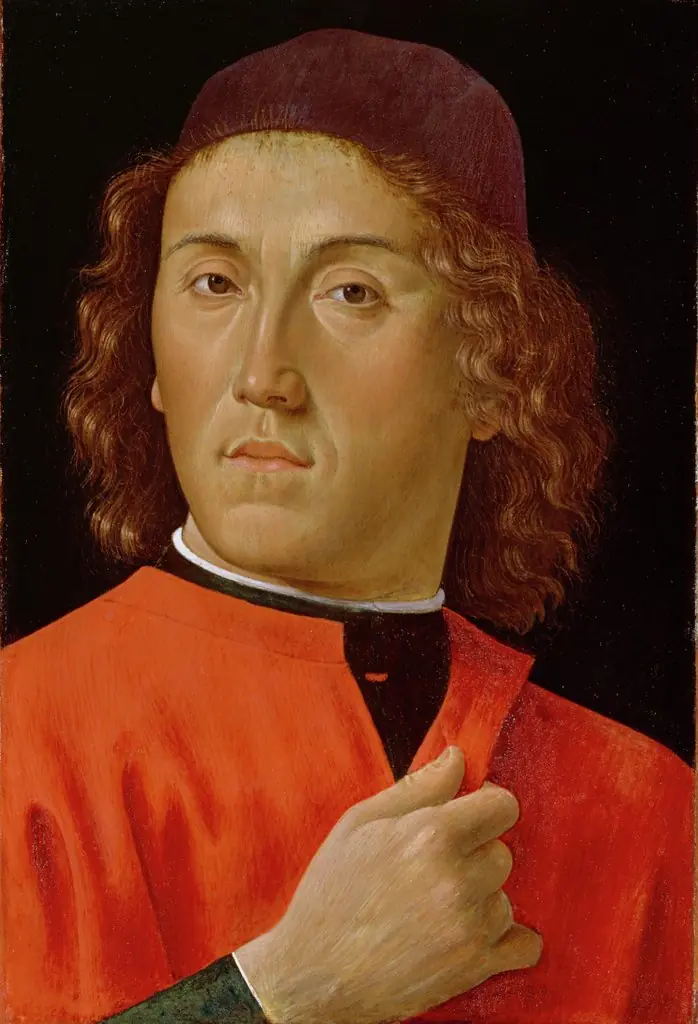 Portrait of a Young Man
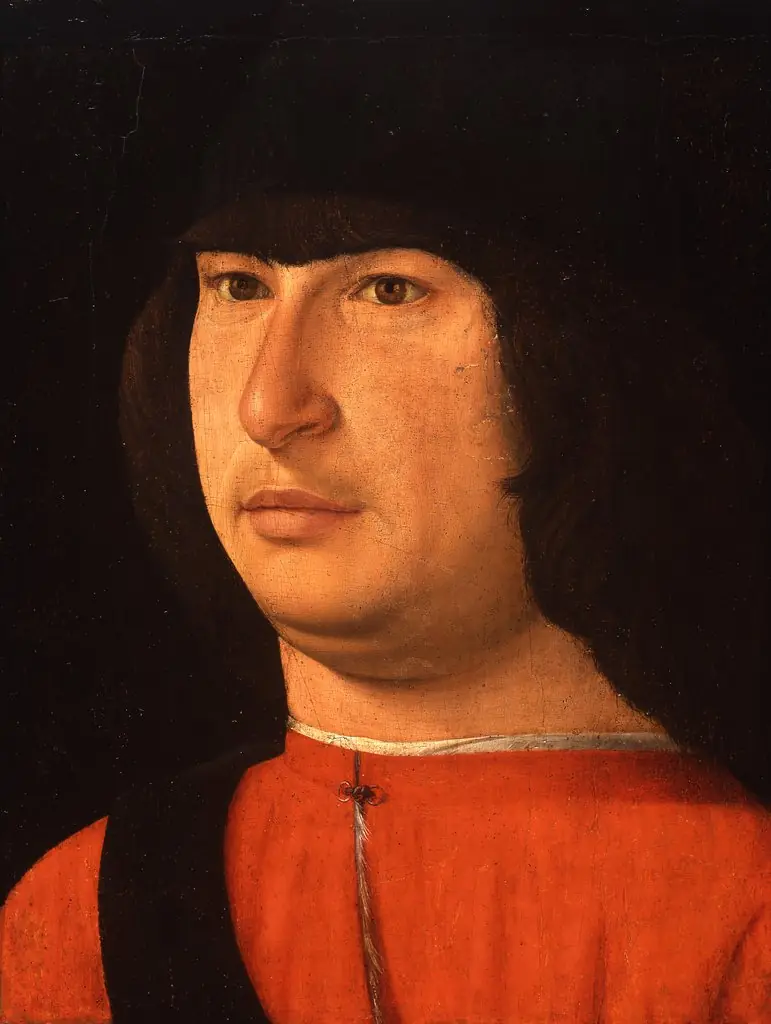 Portrait of a Venetian Procurator
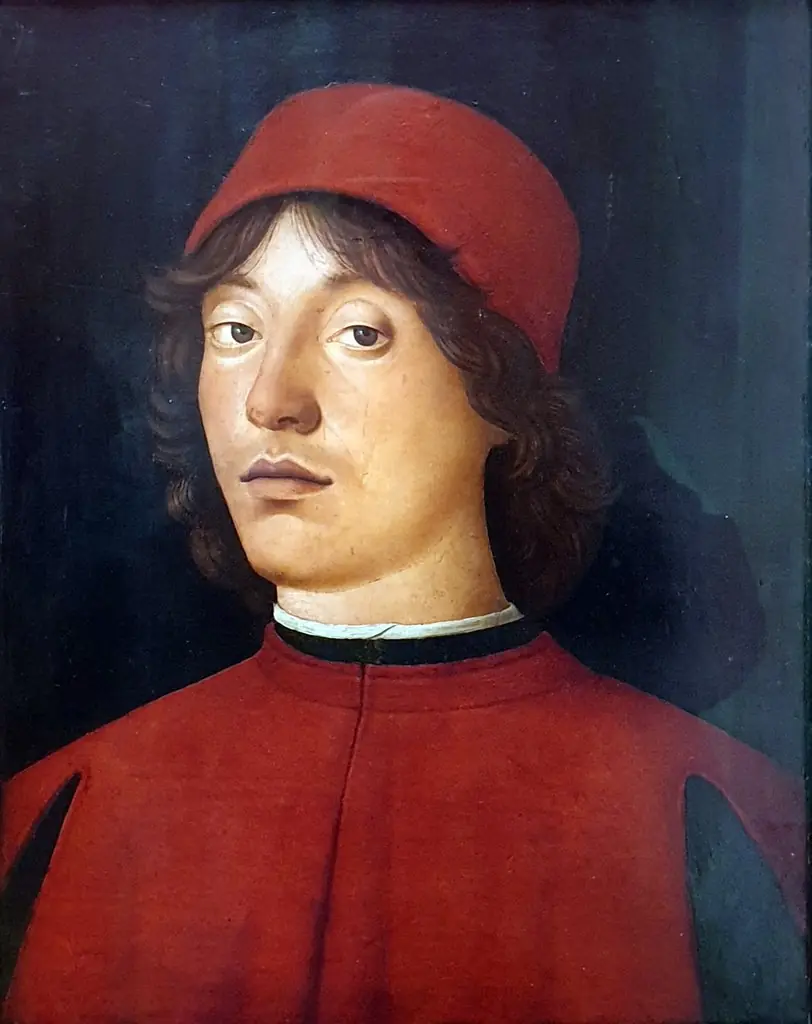 Portrait of a young man