Artwork
Salvator mundi
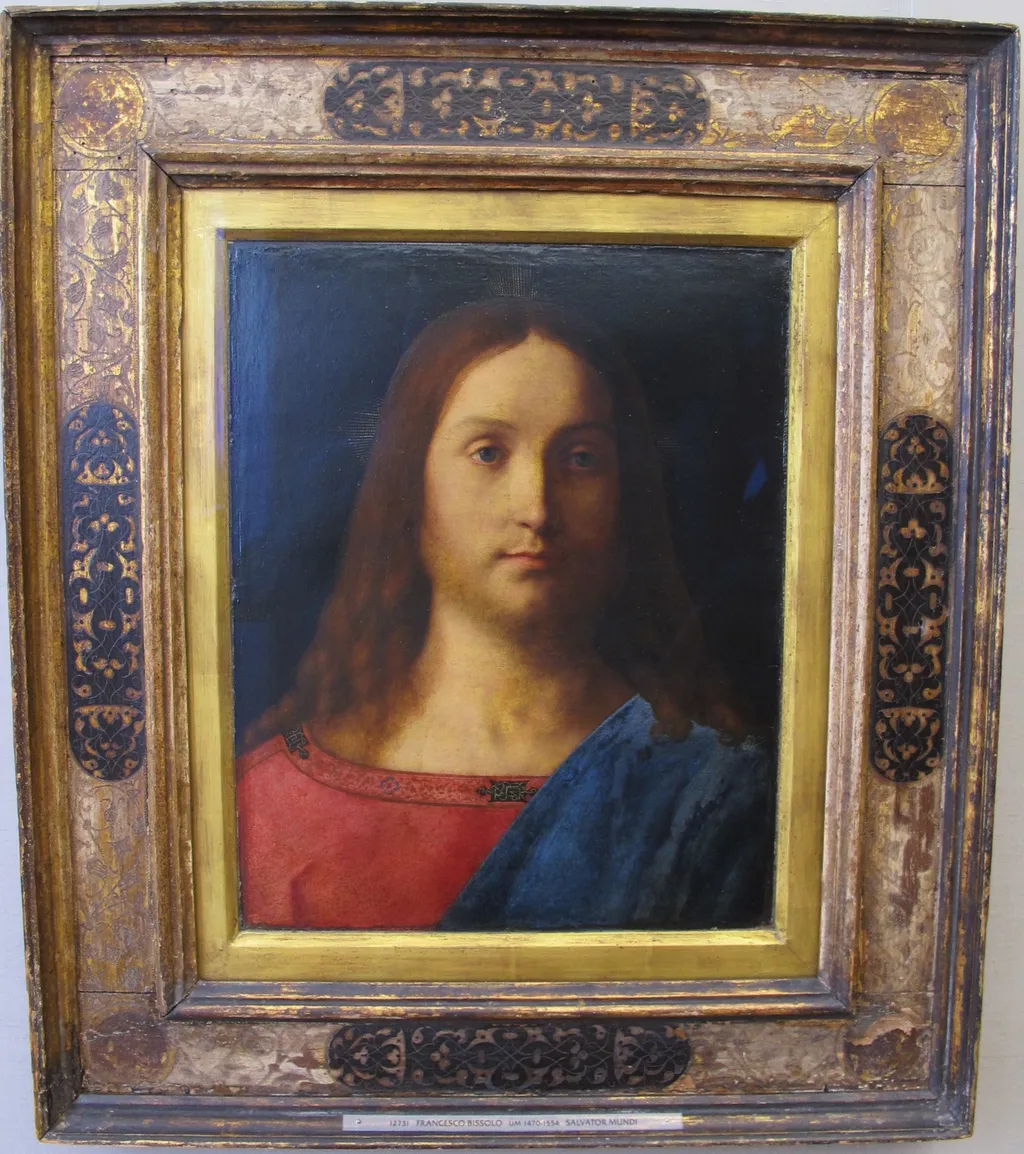
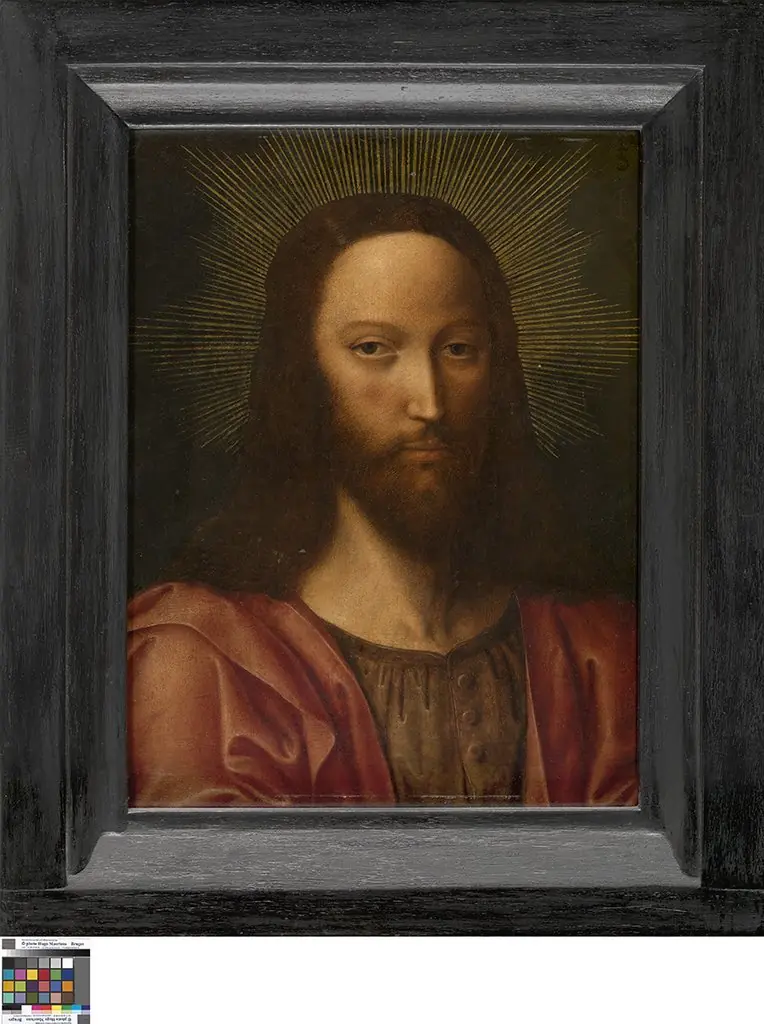
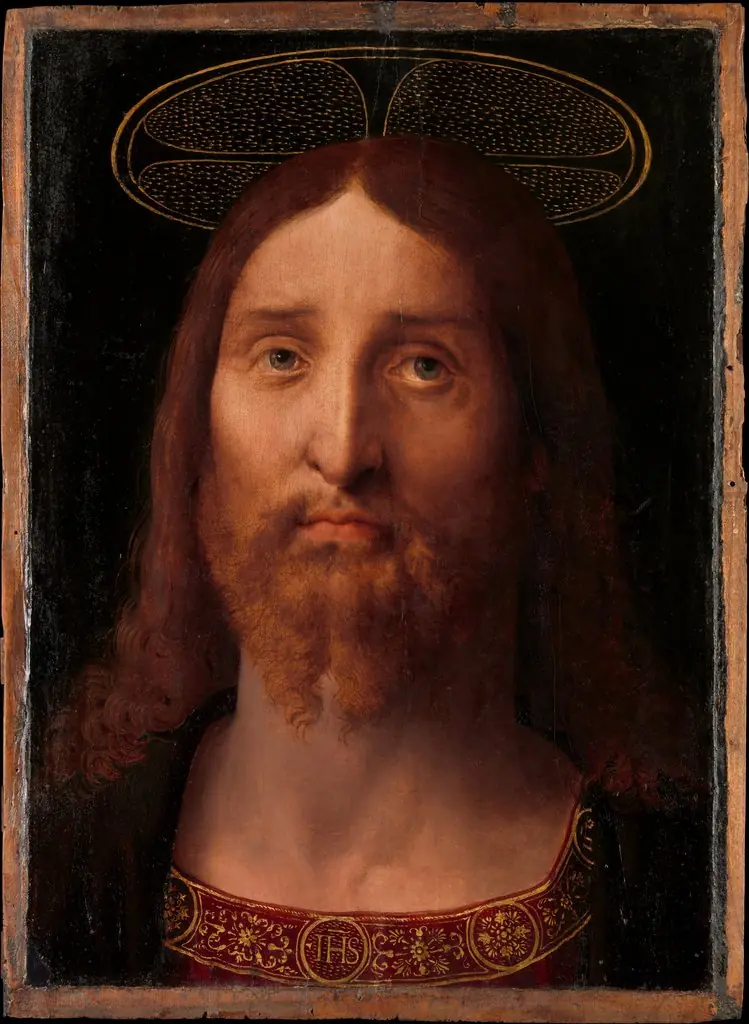
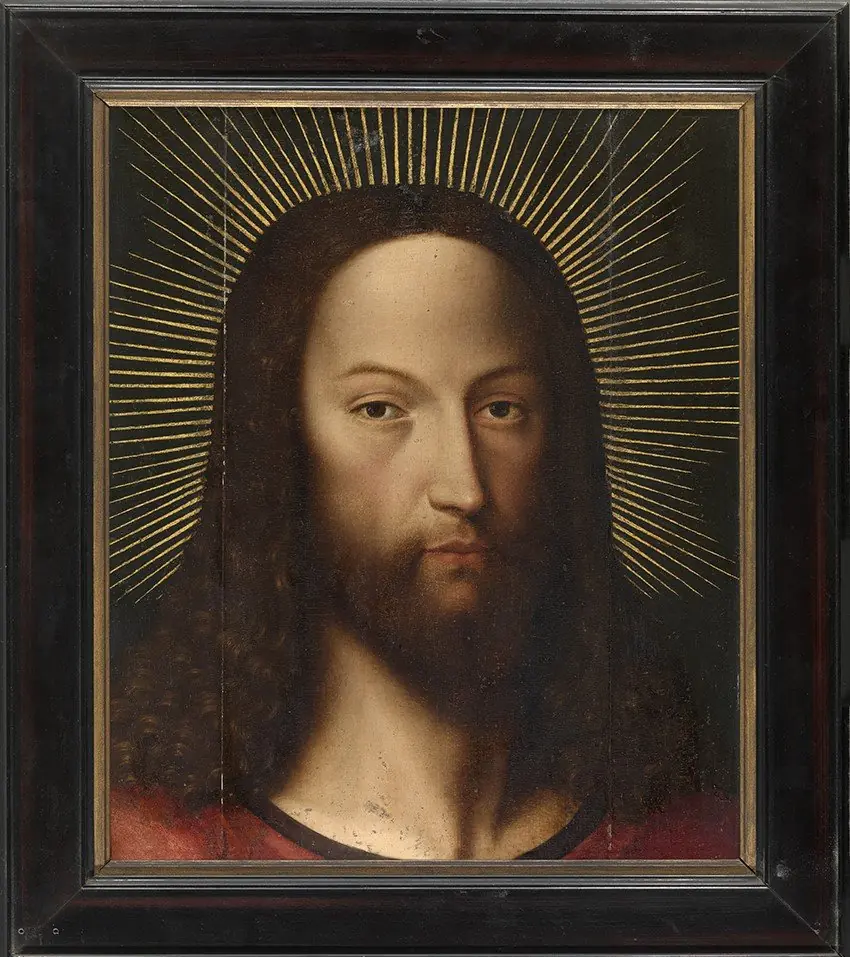
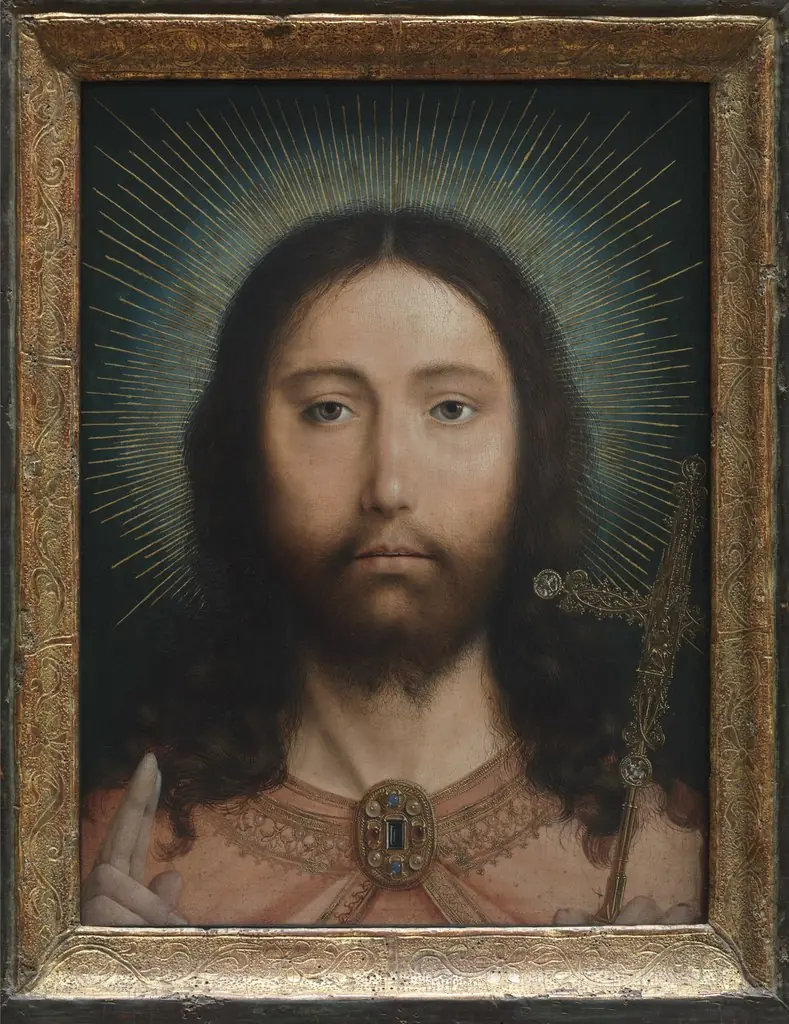
Salvator mundi is an unspecified painting by the Mannerist artist Francesco Bissolo. It dates from 1550 and is held in the collection of the Bavarian State Painting Collections.
About this work
Overview
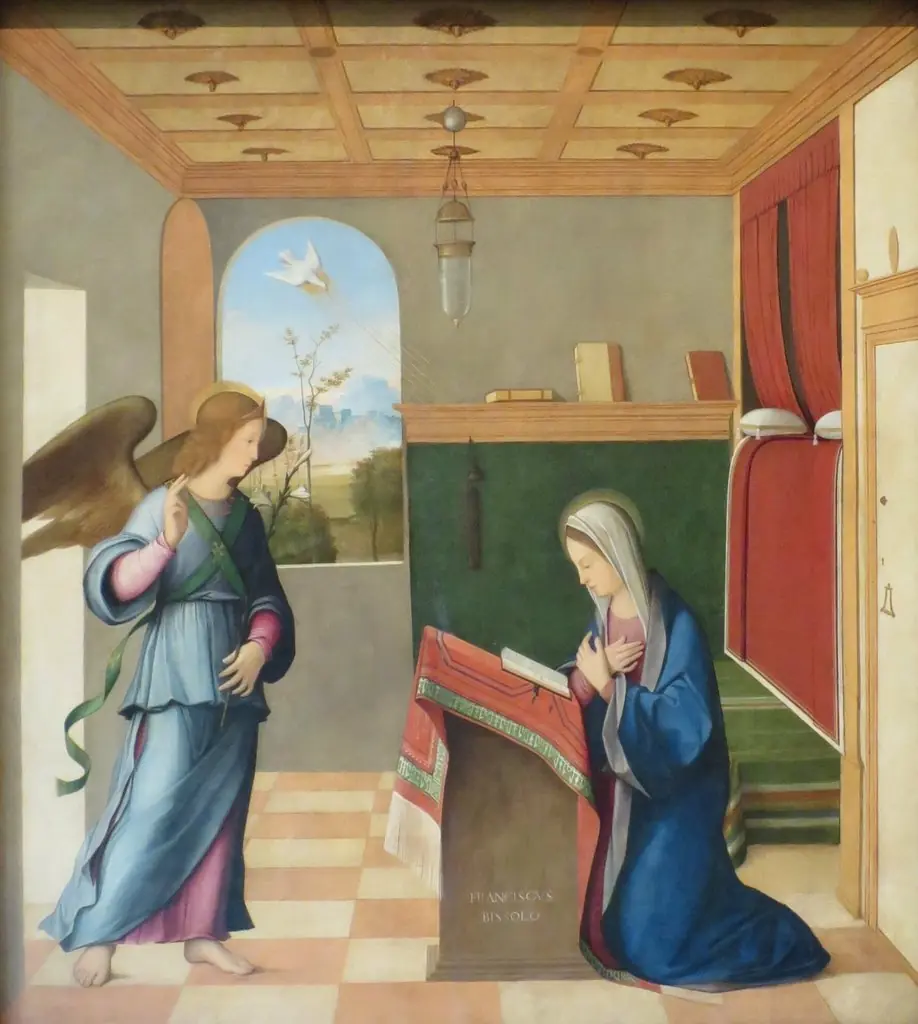
The painting Salvator mundi is a 16th-century Venetian work held in the Alte Pinakothek. It is attributed to Francesco Bissolo, a pupil of Giovanni Bellini.
Subject & Meaning
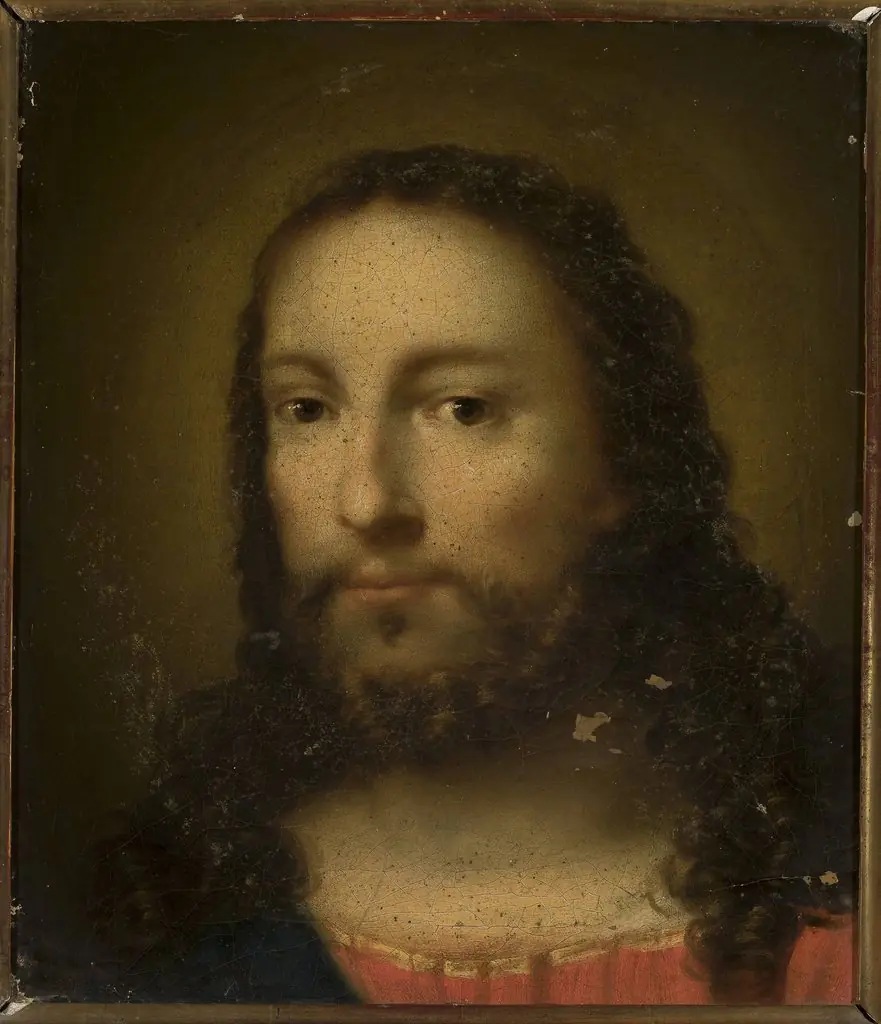
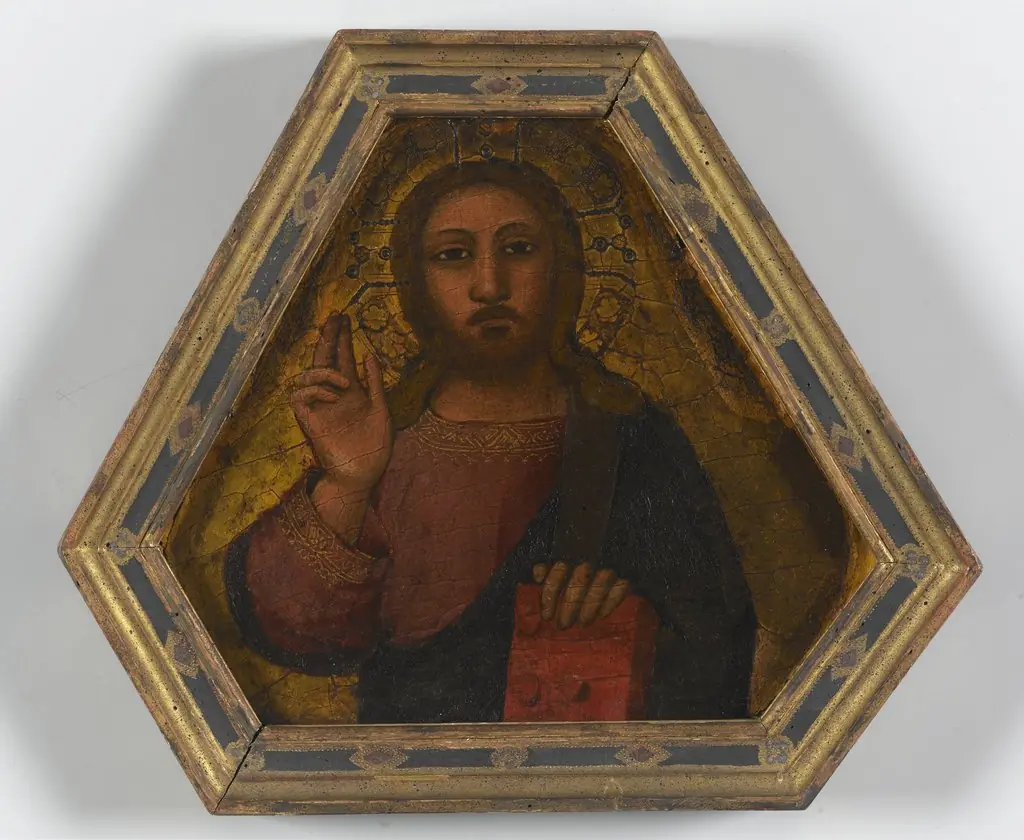
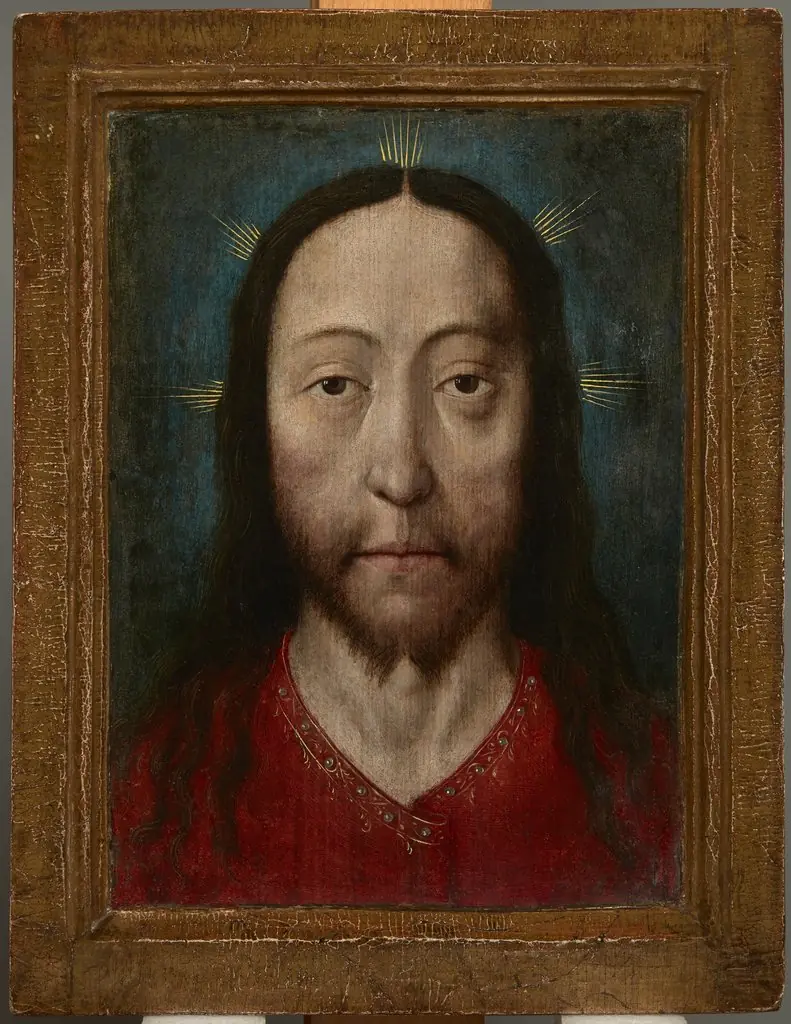
Despite its title meaning 'Savior of the World', the painting depicts a woman in a red dress and dark blue cloak, not Christ. She is shown against a dark background, her face lit softly with shadows under her chin and cheekbones.
Technique & Style
The use of chiaroscuro, a strong contrast between light and dark, creates depth in the painting. The soft lighting and shadows on the subject's face are characteristic of this technique.
History & Provenance
Created around 1500-1550, the painting is associated with the Mannerist period, although its style is more closely related to the earlier Renaissance. The ornate gold frame, with faded patterns, suggests an older origin.
Artist & collection
Artist
Francesco Bissolo (1470-72 - 20 April 1554) was a Venetian painter of the Renaissance.