Artwork
Return to Nazareth
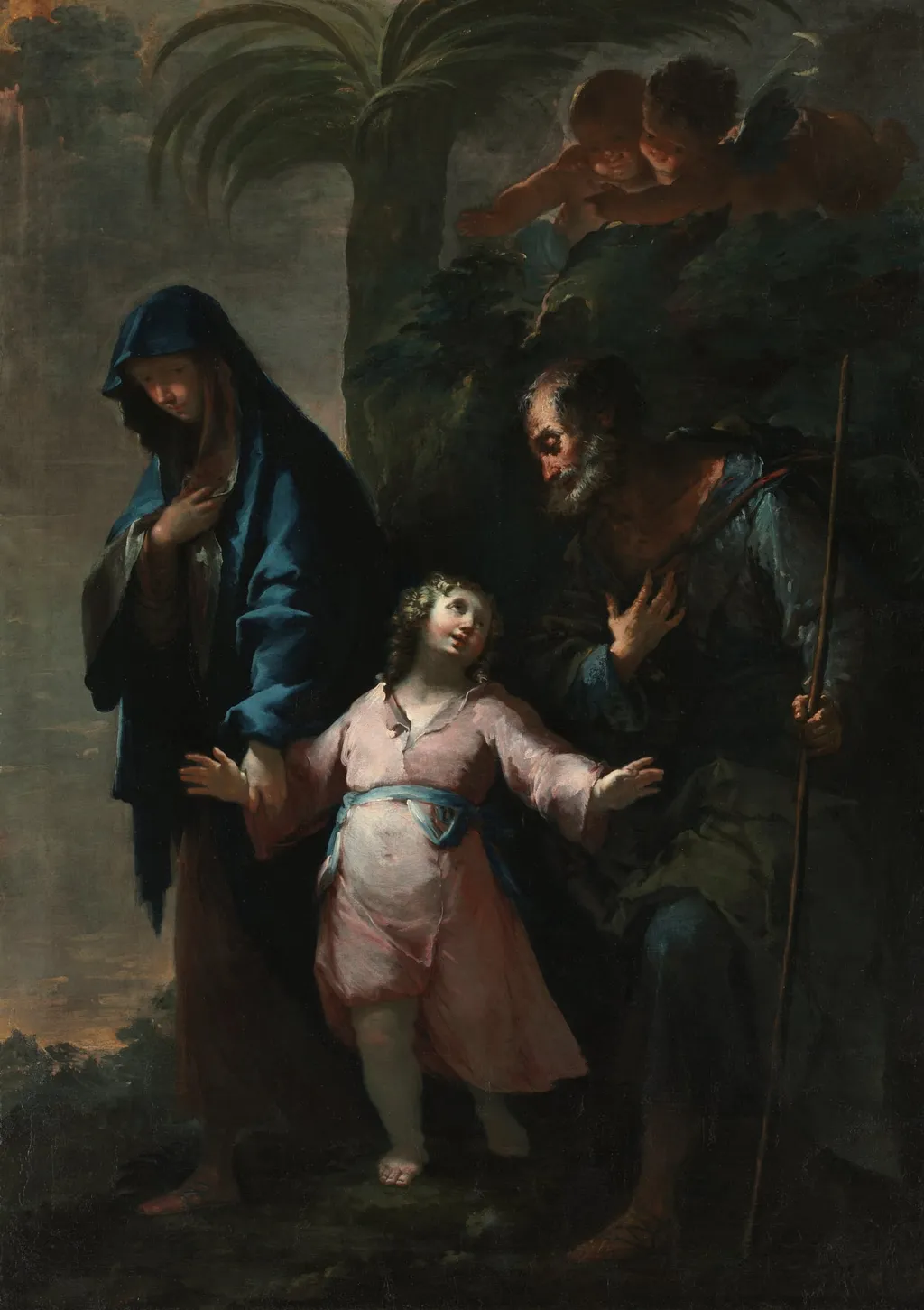
Return to Nazareth is an unspecified painting by the Baroque artist Francesco Conti. It dates from 1735 and is held in the collection of the Cleveland Museum of Art.
About this work
Overview
Dark shadows dominate the background while the figures are illuminated in a soft, pale light, creating a stark contrast that draws the eye to the central trio.
The work titled Return to Nazareth depicts the Holy Family on the move, with Joseph guiding Mary and the infant Jesus along a stony trail. Dark shadows dominate the background while the figures are illuminated in a soft, pale light, creating a stark contrast that draws the eye to the central trio. The composition suggests a moment of urgent departure, echoing the biblical narrative of escape from Herod’s decree.
Subject & Meaning
The painting visualizes the episode in which the newborn Jesus, threatened by King Herod’s order to kill all male infants, is taken to safety. Joseph leads the family away from danger, while faint silhouettes of Herod’s soldiers linger in the gloom, symbolizing the lingering threat. The scene alludes to the Exodus motif, presenting the family's flight as a new kind of deliverance for the infant Messiah.
Technique & Style
Executed with a palette of muted tones, the artist employs a dramatic chiaroscuro that recalls the influence of Caravaggio, despite the work’s Florentine origin. Figures are rendered with elongated, graceful postures, and the delicate modeling of flesh is set against deep, enveloping shadows. The interplay of light functions like a spotlight, emphasizing the sanctity of the Holy Family while the surrounding darkness suggests peril.
History & Provenance
The painter, trained in Rome before establishing his practice in Florence, integrated Roman Baroque sensibilities with local aesthetic preferences. Though specific dates of commission are undocumented, the work reflects the early 17th‑century trend of biblical subjects rendered with heightened emotional intensity. The painting now resides in the collection of the Cleveland Museum of Art, where it is displayed alongside other works illustrating the diffusion of Caravaggesque techniques beyond Rome.
Own this work as a print
Artist & collection

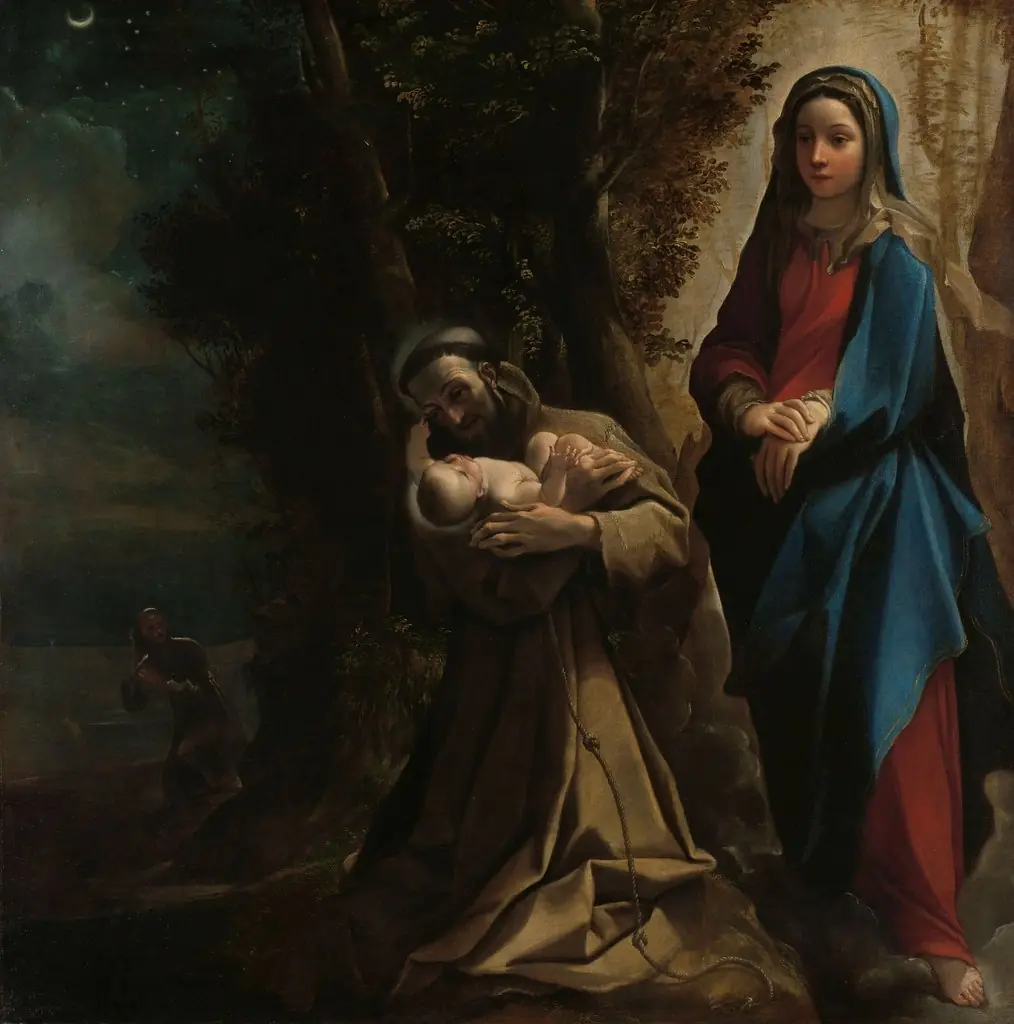 The Vision of Saint Francis of Assisi
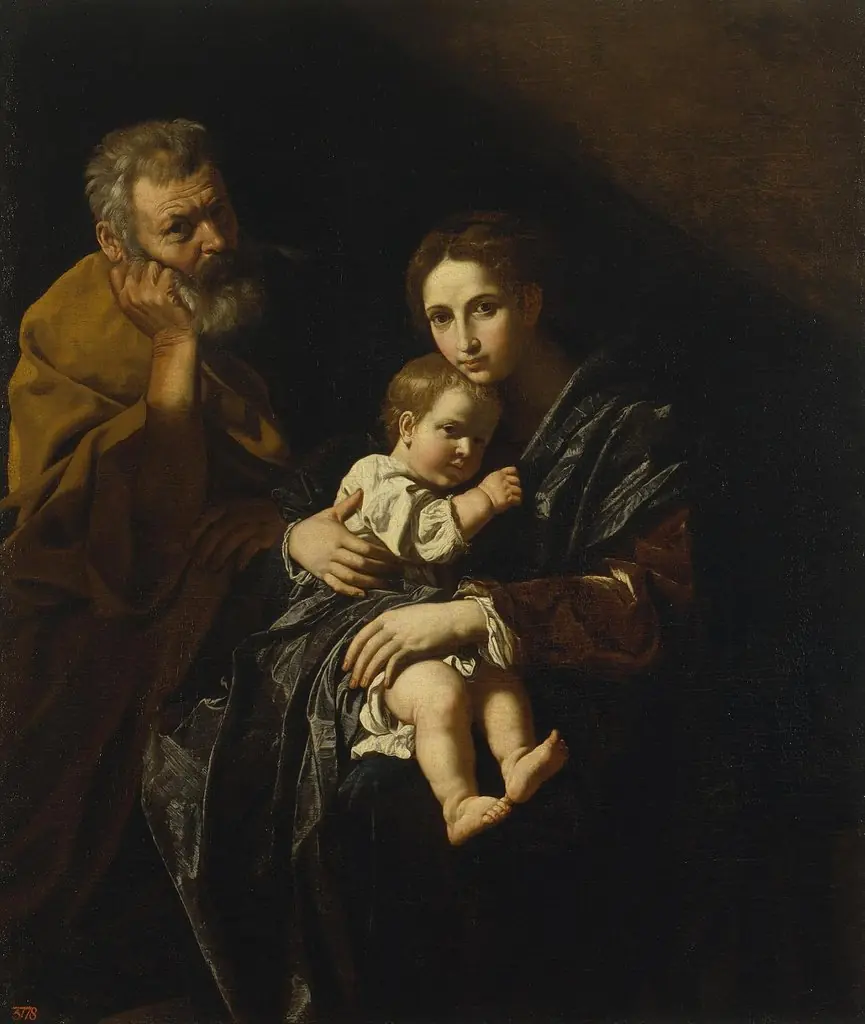 Holy Family
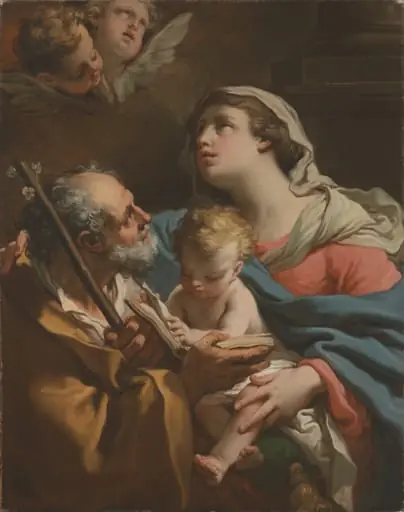 The Holy Family
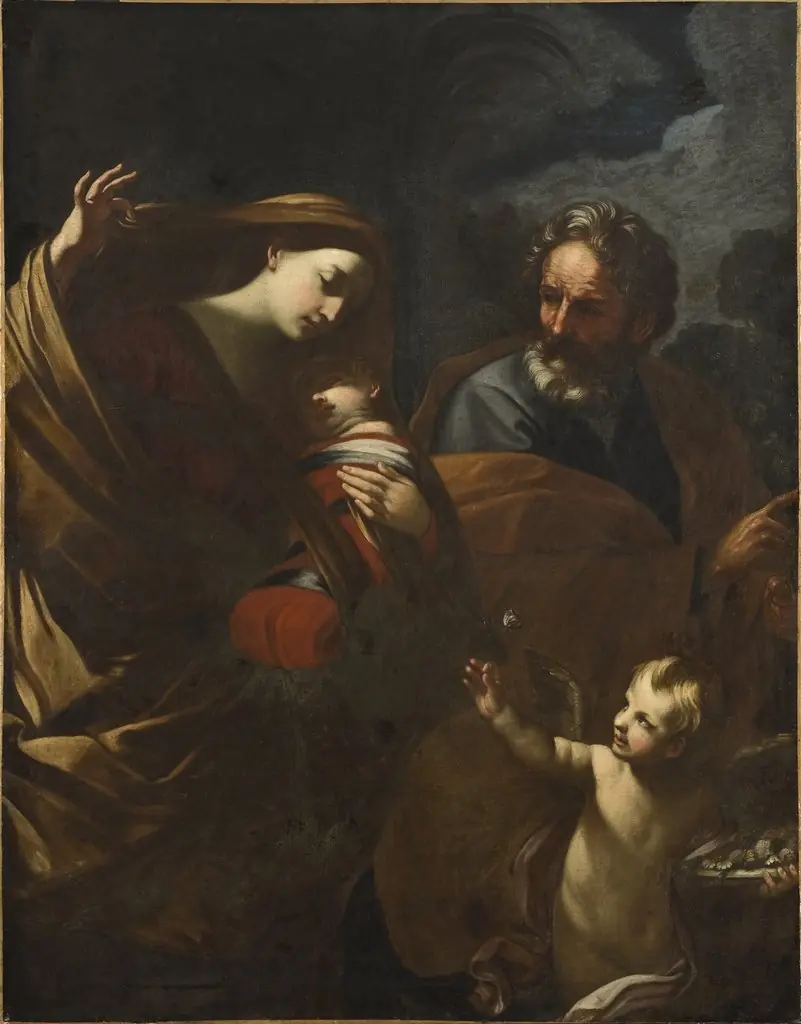 The Flight into Egypt
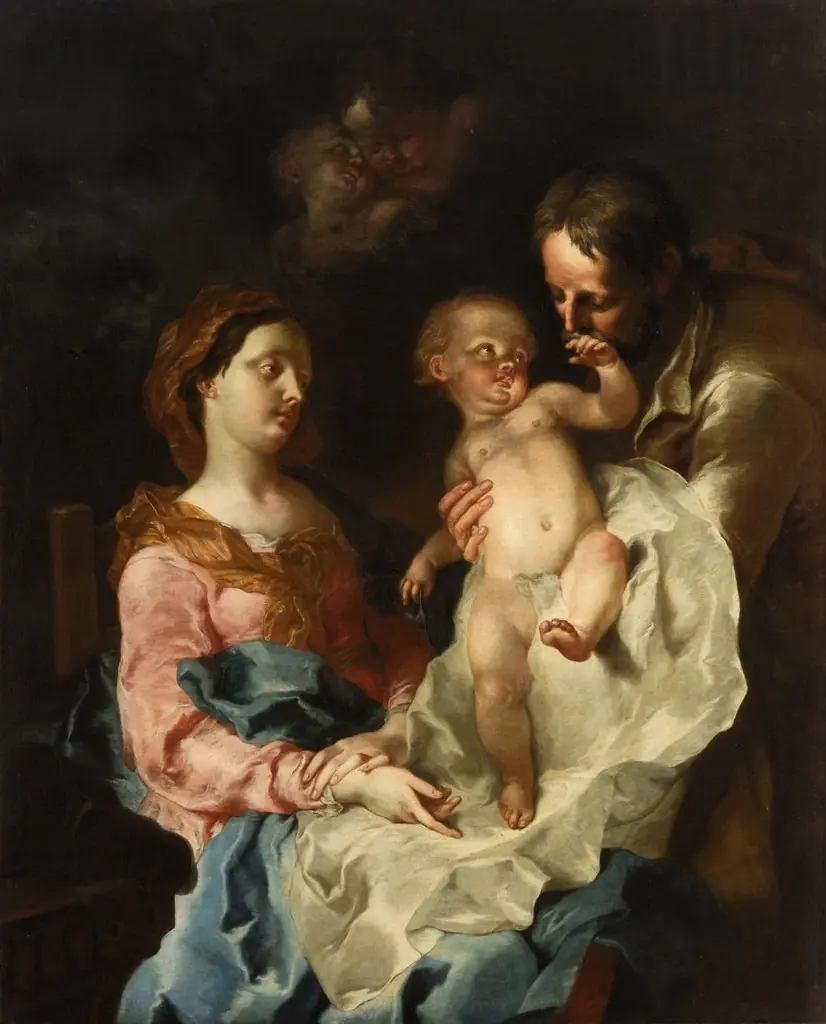 The Holy Family
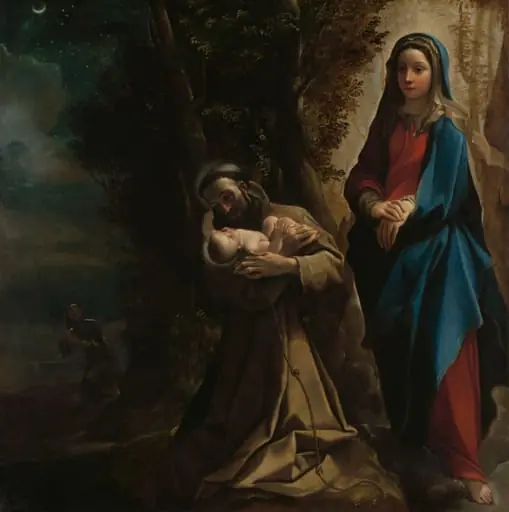 Het visioen van de heilige Franciscus van Assisi
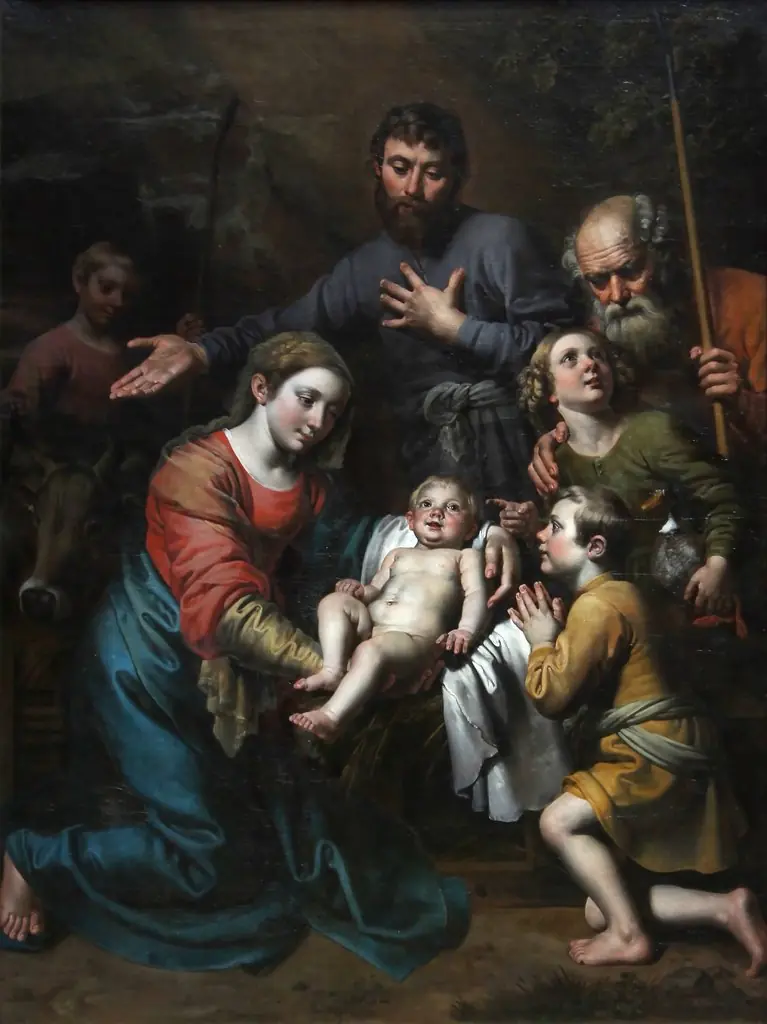 Adoration of the Shepherds
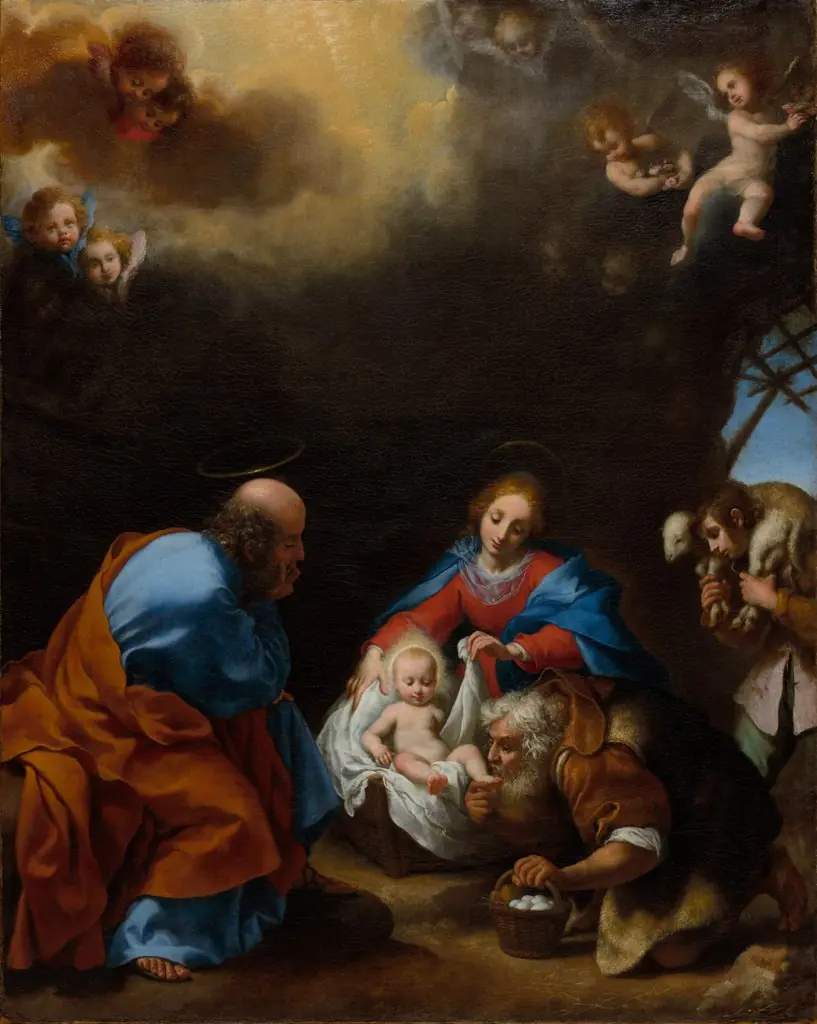 Adoration of the Shepherds
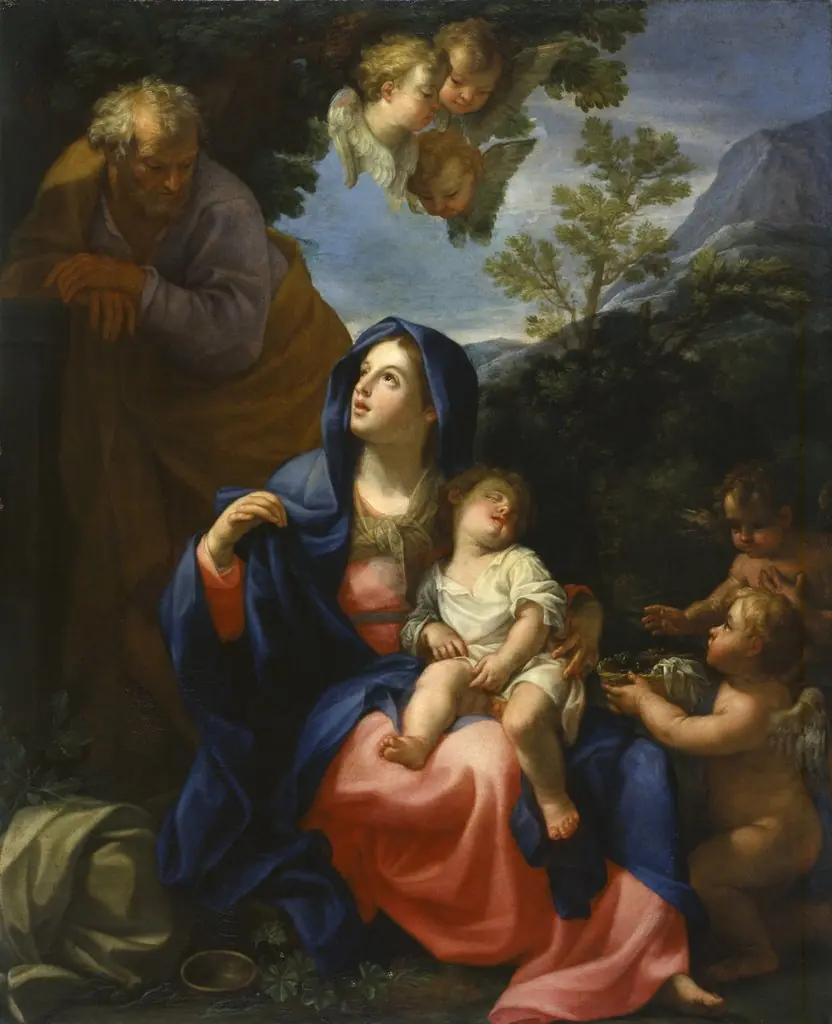 The Rest on The Flight into Egypt
 Presentation Sketch for "The Holy Family with Saints Anne, Joachim, and John the Baptist" (for Santa Maria in Via Lata, Roma)