Artwork
Pope Pius VI Descending the Throne to Take Leave of the Doge in the Hall of SS. Giovanni e Paolo, 1782
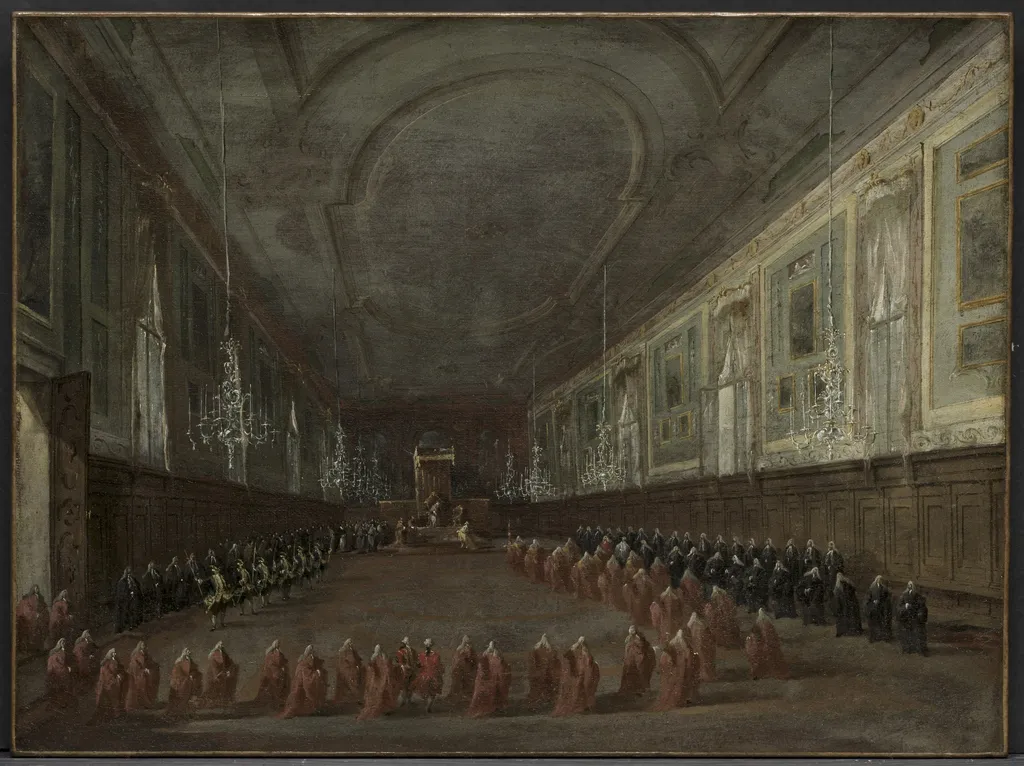
Pope Pius VI Descending the Throne to Take Leave of the Doge in the Hall of SS. Giovanni e Paolo, 1782 is an oil painting by the Rococo painting artist Francesco Guardi. It dates from 1792 and is held in the collection of the Cleveland Museum of Art.
About this work
Overview
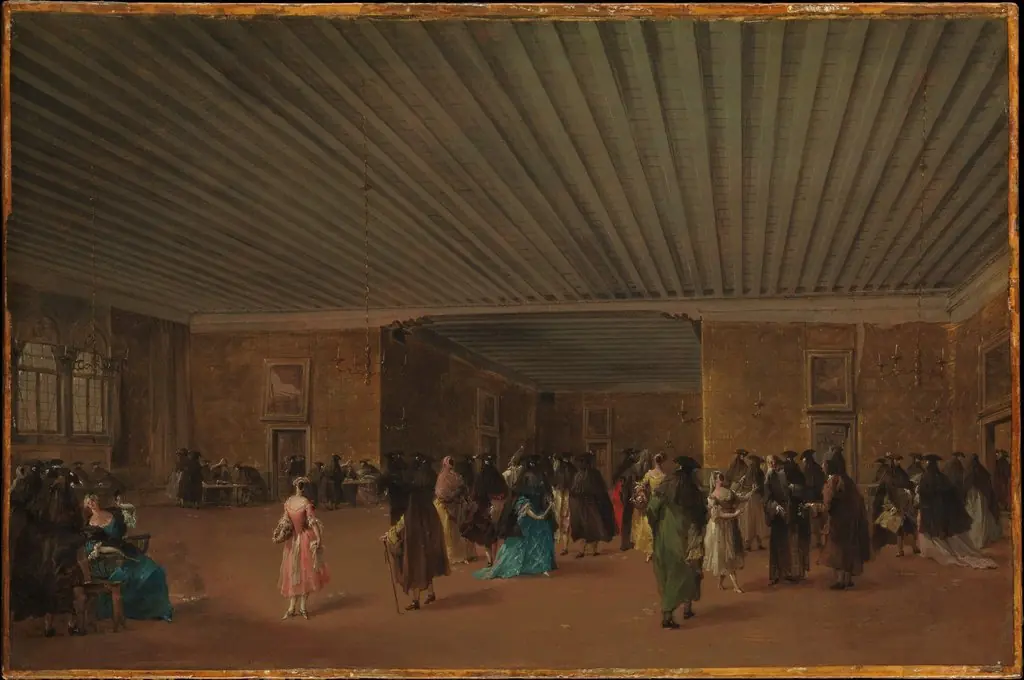
The composition records a formal farewell ceremony in Venice’s grand hall, capturing the moment the pontiff steps down from his throne before the city’s ruler.
Francesco Guardi’s oil on canvas, titled *Pope Pius VI Descending the Throne to Take Leave of the Doge in the Hall of SS Giovanni e Paolo*, was completed in 1792. The composition records a formal farewell ceremony in Venice’s grand hall, capturing the moment the pontiff steps down from his throne before the city’s ruler. Guardi, a late‑period representative of the Venetian school, rendered the scene with a light, airy touch characteristic of his mature style.
Subject & Meaning
The painting portrays Pope Pius VI as he lowers himself from a ceremonial throne to bid farewell to the Doge of Venice. Attendants in period dress line the vast hall, their gazes directed toward the papal figure, underscoring the diplomatic significance of the encounter. The work celebrates the ritualized interaction between the spiritual authority of the papacy and the secular power of the Venetian Republic.
Technique & Style
Executed in oil, Guardi employs a subtle chiaroscuro that models faces and sumptuous robes, creating a sense of depth within the expansive interior. His brushwork is loose and lively, a departure from the tighter detailing of his earlier religious collaborations. The palette is restrained, with muted tones punctuated by vivid reds and whites that draw attention to the central figures, while the surrounding architecture is rendered with delicate, almost impressionistic strokes.
History & Provenance
After its completion, the canvas entered private collections before being acquired by the Cleveland Museum of Art, where it now resides. The museum’s records indicate the painting has been part of its European holdings since the mid‑20th century, providing American audiences access to Guardi’s late Venetian oeuvre.
Context
Created during the waning years of the Venetian Republic, the work reflects a period of heightened ceremonial display as the city negotiated its relationship with the papacy. Guardi, originally known for vedute of Venice’s canals, turned to historical and courtly subjects in his later career, integrating the grandeur of state occasions with his characteristic atmospheric approach.
Artist & collection
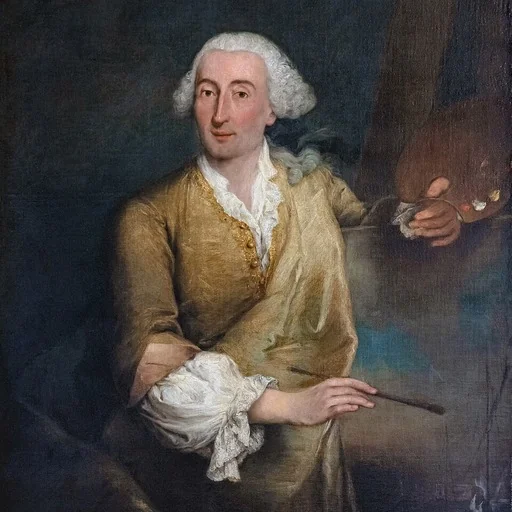
Artist
Francesco Lazzaro Guardi (Italian pronunciation: ; 5 October 1712 – 1 January 1793) was an Italian painter, nobleman, and a member of the Venetian School.