Artwork
Madonna and Child with John the Baptist
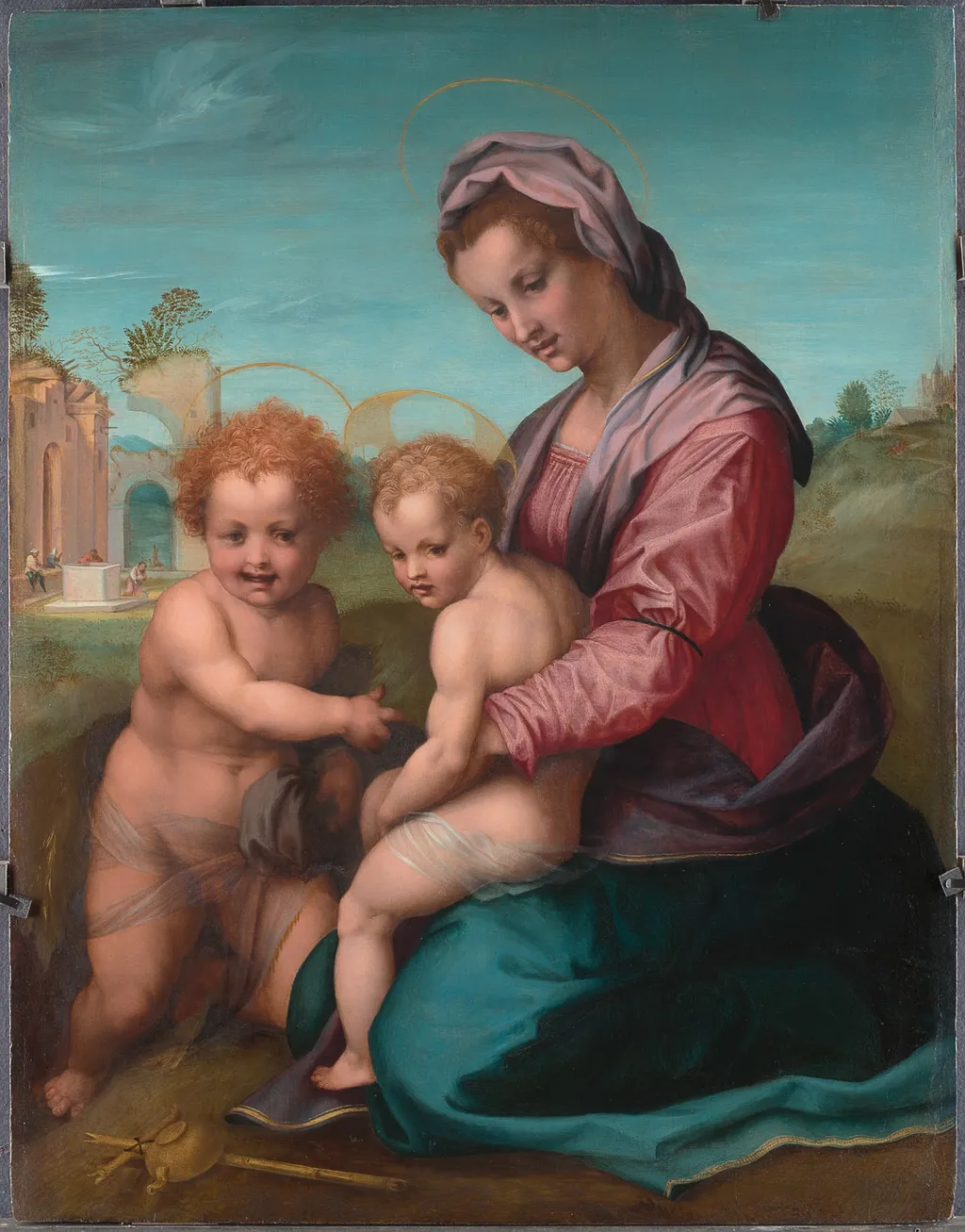
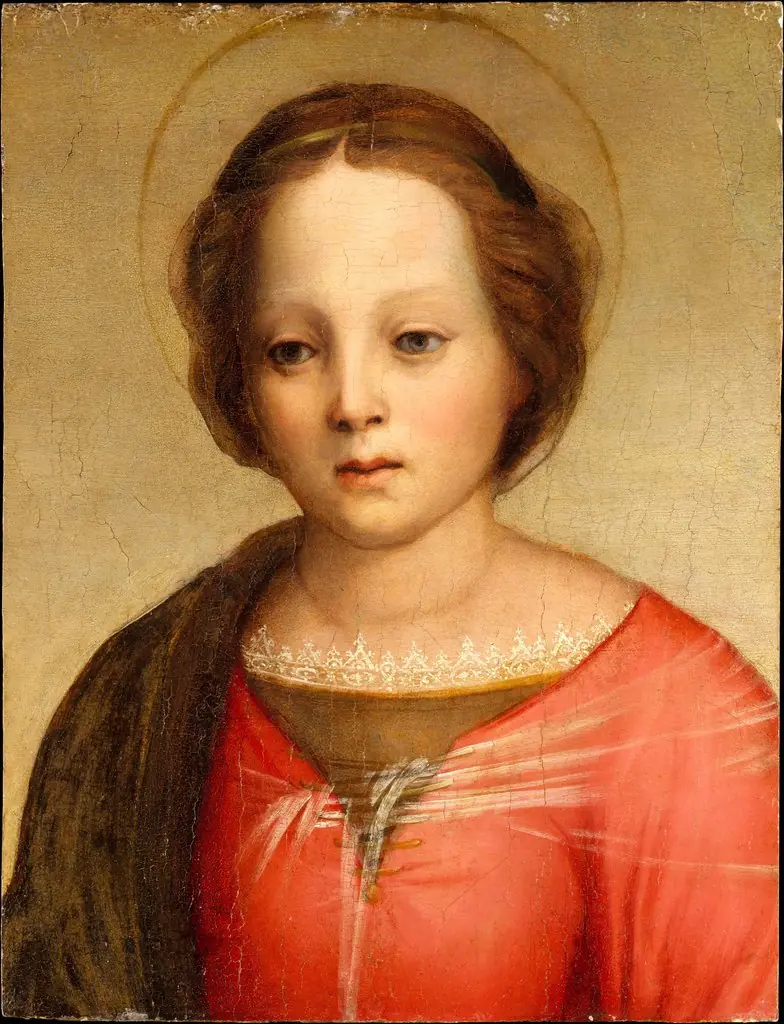
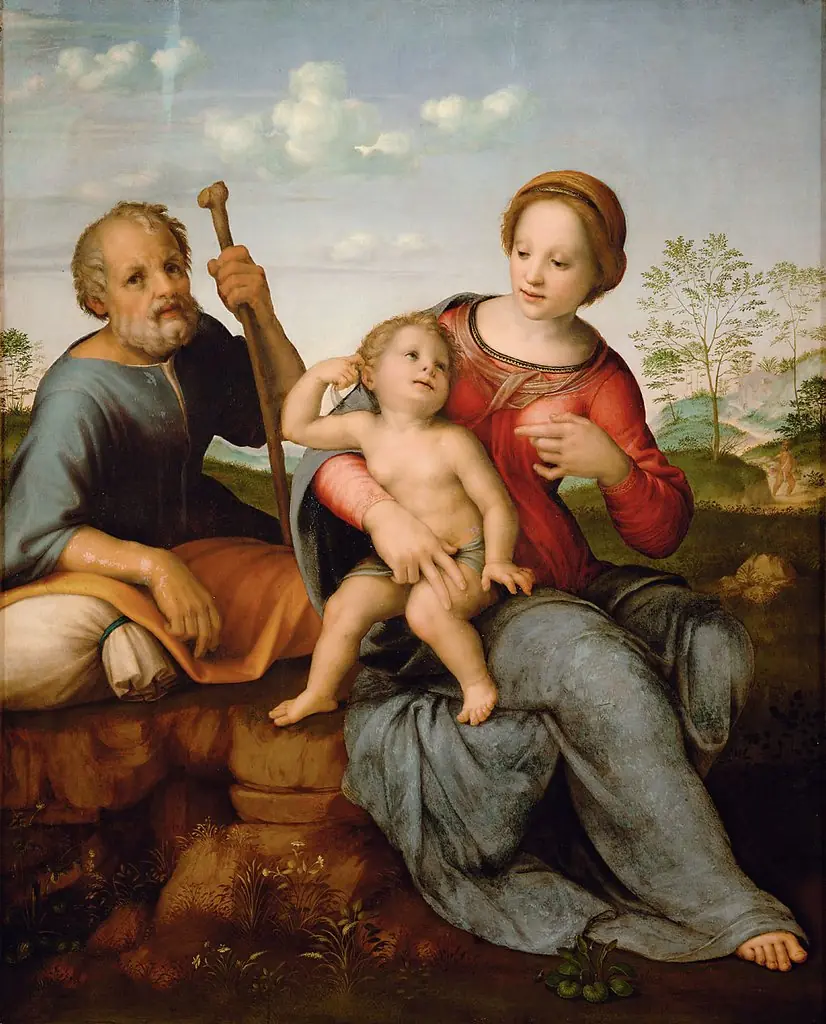
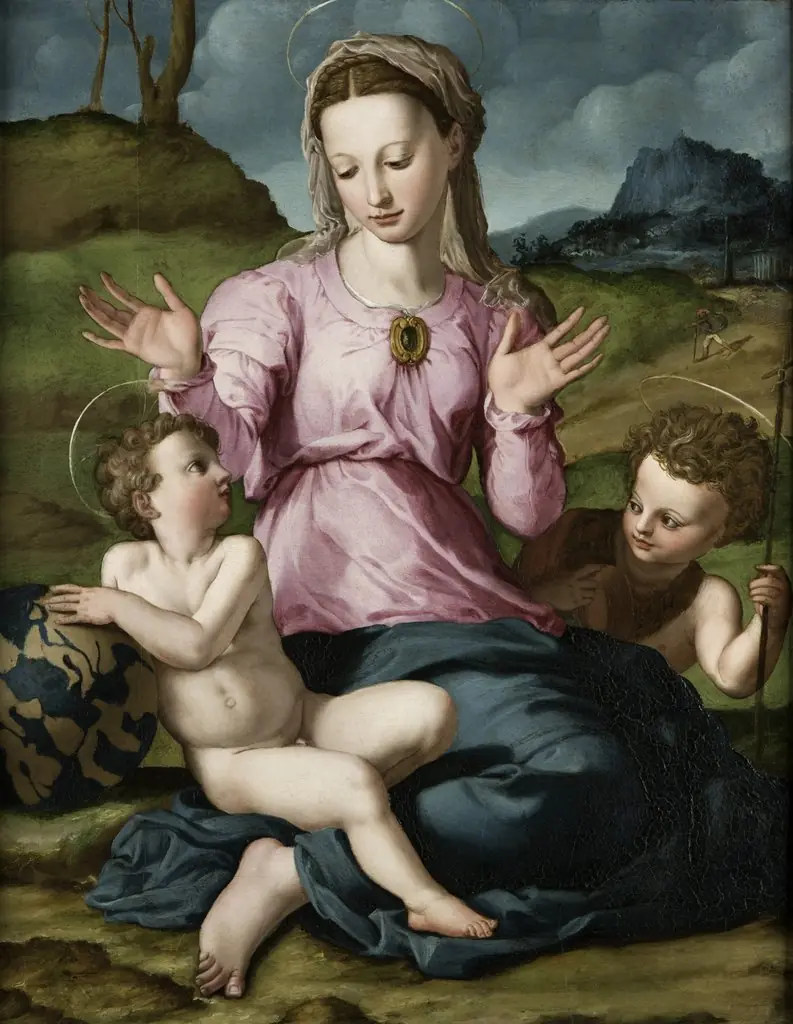
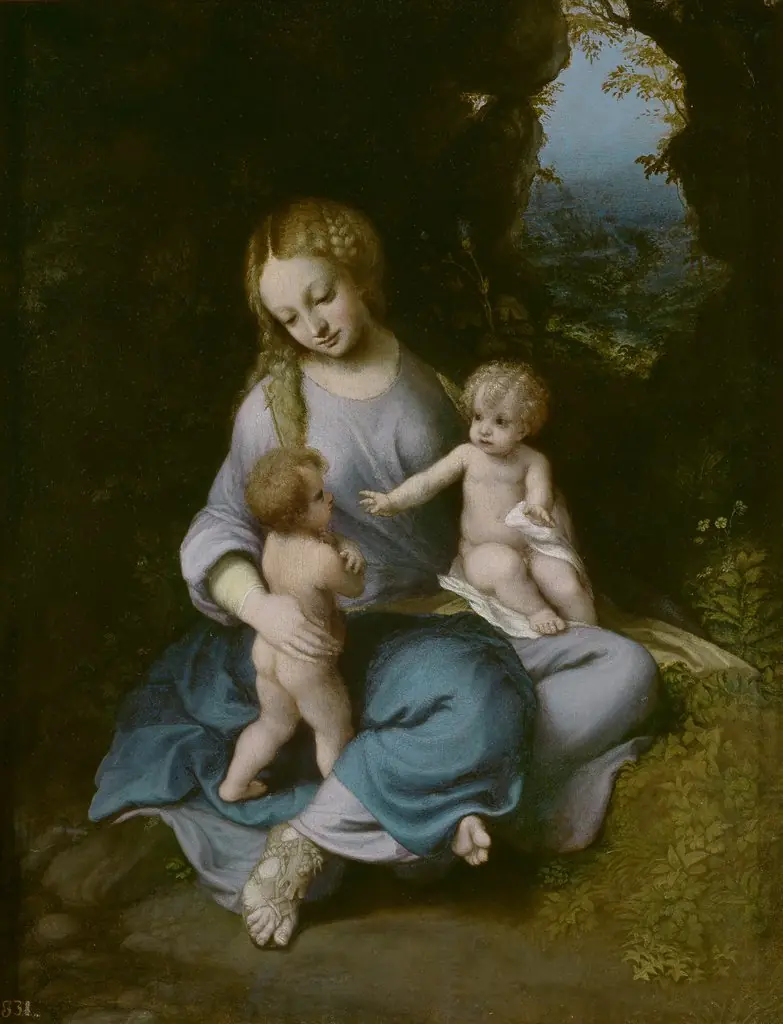
Madonna and Child with John the Baptist is a wood painting by the High Renaissance artist Franciabigio. It dates from 1518 and is held in the collection of the Kunsthistorisches Museum. Created in 1518, this panel painting on poplar wood presents a devotional scene typical of the High Renaissance.
About this work
Overview
Created in 1518, this panel painting on poplar wood presents a devotional scene typical of the High Renaissance. Executed by the Florentine artist known as Franciabigio, the work is part of the collection of the Kunsthistorisches Museum in Vienna. It brings together the Virgin Mary, the infant Christ, and a youthful John the Baptist in a compact, intimate composition.
Subject & Meaning
The central figure is a seated woman, identified as the Virgin, who cradles the newborn Christ while the child of John the Baptist stands nearby, extending a hand toward the viewer. The inclusion of John, the forerunner of Christ, underscores themes of prophecy and salvation, while the tender interaction among the three figures conveys familial affection and divine connection.
Technique & Style
Franciabigio employs a subtle chiaroscuro to model the forms, allowing light to fall on the flesh of the infants and the drapery of the Virgin's garments. The palette combines deep reds, cool blues‑green, and a touch of purple in the head covering, creating a balanced contrast. The rendering of texture on the poplar panel reveals the artist’s careful handling of surface and depth.
History & Provenance
The painting entered the holdings of the Kunsthistorisches Museum during the 19th century, where it remains on display. Its attribution to Franciabigio, whose full name was Francesco di Cristofano, has been supported by stylistic analysis and documentary evidence linking the work to his workshop in Florence.
Context
Franciabigio worked in the shadow of more famous Florentine masters such as Leonardo and Michelangelo, yet his oeuvre reflects a distinct approach to narrative intimacy. This work exemplifies the period’s interest in personal devotional images, intended for private contemplation rather than public altarpieces, and aligns with contemporary trends toward naturalistic portrayal of holy figures.
Artist & collection
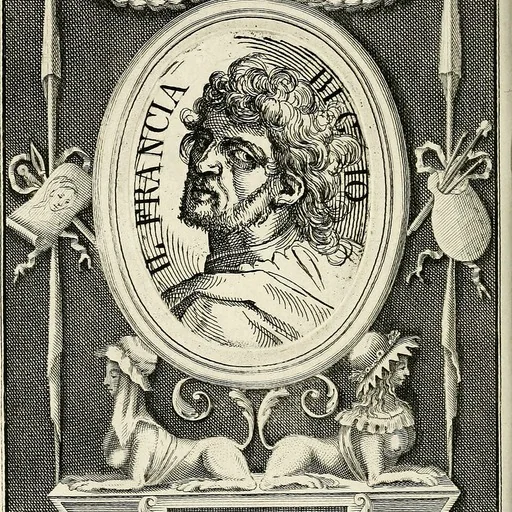
Artist
Franciabigio (1482 – 24 January 1525) was an Italian painter of the Florentine Renaissance. His true name may have been Francesco di Cristofano; he is also referred to as either Marcantonio Franciabigio or Francia Bigio.