Artwork
Portrait of The Marquess and Marchioness of Antrim
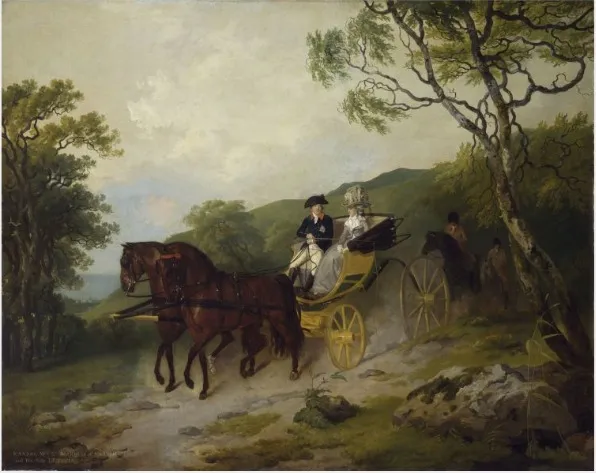
Portrait of The Marquess and Marchioness of Antrim is an oil painting by the Rococo painting artist Francis Wheatley. It dates from 1792 and is held in the collection of the National Gallery of Ireland.
About this work
The man and woman are dressed in formal attire, with the man wearing a blue jacket and the woman wearing a white dress.
This painting shows a couple riding in a horse-drawn carriage on a dirt road. The man and woman are dressed in formal attire, with the man wearing a blue jacket and the woman wearing a white dress. They are both facing forward, looking ahead as they ride.
The carriage is being pulled by two brown horses, and there is a driver sitting at the front of the carriage. The background of the painting shows a hilly landscape with trees and greenery. The sky is cloudy and gray.
The painting is a portrait of the Marquess and Marchioness of Antrim, created by Francis Wheatley in 1782. It is held at the National Gallery of Ireland. If you're interested in learning more about the artist, you can look up Francis Wheatley.
Overview
Francis Wheatley painted the Portrait of The Marquess and Marchioness of Antrim in 1782, capturing the aristocratic couple in motion within a pastoral landscape. Executed in oil on canvas, the work reflects the conventions of late 18th-century British portraiture, blending formal dress with an informal outdoor setting. It is currently held in the collection of the National Gallery of Ireland, where it remains a notable example of Wheatley’s skill in combining social documentation with naturalistic detail.
Subject & Meaning
The painting portrays the Marquess and Marchioness of Antrim as dignified figures engaged in a leisurely carriage ride, a gesture signaling both status and refinement. Their formal attire contrasts with the rustic road and overcast sky, suggesting a controlled display of elegance amid nature. The couple’s forward gaze conveys composure and self-possession, reinforcing their social position without overt symbolism or narrative.
Technique & Style
Wheatley employed a restrained Rococo-influenced style, emphasizing graceful lines and soft tonal transitions. The figures are rendered with precise detail in fabric and posture, while the landscape is handled with looser brushwork to suggest depth and atmosphere. The gray sky and hilly backdrop provide a muted contrast to the subjects’ bright clothing, directing focus to their presence without overwhelming the composition.
History & Provenance
Commissioned by the Antrim family, the portrait was completed in 1782 and remained within their possession for generations before entering the National Gallery of Ireland’s collection. Wheatley, a Royal Academy member, was known for his portraits of the British and Irish gentry, and this work aligns with his broader practice of documenting elite subjects in domestic or semi-public settings during the 1780s.
Context
In the late 18th century, aristocratic portraiture increasingly moved beyond formal studio settings to depict subjects in natural or active environments, reflecting Enlightenment ideals of harmony between man and landscape. Wheatley’s choice of a carriage scene aligns with this trend, offering a nuanced portrayal of nobility that balances authority with a sense of ease in the countryside.
Legacy
The portrait endures as a representative example of Anglo-Irish elite portraiture from the period, illustrating how social identity was visually constructed through dress, posture, and setting. While not widely exhibited outside Ireland, it contributes to scholarly understanding of how regional aristocracies used art to assert continuity and refinement during a time of political and cultural change.
Artist & collection
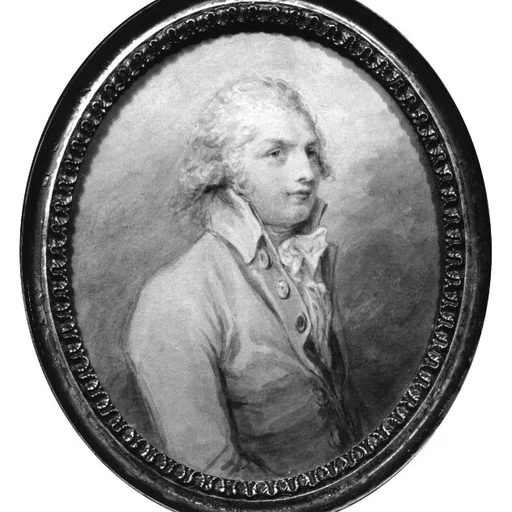
Artist
Francis Wheatley RA (1747 – 28 June 1801) was an English painter who specialised in portrait painting and landscape art.

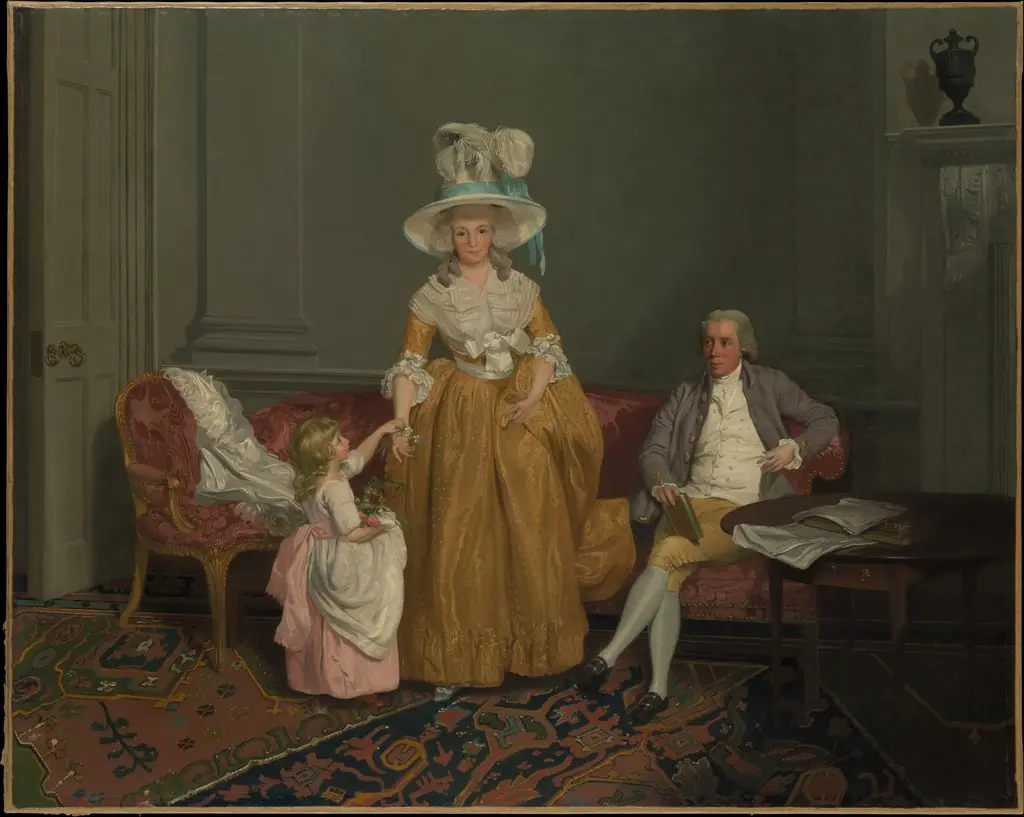 The Saithwaite Family
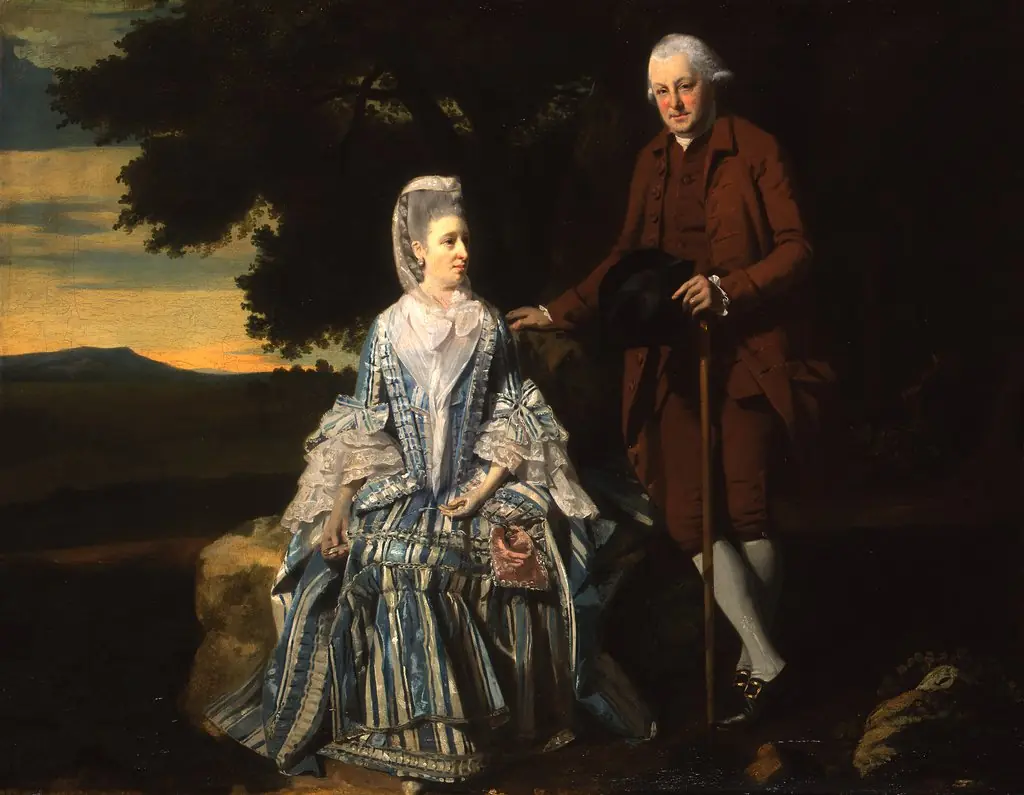 Portrait of a Married Couple in a Park
 Portrait of a Boy, called John Cumming
 The Wilkinson Family
 Lady Easy's Steinkirk (from Colley Cibber's 'The Fearless Husband', Act V, Scene 5)
 Child with a Dog
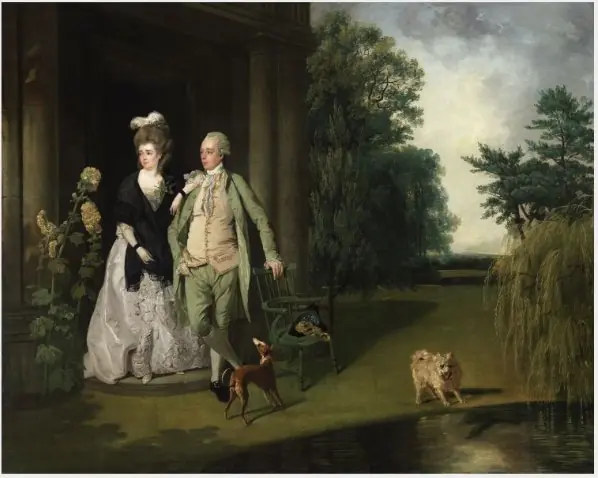 Portrait of Mr and Mrs Richardson
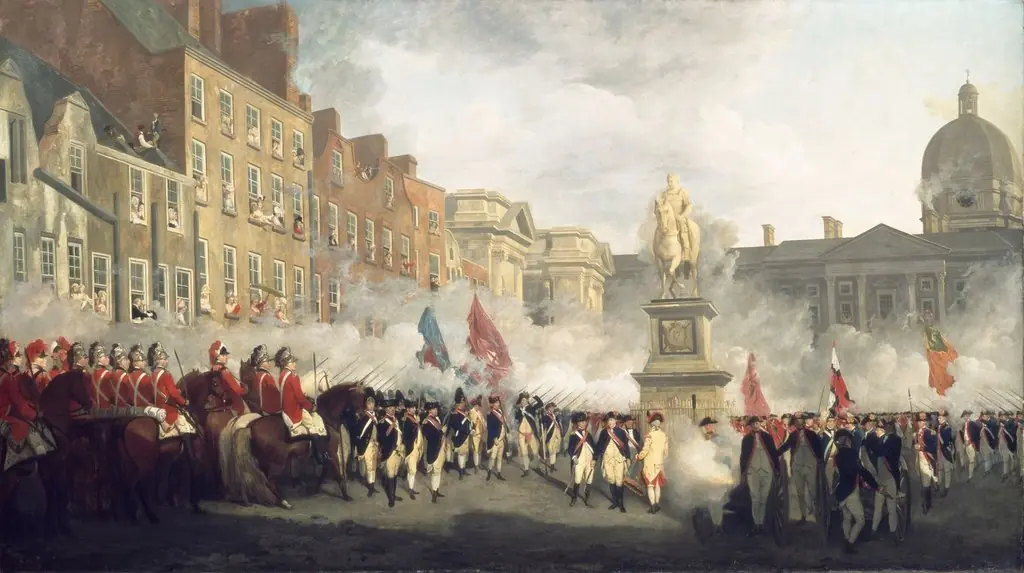 The Dublin Volunteers on College Green, 4th November 1779
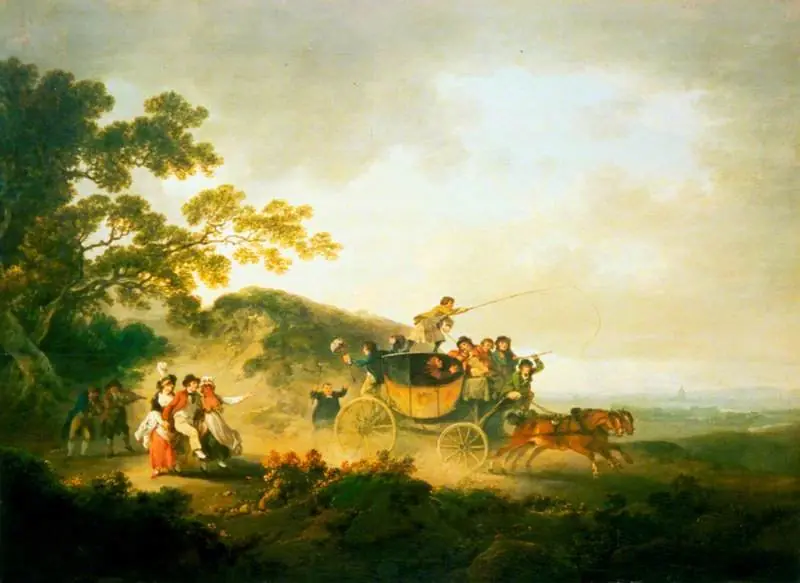 Jack in His Glory: A Hackney Coach Driven by Drunken Sailors
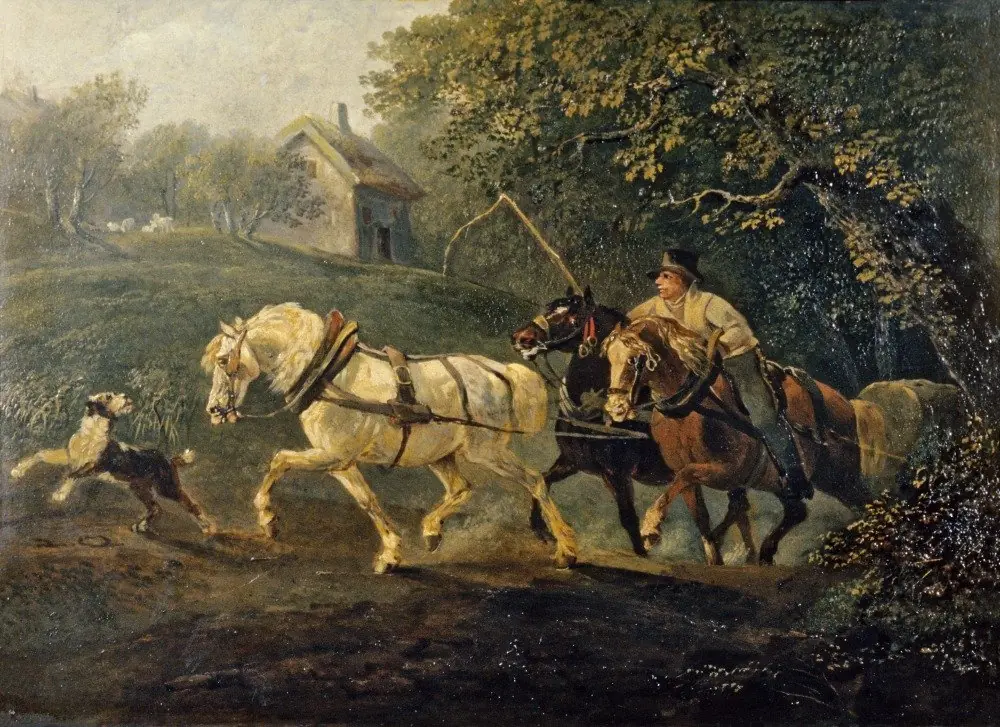 Berganfahrendes Fuhrwerk
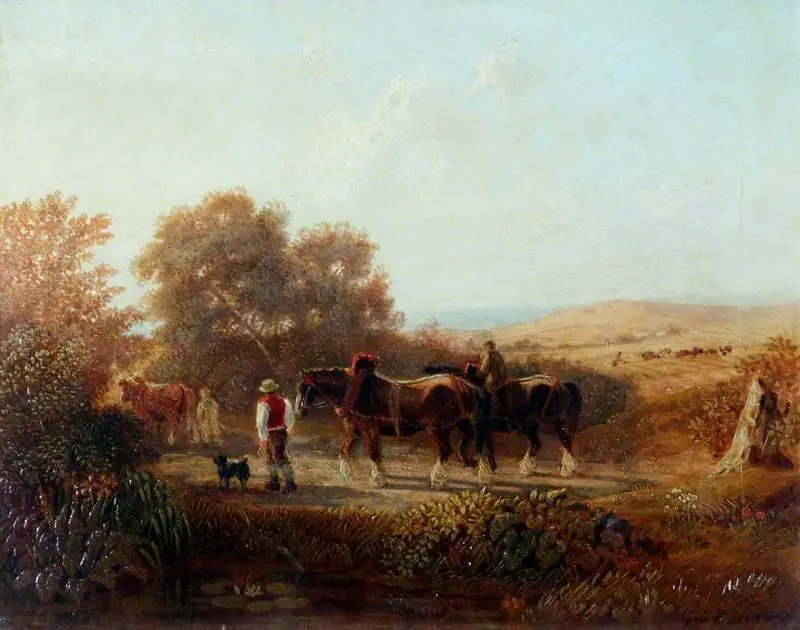 Returning from Work
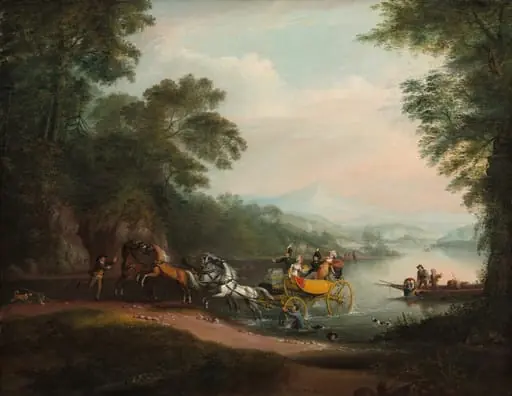 Mishap at the Ford
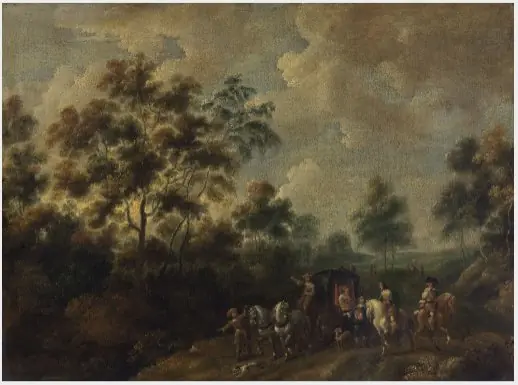 A Landscape with a Coach Party
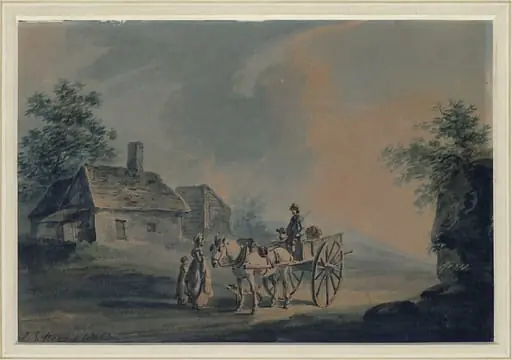 Cottage with cart and figures
 Travel by Stagecoach Near Trenton, New Jersey
 Ratsastava nainen ja husaari
 View at Enderby, Leicestershire
 Merry journey
 The Visit to the Camp
 Konung Adolf Fredrik (1710-1771) vid Loka Brunn 1762