Artwork
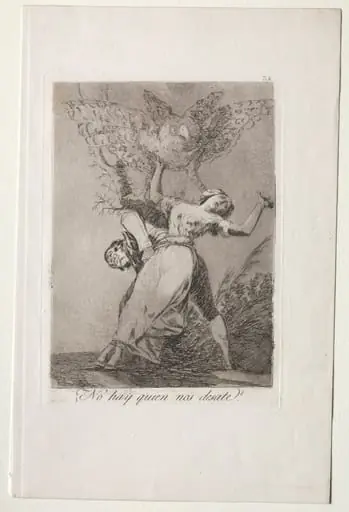
Bon Voyage, Plate 64
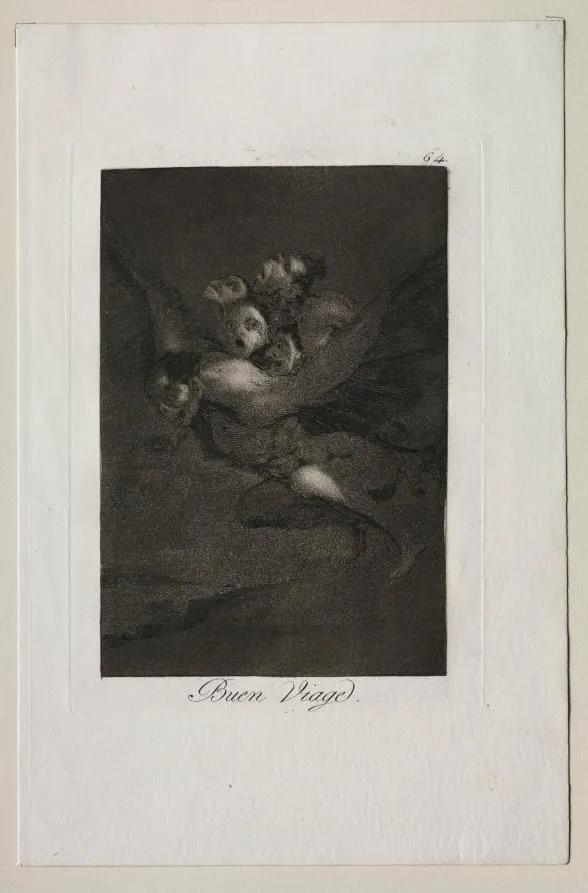
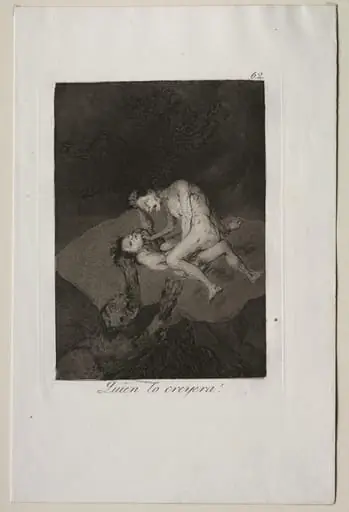
Bon Voyage, Plate 64 is a print by the Romanticist artist Francisco Goya. It dates from 1799 and is held in the collection of the Cleveland Museum of Art.
About this work
Overview
Bon Voyage, Plate 64 is an early print by the Spanish artist Francisco de Goya, dated to around 1799. The work is part of the collection of the Cleveland Museum of Art, where it is displayed as an example of Goya’s late‑18th‑century output.
Subject & Meaning
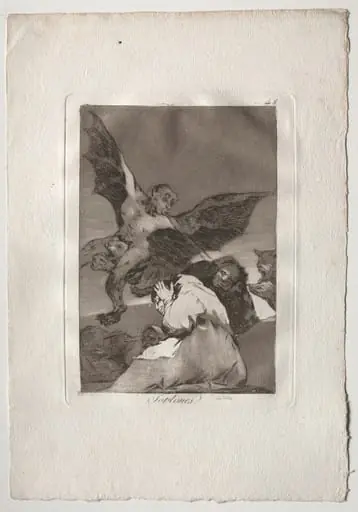
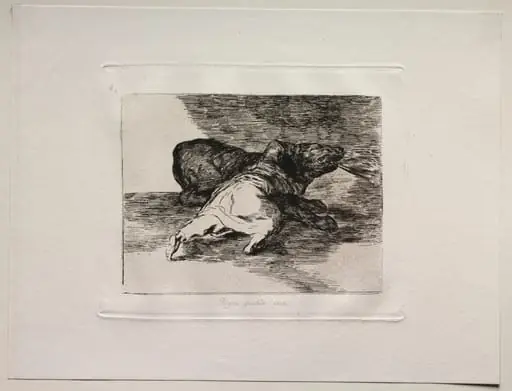
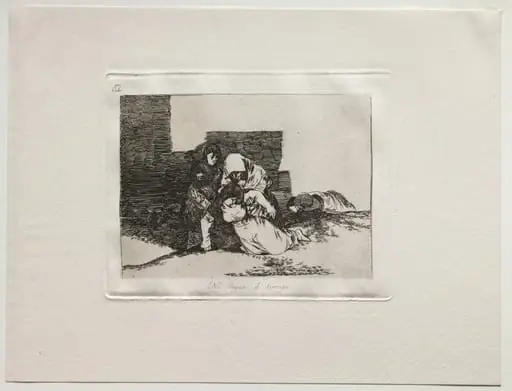
The image portrays a nocturnal gathering of figures caught in a moment of panic. Several characters raise their eyes toward the sky, suggesting a sudden, unsettling event that has thrown the group into chaos. The composition conveys a palpable sense of anxiety and foreboding, inviting viewers to contemplate the cause of the disturbance.
Technique & Style
Executed in a dark palette, the print relies on stark contrasts of light and shadow to heighten tension. Goya’s handling of chiaroscuro emphasizes the tumultuous gestures of the figures, while the overall mood aligns with Romantic concerns for emotion, drama, and the sublime.
History & Provenance
Created circa 1799, the piece reflects Goya’s mature period before his later Black Paintings. It entered the Cleveland Museum of Art’s holdings through acquisition, joining a broader collection of European prints that illustrate the artist’s evolving approach to narrative and atmosphere.
Artist & collection
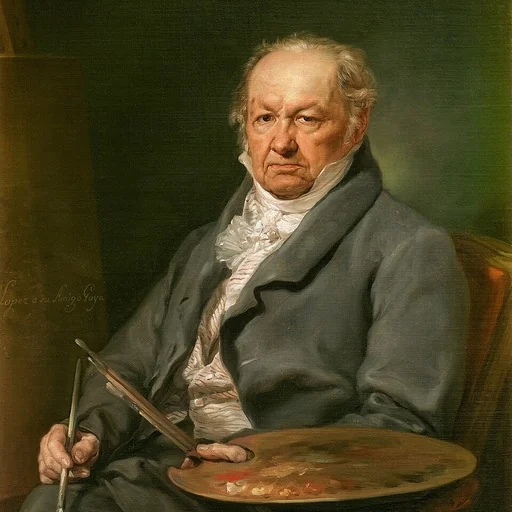
Artist
Francisco José de Goya y Lucientes (; Spanish: ; 30 March 1746 – 16 April 1828) was a Spanish romantic painter and printmaker.