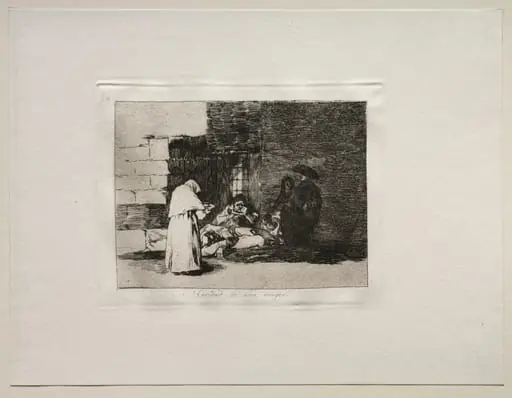
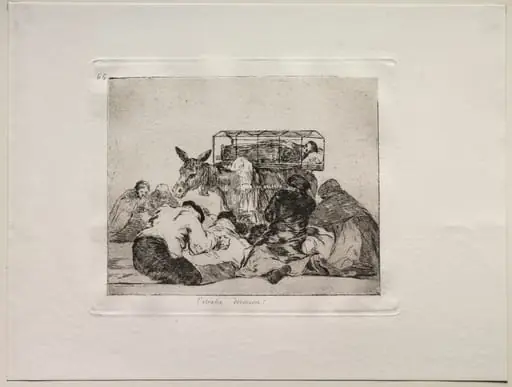
Artwork
The Horrors of War: Harvest of the Dead
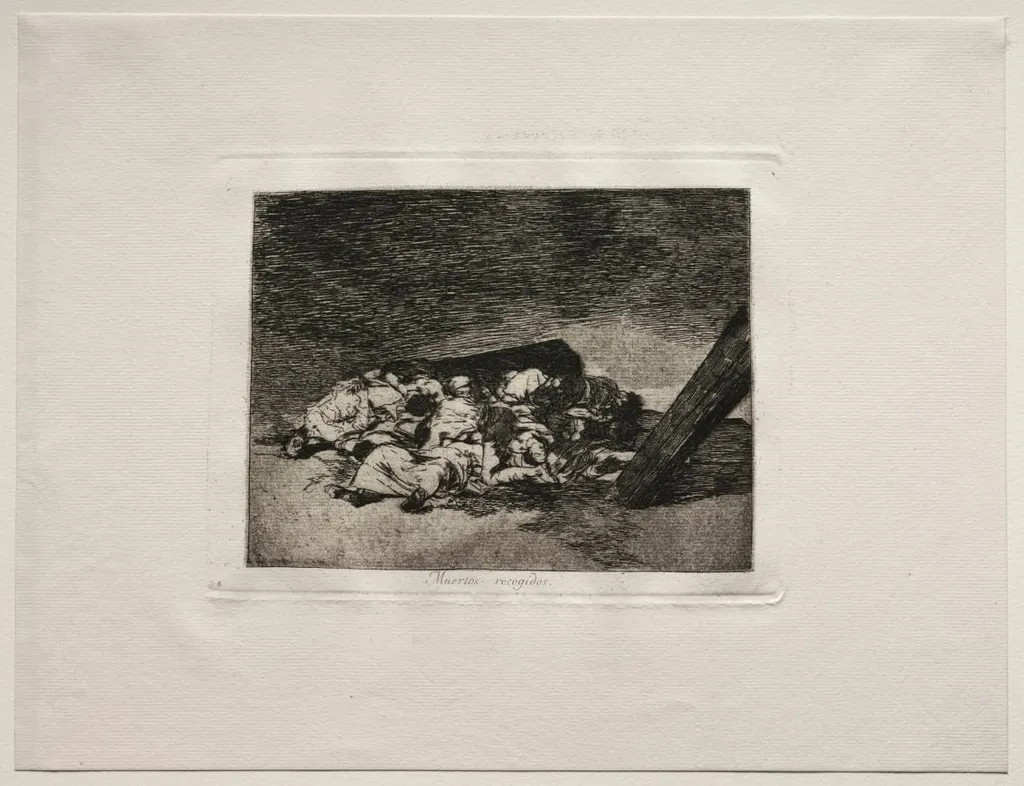
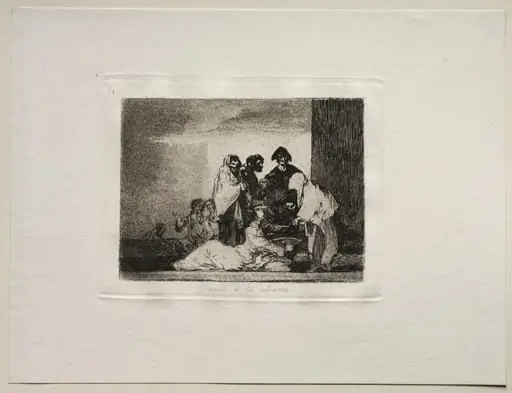
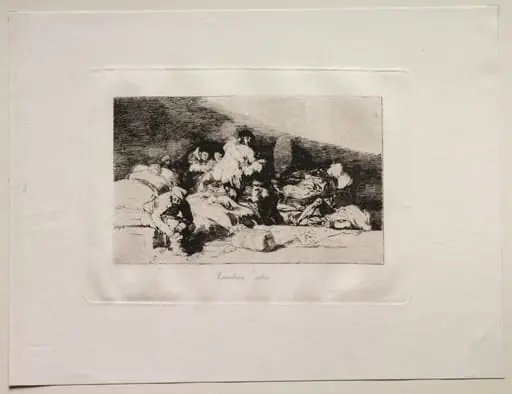
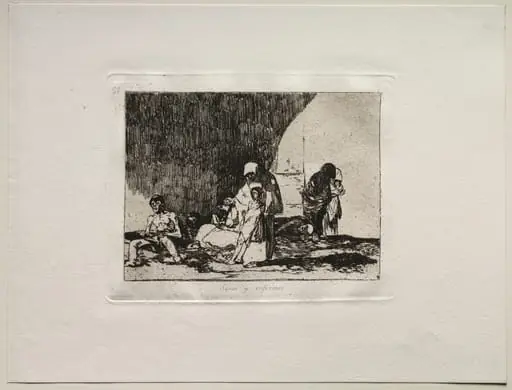
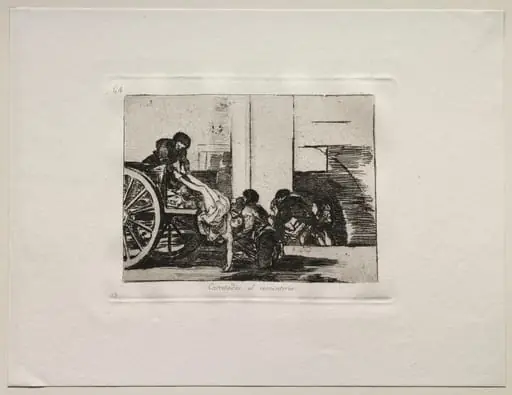
The Horrors of War: Harvest of the Dead is a print by the Romanticist artist Francisco Goya. It dates from 1815 and is held in the collection of the Cleveland Museum of Art.
About this work
Overview
The piece is currently held in the collection of The Cleveland Museum of Art, where it serves as a sobering artifact of early 19th-century Spanish trauma.
Created around 1815, The Horrors of War: Harvest of the Dead is a print by Francisco de Goya that belongs to his series reflecting on the brutality of the Peninsular War. It is part of a larger body of work that confronts the human cost of conflict. The piece is currently held in the collection of The Cleveland Museum of Art, where it serves as a sobering artifact of early 19th-century Spanish trauma.
Subject & Meaning
The scene portrays a field littered with the bodies of fallen soldiers and civilians, arranged without order or dignity. There is no heroism or narrative resolution—only the aftermath of violence. The title suggests a grim harvest, implying death as an inevitable crop of war. Goya strips away glorification, presenting carnage as a natural, if horrifying, consequence of conflict.
Technique & Style
Goya employs stark contrasts of light and shadow to isolate forms against a suffocating darkness. The figures emerge from the gloom with little detail, emphasizing their anonymity and the scale of loss. The etching’s rough lines and deep blacks convey texture and emotional weight, aligning with the expressive intensity of Romanticism while rejecting its idealism.
History & Provenance
The print was produced during Goya’s later years, following his experiences with war and illness. It was originally part of a portfolio of 82 prints titled The Disasters of War, unpublished until decades after his death. The Cleveland Museum of Art acquired the work in the 20th century, preserving it as a rare and unflinching record of wartime suffering.
Context
Goya created this work amid the collapse of Spain’s political order and the lingering trauma of French occupation. Unlike official histories that celebrated military triumphs, his prints documented the suffering of ordinary people. This series broke from academic traditions, offering a raw, personal testimony to the chaos of war.
Legacy
The Horrors of War: Harvest of the Dead influenced later artists who sought to depict violence without sentimentality. Its unvarnished portrayal of death prefigured modern war photography and anti-war art. Goya’s refusal to aestheticize suffering established a precedent for confronting historical trauma through visual means.
Artist & collection
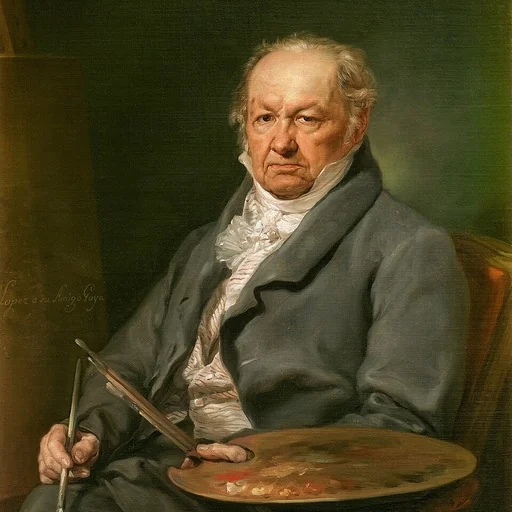
Artist
Francisco José de Goya y Lucientes (; Spanish: ; 30 March 1746 – 16 April 1828) was a Spanish romantic painter and printmaker.