Artwork
The Countess of Casa Flores
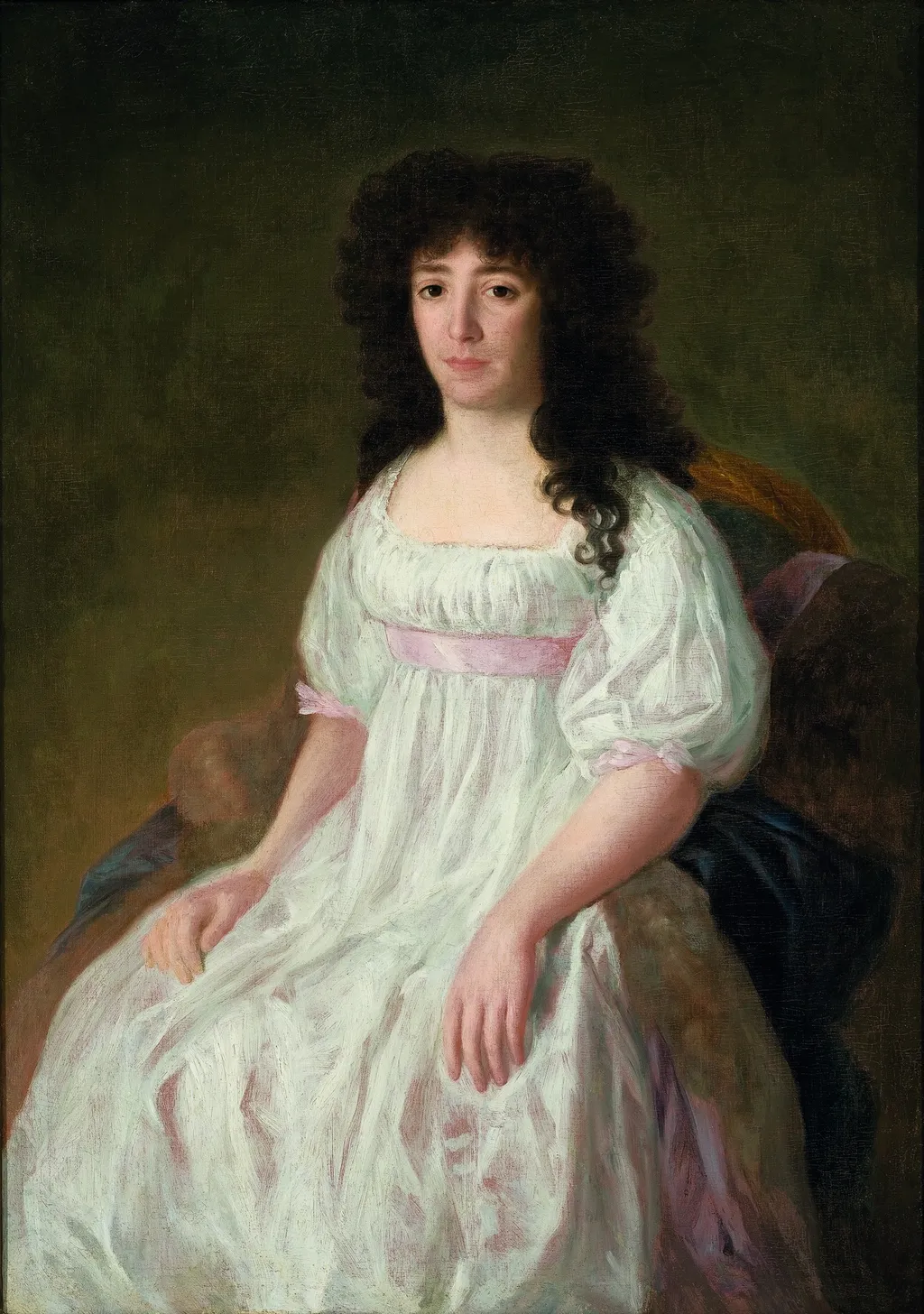
The Countess of Casa Flores is an oil painting by the Spanish Baroque Tenebrist artist Francisco Goya. It dates from 1798 and is held in the collection of the São Paulo Museum of Art.
About this work
Overview
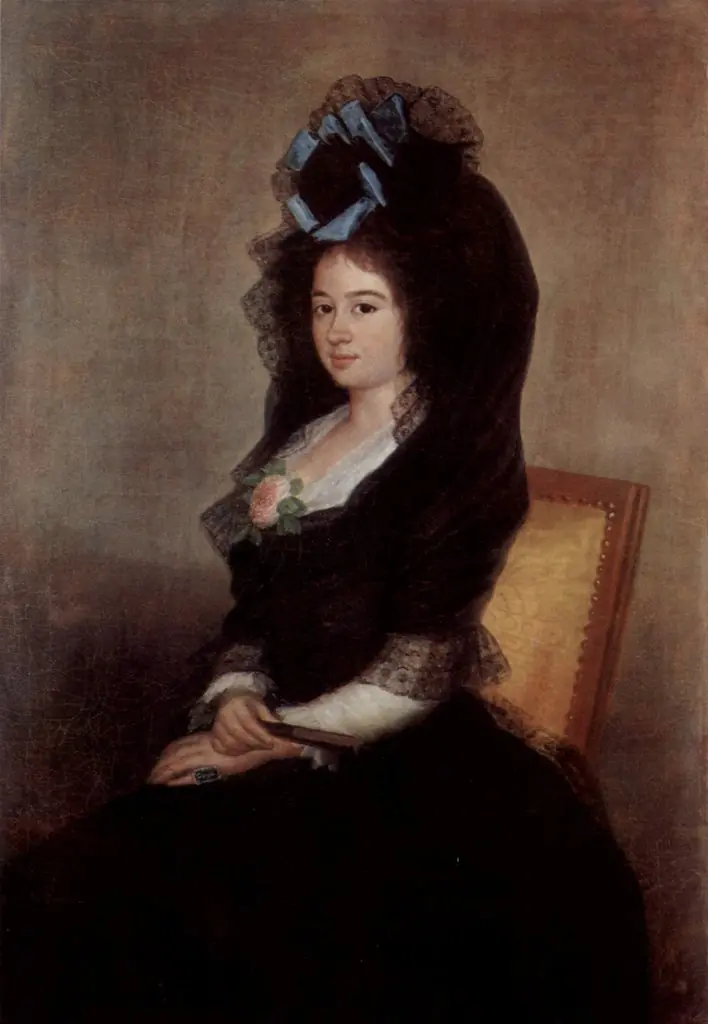
Painted in 1798, this oil portrait by Francisco Goya captures the Countess of Casa Flores in a seated pose, set against a deep green, shadowed background.
Painted in 1798, this oil portrait by Francisco Goya captures the Countess of Casa Flores in a seated pose, set against a deep green, shadowed background. The work exemplifies Goya’s transition from courtly portraiture toward more introspective representations, blending traditional Spanish painting methods with emerging psychological realism. Its restrained palette and focused lighting emphasize the subject’s presence without overt embellishment.
Subject & Meaning
The sitter, identified as the Countess of Casa Flores, is depicted in formal attire, suggesting her aristocratic status. Her calm expression and composed posture convey dignity rather than flamboyance. The absence of symbolic props or elaborate settings shifts focus to her individuality, reflecting Goya’s growing interest in portraying inner character over external display. The painting serves as a quiet testament to noble identity in late 18th-century Spain.
Technique & Style
Goya employs subtle chiaroscuro to model the countess’s form, with soft transitions between light and shadow defining her white dress and dark curls. The fabric of her gown is rendered with precise brushwork, while the background remains deliberately muted, enhancing the figure’s isolation. The fuzzy texture of the chair’s back contrasts with the smoothness of her skin and silk, demonstrating Goya’s control over tactile variety within a limited palette.
History & Provenance
The painting entered the collection of the São Paulo Museum of Art in the 20th century, having passed through private hands since its creation. Its provenance before that remains partially undocumented, though it is known to have been painted during Goya’s tenure as a court painter. It has remained in Brazil since its acquisition, where it is now among the institution’s key European holdings.
Context
Created during a period of political instability in Spain, the portrait reflects a quieter moment in Goya’s career, before his later, more critical works. While many of his contemporaries emphasized grandeur in aristocratic portraiture, Goya here opts for intimacy and restraint. This shift aligns with broader European trends toward psychological nuance, even within formal commissions.
Legacy
Though less celebrated than Goya’s political or satirical works, this portrait exemplifies his ability to convey presence through subtlety. It influenced later Spanish realists who sought to capture individuality without idealization. Its preservation in São Paulo ensures its accessibility outside Europe, offering a rare example of Goya’s portraiture in Latin America’s major collections.
Own this work as a print
Artist & collection
Artist
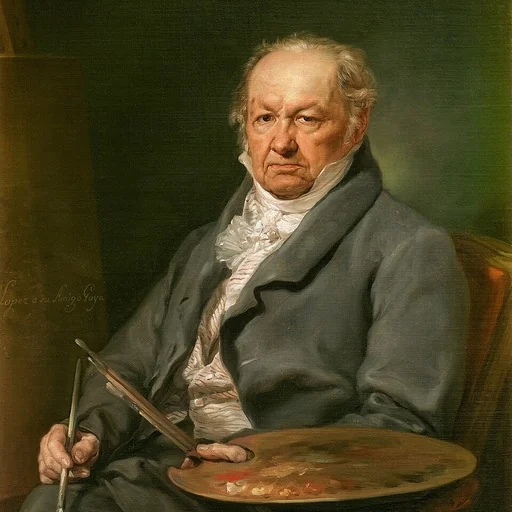
Francisco José de Goya y Lucientes (; Spanish: ; 30 March 1746 – 16 April 1828) was a Spanish romantic painter and printmaker.

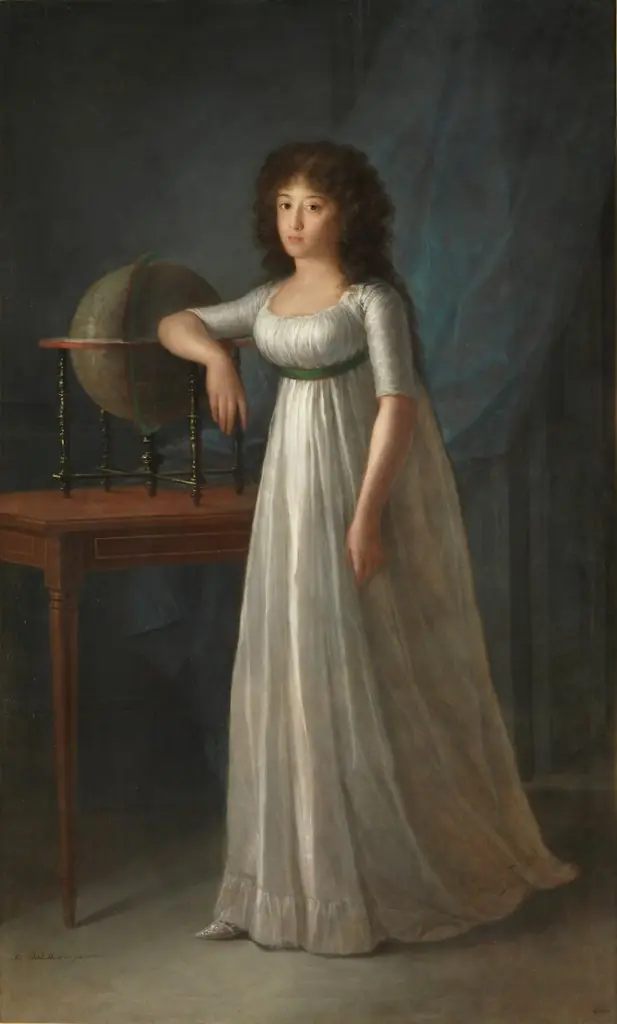 Joaquina Téllez-Girón, daughter of the 9th Duke and Duchess of Osuna
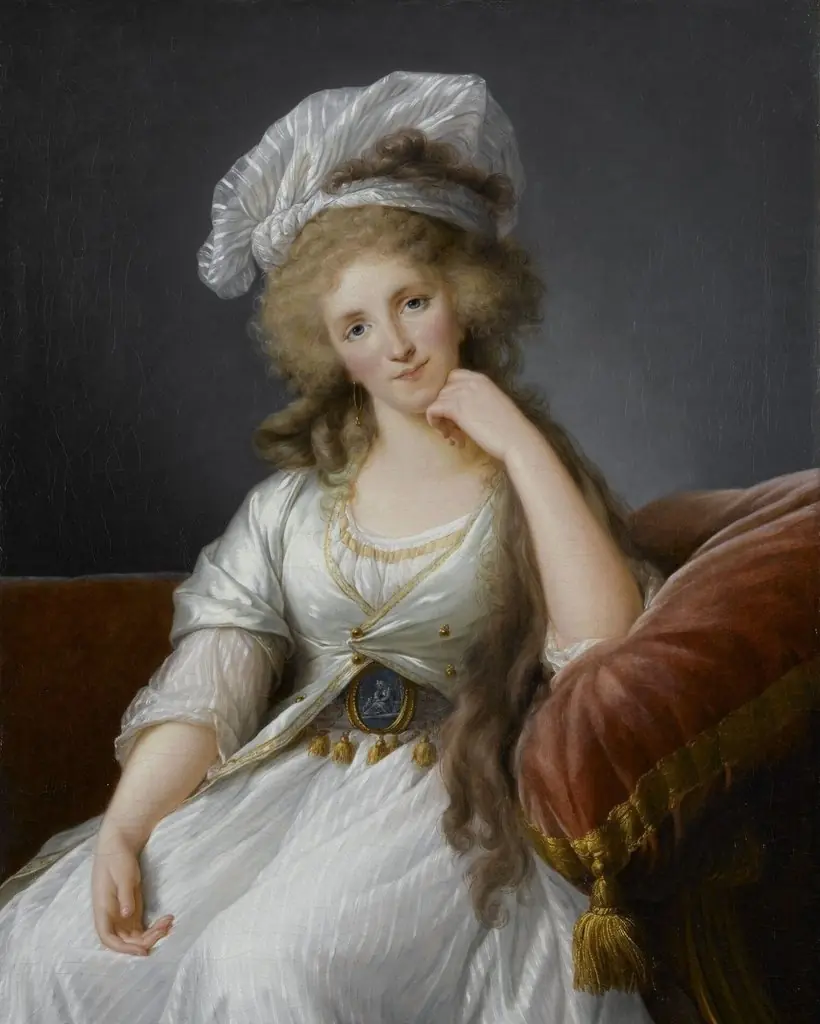 Louise-Marie-Adélaïde de Bourbon-Penthièvre, Duchess of Orléans
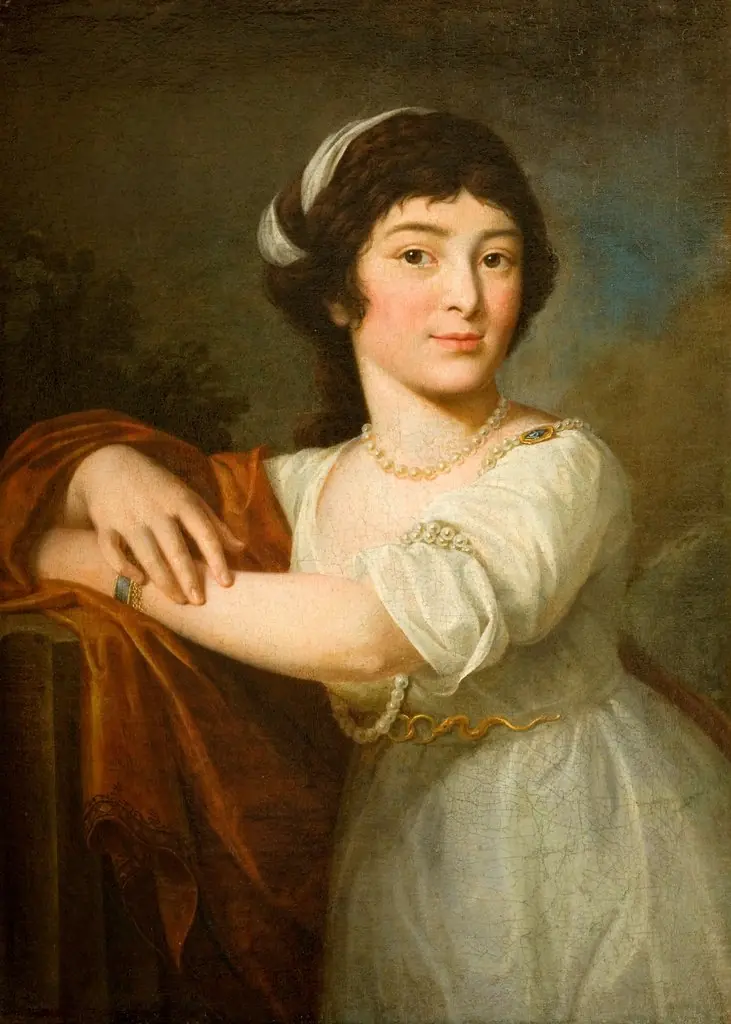 Portrait of Joanna Dzierzbicka
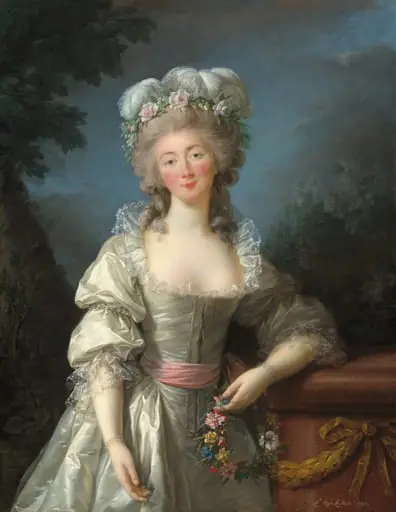 Madame du Barry
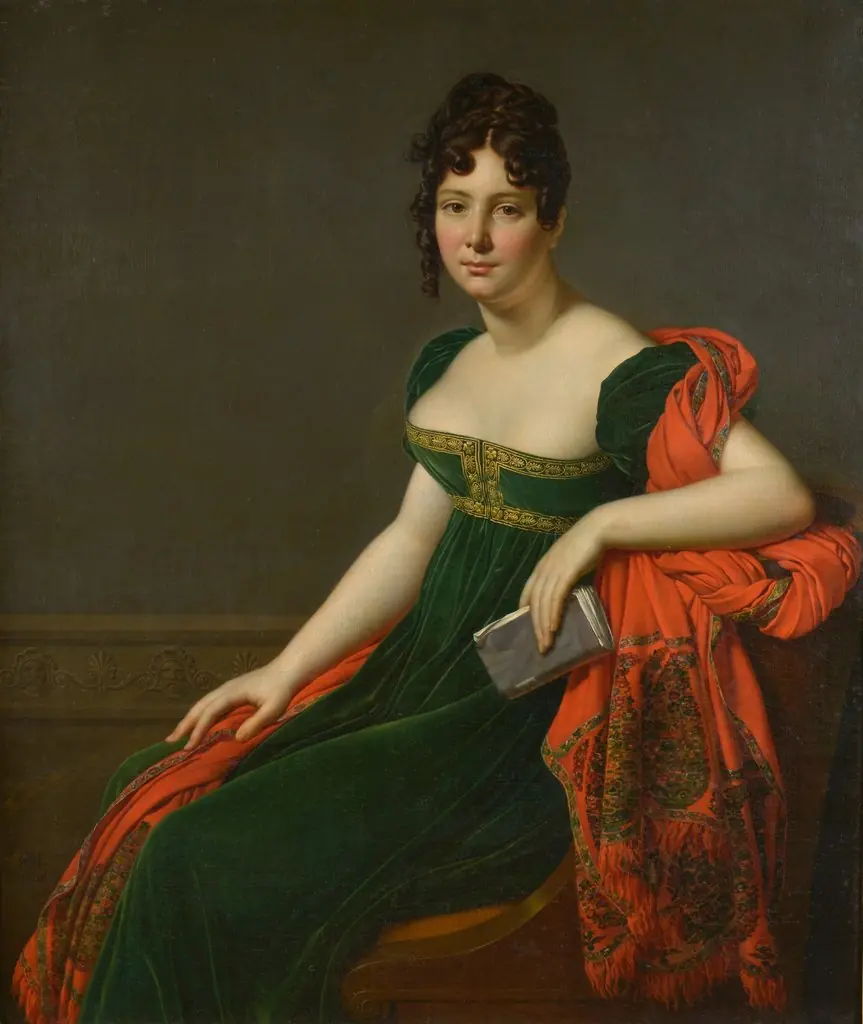 Portrait of Madame Augustine Bertin de Veaux
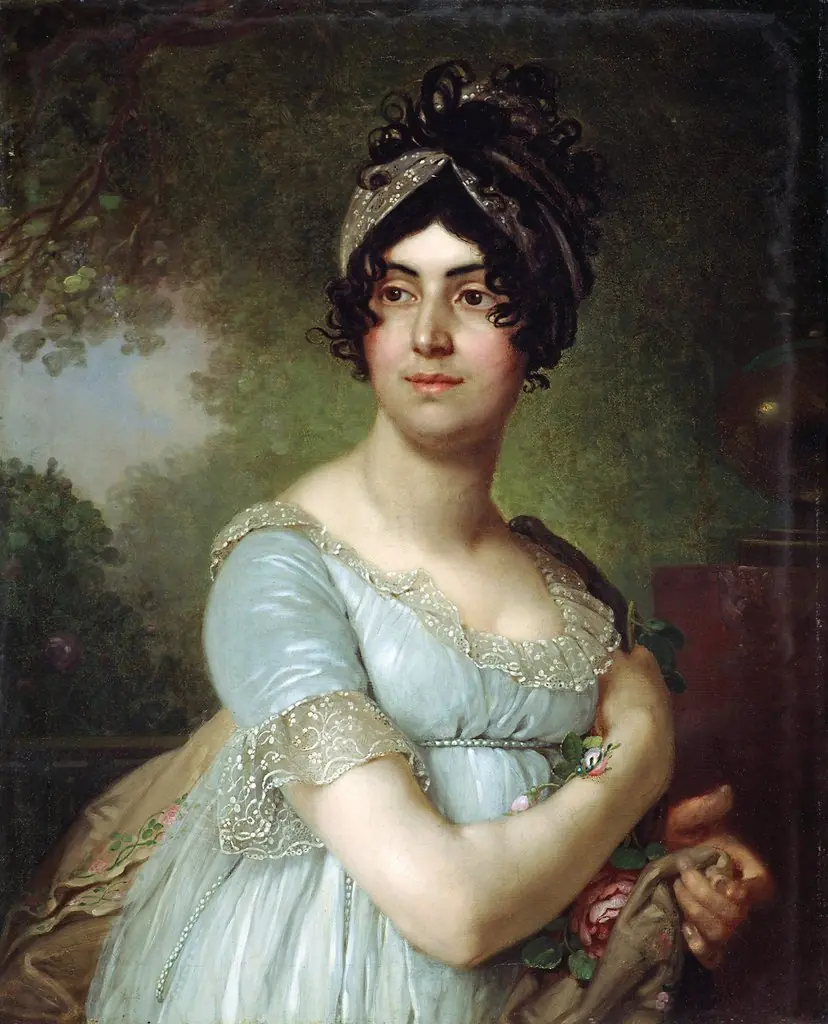 Портрет Д.С. Яковлевой
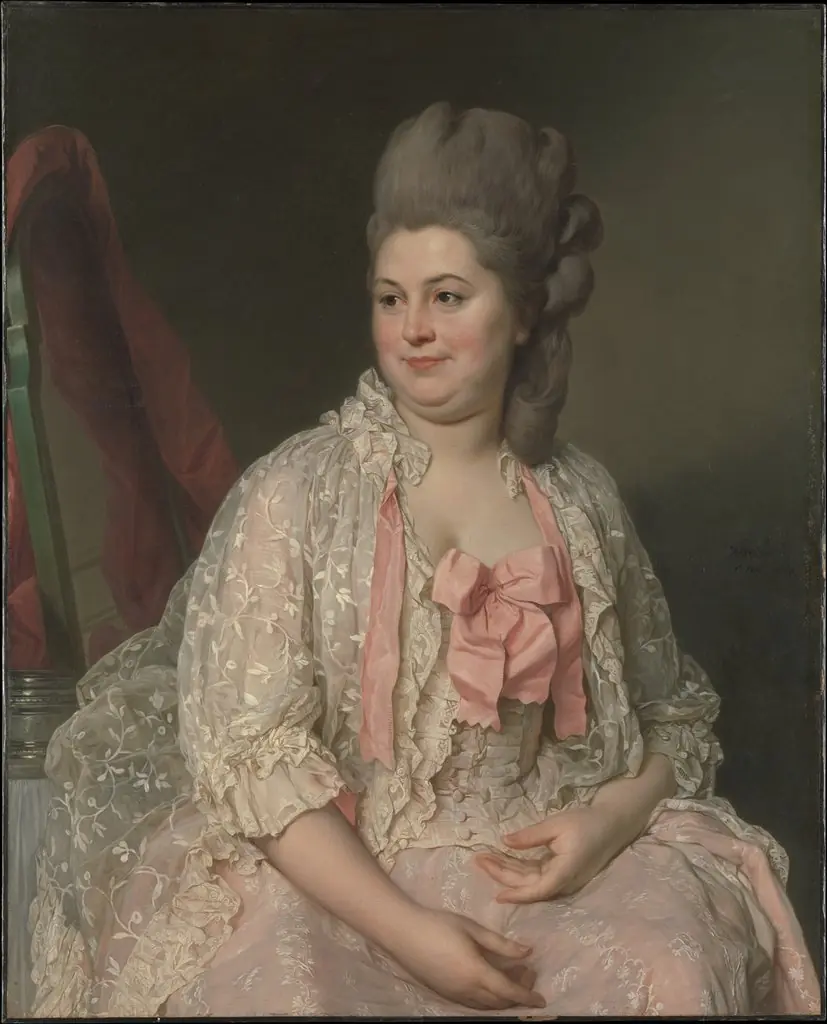 Madame de Saint-Maurice
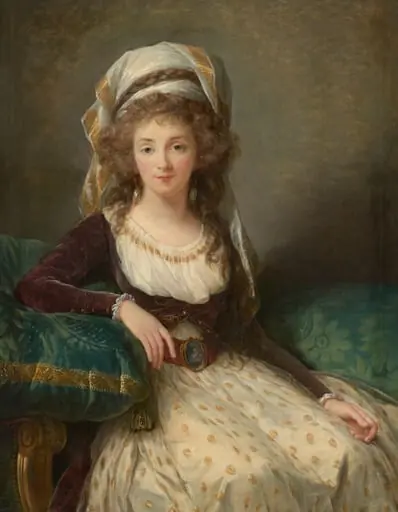 Madame d'Aguesseau de Fresnes
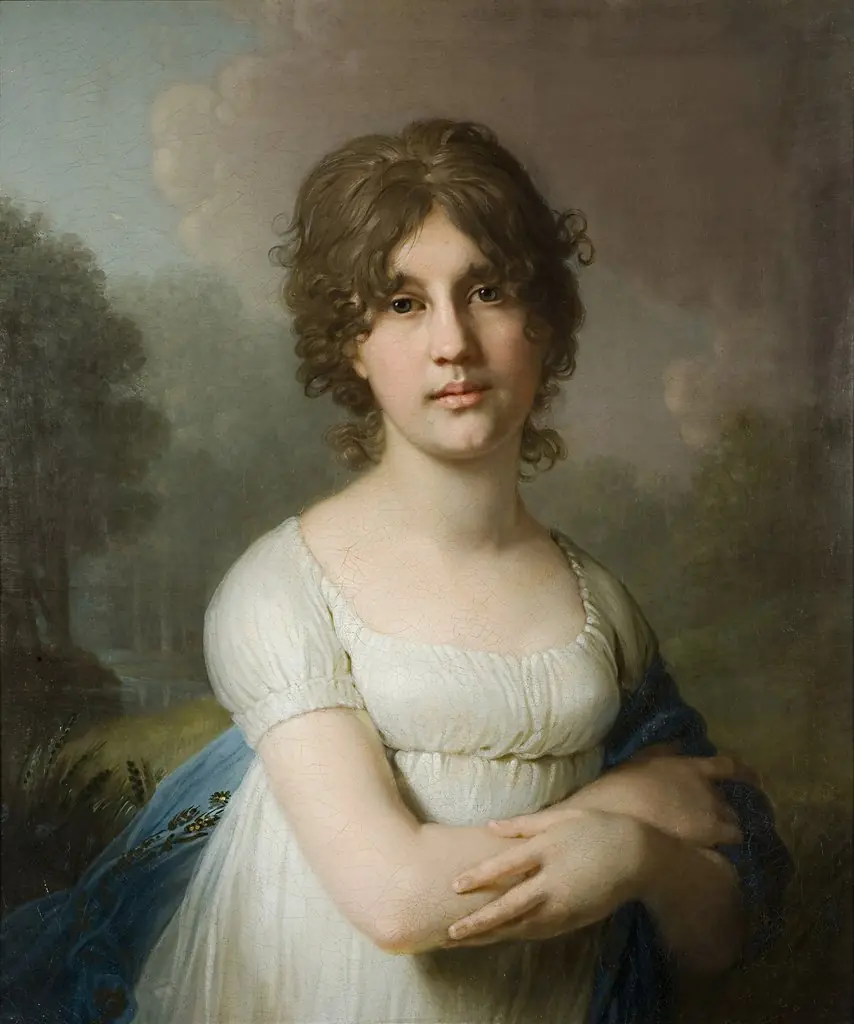 La Princesse Catherine Gavrilowna Gagarine
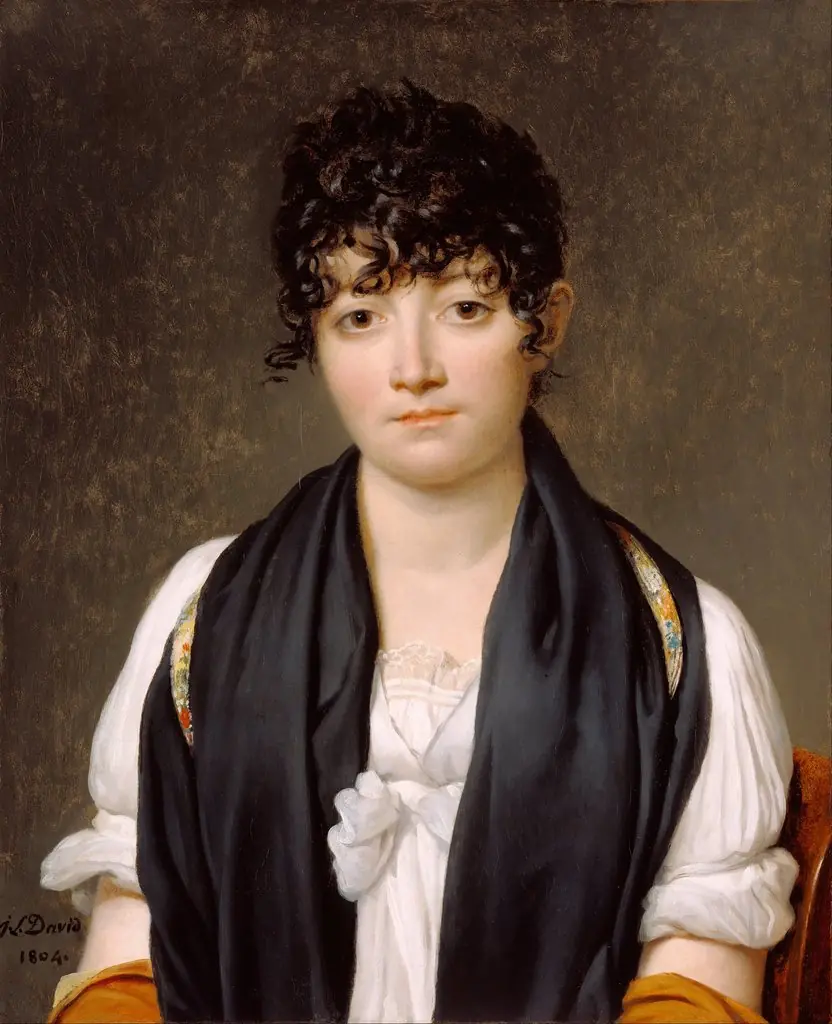 Portrait of Suzanne Le Peletier de Saint-Fargeau
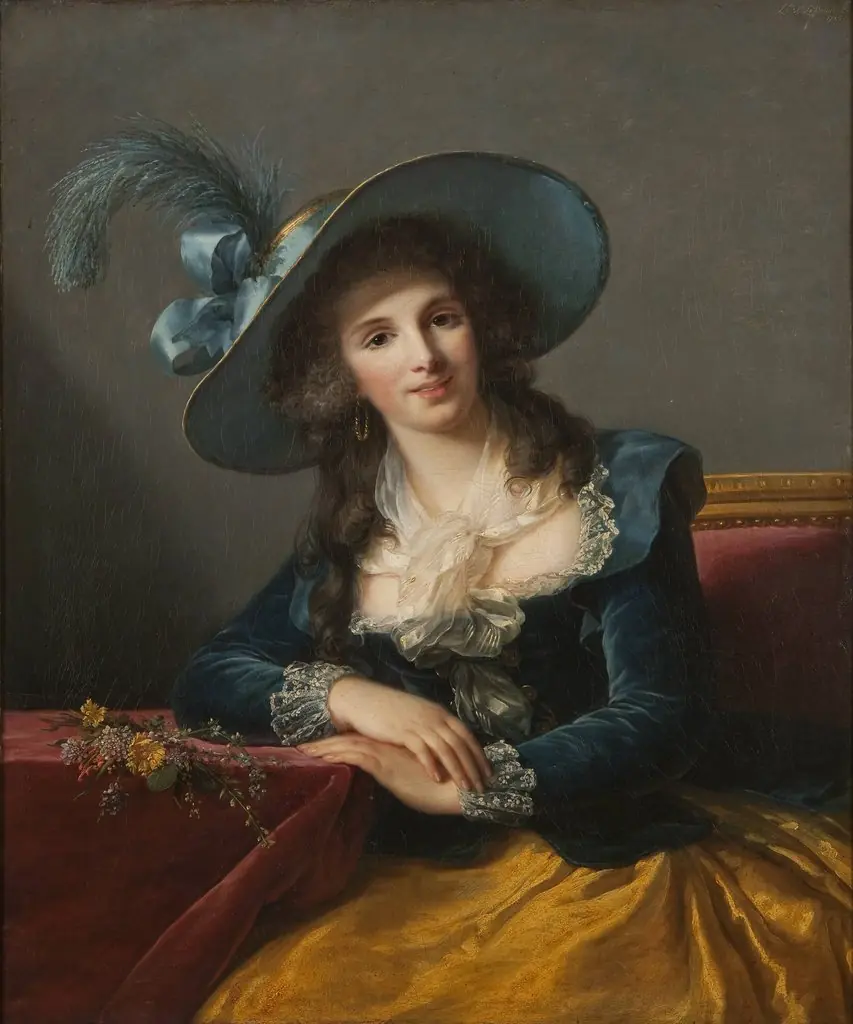 Antoinette-Elisabeth-Marie d'Aguesseau, Countess of Ségur
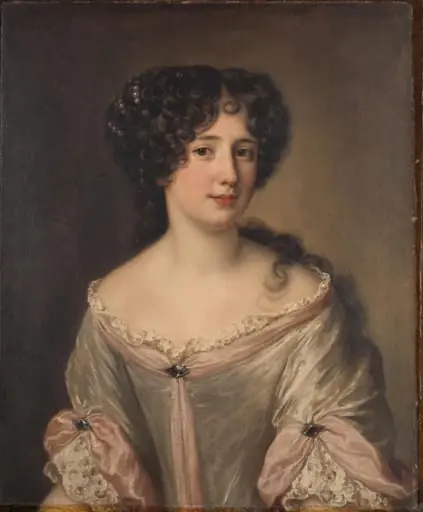 Portrait of La Duchessa Mancini Colonna (1646-1699)