Artwork
Dutch city by the water
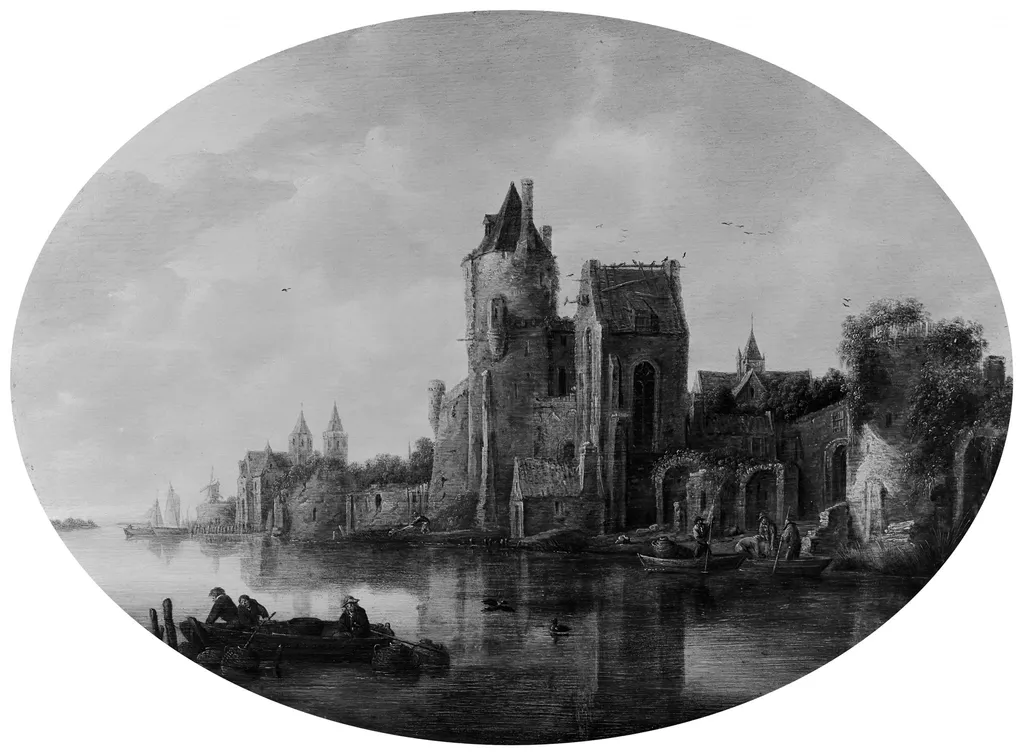
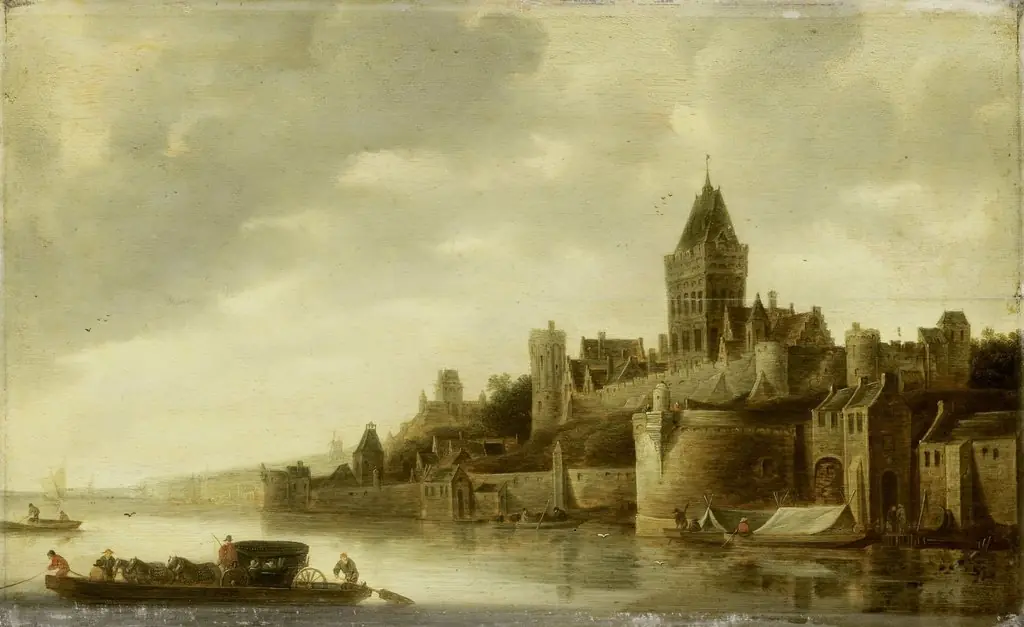
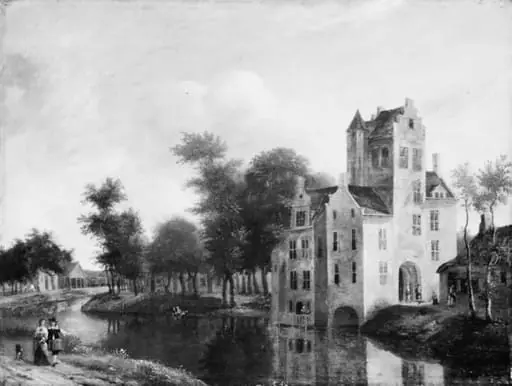
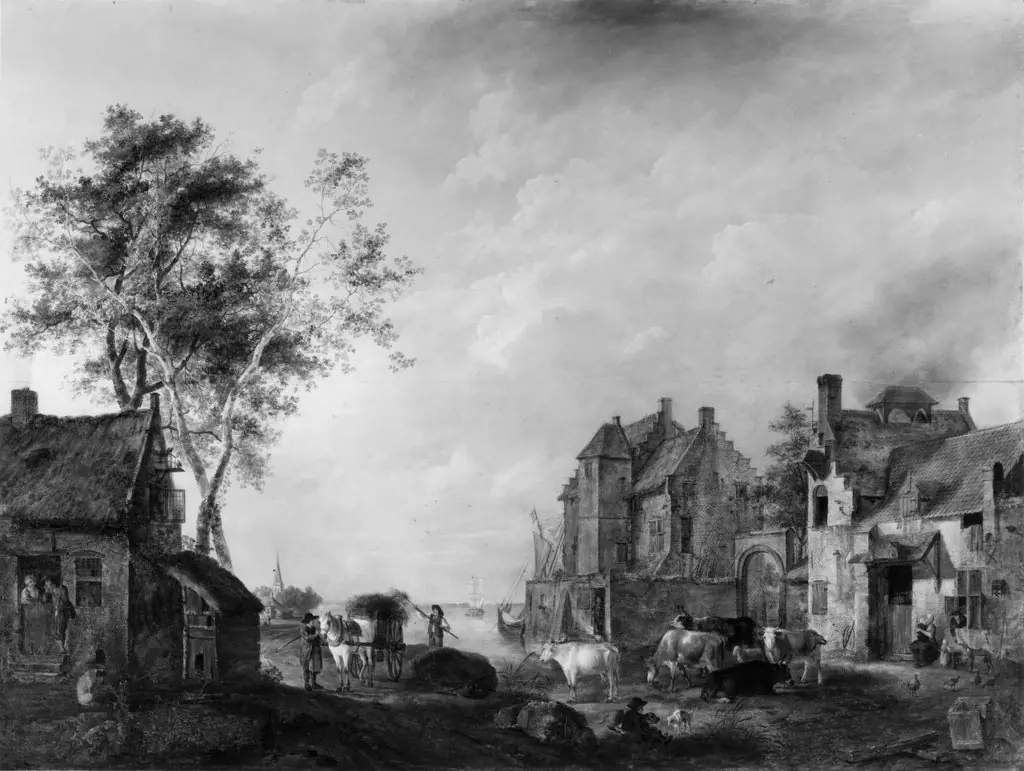
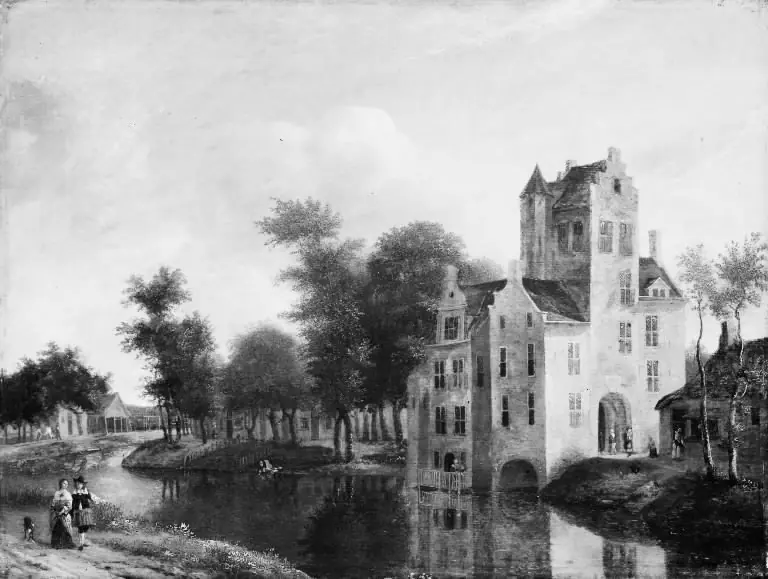
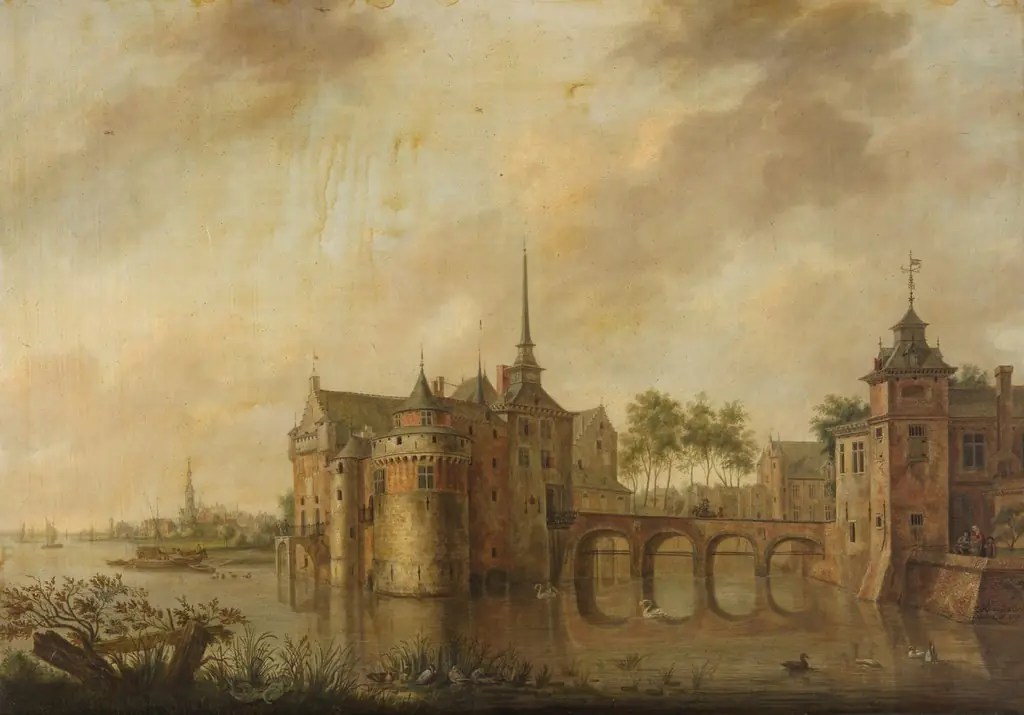
Dutch city by the water is a paint painting by Frans de Hulst. It dates from 1645 and is held in the collection of the Gemäldegalerie Berlin.
About this work
Overview
Frans de Hulst’s early‑mid‑17th‑century canvas depicts a bustling Dutch port town set against a muted sky. The composition balances architectural forms—some intact, others in decay—with a lively river scene populated by small vessels. Light falls across the scene, emphasizing the contrast between the weathered stone facades and the reflective water surface.
Subject & Meaning
The work presents a snapshot of urban life along a Dutch waterway, juxtaposing the permanence of stone buildings with the transience of river traffic. The inclusion of ruined structures hints at the city’s historical layers, while the active boats suggest ongoing commerce and daily routine, reflecting the intertwined nature of commerce and community in the Dutch Golden Age.
Technique & Style
Executed in oil on canvas, the painting showcases de Hulst’s meticulous handling of texture: rough, pitted stone is rendered with fine brushwork, whereas the water is treated with smoother, gliding strokes that capture subtle ripples. A muted palette of grays and earth tones, combined with careful chiaroscuro, creates depth and a somber atmospheric quality.
History & Provenance
Created around 1645, the piece entered the collection of the Gemäldegalerie in Berlin, where it remains on display. Its attribution to de Hulst is based on stylistic analysis and archival records linking the artist to similar urban scenes produced during the mid‑17th century.
Artist & collection