Artwork
Isabella Clara Eugenia, Consort of Archduke Albert VII
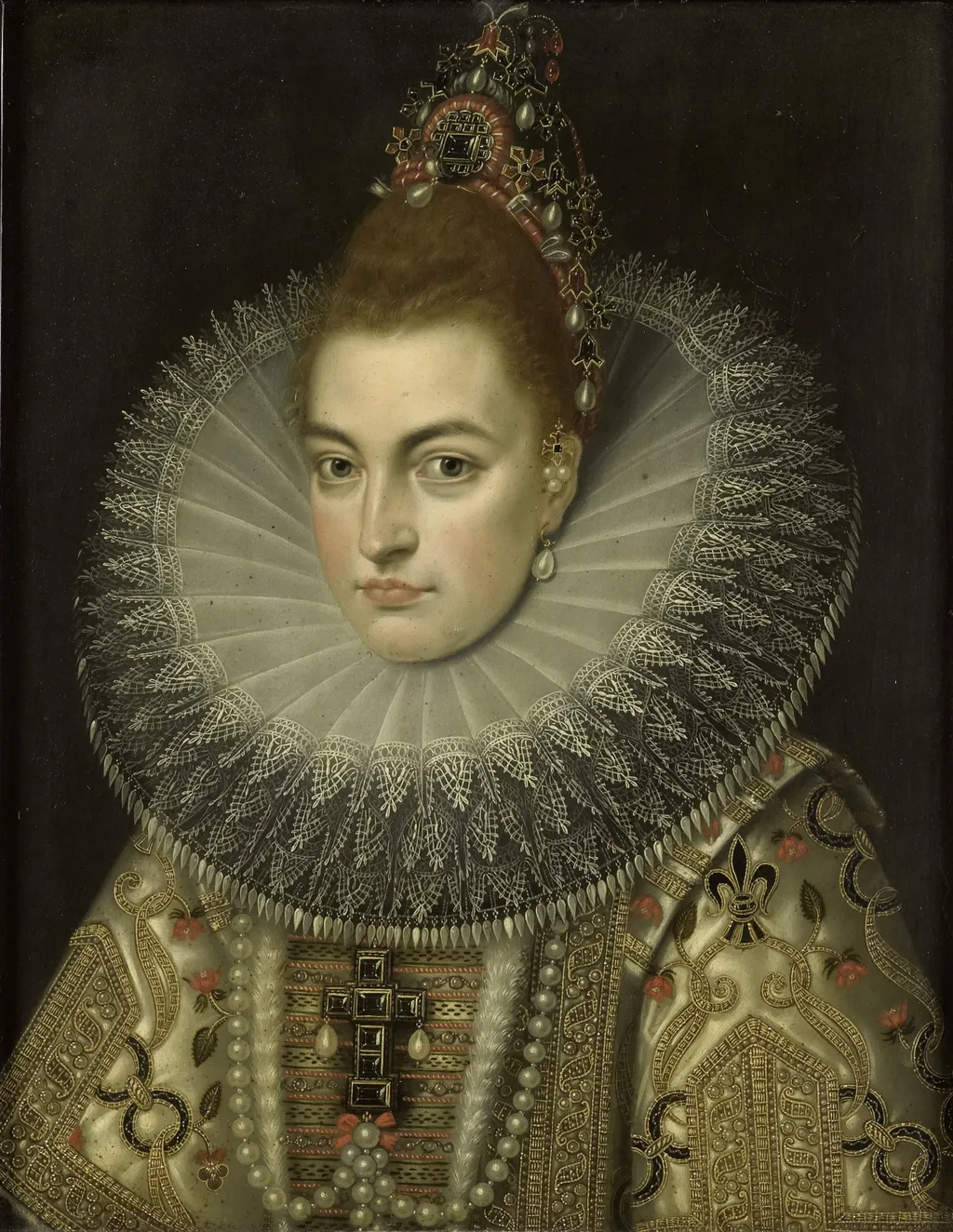
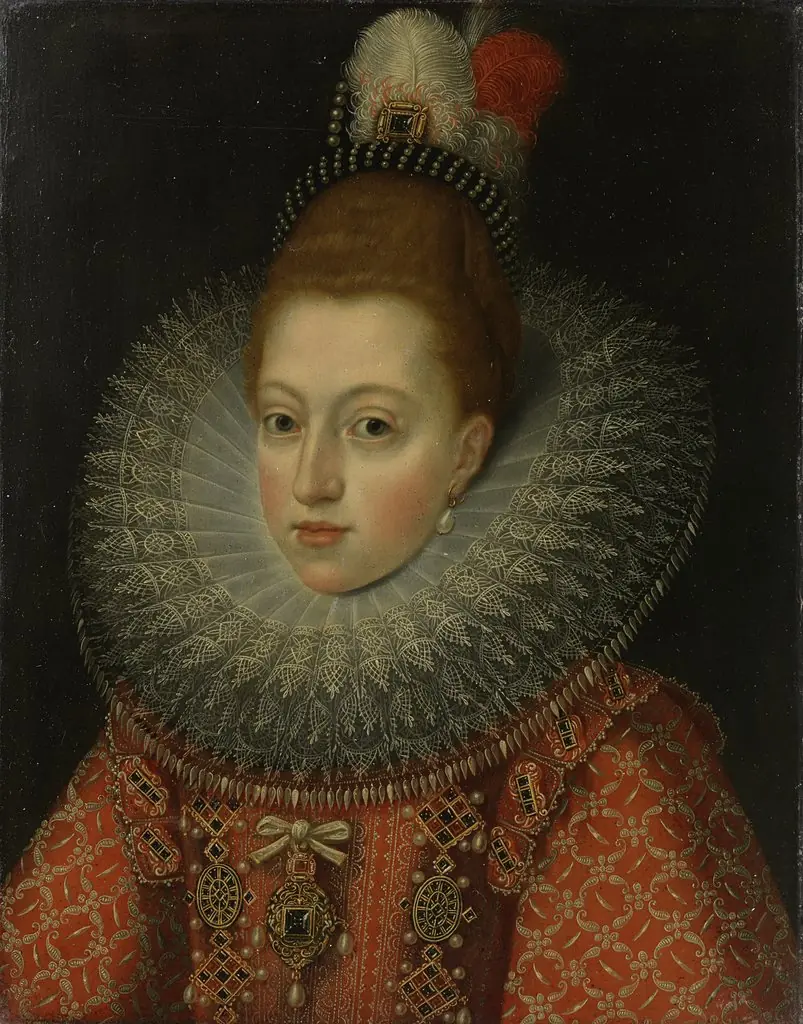
Isabella Clara Eugenia, Consort of Archduke Albert VII is an oil painting by the Flemish Baroque painting artist Frans Pourbus, the Younger. It dates from 1600 and is held in the collection of the Rijksmuseum.
About this work
Overview
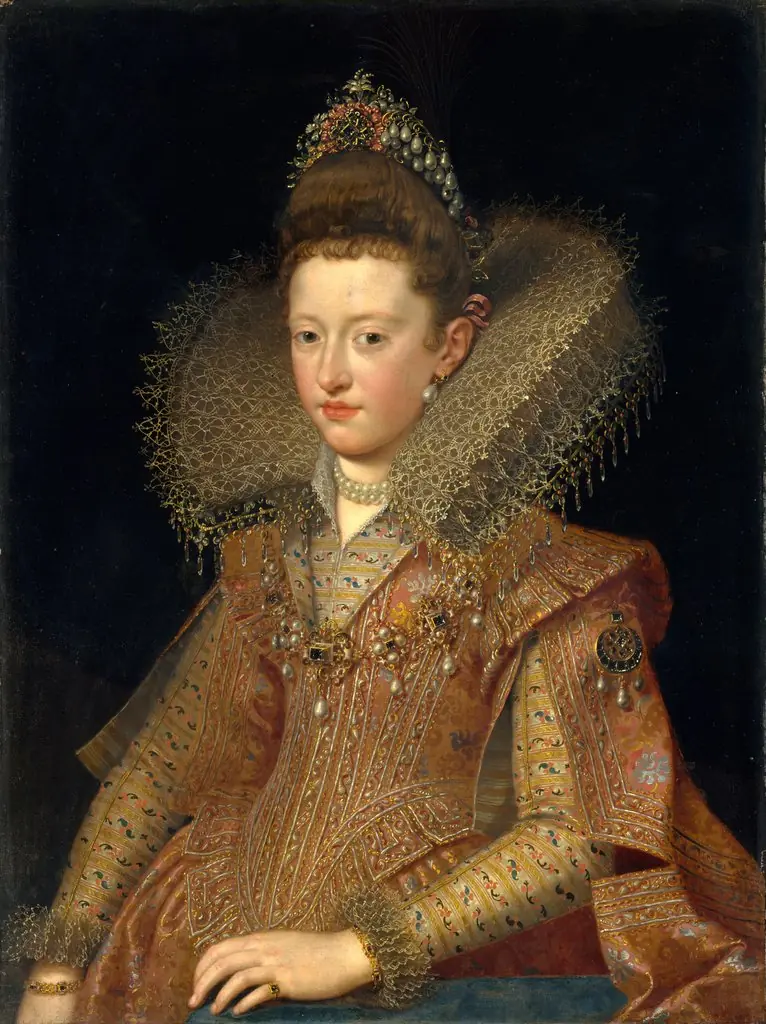
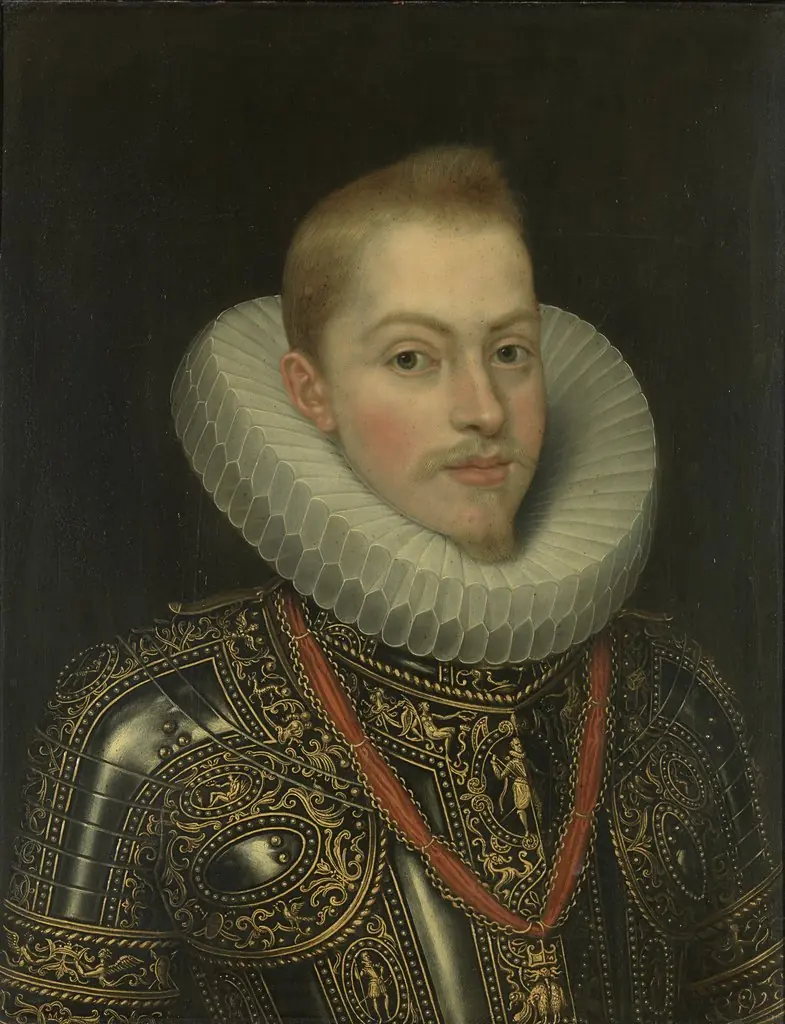
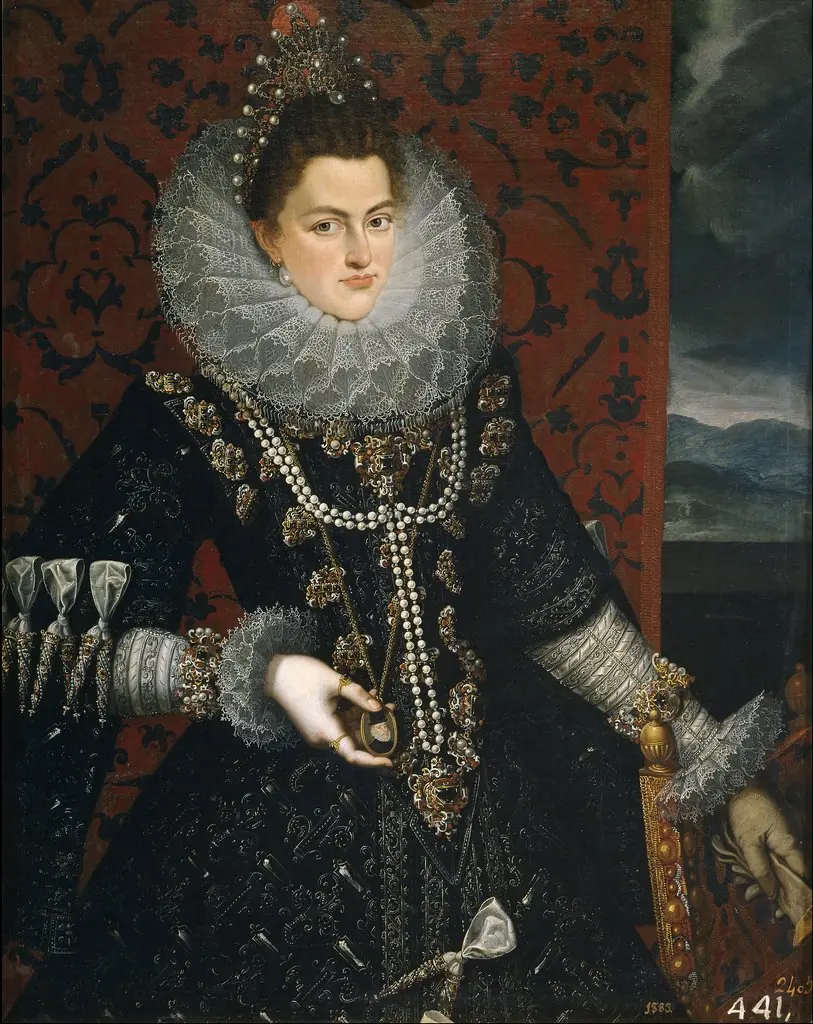
Frans Pourbus the Younger, a Flemish portraitist active at the turn of the 17th century, painted a likeness of Isabella Clara Eugenia in 1600. Executed on a copper support, the work exemplifies the courtly portraiture for which Pourbus was known, and it now belongs to the Rijksmuseum’s collection.
Subject & Meaning
The sitter is Isabella Clara Eugenia, the Spanish Infanta who ruled the Spanish Netherlands jointly with her husband, Archduke Albert VII. Her composed expression, solemn gaze, and regal attire convey the authority and dignity expected of a sovereign consort in the early modern period.
Technique & Style
Rendered on copper, the portrait benefits from the metal’s smooth surface, allowing fine detail in the embroidered black dress, the pearl‑laden collar, and the jeweled hair ornament. Light falls on the figure, creating a subtle chiaroscuro that separates her illuminated face and garments from the dark background.
History & Provenance
Pourbus, who served as court painter to the Archdukes in Brussels, produced this image during his tenure at the Habsburg court. After remaining in private or court collections for centuries, the painting entered the Rijksmuseum, where it is displayed as part of the museum’s Flemish Baroque holdings.
Context
The portrait belongs to the Flemish Baroque tradition, a period marked by heightened realism and elaborate courtly representation. It reflects the political alliance between Spain and the Habsburg Netherlands, and the visual language of power that characterized aristocratic portraiture of the era.
Own this work as a print
Artist & collection
Artist
Frans Pourbus the Younger or Frans Pourbus (II) (Antwerp, 1569 – Paris, 1622) was a Flemish painter, specialised in portrait painting.