Artwork
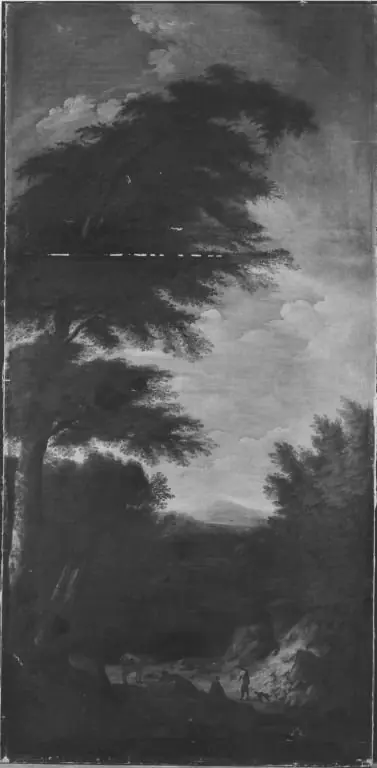
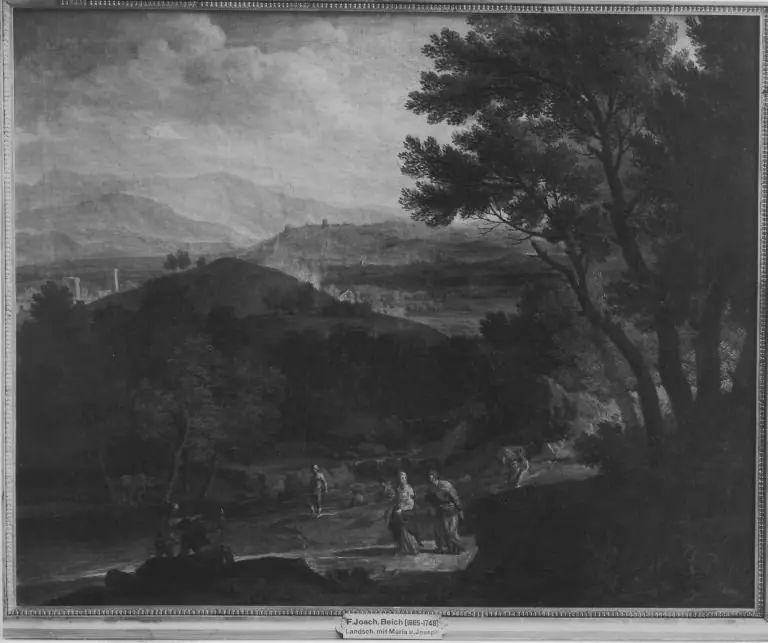
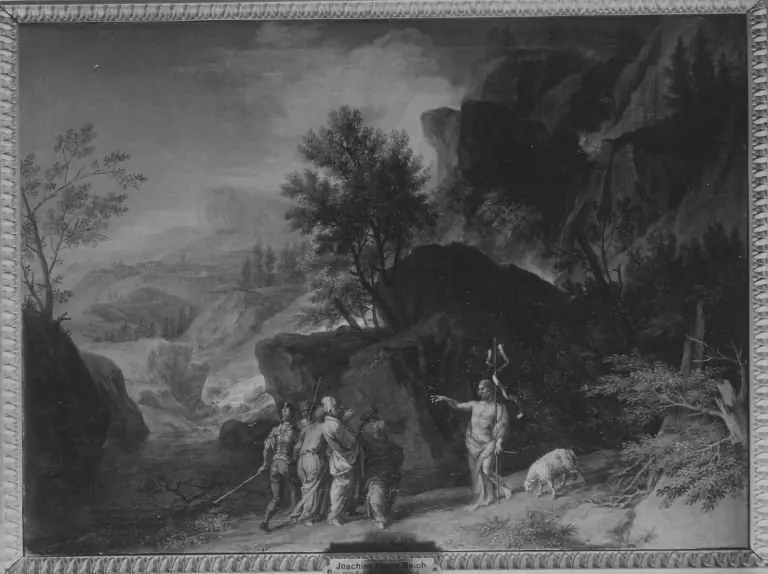
Landschaft mit Christus und Jüngern
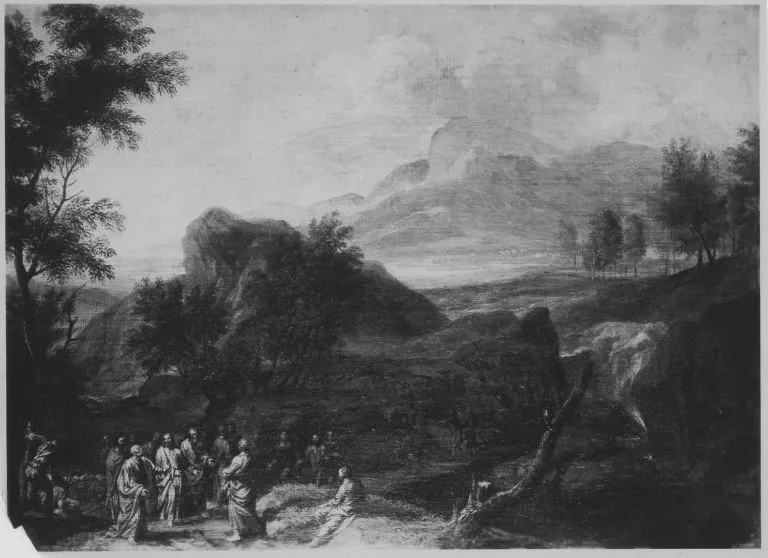
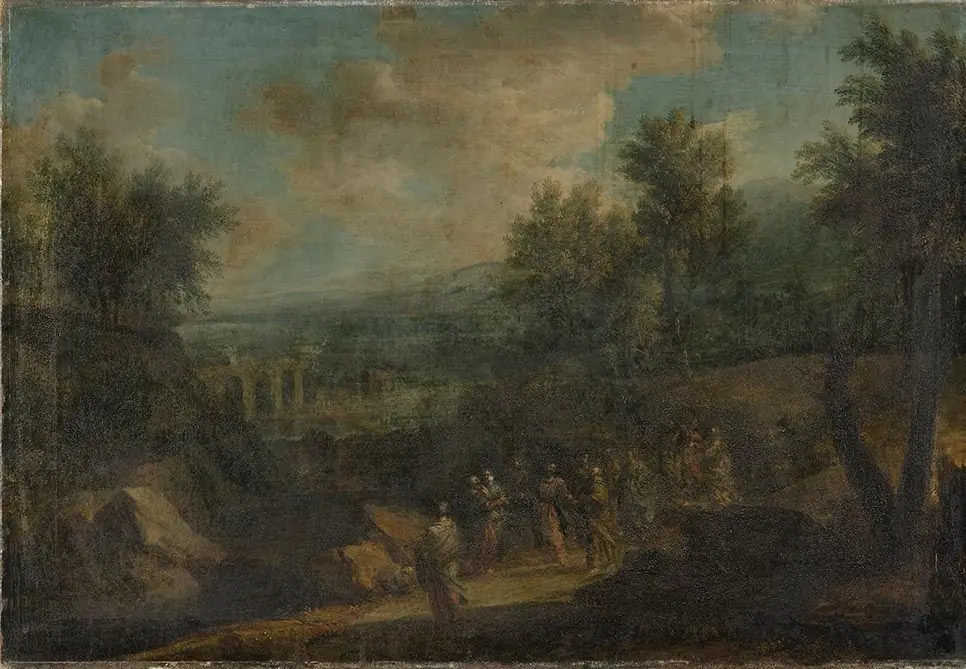
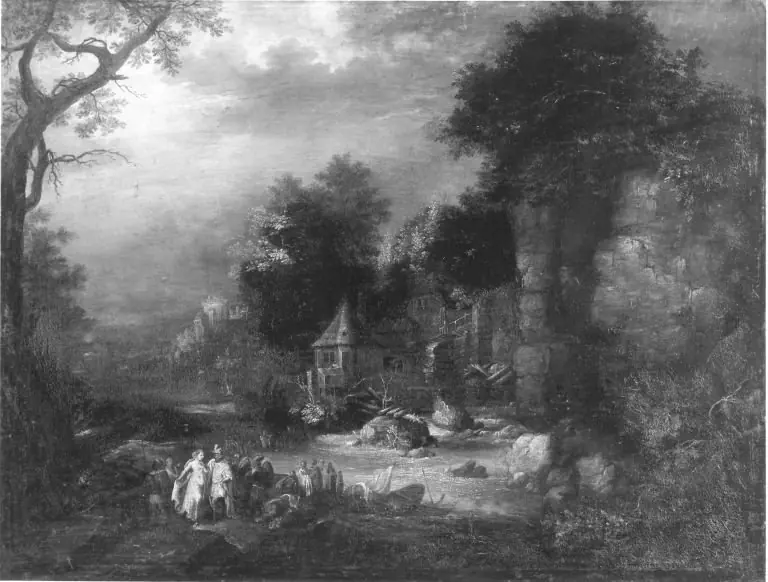
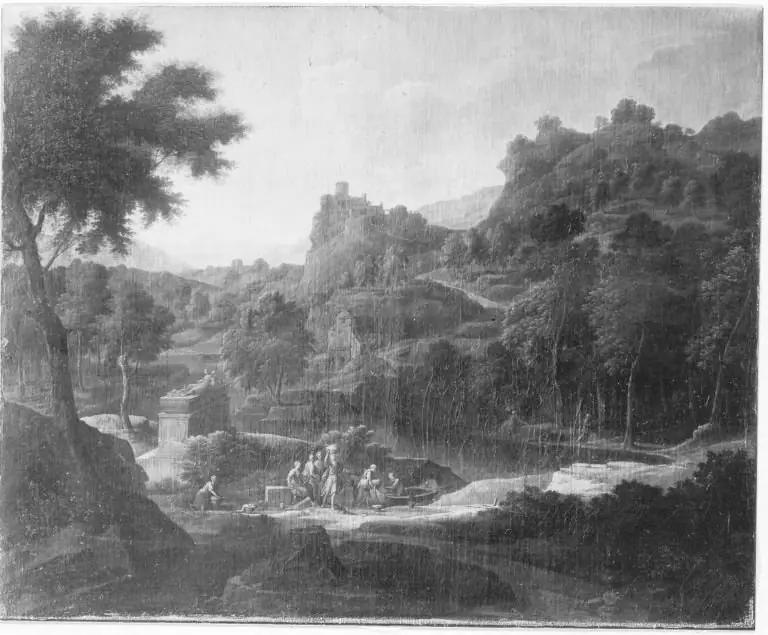
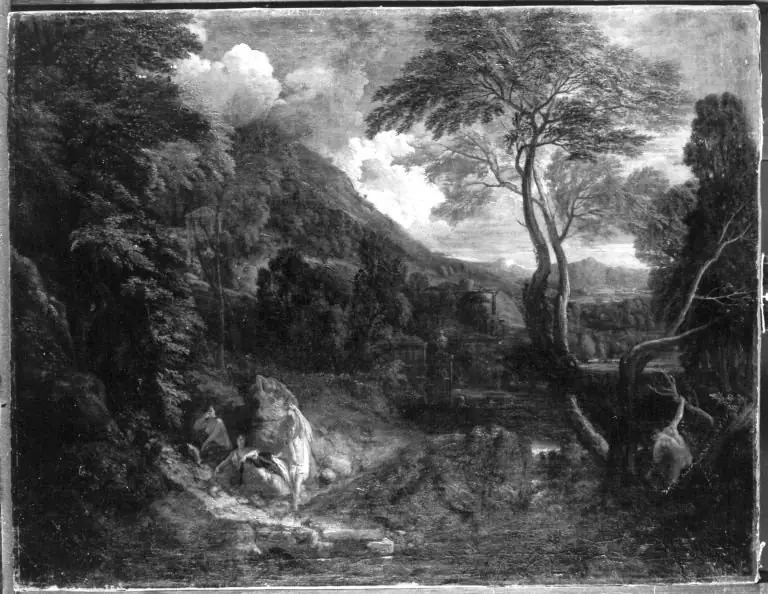
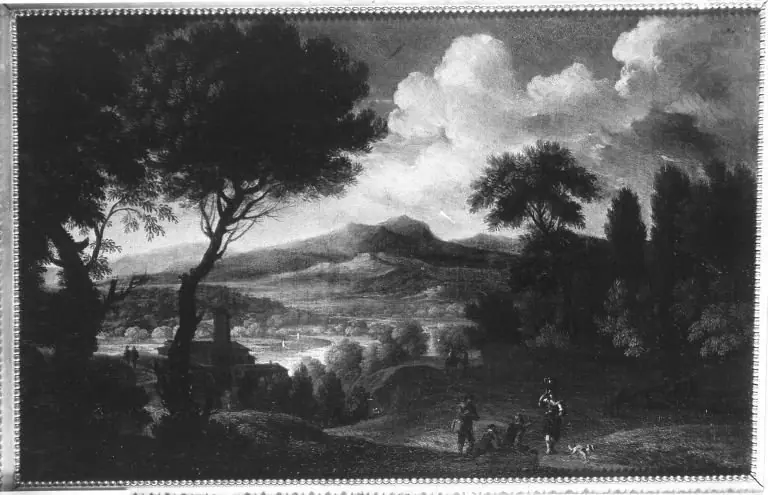
Landschaft mit Christus und Jüngern is an unspecified painting by the Barbizon school artist Franz Joachim Beich. It dates from 1706 and is held in the collection of the Bavarian State Painting Collections.
About this work
Overview
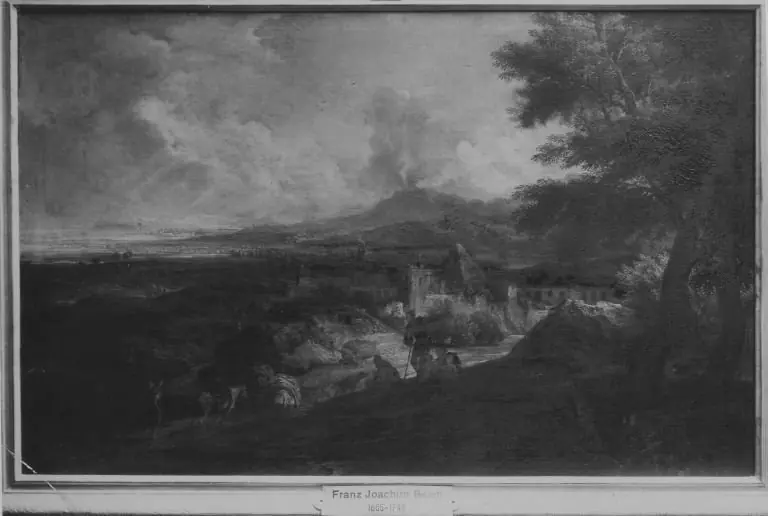
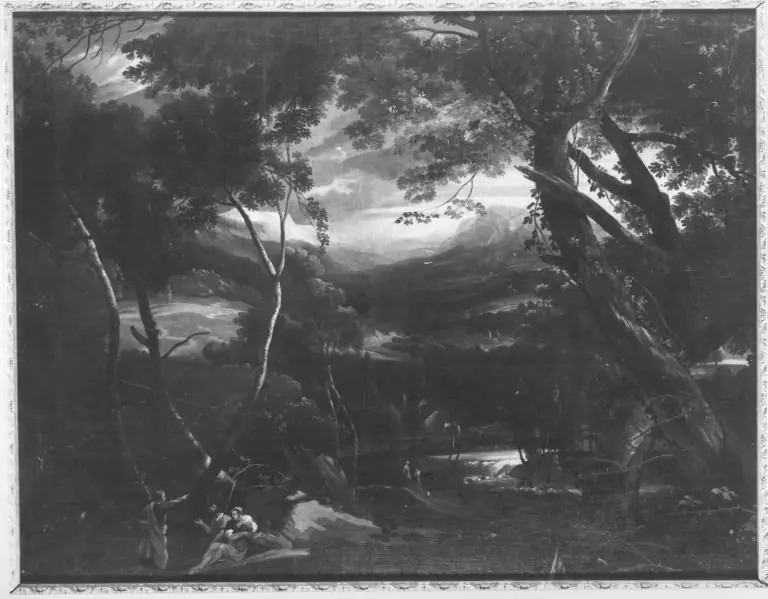
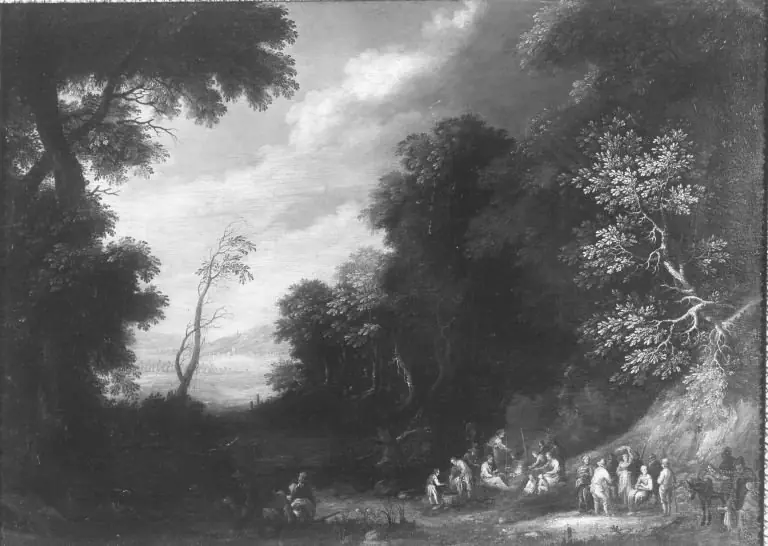
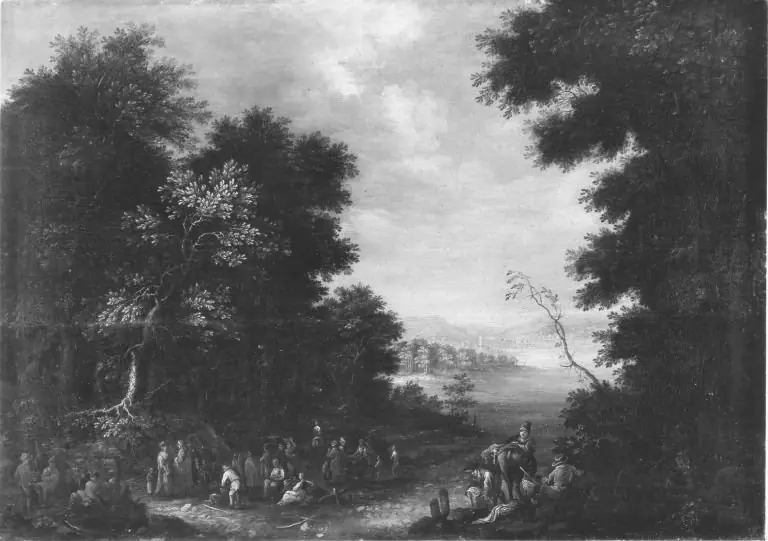
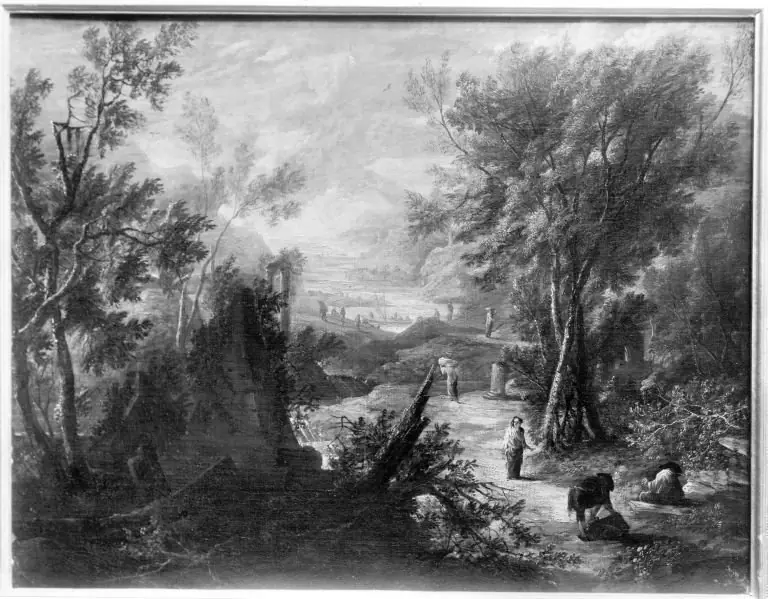
Painted in 1706 by Franz Joachim Beich, this landscape depicts a quiet moment in a natural setting. The work is part of the Alte Pinakothek’s collection in Munich and reflects the artist’s interest in integrating biblical narrative into serene, atmospheric scenery. The composition balances human figures with expansive terrain, emphasizing mood over dramatic action.
Subject & Meaning
The scene portrays Christ and his disciples in a moment of stillness, likely after the Last Supper or during a period of contemplation. One figure lies prone on the ground, while others observe nearby, suggesting grief, exhaustion, or prayer. The setting avoids overt symbolism, instead inviting quiet reflection through the intimacy of the group and the solitude of the landscape.
Technique & Style
Beich employs chiaroscuro to model forms and define spatial depth, particularly in the rocky outcrops and the figures’ drapery. Soft transitions between light and shadow guide the viewer’s eye across the composition. The brushwork is restrained, favoring atmospheric harmony over detailed realism, with the sky and hills rendered in muted tones that enhance the painting’s contemplative tone.
History & Provenance
The painting entered the Alte Pinakothek’s holdings in the early 19th century, likely as part of a broader acquisition of German and Flemish works from private collections. Its attribution to Beich has been consistently supported by stylistic analysis and archival records, though little is known about its immediate provenance prior to its museum acquisition.
Context
In early 18th-century Germany, landscape painting often incorporated religious themes to appeal to devotional sensibilities.
In early 18th-century Germany, landscape painting often incorporated religious themes to appeal to devotional sensibilities. Beich, trained in the Dutch tradition, adapted this approach with a focus on naturalism and emotional restraint. His work reflects a broader trend among Northern European artists who sought to merge sacred narrative with observed nature, avoiding theatricality in favor of quiet resonance.
Legacy
Beich’s painting contributes to a lesser-known branch of Baroque landscape art that prioritized introspection over spectacle. While not widely exhibited outside Germany, it remains a representative example of how religious subjects were subtly integrated into secular landscape traditions. Its preservation in the Alte Pinakothek ensures continued study of this nuanced artistic approach.
Artist & collection