Artwork
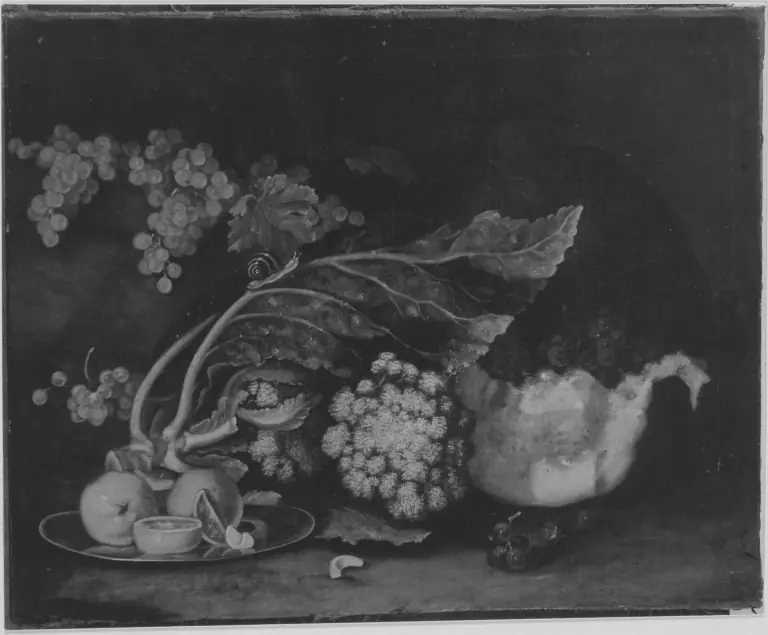
Fruit still-life
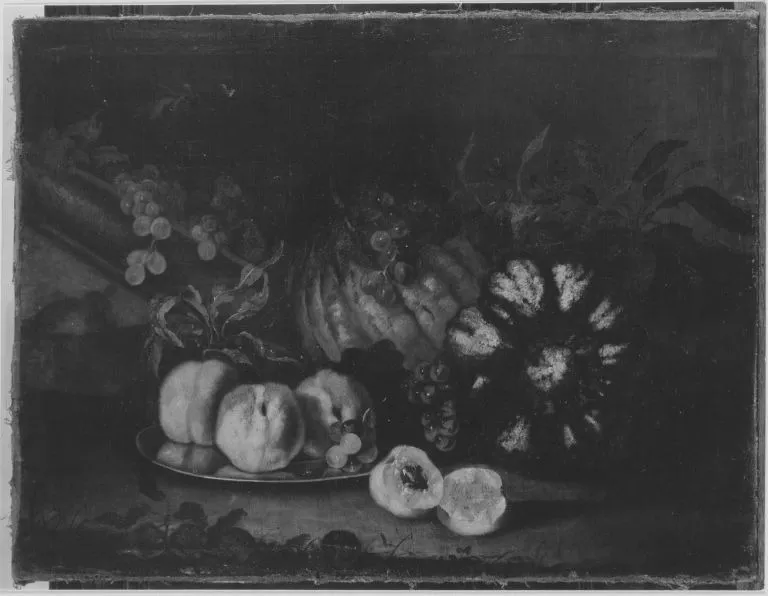
Fruit still-life is an unspecified painting by the Dutch Golden Age artist Franz Werner Tamm. It dates from 1696 and is held in the collection of the Bavarian State Painting Collections.
About this work
Overview
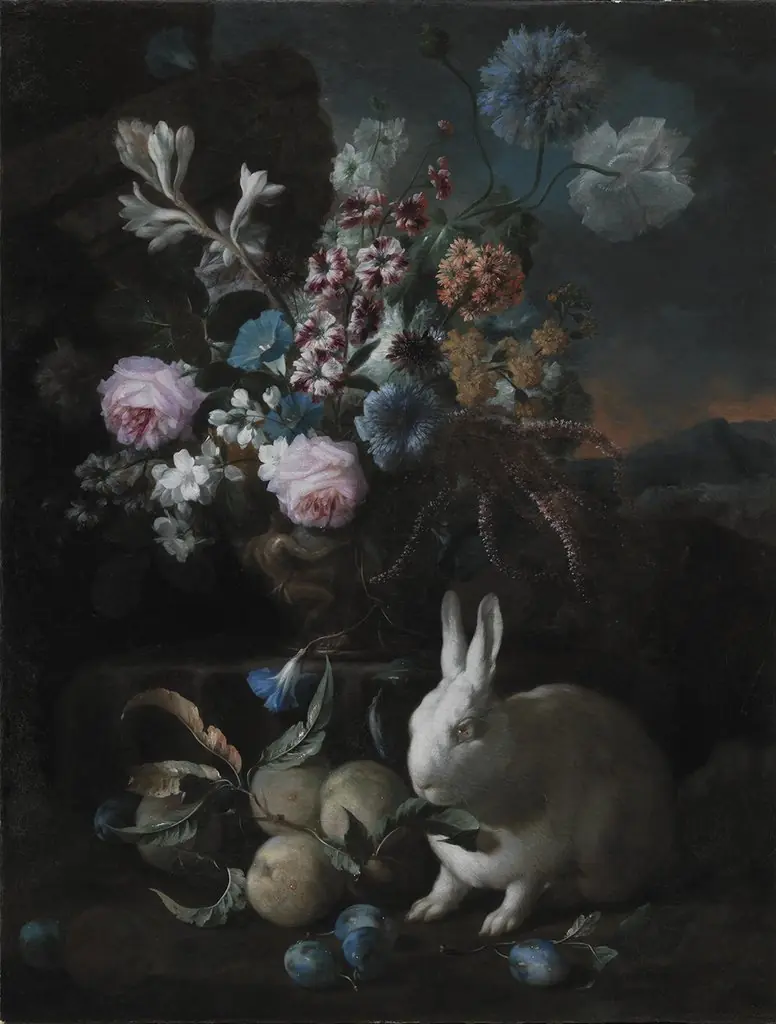
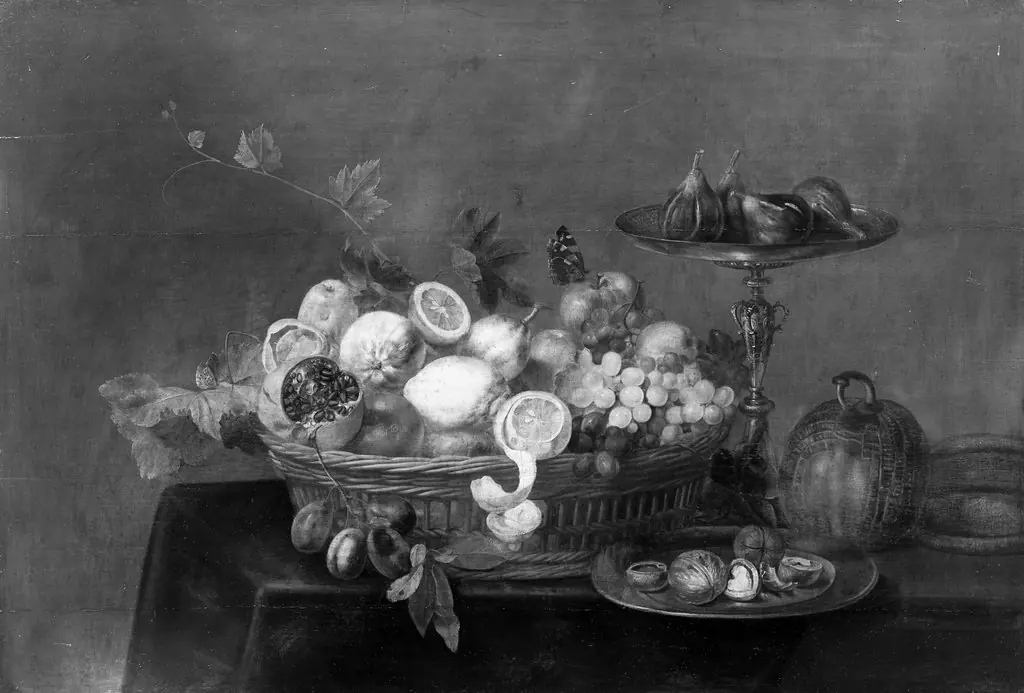
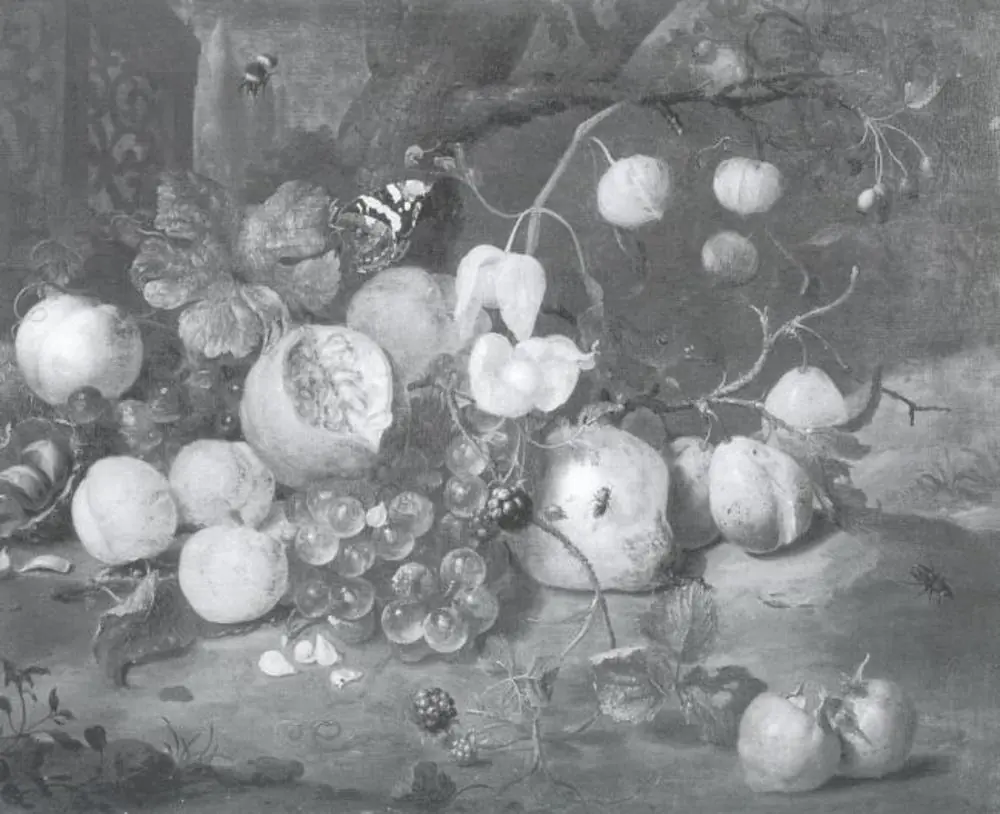
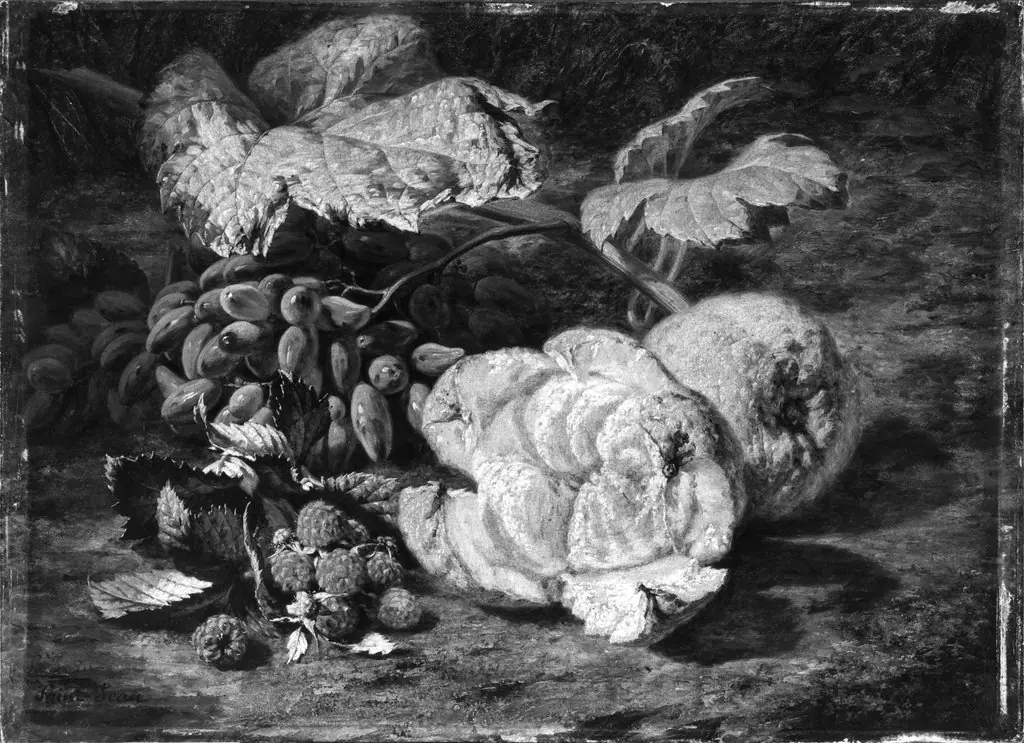
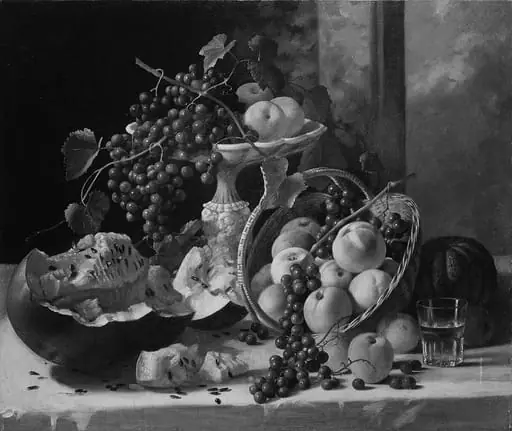
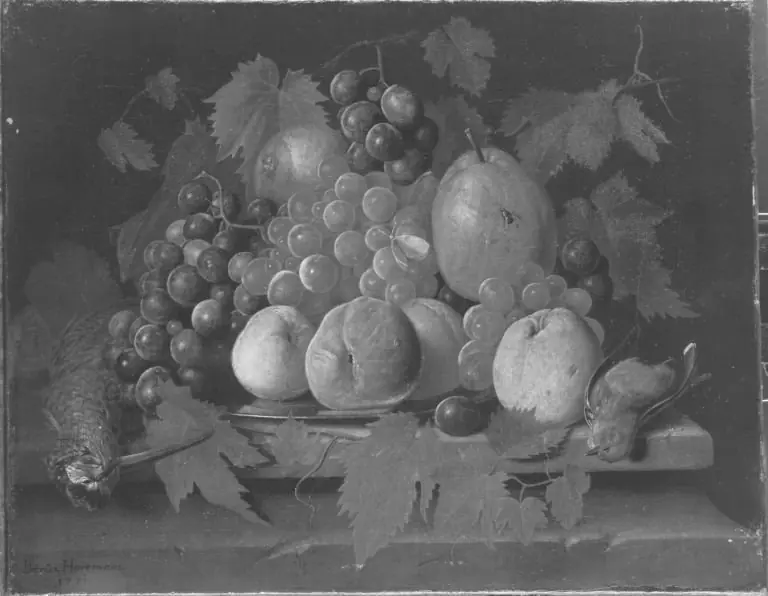
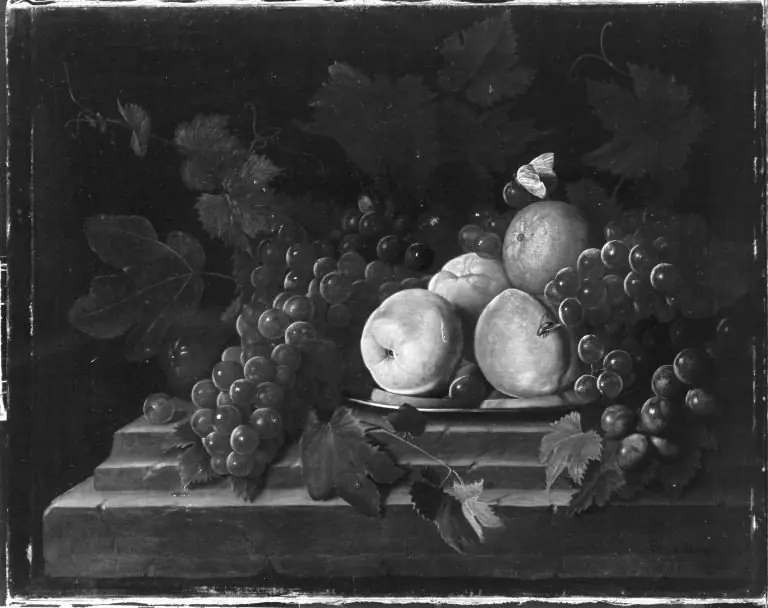
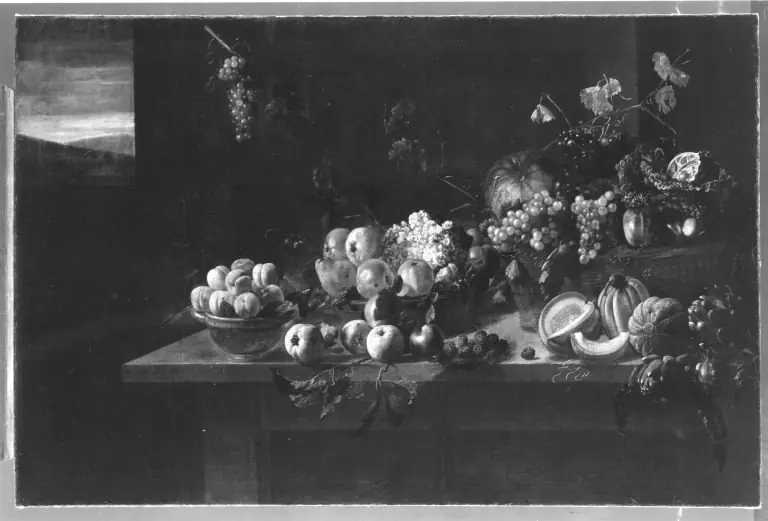
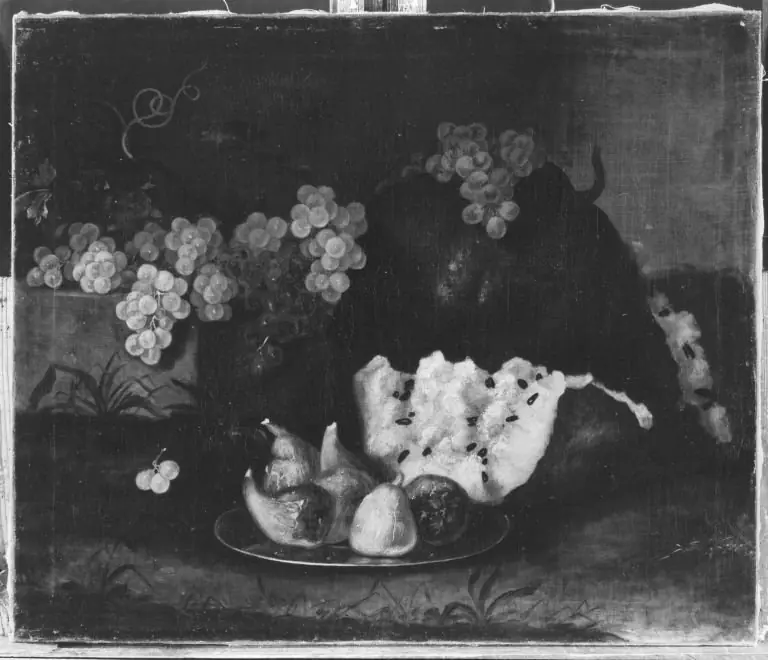
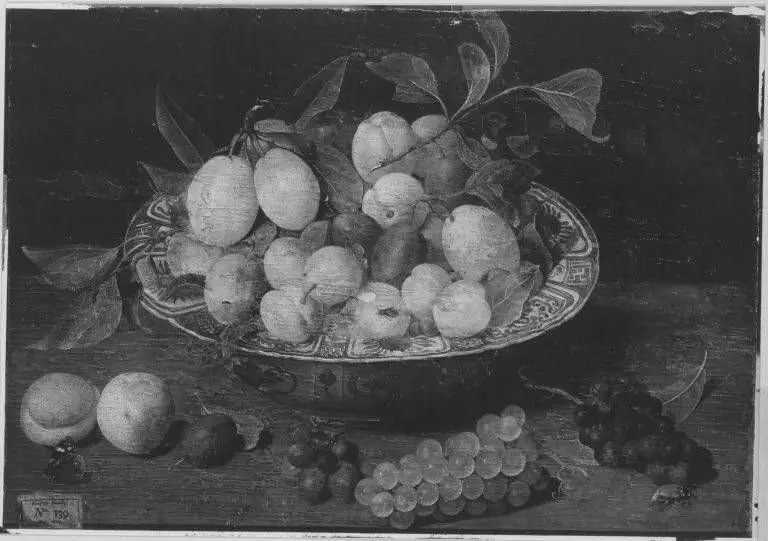
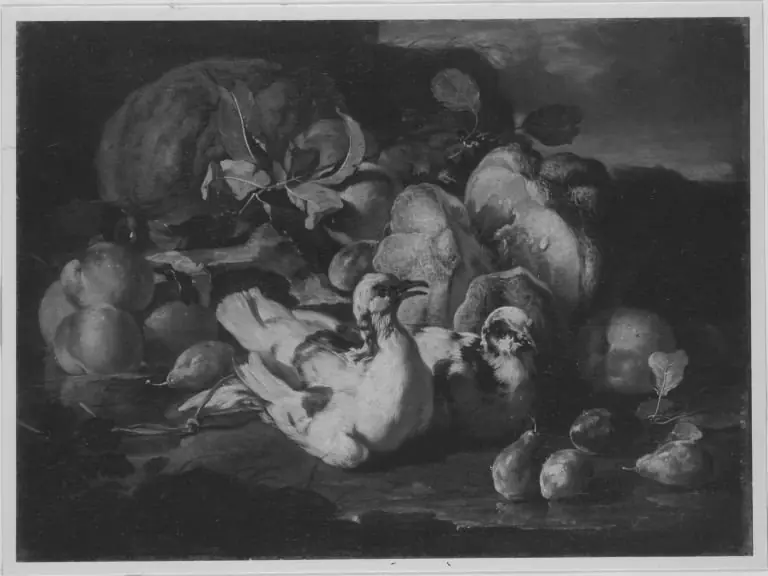
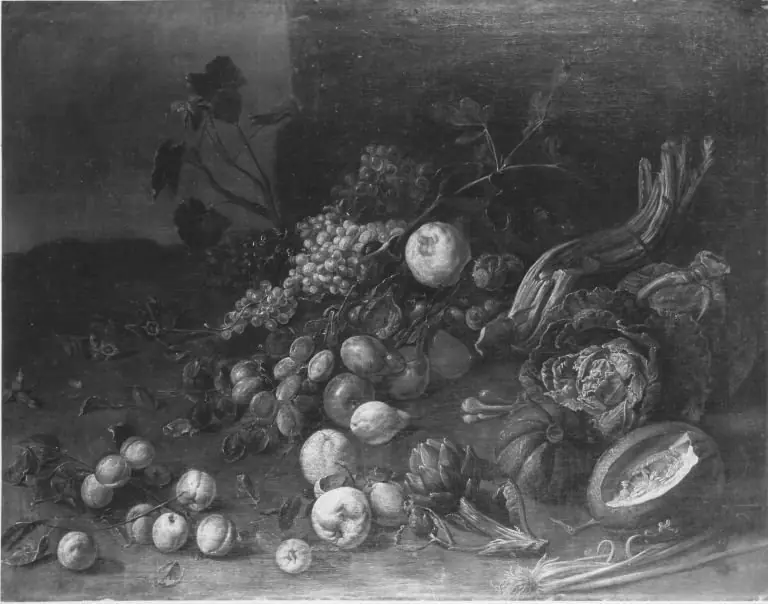
Created in 1696, this oil painting by Franz Werner Tamm presents a carefully composed arrangement of fruit on a plate. The composition is set against a deep, dark background that intensifies the vivid hues of the produce, drawing the viewer’s eye to the varied textures and colors. The work is part of the collection of the Alte Pinakothek in Munich.
Subject & Meaning
The canvas depicts an assortment of ripe fruits, some sliced to expose their interiors, highlighting both external beauty and inner flesh. The juxtaposition of whole and cut pieces suggests a contemplation of abundance and the fleeting nature of freshness, a common theme in still-life traditions that invite reflection on the passage of time.
Technique & Style
Tamm employs a strong chiaroscuro, using the dark backdrop to model the fruit with luminous highlights that convey volume and surface texture. Overlapping forms create a sense of movement, while subtle gradations of light render the skins and flesh with convincing realism. The palette balances saturated reds and yellows against muted greens, emphasizing the tactile quality of the objects.
History & Provenance
The painting has remained in the German museum sphere since its creation, eventually entering the Alte Pinakothek’s holdings, where it is displayed among other Baroque works. Its provenance traces a typical trajectory for Tamm’s oeuvre, reflecting the artist’s reputation for detailed, market‑scene compositions during the late 17th century.
Artist & collection