Artwork
Le Repas du lion
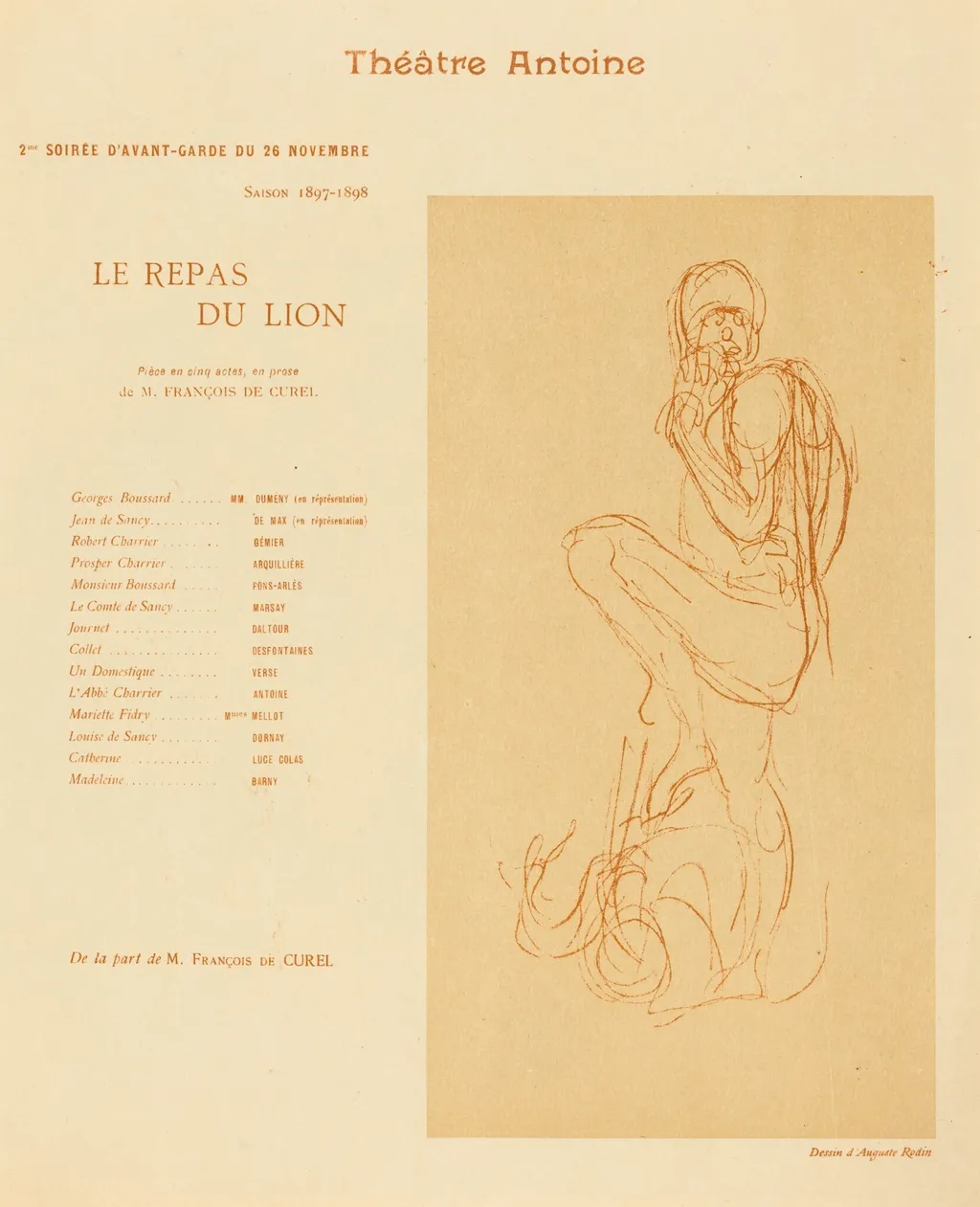
Le Repas du lion is an ink print by the Impressionist artist French 19th Century. It dates from 1897 and is held in the collection of the National Gallery of Art.
About this work
The artist used photolithography, a way to turn photos into printable plates.
This print shows a lion at a dining table with a knife and fork. He sits straight in a chair, eyeing a half-eaten meal. The red ink makes him look more like a costumed man than a wild animal.
The artist used photolithography, a way to turn photos into printable plates. It was new in 1897 and let artists copy images fast. This print is one of the few left from that experiment.
Lithography is the technique to explore next.
Overview
Le Repas du lion is a print created using photolithography, a technique that allowed for the mass production of images from photographs. It is executed in red ink on wove paper.
Subject & Meaning
The print depicts a lion seated at a dining table, using utensils to eat a meal. The red coloration gives the lion a somewhat anthropomorphic appearance, blurring the line between animal and human.
Technique & Style
The artist employed photolithography, a relatively new process in 1897, to produce this work. This technique enabled the rapid reproduction of images, and Le Repas du lion is one of the surviving examples from this experimental period.
Artist & collection

Artist
This sculptor liked to keep sharp tools in the studio and blunt ones in his pocket—his niece recalled finding him absentmindedly whittling a stick while talking philosophy.

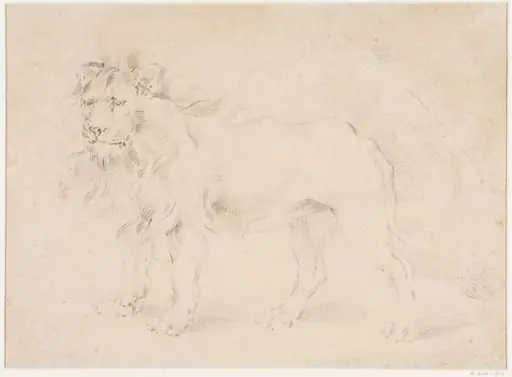 Study of a lion
 Holy Family? with Angels l.1: The March of the Intellect
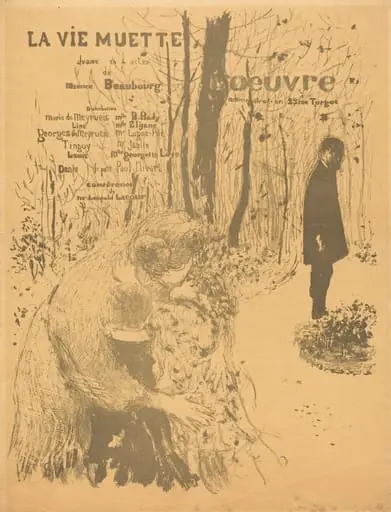 La Vie muette
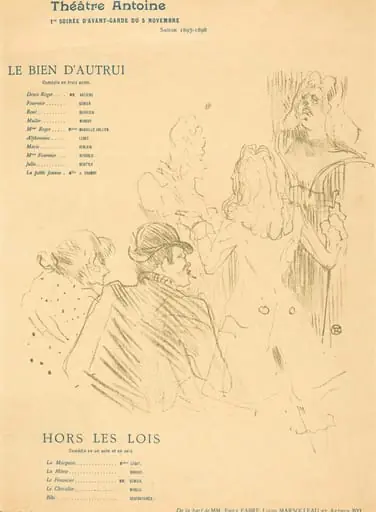 Le Bien d'autrui; Hors Les Lois
![Dancing Nude and Advertisement for Eugène Verneau's "Estampes décoratives" [verso], by Louis Anquetin](https://artifactworldgallery.com/img/louis-anquetin--dancing-nude-and-advertisement-for-eugene-verneau-s-estampes--204685aaf2d4110c-w320.webp) Dancing Nude and Advertisement for Eugène Verneau's "Estampes décoratives" [verso]
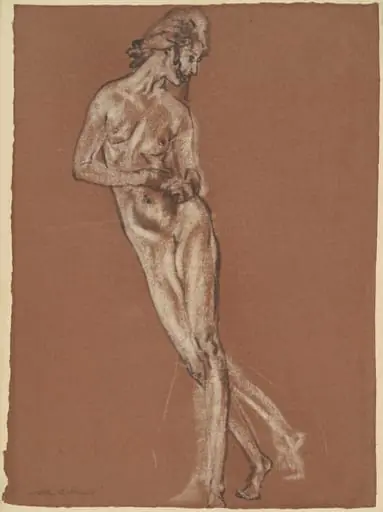
Dancing Nude and Advertisement for Eugène Verneau's "Estampes décoratives" [verso]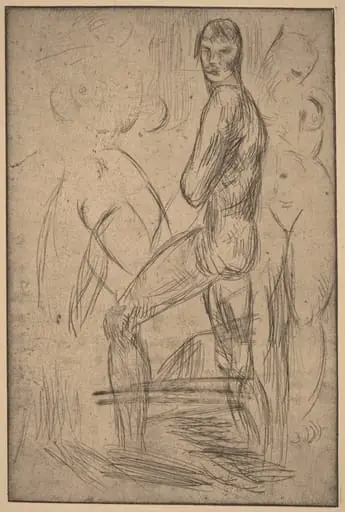 Standing Male Nude and Two Female Nudes
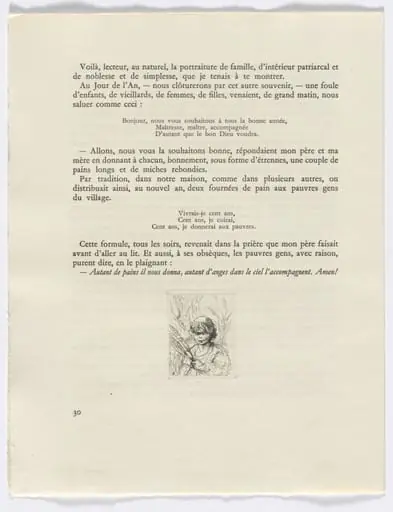 Frédéric Mistral: Mémoires et Recits by Frédéric Mistral: bust of a child (page 30)
![Dancing Nude and Advertisement for Eugène Verneau's "Estampes décoratives" [verso], by Louis Anquetin](https://artifactworldgallery.com/img/louis-anquetin--dancing-nude-and-advertisement-for-eugene-verneau-s-estampes--bdc50cd2c4746c6c-w320.webp) Dancing Nude and Advertisement for Eugène Verneau's "Estampes décoratives" [verso]
Dancing Nude and Advertisement for Eugène Verneau's "Estampes décoratives" [verso]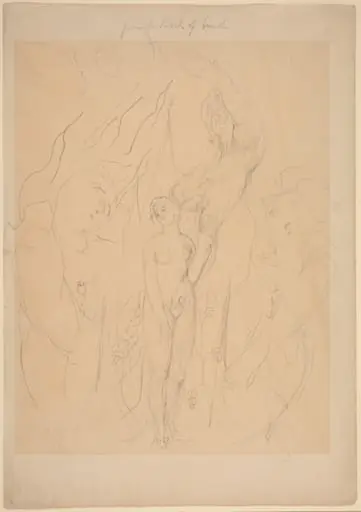 An Angel Teaching a Daughter of Men the Secrets of Sin
 Study for "Stars and Dews and Dreams of Night"