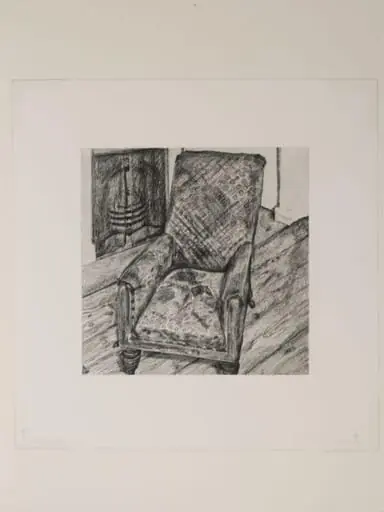
Artwork
Naked Portrait Standing
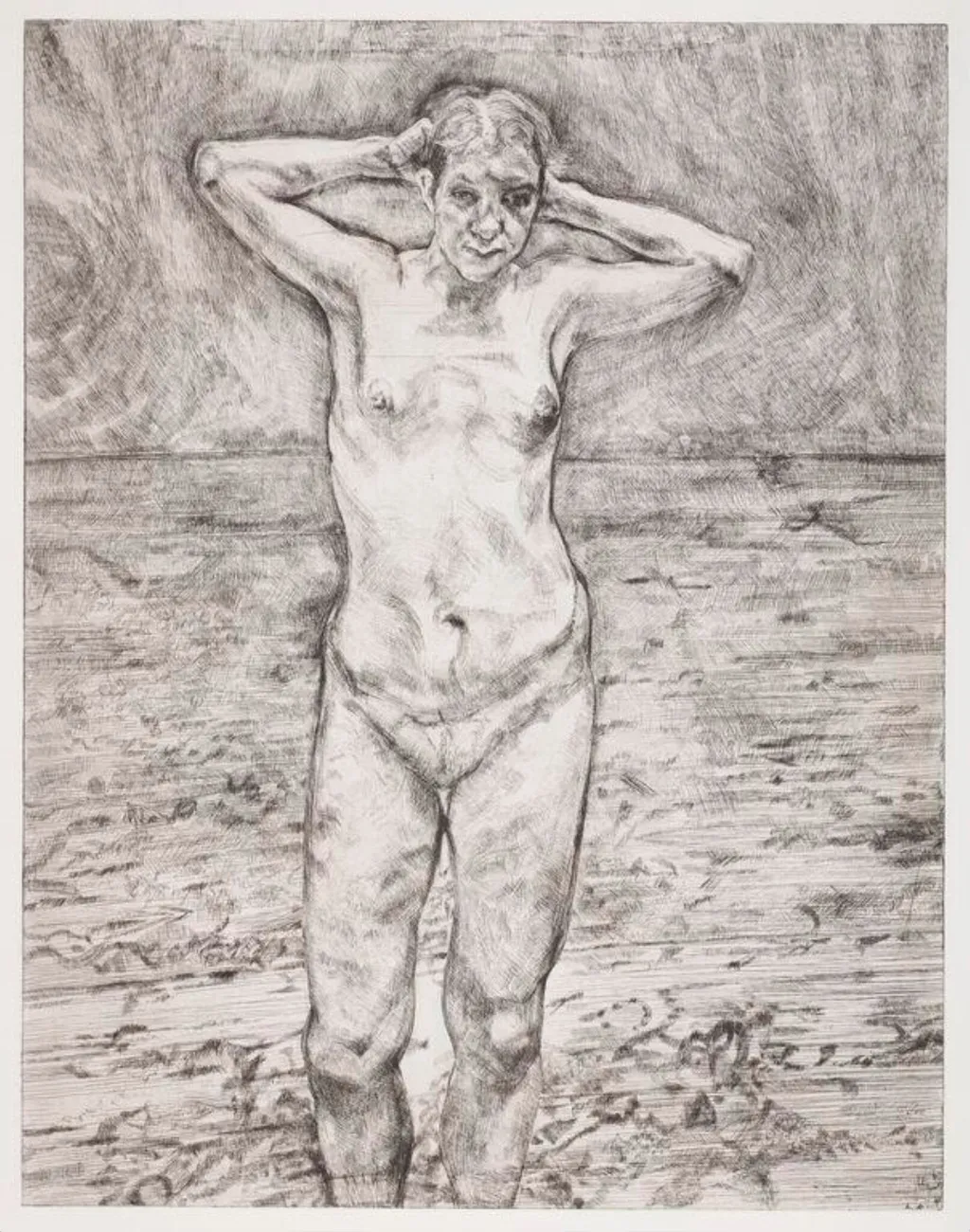
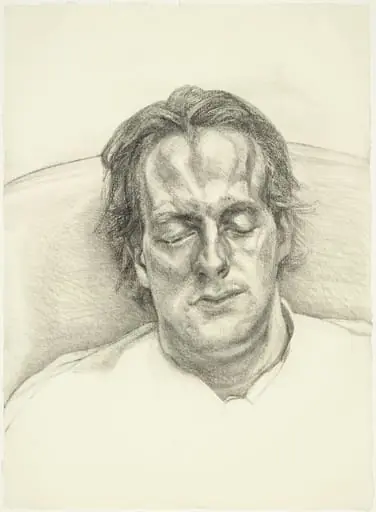
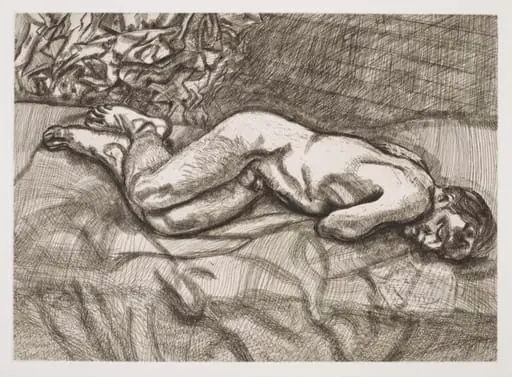
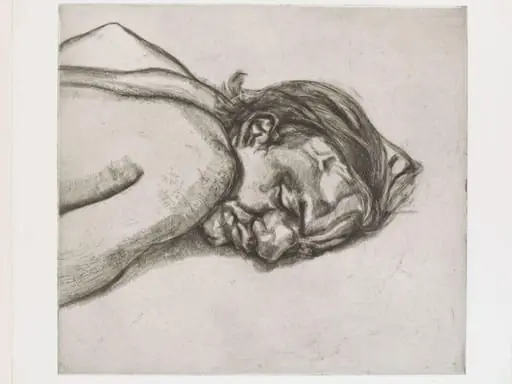
Naked Portrait Standing is a print by Lucian Freud. It dates from 2001 and is held in the collection of the Victoria and Albert Museum.
About this work
Only two prints like this exist because Freud changed his mind after seeing a test version.
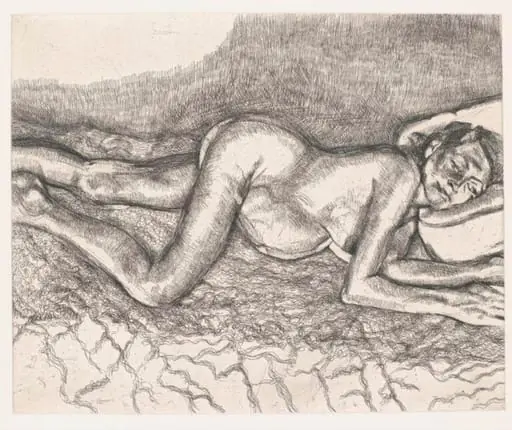
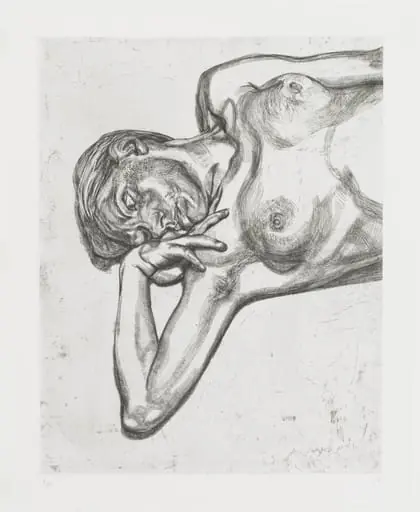
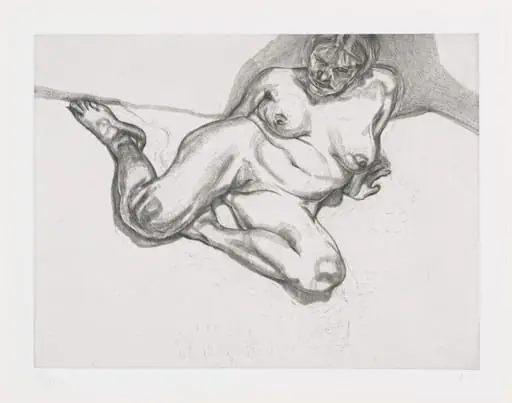
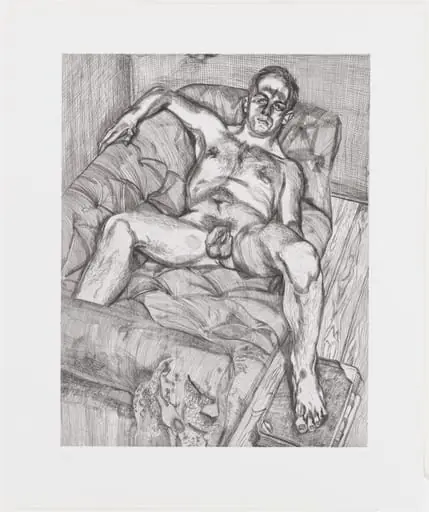
Lucian Freud made this etching called *Naked Portrait Standing* in 2001. It’s a print, not a painting, and shows a single standing figure. The artist worked closely with his printer Marc Balakjian on the etching process.
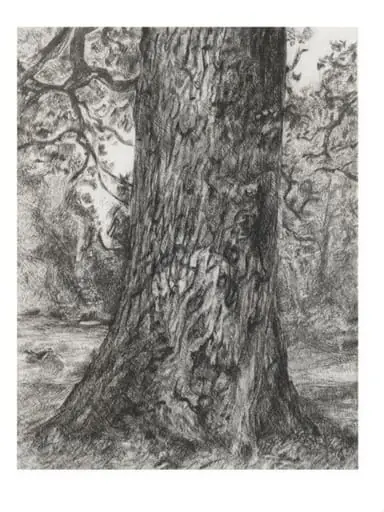
Freud used his favorite model, Nicola-Rose O’Hara, for this piece. He also linked the pose to an old tree drawing by Constable. Only two prints like this exist because Freud changed his mind after seeing a test version.
Check out Freud’s paintings next at the Victoria and Albert Museum.
Overview
This etching, created in 2001, is one of two known impressions from an abandoned print project by Lucian Freud. Produced in collaboration with his long-time printer Marc Balakjian, it was never officially released. The plate was later reworked for another etching, and the sole surviving impression was physically divided into three fragments, reflecting Freud’s decisive rejection of the work.
Subject & Meaning
The figure is Nicola-Rose O’Hara, a frequent model for Freud, depicted standing in a direct, unadorned posture. The composition draws a conceptual link to John Constable’s Study of the Trunk of an Elm Tree, not in detail but in the weight and presence of the form. Freud sought to translate the organic solidity of the tree into the human body, emphasizing mass over narrative or idealization.
Technique & Style
Executed as an etching, the work reflects Freud’s meticulous, labor-intensive approach to printmaking. The lines are dense and textured, characteristic of his method of building form through incremental incisions. The image’s rawness and lack of finish suggest an ongoing struggle with representation, as Freud pursued a physical truth rather than a polished surface.
History & Provenance
The print originated in the collection of Marc Balakjian, Freud’s primary printer from 1985 until the artist’s death. After Freud deemed the figure’s rendering unsatisfactory upon reviewing a proof, he halted production. One impression was cut into three parts; the copper plate was smoothed and reused for his etching of Eli, erasing the original image from circulation.
Context
This work emerged during a period when Freud was deeply engaged with the physicality of the human form in both painting and print. His interest in Constable’s natural studies reflects a broader engagement with British landscape traditions as a means to ground the body in tangible, enduring presence—moving beyond portraiture toward a more elemental depiction of existence.
Legacy
The print’s rarity and destruction underscore Freud’s uncompromising standards. Its survival in fragments serves as a testament to his process: revision, rejection, and transformation were integral to his practice. The work remains a quiet but significant marker of his willingness to discard even closely worked images when they failed to meet his criteria.
Artist & collection
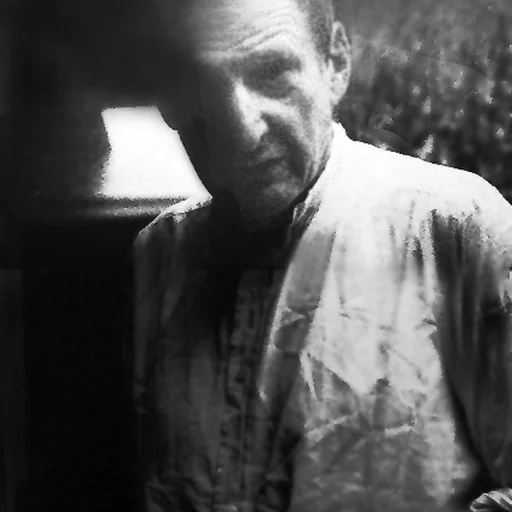
Artist
Lucian Michael Freud (; 8 December 1922 – 20 July 2011) was a British painter and draughtsman, specialising in figurative art, who is known as one of the foremost 20th-century English portraitists.