Artwork
Eric O. W. Ehrströmin muotokuva
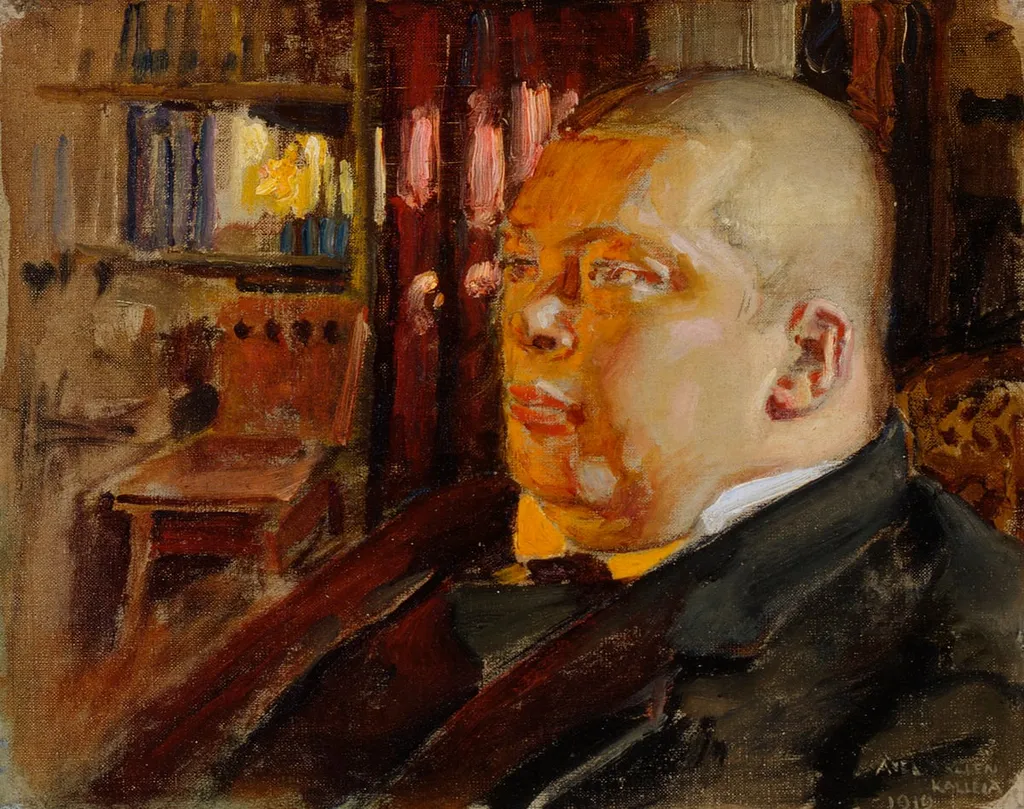
Eric O. W. Ehrströmin muotokuva is an unspecified painting by Akseli Gallen-Kallela. It is held in the collection of the Finnish National Gallery. A portrait of Eric O.
About this work
Overview
The composition emphasizes his bald head and dark coat against a softly blurred interior setting.
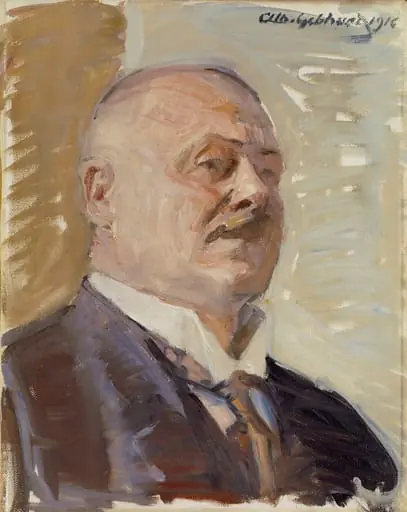
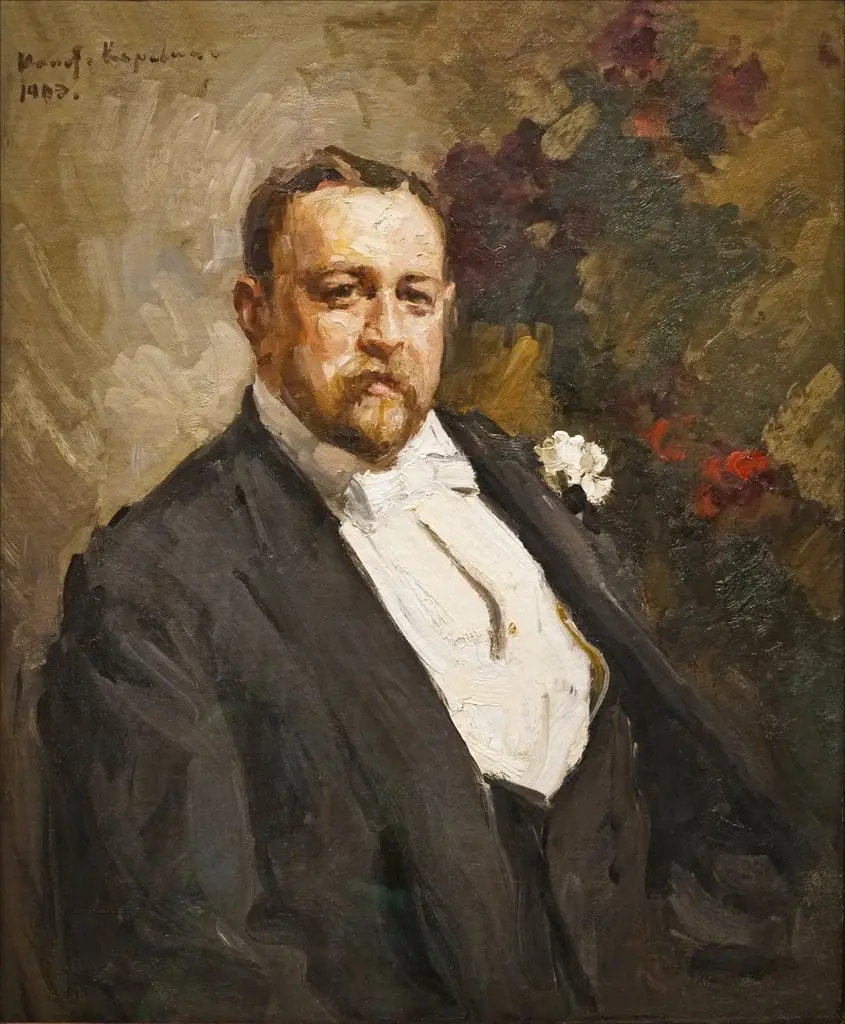
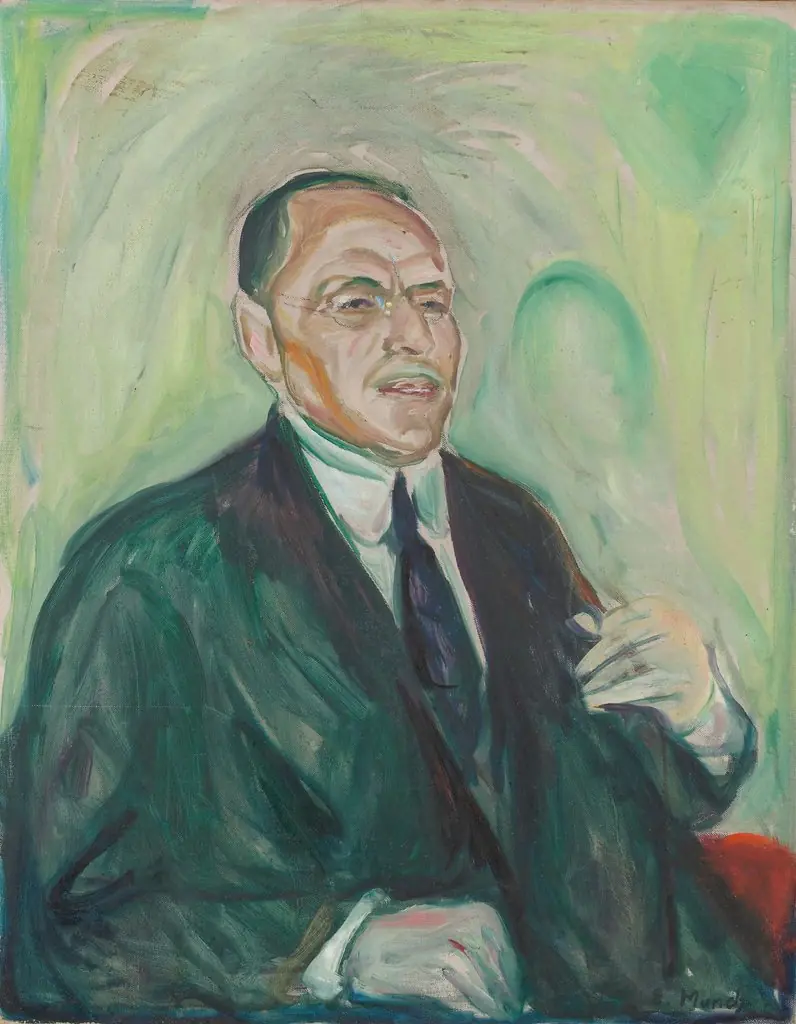
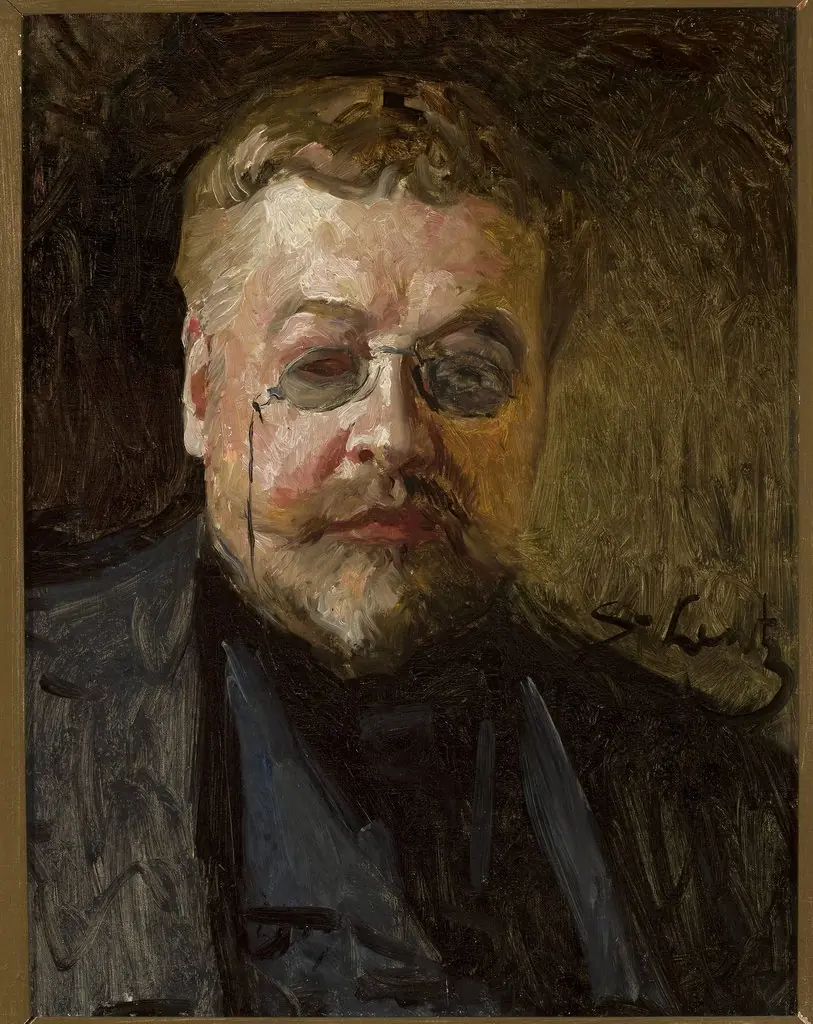
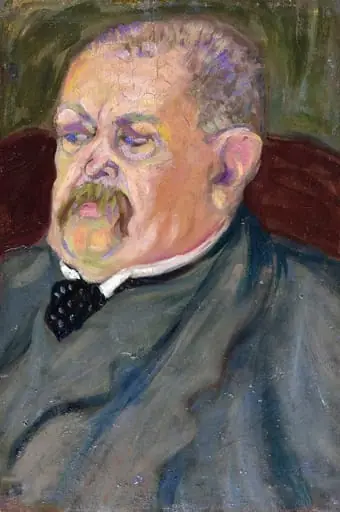
A portrait of Eric O. W. Ehrström, painted in oil, captures the subject in a three-quarter profile. The composition emphasizes his bald head and dark coat against a softly blurred interior setting. Light falls from the side, casting warm highlights on his forehead and cheek, while the background suggests a dimly lit room with faint indications of shelves and a window. The painting’s focus remains firmly on the figure’s presence and expression.
Subject & Meaning
The subject, Eric O. W. Ehrström, is rendered with quiet dignity. His calm yet serious demeanor, marked by a subtle frown, conveys introspection rather than emotion. The absence of overt symbolism or narrative context invites contemplation of character rather than status. The portrait feels intimate, as if capturing a moment of stillness amid daily life, emphasizing inner presence over external identity.
Technique & Style
Thick, deliberate brushstrokes create a tactile surface, particularly on the face, using impasto to build form through texture rather than fine detail. The warm, luminous tones on the skin contrast with the muted, indistinct background, drawing attention to the subject’s features. The technique prioritizes physical presence and light interaction over precision, aligning with late 19th-century tendencies toward expressive brushwork.
History & Provenance
The portrait was painted by a Finnish artist active in the late 1800s, likely as a private commission. It remained within the Ehrström family until the early 20th century, after which it entered a regional Finnish collection. Documentation is limited, but its stylistic traits and subject suggest it was created during a period when portraiture in Finland was shifting toward more personal, less formal representations.
Context
Created during a time when Nordic artists were moving away from academic rigidity, the portrait reflects broader trends toward psychological depth and painterly freedom. While not part of a major movement, it shares affinities with Scandinavian realist portraiture that valued emotional nuance and material presence. The dim interior setting and subdued palette reflect domestic intimacy common in private commissions of the era.
Legacy
The portrait remains a modest but significant example of Finnish portraiture from the late 19th century. It is not widely reproduced or studied, but it contributes to understanding how individual identity was conveyed through texture and light in a period transitioning between tradition and modernity. Its preservation in a public collection ensures its continued role as a quiet record of personal presence in art.
Artist & collection
Artist
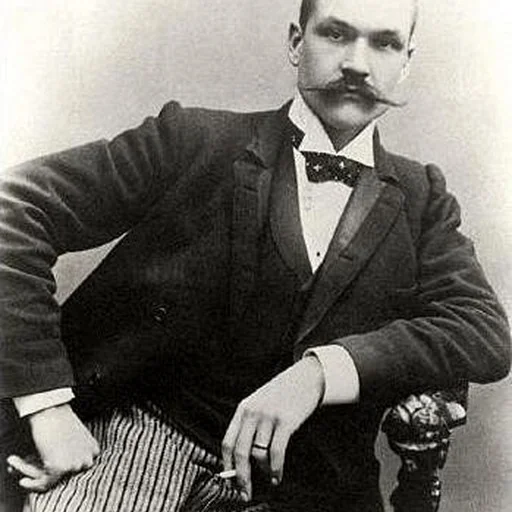
Akseli Gallen-Kallela (born Axel Waldemar Gallén; 26 April 1865 – 7 March 1931) was a Finnish painter and a leading figure of Finnish romantic nationalism around the turn of the 20th century.