Artwork
The descent from the cross
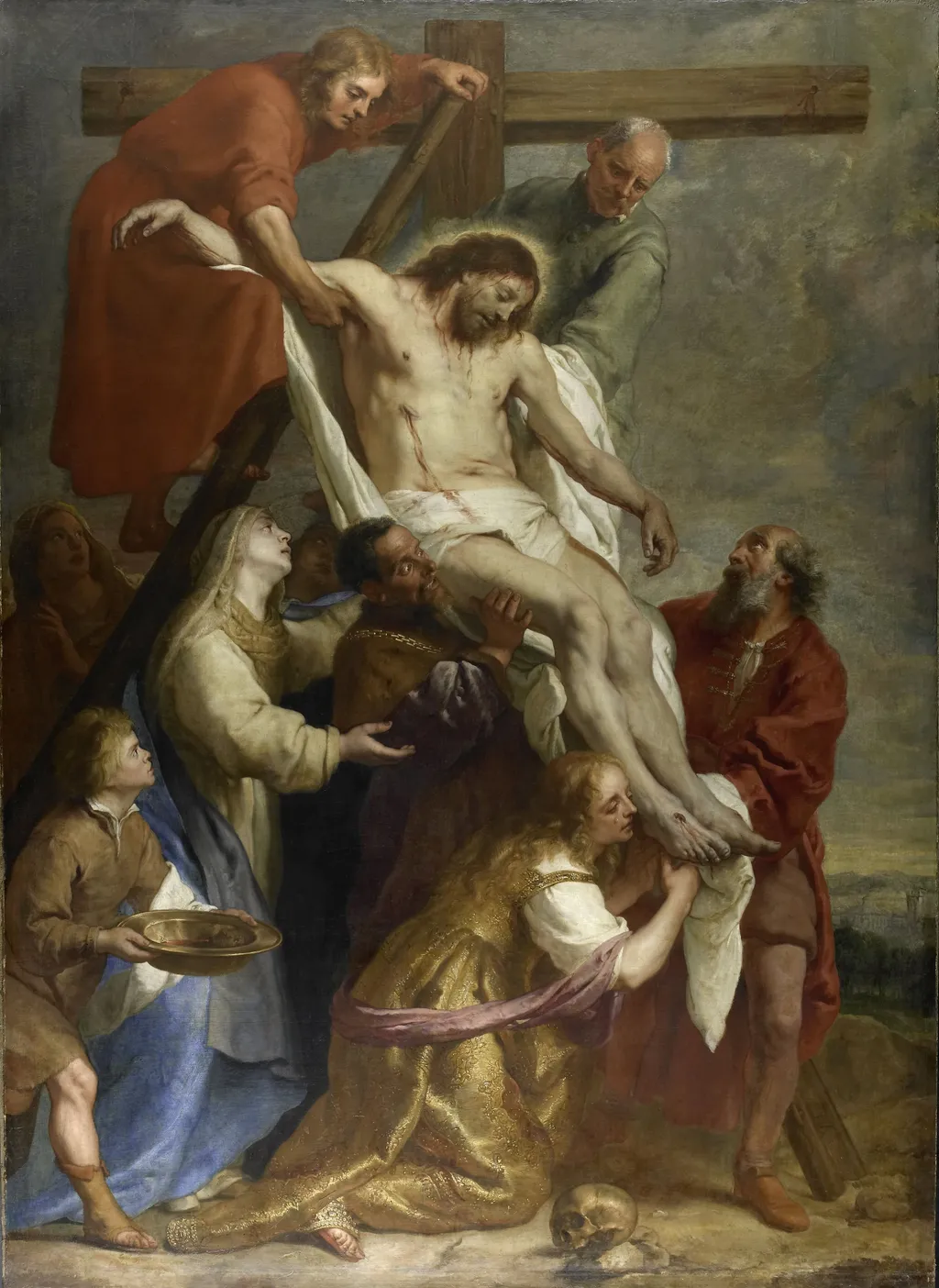
The descent from the cross is an oil painting by the Flemish Baroque painting artist Gaspar de Crayer. It dates from 1650 and is held in the collection of the Rijksmuseum.
About this work
Overview
Created around 1650, this oil painting by the Flemish artist Gaspar de Crayer portrays the biblical episode of Christ being taken down from the cross. Executed in the Baroque period, the work is part of the Rijksmuseum’s collection and exemplifies the devotional imagery typical of Counter‑Reformation art.
Subject & Meaning
The composition centers on a lifeless, pale figure of Jesus being lowered from a wooden cross by a group of mourners. He is partially covered with a white shroud, his wounds exposed, while surrounding figures—male helpers, a woman holding a dish, and a child—convey the sorrow and reverence of the moment.
Technique & Style
De Crayer employs a pronounced chiaroscuro, allowing a focused beam of light to illuminate Christ’s body and the faces of the attendants against a dark, unadorned backdrop. The stark contrast deepens the emotional intensity and directs the viewer’s gaze to the central act of descent.
History & Provenance
A native of the Southern Netherlands, de Crayer served as court painter to the region’s governors and was instrumental in disseminating the stylistic influence of Peter Rubens throughout Flanders. The painting, originally intended for a religious setting, entered the Rijksmuseum’s holdings in the 20th century, where it remains on display.
Own this work as a print
Artist & collection
Artist
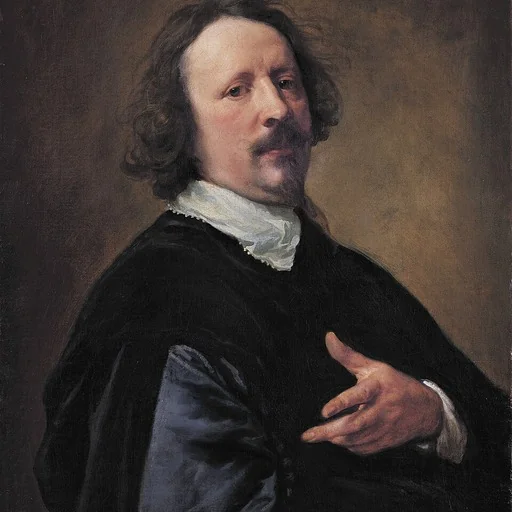
Gaspar de Crayer or Jasper de Crayer (18 November 1584 – 27 January 1669) was a Flemish painter known for his many Counter-Reformation altarpieces and portraits.

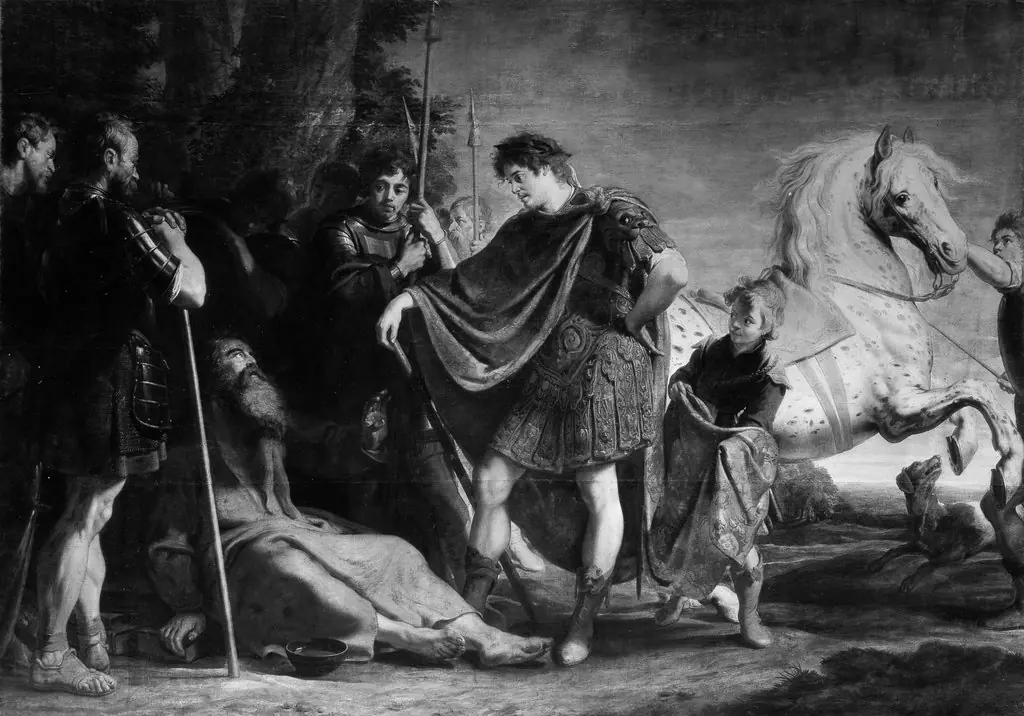 The Meeting of Alexander the Great and Diogenes
 Philip IV (1605–1665) in Parade Armor
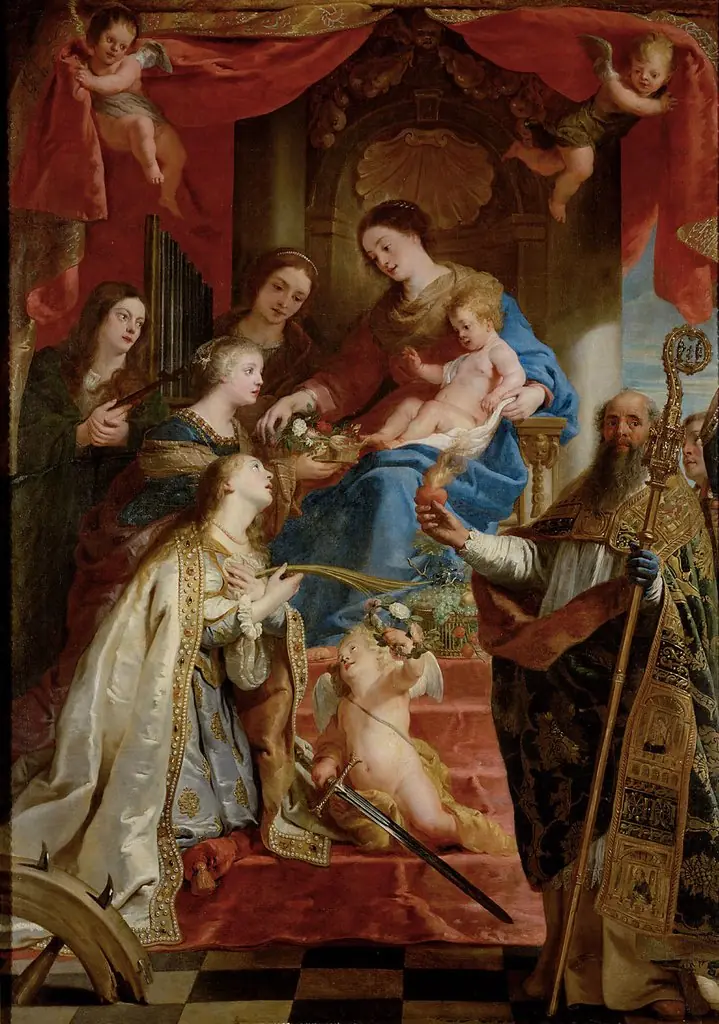 Virgin with child and saints Maria Magdalen, Cecilia, Dorothea, Catharina and Augustine
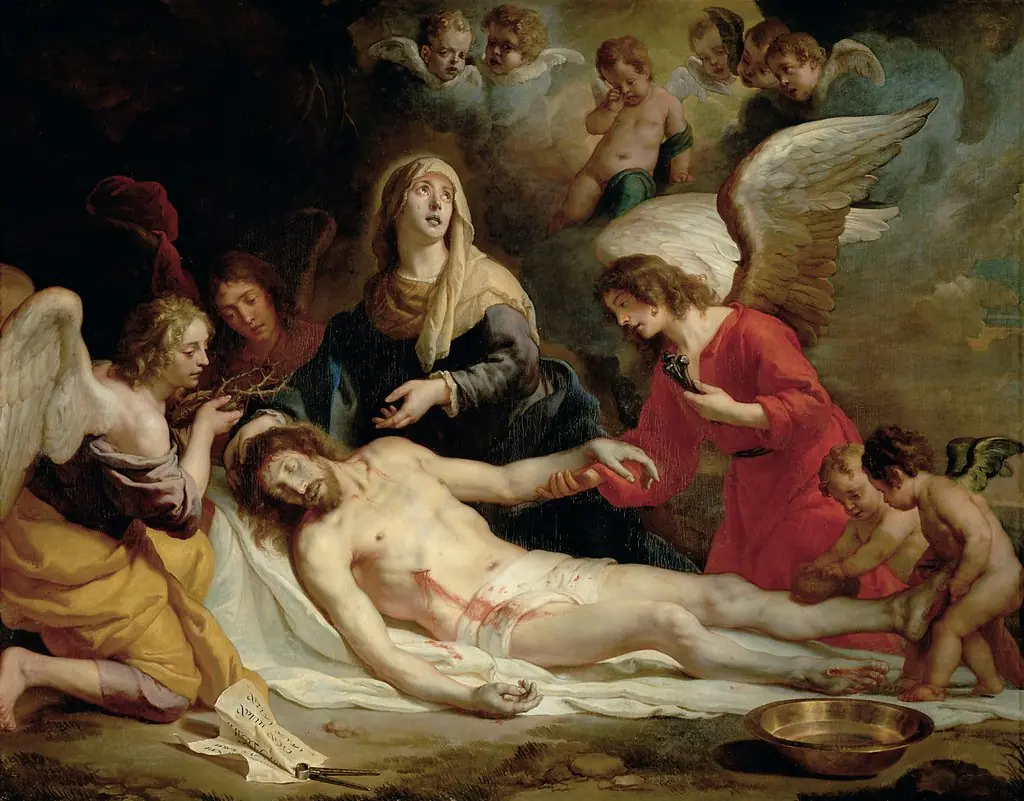 Lamentation
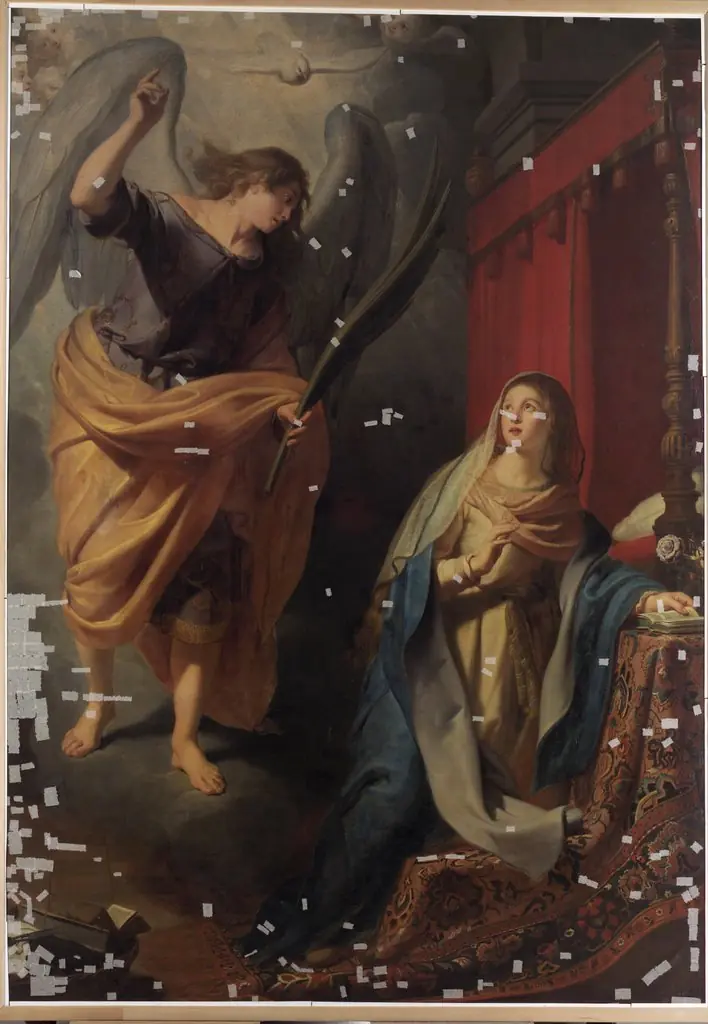 The Annunciation
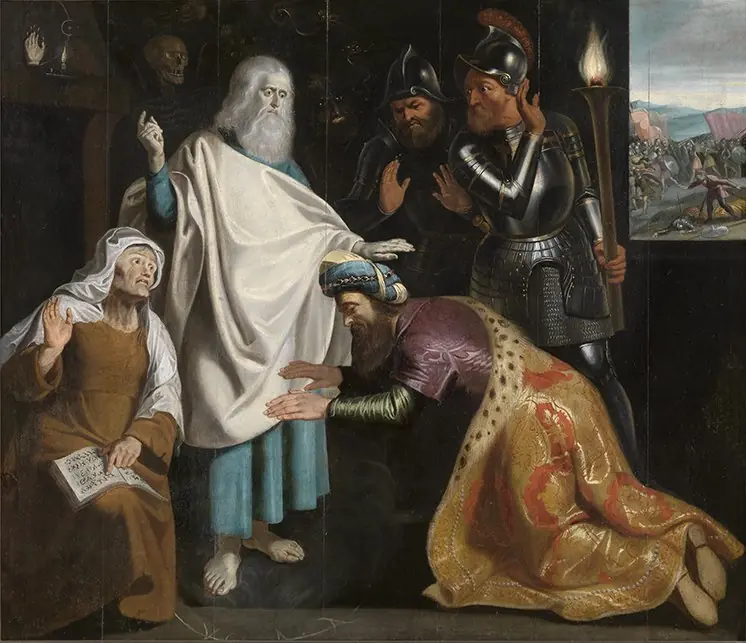 The ghost of Samuel appears to the witch of Endor; Saul falls prostrate to the ground (1 Samuel 28:3-20)
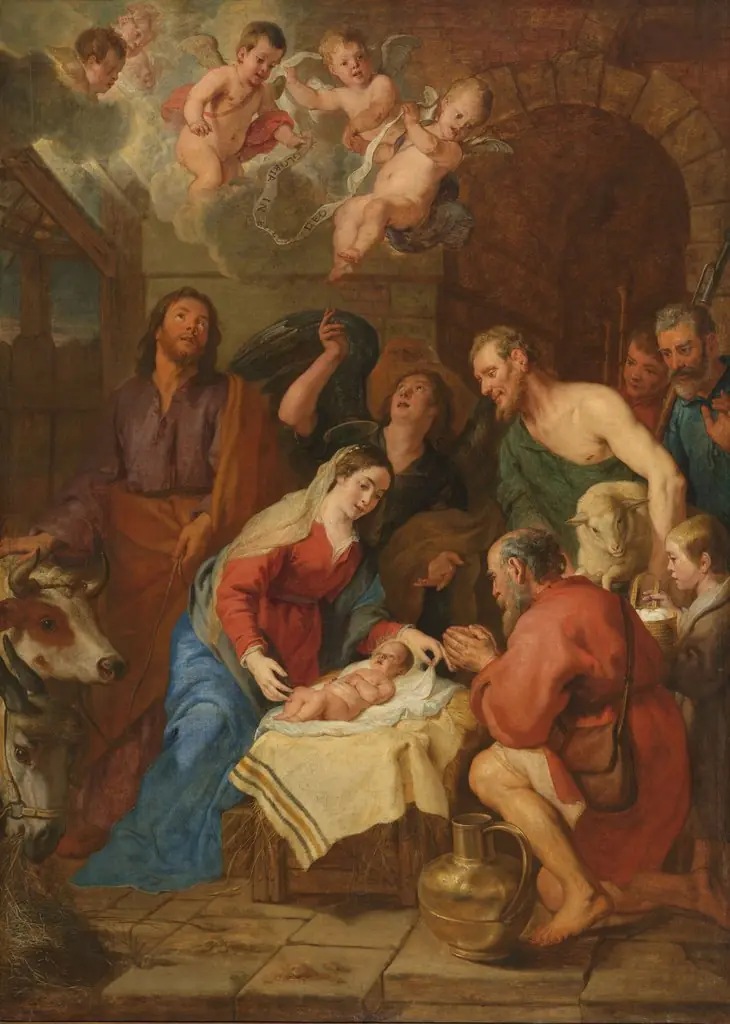 The adoration of the shepherds