Artwork
Hügellandschaft
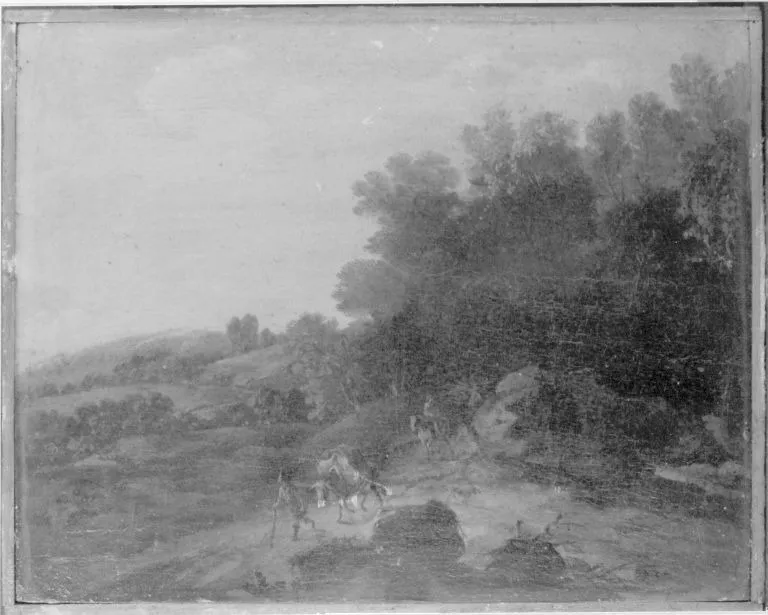
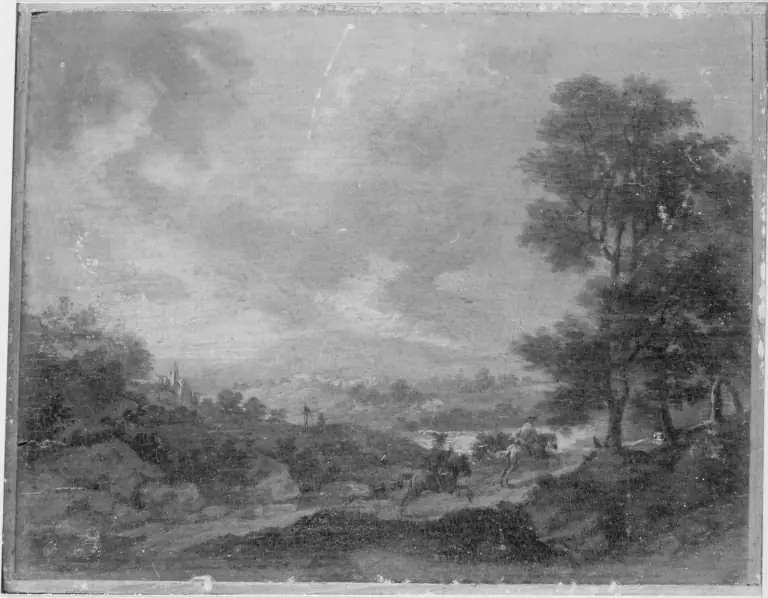
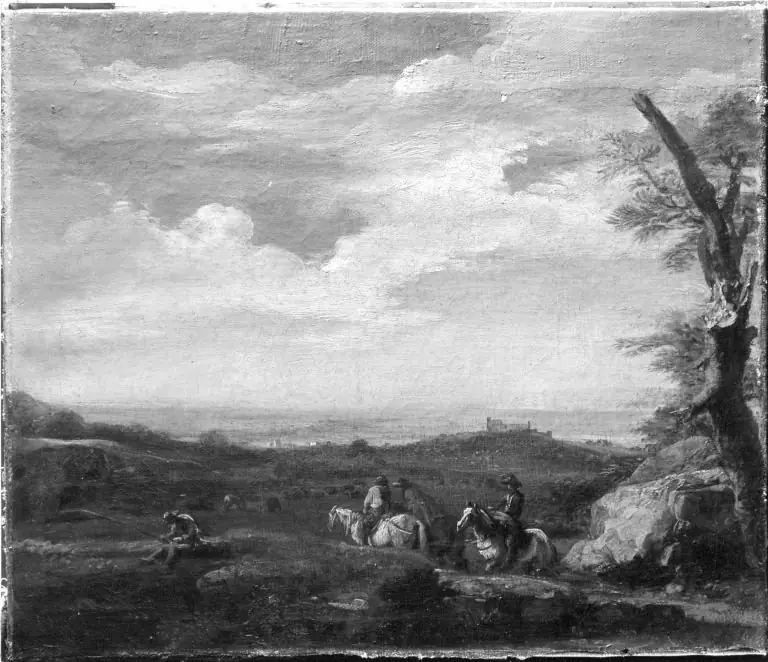
Hügellandschaft is an unspecified painting by the Dutch Golden Age artist Gaspar de Witte. It dates from 1652 and is held in the collection of the Bavarian State Painting Collections.
About this work
Overview
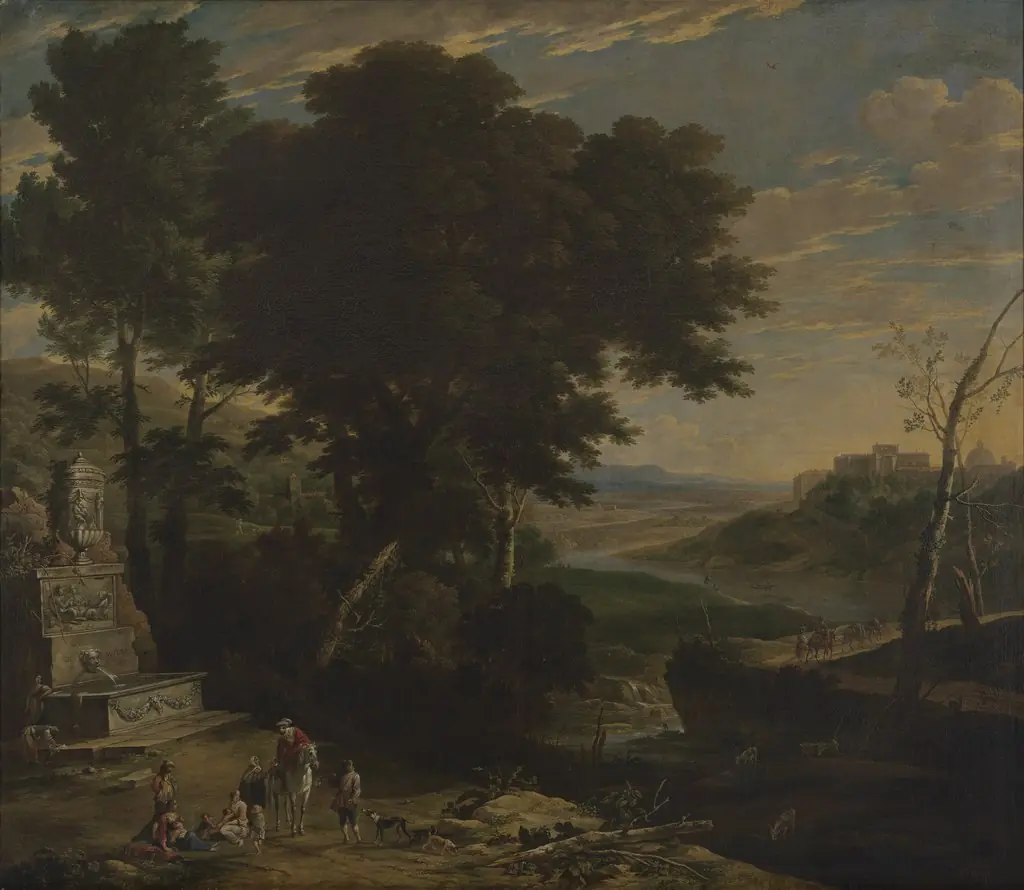
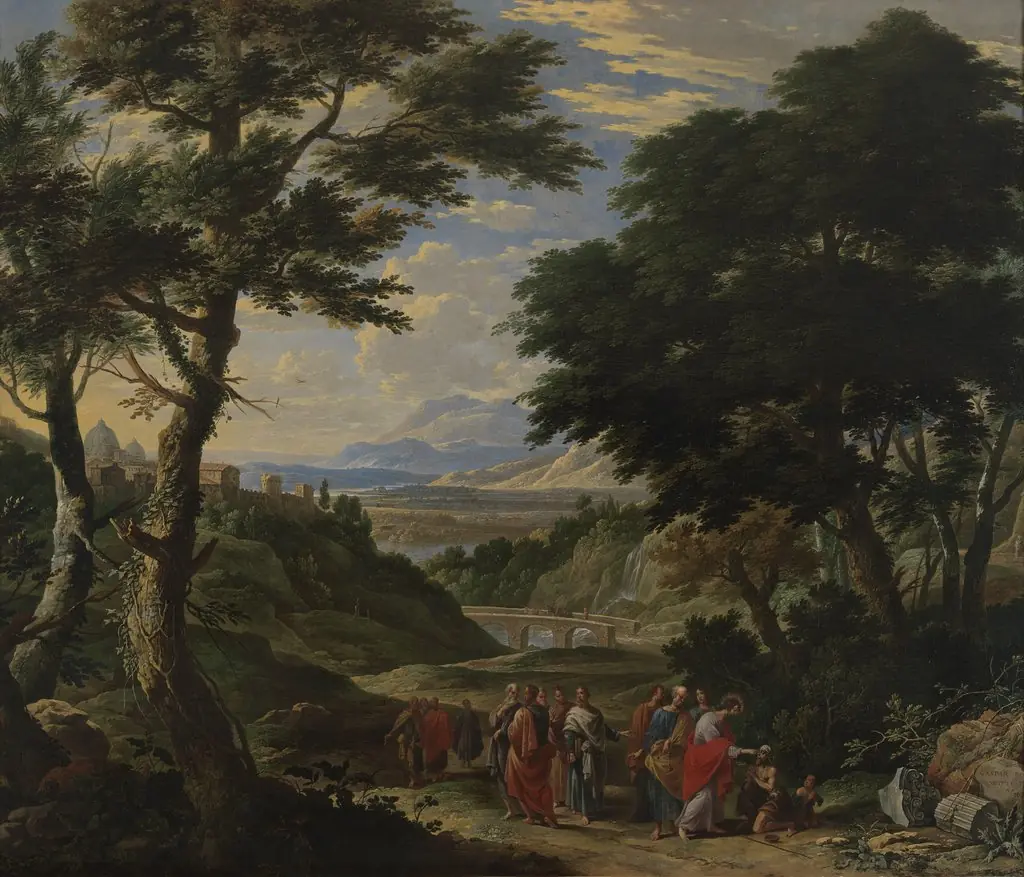
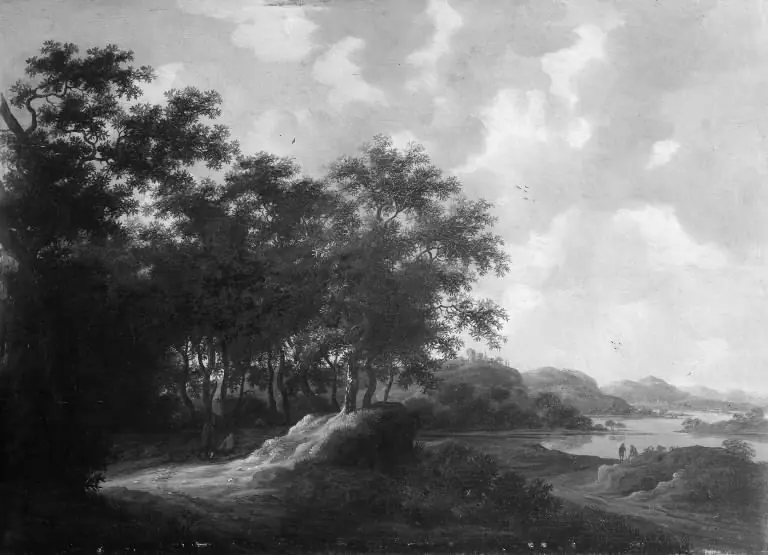
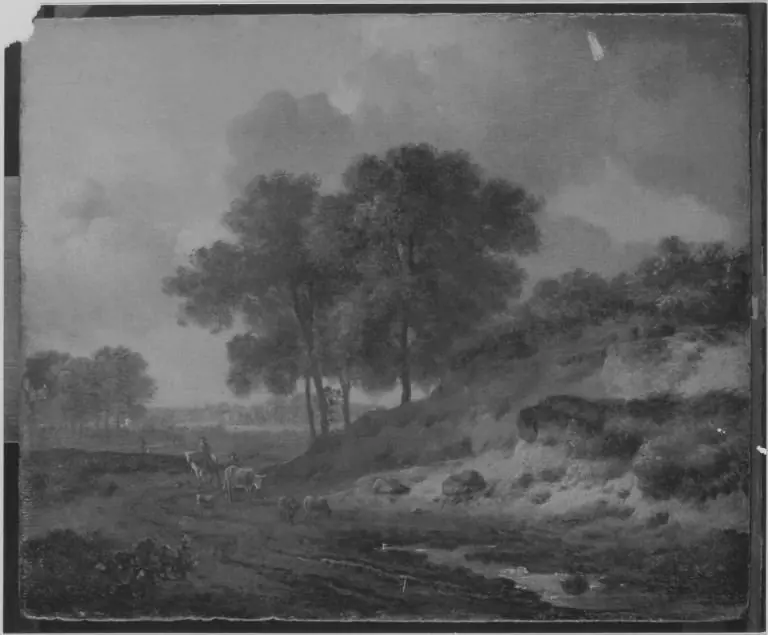
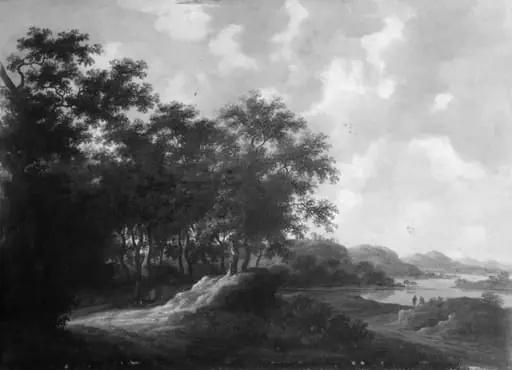
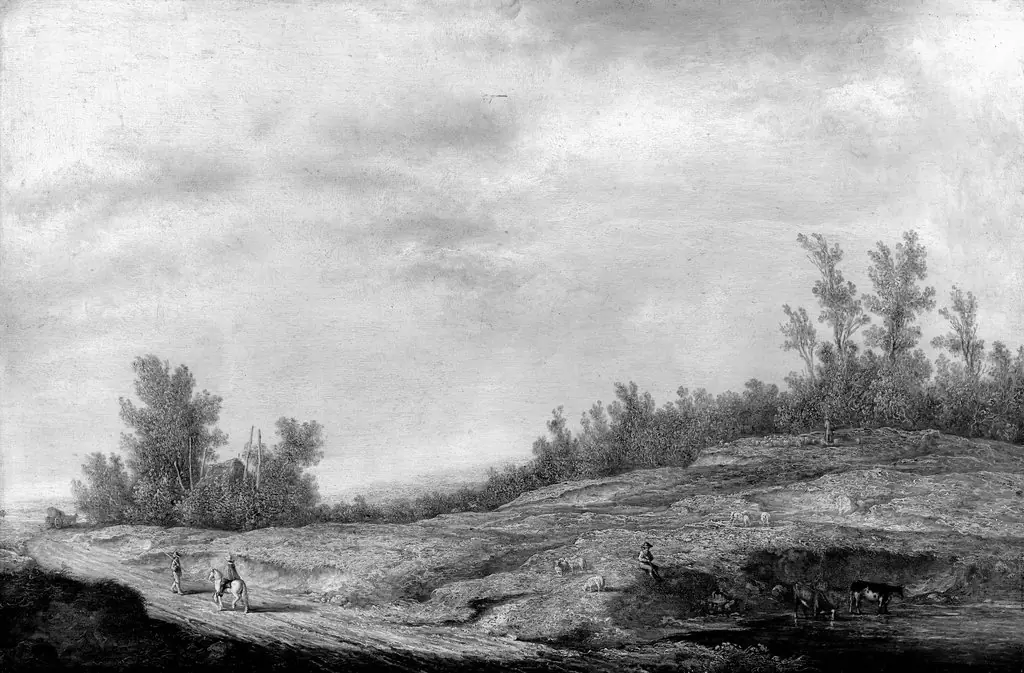
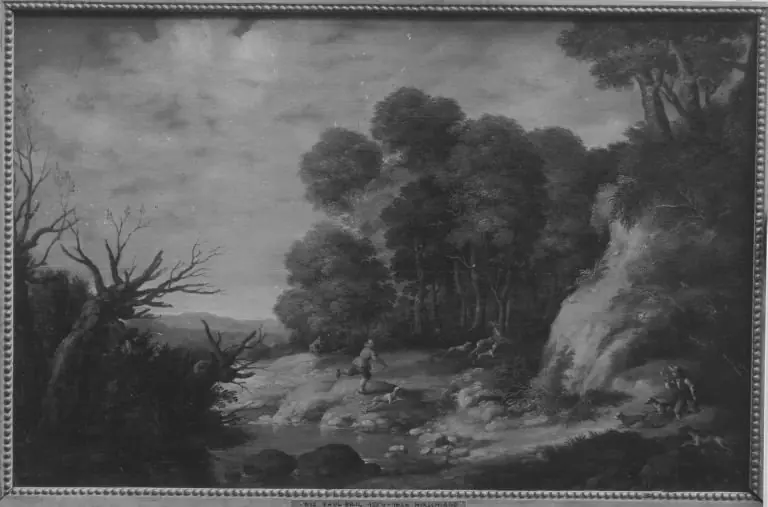
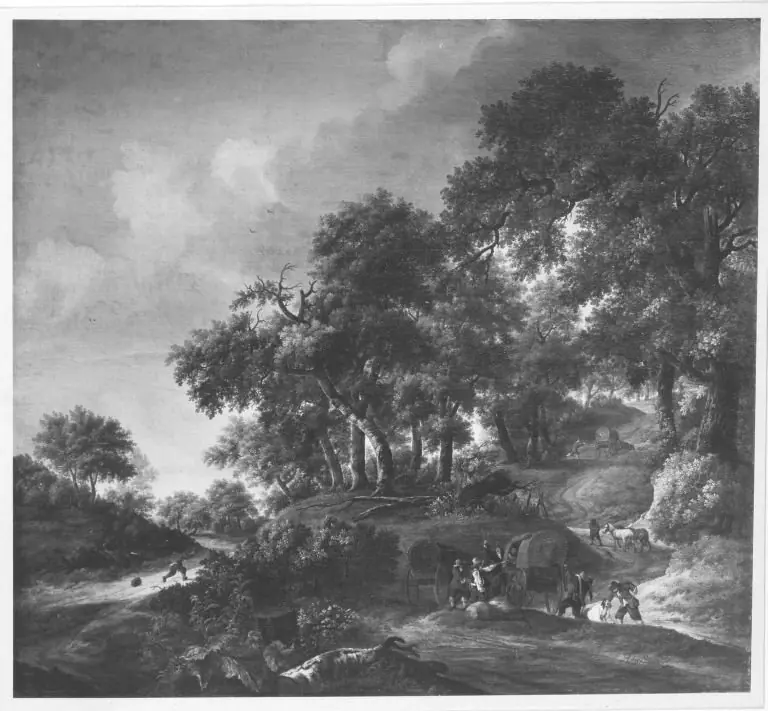
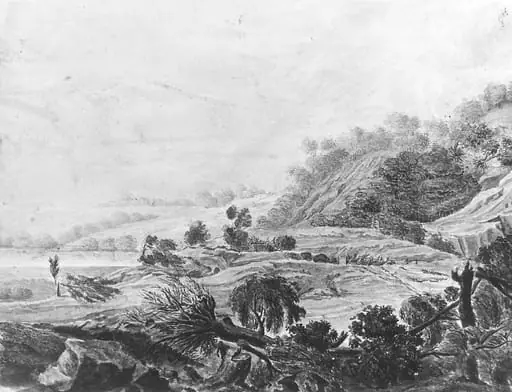
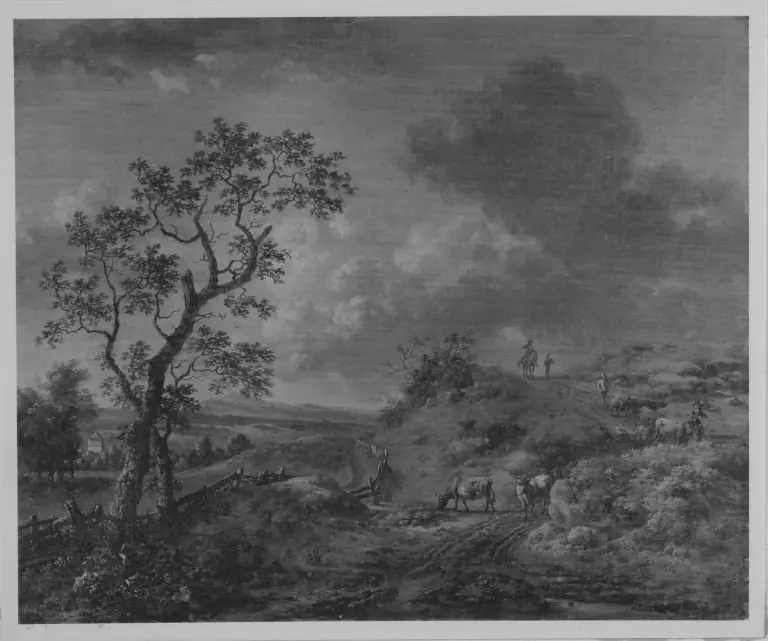
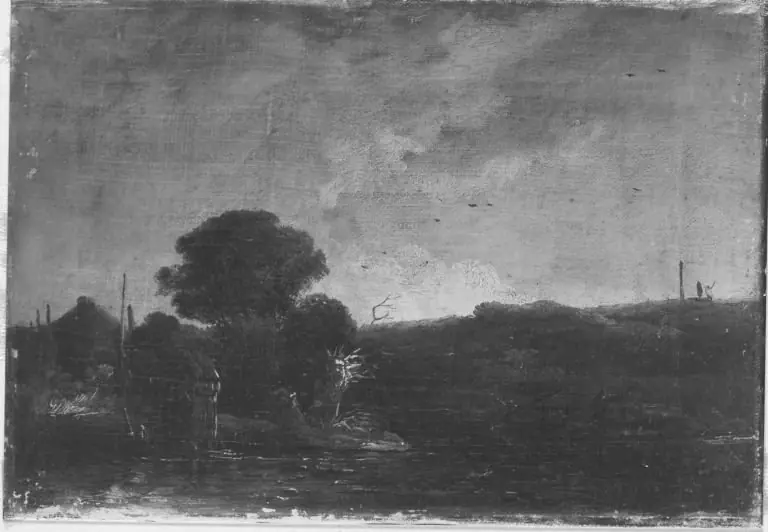
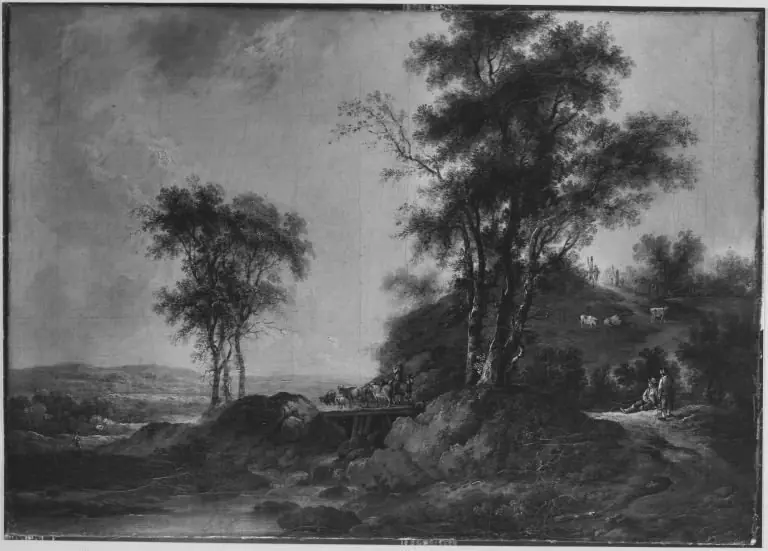
Hügellandschaft, created by Flemish painter Gaspar de Witte in 1652, is a landscape painting characteristic of the Dutch Golden Age. The work depicts a serene countryside with rolling hills, a wooded rocky slope, and figures with animals near a stream, rendered in muted earthy tones and grays.
Subject & Meaning
The subject is a tranquil rural scene, emphasizing natural detail and everyday life. The calm atmosphere may reflect the period's appreciation for serene landscapes, inviting contemplation.
Technique & Style
De Witte employed soft shading and subtle chiaroscuro effects, blending figures with the landscape to create a peaceful, slightly distant ambiance. The muted color palette reinforces the serene mood.
History & Provenance
Painted in 1652, Hügellandschaft is now part of the Alte Pinakothek's collection, highlighting its significance within Flemish landscape traditions of the time.
Context
This work aligns with the Dutch Golden Age's focus on detailed natural scenes, though its Flemish origin adds a distinct stylistic layer, differing from Dutch contemporaries in subtle texture and tone.
Legacy
While not widely discussed in broad art historical narratives, Hügellandschaft remains a notable example of 17th-century Flemish landscape painting, appreciated for its calming composition and technical handling of light and shadow.
Artist & collection
Artist
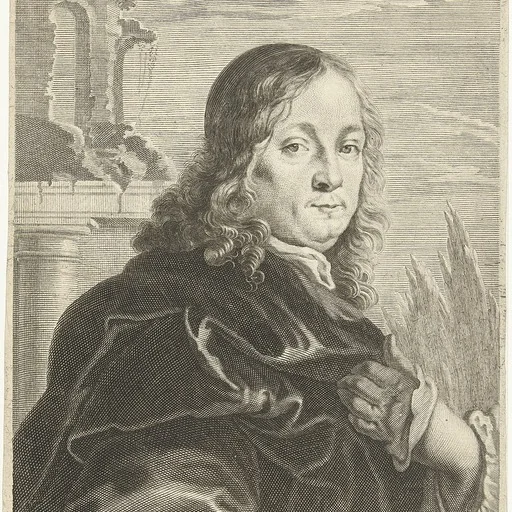
Gaspar de Witte (variations on his first name: Caspar, Jasper, and Jaspar) (bapt. 5 October 1624, Antwerp – 20 March 1681, Antwerp) was a Flemish painter who is known for his landscapes and gallery paintings.