Artwork
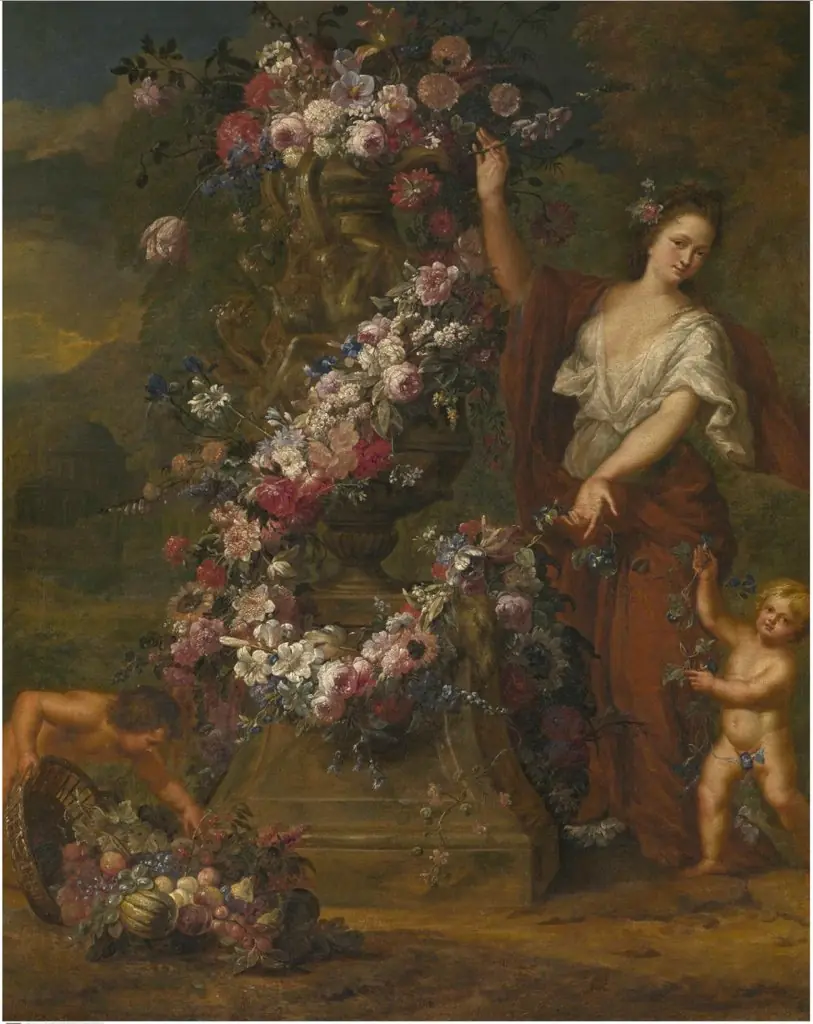
Stone Vase with Garlands of Flowers and Fruit
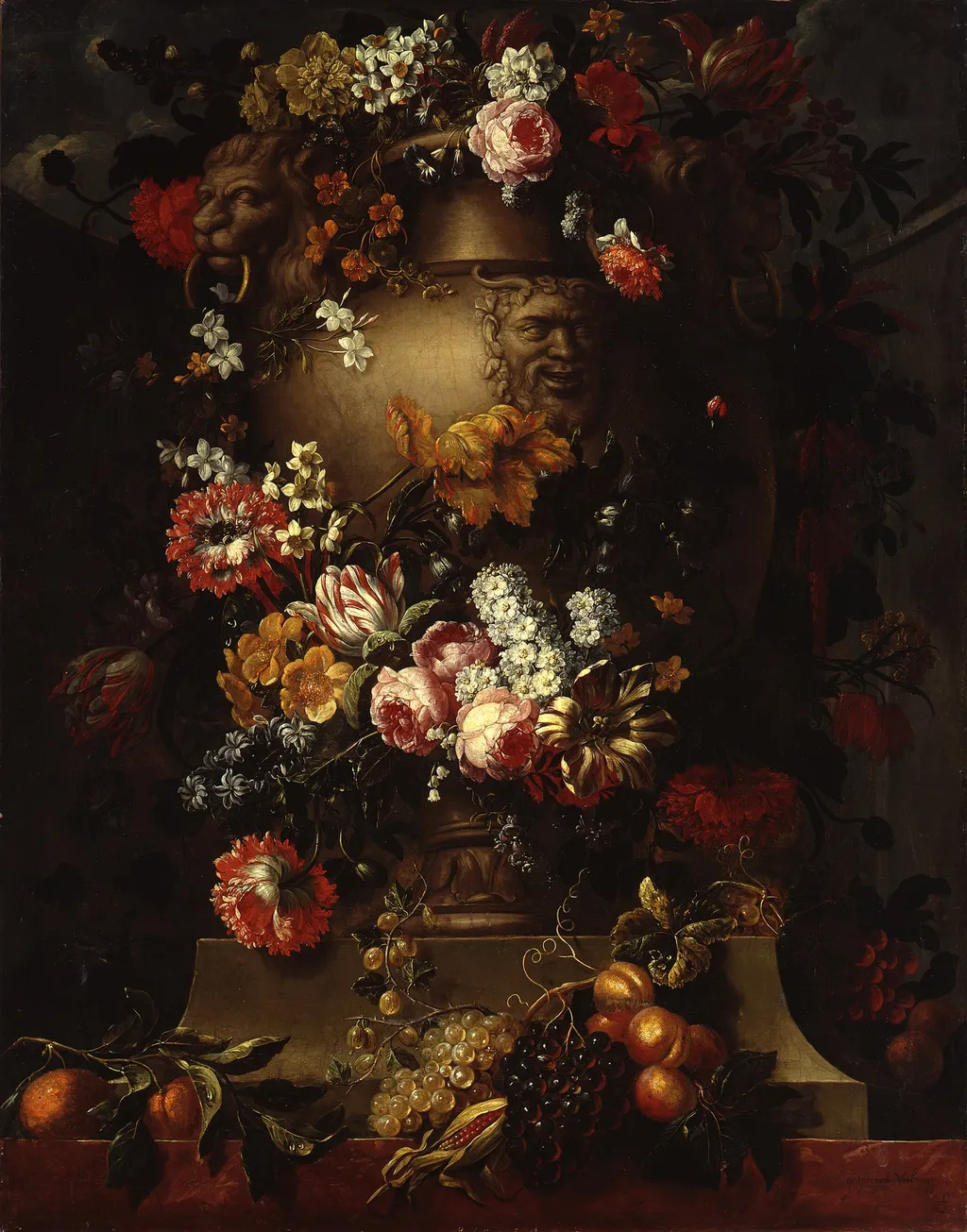
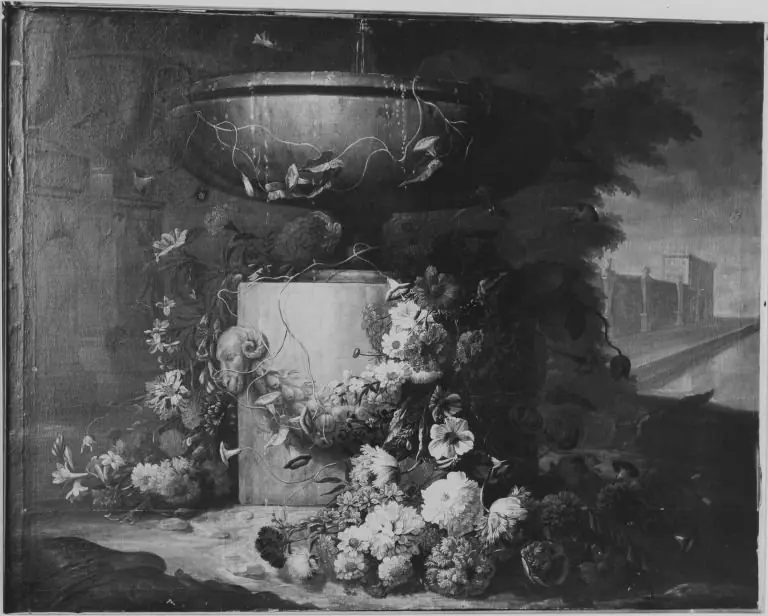
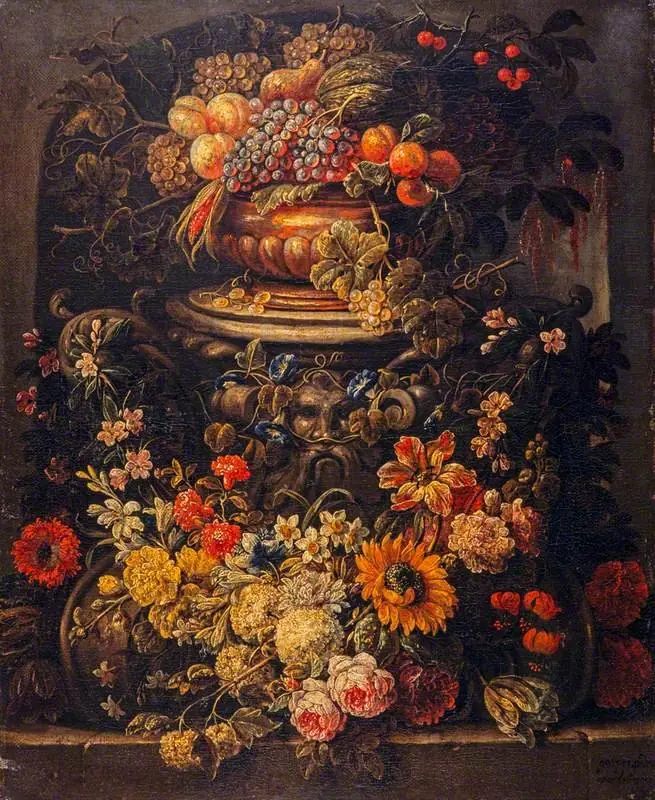
Stone Vase with Garlands of Flowers and Fruit is a paint painting by the Flemish Baroque painting artist Gaspar Peeter Verbruggen the Younger. It dates from 1690 and is held in the collection of the Gemäldegalerie Berlin.
About this work
Overview
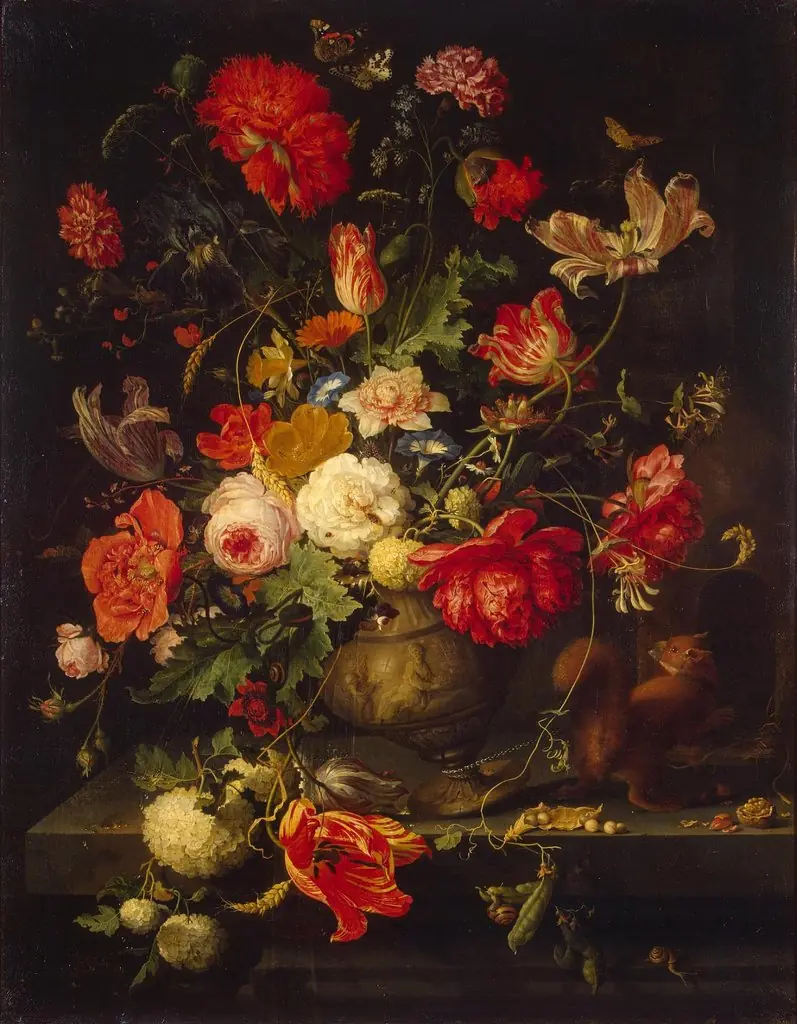
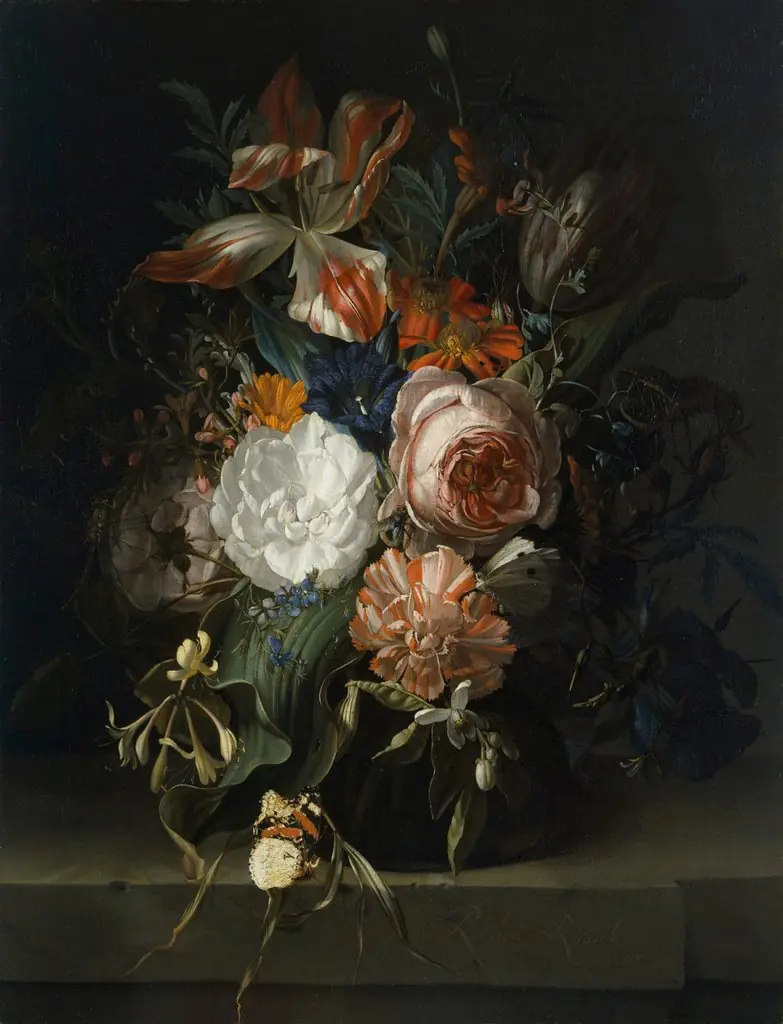
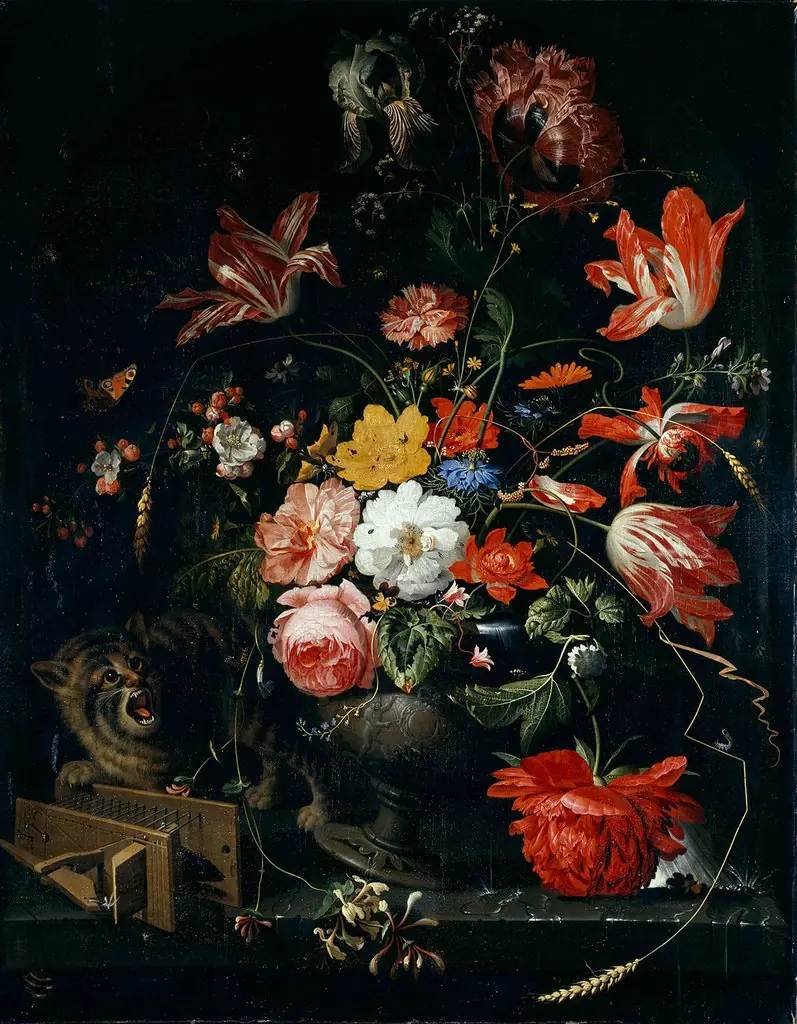
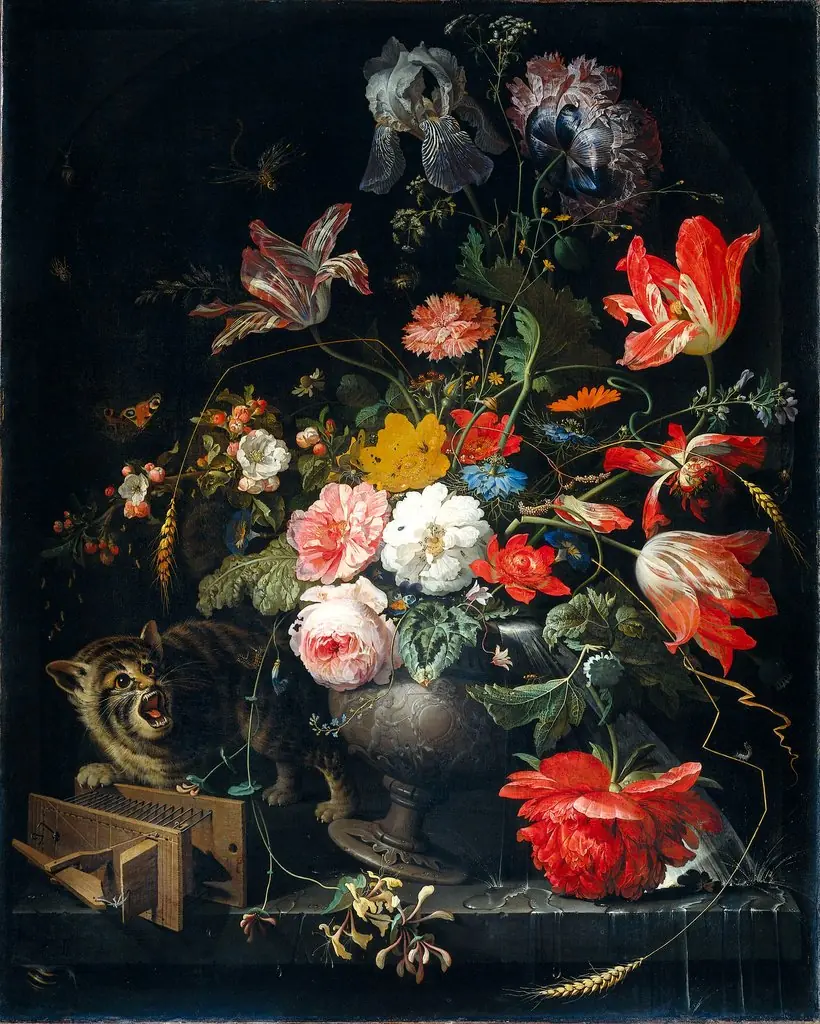
Painted in 1690 by Gaspar Peeter Verbruggen the Younger, this work is a still life depicting a stone vase brimming with flowers and fruit.
Painted in 1690 by Gaspar Peeter Verbruggen the Younger, this work is a still life depicting a stone vase brimming with flowers and fruit. Executed in oil paint, it reflects the Flemish Baroque tradition of elaborate naturalistic arrangements. The painting belongs to the Gemäldegalerie Berlin’s collection and exemplifies Verbruggen’s specialization in floral and fruit compositions, often integrated into larger decorative schemes.
Subject & Meaning
The composition centers on a carved stone vase, its surface adorned with mythological faces and foliage, supporting a dense cascade of blossoms and ripe fruit. The overflowing abundance suggests themes of fertility and transience, common in Baroque still life. No human figures appear, yet the vase’s ornate carvings hint at classical mythology, linking earthly beauty to enduring cultural ideals.
Technique & Style
Verbruggen employed fine brushwork to render delicate petals, dewy fruit surfaces, and the textured stone of the vase. Colors are subdued—soft reds, pale yellows, muted greens—creating harmony without vibrancy. The arrangement is asymmetrical yet balanced, with elements spilling naturally over the vase’s rim. The style prioritizes tactile realism and orderly abundance, typical of Flemish still life conventions of the period.
History & Provenance
The painting was completed in 1690 and entered the collection of the Gemäldegalerie Berlin at an unknown date. It has remained in institutional hands since at least the 19th century, with no record of private ownership in the intervening centuries. Its preservation reflects its status as a representative example of late 17th-century Flemish still life painting within a major European museum collection.
Context
In late 17th-century Flanders, still life painting flourished as both decorative and intellectual art. Artists like Verbruggen often worked alongside specialists who painted figures or architectural backgrounds. This piece, devoid of human presence, aligns with a trend toward self-contained floral still lifes, valued for their craftsmanship and symbolic resonance within aristocratic and bourgeois interiors.
Legacy
Verbruggen’s work contributed to the evolution of floral still life in Northern Europe, influencing later artists through his attention to botanical detail and compositional restraint. While not widely known today, his paintings remain important for understanding the technical and thematic priorities of Flemish Baroque still life. This piece endures as a quiet testament to the period’s devotion to natural observation and decorative order.
Own this work as a print
Artist & collection
Artist
Gaspar Peeter Verbruggen the Younger
Gaspar Peeter Verbruggen or Gasparo Pedro Verbruggen (baptized on 11 April 1664 in Antwerp – buried on 14 March 1730 in Antwerp) was a Flemish still life painter who is principally known for his decorative still lifes with flowers and…