Artwork
River Landscape with a Hunt
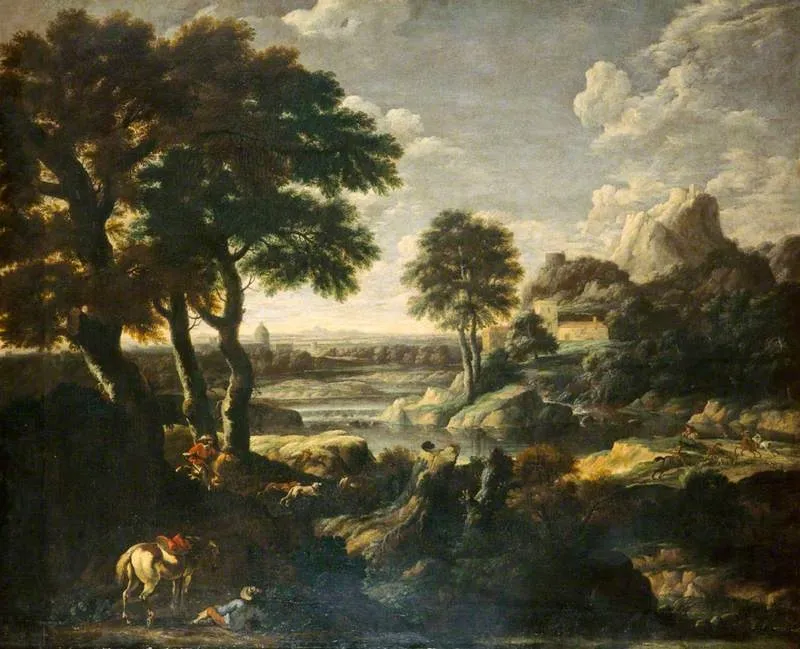
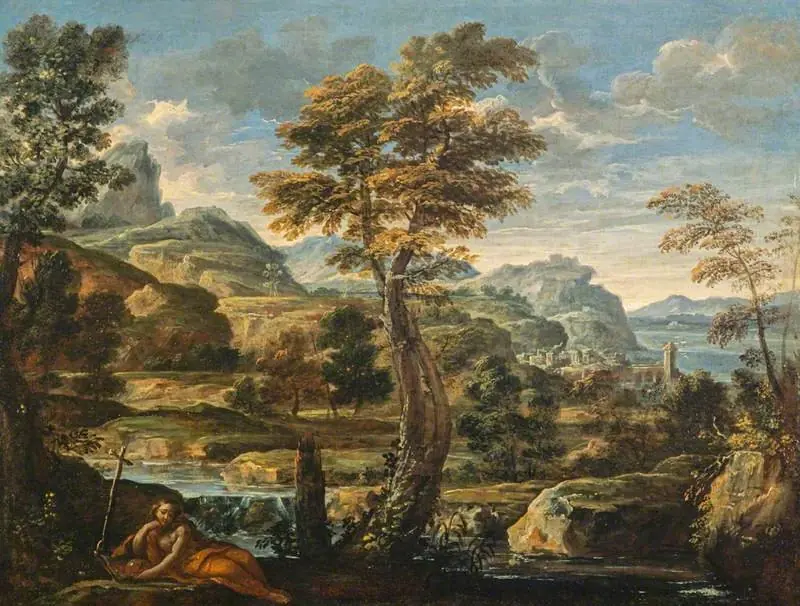
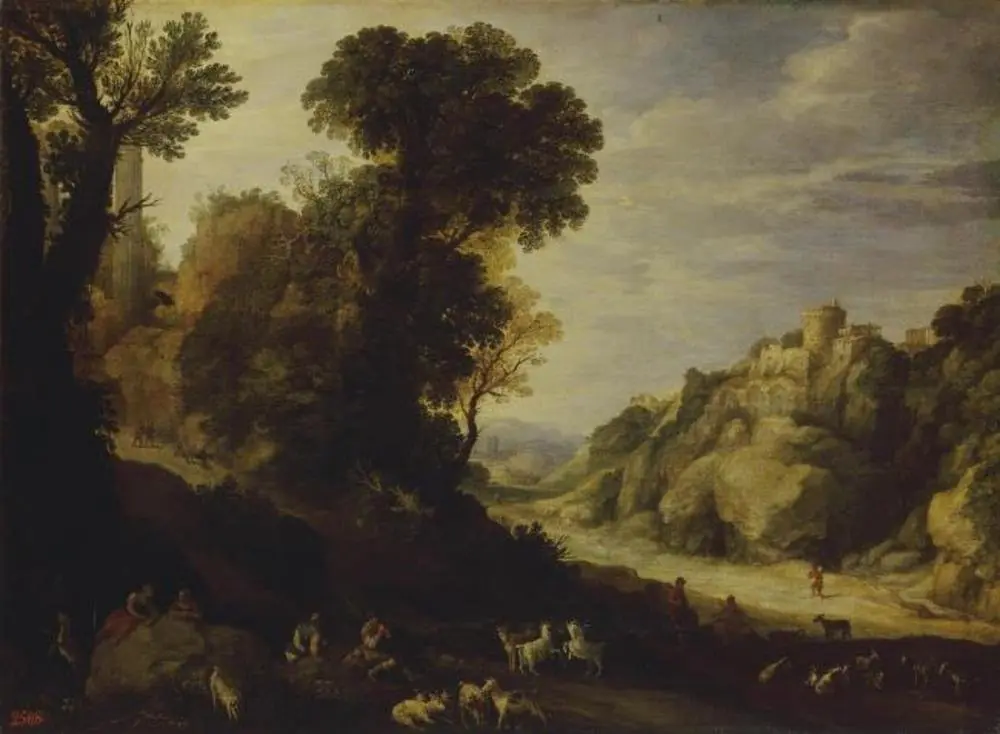
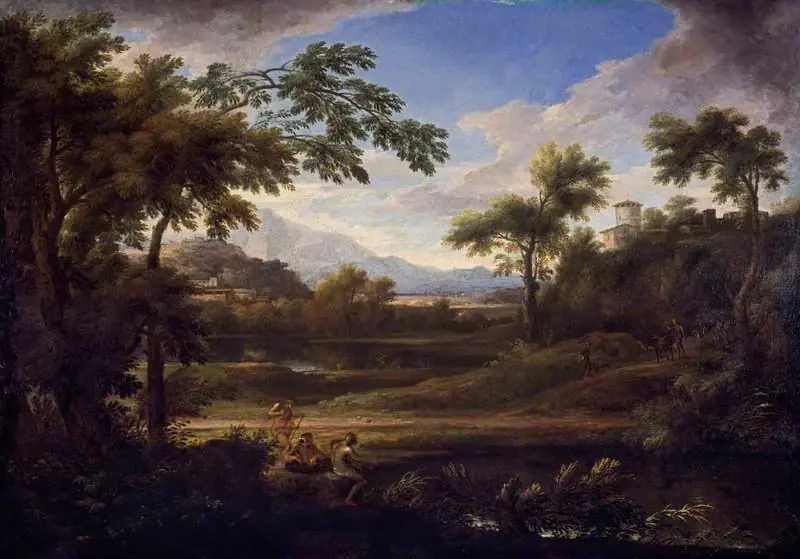
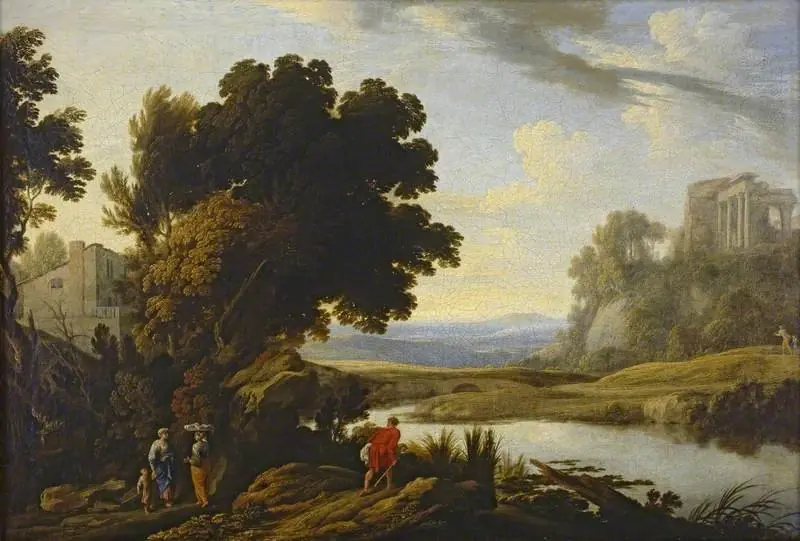
River Landscape with a Hunt is an oil painting by Gaspard Dughet. It dates from 1645 and is held in the collection of the National Galleries Scotland.
About this work
Overview
Painted in 1645, River Landscape with a Hunt is an oil on canvas work by Gaspard Dughet, an Italian artist of French origin.
Painted in 1645, River Landscape with a Hunt is an oil on canvas work by Gaspard Dughet, an Italian artist of French origin. It depicts a tranquil riverside scene where human activity unfolds subtly within the natural environment. The painting resides in the Scottish National Gallery, where it exemplifies Dughet’s skill in merging landscape with narrative elements without overwhelming the sense of place.
Subject & Meaning
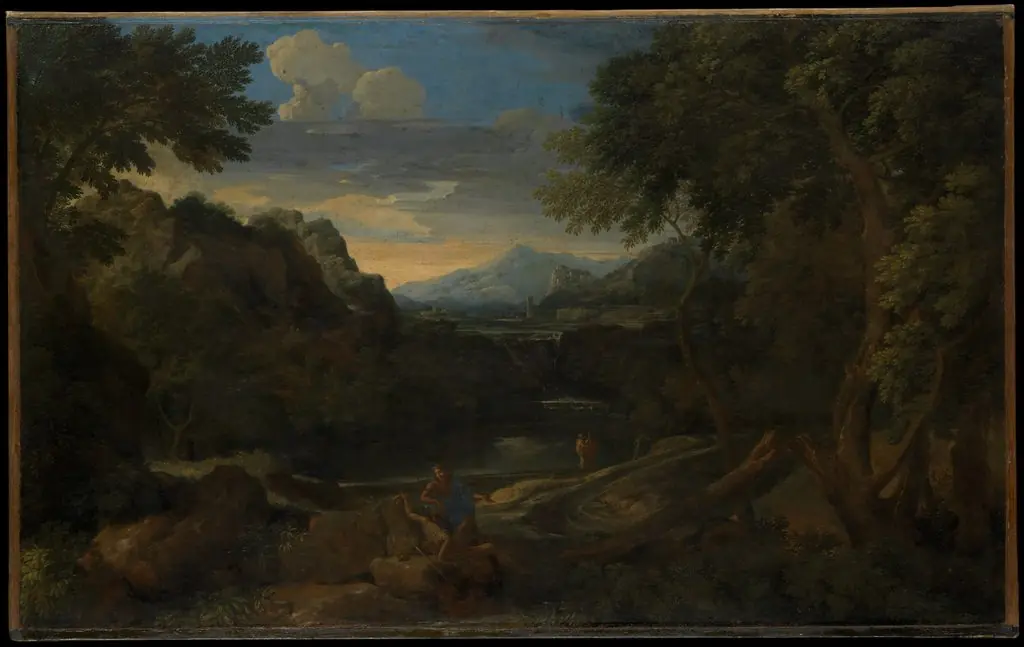
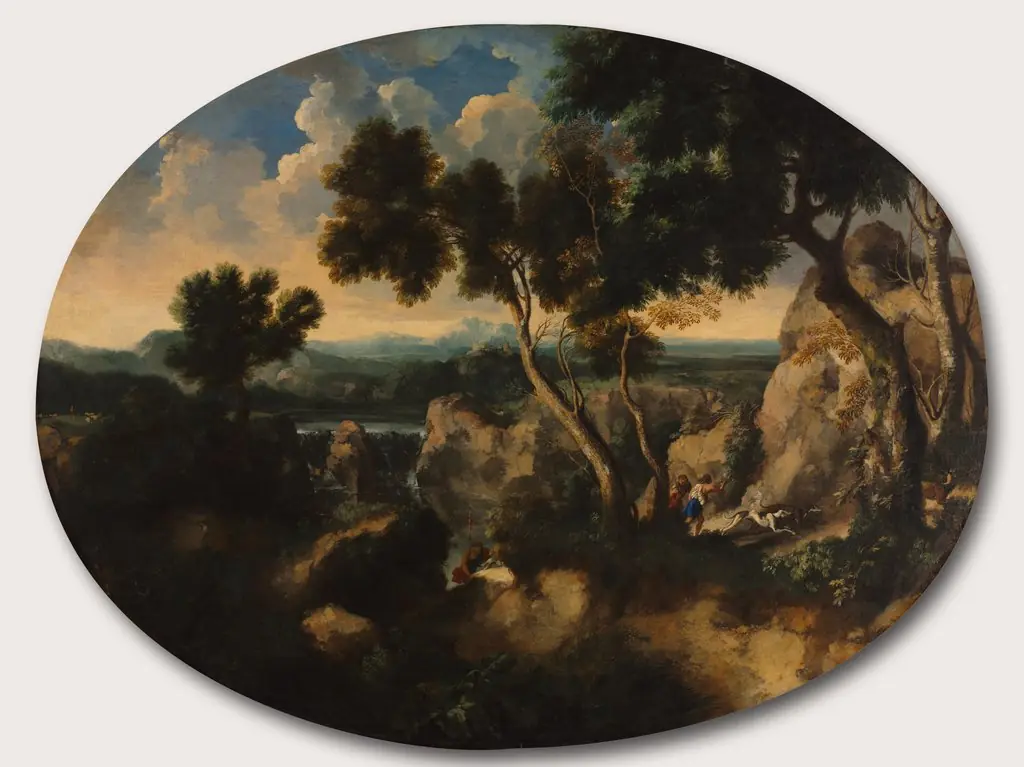
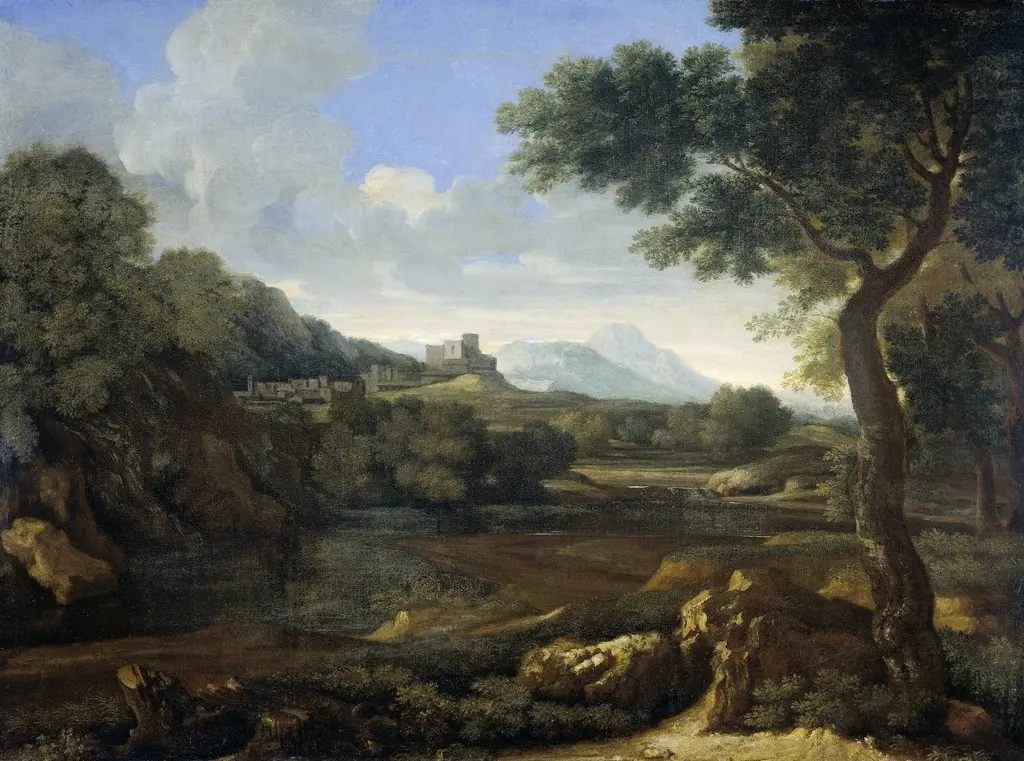
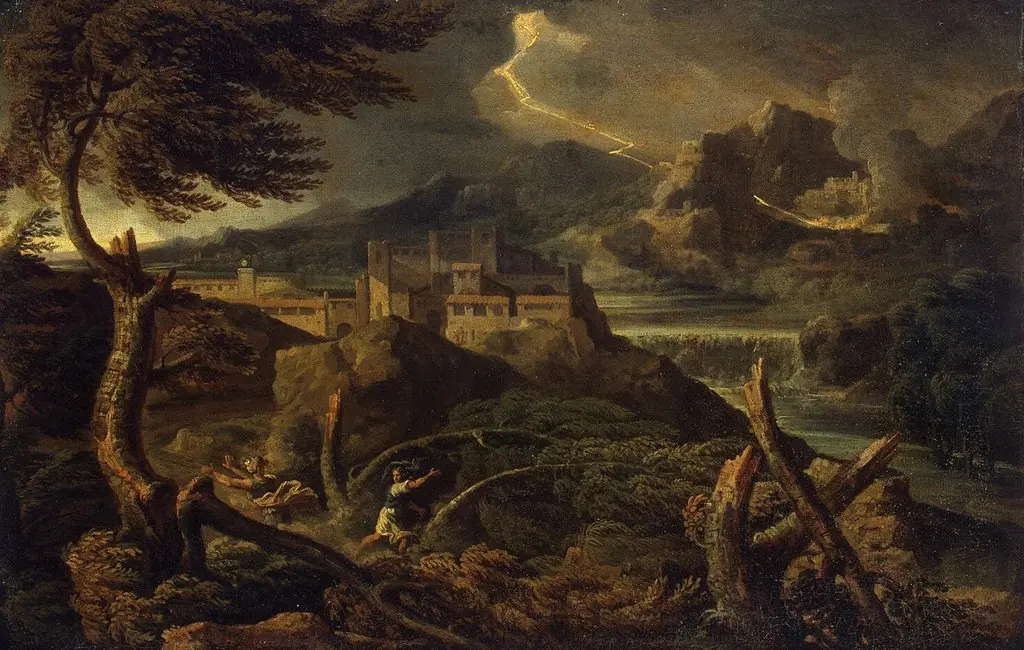
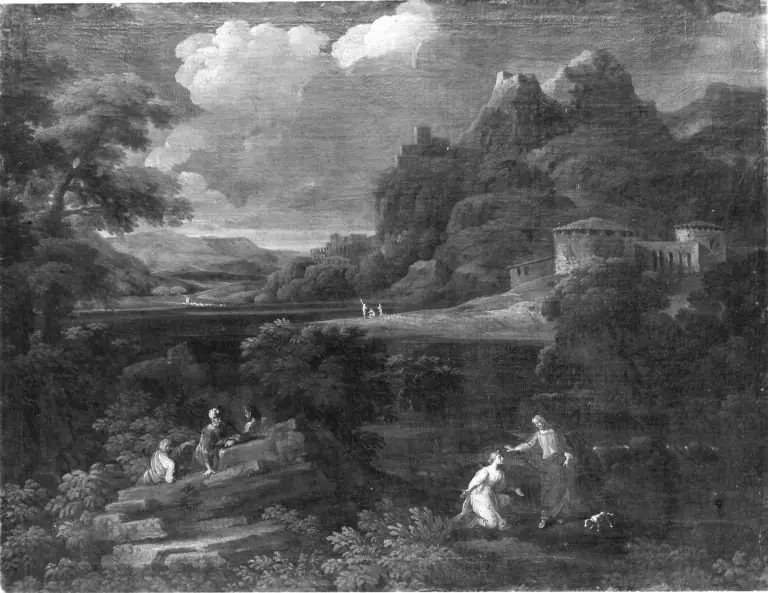
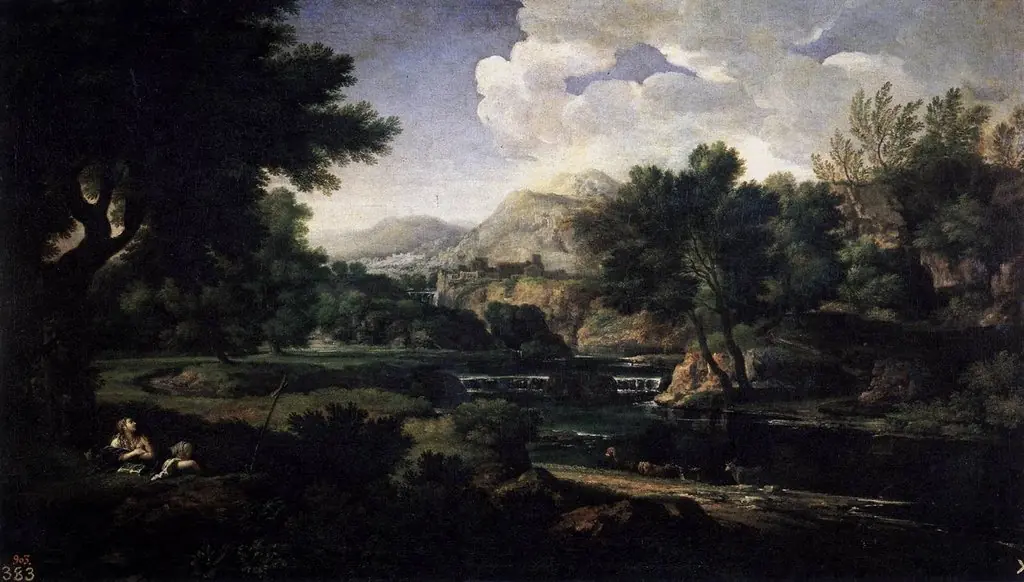
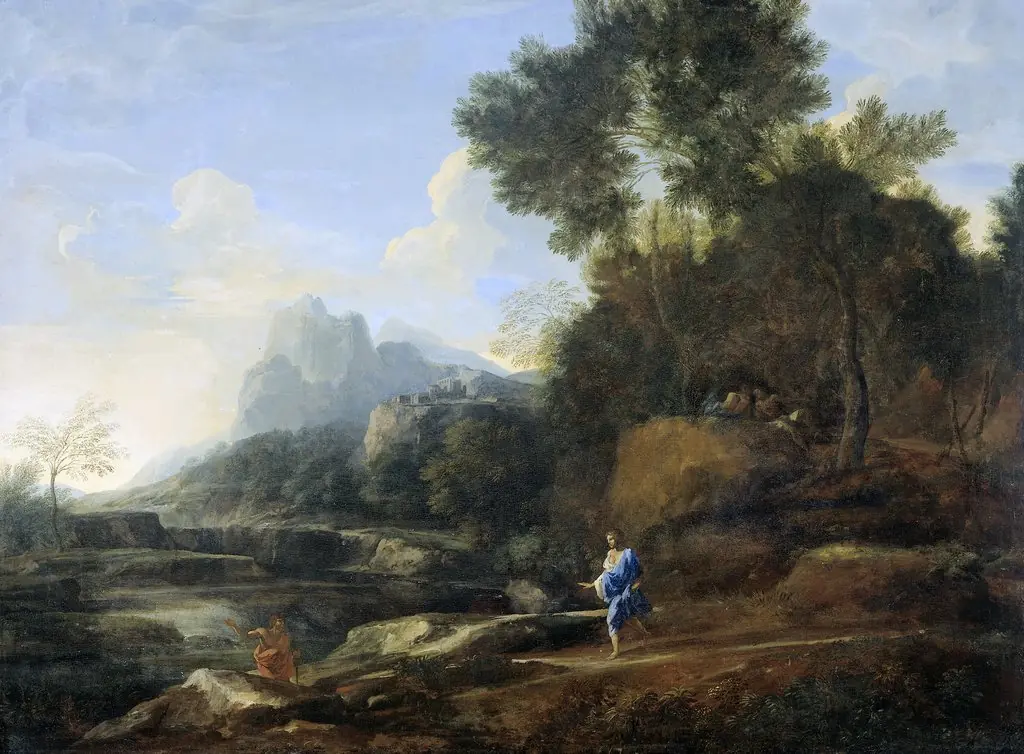
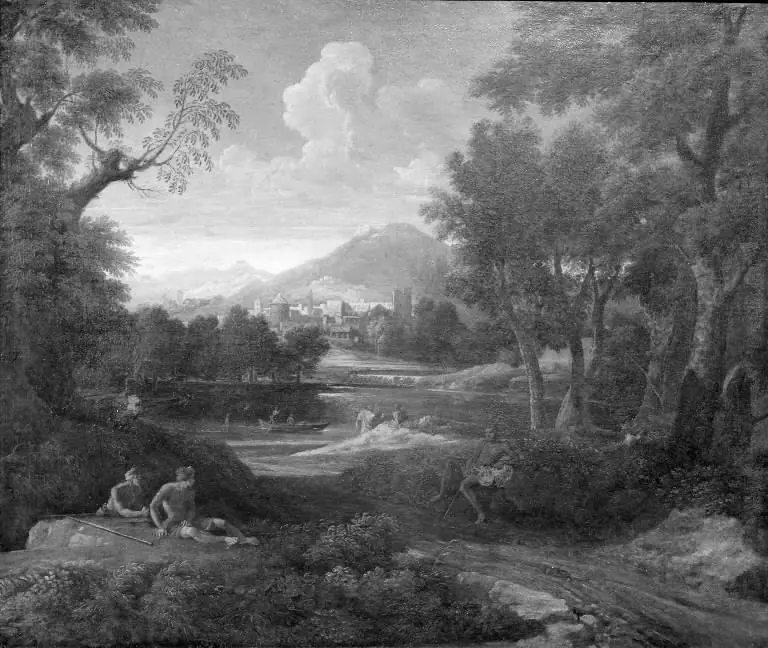
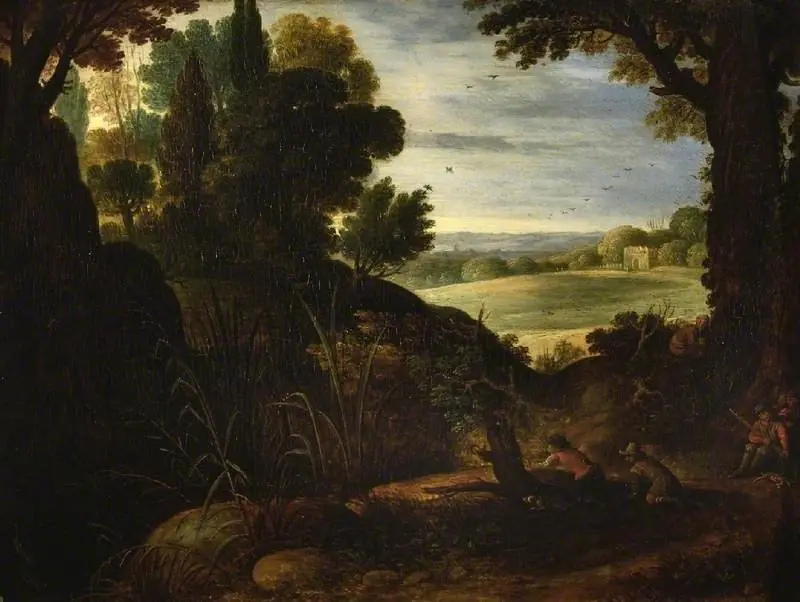
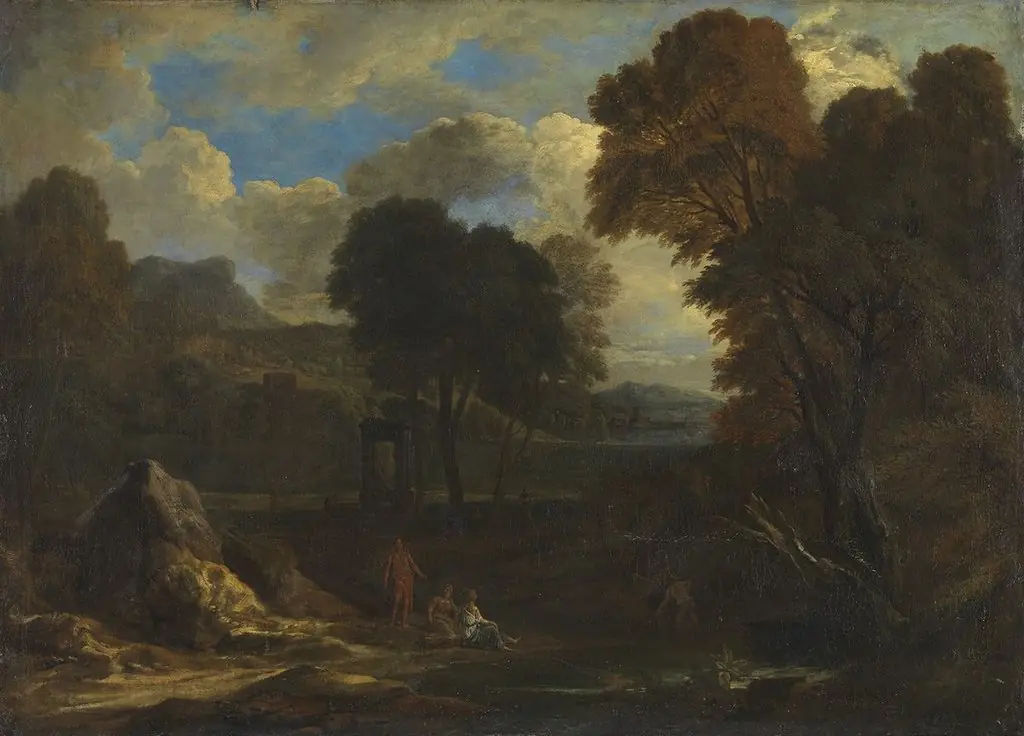
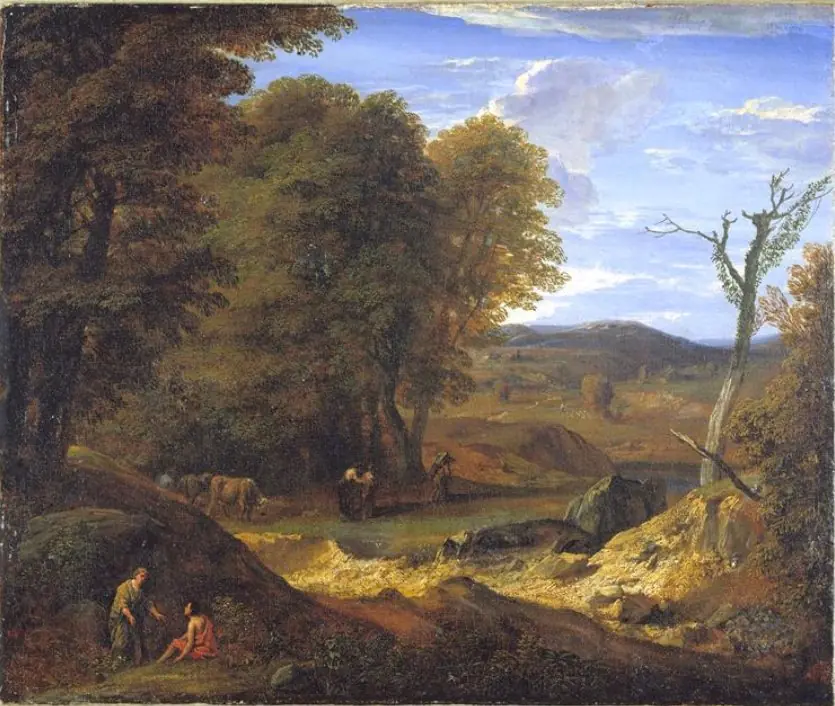
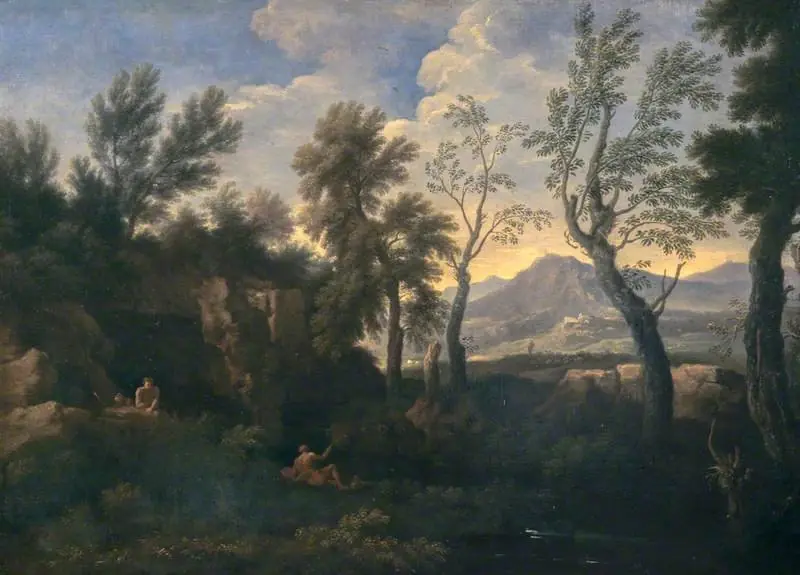
The scene captures a hunting party in progress along a riverbank, with figures engaged in pursuit, rest, or quiet observation. Rather than glorifying the hunt, the composition integrates it as one element among many—trees, water, and rock formations dominate the space. The human presence feels incidental, suggesting a harmony between activity and the enduring rhythms of nature.
Technique & Style
Dughet employs bold, textured brushwork to render foliage, water, and rocky terrain, giving the landscape a tactile presence. He uses chiaroscuro to model forms and guide the viewer’s gaze through the composition, with light filtering through trees to illuminate figures and river surfaces. The palette is muted yet nuanced, favoring earth tones and soft greens that enhance the painting’s atmospheric depth.
History & Provenance
The painting entered the Scottish National Gallery’s collection in the 19th century, likely through private acquisition. Its origins trace to Dughet’s Roman period, when he produced numerous landscapes influenced by Claude Lorrain. Though not widely documented in early inventories, its stylistic consistency with his known works from the 1640s supports its attribution and dating.
Context
Created during the height of Roman landscape painting, this work reflects the era’s preference for idealized naturalism. Dughet, trained under Poussin and influenced by classical antiquity, balanced observed detail with compositional order. Unlike dramatic Baroque scenes, his landscapes emphasize calm and continuity, aligning with contemporary tastes for serene, contemplative views of the countryside.
Legacy
Dughet’s landscapes, including this one, contributed to the development of the classical tradition in European painting. While less celebrated than his contemporaries, his integration of human figures within expansive natural settings influenced later 18th-century landscape artists. The work remains a quiet example of how narrative and environment could coexist without hierarchy in 17th-century Italian art.
Artist & collection