Artwork
Bamboo in Wind
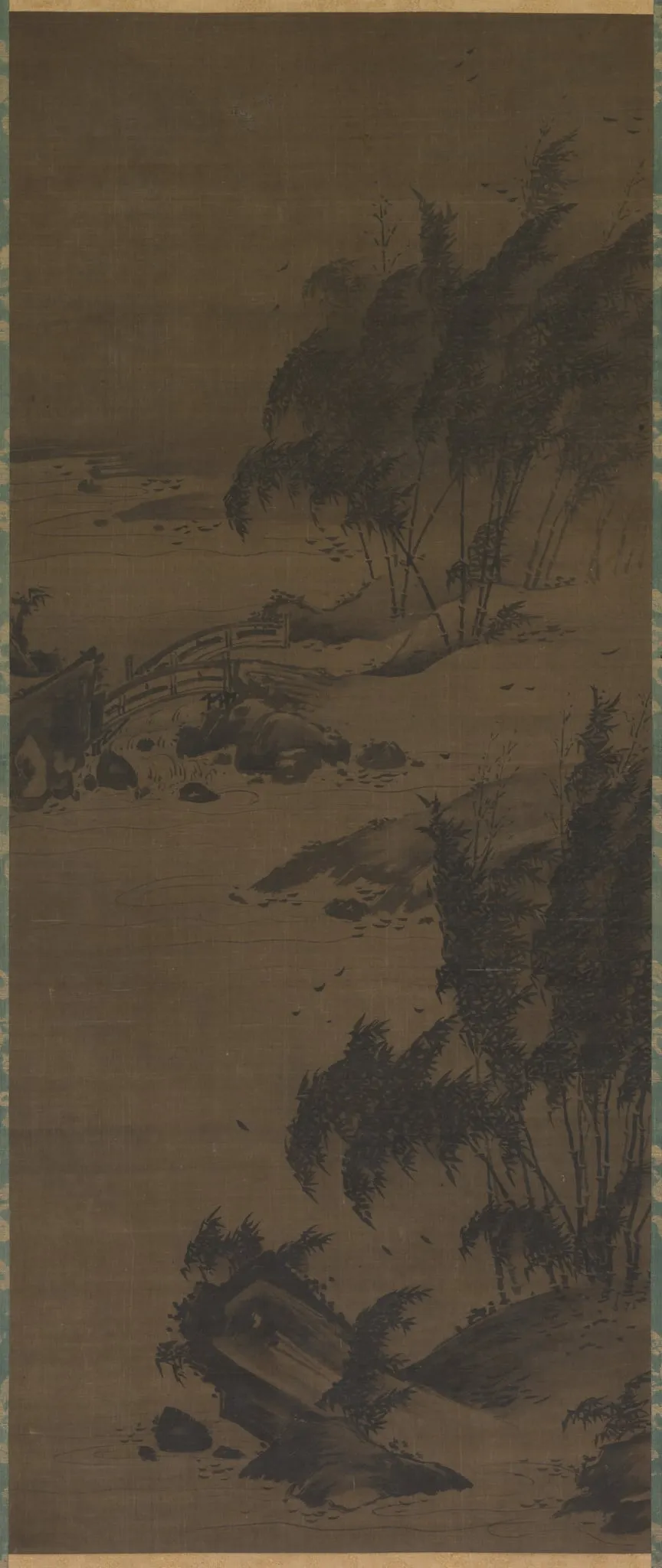
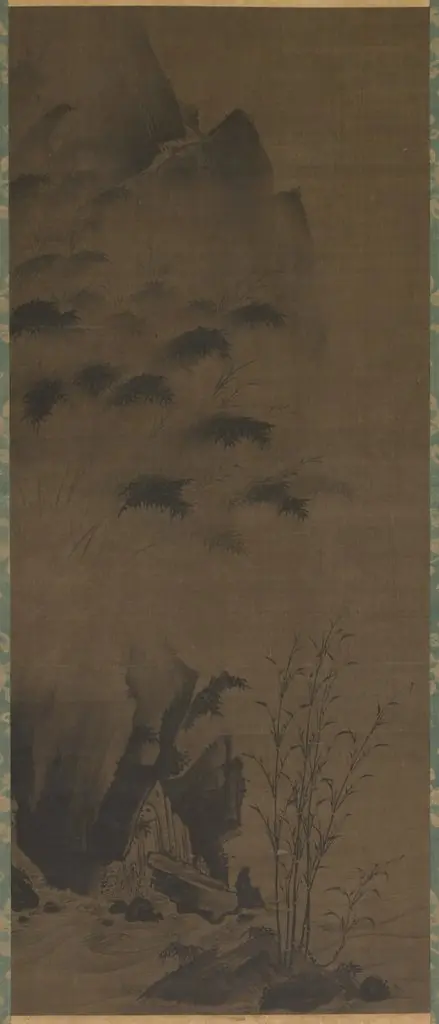
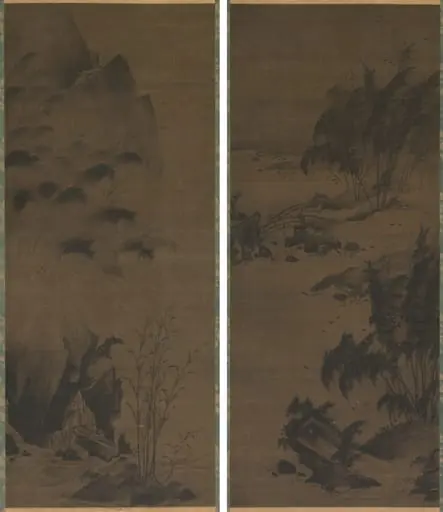
Bamboo in Wind is an unspecified painting by the Renaissance artist Genga. It dates from 1504 and is held in the collection of the Cleveland Museum of Art.
About this work
Overview
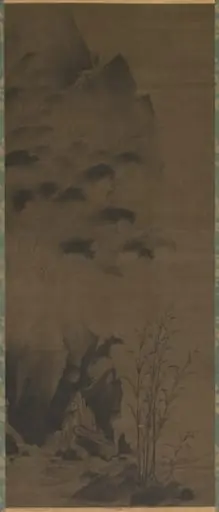
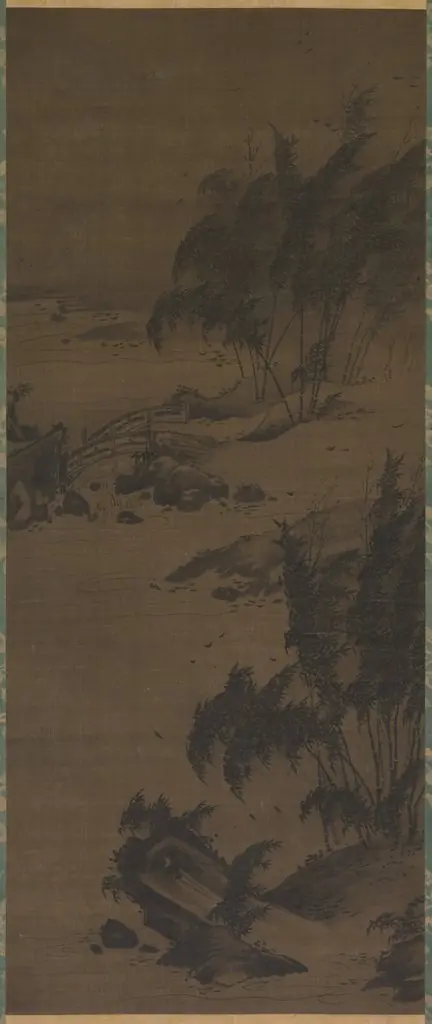
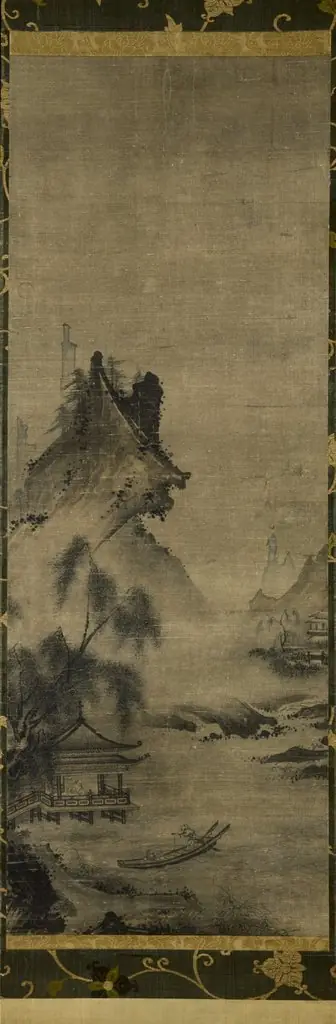
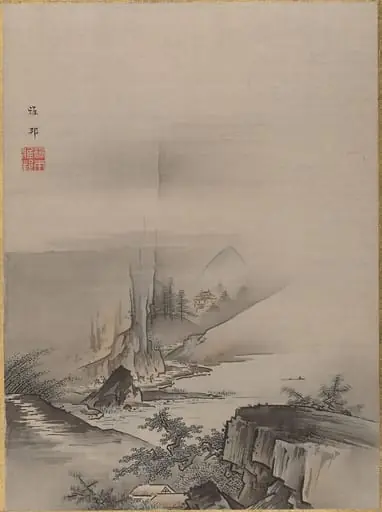
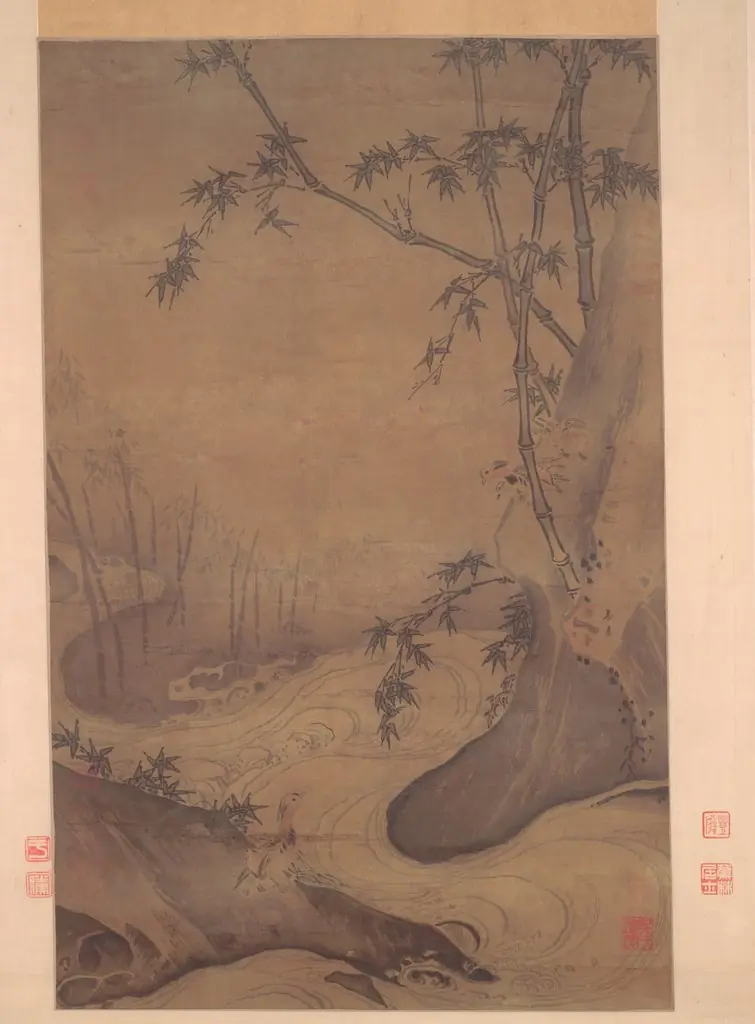
The work titled *Bamboo in Wind* consists of two ink paintings that depict slender bamboo stalks sharply bent by an unseen gust. Executed with bold yet refined brushwork and subtle washes that suggest foliage, the compositions are set against expansive empty space, emphasizing the vitality of the plants within a restrained field.
Subject & Meaning
The imagery focuses on bamboo, a plant traditionally associated with resilience and flexibility in East Asian culture. By portraying the stalks contorted by wind, the paintings evoke a moment of dynamic tension, inviting contemplation of nature’s force and the adaptability required to endure it.
Technique & Style
Rendered in monochrome ink, the pieces employ strong, irregular rock forms and densely clustered bamboo, creating stark tonal contrasts. The brushwork combines vigorous strokes with delicate line work, a quality that aligns with both Korean ink traditions and Japanese Muromachi aesthetics, reflecting a cross‑cultural visual language.
History & Provenance
Long attributed to the 16th‑century Japanese painter Genga, the paintings lack any artist’s seal or signature. The attribution arose from stylistic comparison with known Genga works. Recent scholarship confirms the dating to the 1500s but questions the artist’s national identity, suggesting possible Korean authorship or influence on a Japanese hand.
Context
During Japan’s Muromachi period, ink painting was employed to capture the spirit of natural subjects, often assembled in thematic sets such as the four seasons. While *Bamboo in Wind* appears as a pair, the original intent—whether as part of a larger series or a standalone duo—remains uncertain due to the loss of contextual information over time.
Artist & collection