Artwork
Gefechtsstück (Nachahmer)
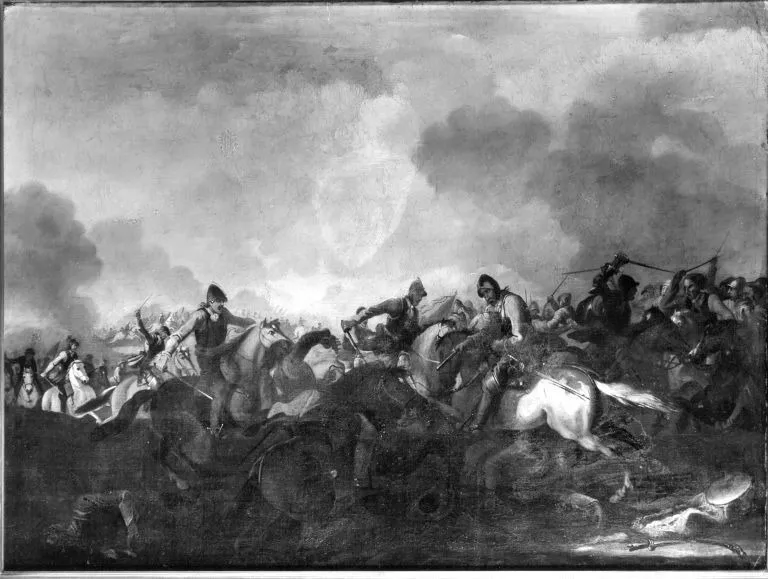
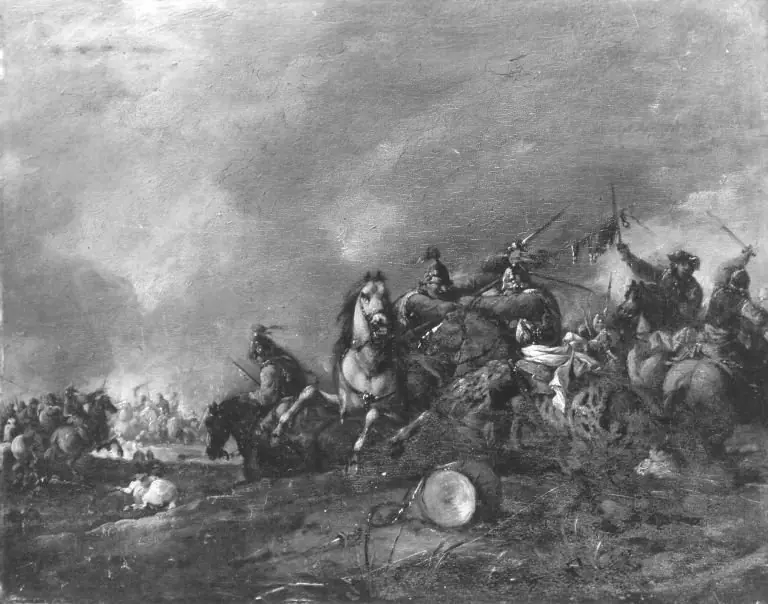
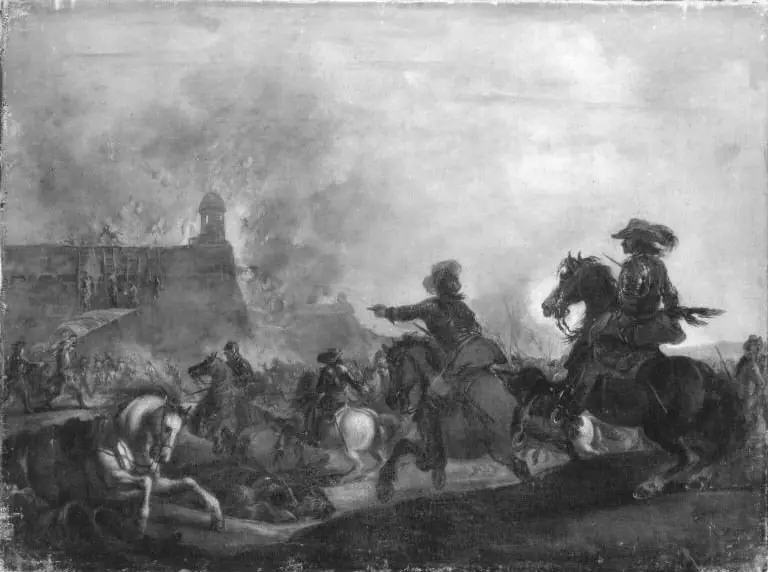
Gefechtsstück (Nachahmer) is an unspecified painting by the Barbizon school artist Georg Philipp Rugendas the Elder. It dates from 1704 and is held in the collection of the Bavarian State Painting Collections.
About this work
Overview
A German artist from Augsburg, he devoted much of his career to scenes of warfare, often drawing from firsthand observation or contemporary reports.
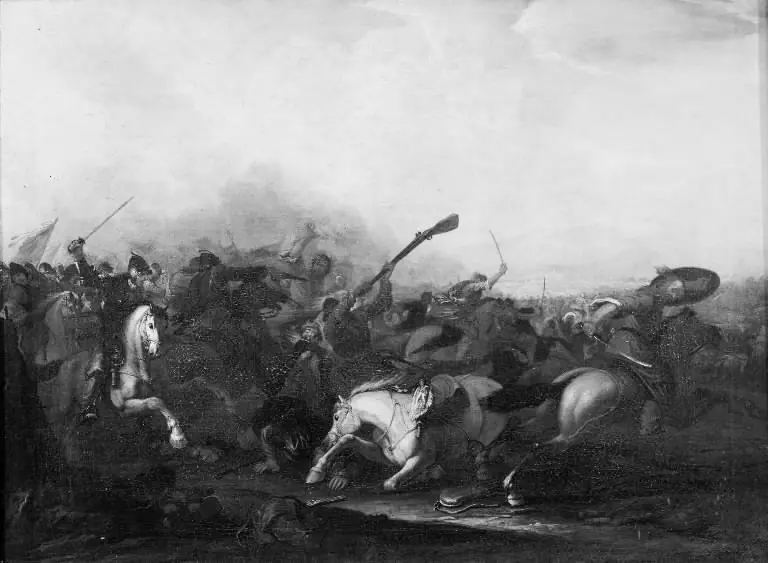
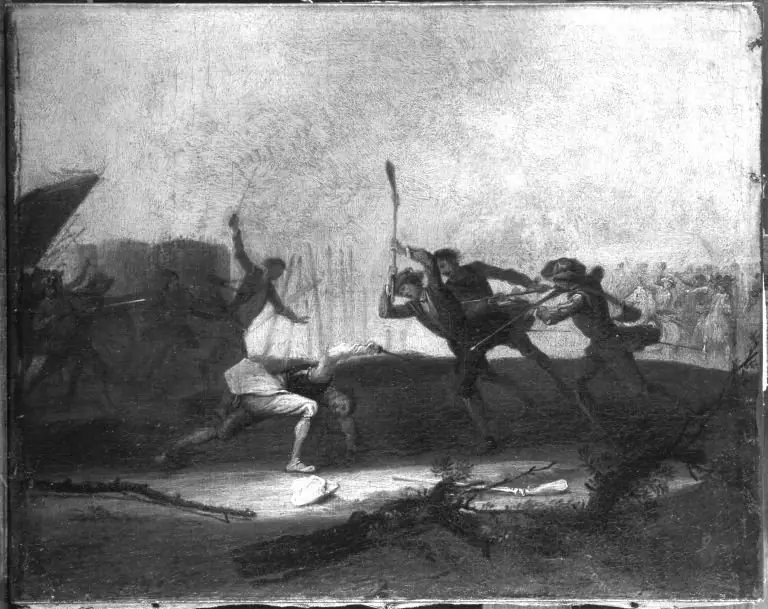
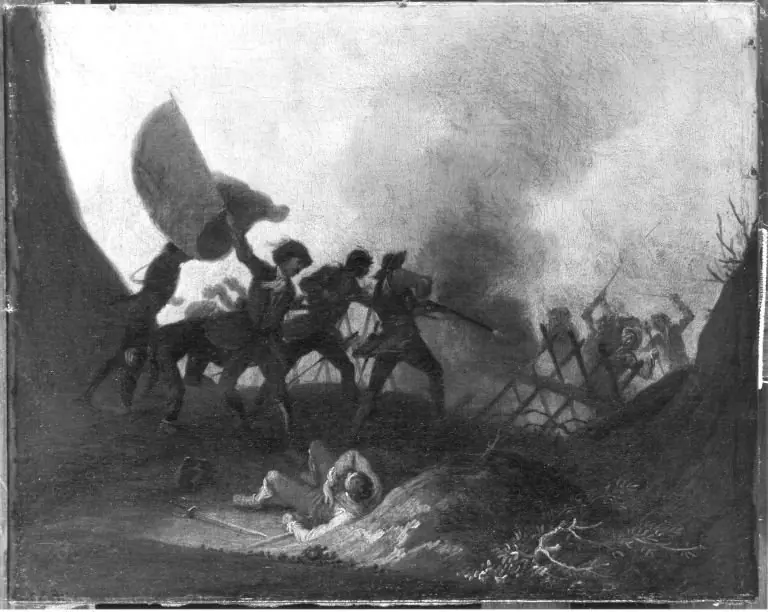
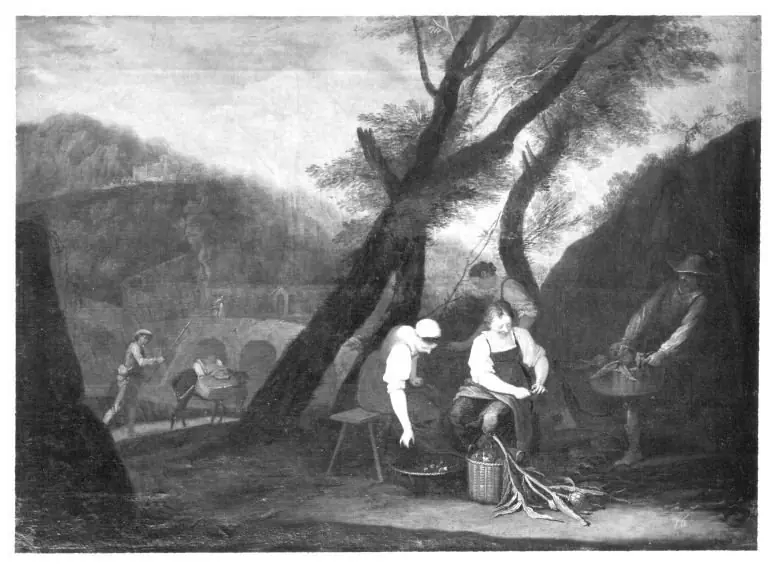
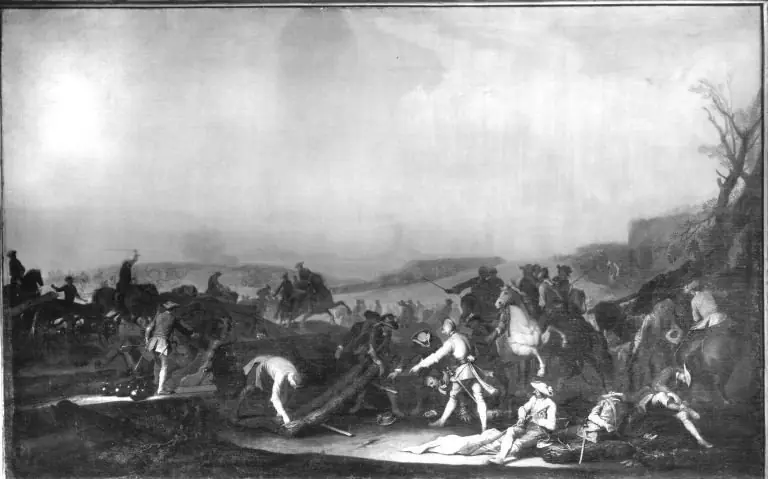
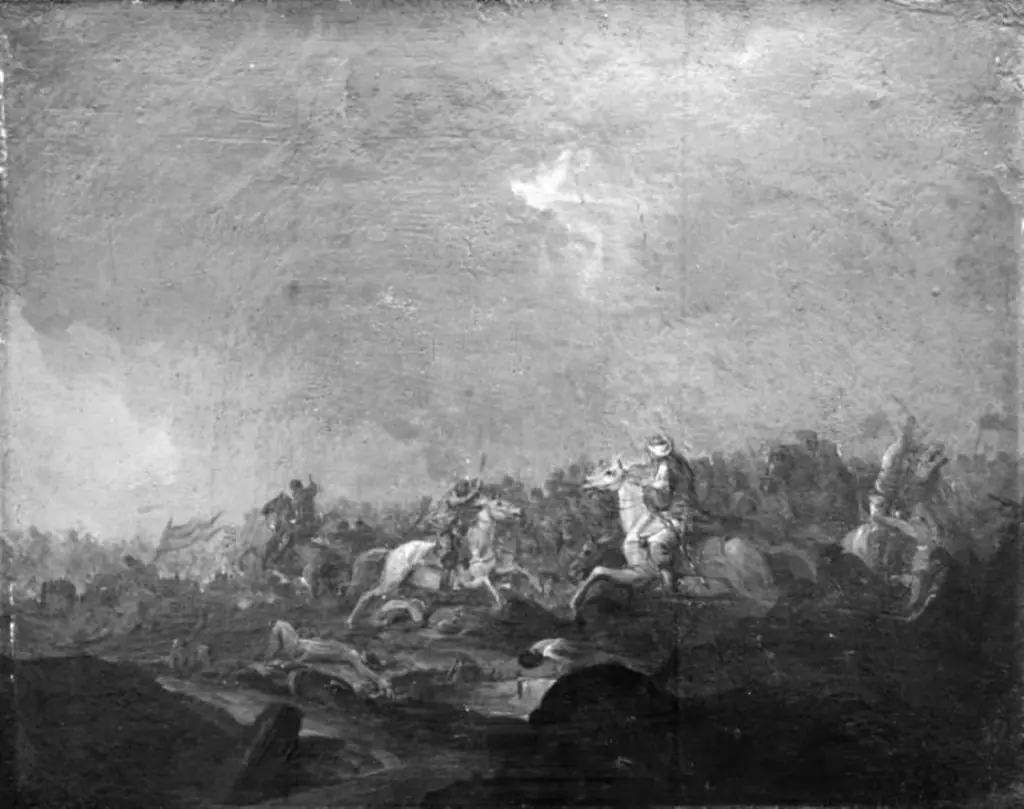
Georg Philipp Rugendas the Elder painted *Gefechtsstück (Nachahmer)* in 1704, capturing a moment of violent military engagement. A German artist from Augsburg, he devoted much of his career to scenes of warfare, often drawing from firsthand observation or contemporary reports. The work is part of the Alte Pinakothek’s collection in Munich, where it remains as an example of early 18th-century German battle painting.
Subject & Meaning
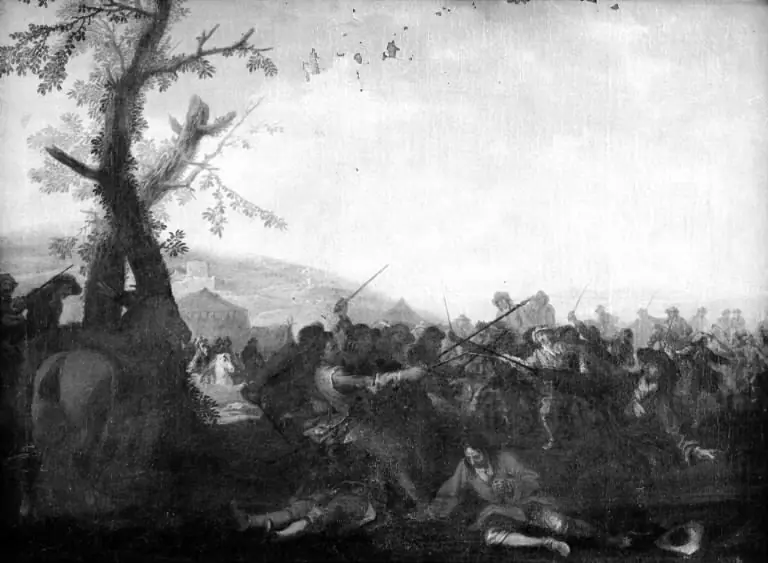
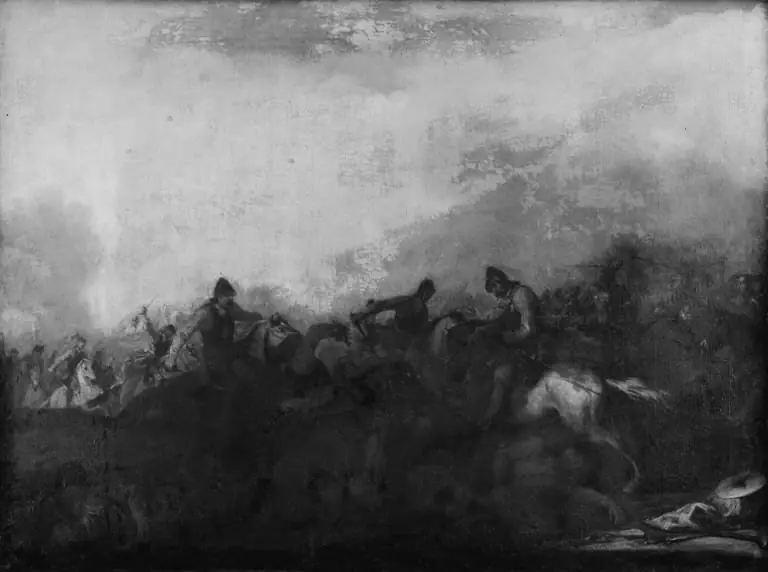
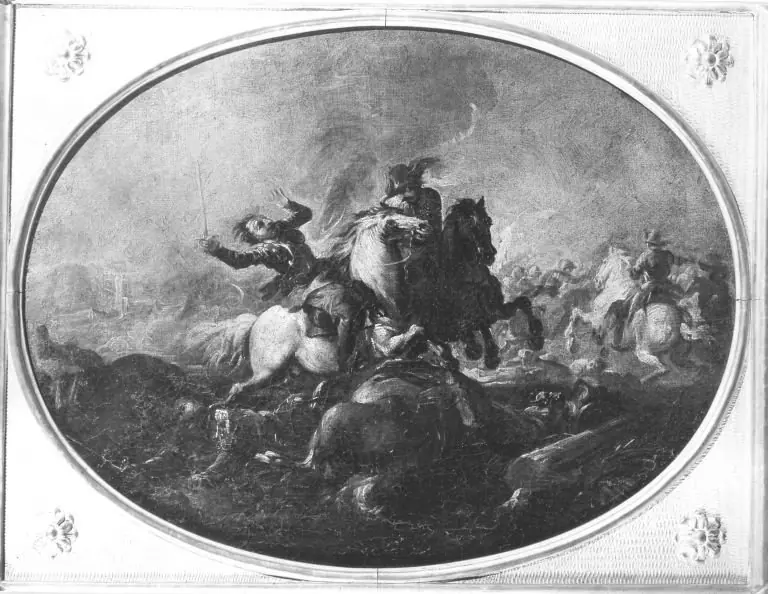
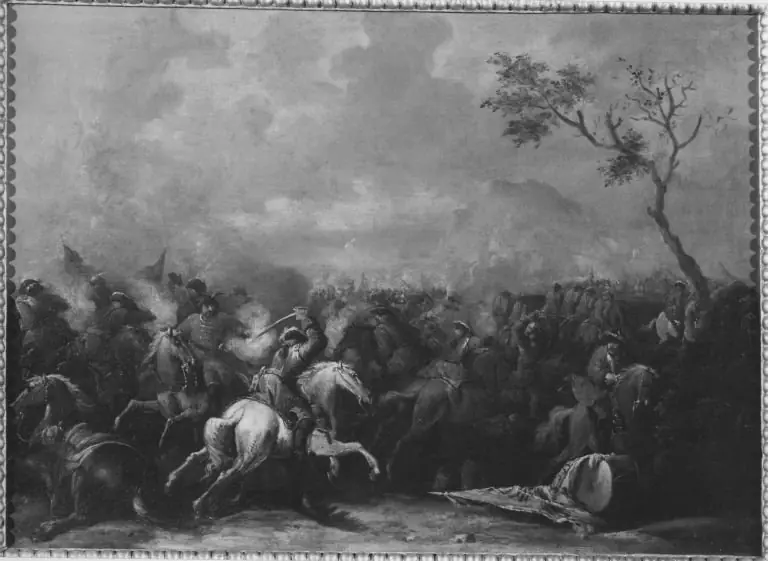
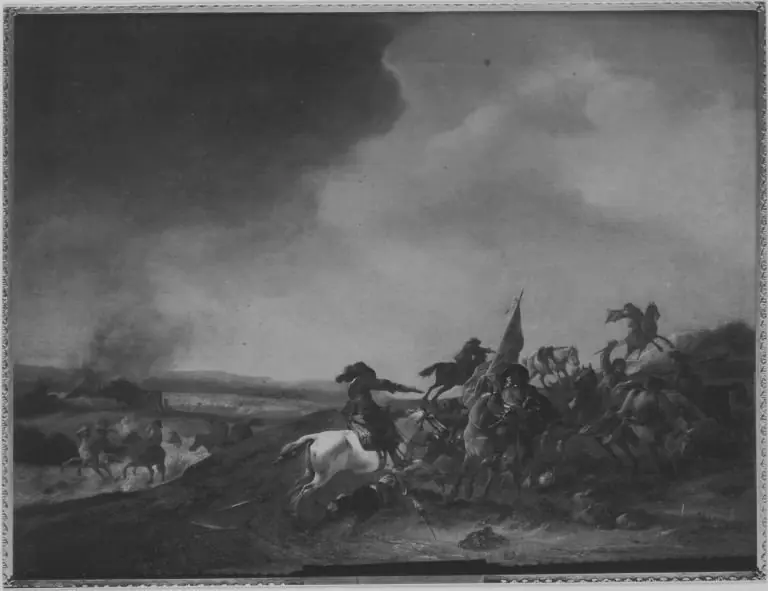
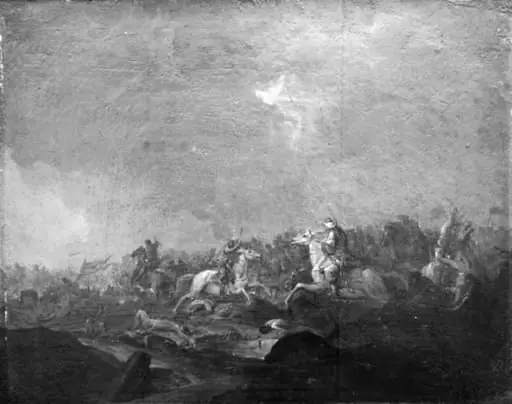
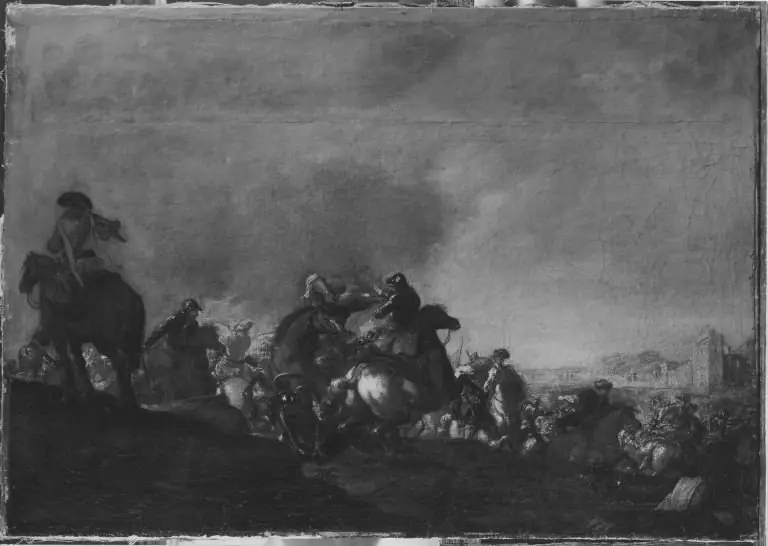
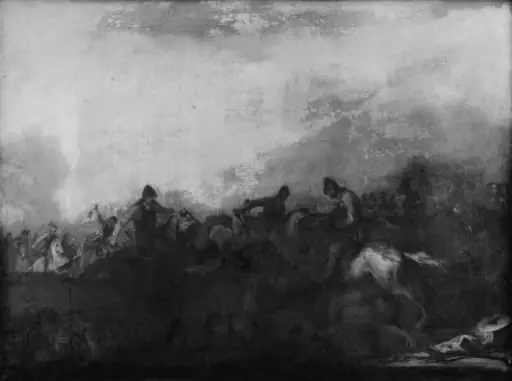
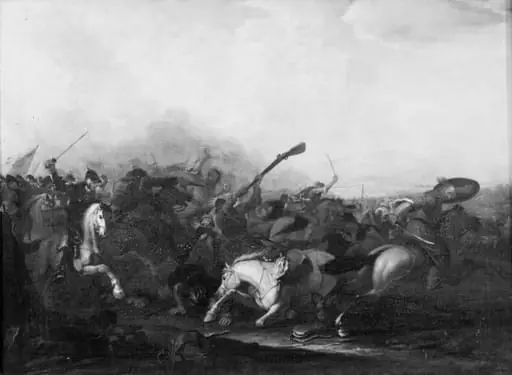
The painting portrays a disordered cavalry clash, with riders thrusting spears and slashing swords amid rearing horses. A fallen animal in the foreground underscores the brutality of combat, while smoke in the distance suggests the scale and chaos of battle. The title, meaning 'Combat Piece (Imitator)', hints at Rugendas’s engagement with established military imagery, possibly reflecting on the repetition of war’s patterns rather than glorifying heroism.
Technique & Style
Rugendas employs strong chiaroscuro to model forms and heighten emotional intensity, with light falling from the left to illuminate figures and horses against darker, smoky backgrounds. Brushwork is energetic but controlled, emphasizing motion through diagonal compositions and layered figures. The palette is muted, dominated by earth tones and grays, reinforcing the grim realism of the scene without theatrical embellishment.
History & Provenance
Created in 1704, the painting entered the Bavarian royal collection in the 18th century and was later transferred to the Alte Pinakothek upon its founding in 1836. It has remained in public ownership since, with no documented changes in custody. Its survival through wars and political upheavals reflects its status as a documented historical artifact rather than a celebrated work of its time.
Context
Rugendas worked during a period of frequent European conflicts, including the War of the Spanish Succession. His depictions of battle were not idealized but grounded in the observed chaos of warfare, aligning with a growing interest in documentary realism among German artists. Unlike Italian or Flemish battle painters, he avoided mythological or heroic framing, focusing instead on the physical and emotional toll of combat.
Legacy
Though not widely known outside German-speaking regions, Rugendas’s work contributed to a regional tradition of military realism. *Gefechtsstück (Nachahmer)* stands as a record of how 18th-century artists interpreted violence without romanticism. His influence is seen in later German genre painters who prioritized observational accuracy over dramatic spectacle, shaping a quieter, more somber approach to historical subject matter.
Artist & collection
Artist
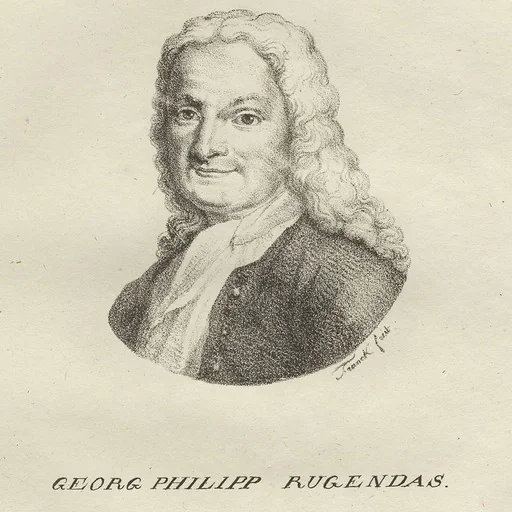
Georg Philipp Rugendas the Elder
Georg Philipp Rugendas (27 November 1666 – 1742) was a battle and military genre painter and engraver born in the Free Imperial City of Augsburg in what is now Bavaria, Germany.