Artwork
Chinese figures and animals
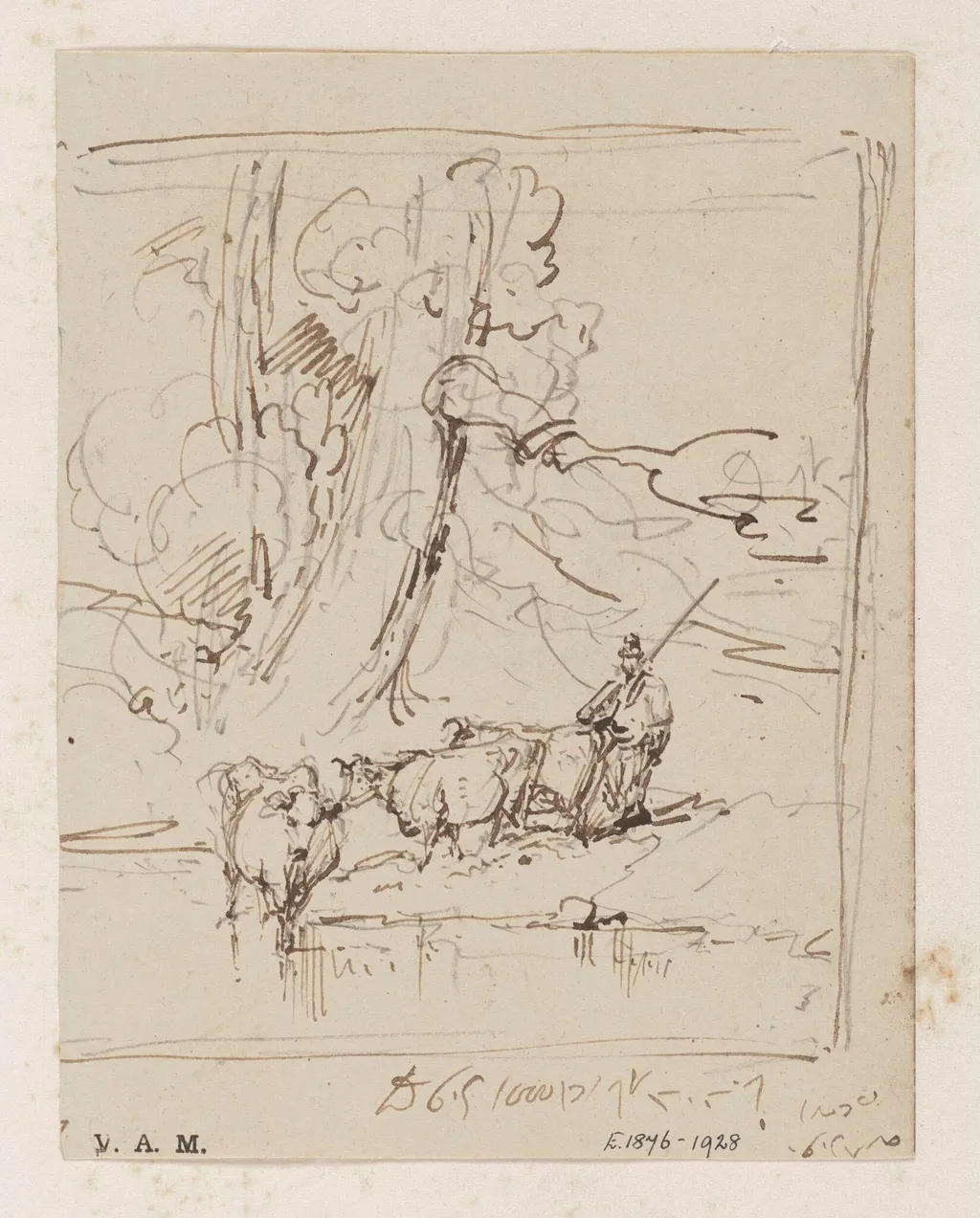
Chinese figures and animals is a drawing by the Romanticist artist George Chinnery. It dates from 19 and is held in the collection of the Victoria and Albert Museum.
About this work
Chinnery worked in India and China, so these sketches likely show everyday life in that time and place.
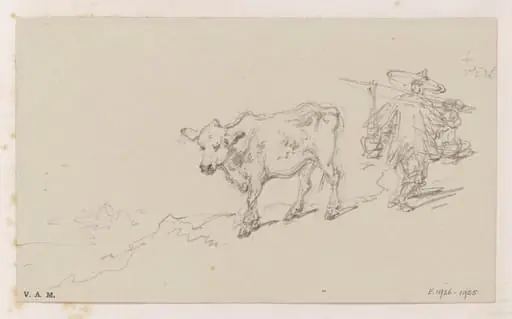
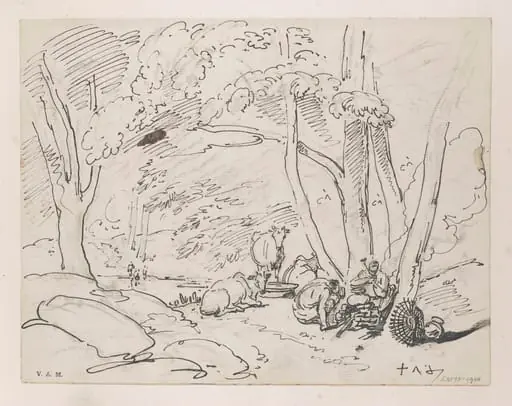
George Chinnery made this drawing in 1834. It shows people near a food stall, plus sketches of men, animals, and quick figure studies. The scene feels lively, with simple lines and light shading.
Chinnery worked in India and China, so these sketches likely show everyday life in that time and place. The animals—a calf and a pig—sit among the figures, adding to the snapshot of daily scenes.
If this style intrigues you, look up George Chinnery.
Overview
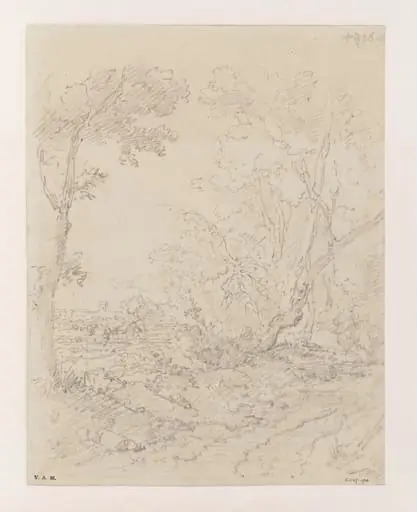
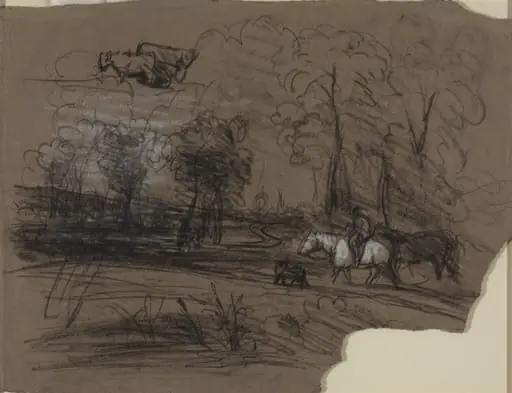
Created in 1834, this sheet of drawings by George Chinnery gathers multiple quick studies into a single composition. It includes figures gathered near a food stall, several seated men, smaller figure sketches, and two animals—a calf and a pig—rendered with minimal but deliberate lines. The work reflects Chinnery’s habit of observing daily life in real time, capturing fleeting moments rather than staged scenes.
Subject & Meaning
The subjects depict ordinary people and animals in a market setting, likely in southern China or coastal India, where Chinnery lived. The presence of animals among human figures suggests an unidealized view of urban life, where commerce and domesticity coexisted. No narrative is imposed; instead, the drawings offer a quiet record of routine activity, free from romanticization.
Technique & Style
Chinnery used light ink lines and subtle washes to suggest form without heavy detail. The figures are rendered with loose, confident strokes, emphasizing posture and movement over individual features. The animals are sketched with similar economy, their presence grounded in simple contours and minimal shading. This approach prioritizes immediacy over finish, characteristic of on-site observational drawing.
History & Provenance
The drawing originates from Chinnery’s personal sketchbooks, compiled during his decades in Asia. It was likely made during his time in Macau or Guangzhou, where he lived from the 1820s until his death. The sheet remained in private hands after his death, eventually entering institutional collections as part of broader efforts to preserve his documentary work.
Context
Chinnery was among the few Western artists living in China during the early 19th century, a period of restricted foreign access. His sketches provide rare visual records of local life outside colonial enclaves. Unlike official portraits or commissioned works, these drawings reflect personal curiosity and informal engagement with the environment, offering insight into cross-cultural observation.
Legacy
Chinnery’s sketchbooks, including this sheet, are valued for their unfiltered documentation of daily life in southern China and India. They influenced later artists and ethnographers seeking authentic representations of Asian societies. While not widely exhibited in his lifetime, his observational style has since been recognized as a significant contribution to 19th-century visual anthropology.
Artist & collection
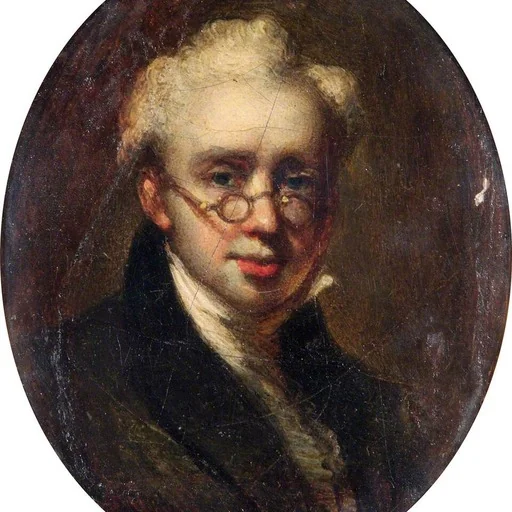
Artist
George Chinnery (Chinese: 錢納利; 5 January 1774 – 30 May 1852) was an English painter who spent most of his life in Asia, especially India and southern China.