Artwork
Dr. Colledge's original Hospital at Macao
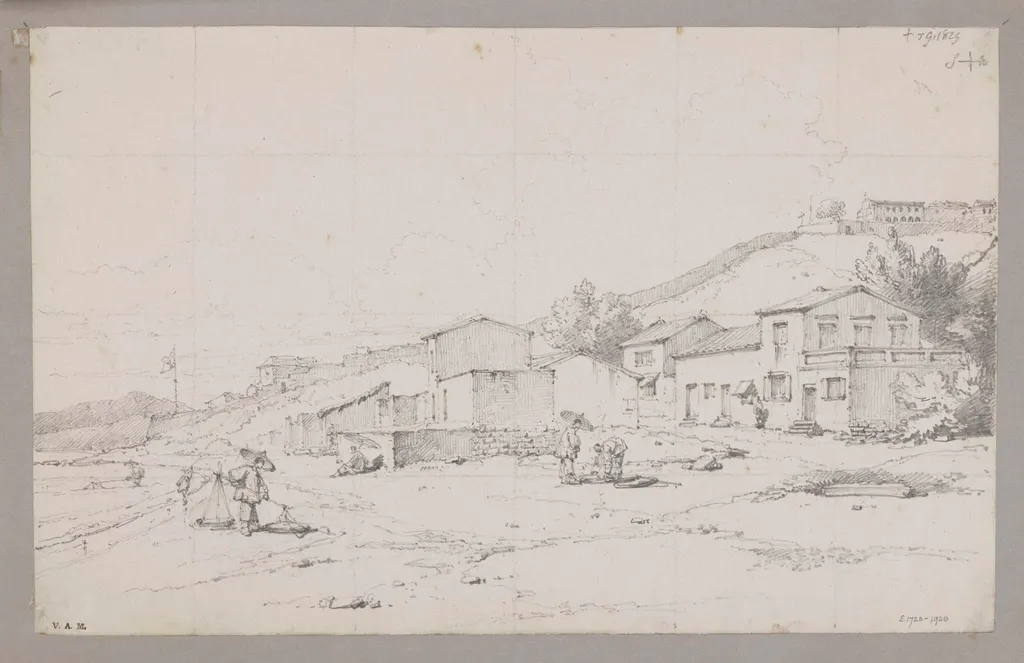
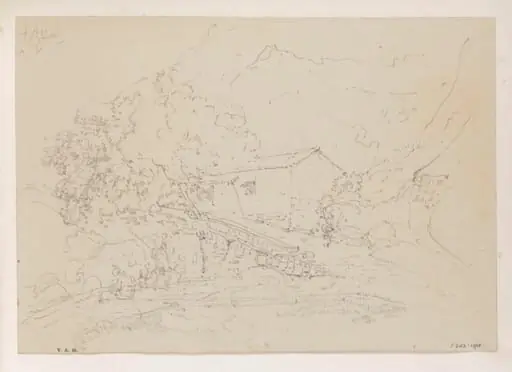
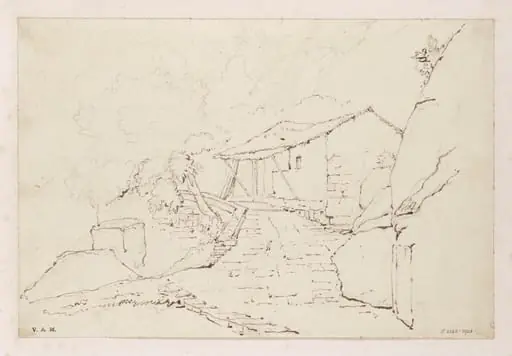
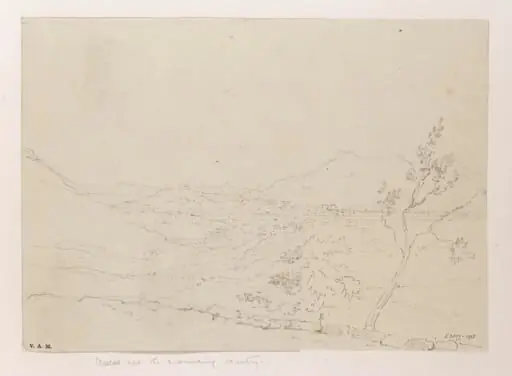
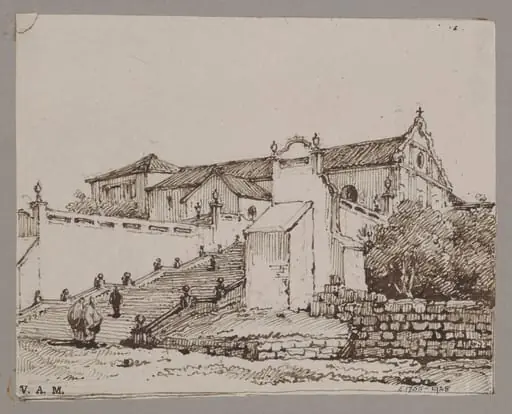
Dr. Colledge's original Hospital at Macao is a drawing by the Romanticist artist George Chinnery. It dates from 7 and is held in the collection of the Victoria and Albert Museum.
About this work
George Chinnery drew Macau in 1829. It’s a pencil sketch of the peninsula’s southwest edge. Small buildings dot the scene, one on the right was Dr. Colledge’s eye hospital.
The hospital opened in 1827. By 1829 Chinnery recorded its plain wooden structure. Chinese patients came there for cataract care under British rule.
Look up the Victoria and Albert Museum next.
Overview
This pencil sketch by George Chinnery, dated 1829, depicts the southwestern tip of the Macau peninsula. It captures a cluster of modest wooden structures, one of which served as the first ophthalmic hospital in the region. The drawing records a functional, unadorned building that stood in contrast to the surrounding colonial architecture, reflecting its practical purpose and limited resources.
Subject & Meaning
Its inclusion in the sketch underscores its significance as a rare medical facility offering care to locals under British administration.
The central focus is a small wooden building used by Dr. Thomas Richardson Colledge for treating Chinese patients with eye conditions, particularly cataracts. Its inclusion in the sketch underscores its significance as a rare medical facility offering care to locals under British administration. The building symbolizes early cross-cultural medical outreach in a port city where Western and Chinese communities intersected.
Technique & Style
Chinnery rendered the scene in light pencil strokes, emphasizing form over detail. The buildings are simplified, with minimal shading and no color, conveying a sense of immediacy and observation. The composition is documentary in tone, prioritizing spatial accuracy and architectural placement over aesthetic embellishment, typical of Chinnery’s field sketches from his time in Macau.
History & Provenance
The hospital was established by Dr. Colledge in 1827 and operated until the mid-1830s. Chinnery’s 1829 sketch is among the earliest visual records of the facility. The drawing entered the Victoria and Albert Museum’s collection, where it remains as a primary source for understanding early medical practice in colonial Macau and the role of foreign missionaries in public health.
Context
In the late 1820s, Macau was a Portuguese trading post under increasing British commercial influence. Access to Western medicine was limited for Chinese residents, making Colledge’s hospital an exceptional resource. The sketch reflects the quiet coexistence of local needs and foreign initiative, set against a backdrop of maritime trade and cultural exchange in southern China.
Legacy
Chinnery’s drawing preserves a fleeting moment in the history of medical philanthropy in Asia. Though the original structure no longer exists, the sketch serves as evidence of early efforts to provide specialized care to Chinese patients outside missionary churches. It remains a key reference for historians studying the intersection of medicine, colonialism, and visual documentation in 19th-century East Asia.
Artist & collection
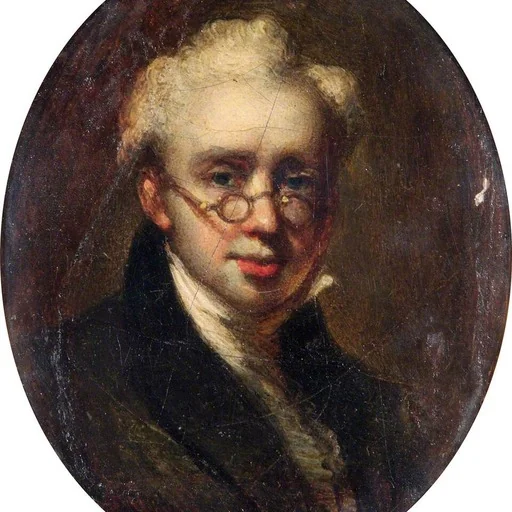
Artist
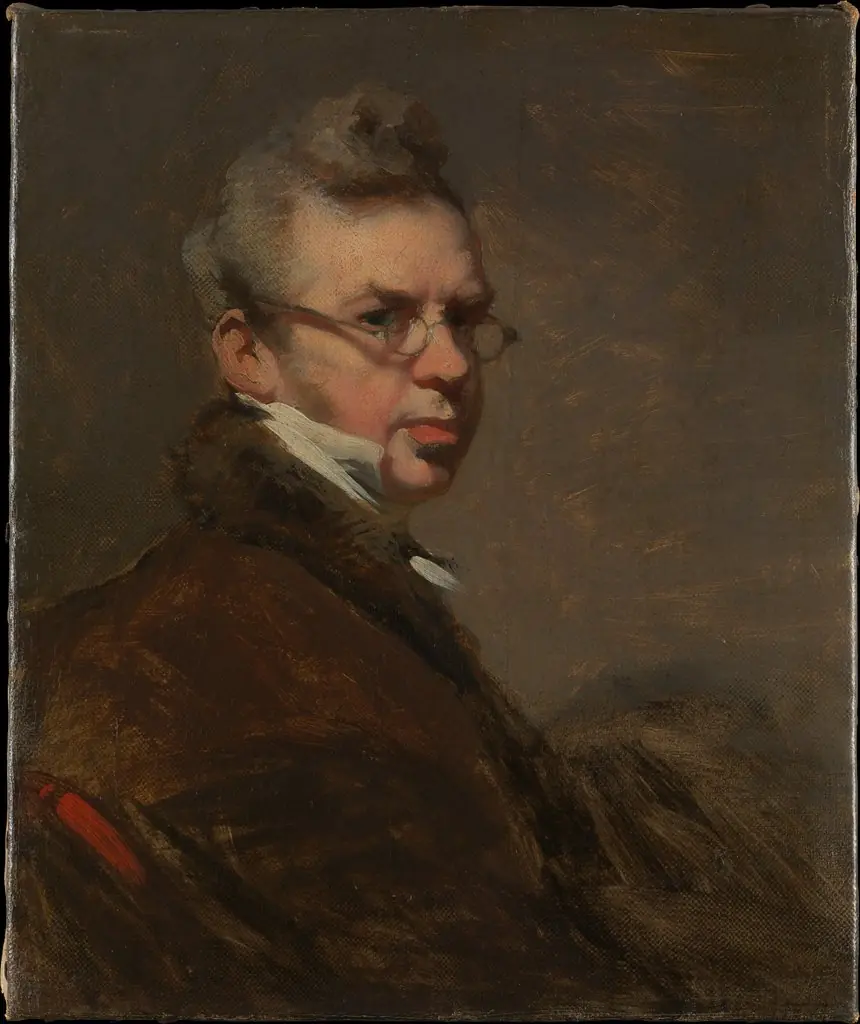
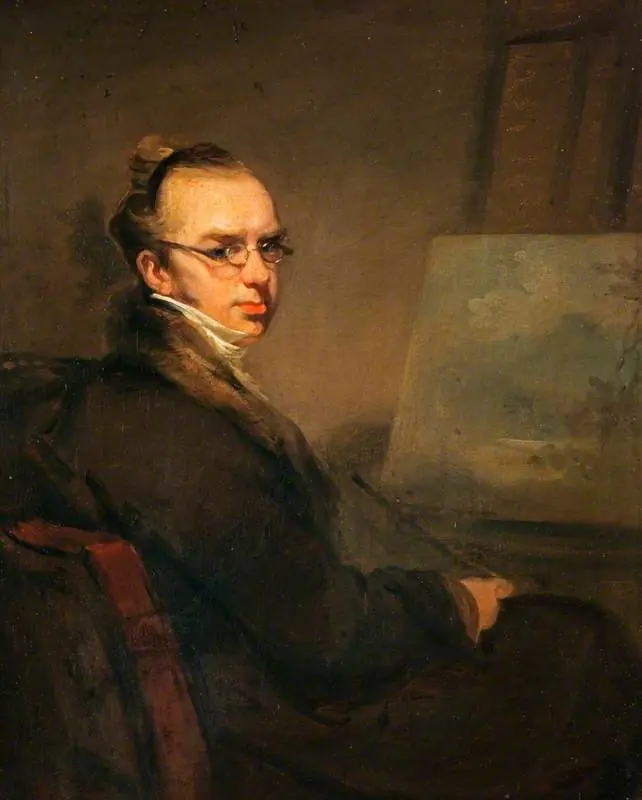
George Chinnery (Chinese: 錢納利; 5 January 1774 – 30 May 1852) was an English painter who spent most of his life in Asia, especially India and southern China.