Artwork
The hands of a Chinese figure holding a line or pipe
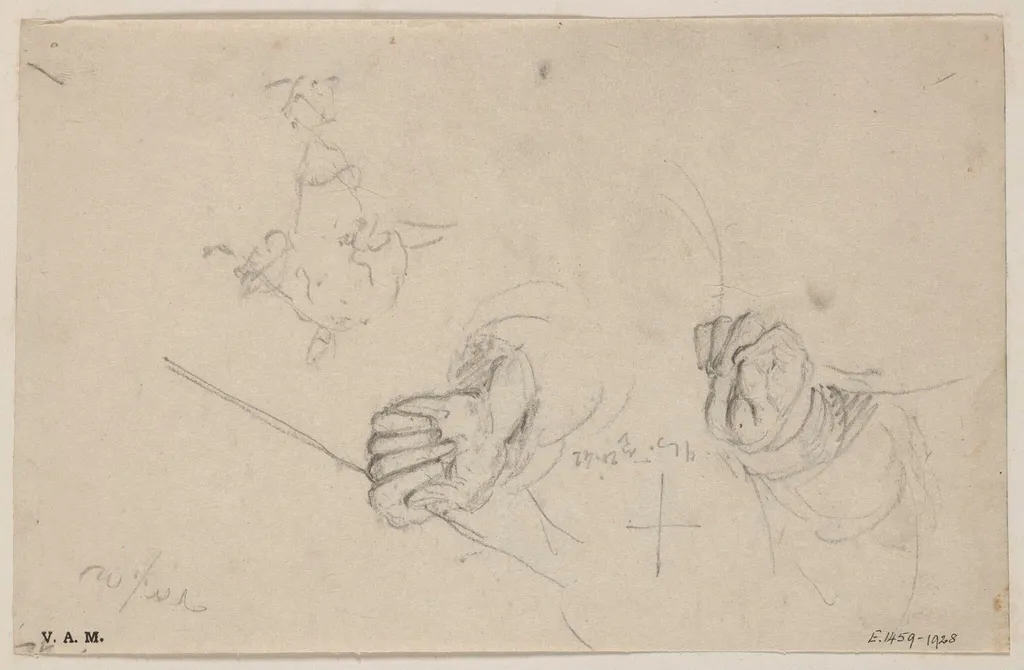
The hands of a Chinese figure holding a line or pipe is a drawing by the Romanticist artist George Chinnery. It dates from 16 and is held in the collection of the Victoria and Albert Museum.
About this work
George Chinnery drew hands holding a thin pipe in 1842. It’s a sheet of studies, not a finished picture. The artist focused on the pose and grip of fingers.
This sketch shows how hands look from the inside. He added a side sketch of a standing figure. That tells us he practiced shapes before final work.
Look up George Chinnery next.
Overview
A smaller, adjacent figure outlines the context in which these hands might function, suggesting preparatory intent for a larger work.
This drawing by George Chinnery, dated 1842, consists of multiple studies of hands and forearms, each capturing the grip and posture of fingers holding a slender pipe stem. Executed in pencil or ink, the sheet is not a completed composition but a working record of observational sketches. A smaller, adjacent figure outlines the context in which these hands might function, suggesting preparatory intent for a larger work.
Subject & Meaning
The focus is on the physicality of grip—how fingers curve around a cylindrical object, the tension in tendons, and the angle of the wrist. These are not symbolic gestures but direct studies of human anatomy in everyday action. The inclusion of a standing figure implies an interest in how such details integrate into a broader narrative scene, likely tied to portraiture or genre depiction of Chinese subjects.
Technique & Style
Chinnery employed rapid, confident lines to convey form without shading or detail. The hands are rendered from an unusual internal perspective, emphasizing the underside of the fingers and palm. The side sketch of the figure is loosely indicated, using minimal strokes to suggest posture and scale. This approach reflects a working method grounded in direct observation and efficiency.
History & Provenance
Created during Chinnery’s time in southern China, the drawing belongs to a series of studies made between the 1820s and 1840s. It likely originated in his personal sketchbooks, used to document local figures and customs. The sheet remained in private hands after his death, later entering institutional collections as part of broader efforts to preserve his ethnographic and artistic records.
Context
Chinnery worked in Macau and Guangzhou during a period of limited foreign access to China. His drawings served as both artistic practice and cultural documentation. This sheet reflects his engagement with local life—observing gestures, clothing, and objects like smoking pipes—while refining his ability to render the human form under non-European conditions.
Legacy
The drawing exemplifies Chinnery’s role as a bridge between Western drawing traditions and East Asian subject matter. His focus on anatomical accuracy and everyday detail influenced later artists documenting Asia. Though not widely exhibited, such studies remain key to understanding his method and the visual record he left of 19th-century southern China.
Artist & collection
Artist
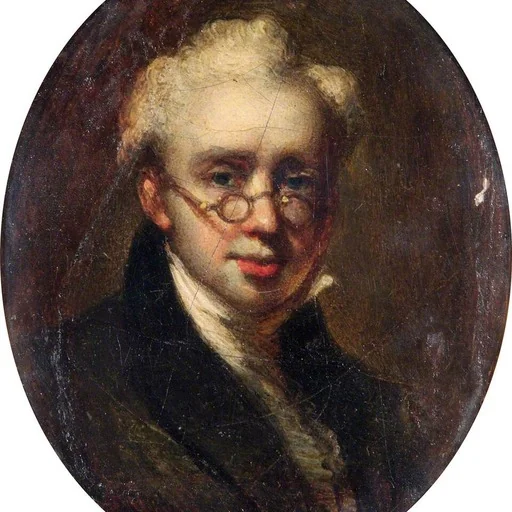
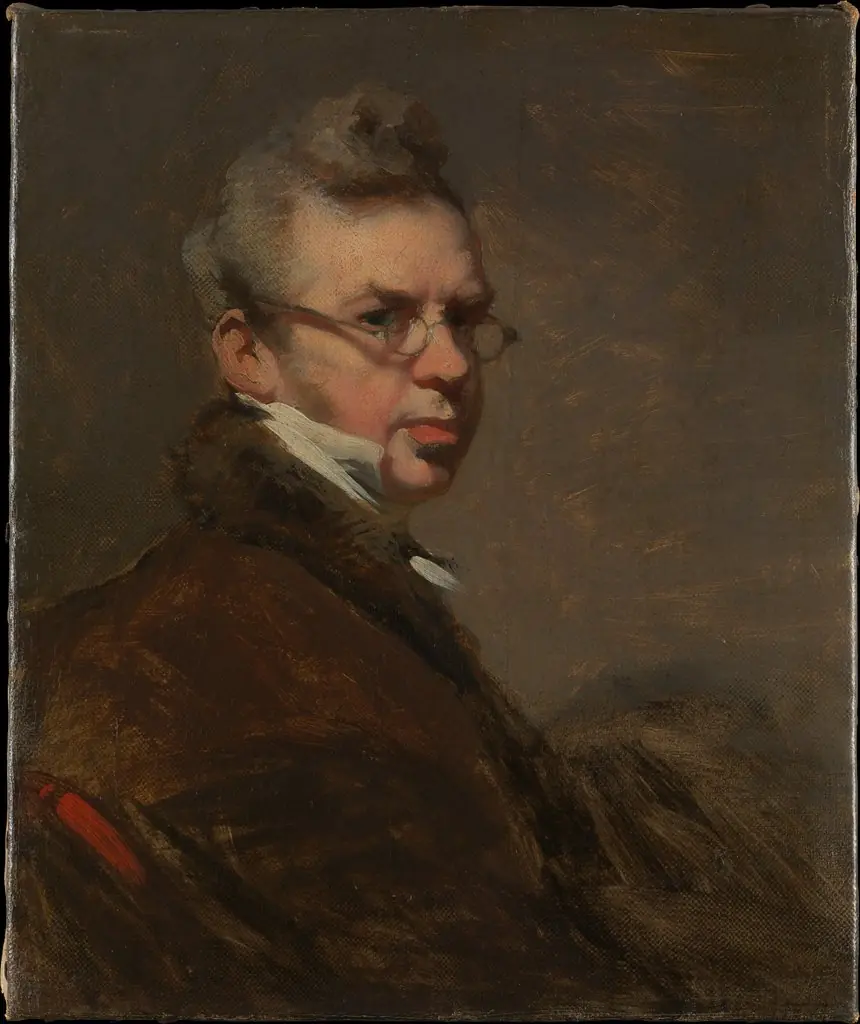
George Chinnery (Chinese: 錢納利; 5 January 1774 – 30 May 1852) was an English painter who spent most of his life in Asia, especially India and southern China.

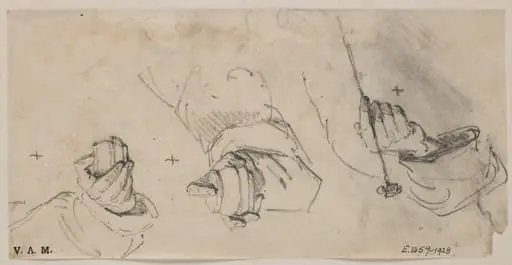 Three drawings of a hand grasping different objects
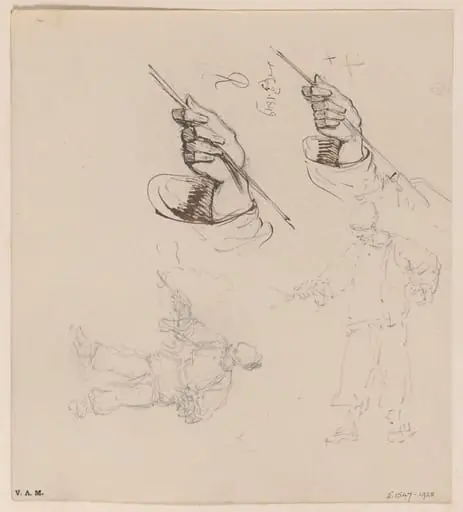 The hands of a Chinese man holding a line
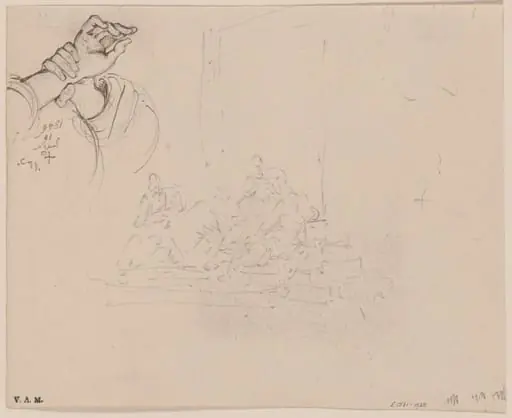 Clasped hands, and a sketch of Chinese figures
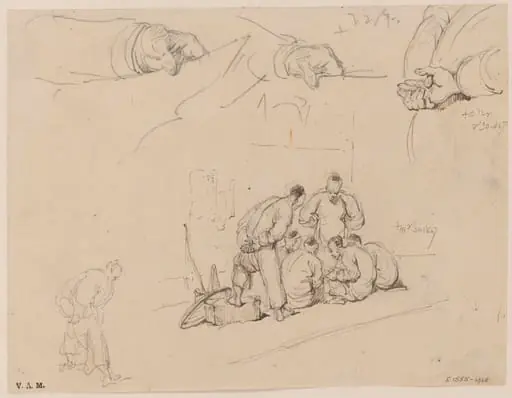 Drawings of a group of Chinese men, clasped hands, and a hand holding paper
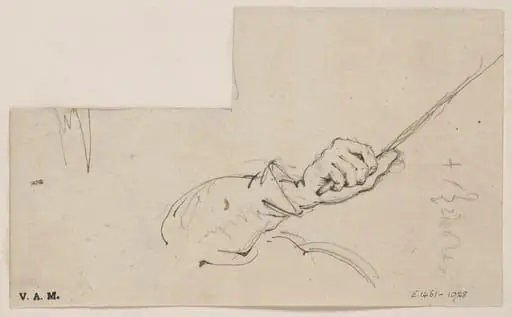 An arm and hand holding a stick
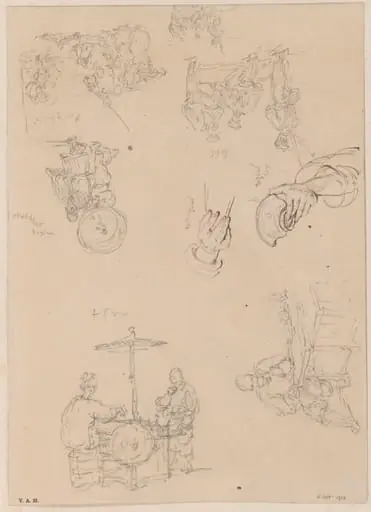 Chinese figures, soldiers, and details of hands
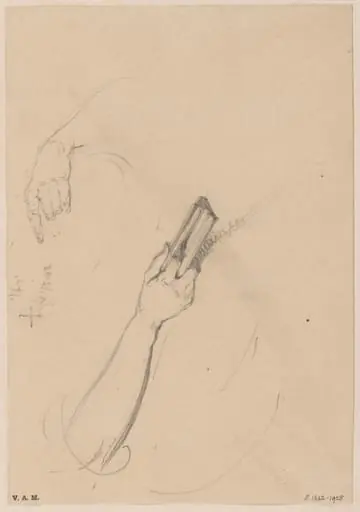 Studies of arms and hands, one holding a book
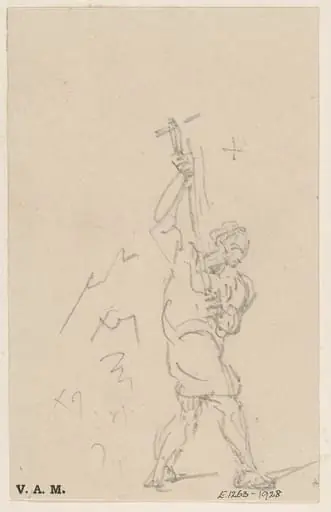 A Chinese figure with an upraised hammer
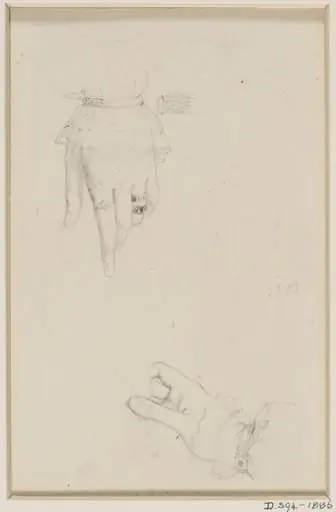 Study of hands