Artwork
Sunset
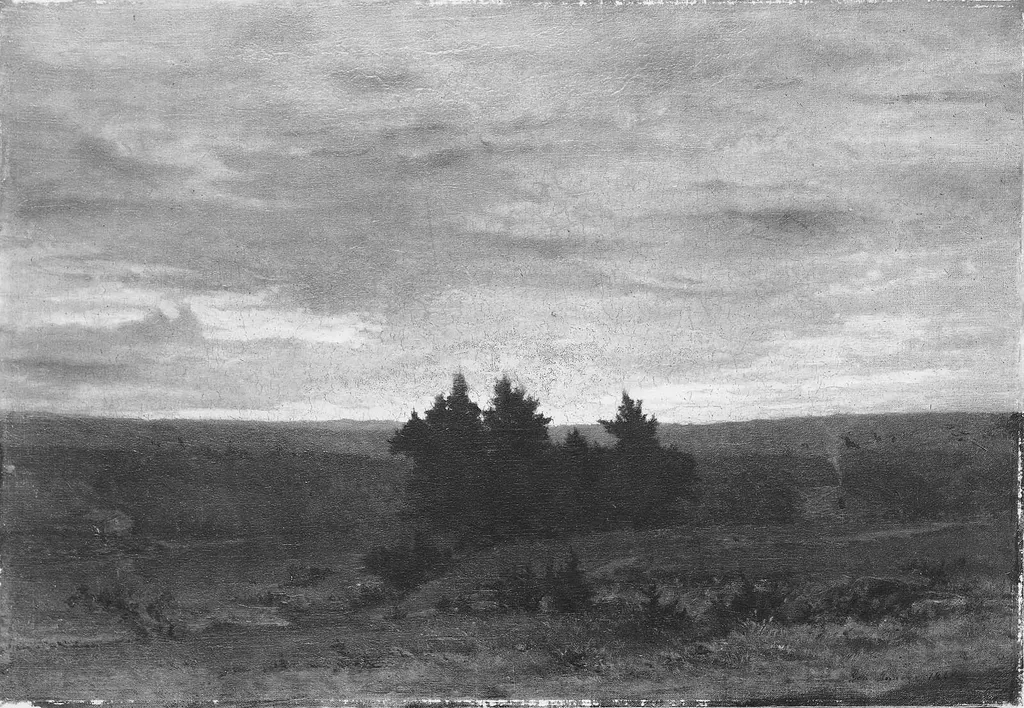
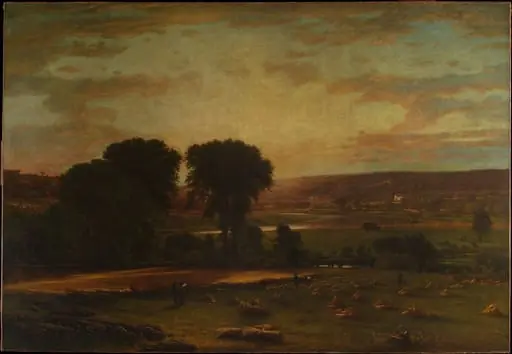
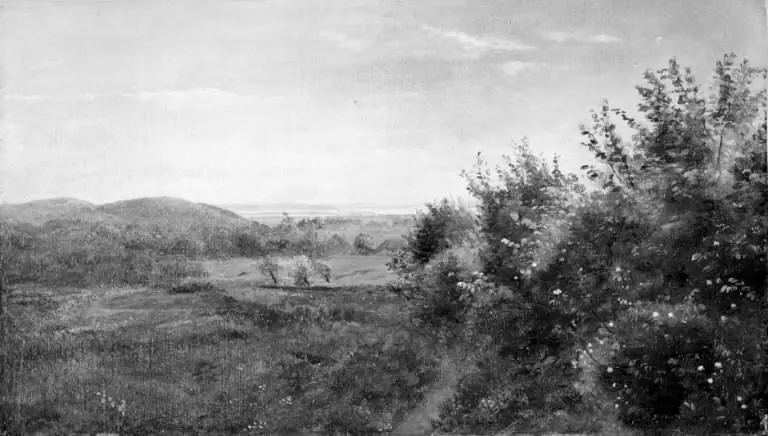
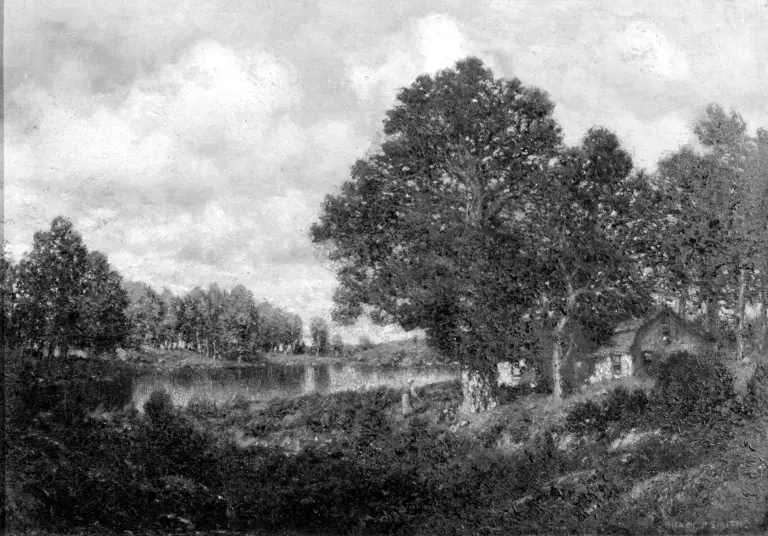
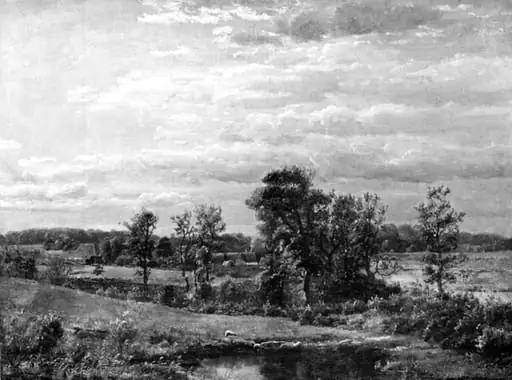
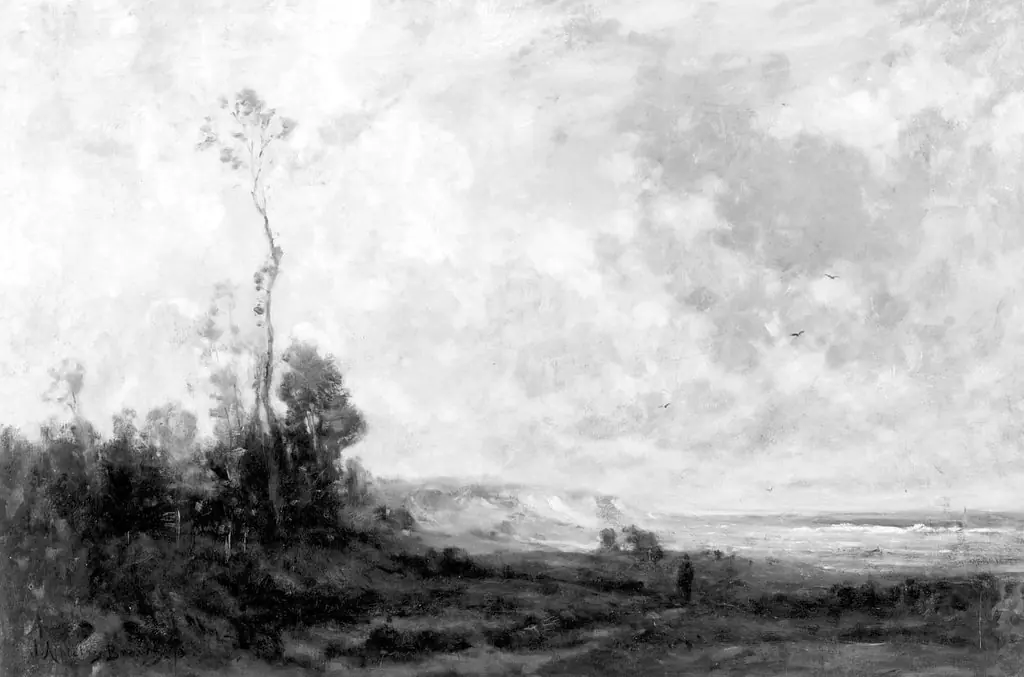
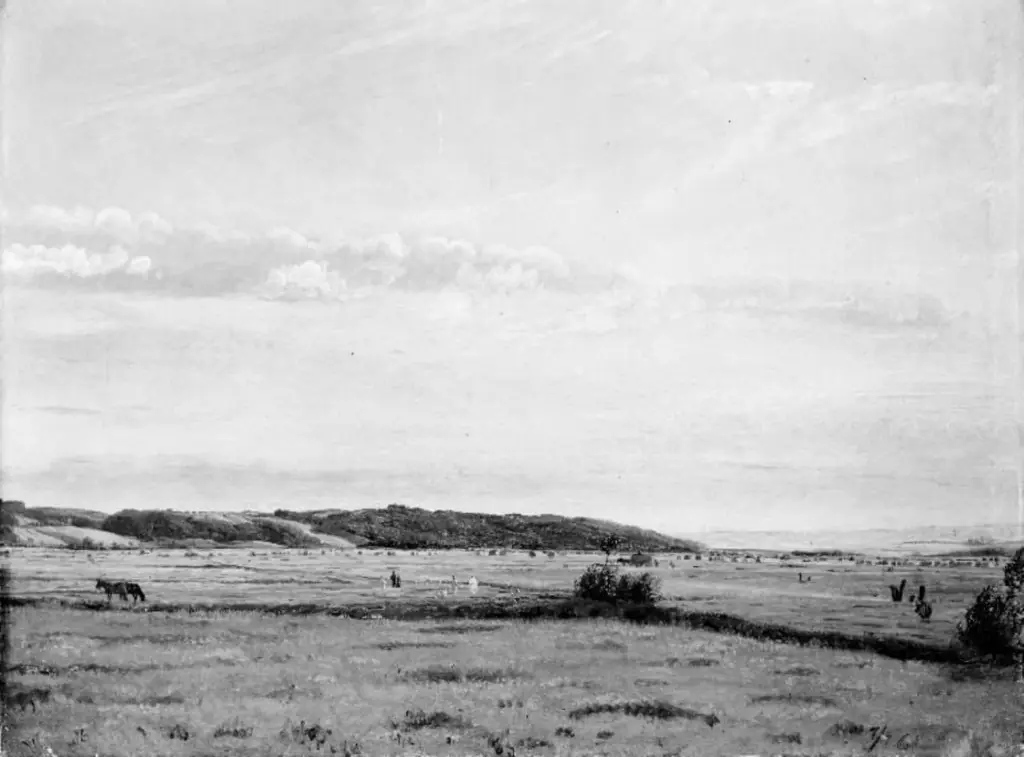
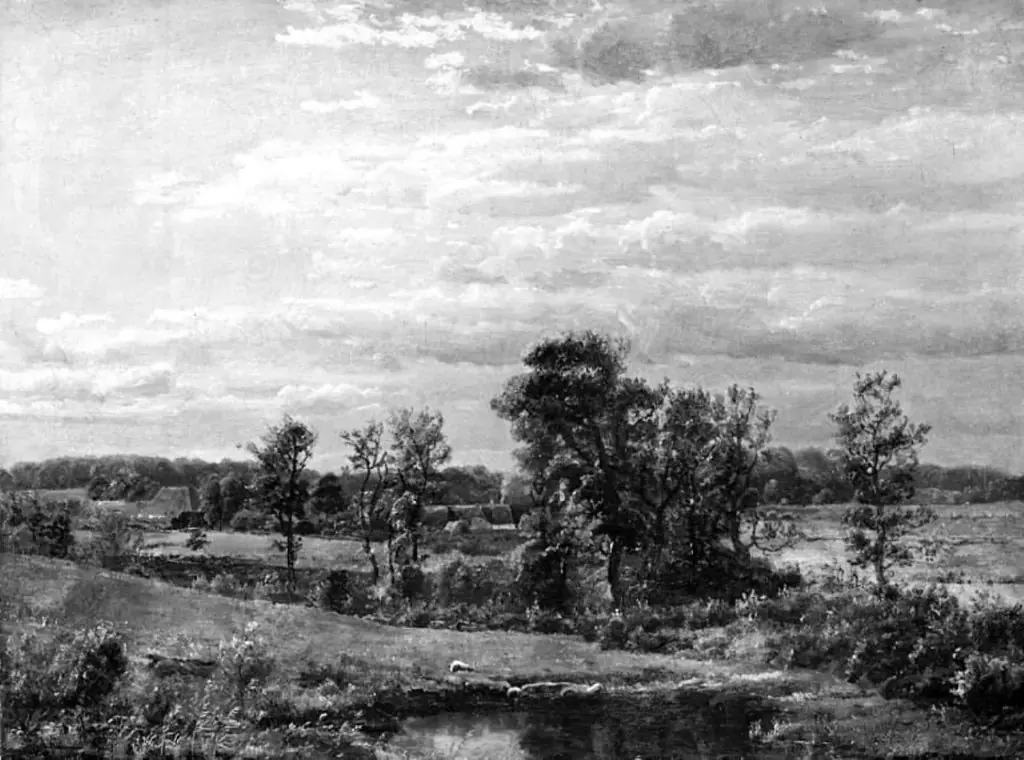
Sunset is an oil painting by the American Impressionist artist George Inness. It dates from 1869 and is held in the collection of the Museum of Fine Arts Boston.
About this work
Overview
George Inness completed *Sunset* circa 1869, marking a transitional phase in his career as he moved beyond the detailed realism of the Hudson River School.
George Inness completed *Sunset* circa 1869, marking a transitional phase in his career as he moved beyond the detailed realism of the Hudson River School. The work reflects his growing interest in atmospheric effects and emotional resonance, influenced by European tonalism and spiritual ideas. Executed in oil, the painting prioritizes mood over topographical accuracy, signaling a shift toward a more introspective approach to landscape.
Subject & Meaning
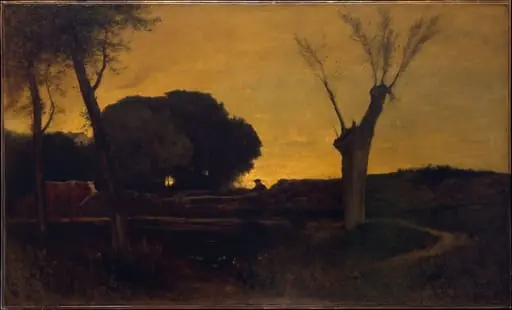
The painting depicts a quiet evening scene with a low horizon, where the fading sun bathes the sky in soft gradients of yellow, orange, and pink. Trees frame the lower edge, their forms simplified into silhouettes. Rather than documenting a specific location, Inness sought to evoke a contemplative state, aligning with his belief in nature as a manifestation of divine order, a concept drawn from Swedenborgian theology.
Technique & Style
Inness applied oil paint in thin, layered washes to achieve a seamless blend of hues, minimizing visible brushwork. The absence of sharp edges and the diffusion of light create a hazy, luminous atmosphere. He abandoned detailed rendering in favor of tonal harmony, using subtle shifts in value to suggest depth and volume. This method, distinct from chiaroscuro, emphasizes ambient glow over dramatic contrast.
History & Provenance
Painted during a period of personal and artistic transformation, *Sunset* emerged after Inness’s travels in Europe and his deepening engagement with mystical thought. It was likely exhibited in American salons of the 1870s, where his new style drew both praise and skepticism. The painting remained in private collections until entering a public museum, where it now represents his mature phase.
Context
In the late 1860s, American landscape painting was shifting from grand, heroic vistas to quieter, more personal interpretations. Inness’s work responded to this trend, aligning with emerging European movements like Barbizon and Impressionism, though he retained a spiritual dimension absent in their secular focus. His approach contrasted with the detailed precision of earlier Hudson River artists.
Legacy
*Sunset* exemplifies Inness’s role in redefining American landscape art by prioritizing emotional tone over literal representation. His synthesis of spiritual ideas and atmospheric technique influenced later generations of tonalist painters. Though less known than his contemporaries, his quiet, meditative style helped pave the way for modern American abstraction in landscape painting.
Artist & collection

Artist
George Inness (May 1, 1825 – August 3, 1894) was an American landscape painter. Now recognized as one of the most influential American artists of the nineteenth century, Inness was influenced by the Hudson River School…