Artwork
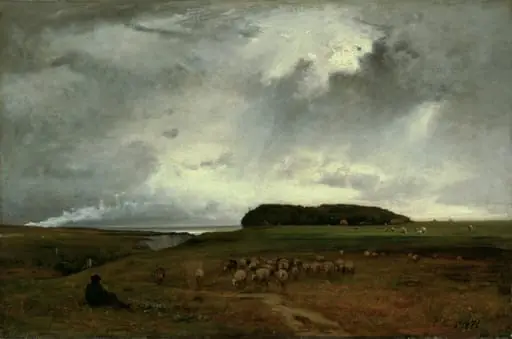
The Storm
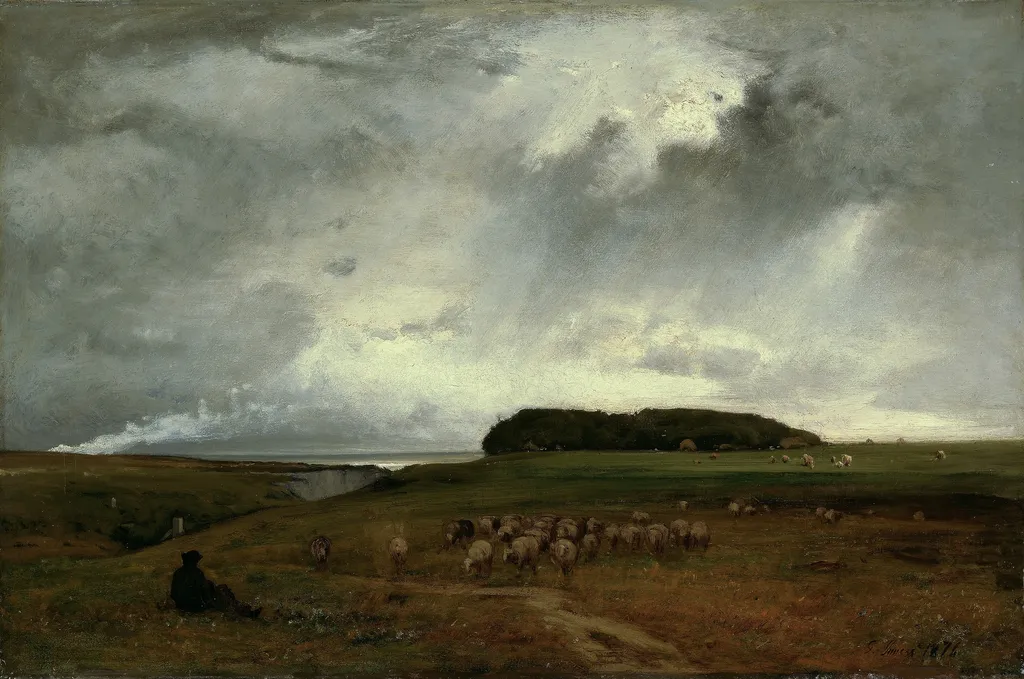
The Storm is an oil painting by the American Impressionist artist George Inness. It dates from 1888 and is held in the collection of the Art Institute of Chicago.
About this work
Overview
George Inness completed *The Storm* in 1888 using oil on canvas, marking a late phase in his career. The work belongs to a series of landscapes where he moved beyond topographical realism toward evocative, atmospheric compositions. Though often associated with American Impressionism, his approach diverged in its spiritual intent, prioritizing emotional resonance over optical accuracy.
Subject & Meaning
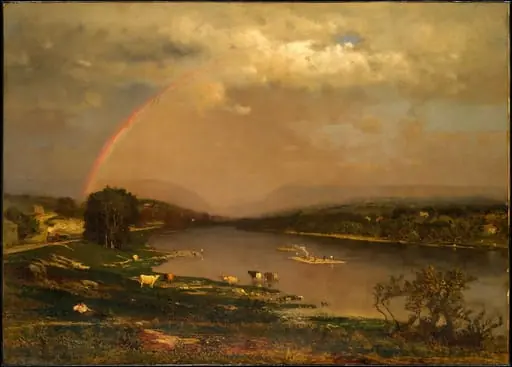
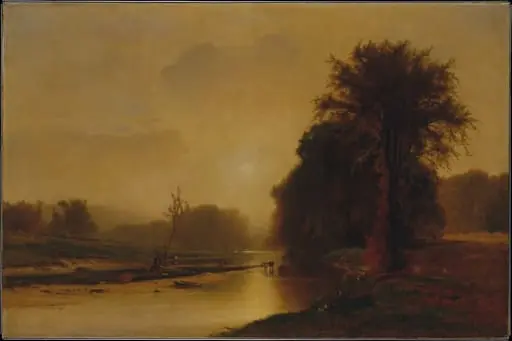
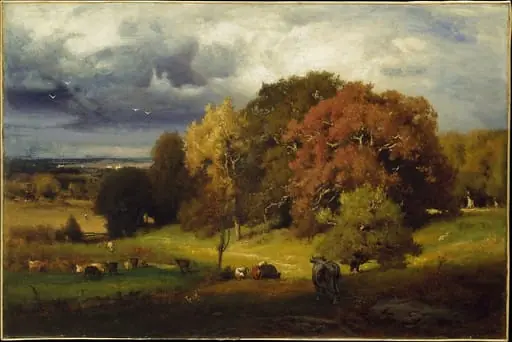
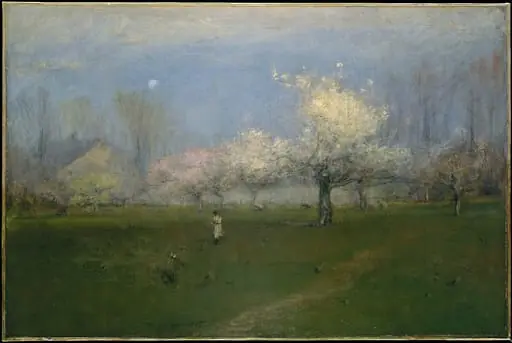
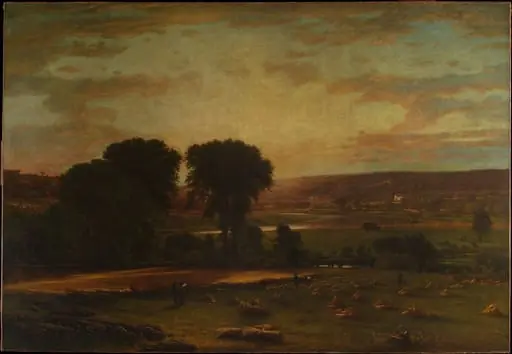
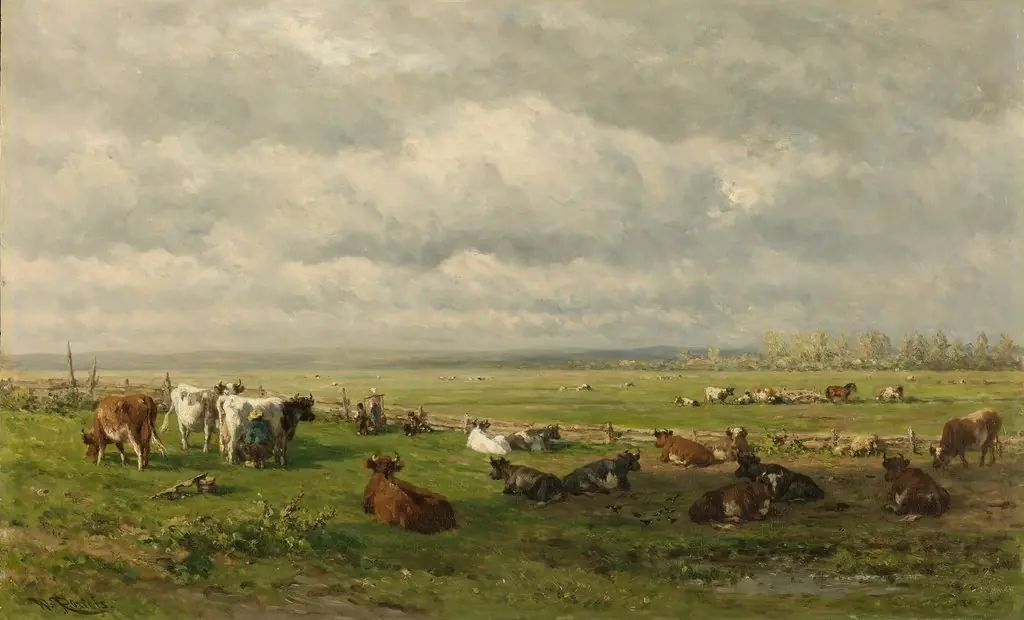
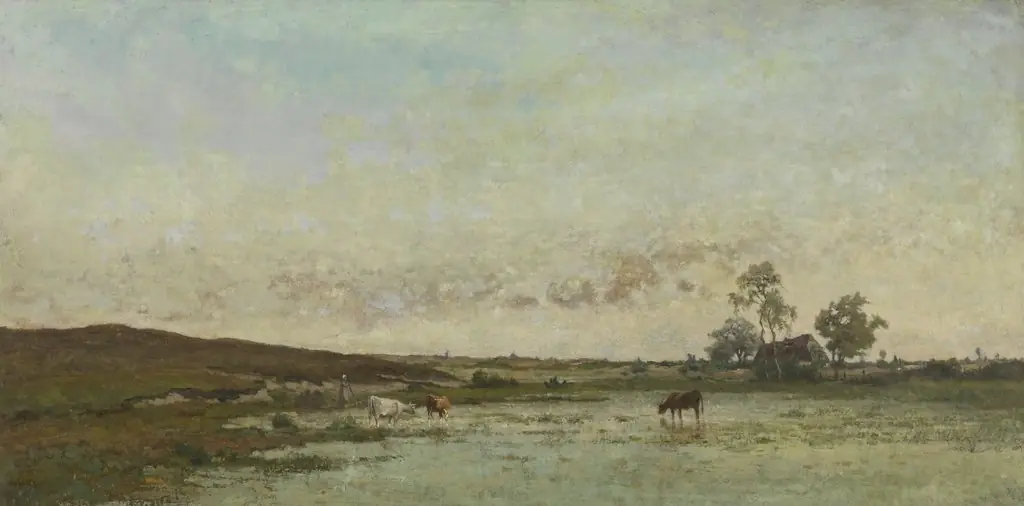
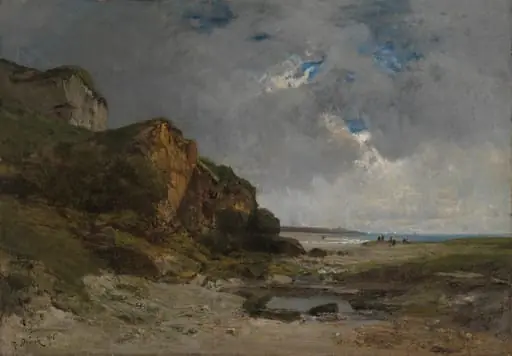
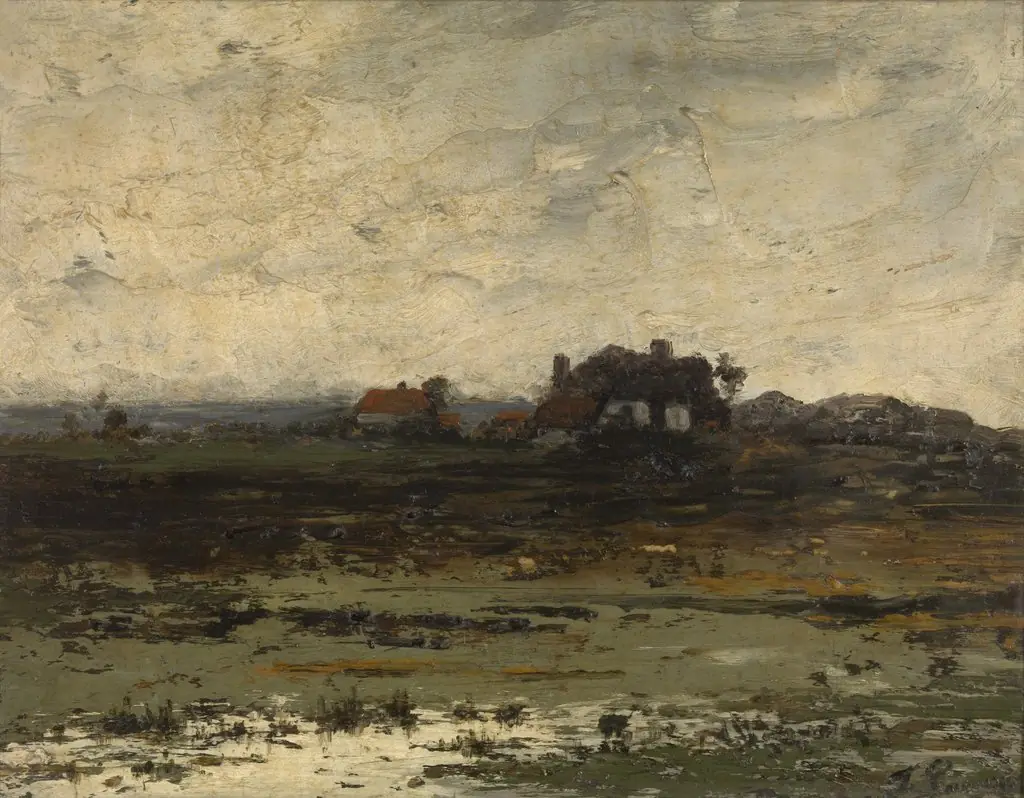
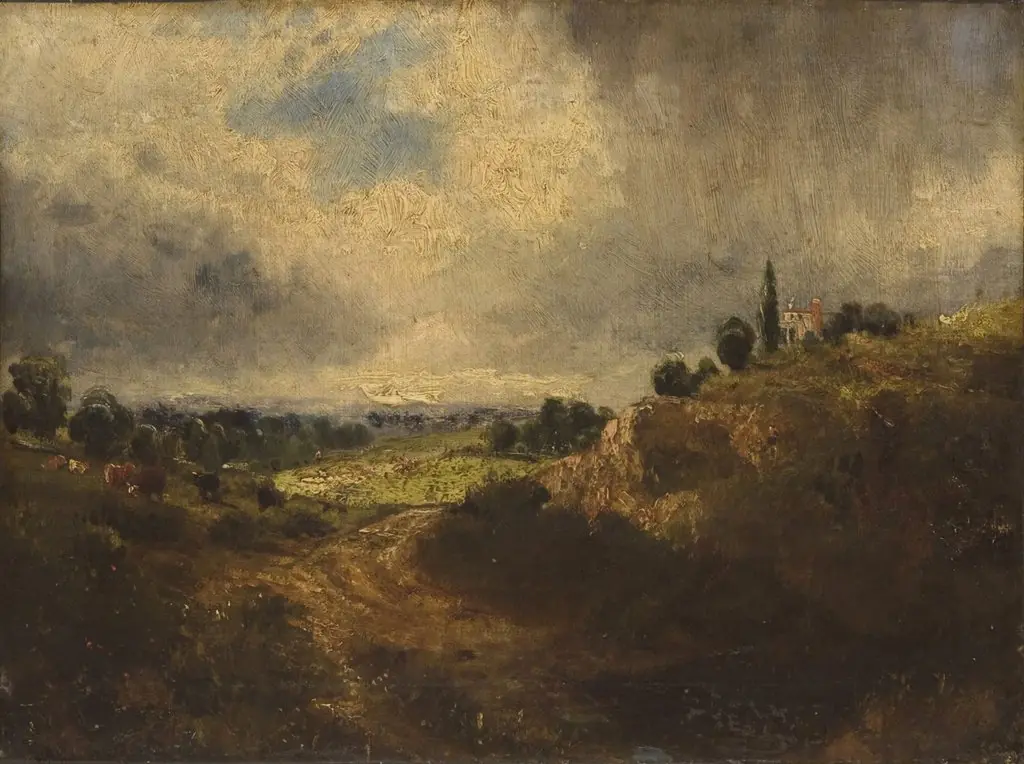
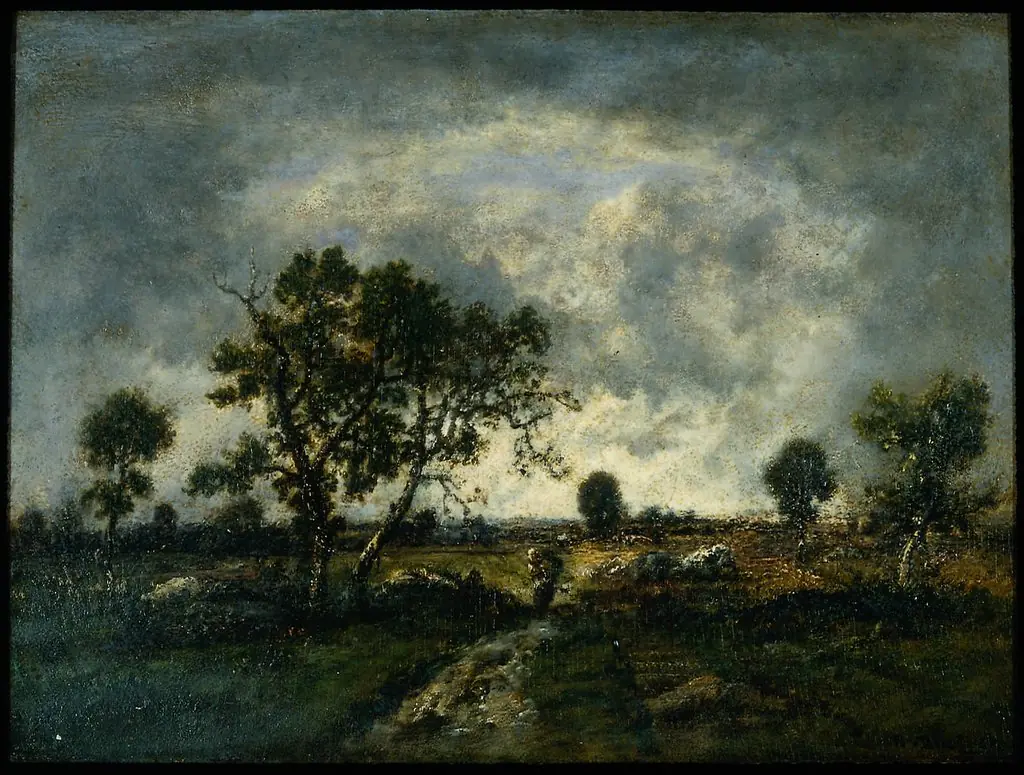
The painting depicts a rural landscape under a turbulent sky, with scattered trees, a narrow body of water, and open fields.
The painting depicts a rural landscape under a turbulent sky, with scattered trees, a narrow body of water, and open fields. Rather than documenting a specific location, Inness aimed to convey a mood—nature as a vessel for inner experience. The interplay of light and dark suggests transcendence amid chaos, reflecting his long-standing engagement with Swedenborgian ideas about the divine presence in the natural world.
Technique & Style
Inness employed loose, layered brushwork to blur boundaries between land, sky, and atmosphere. His palette is restrained—dominated by grays, muted greens, and earthy browns—with subtle highlights of pale gold breaking through the clouds. The brushstrokes imply motion, as if wind and rain are actively shaping the scene, creating a sense of dynamic, almost sentient nature.
History & Provenance
Painted during Inness’s final years, *The Storm* emerged after his time in Europe, where he encountered Barbizon and Romantic landscape traditions. It entered the Art Institute of Chicago’s collection in the early 20th century, where it has remained as a key example of his mature style. The work was not widely exhibited during his lifetime but gained recognition posthumously among scholars of American spiritual art.
Context
Inness’s shift from the detailed realism of the Hudson River School to his later, more abstracted style mirrored broader changes in 19th-century American art. While contemporaries pursued scientific observation, he sought emotional and metaphysical truth. His work resonated with contemporaries interested in mysticism and the inner life, placing him at the intersection of art, philosophy, and theology.
Legacy
Though less known than his Hudson River peers, Inness influenced later American modernists who valued mood over detail. *The Storm* exemplifies his contribution to a distinctly American tradition of landscape as psychological and spiritual expression. His integration of personal belief into visual form paved the way for 20th-century artists exploring abstraction and emotion in nature.
Own this work as a print
Artist & collection

Artist
George Inness (May 1, 1825 – August 3, 1894) was an American landscape painter. Now recognized as one of the most influential American artists of the nineteenth century, Inness was influenced by the Hudson River School…