Artwork
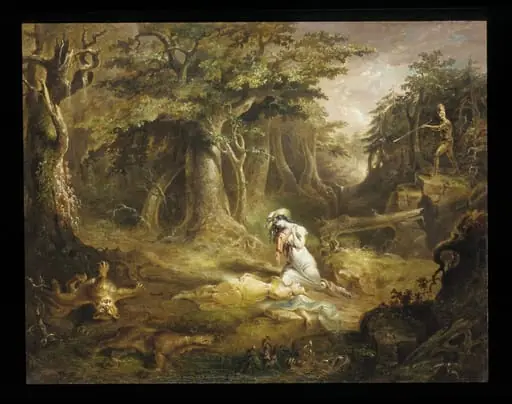
Leatherstocking Kills the Panther
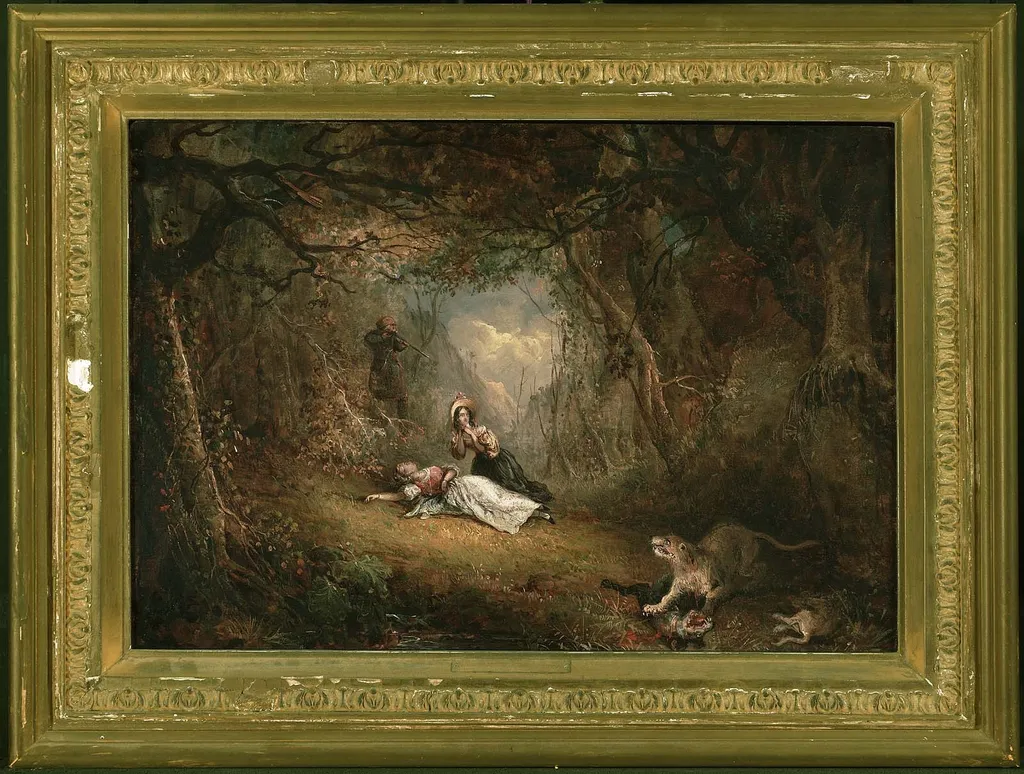
Leatherstocking Kills the Panther is an unspecified painting by the American Folk Art artist George Loring Brown. It dates from 1834 and is held in the collection of the Museum of Fine Arts Boston.
About this work
Overview
The painting resides in the Museum of Fine Arts, Boston, where it remains one of the few surviving examples of Brown’s narrative landscape work.
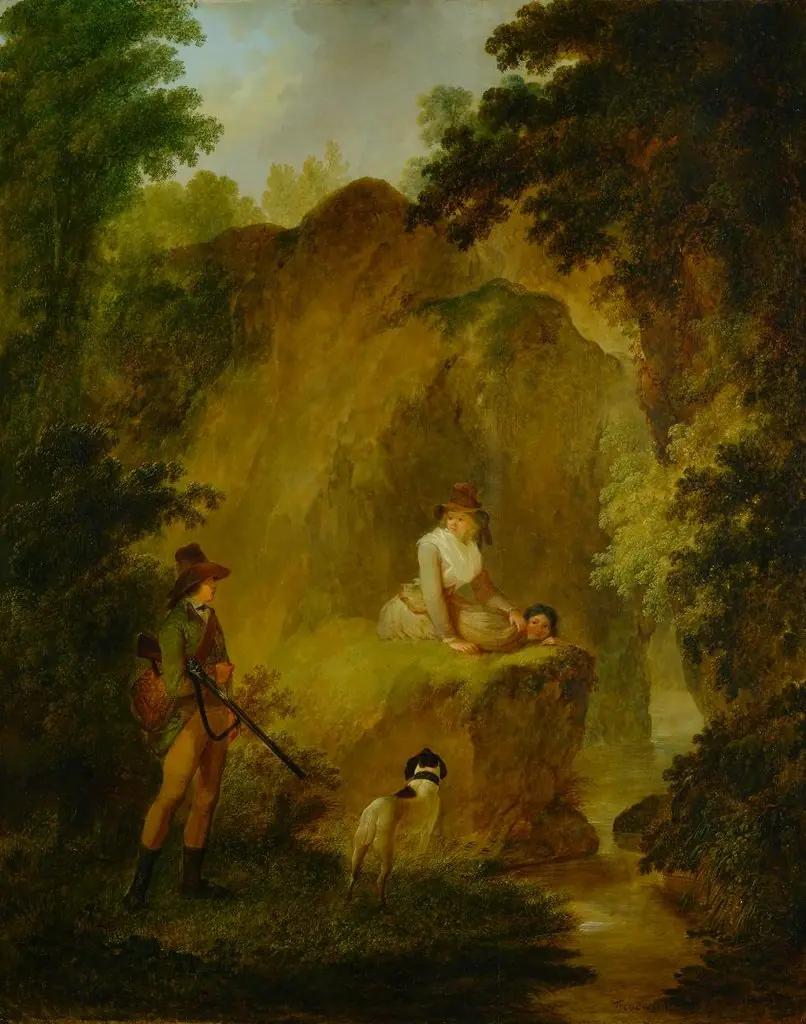
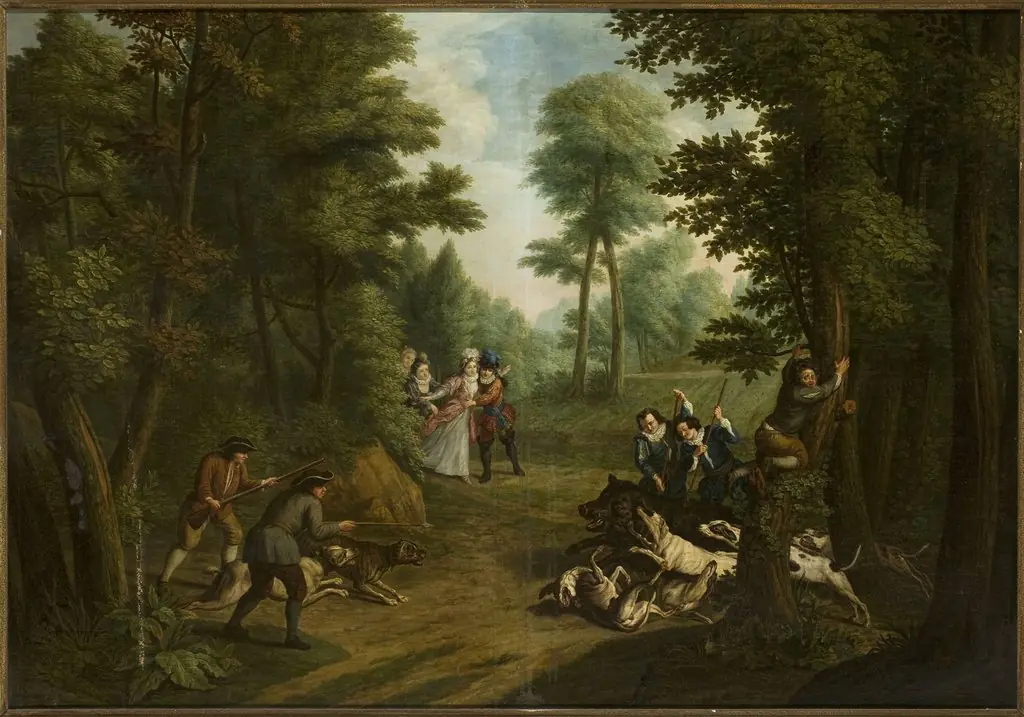
Painted in 1834 by George Loring Brown, this work captures a moment of violent encounter in the American wilderness. It depicts a frontiersman confronting a panther, with a fallen companion and a grieving woman nearby. The scene is rendered with heightened drama and naturalistic detail, reflecting early 19th-century American interest in frontier narratives. The painting resides in the Museum of Fine Arts, Boston, where it remains one of the few surviving examples of Brown’s narrative landscape work.
Subject & Meaning
The painting illustrates a moment from the Leatherstocking Tales, a series of novels by James Fenimore Cooper that romanticized the American frontier. The central figure, likely Natty Bumppo, stands as a stoic protector, while the fallen man and kneeling woman suggest the fragility of life in untamed lands. The dead panther symbolizes the taming of nature, and the composition frames human resilience against wild forces, reinforcing contemporary ideals of frontier morality and survival.
Technique & Style
Brown employs bold, visible brushwork to convey motion and tension, particularly in the foliage and the panther’s form. A contrast between warm earth tones and cool atmospheric blues enhances spatial depth. Light falls selectively, illuminating the figures and the wounded man while leaving the forest edges in shadow. This use of chiaroscuro heightens emotional gravity, guiding the viewer’s eye through the narrative without overt theatricality.
History & Provenance
Created shortly after the popularity of Cooper’s novels, the painting was likely intended for a domestic or civic audience familiar with frontier literature. It entered the Museum of Fine Arts, Boston, in the late 19th century, possibly through a private collector or estate. Its preservation reflects early institutional interest in American genre painting, though Brown’s broader oeuvre remains less documented than that of his contemporaries.
Context
In the 1830s, American artists increasingly turned to native themes to define a distinct cultural identity. The Leatherstocking Tales offered a ready-made mythos of heroism and wilderness, which painters like Brown adapted into visual form. This work aligns with a broader trend of romanticizing the frontier, even as westward expansion displaced Indigenous communities. The painting’s emotional intensity mirrors the era’s fascination with nature as both sublime and perilous.
Legacy
Though George Loring Brown is not widely remembered today, this painting stands as a tangible link between literary culture and visual art in early America. It contributes to the historical record of how frontier myths were visually codified before the rise of Hudson River School landscape painting. Its presence in a major museum ensures continued scholarly attention to the intersection of narrative, identity, and nature in 19th-century American art.
Artist & collection
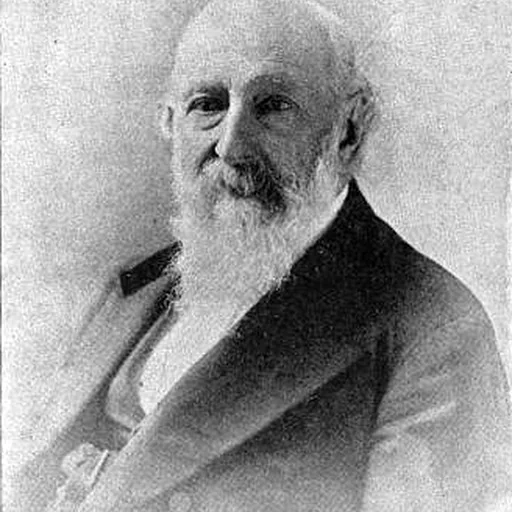
Artist
George Loring Brown was born in Boston on February 2, 1814, and began his career apprenticed to the wood engraver Alonzo Hartwell, later working as an illustrator of children's books.