Artwork
Mrs. Charles Morey (Anna Chadbourne, later Mrs. David E. Hughes)
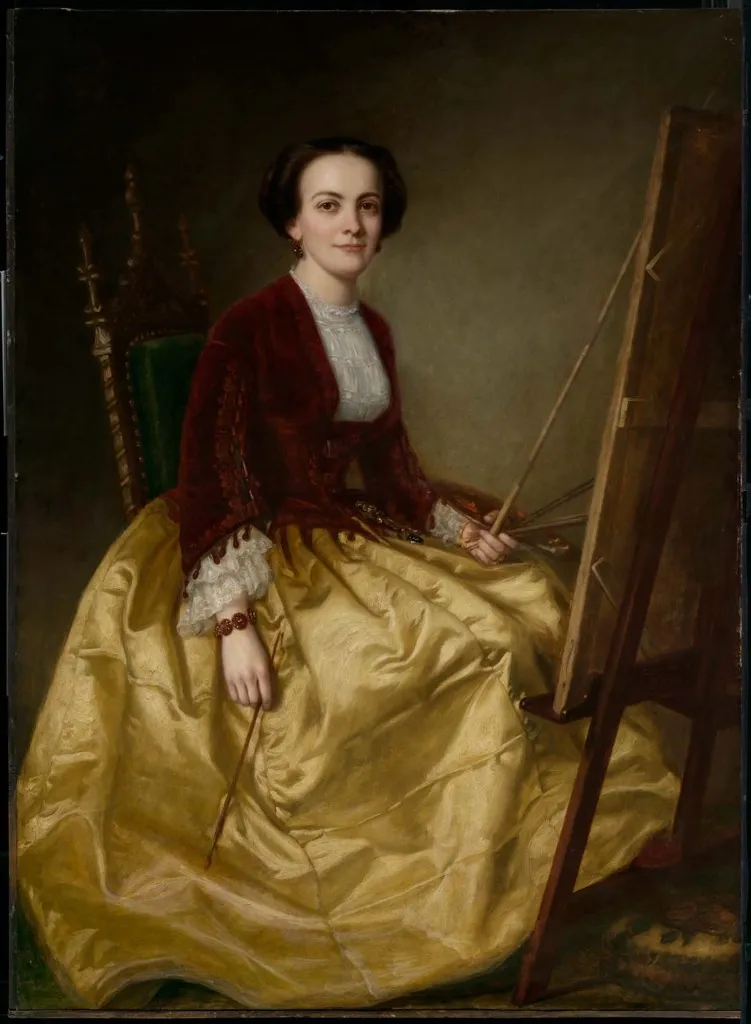
Mrs. Charles Morey (Anna Chadbourne, later Mrs. David E. Hughes) is an oil painting by the Realist artist George P. A. Healy. It dates from 1855 and is held in the collection of the Museum of Fine Arts Boston. Painted in 1855 by American artist George Peter Alexander Healy, this portrait depicts Anna Chadbourne, who later became Mrs.
About this work
Overview
Painted in 1855 by American artist George Peter Alexander Healy, this portrait depicts Anna Chadbourne, who later became Mrs.
Painted in 1855 by American artist George Peter Alexander Healy, this portrait depicts Anna Chadbourne, who later became Mrs. David E. Hughes. Healy, trained in Europe and active in both Paris and Chicago, was known for his precise renderings of prominent figures. The work is executed in oil on canvas and resides in the Museum of Fine Arts, Boston, reflecting Healy’s sustained engagement with portraiture during the mid-nineteenth century.
Subject & Meaning
The sitter, Anna Chadbourne, is portrayed not merely as a socialite but as a practicing artist. She holds a paintbrush and palette, and an easel stands nearby, signaling her creative identity. Her refined attire—gold skirt, velvet jacket, and lace blouse—balances elegance with professional intent. The inclusion of her tools transforms the portrait from a conventional depiction of wealth into a quiet assertion of artistic agency within a period when women’s roles in the arts were often marginalized.
Technique & Style
Healy employs a realist approach with careful attention to texture and form. Chiaroscuro is used to model the sitter’s face and garments, lending volume and presence against a muted brown background. The gold fabric of her skirt catches light with subtle gradations, while the velvet jacket absorbs it, creating tactile contrast. Brushwork is controlled yet expressive, particularly in the rendering of lace and hair, reinforcing the portrait’s quiet realism without theatricality.
History & Provenance
The painting was completed during Healy’s time in Boston, following his years in Europe. It remained in the sitter’s family before entering the Museum of Fine Arts, Boston’s collection. Its preservation reflects both the artist’s reputation and the sitter’s social standing. No major alterations or reworkings are documented, and the painting has retained its original frame and condition since its creation.
Context
In mid-1800s America, women artists were often excluded from formal academies and public recognition. Portraits like this one, which depict women engaged in artistic labor, offer rare visual evidence of their presence in creative spaces. Healy’s decision to portray Chadbourne with her tools—rather than as a passive beauty—aligns with a growing, if limited, cultural shift toward acknowledging women’s intellectual and artistic contributions.
Legacy
The portrait endures as a document of quiet resistance: a woman asserting her identity as an artist within a society that rarely granted her that title publicly. While Healy is better known for his depictions of male political figures, this work stands as a nuanced example of his ability to convey inner character. It continues to inform discussions on gender, profession, and representation in 19th-century American art.
Artist & collection
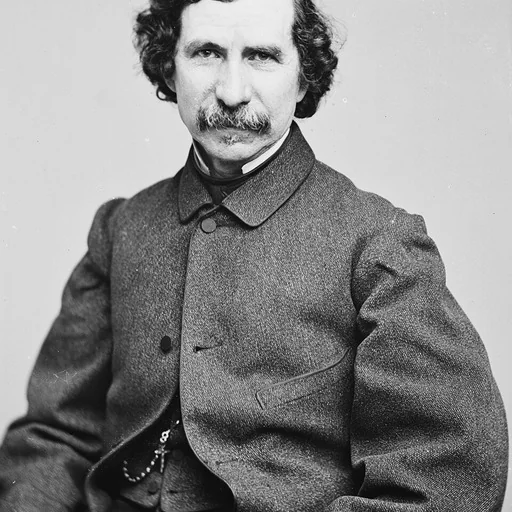
Artist
George Peter Alexander Healy (July 15, 1813 – June 24, 1894) was an American portrait painter.

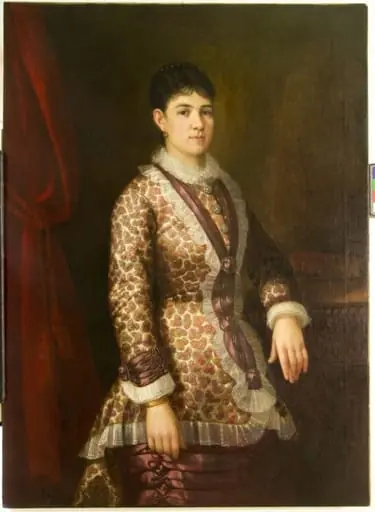 Portret de femeie
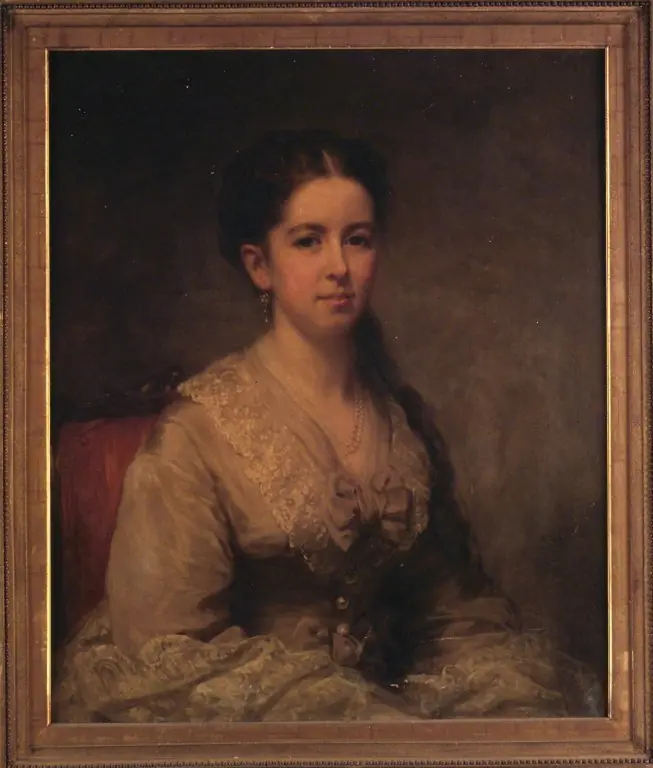 Ella M. Clapp Southwick
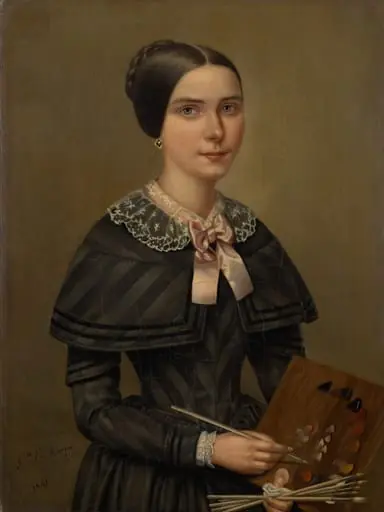 Portrait of a Young Woman
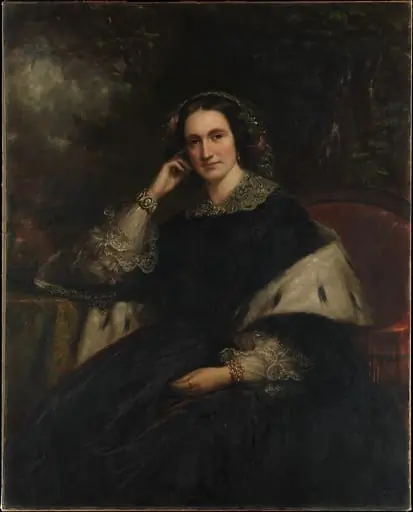 Anna Watson Stuart
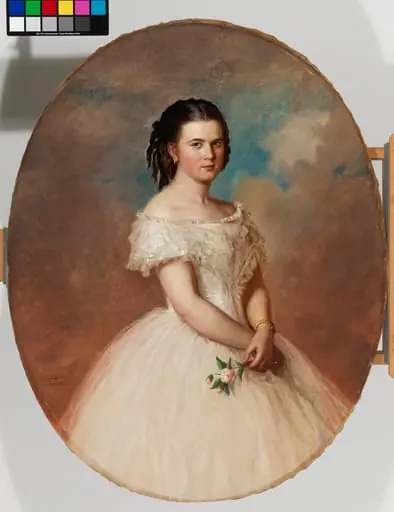 Neiti Maria Emilia Thunbergin muotokuva
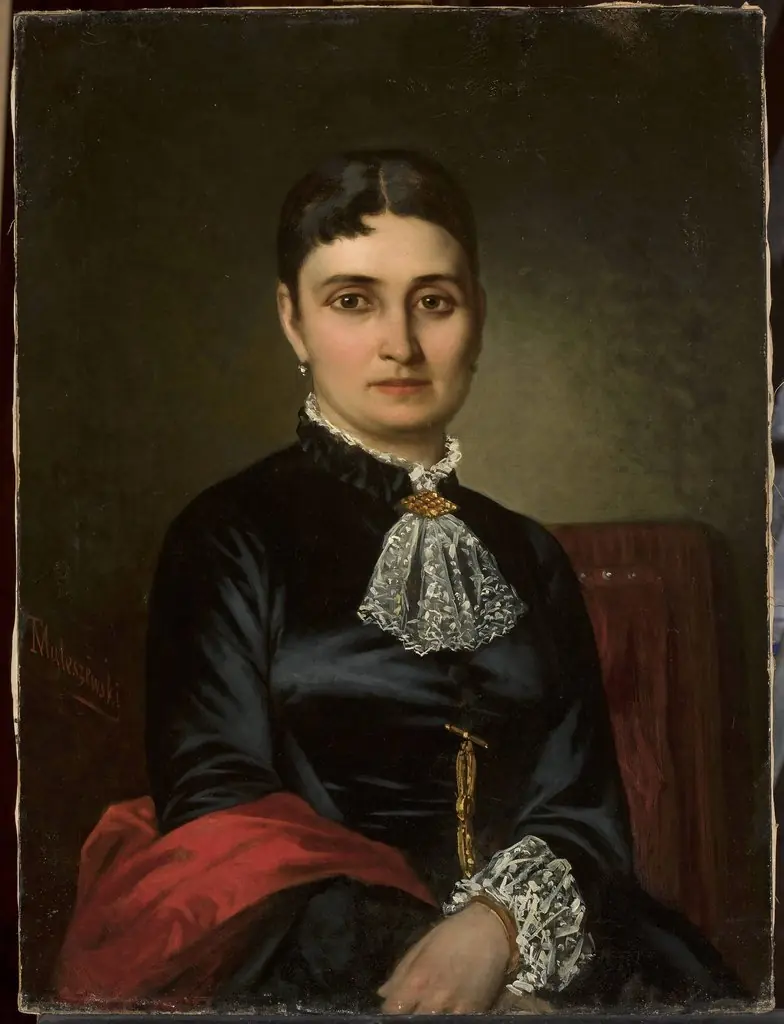 Portrait of Apolonia Anaszkowska
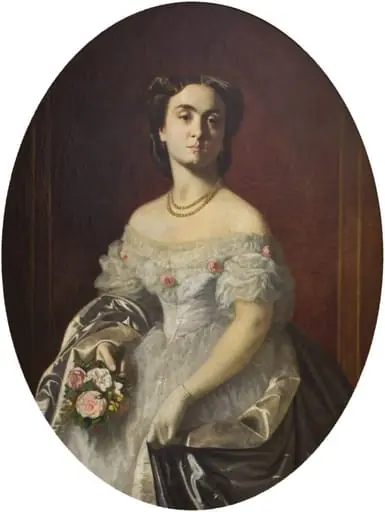 Portretul doamnei Ana Th. Aman
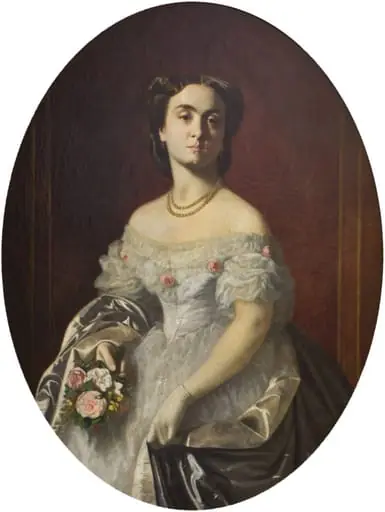 Portretul doamnei Ana Th. Aman
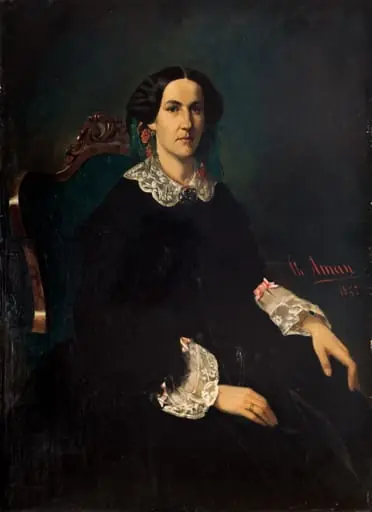 Portret de femeie (Soția lui Scarlat Paris ?)
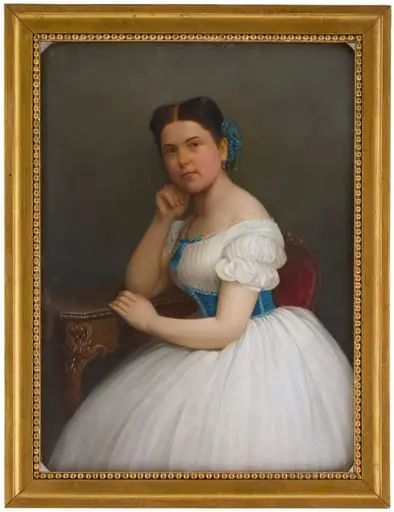 Hermine Kopp, geb. Mayer
 Self-portrait
 Cornelia M. Walter (Mrs. William B. Richards)