Artwork
Elizabeth, Lady Blunt
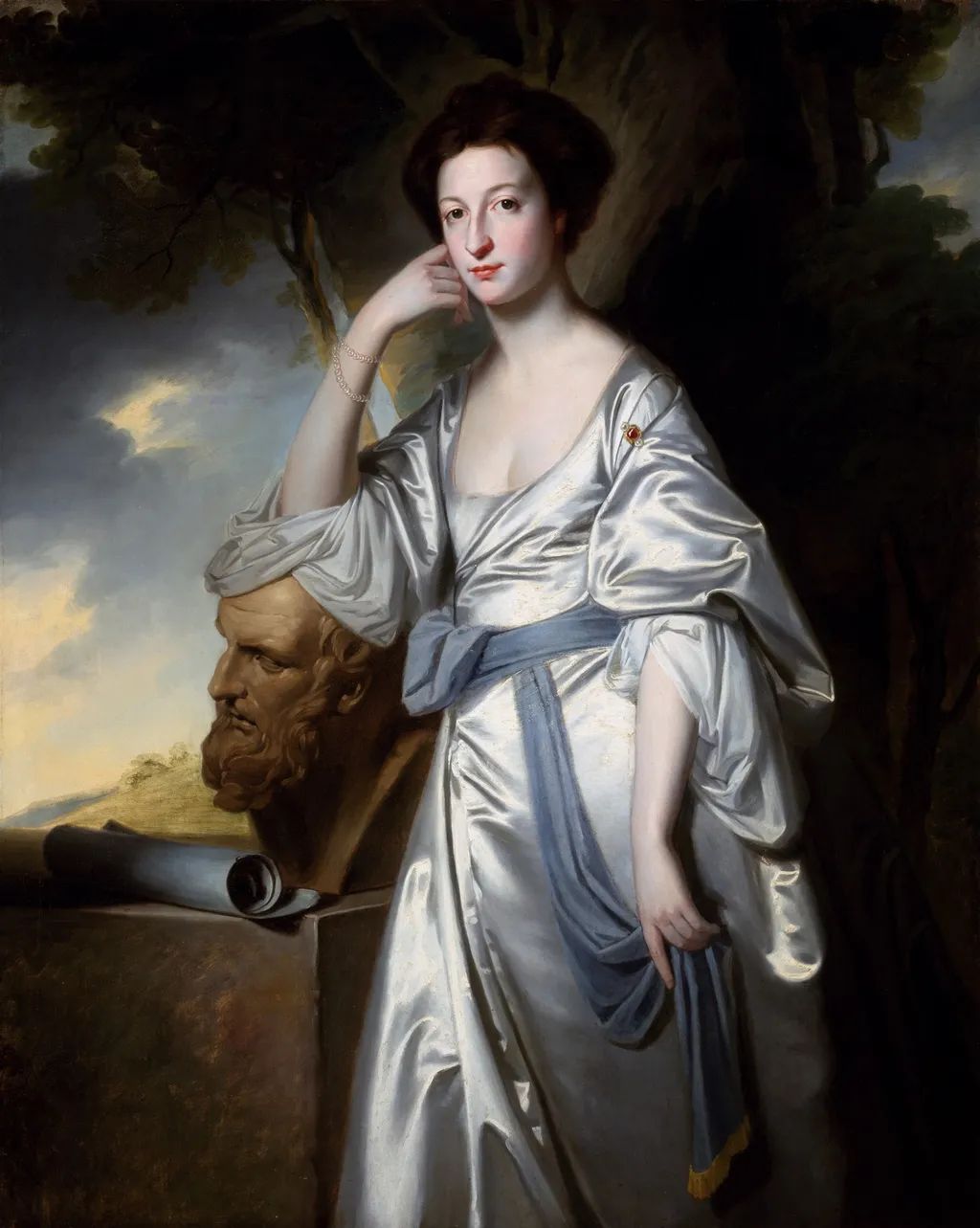
Elizabeth, Lady Blunt is an oil painting by the Rococo painting artist George Romney. It dates from 1764 and is held in the collection of the Museum of Fine Arts, Houston.
About this work
Overview
It remains part of the Museum of Fine Arts, Houston’s permanent collection, representing his contribution to 18th-century British portraiture.
Painted in 1764, this oil-on-canvas portrait depicts Elizabeth Peers, later Lady Blunt, rendered by the English artist George Romney. Executed during the height of his career, the work exemplifies Romney’s skill in capturing aristocratic elegance through refined composition and delicate handling of light. It remains part of the Museum of Fine Arts, Houston’s permanent collection, representing his contribution to 18th-century British portraiture.
Subject & Meaning
The sitter, Elizabeth Peers, is portrayed not as a formal noblewoman but in a contemplative, semi-private moment. Her poised stance and the presence of a classical bronze bust suggest intellectual refinement, while the scroll implies literary or scholarly interests. The choice of attire and setting reflects the era’s idealization of cultivated femininity, blending personal identity with cultural aspirations of the time.
Technique & Style
Romney employed oil paint with subtle gradations to render the luminosity of the white gown and the sheen of its fabric. The blue sash adds a restrained contrast, while the landscape background, softly blurred, directs focus to the figure. The bronze head is rendered with precise modeling, contrasting the fluidity of the dress. Brushwork is controlled yet expressive, characteristic of Romney’s Rococo-influenced naturalism.
History & Provenance
Commissioned during Romney’s rise as a sought-after portraitist, the painting remained in private hands before entering the Museum of Fine Arts, Houston’s collection. Its documented history is limited, but its stylistic alignment with Romney’s mid-1760s output confirms its authenticity. No major alterations or restorations are recorded, preserving its original tonal harmony and detail.
Context
In 1760s England, portraiture served as both social record and status symbol. Romney, working alongside Reynolds and Gainsborough, catered to a rising gentry class eager to project refinement. This portrait reflects the period’s fascination with classical antiquity and the blending of personal identity with cultural ideals, positioning the sitter within a broader aesthetic of enlightened gentility.
Legacy
Though less celebrated than Romney’s later works, this portrait exemplifies his early mastery in conveying quiet dignity through composition and texture. It contributes to the understanding of how British portraiture evolved from formal grandeur toward intimate, psychologically nuanced representation. The painting remains a quiet testament to the social and artistic currents of its time.
Own this work as a print
Artist & collection
Artist
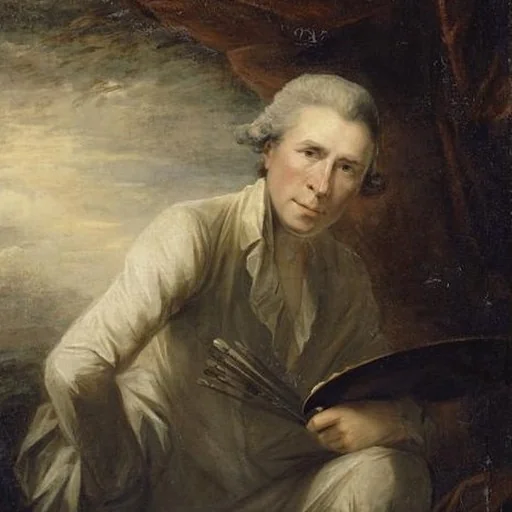
George Romney (26 December 1734 – 15 November 1802) was an English painter. He was the most fashionable artist of his day, painting many leading society figures – including his artistic muse, Emma Hamilton, mistress of Lord Nelson.

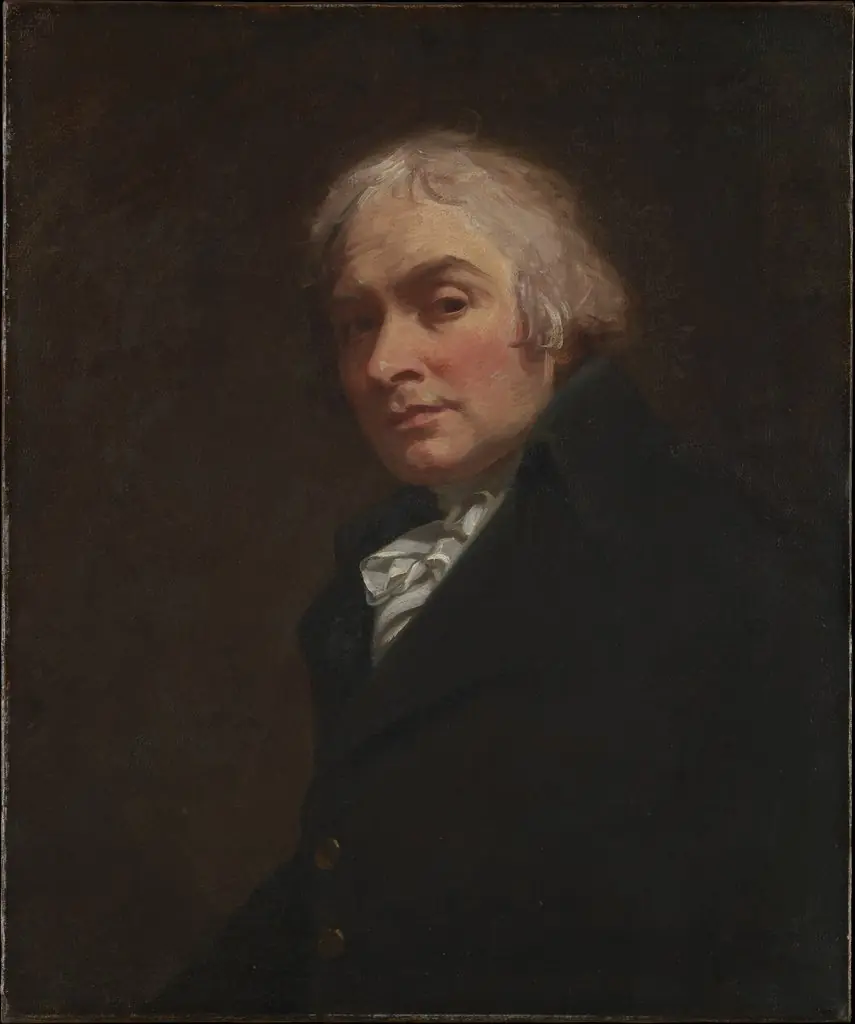 Self-Portrait
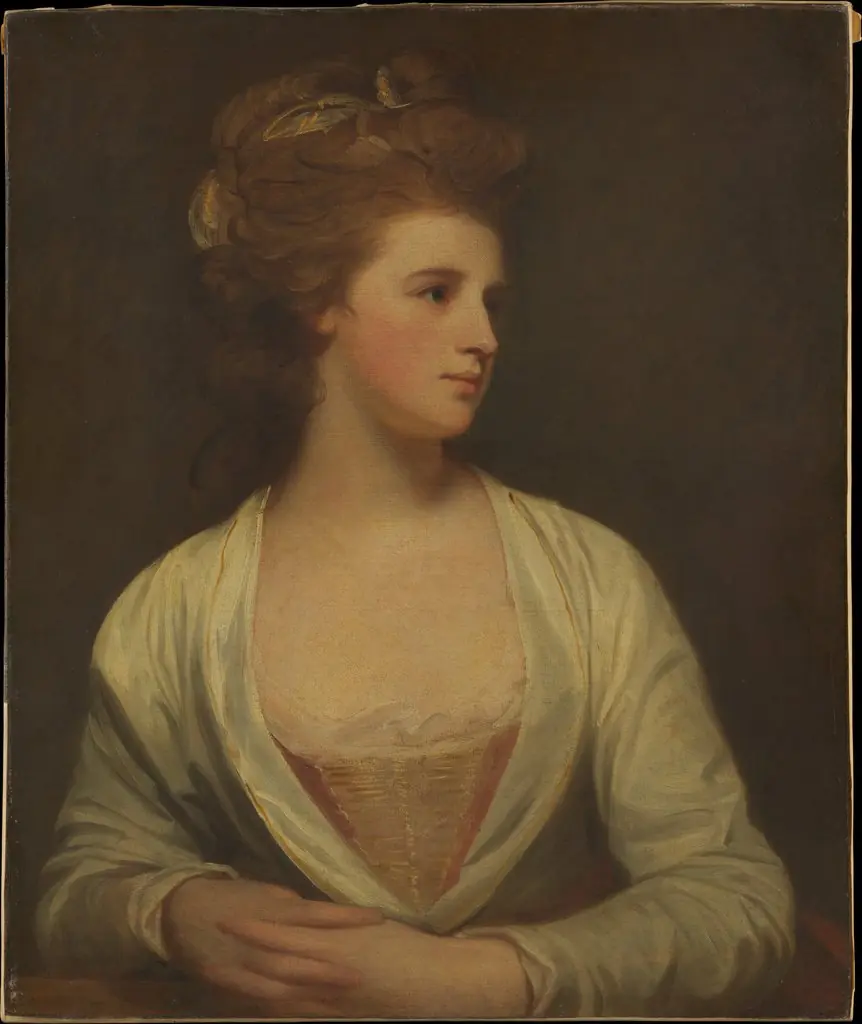 Portrait of a Woman, Said to Be Emily Bertie Pott (died 1782)
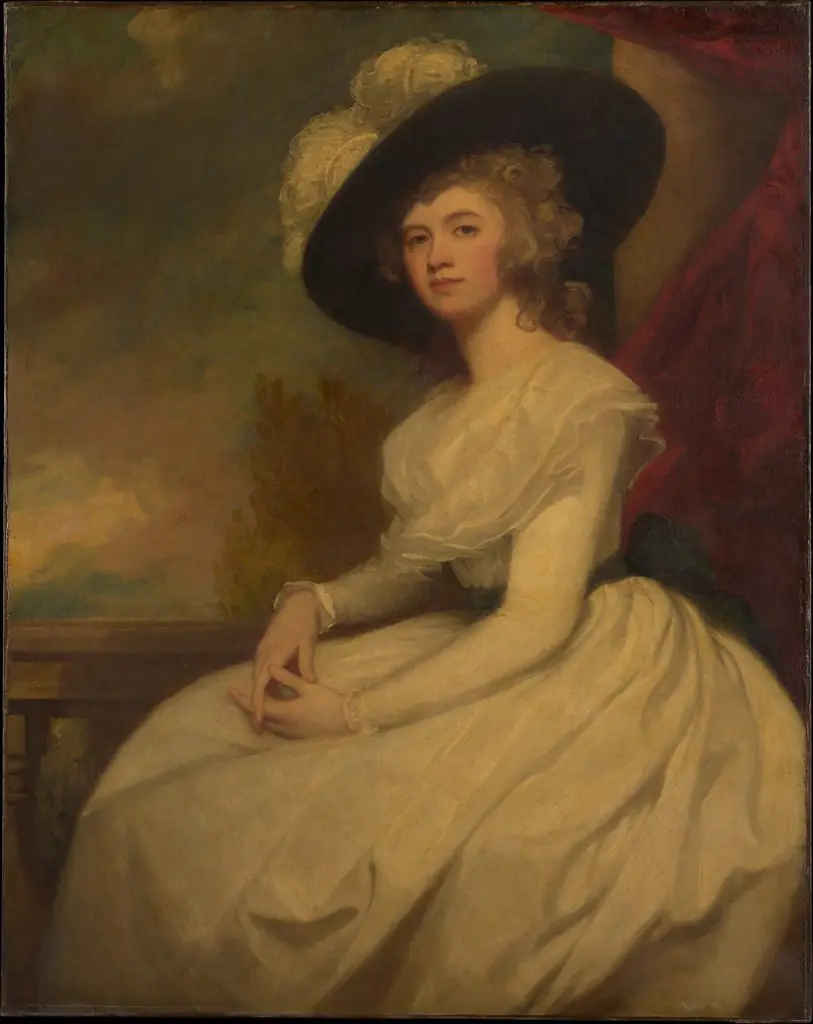 Mrs. Bryan Cooke (Frances Puleston, 1765–1818)
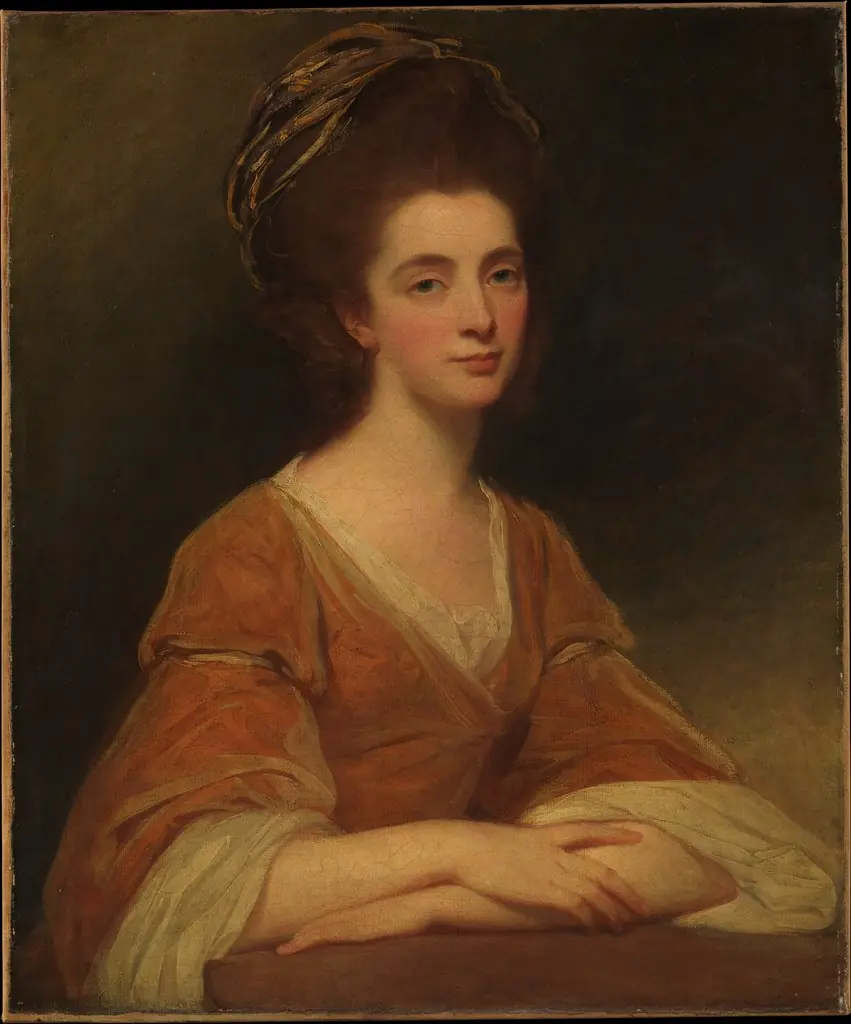 Mrs. Charles Frederick (Martha Rigden, died 1794)
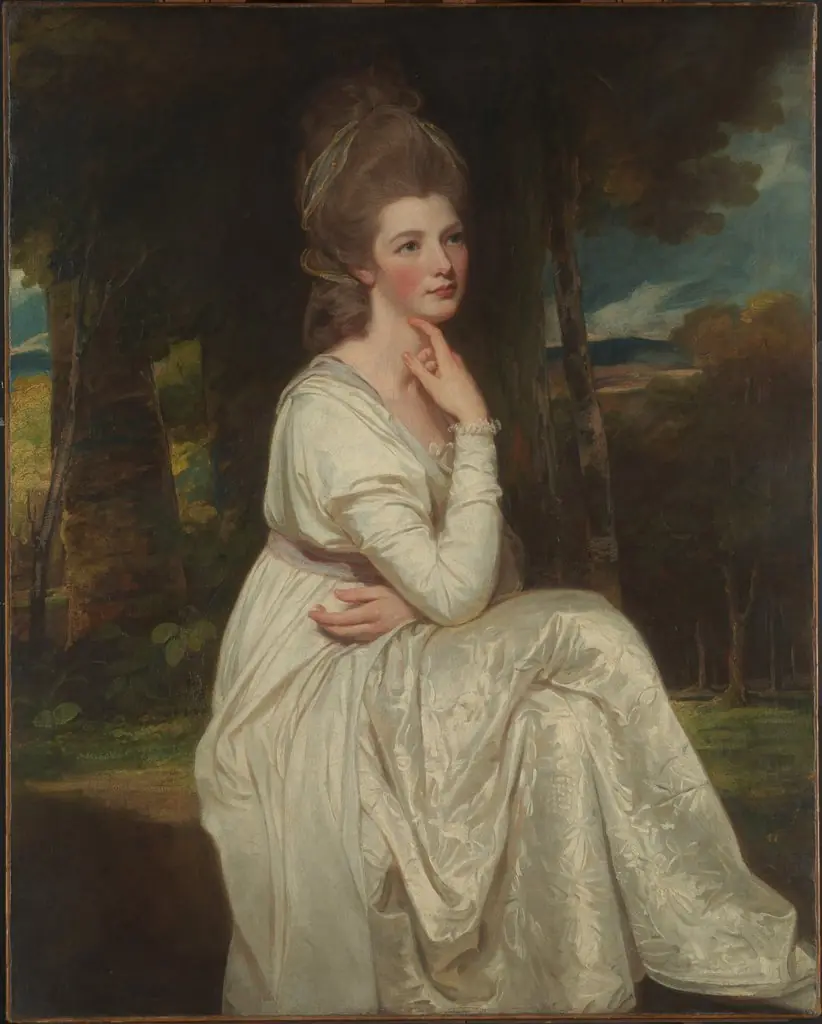 Lady Elizabeth Hamilton (1753–1797), Countess of Derby
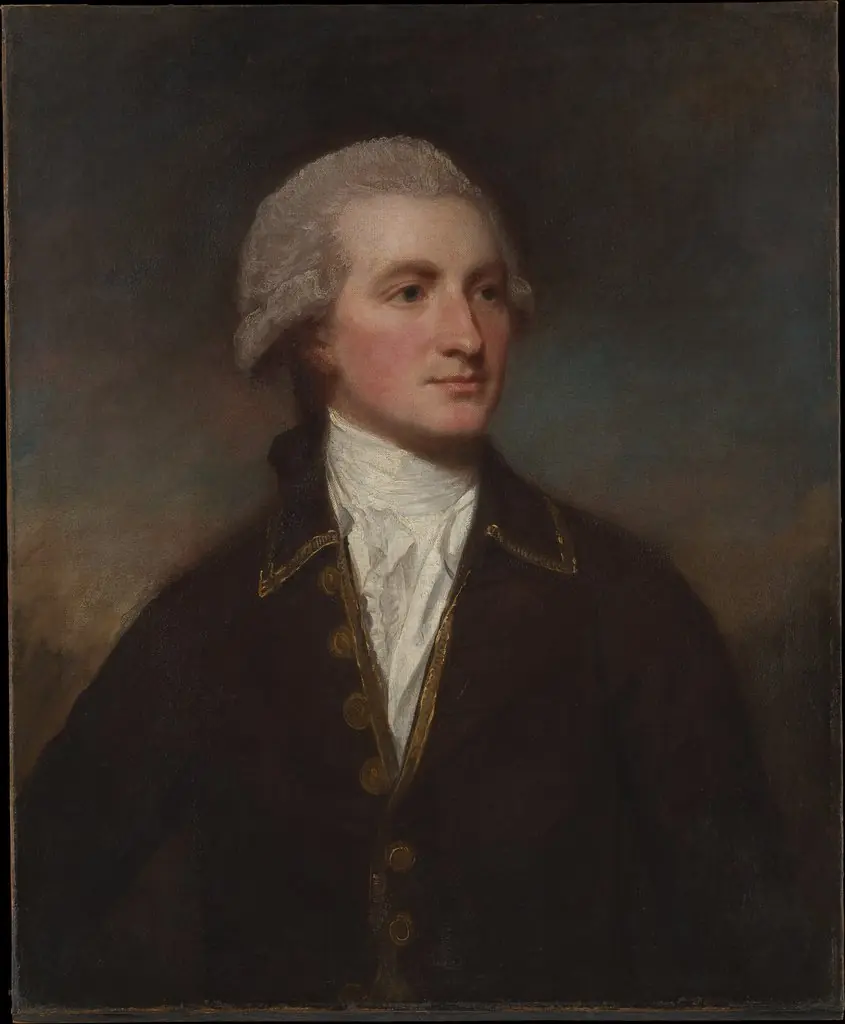 Portrait of a Man
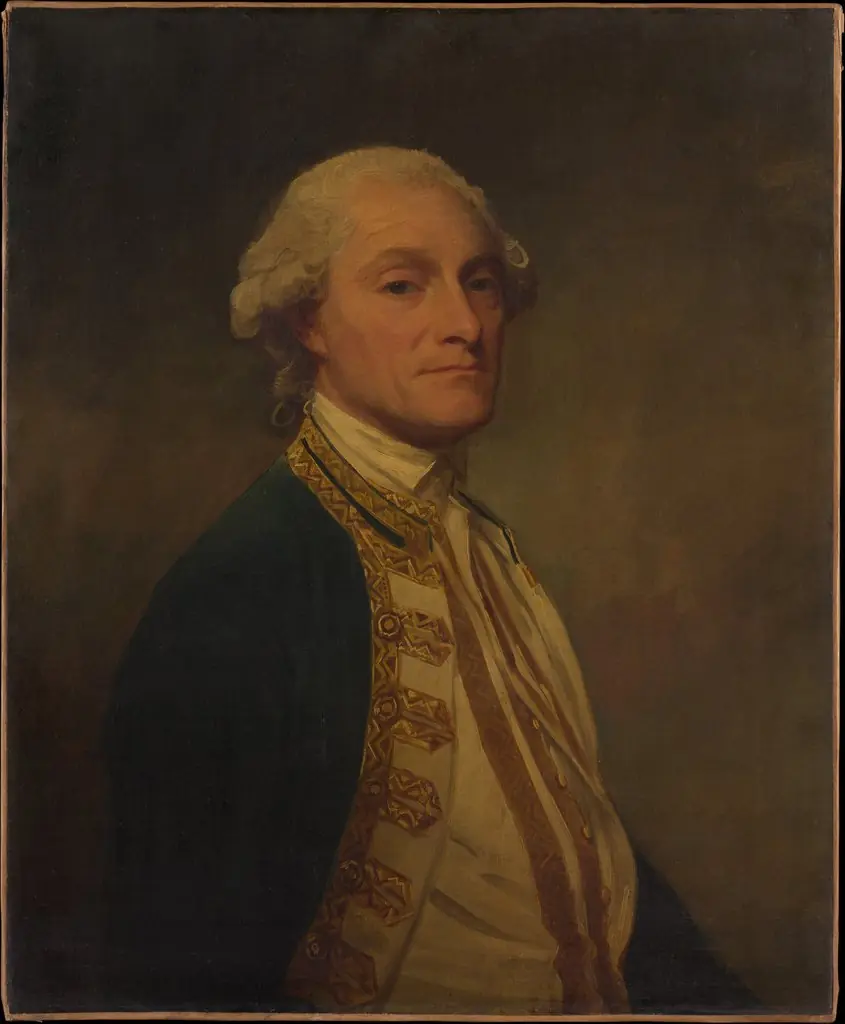 Admiral Sir Chaloner Ogle (1726–1816)
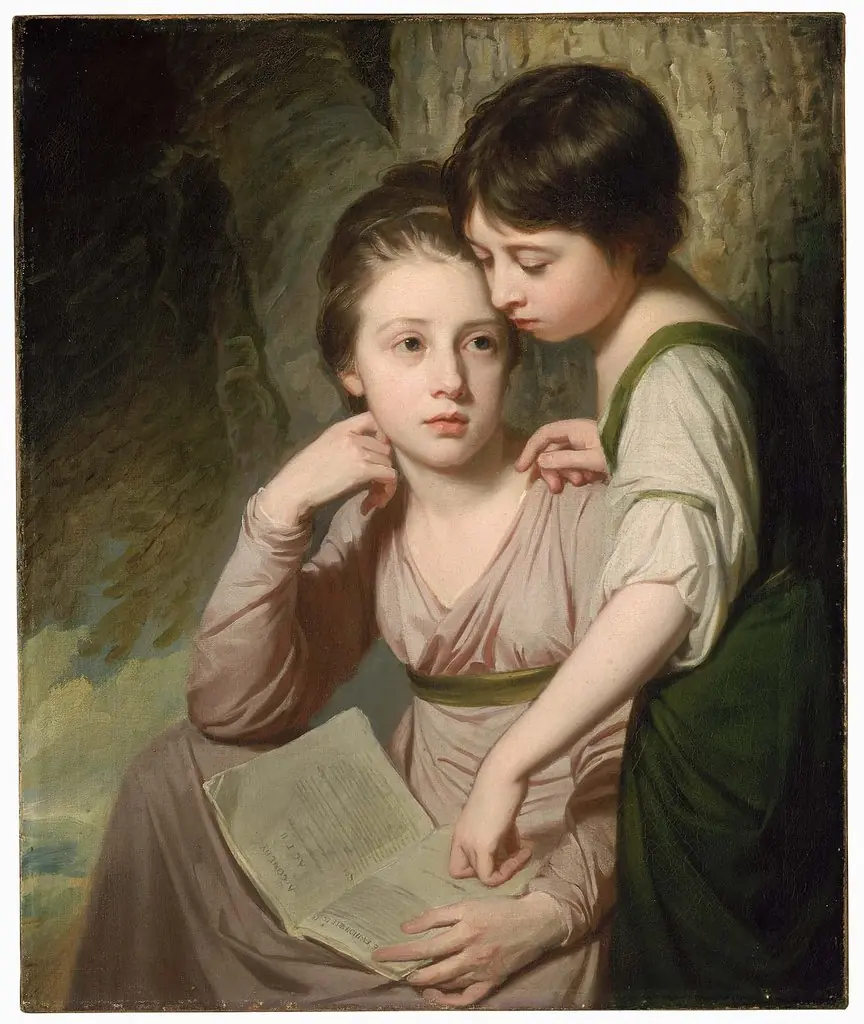 Portrait of Two Girls (Misses Cumberland)
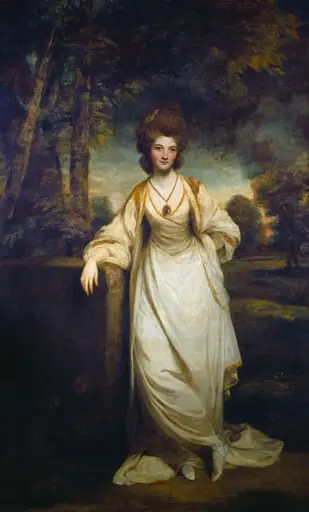 Lady Elizabeth Compton
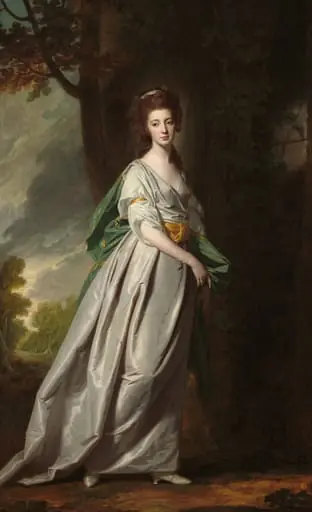 Mrs. Thomas Scott Jackson
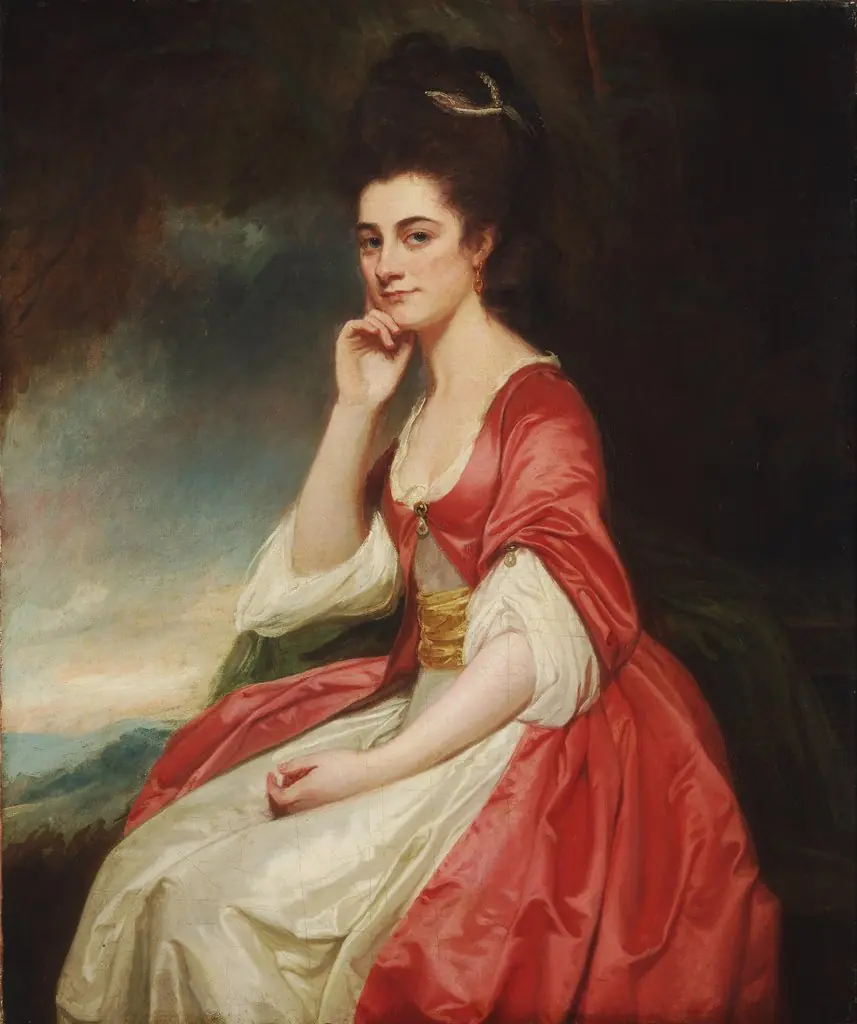 Portrait of Lady Grantham
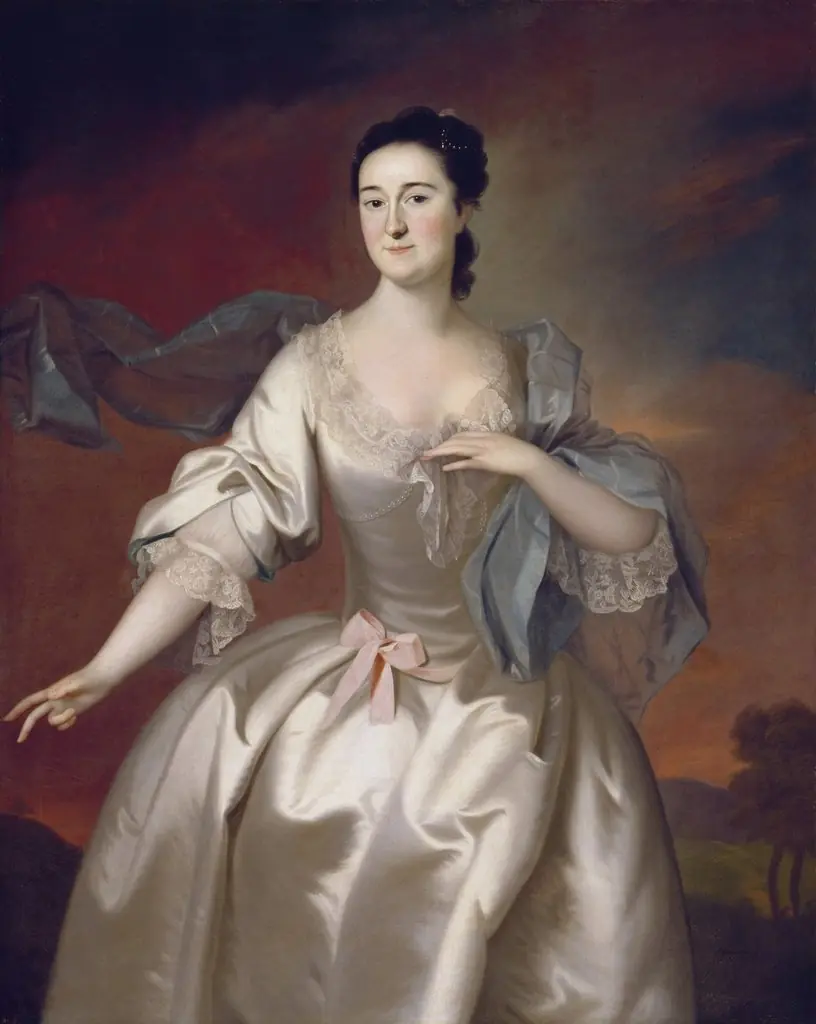 Mrs. James Pitts
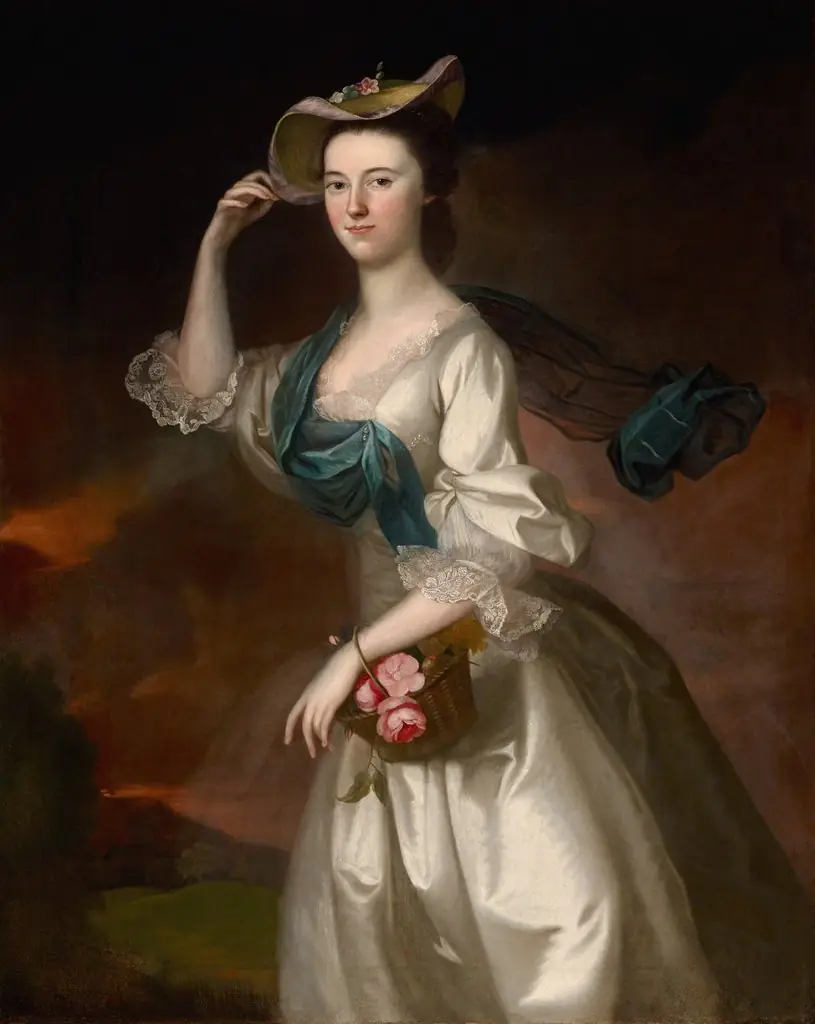 Portrait of Abigail Erving Scott
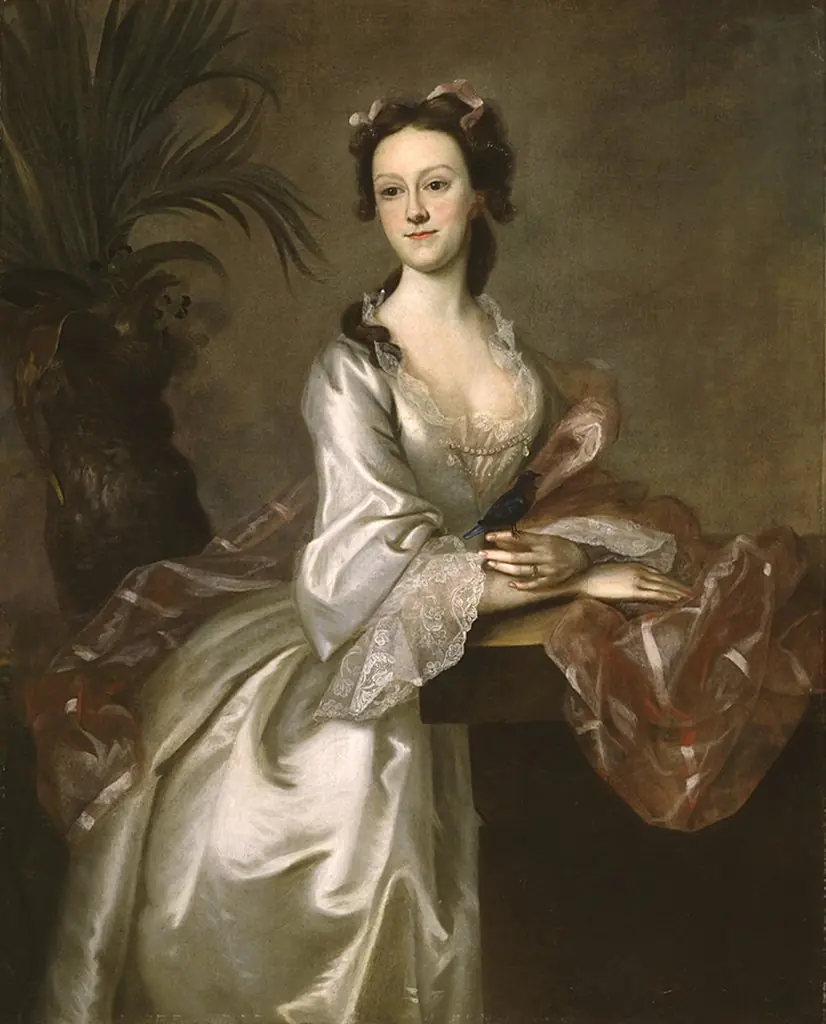 Portrait of Mrs. John Pigott
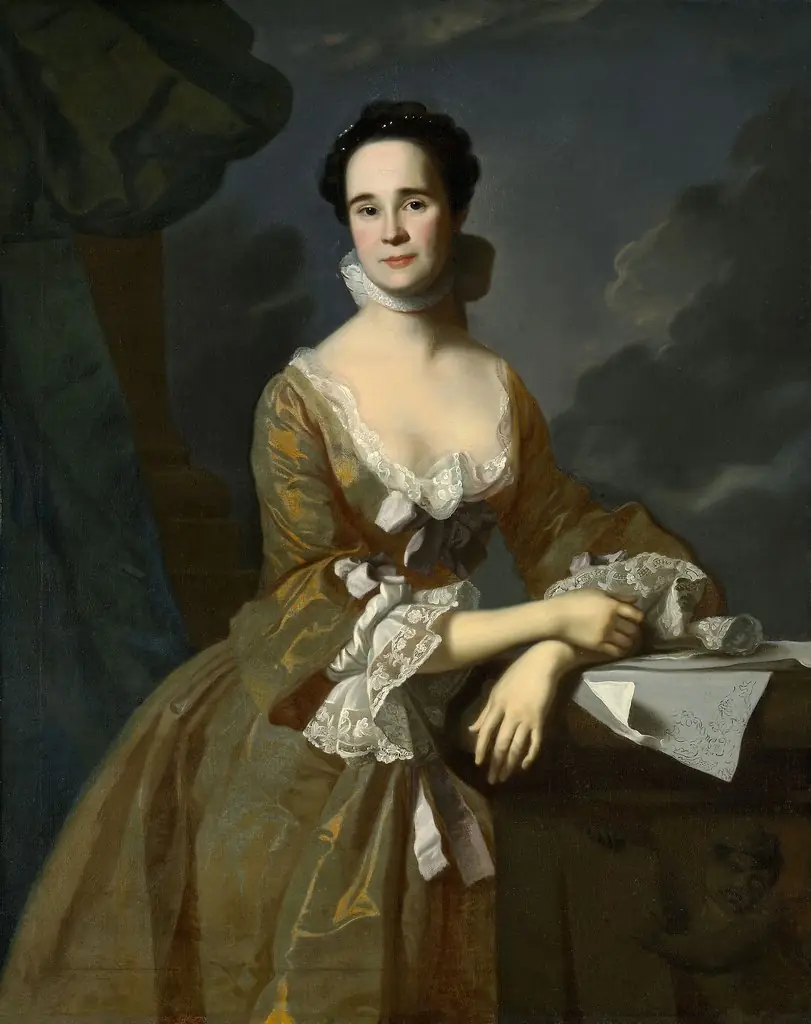 Mrs. Daniel Hubbard (Mary Greene)
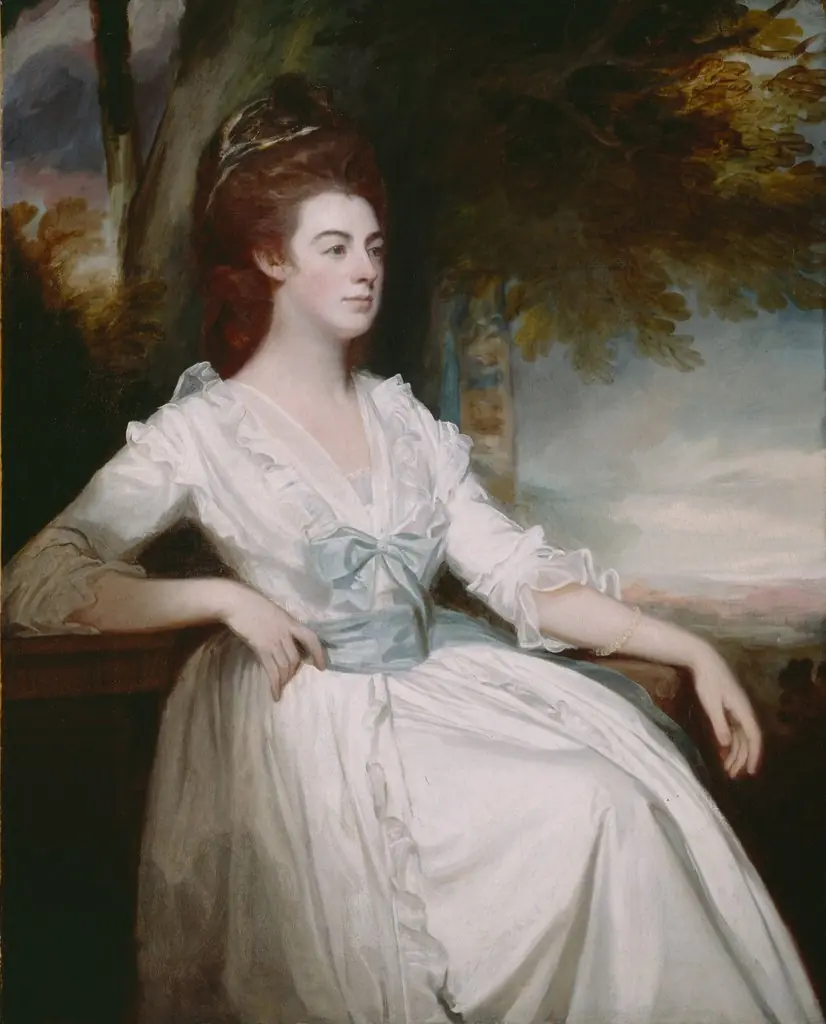 Miss Clavering
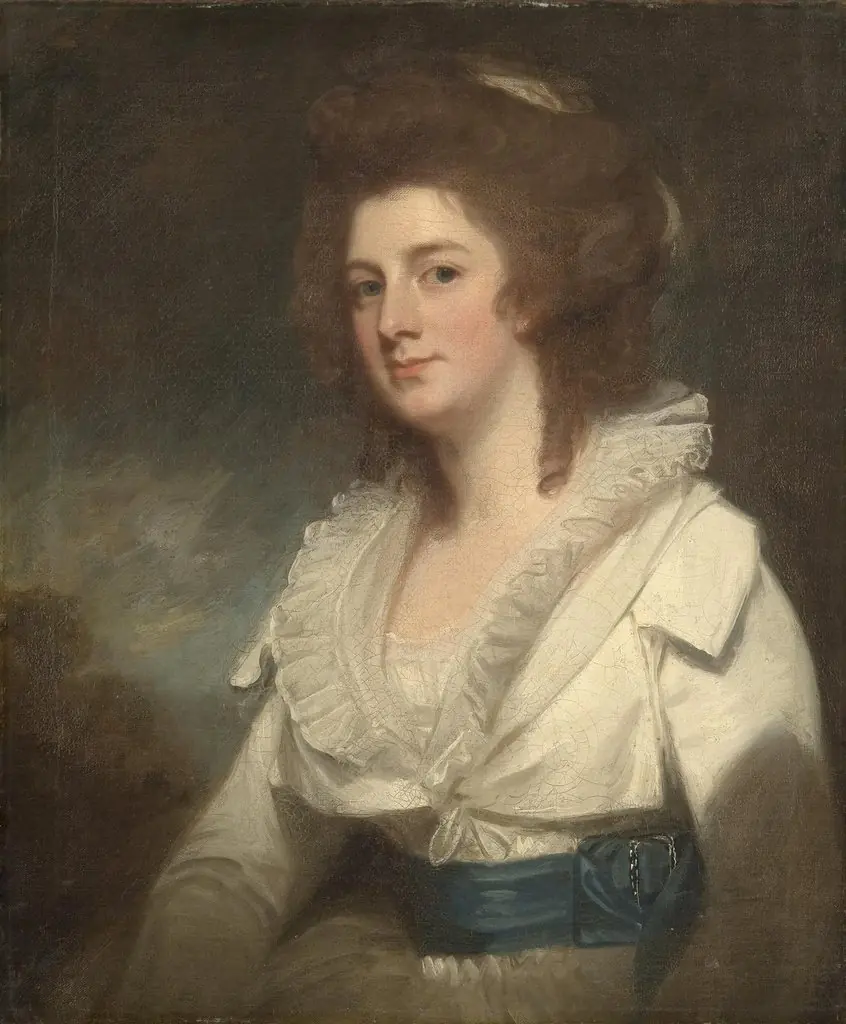 Portrait of the Honorable Mrs. Beresford
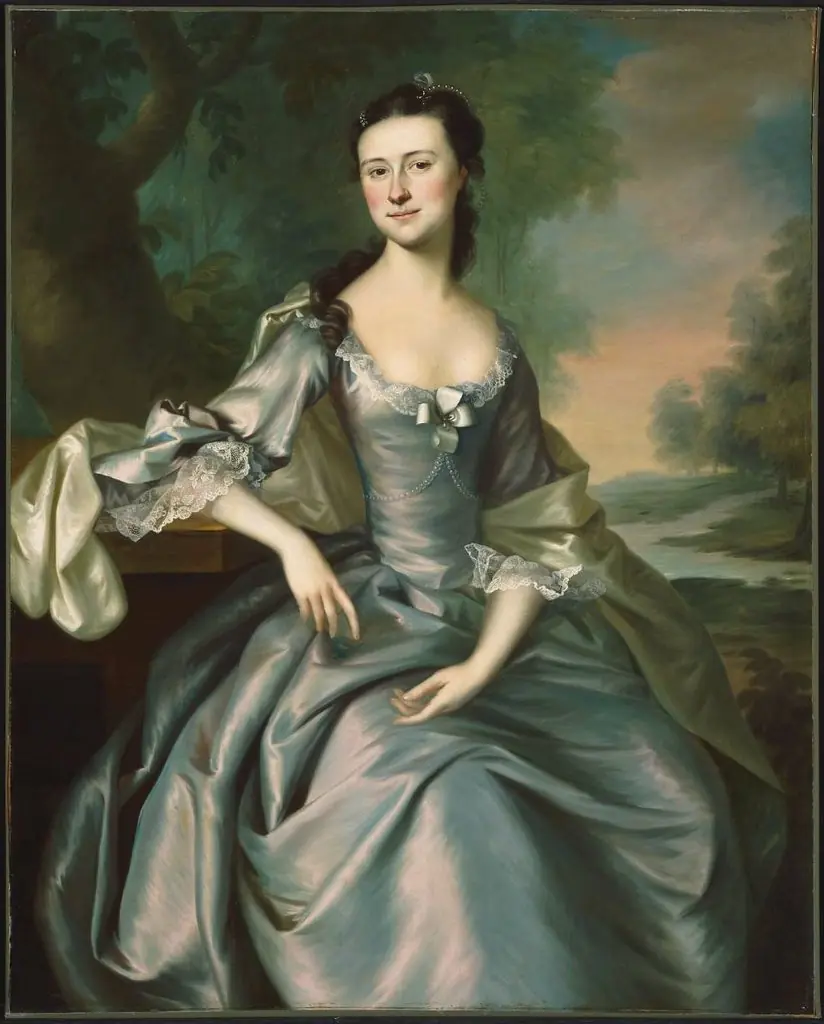 Susan Apthorp (Mrs. Thomas Bulfinch)
 Mrs. Timothy Rogers (Lucy Boylston)
 Elizabeth Stevens Carle