Artwork
Head of a Woman
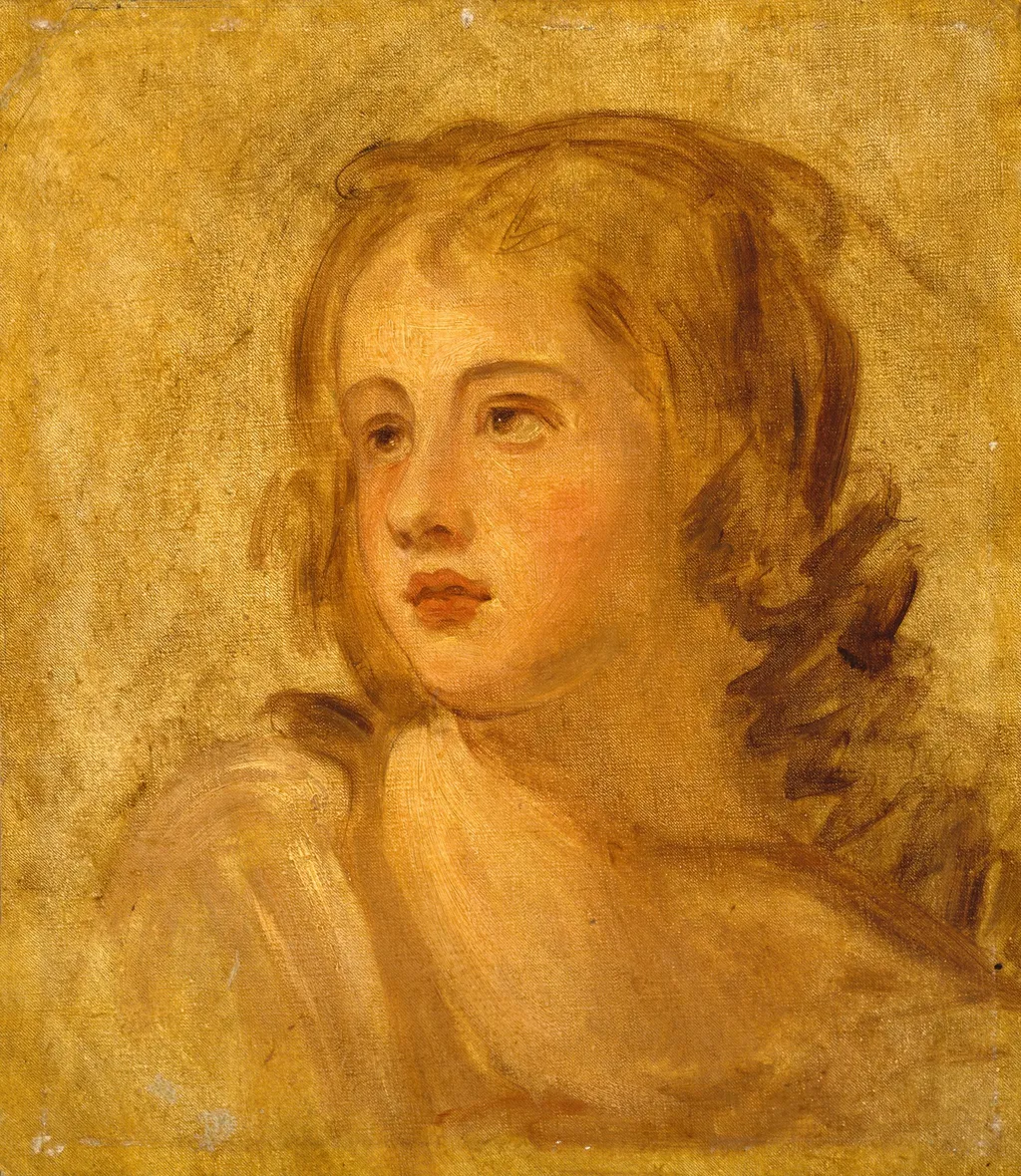
Head of a Woman is an oil painting by the Neoclassicist artist George Romney. It dates from 1778 and is held in the collection of the Museum of Fine Arts, Houston.
About this work
Overview
The composition focuses solely on the head and shoulders, eliminating extraneous detail to emphasize presence over narrative.
Painted around 1778, this oil portrait by George Romney presents a solitary female figure in a quiet, intimate format. Executed during the height of Romney’s career, the work reflects his reputation for portraying members of England’s social elite with a calm, refined sensibility. The composition focuses solely on the head and shoulders, eliminating extraneous detail to emphasize presence over narrative.
Subject & Meaning
The sitter’s identity remains unknown, but her composed demeanor and unadorned appearance suggest a private, rather than ceremonial, portrait. Her direct gaze and neutral expression invite quiet reflection rather than social display. The absence of jewelry or elaborate attire shifts focus to the subtleties of expression and form, aligning with the era’s interest in naturalism and inner character.
Technique & Style
Romney employed soft, blended brushwork to model the face with gentle gradations of light and shadow, enhancing the three-dimensionality of the features. The warm, amber background recedes subtly, framing the figure without distraction. Hair is rendered with fine, controlled strokes, pulled tightly back to reveal the contours of the skull and neck, reinforcing the neoclassical preference for clarity and restraint.
History & Provenance
The painting entered the collection of the Museum of Fine Arts, Houston, where it remains today. While its early ownership history is not fully documented, its style and date align with Romney’s prolific output in the late 1770s, a period when he was sought after by aristocratic patrons for his ability to convey dignity through understated realism.
Context
Created during the height of British neoclassicism, the portrait reflects broader cultural values favoring simplicity, rationality, and emotional restraint. Unlike theatrical portraiture of earlier decades, Romney’s approach emphasized psychological presence over status symbols. This shift mirrored Enlightenment ideals and the growing interest in individual character over external display.
Legacy
Though Romney is less widely remembered today than contemporaries like Reynolds or Gainsborough, his portraits of this period are noted for their sensitivity and technical precision. This work exemplifies his skill in capturing quiet humanity, contributing to a broader tradition of British portraiture that valued introspection over grandeur.
Artist & collection
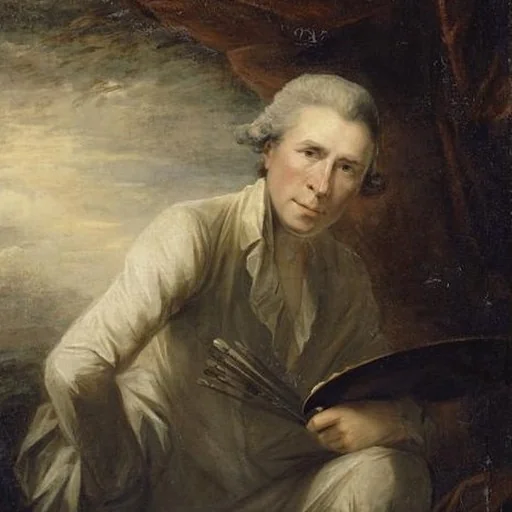
Artist
George Romney (26 December 1734 – 15 November 1802) was an English painter. He was the most fashionable artist of his day, painting many leading society figures – including his artistic muse, Emma Hamilton, mistress of Lord Nelson.

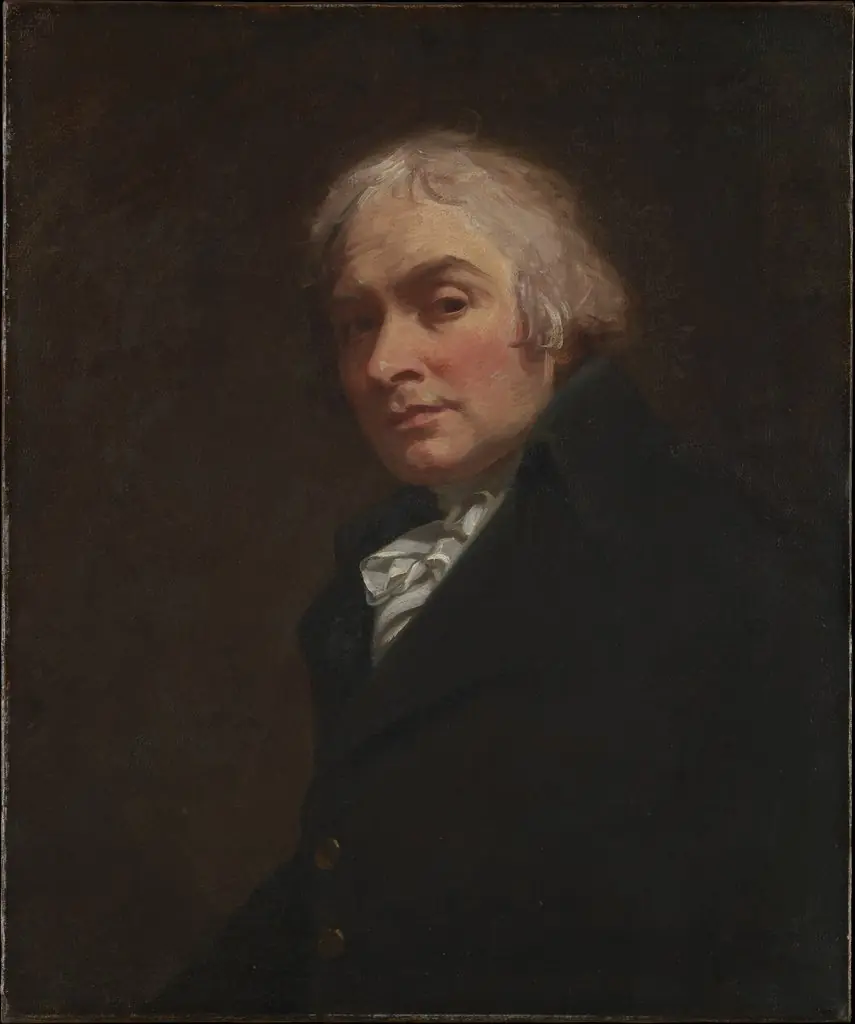 Self-Portrait
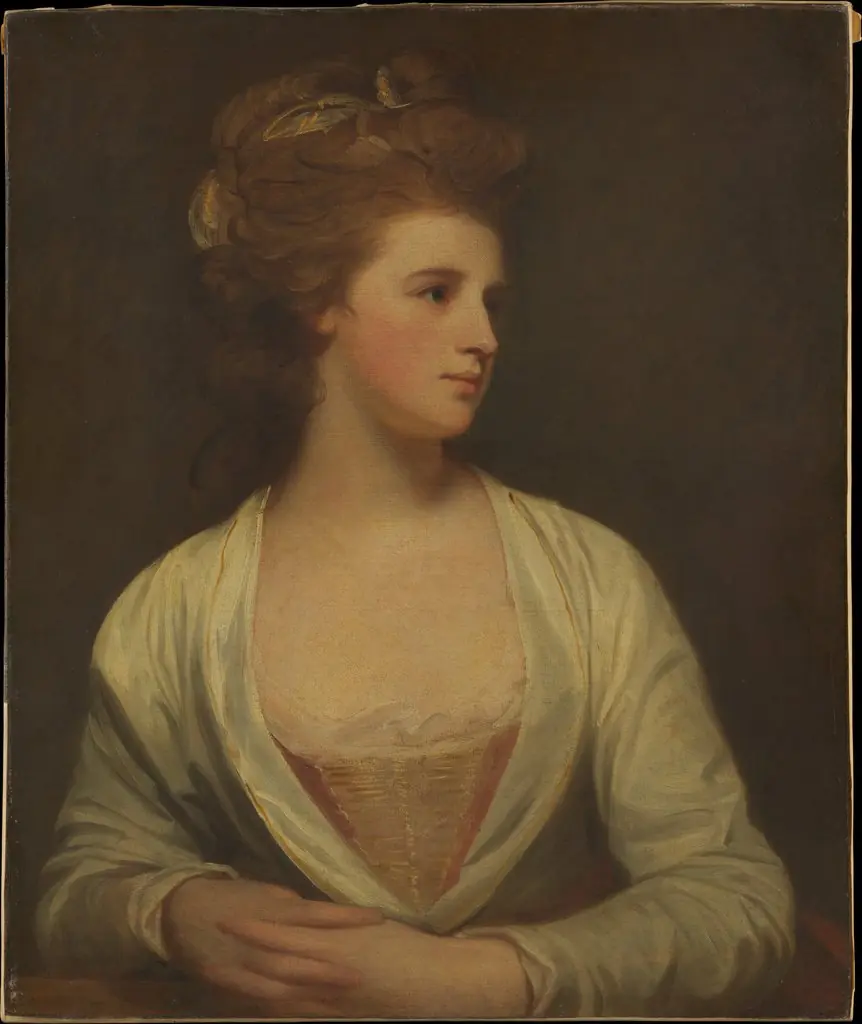 Portrait of a Woman, Said to Be Emily Bertie Pott (died 1782)
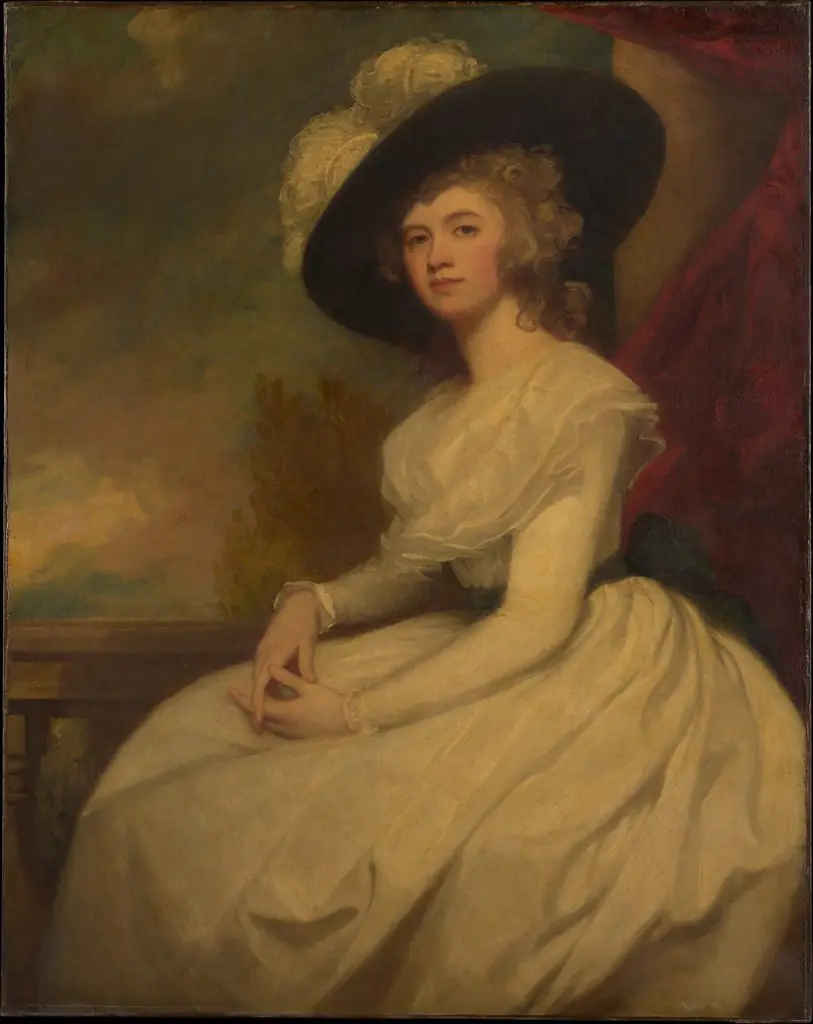 Mrs. Bryan Cooke (Frances Puleston, 1765–1818)
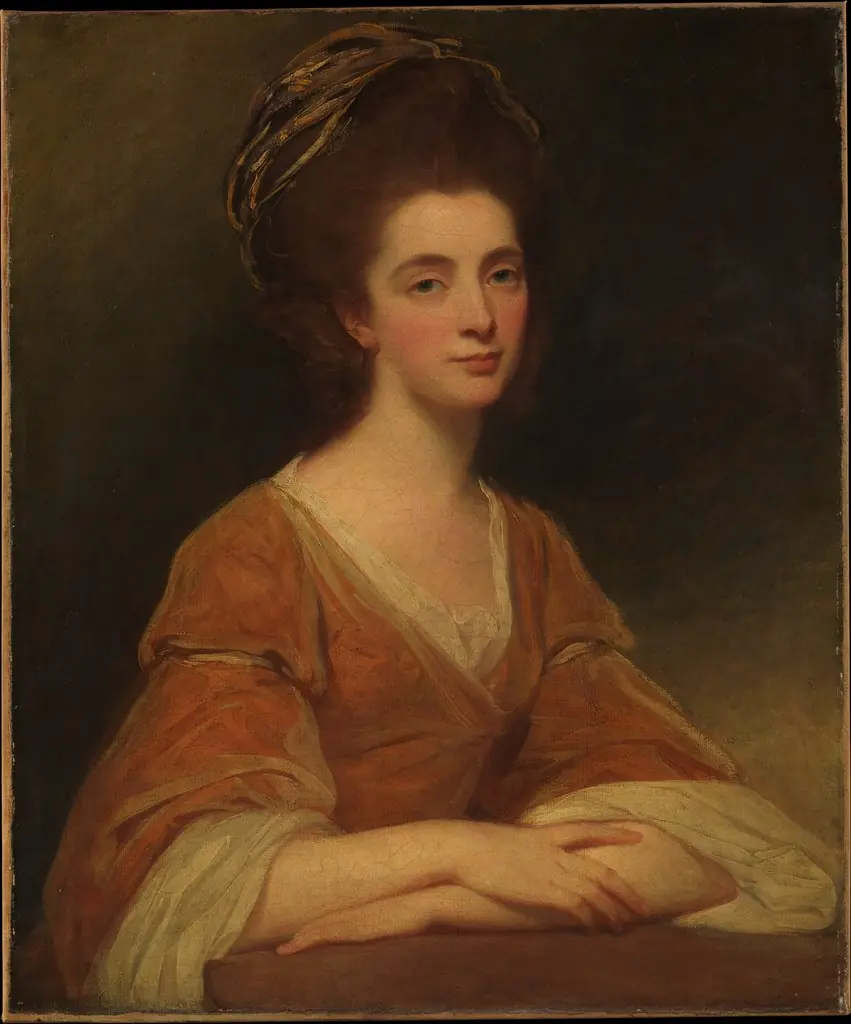 Mrs. Charles Frederick (Martha Rigden, died 1794)
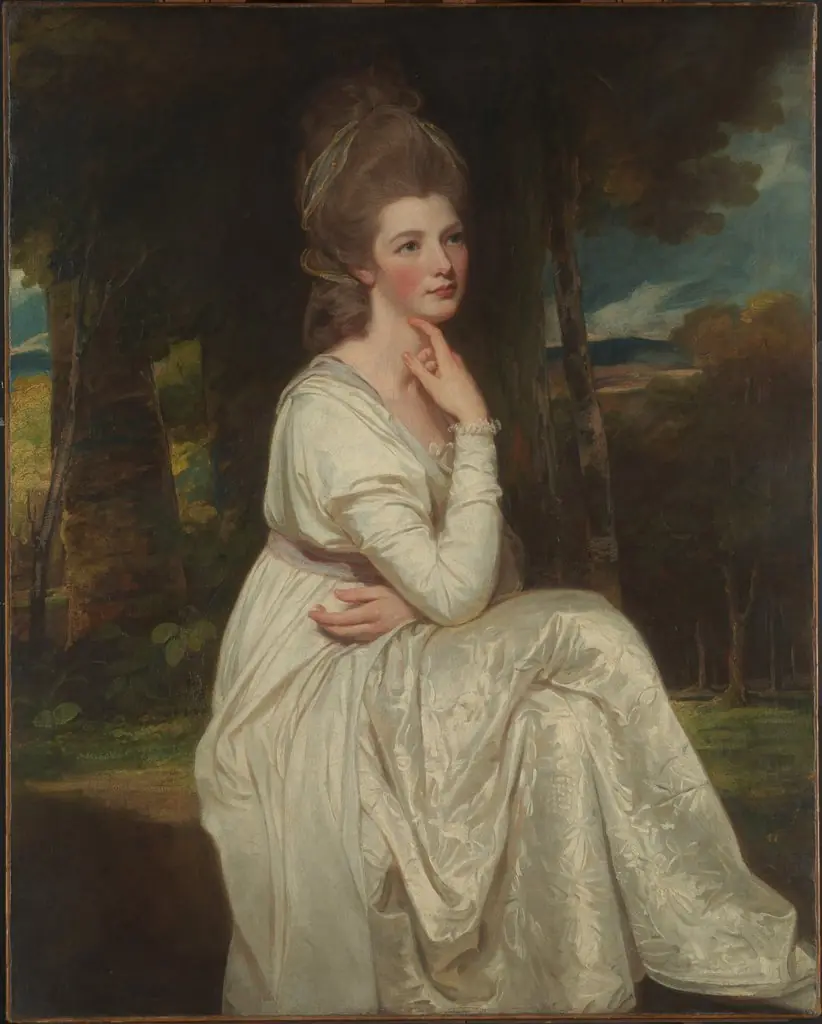 Lady Elizabeth Hamilton (1753–1797), Countess of Derby
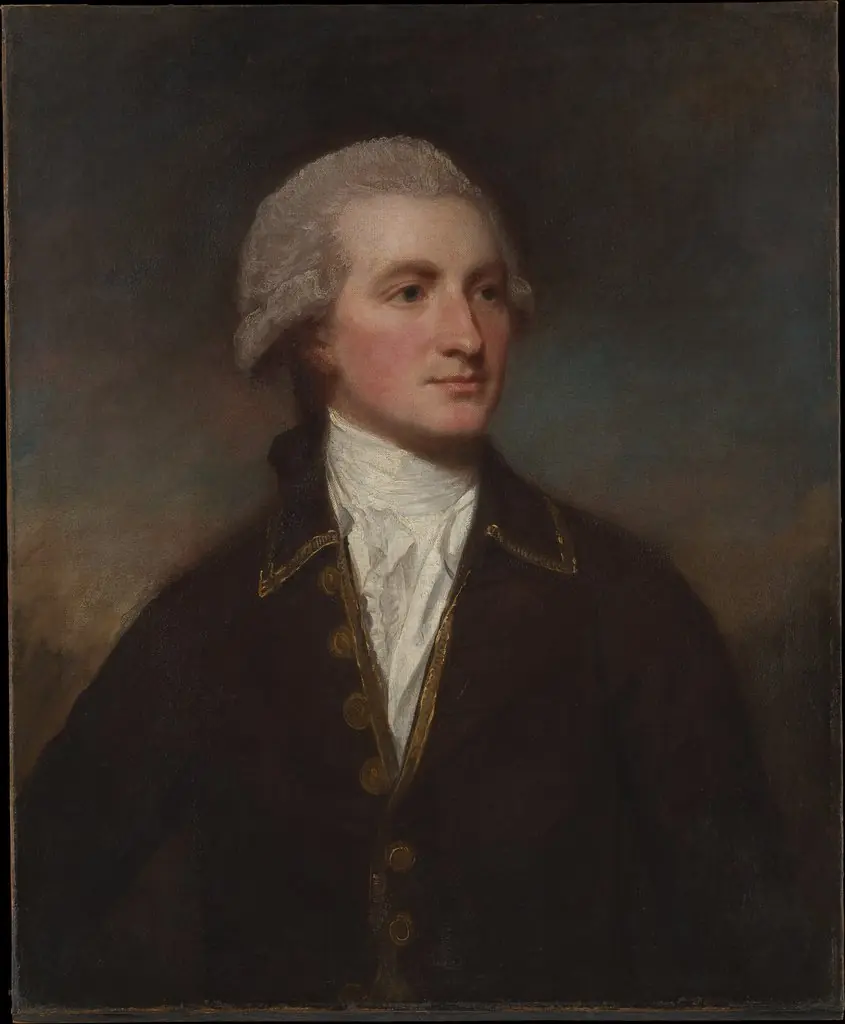 Portrait of a Man
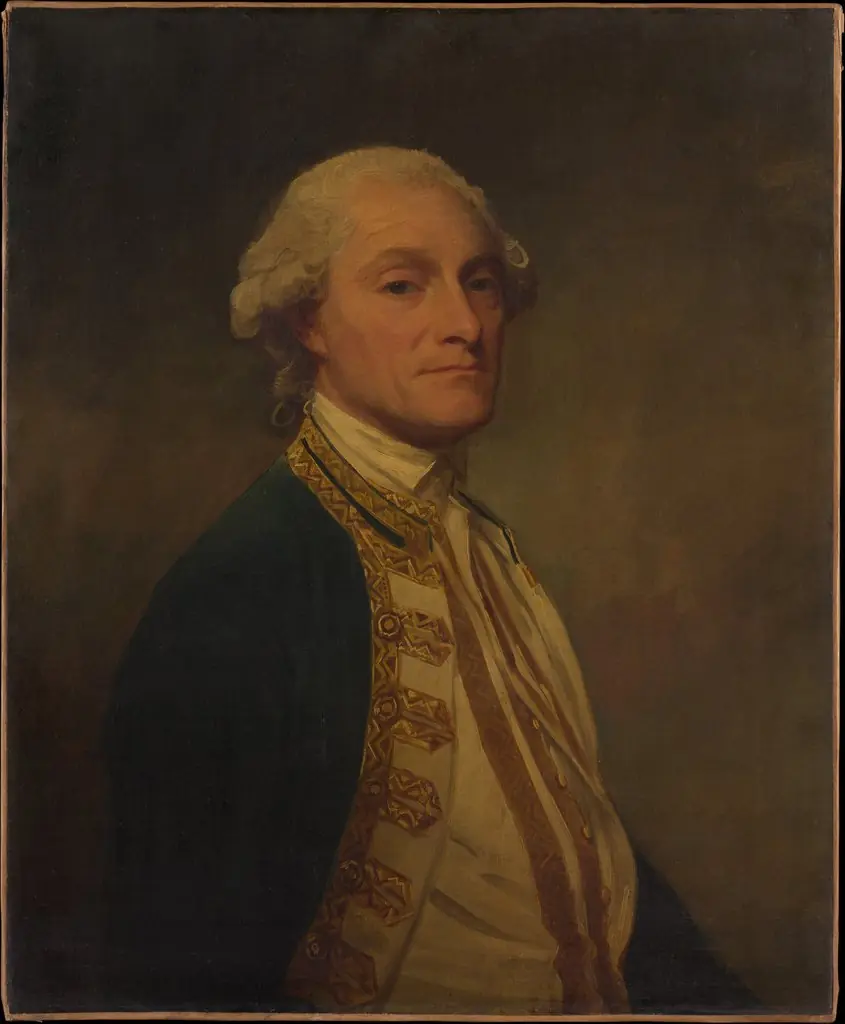 Admiral Sir Chaloner Ogle (1726–1816)
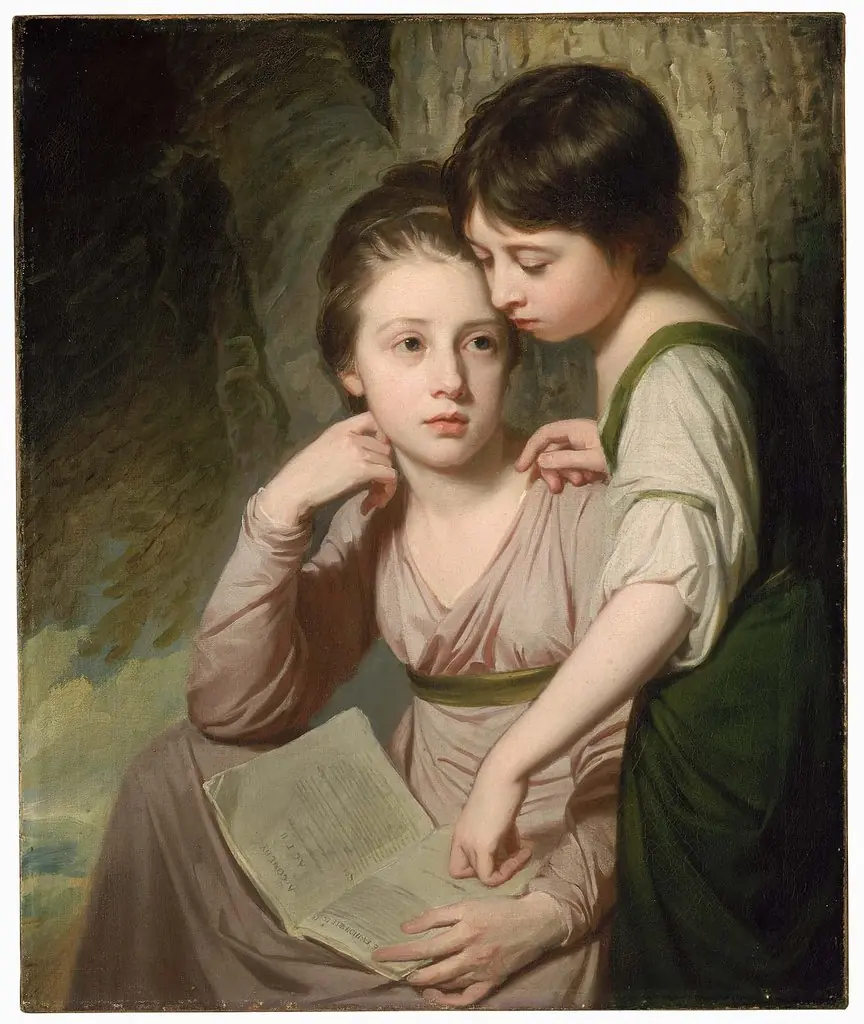 Portrait of Two Girls (Misses Cumberland)
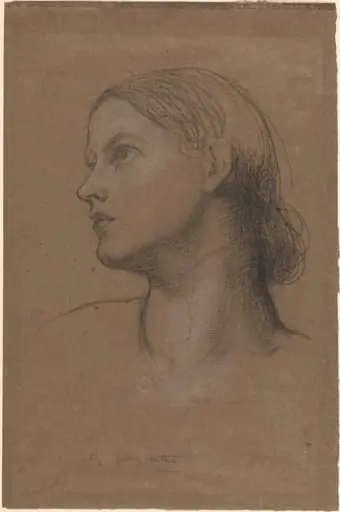 Head of a Young Woman
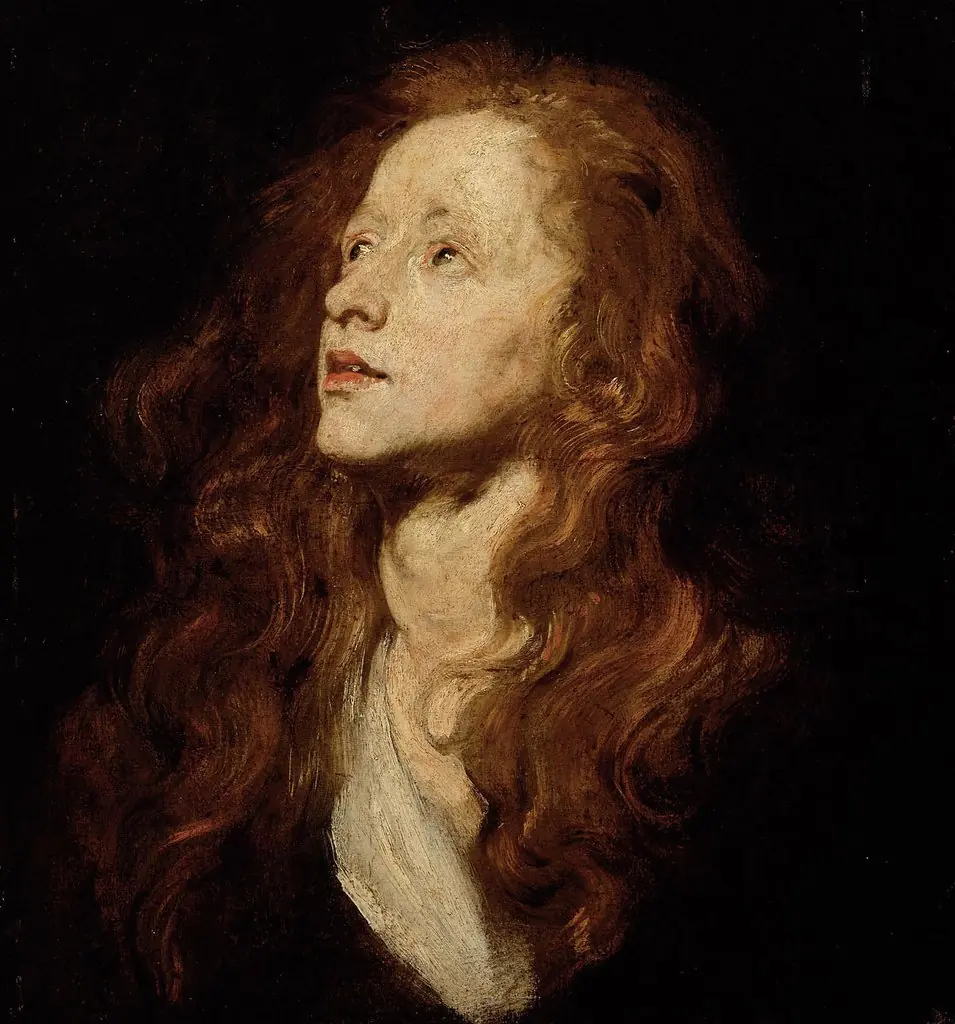 Head study of a woman looking up
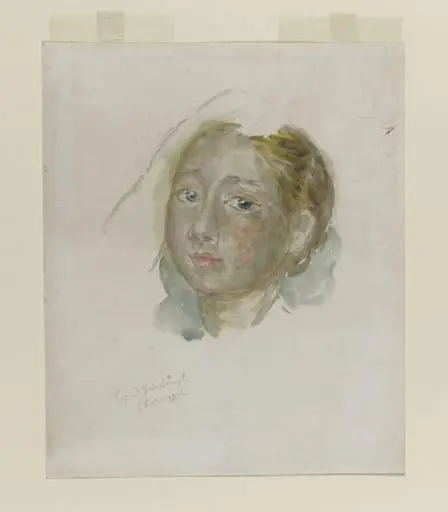 Margaret Gainsborough, copied from Thomas Gainsborough's portrait of his two daughters, Mary and Margaret (ca.1758) in the Victoria and Albert Museum
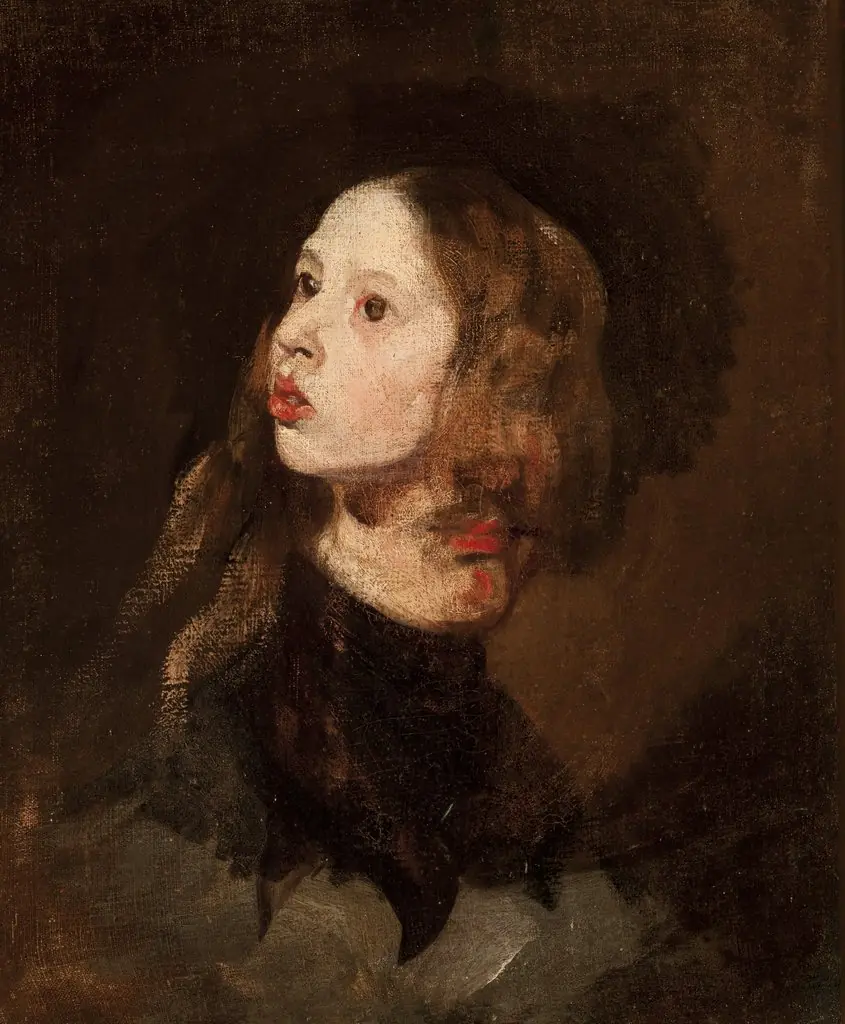 Portrait of Maria Michałowska
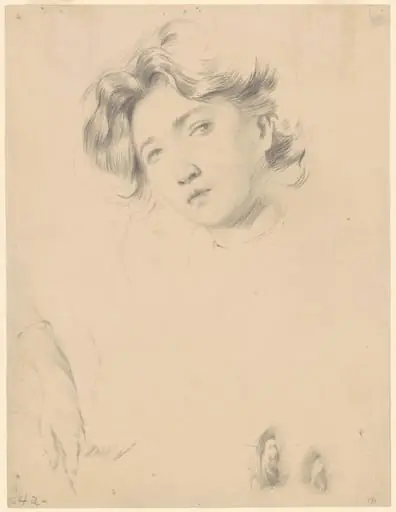 Study of a Girl
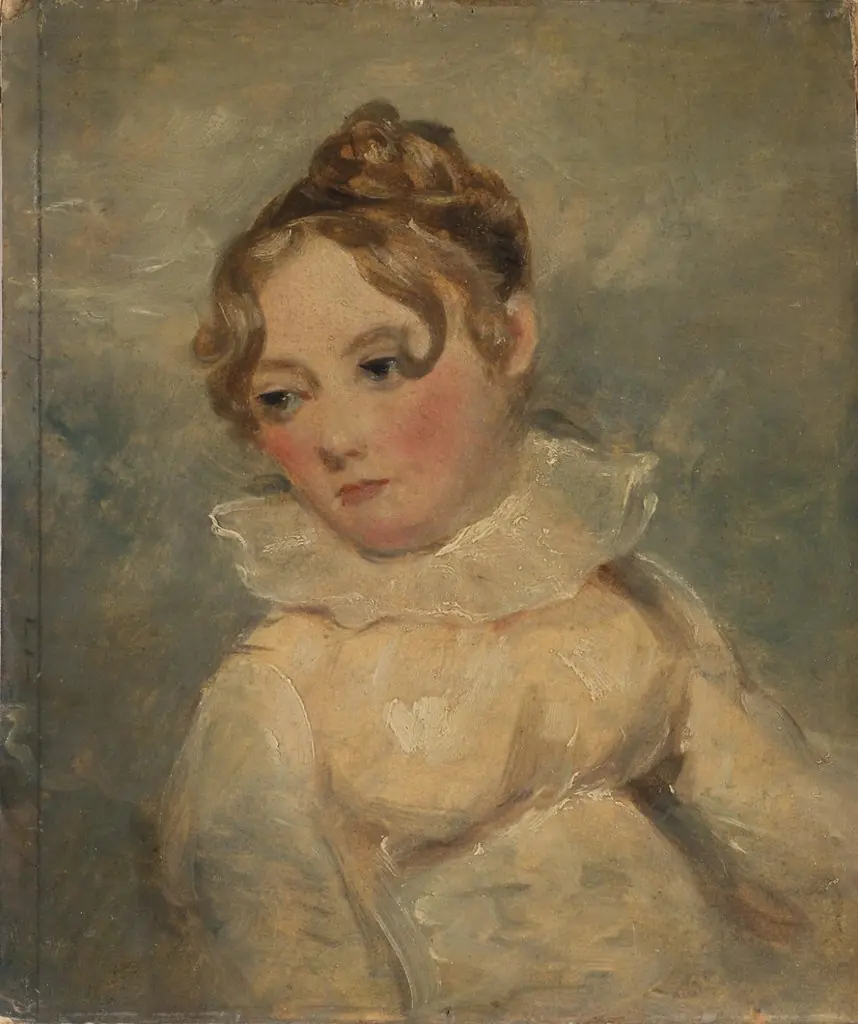 Portrait of a Girl
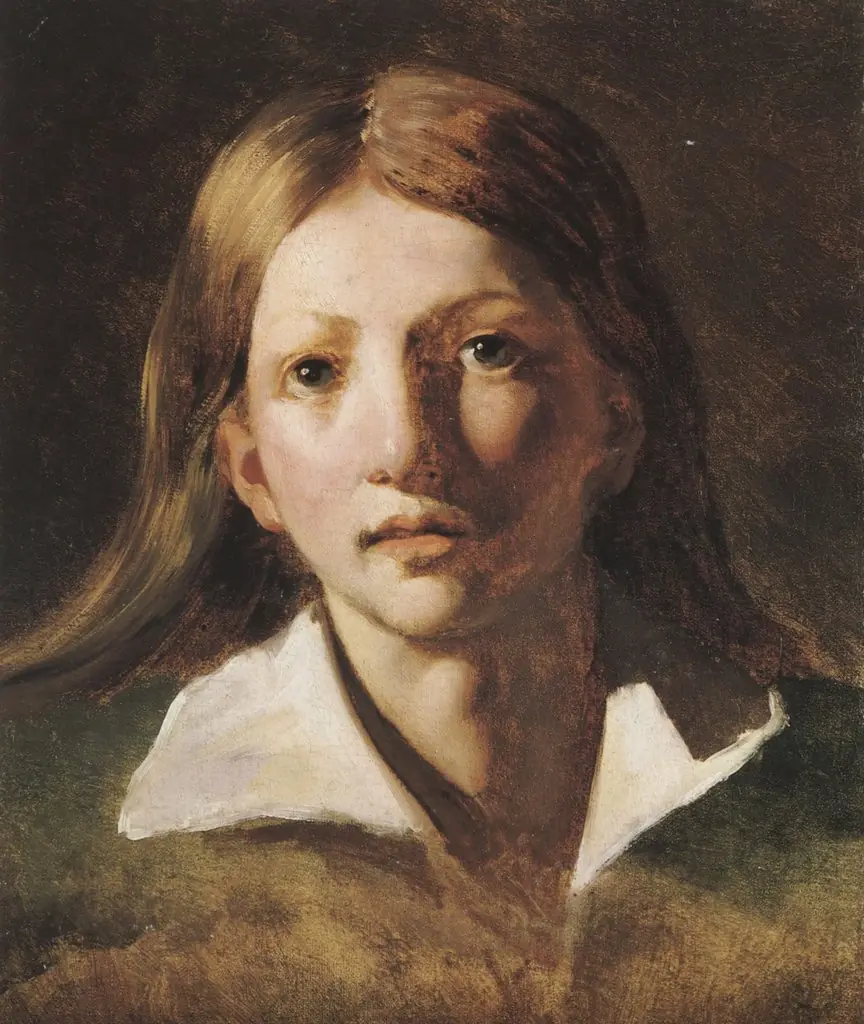 Portrait Study of a Youth
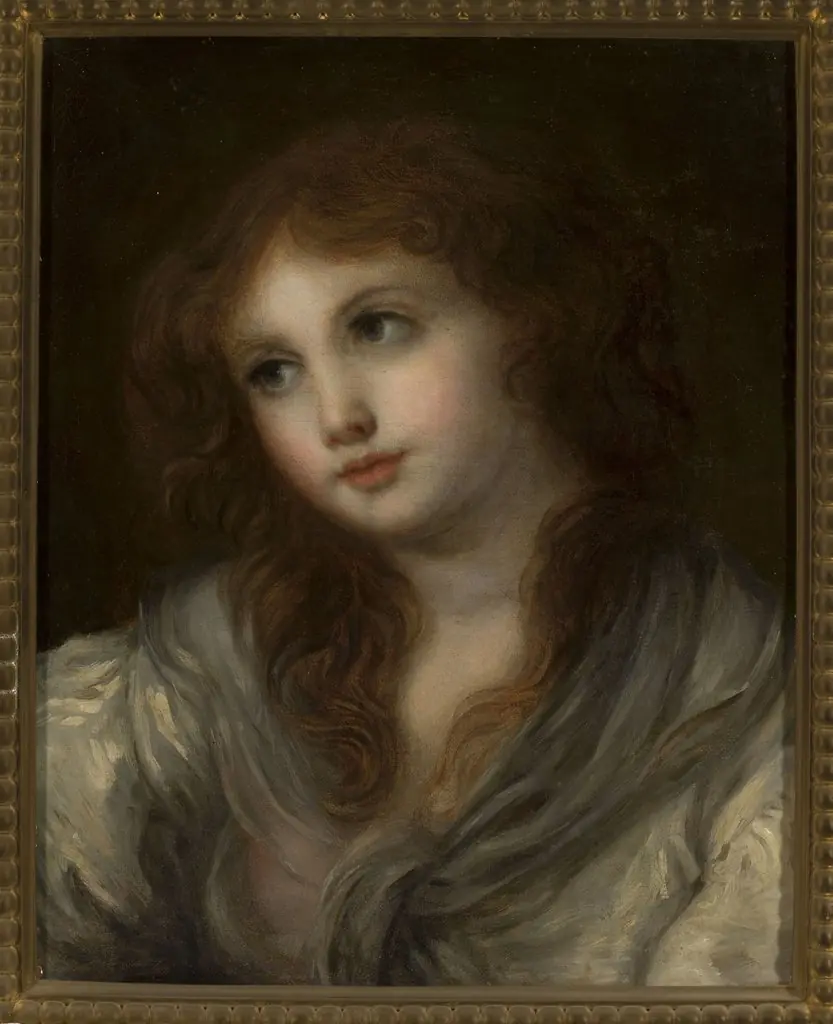 Bust of a girl
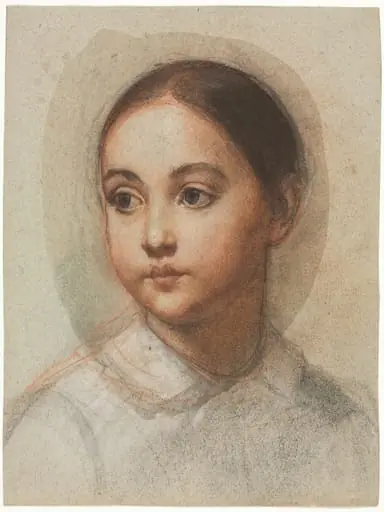 Head of a Young Girl
![Portrait of Emma Hart [later Lady Hamilton] as Miranda, by George Romney](https://artifactworldgallery.com/img/george-romney--portrait-of-emma-hart-later-lady-hamilton-as-miranda--017a44cbae021a04-w320.webp) Portrait of Emma Hart [later Lady Hamilton] as Miranda
Portrait of Emma Hart [later Lady Hamilton] as Miranda