Artwork
Portrait of Marianne Holbech
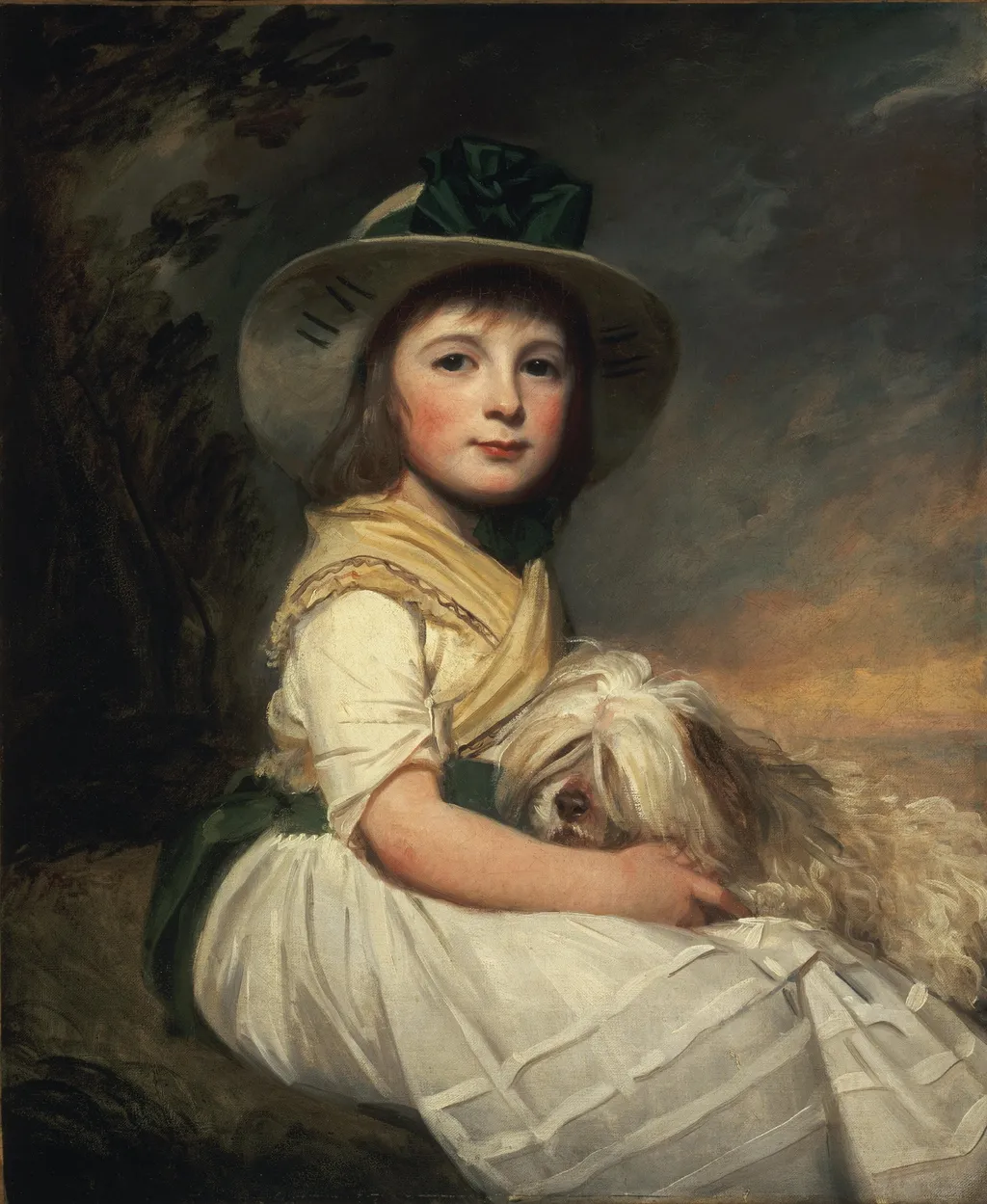
Portrait of Marianne Holbech is an oil painting by the Rococo painting artist George Romney. It dates from 1792 and is held in the collection of the Philadelphia Museum of Art.
About this work
Overview
George Romney painted this oil portrait in 1792, capturing Marianne Holbech, a young girl from a prominent English family.
George Romney painted this oil portrait in 1792, capturing Marianne Holbech, a young girl from a prominent English family. The work reflects Romney’s reputation as a leading portraitist of late 18th-century Britain, known for his sensitive renderings of aristocratic and upper-middle-class subjects. Though executed in the waning years of Rococo influence, the painting leans toward a more restrained, naturalistic style characteristic of Romney’s mature period.
Subject & Meaning
Marianne Holbech is portrayed in a moment of quiet contemplation, seated on a rocky outcrop with a small, curly white dog at her side. The dog’s direct gaze toward the viewer introduces an intimate, almost conversational tone, while her turned head suggests introspection or anticipation. The composition avoids overt symbolism, instead emphasizing innocence and gentle composure, values often associated with childhood in late Georgian portraiture.
Technique & Style
Romney employed chiaroscuro to model the girl’s form against a moody, atmospheric background of dusky sky with faint warm glows. Her white dress and green sash are rendered with soft brushwork, contrasting with the textured fur of the dog and the roughness of the rock. The lighting enhances three-dimensionality without theatricality, reflecting Romney’s preference for naturalism over ornamental flourish, even as he retained a lyrical grace in his handling of fabric and skin.
History & Provenance
The portrait was commissioned by the Holbech family, likely to commemorate Marianne’s youth during a period when portraiture served as both personal memento and social affirmation. It remained within the family for generations before entering a public collection. Documentation from the time confirms Romney’s studio records include the sitter’s name and date, supporting its authenticity and provenance as a documented work from his later career.
Context
In the 1790s, British portraiture was shifting from the elaborate elegance of Rococo toward a more restrained, emotionally grounded aesthetic. Romney’s work aligned with this transition, favoring natural settings and unposed expressions over staged grandeur. While contemporaries like Reynolds emphasized dignity and formality, Romney often conveyed tenderness, particularly in depictions of children, reflecting broader cultural interests in sentiment and domestic life.
Legacy
Though less celebrated today than some of his peers, Romney’s portraits of children, including this one, are recognized for their quiet humanity and technical finesse. The painting contributes to a broader understanding of how childhood was visually constructed in late 18th-century Britain—not as idealized allegory, but as a private, observable moment. It remains a representative example of his ability to merge psychological nuance with refined painterly control.
Own this work as a print
Artist & collection
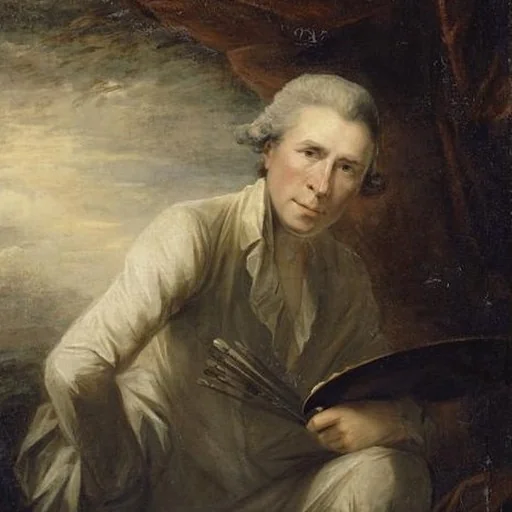
Artist
George Romney (26 December 1734 – 15 November 1802) was an English painter. He was the most fashionable artist of his day, painting many leading society figures – including his artistic muse, Emma Hamilton, mistress of Lord Nelson.

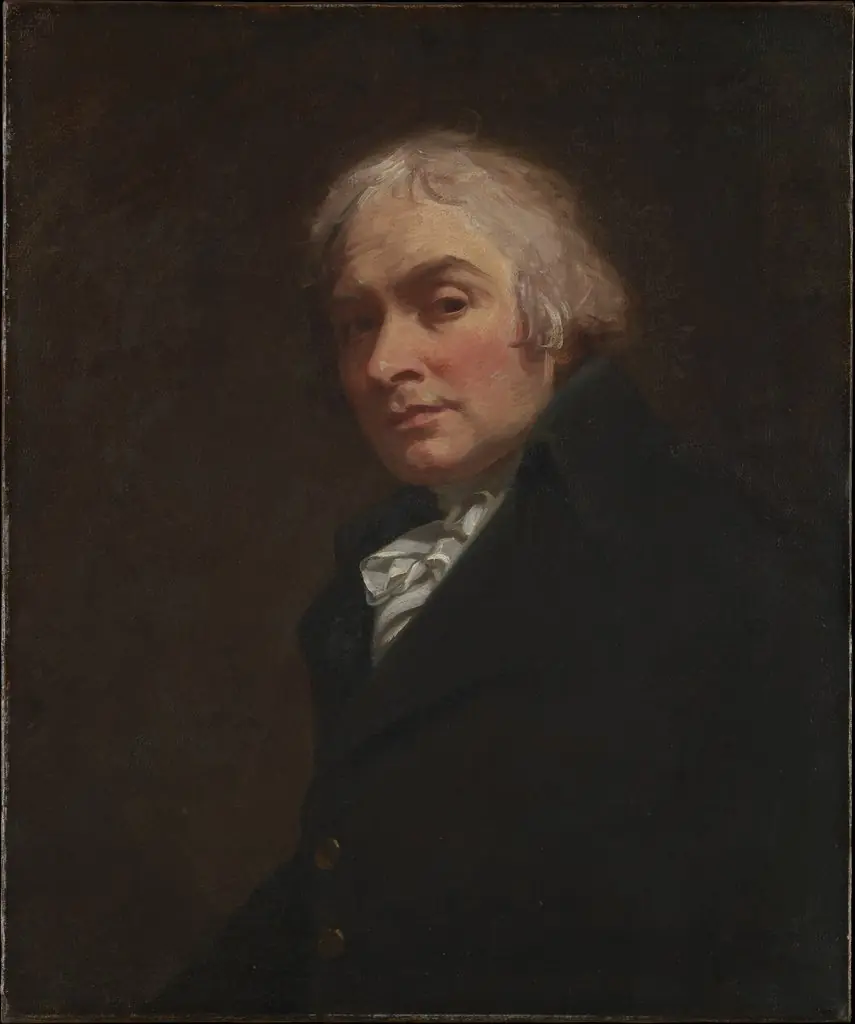 Self-Portrait
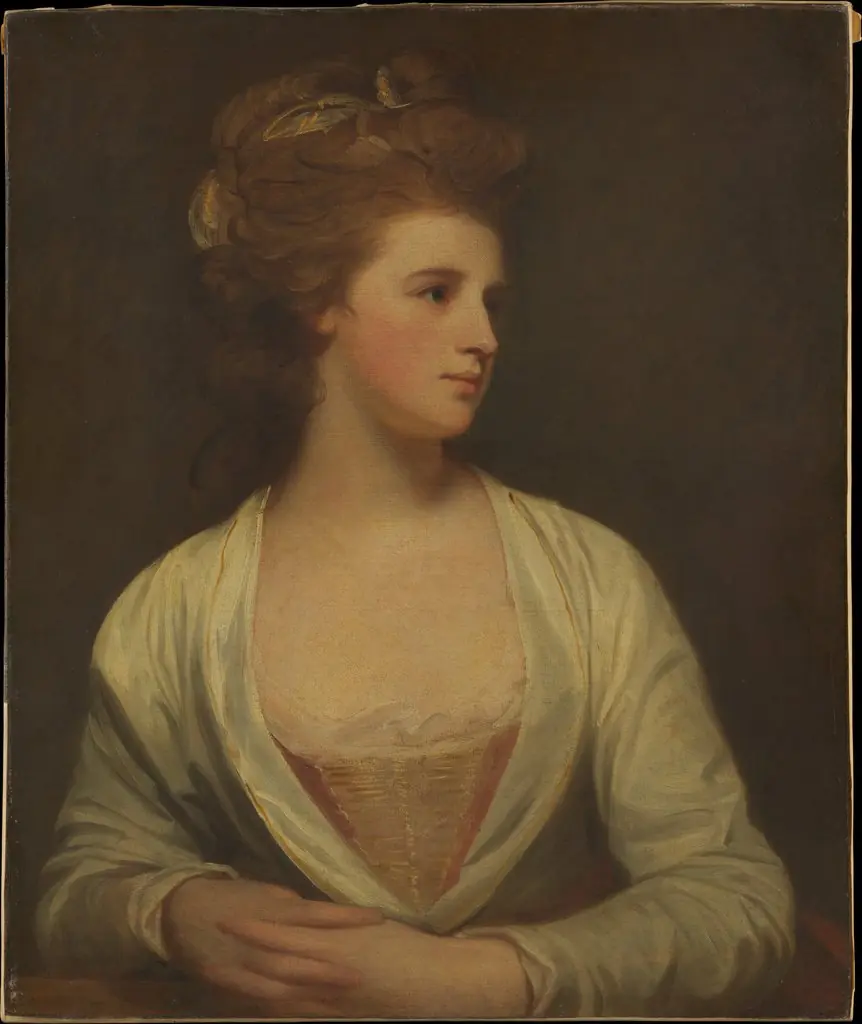 Portrait of a Woman, Said to Be Emily Bertie Pott (died 1782)
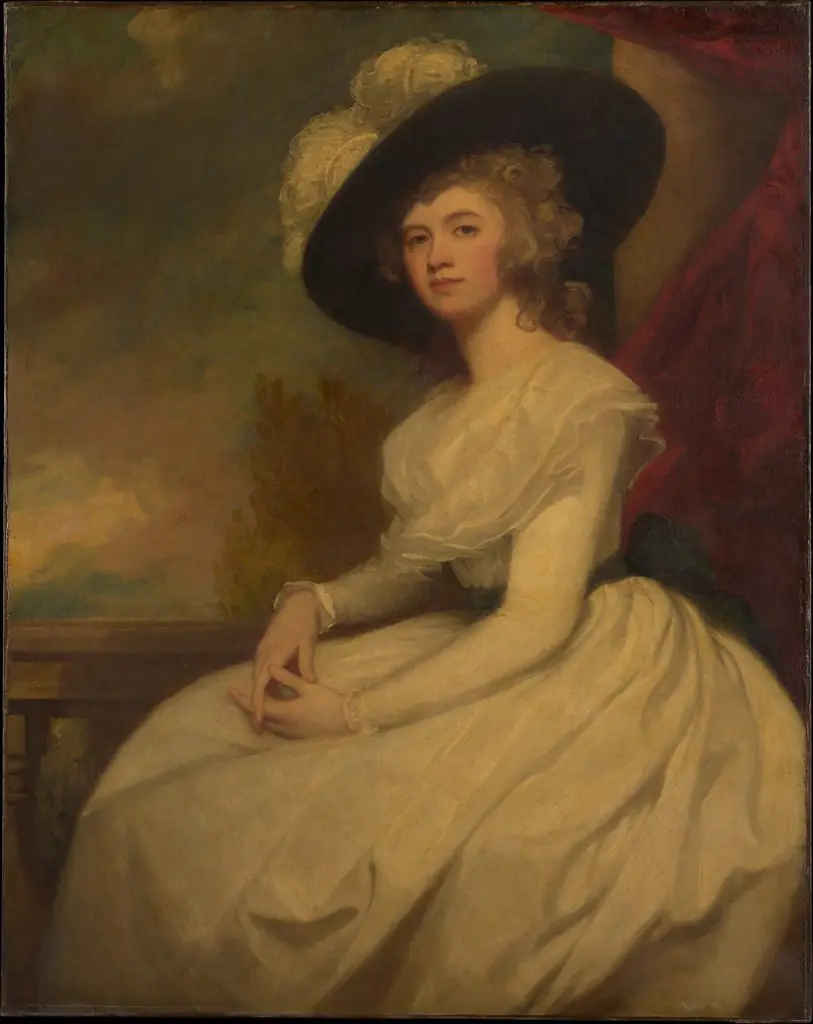 Mrs. Bryan Cooke (Frances Puleston, 1765–1818)
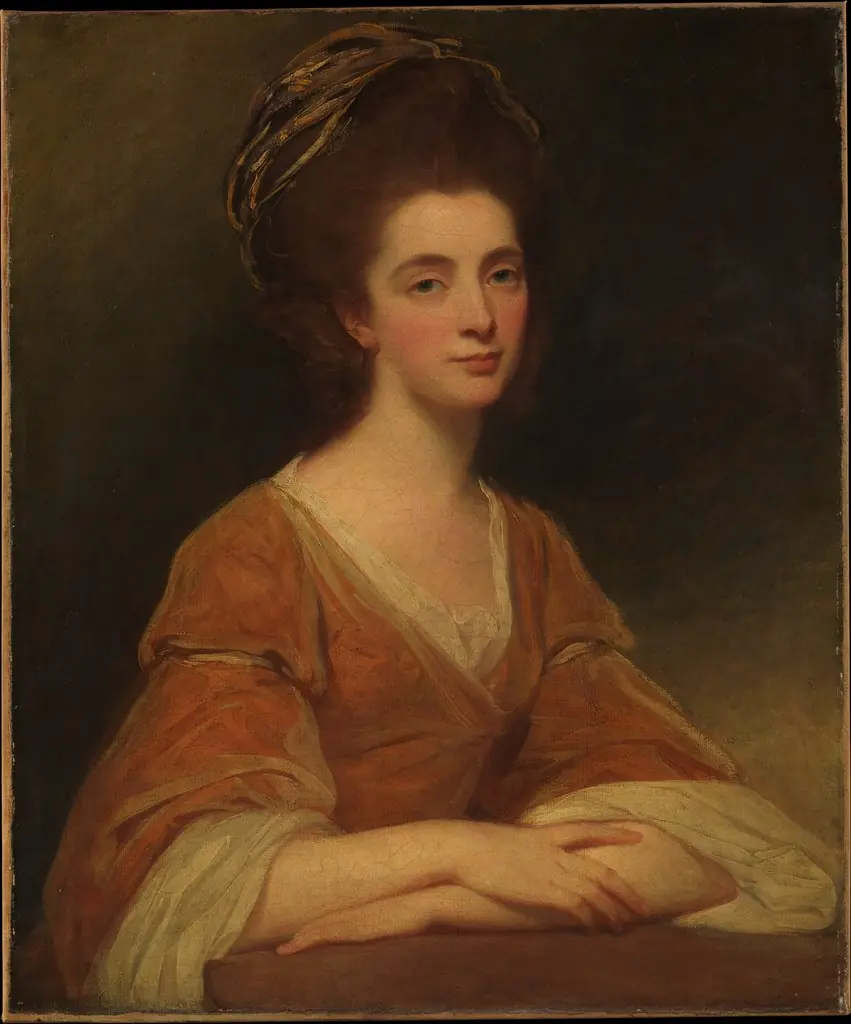 Mrs. Charles Frederick (Martha Rigden, died 1794)
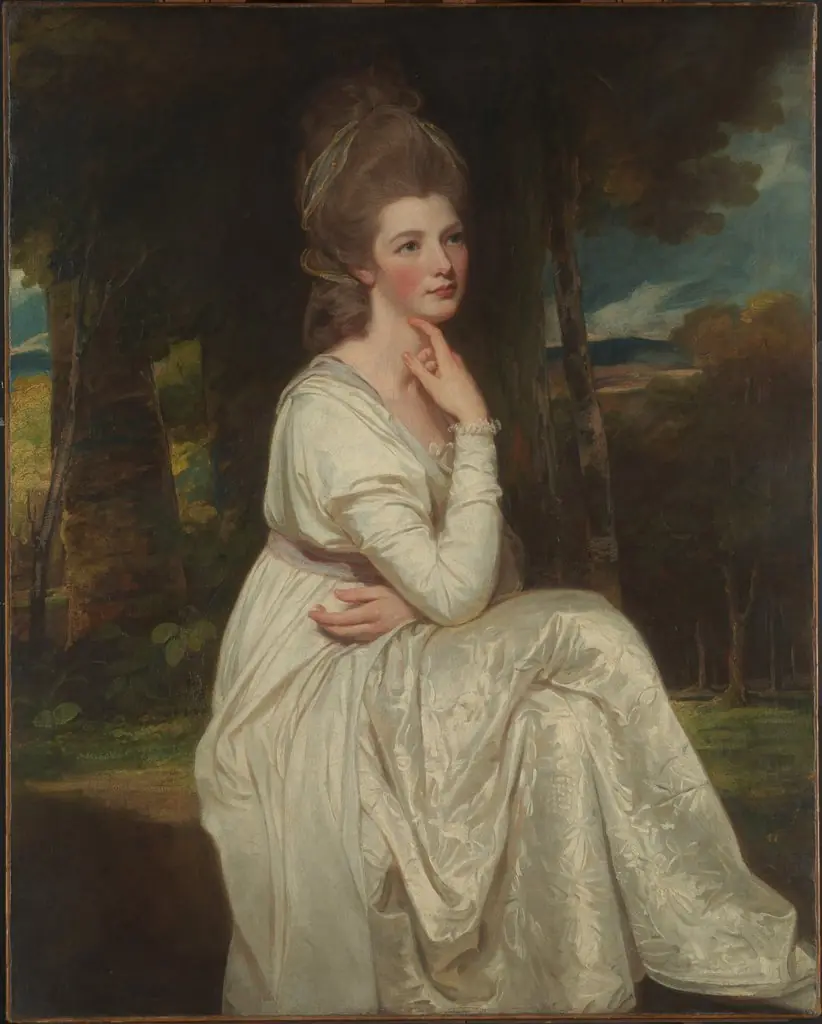 Lady Elizabeth Hamilton (1753–1797), Countess of Derby
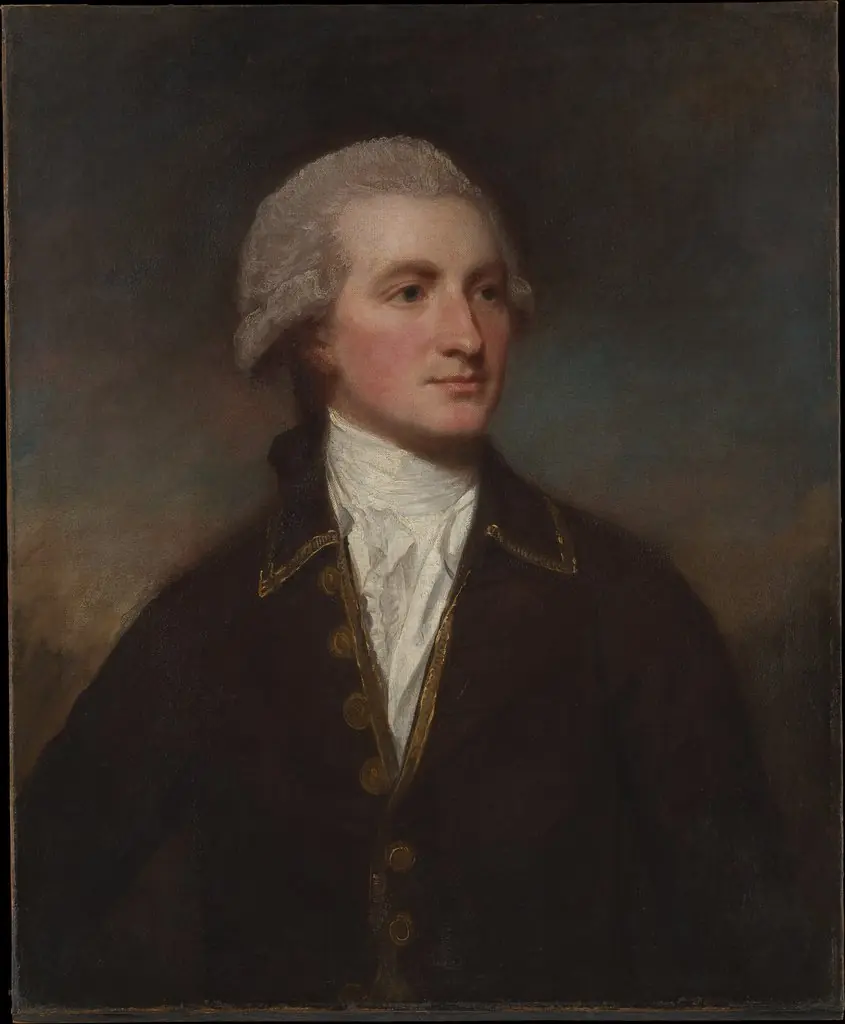 Portrait of a Man
 Admiral Sir Chaloner Ogle (1726–1816)
 Portrait of Two Girls (Misses Cumberland)
 Mrs. John Garden (Ann Garden, 1769–1842) and Her Children, John (1796–1854) and Ann Margaret (born 1793)
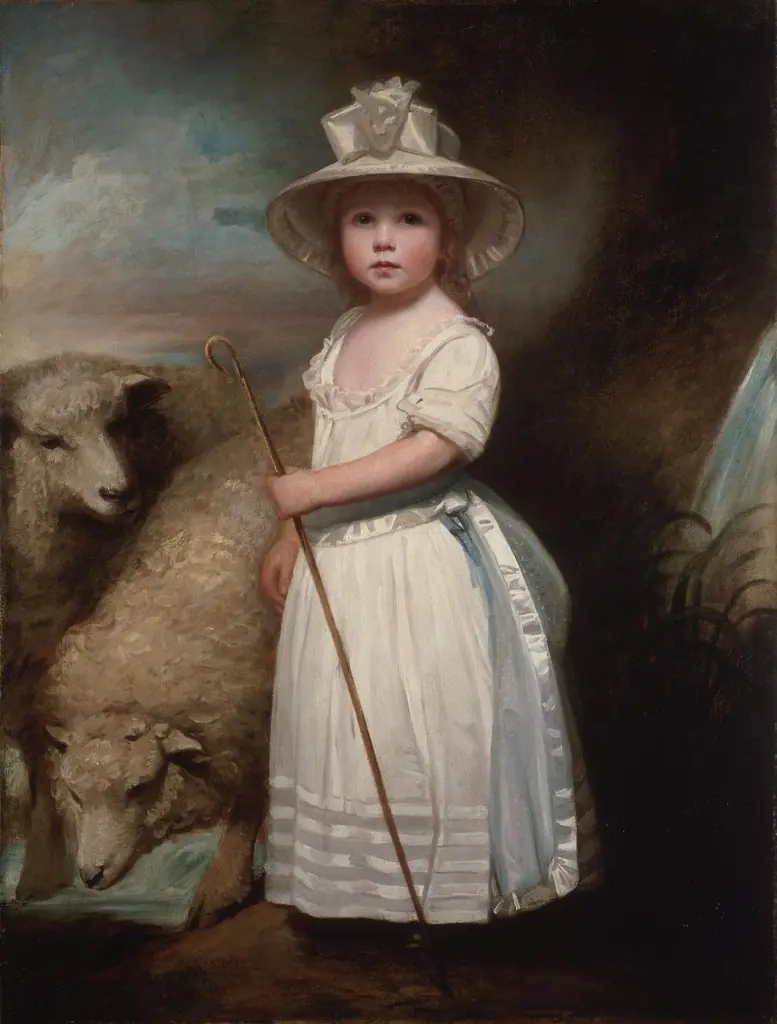 Shepherd Girl (Little Bo-Peep)
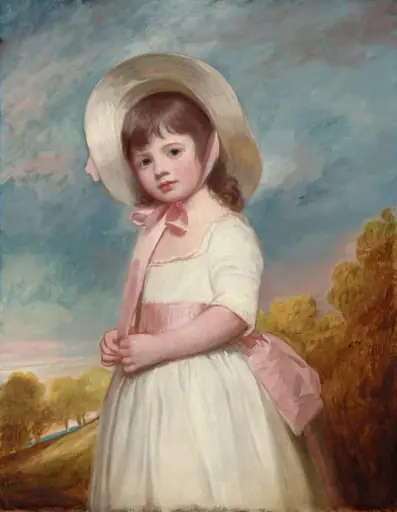 Miss Juliana Willoughby
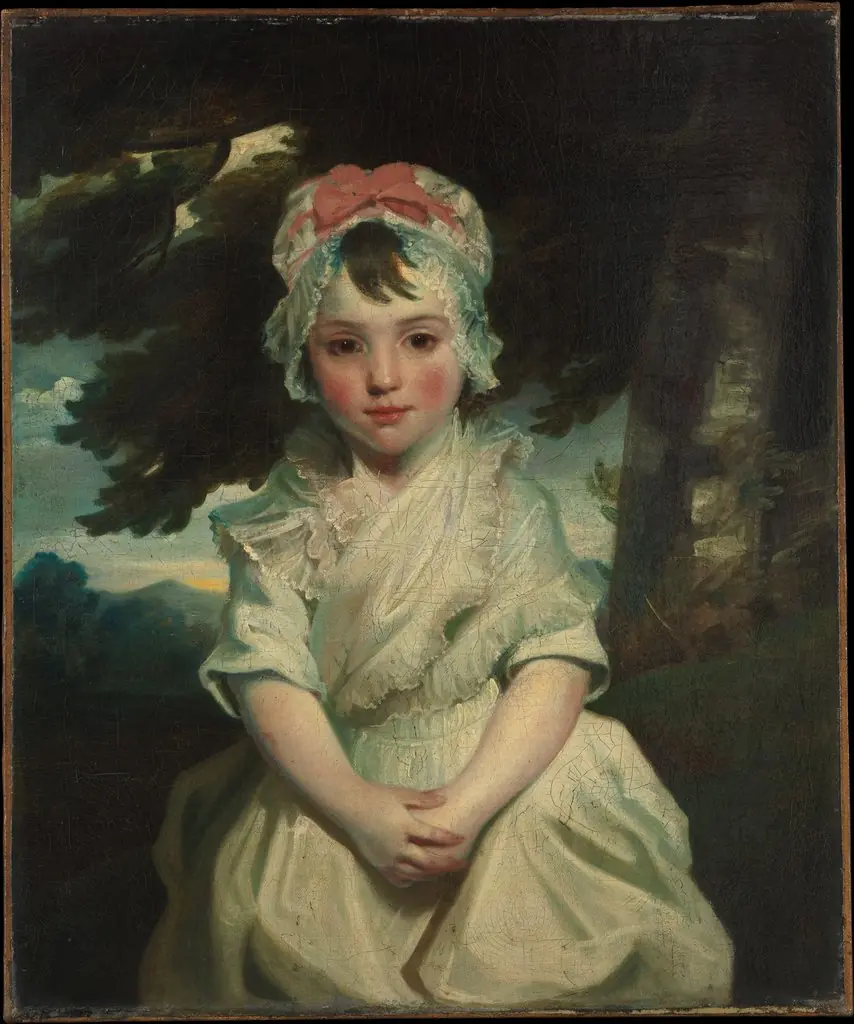 Georgiana Augusta Frederica Elliott (1782–1813), Later Lady Charles Bentinck
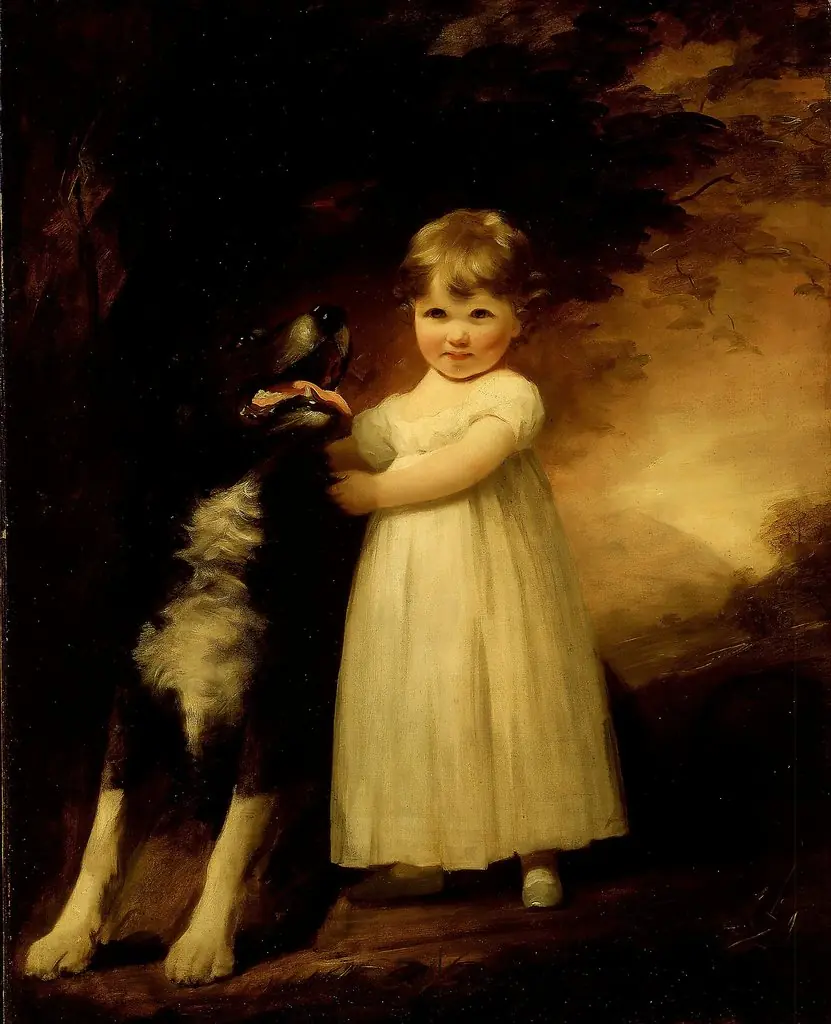 Eleanor Margaret Gibson-Carmichael
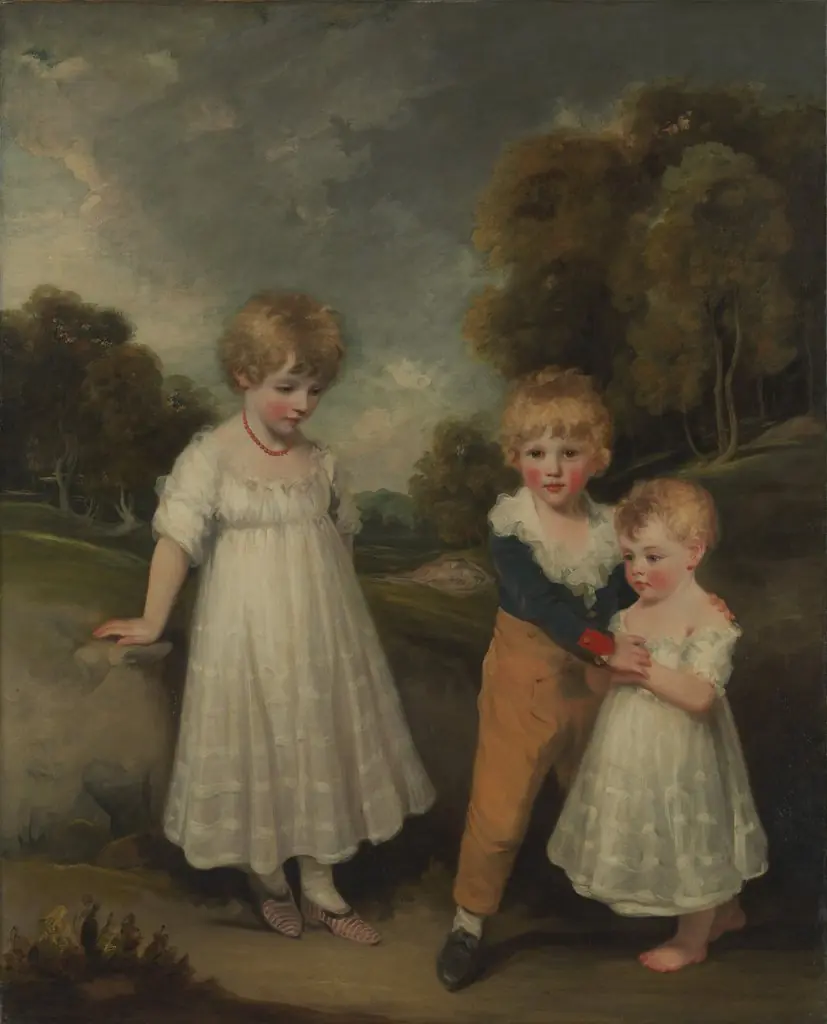 The Sackville Children
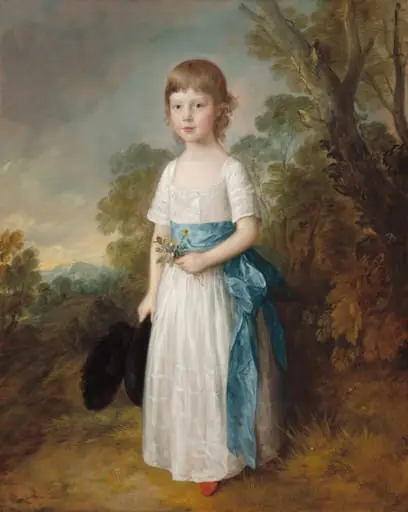 Master John Heathcote
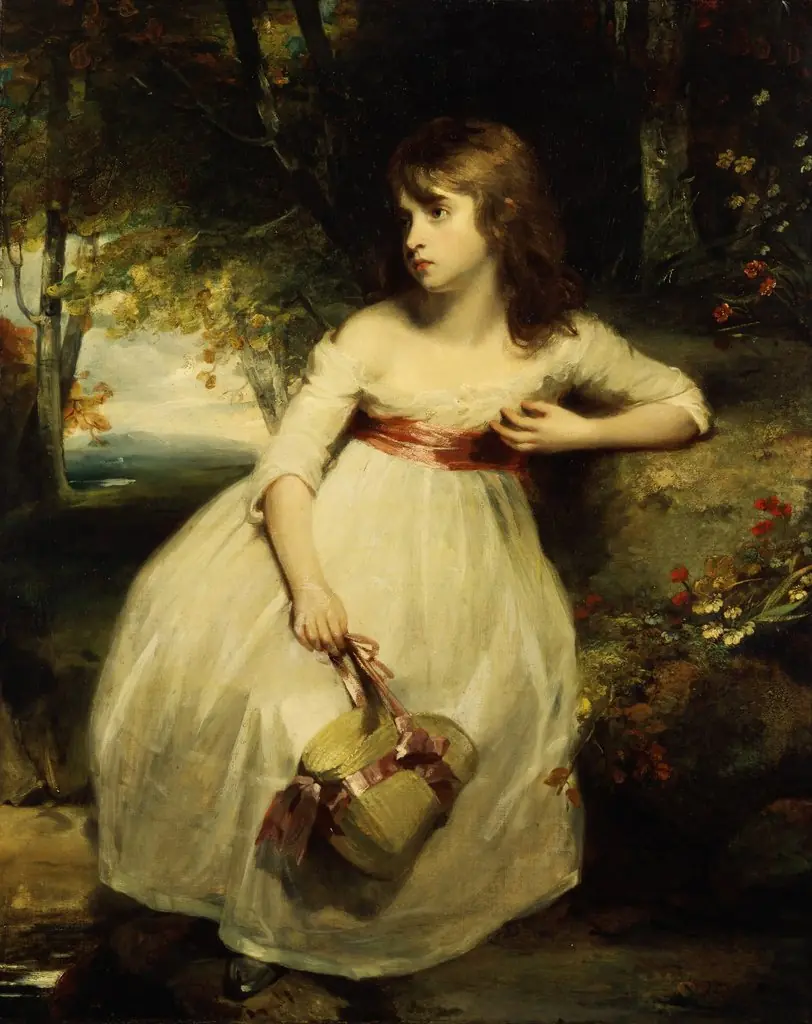 The Little Gardener
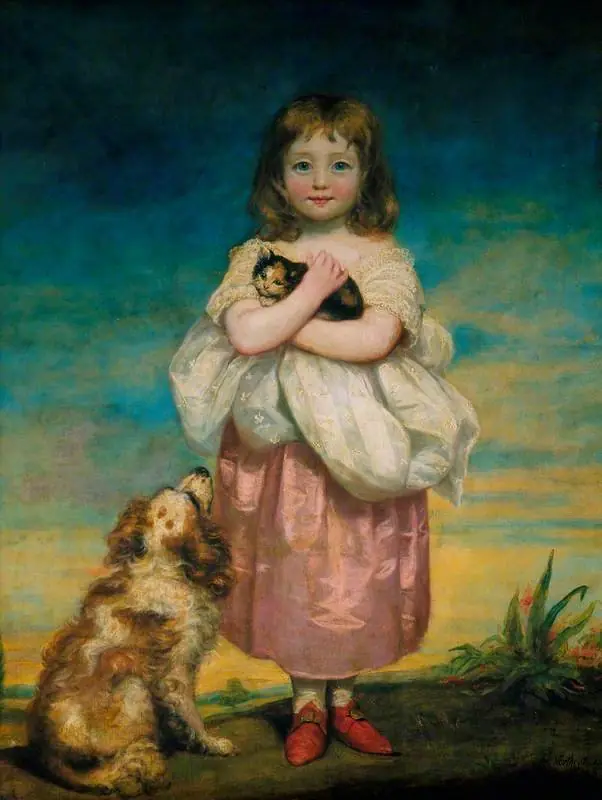 A Little Girl Nursing a Kitten
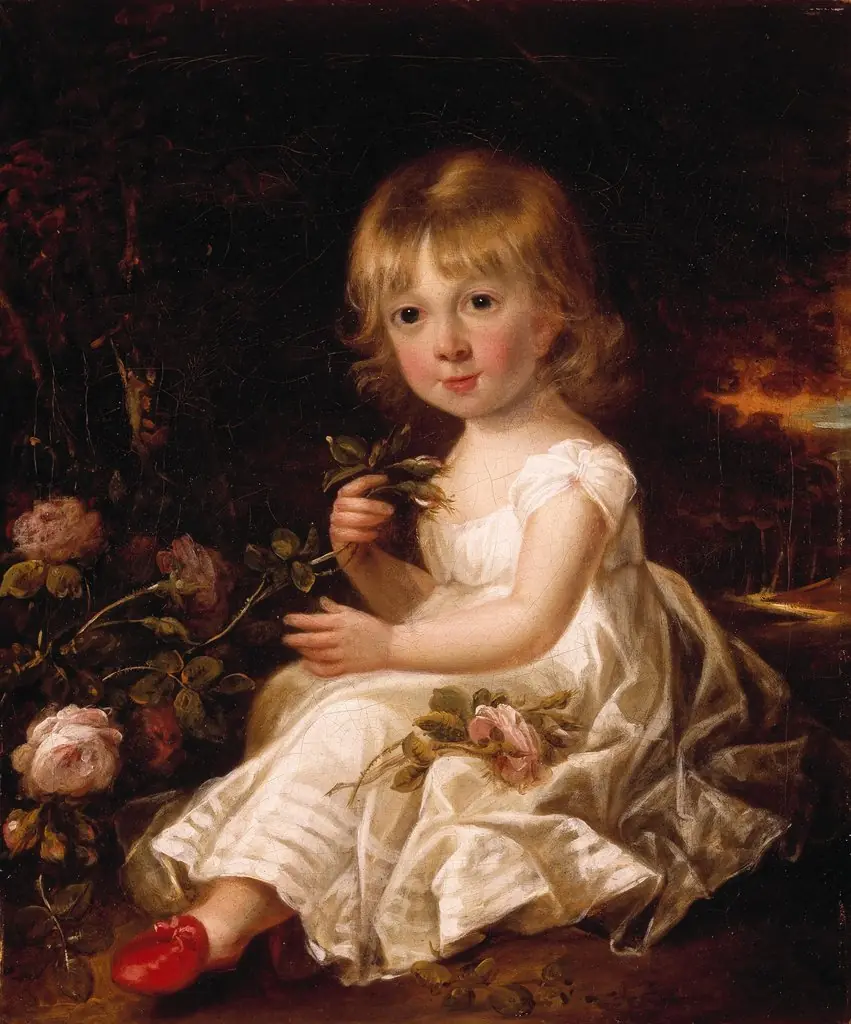 Portrait of a Young Girl
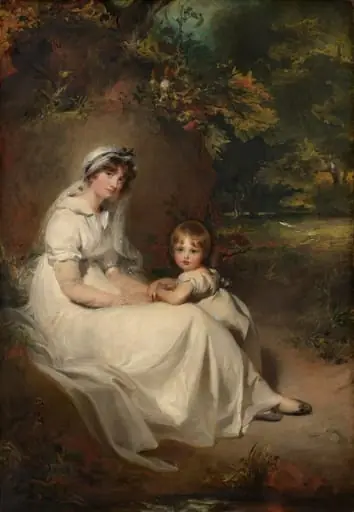 Lady Mary Templetown and Her Eldest Son
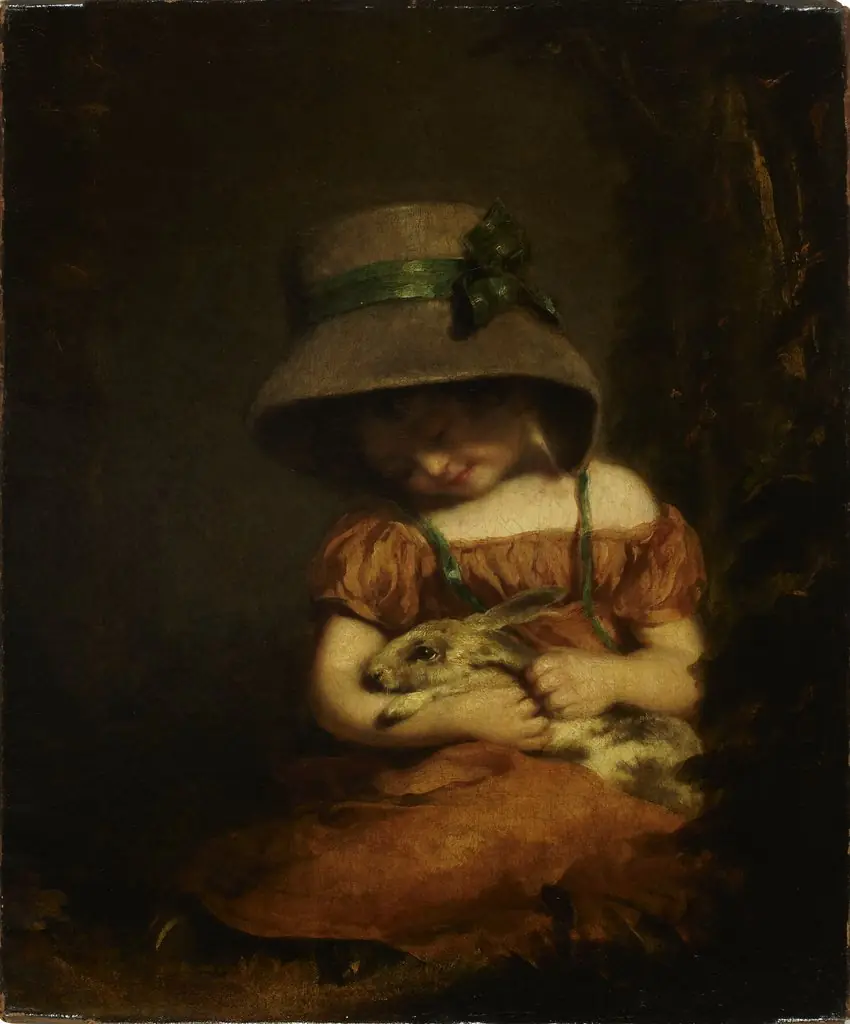 Girl with a Rabbit