Artwork
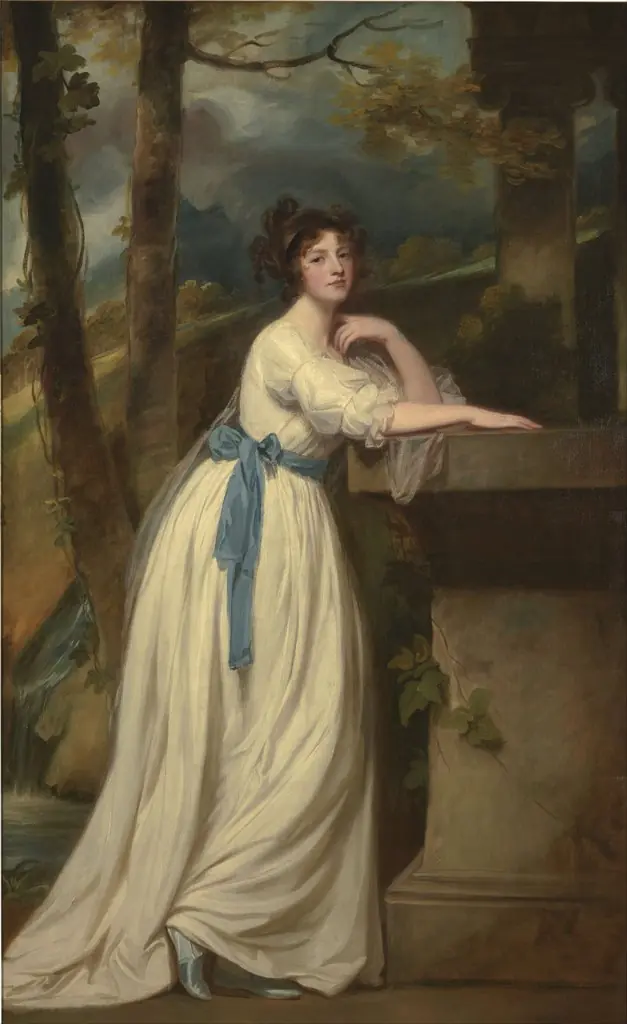
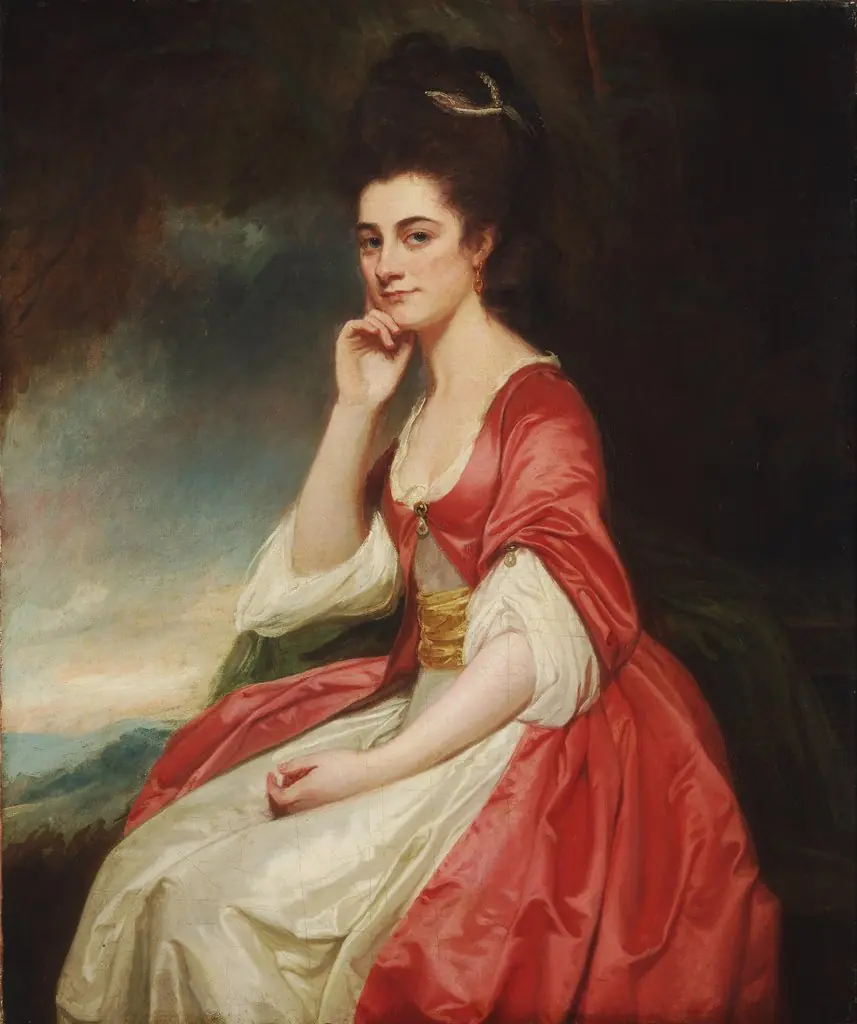
Portrait of Mrs. Champion de Crespigny [née Dorothy Scott]
![Portrait of Mrs. Champion de Crespigny [née Dorothy Scott], by George Romney, oil, 1796](https://artifactworldgallery.com/img/george-romney--portrait-of-mrs-champion-de-crespigny-nee-dorothy-scott--5b087b919e9b4de1-w1024.webp)
Portrait of Mrs. Champion de Crespigny [née Dorothy Scott] is an oil painting by the Neoclassicist artist George Romney. It dates from 1796 and is held in the collection of the Philadelphia Museum of Art.
About this work
Overview
Romney, a leading portraitist in late 18th-century England, was sought after by the gentry for his ability to convey quiet dignity.
Painted in 1796 by George Romney, this oil portrait captures Dorothy Scott, who became Mrs. Champion de Crespigny upon marriage. Romney, a leading portraitist in late 18th-century England, was sought after by the gentry for his ability to convey quiet dignity. The work is part of the Philadelphia Museum of Art’s collection and exemplifies the refined, restrained aesthetic favored by British elites during the neoclassical era.
Subject & Meaning
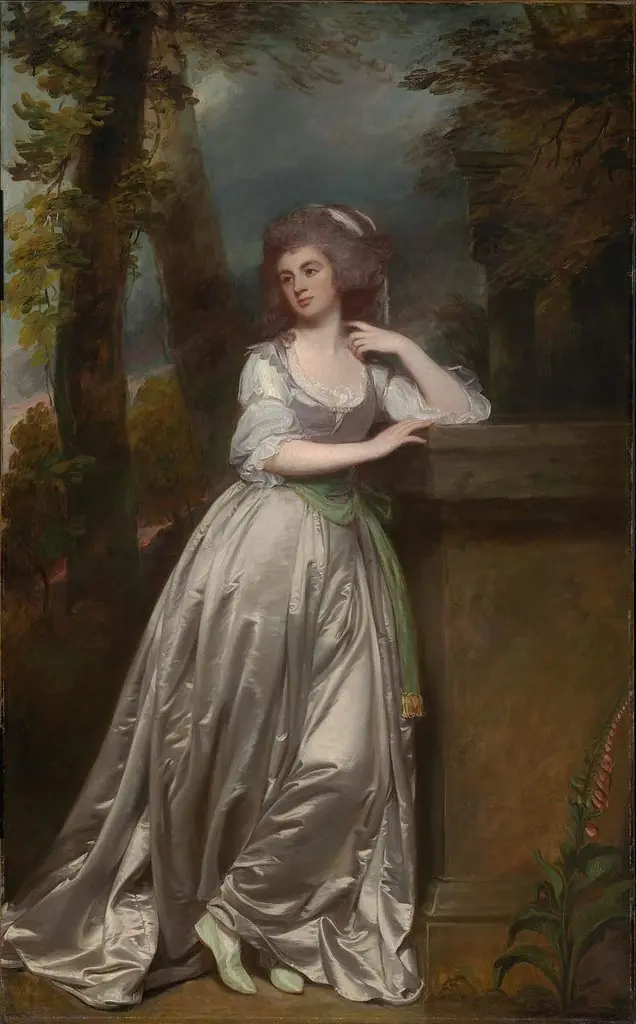
Dorothy Scott is depicted in a moment of stillness, her gaze meeting the viewer directly without overt expression. Her posture—elbow resting on a stone pillar, hand beneath the chin—suggests introspection rather than performance. The absence of elaborate symbols or allegory shifts focus to her presence alone, reflecting a shift in portraiture toward psychological subtlety over social display.
Technique & Style
Romney employs soft brushwork to render the texture of the black dress and the delicate folds of the white lace collar, contrasting with the smoother, atmospheric background. The lighting is even and diffused, enhancing the calm mood. The landscape behind her—gently rolling hills and scattered clouds—is rendered with minimal detail, allowing the figure to dominate while still anchoring her in a natural, serene world.
History & Provenance
Commissioned shortly before Romney’s decline in popularity, the portrait was likely painted during a period when he still commanded high demand among aristocratic patrons. It remained in private hands for over a century before entering the Philadelphia Museum of Art’s collection, where it has been preserved as a representative example of British portraiture from the 1790s.
Context
In the 1790s, British portraiture moved away from theatricality toward quieter, more personal representations. Romney’s work aligned with this trend, influenced by classical ideals of balance and restraint. While contemporaries like Reynolds emphasized grandeur, Romney’s strength lay in capturing composed individuality, often within domestic or pastoral settings that suggested moral and emotional depth.
Legacy
Though Romney’s reputation waned after his death, this portrait endures as a quiet testament to his skill in rendering presence over pomp. It reflects a transitional moment in British art, where the emphasis shifted from status to character. Today, it contributes to scholarly understanding of how elite women were visually framed during a period of evolving social norms.
Own this work as a print
Artist & collection
Artist
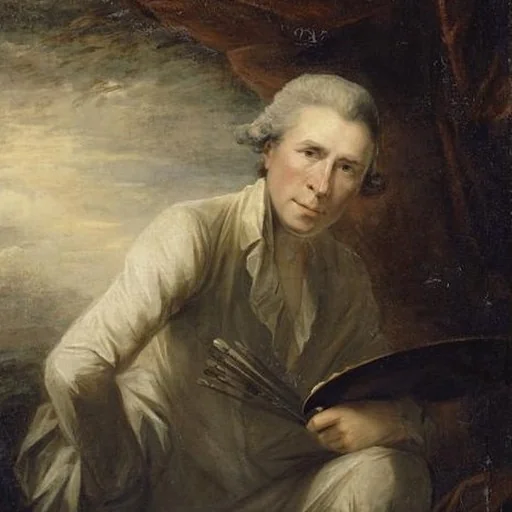
George Romney (26 December 1734 – 15 November 1802) was an English painter. He was the most fashionable artist of his day, painting many leading society figures – including his artistic muse, Emma Hamilton, mistress of Lord Nelson.

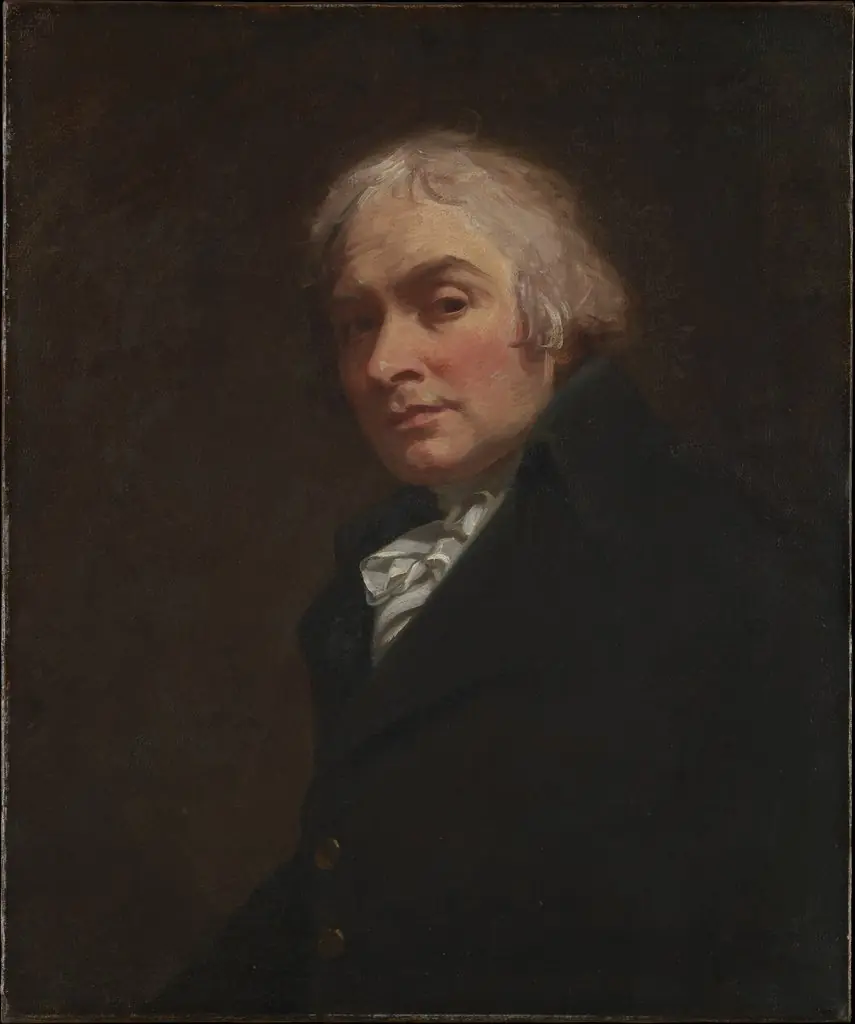 Self-Portrait
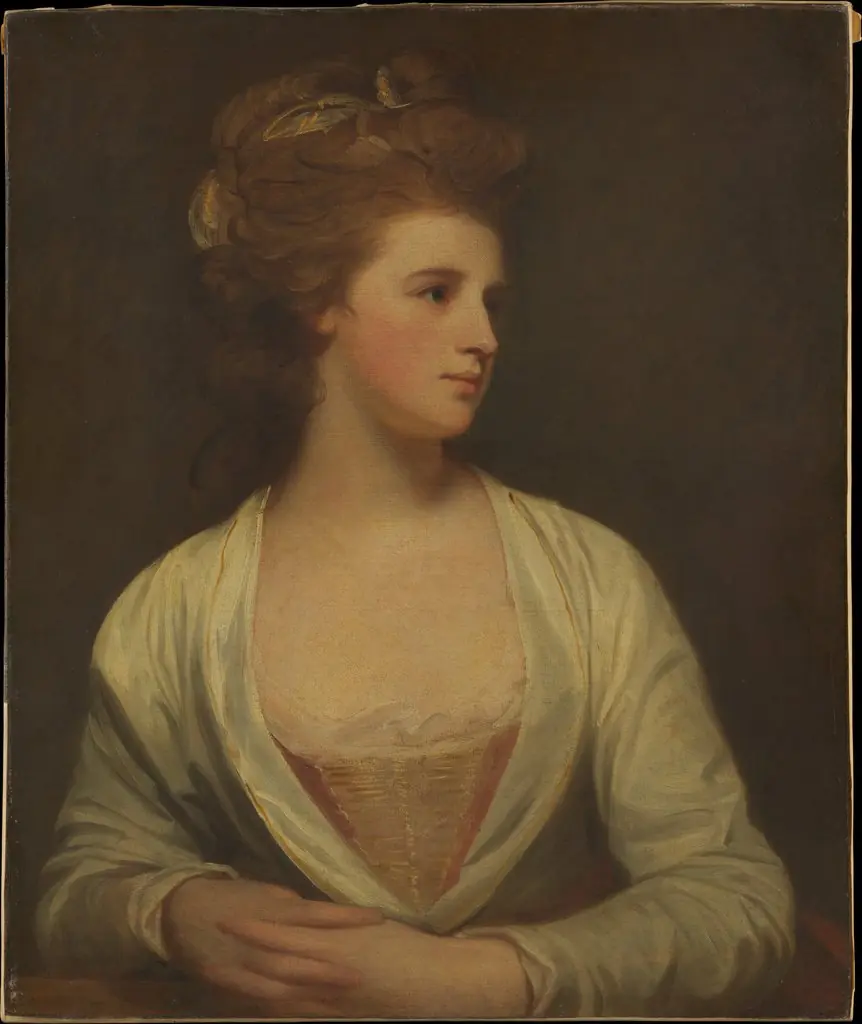 Portrait of a Woman, Said to Be Emily Bertie Pott (died 1782)
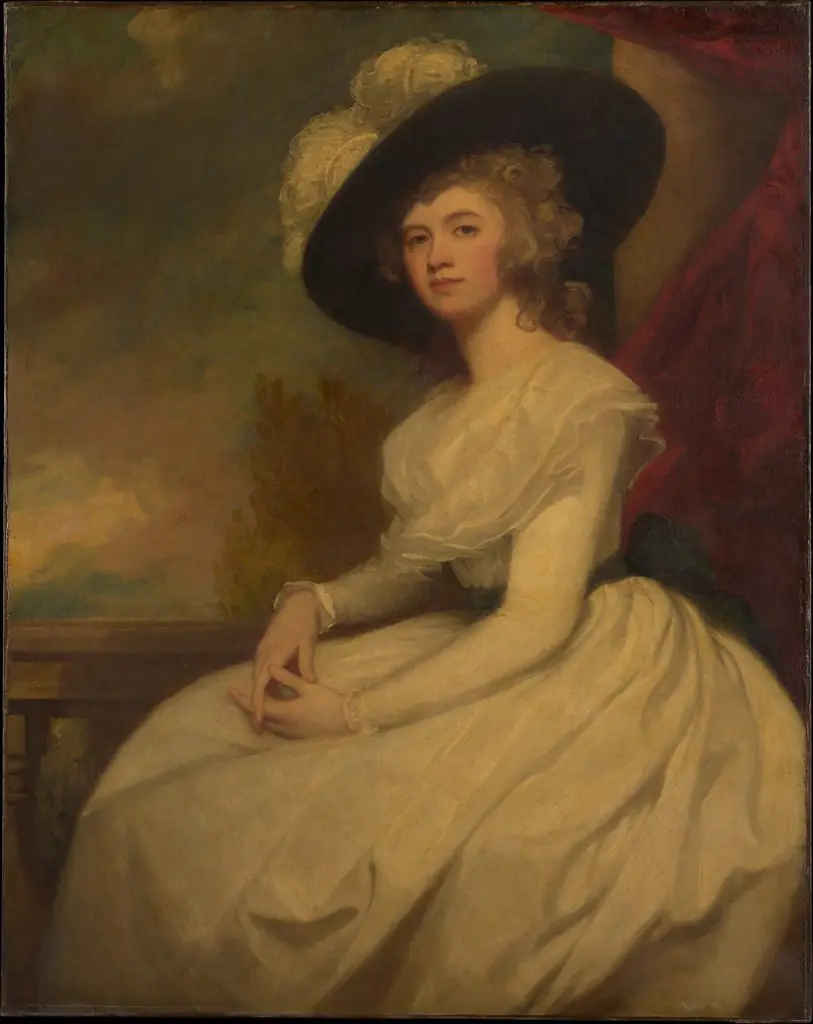 Mrs. Bryan Cooke (Frances Puleston, 1765–1818)
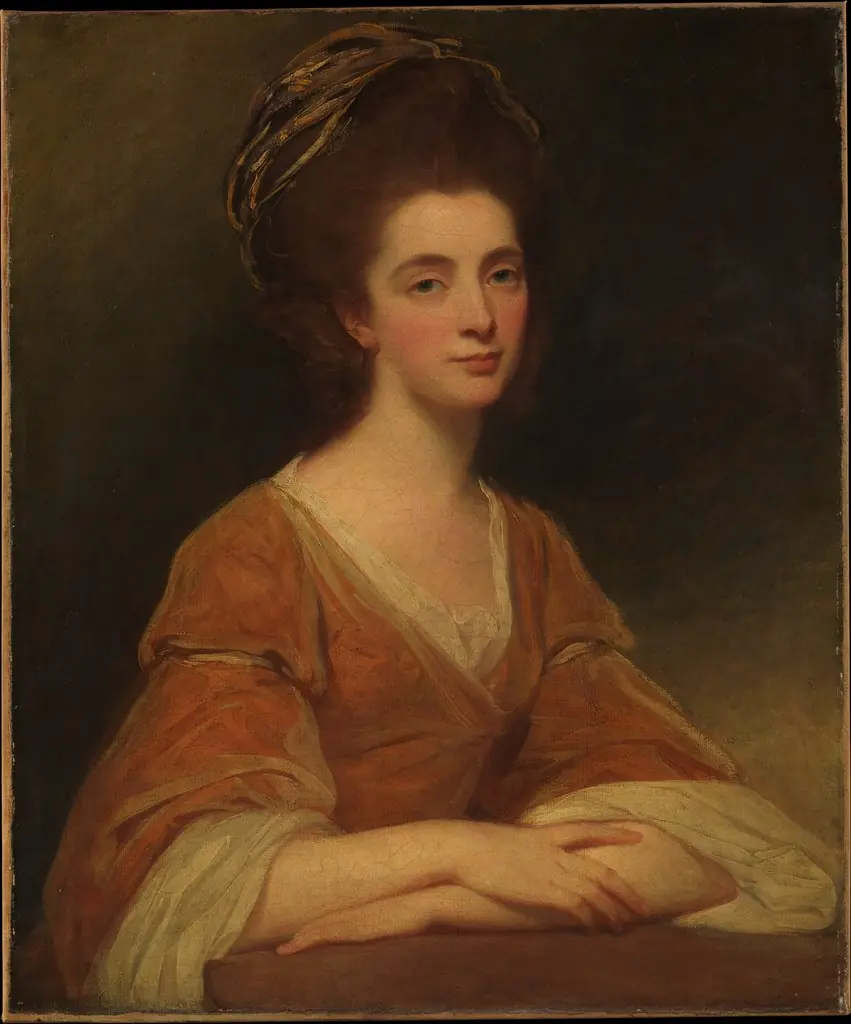 Mrs. Charles Frederick (Martha Rigden, died 1794)
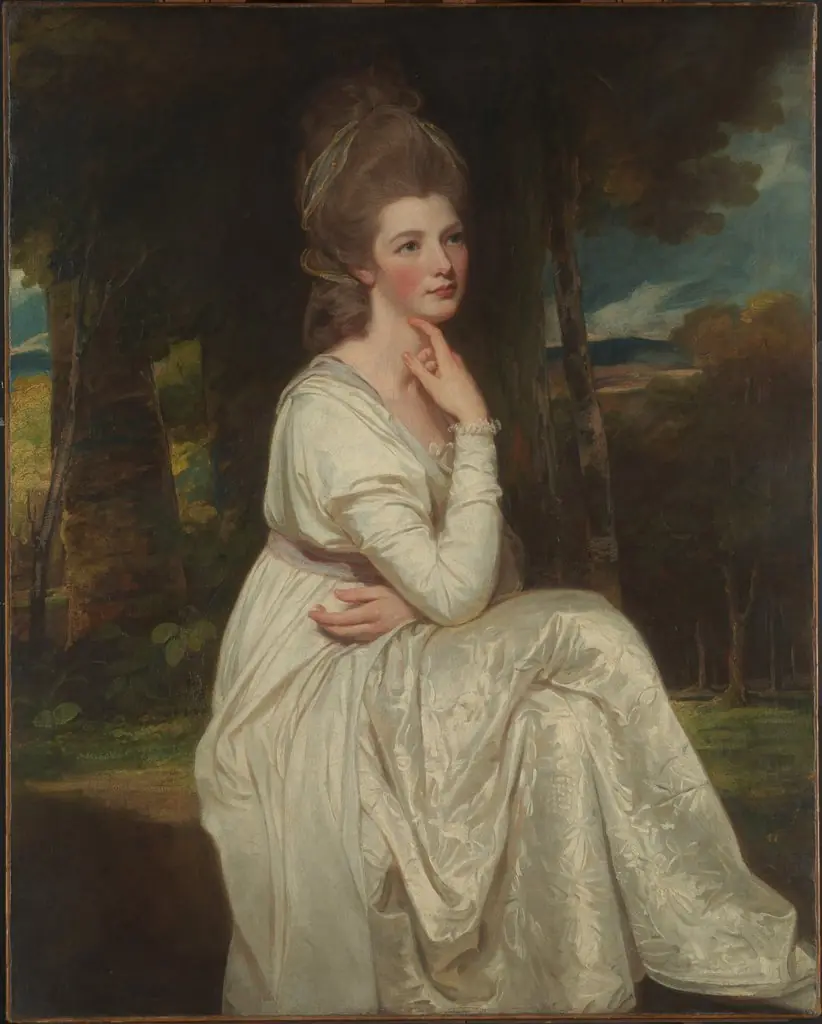 Lady Elizabeth Hamilton (1753–1797), Countess of Derby
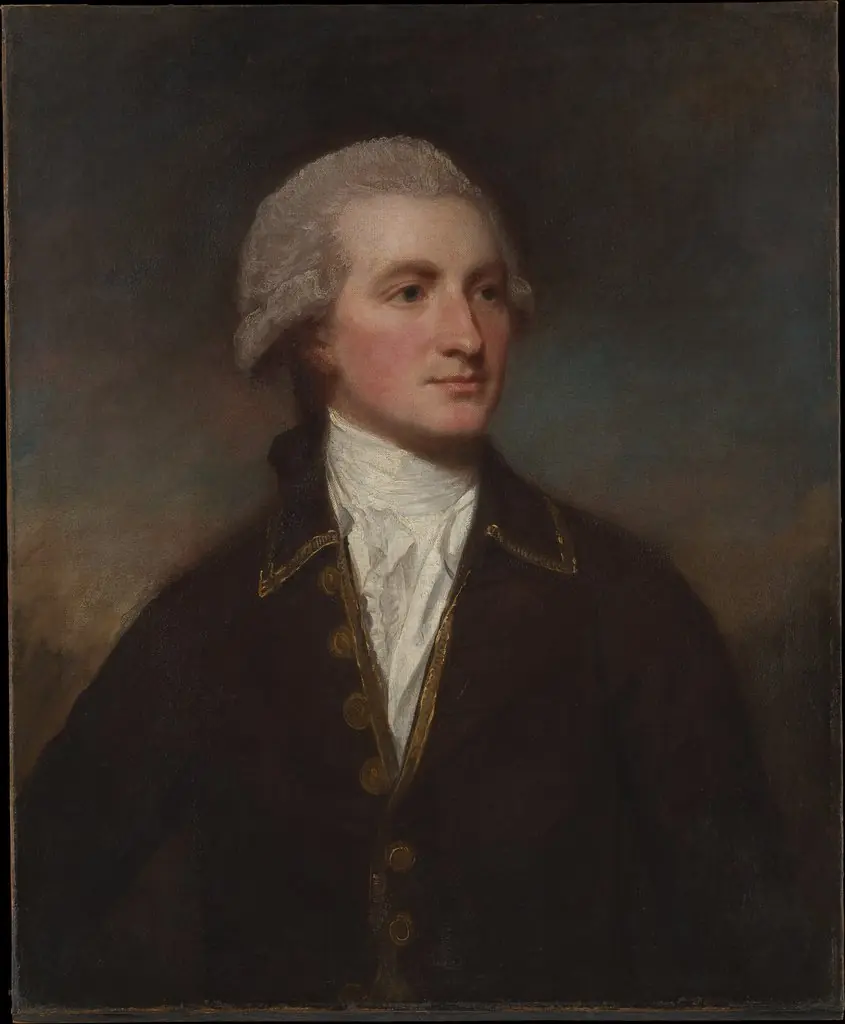 Portrait of a Man
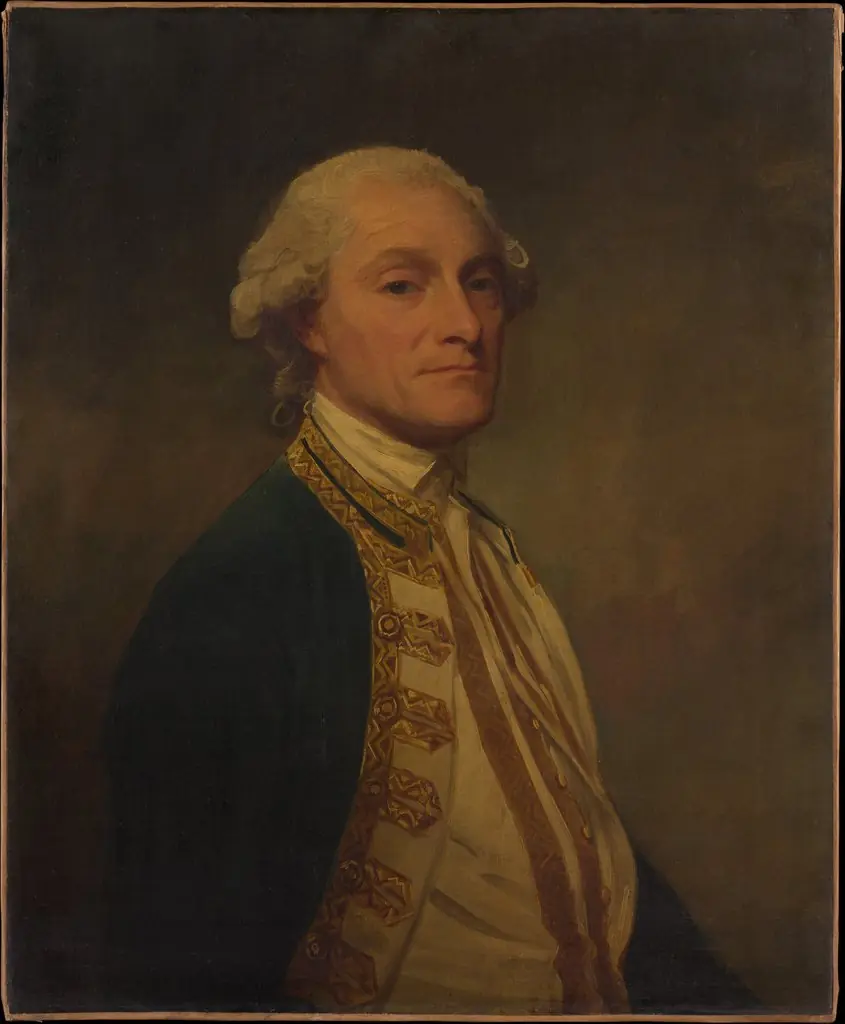 Admiral Sir Chaloner Ogle (1726–1816)
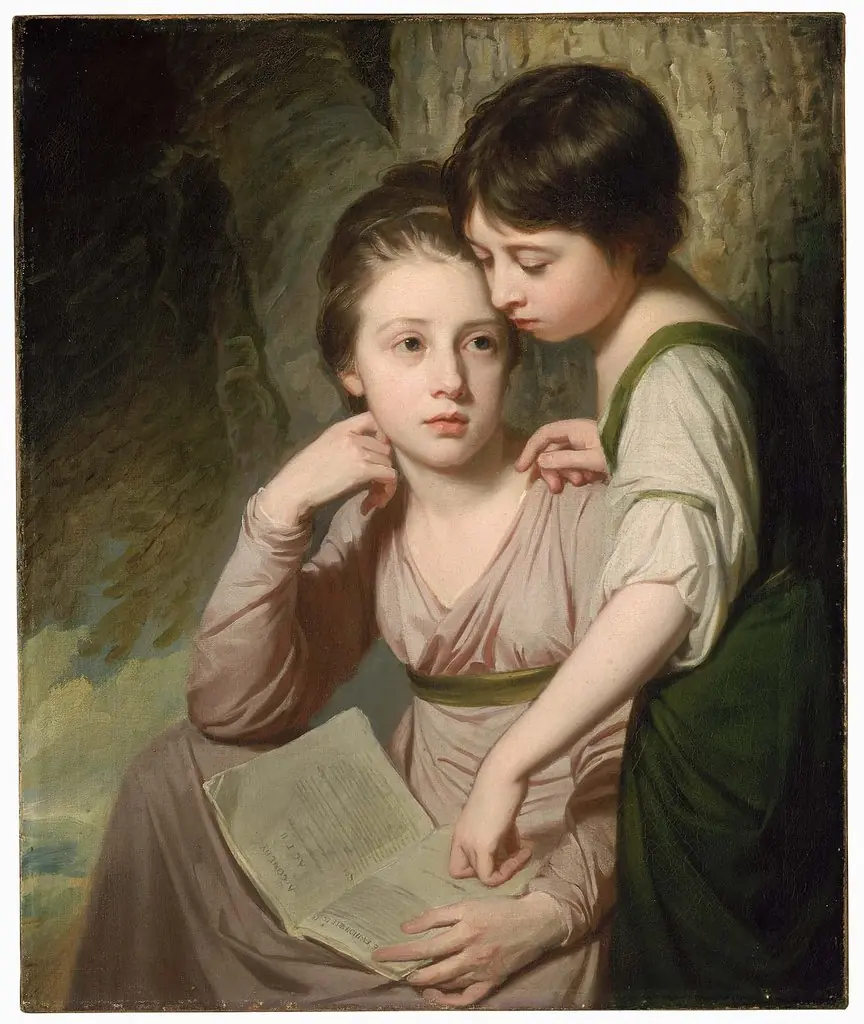 Portrait of Two Girls (Misses Cumberland)