Artwork
Pan is dead (still life)
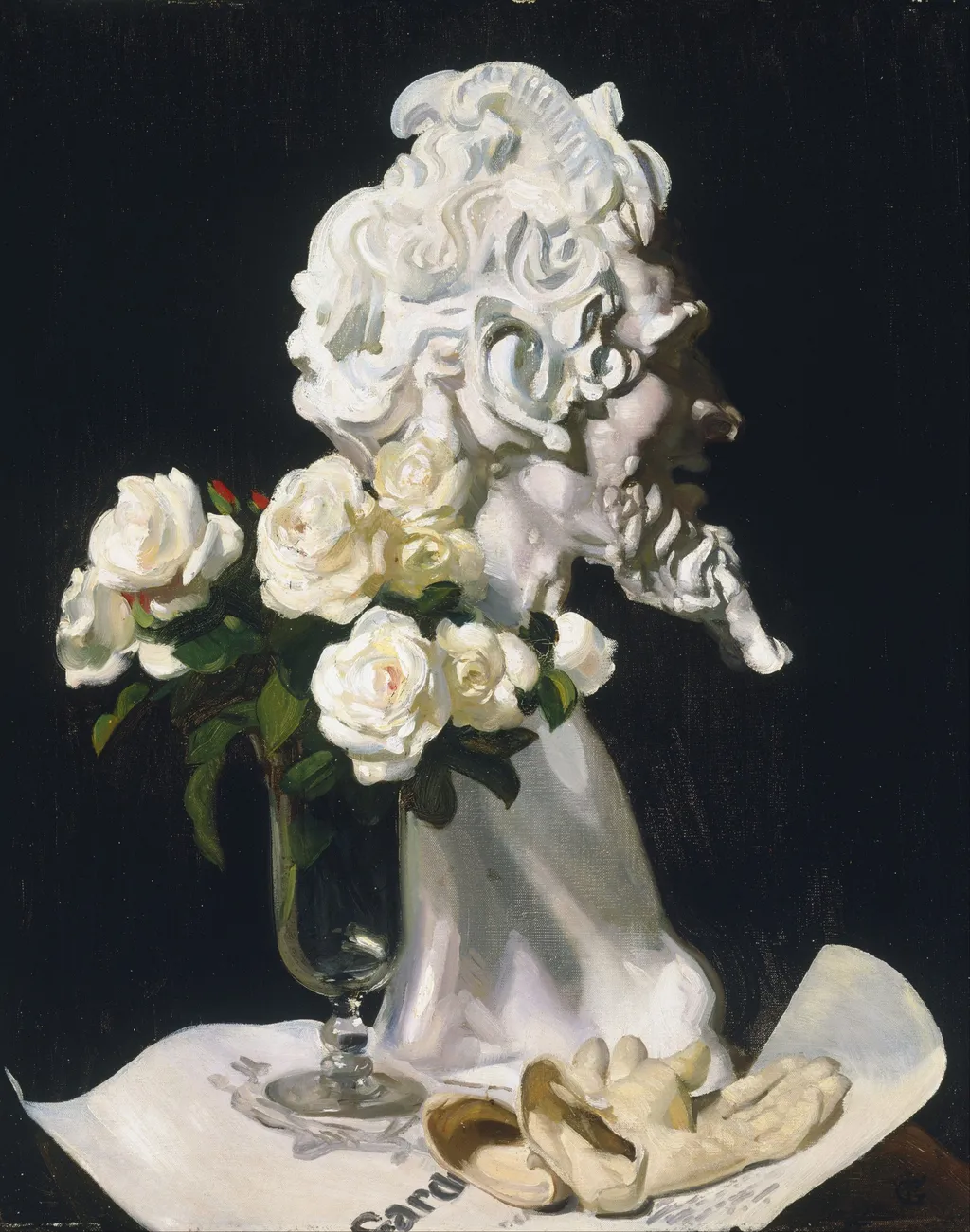
Pan is dead (still life) is an oil painting by the Impressionist artist George Washington Lambert. It dates from 1911 and is held in the collection of the Art Gallery of New South Wales.
About this work
Overview
The work merges portraiture, symbolism, and illusion, transforming a theatrical prop into a meditative composition.
Painted in 1911 by Australian artist George Washington Lambert, this oil still life presents a sculpted bust of Pan alongside white roses, a pair of gloves, and a sheet of paper on a dark ground. The work merges portraiture, symbolism, and illusion, transforming a theatrical prop into a meditative composition. Lambert’s use of surface texture and lighting blurs the boundary between the solid and the ephemeral, inviting closer scrutiny of what is real and what is represented.
Subject & Meaning
The bust of Pan, a mythological figure associated with nature and wildness, is rendered in plaster or marble, its curls mimicking the petals of the white roses beside it. The roses, traditionally linked to purity and spirituality, contrast with the rigid white gloves—symbols of Edwardian social decorum. The paper, faintly inscribed, hints at documentation or ritual. Together, these elements suggest a tension between natural vitality and cultivated restraint, as if the god’s spirit has been subdued by civilized order.
Technique & Style
Lambert employs precise, sharp edges to define both the sculpted hair of Pan and the delicate petals of the roses, creating a visual equivalence between the carved and the organic. The black background intensifies the luminosity of the white forms, while the crumpled cloth and glass vase introduce subtle variations in texture and reflection. The painting’s realism is deliberate, not decorative; every surface is rendered with clinical attention, reinforcing the theme of artificiality versus nature.
History & Provenance
The bust of Pan originated as a prop Lambert used in a 1909 tableau vivant designed by Philip Connard’s wife. He later repurposed it for this painting, which debuted in London in 1911 under the title Pan Is Dead. The work entered the Art Gallery of New South Wales’ collection in 1952, where it remains. Its journey from theatrical prop to museum piece reflects Lambert’s interest in the transformation of meaning through context and medium.
Context
Created during the Edwardian era, the painting responds to a cultural moment that prized restraint and ritual over spontaneity. Pan, once a symbol of untamed nature, is here frozen in stillness, surrounded by objects embodying social conformity. The work quietly critiques the era’s idealization of order, suggesting that even symbols of primal life are rendered inert by the conventions of polite society.
Legacy
Pan Is Dead endures as a quiet meditation on transformation and loss. Its layered symbolism and technical precision distinguish it within early 20th-century Australian art. Rather than overt drama, it offers subtlety: the stillness of the bust, the fragility of the blooms, the absence of the human hand. It invites reflection on how culture preserves, alters, and ultimately neutralizes the forces it once revered.
Own this work as a print
Artist & collection
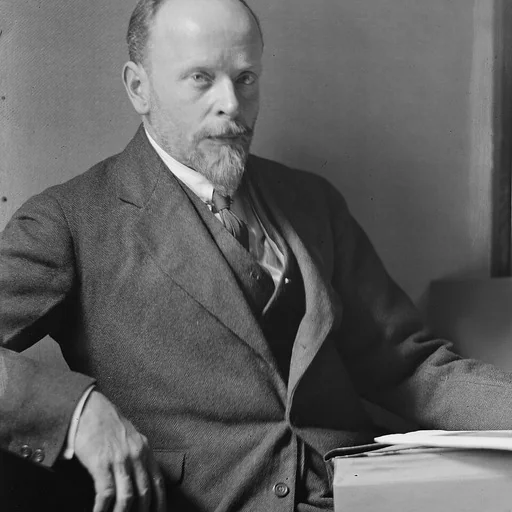
Artist
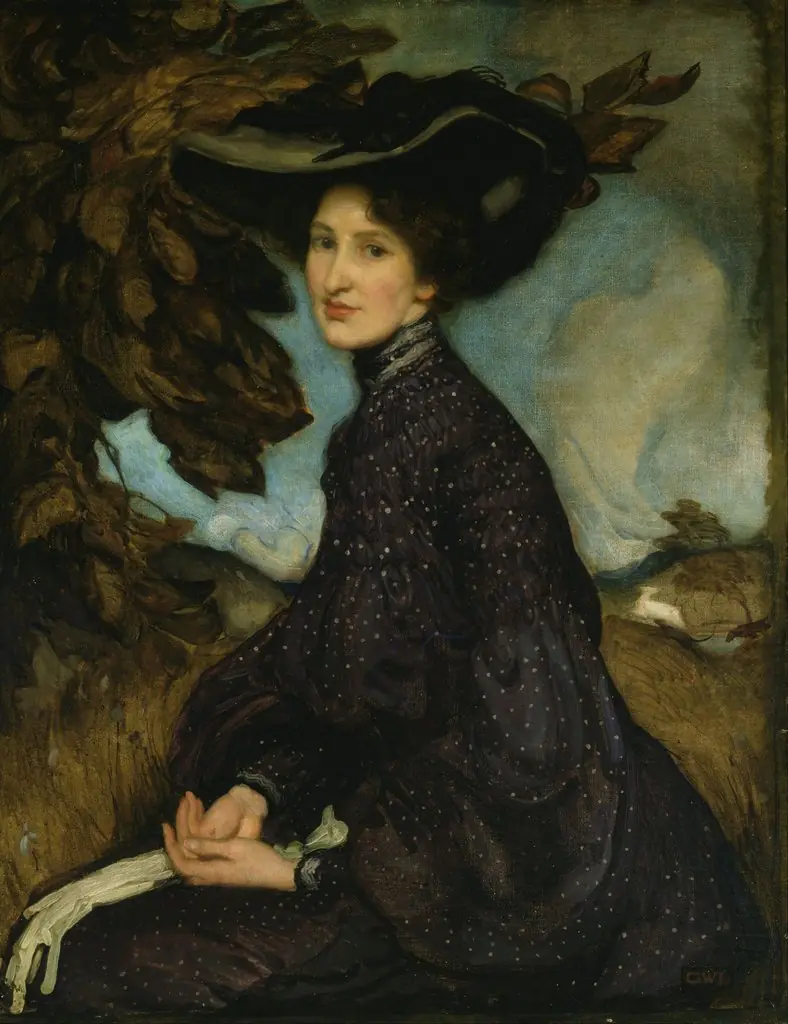
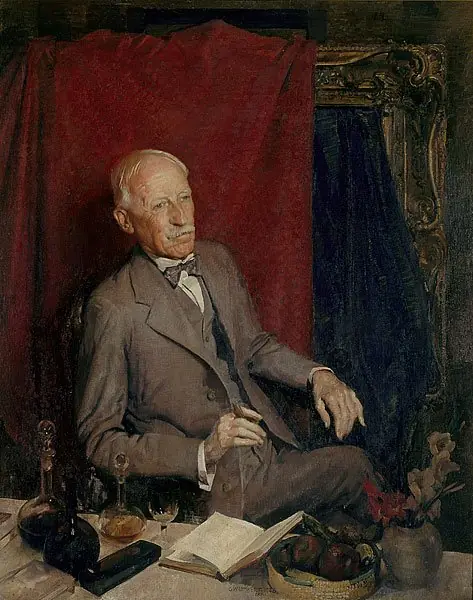
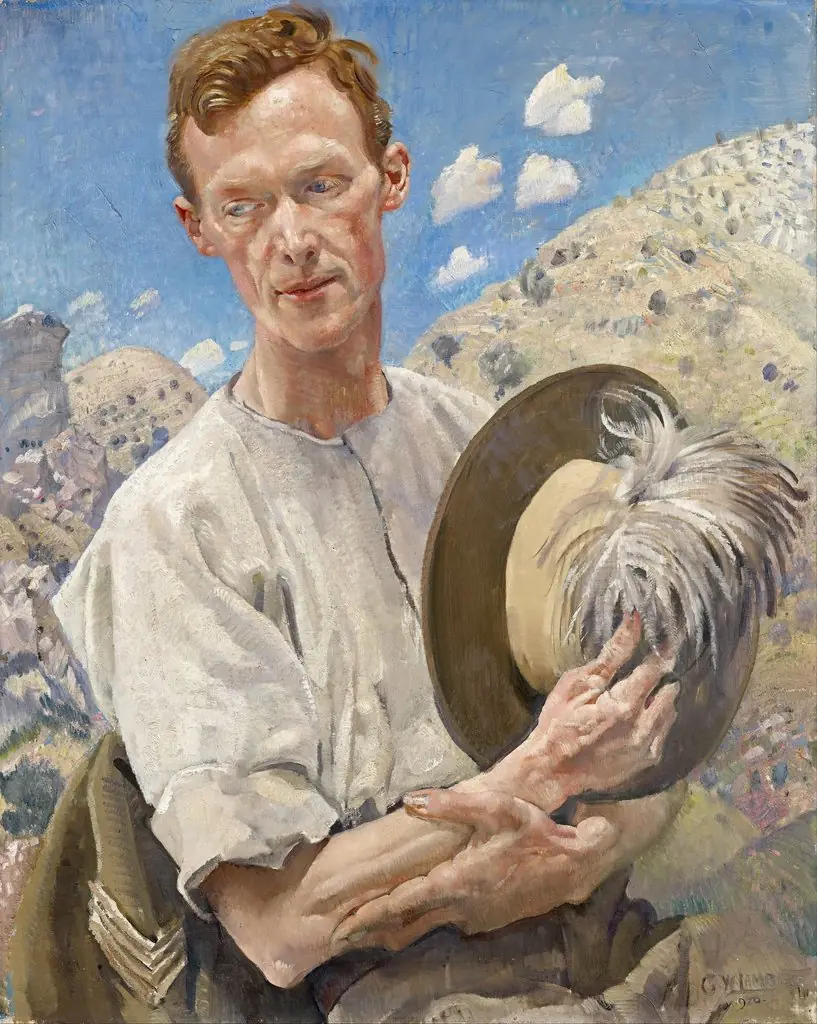
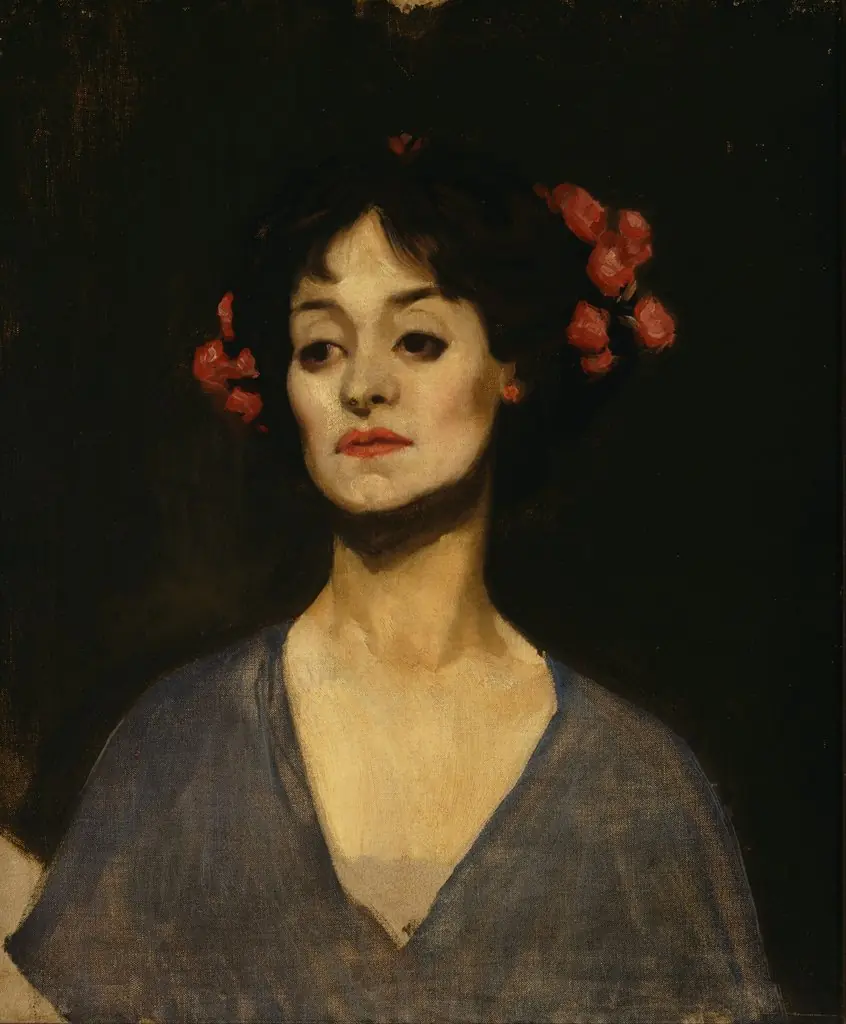
George Washington Thomas Lambert (13 September 1873 – 29 May 1930) was an Australian artist, known principally for portrait painting and for being a war artist during the First World War.