Artwork
Final Study for "Bathers at Asnières"
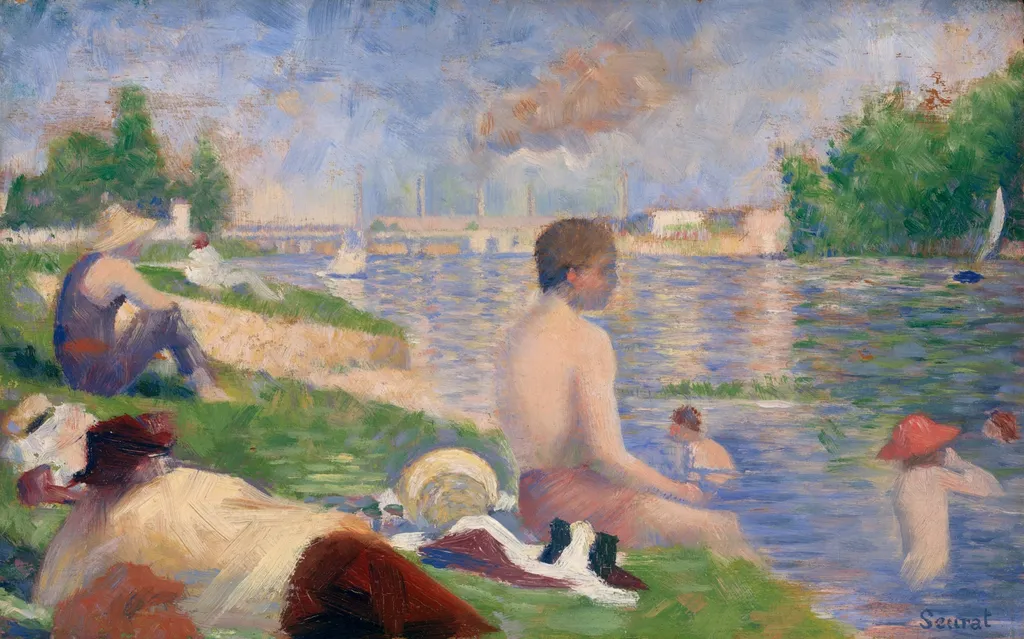
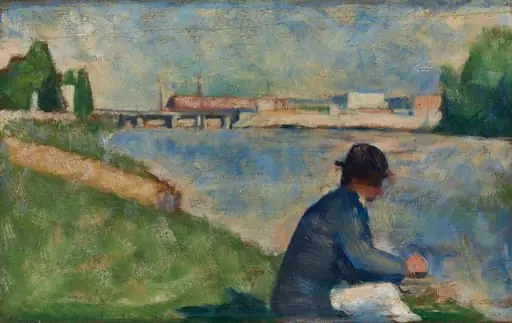
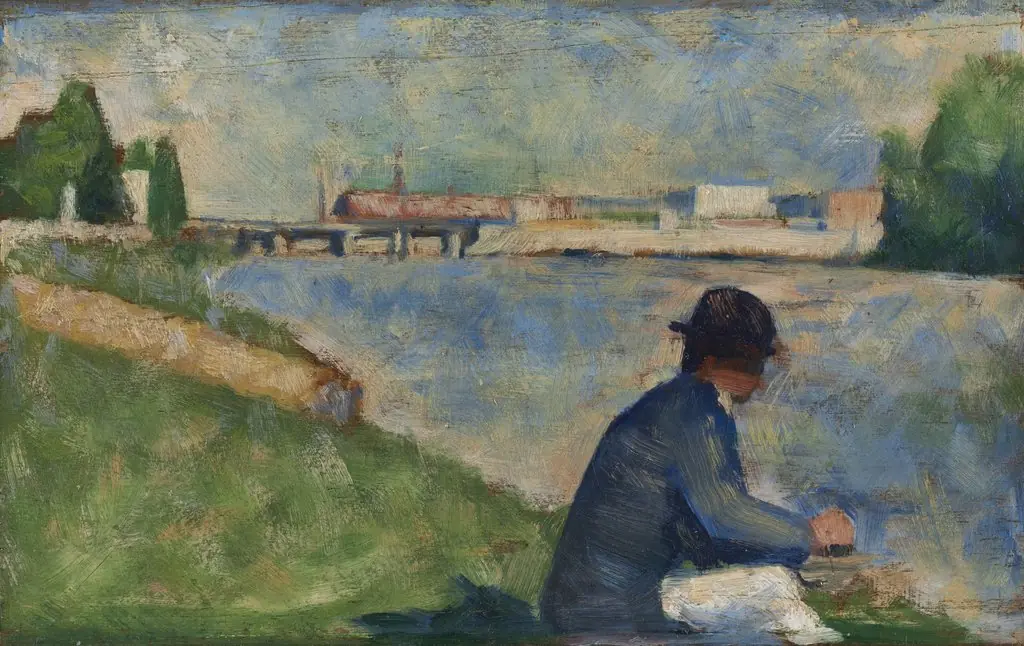
Final Study for "Bathers at Asnières" is an oil painting by the Impressionist artist Georges Seurat. It dates from 1883 and is held in the collection of the Art Institute of Chicago.
About this work
Overview
It captures a quiet moment along the Seine in the working-class suburb of Asnières, focusing on figures at rest on the riverbank.
This oil on panel study was created by Georges Seurat as a preparatory piece for his larger work, Bathers at Asnières. It captures a quiet moment along the Seine in the working-class suburb of Asnières, focusing on figures at rest on the riverbank. Unlike the bustling scenes common in Impressionist works, this composition emphasizes stillness and deliberate posture, reflecting Seurat’s methodical approach to capturing modern life.
Subject & Meaning
The figures—men and boys—engage in no overt activity; they sit or stand in calm, almost motionless poses. Their presence suggests a pause in daily labor, a moment of repose rather than recreation. Seurat avoids theatricality or narrative, instead presenting ordinary individuals with dignity, aligning with his interest in the quiet rhythms of working-class life along the river.
Technique & Style
Seurat employed a luminous palette and loose, airy brushwork that echo Impressionist techniques, yet his forms are rendered with structural clarity. Gestures are held with deliberate stillness, as if each figure were studied individually and composed with precision. The brushwork suggests light and atmosphere without dissolving form, indicating a transition toward his later pointillist method.
History & Provenance
Created in 1883–1884, this study preceded the final version now held by the National Gallery, London. It was likely used by Seurat to refine composition, lighting, and figure placement before executing the larger canvas. The panel remained in the artist’s possession until his death, later entering a private collection before being acquired by its current institution.
Context
Asnières, then a working-class suburb, was a site of leisure for laborers seeking respite from urban life. Seurat’s choice to depict this location, rather than the more fashionable La Grande Jatte, reflects his interest in unidealized modernity. While contemporaries painted leisure as spectacle, Seurat focused on solitude and restraint, offering a quieter counterpoint to the Impressionist norm.
Legacy
This study reveals Seurat’s early movement away from spontaneous brushwork toward systematic observation. Its restrained mood and structured composition foreshadow the scientific rigor of his later pointillist works. Though less known than Bathers at Asnières or A Sunday on La Grande Jatte, this panel is a critical link in understanding his evolution from Impressionist influence to a unique, methodical style.
Own this work as a print
Artist & collection
Artist
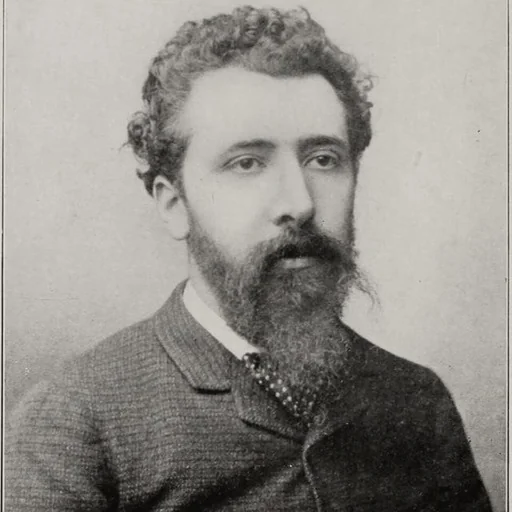
Georges Pierre Seurat (UK: SUR-ah, -ə, US: suu-RAH; French: ; 2 December 1859 – 29 March 1891) was a French post-Impressionist artist.

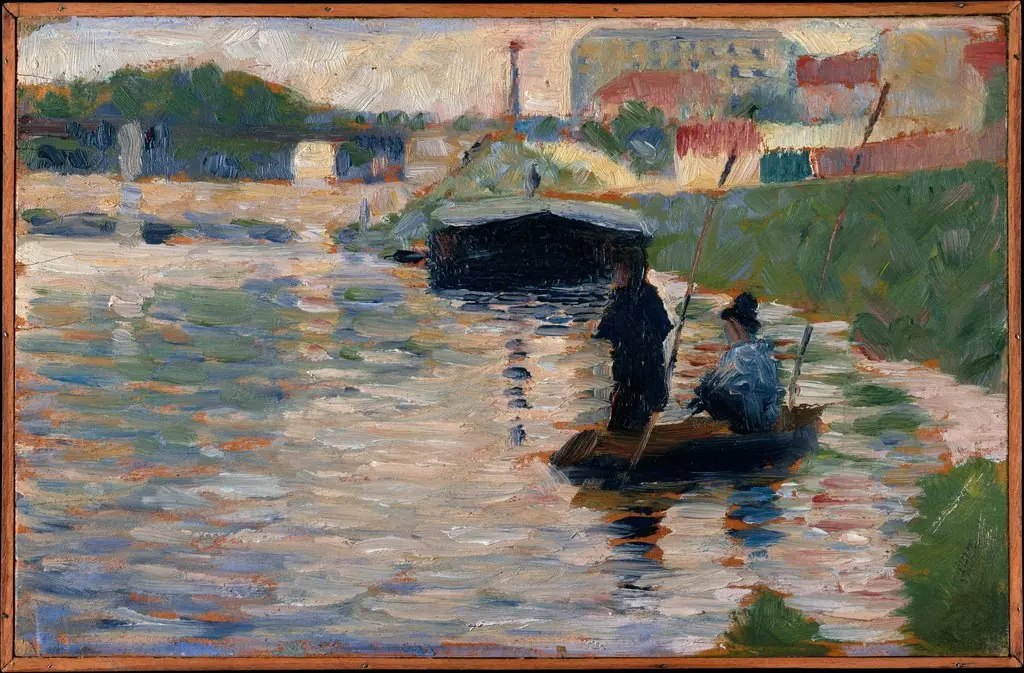
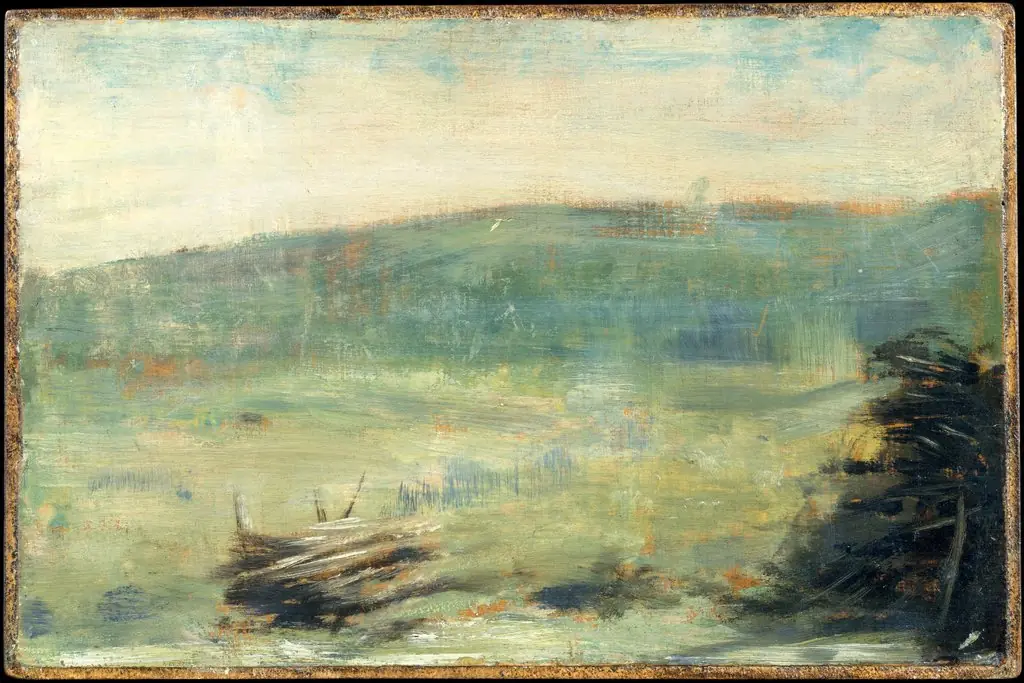
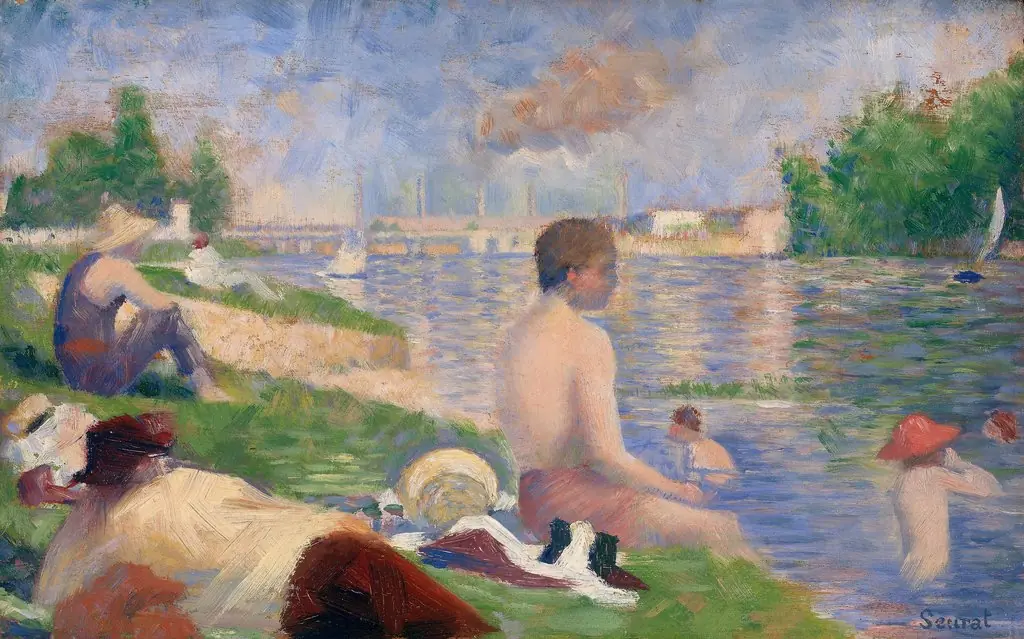 Final Study for "Bathers at Asnières"
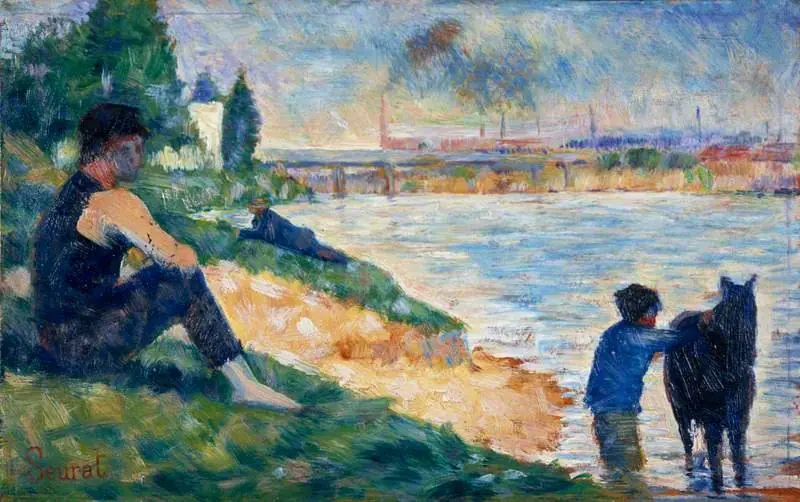 Bathers at Asnières (Study III)
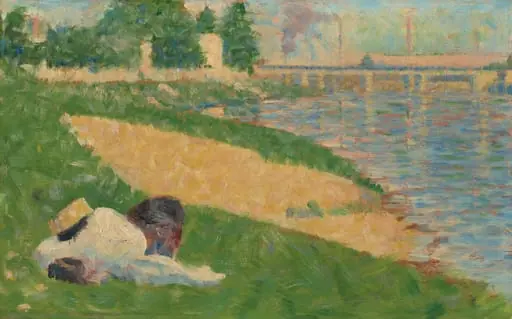 The Seine with Clothing on the Bank (Study for "Bathers at Asnières")
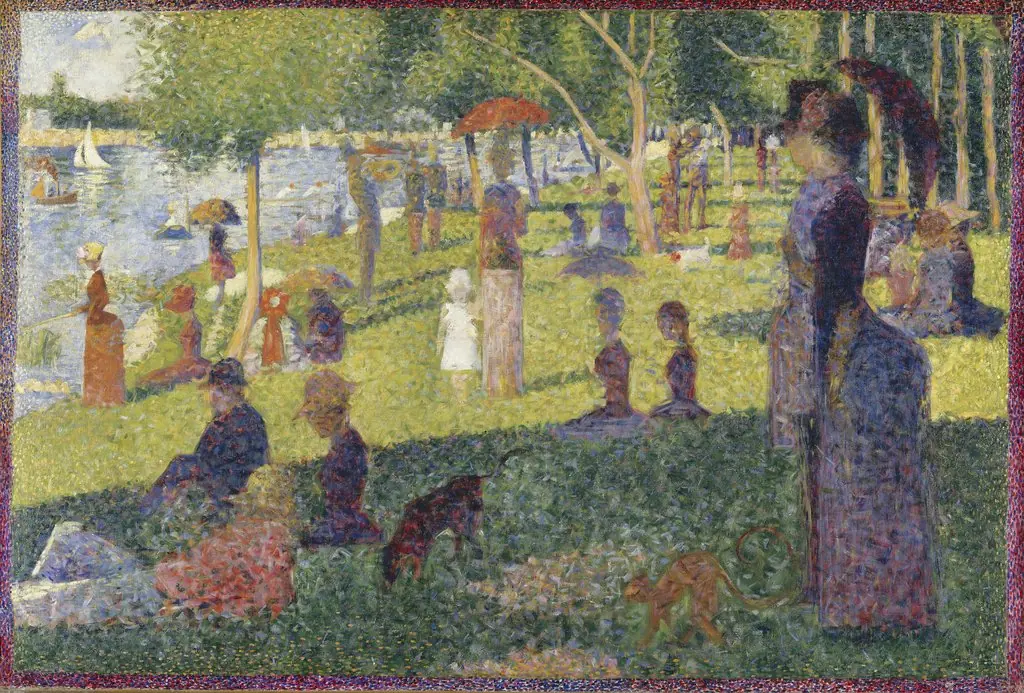
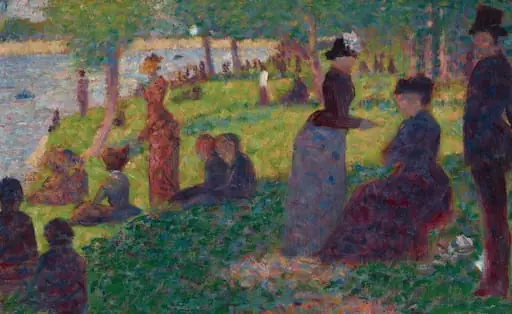 Oil Sketch for "A Sunday on La Grande Jatte — 1884"
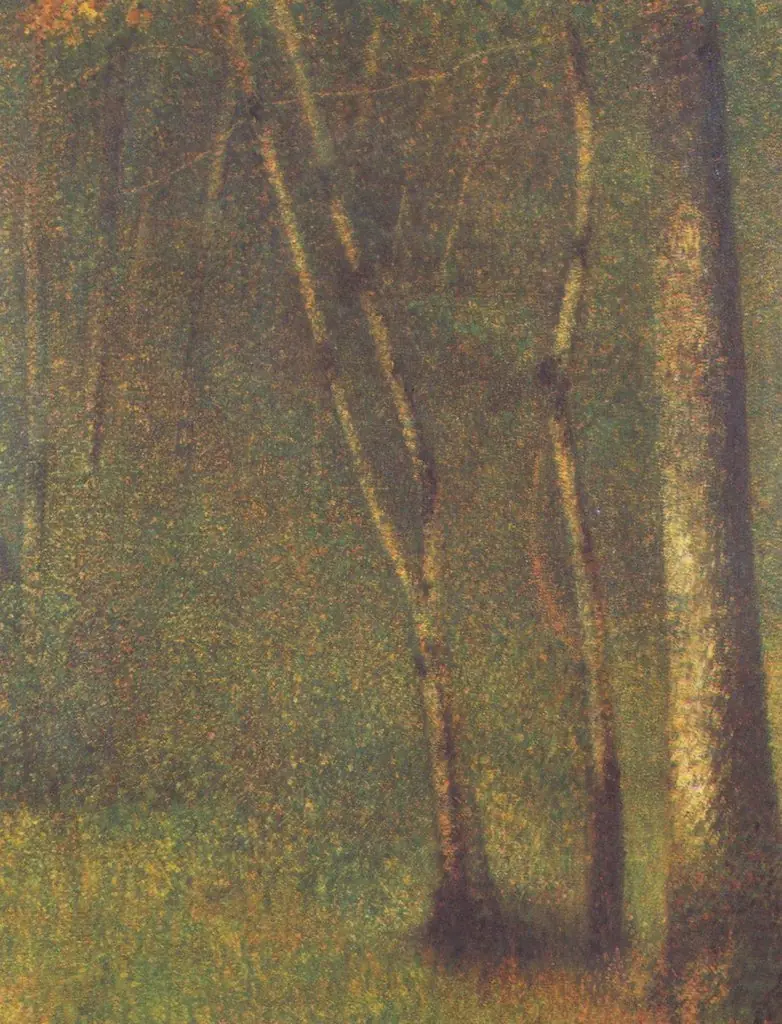
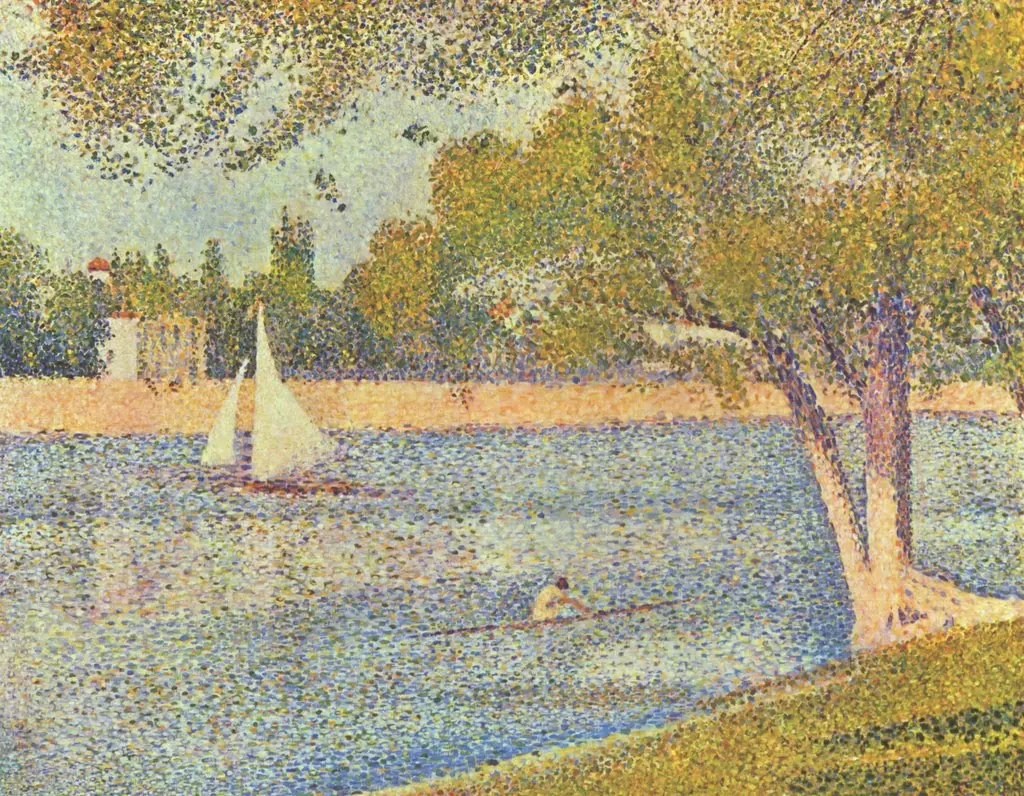 The Seine at La Grande Jatte
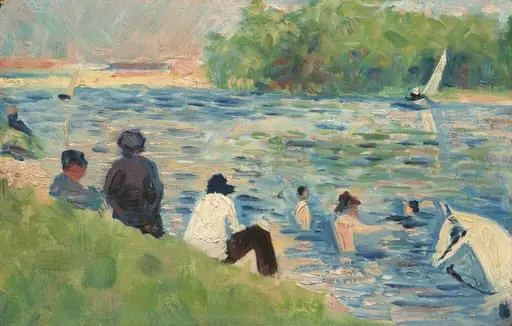 Bathers (Study for "Bathers at Asnières")
 Study for "Bathers at Asnières"
 Study for "Bathers at Asnières"