Artwork
Horse Stable
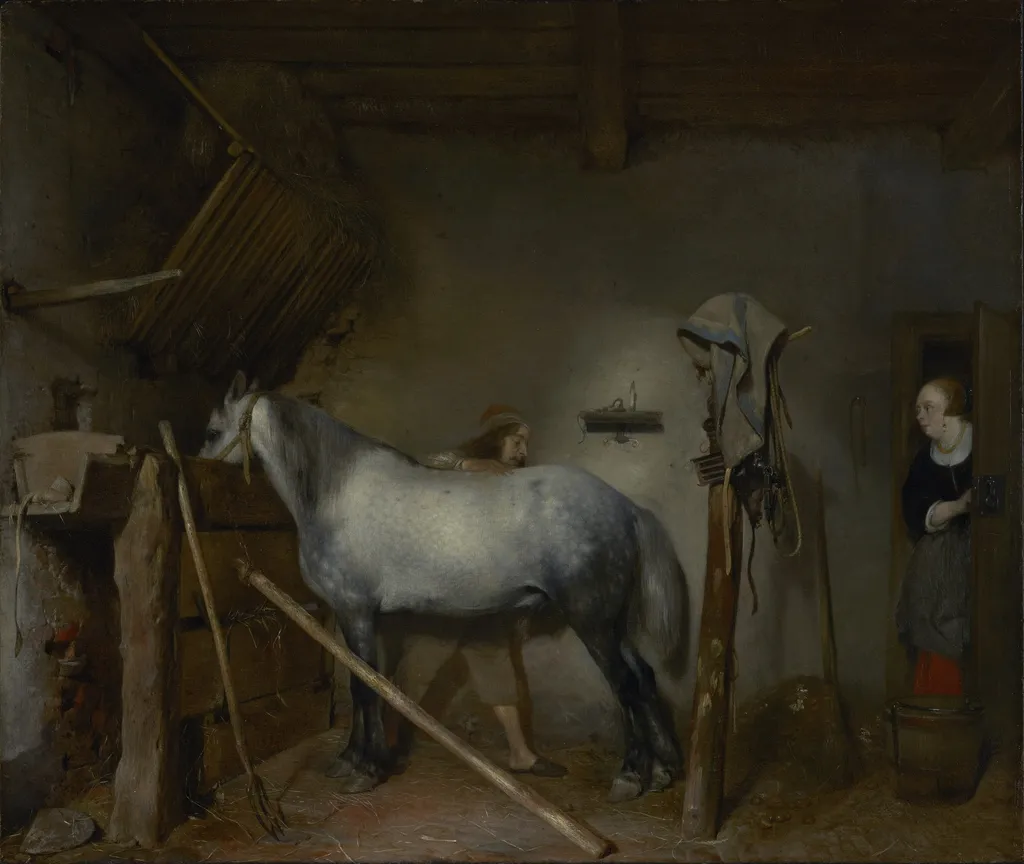
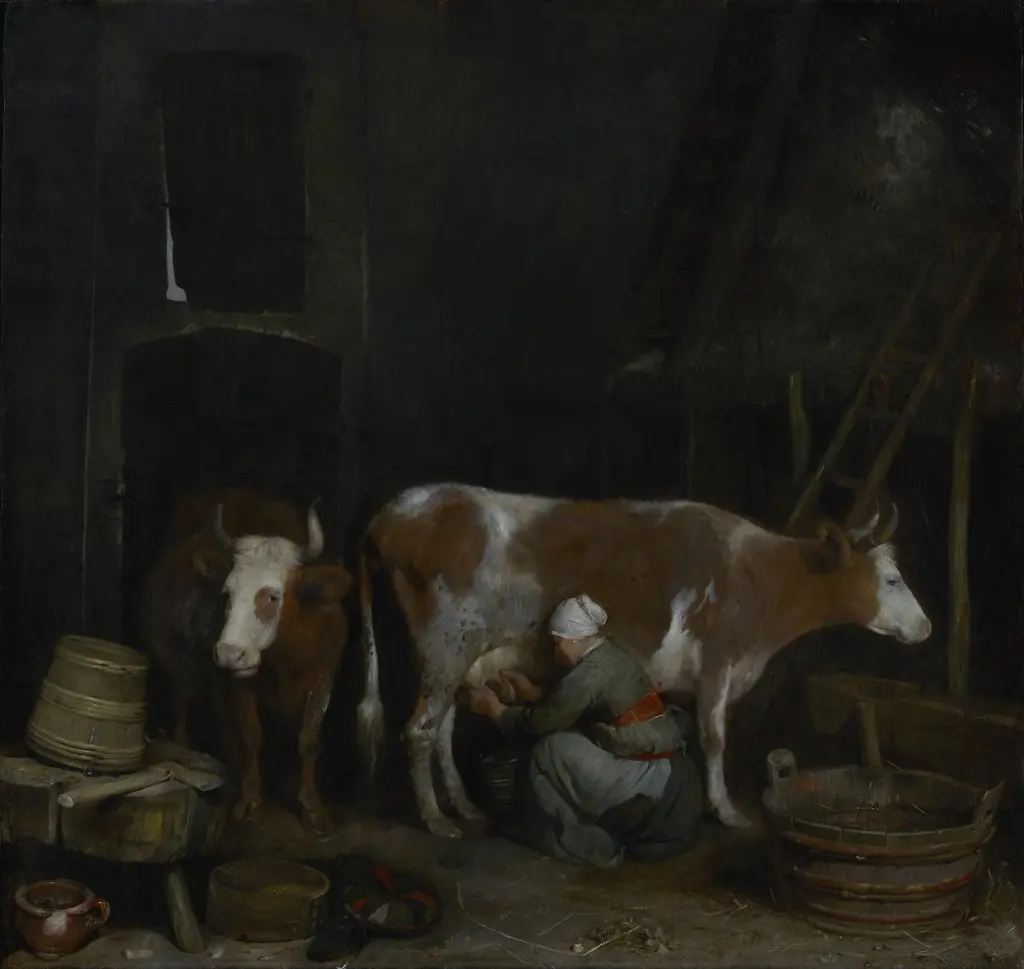
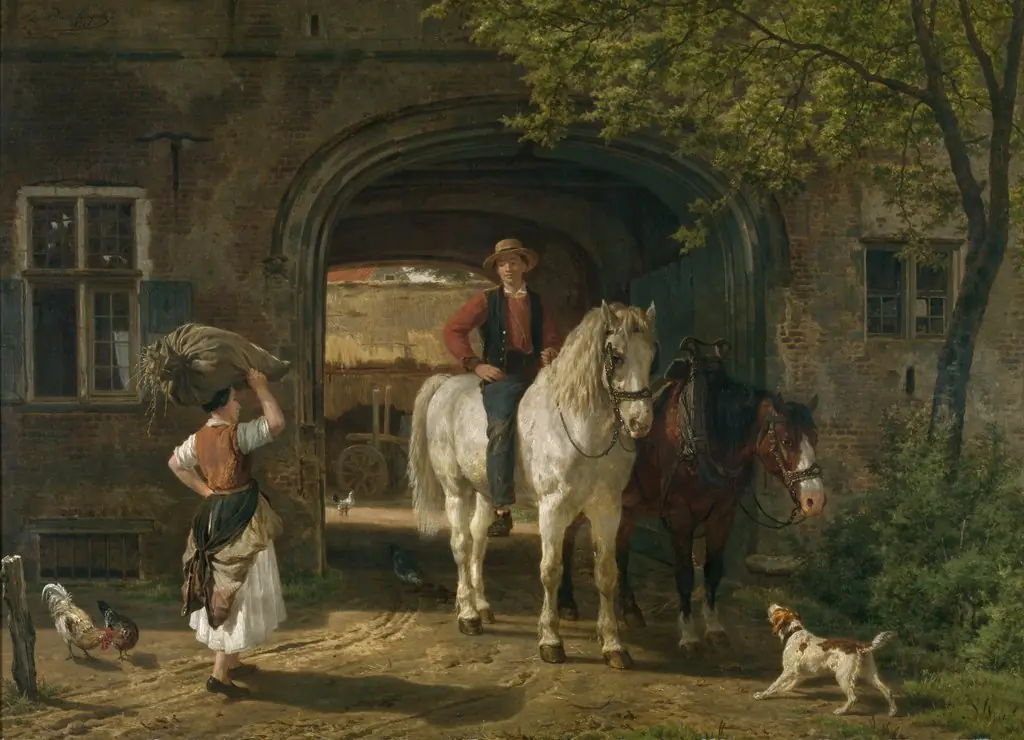
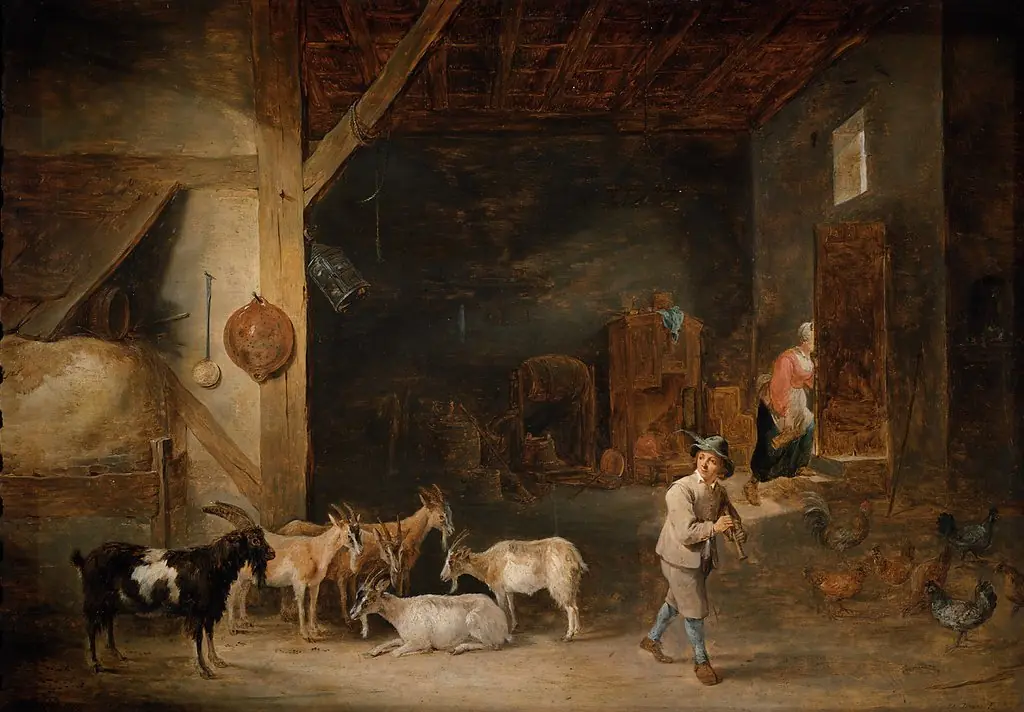
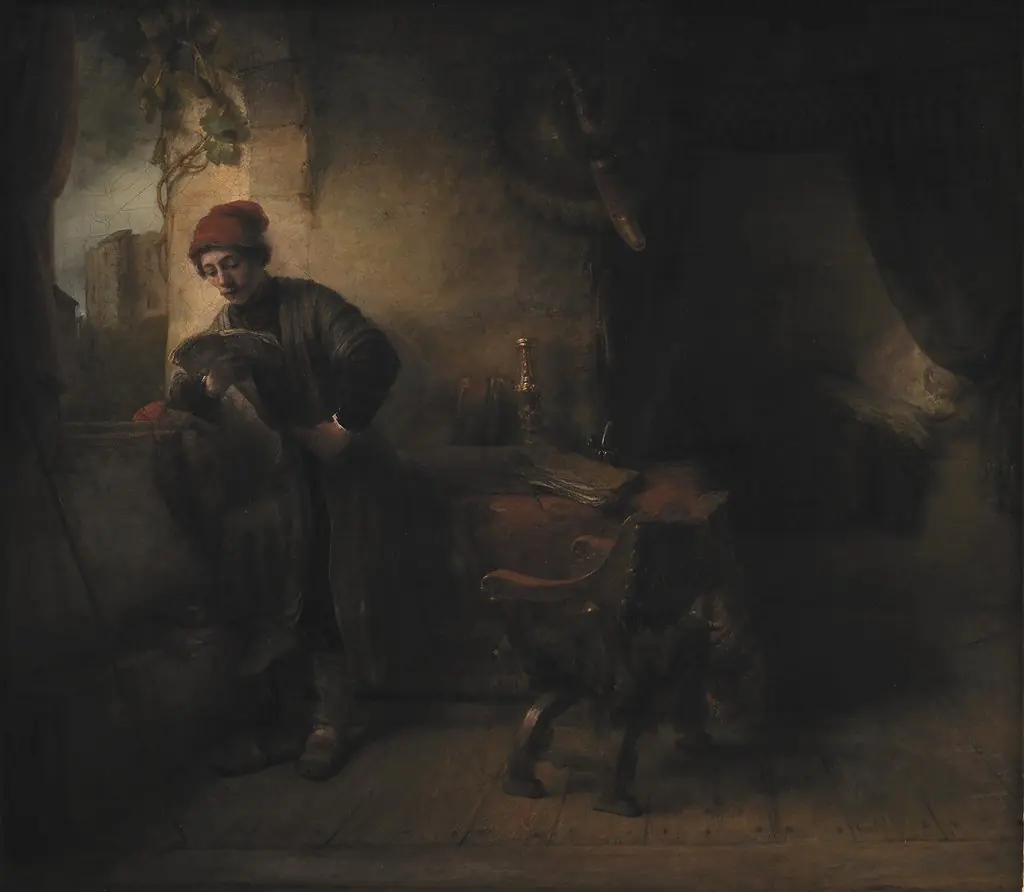
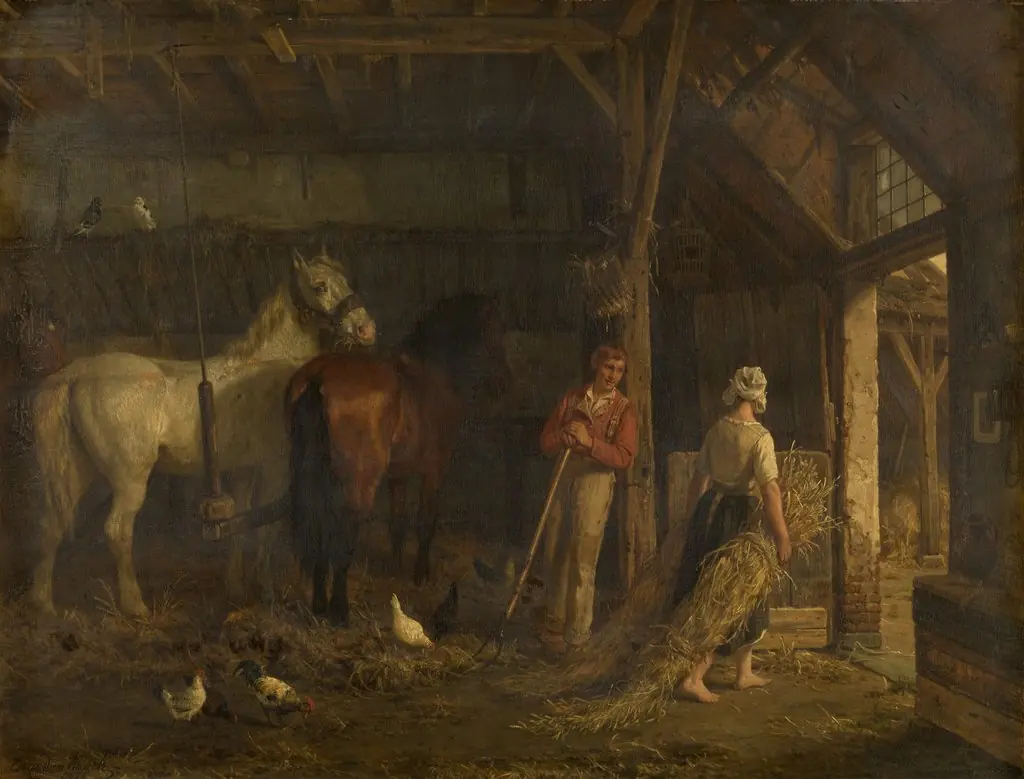
Horse Stable is an oil painting by the Dutch Golden Age artist Gerard ter Borch. It dates from 1654 and is held in the collection of the J. Paul Getty Museum.
About this work
Overview
The composition centers on a white horse and a figure near the doorway, rendered with restrained emotion and careful observation of light and texture.
Painted in 1654 by Gerard ter Borch, this oil on panel work captures a quiet moment within a stable, characteristic of the Dutch Golden Age’s interest in ordinary life. Unlike grand historical or religious subjects, ter Borch focused on understated, intimate settings. The composition centers on a white horse and a figure near the doorway, rendered with restrained emotion and careful observation of light and texture.
Subject & Meaning
The scene portrays a stable at rest, not a moment of action. The horse, calmly feeding, and the indistinct figure in the doorway suggest routine labor and solitude. No narrative is overt; instead, the painting invites contemplation of daily routines and the quiet dignity of work. The figure’s partial concealment in shadow adds ambiguity, emphasizing atmosphere over storytelling.
Technique & Style
Ter Borch employed chiaroscuro to model form and create spatial depth, contrasting the horse’s luminous coat against the dim interior. Brushwork is precise yet unobtrusive, with attention to the texture of fur, fabric, and wood. The limited palette and controlled lighting reflect his mastery of subtle tonal transitions, a hallmark of his genre scenes and a precursor to Vermeer’s later approach.
History & Provenance
The painting entered the J. Paul Getty Museum’s collection as part of its broader acquisition of Dutch Golden Age works. Its provenance prior to the 20th century is not widely documented, but its attribution to ter Borch has been consistently supported by stylistic analysis. It remains a representative example of his mature period, produced during his most focused years in genre painting.
Context
In mid-17th century Holland, domestic and animal scenes gained popularity among the merchant class, who favored art reflecting their daily world. Ter Borch’s work stood apart for its psychological nuance and refined technique. While contemporaries like Rembrandt emphasized drama, ter Borch favored stillness and restraint, aligning with a broader trend toward intimate, observational art.
Legacy
Though less celebrated today than some of his peers, ter Borch influenced the development of Dutch interior painting, particularly in his use of light and quiet composition. His approach to capturing unposed moments paved the way for artists like Vermeer. *Horse Stable* exemplifies his contribution to elevating mundane subjects through technical precision and emotional subtlety.
Own this work as a print
Artist & collection
Artist
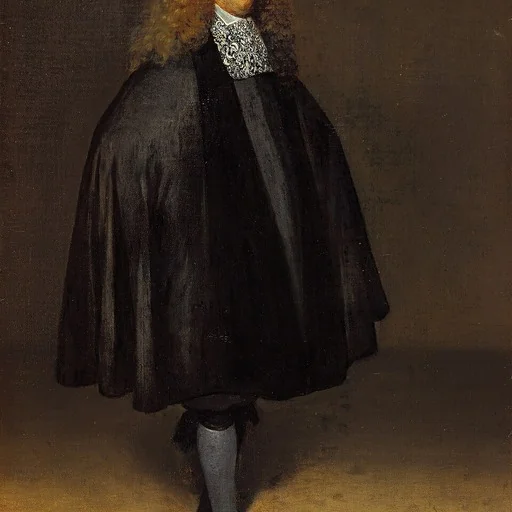
Gerard ter Borch (Dutch: ; December 1617 – 8 December 1681), also known as Gerard Terburg (Dutch: ), was a Dutch Golden Age painter mainly of genre subjects.