Artwork
Young Man Reading
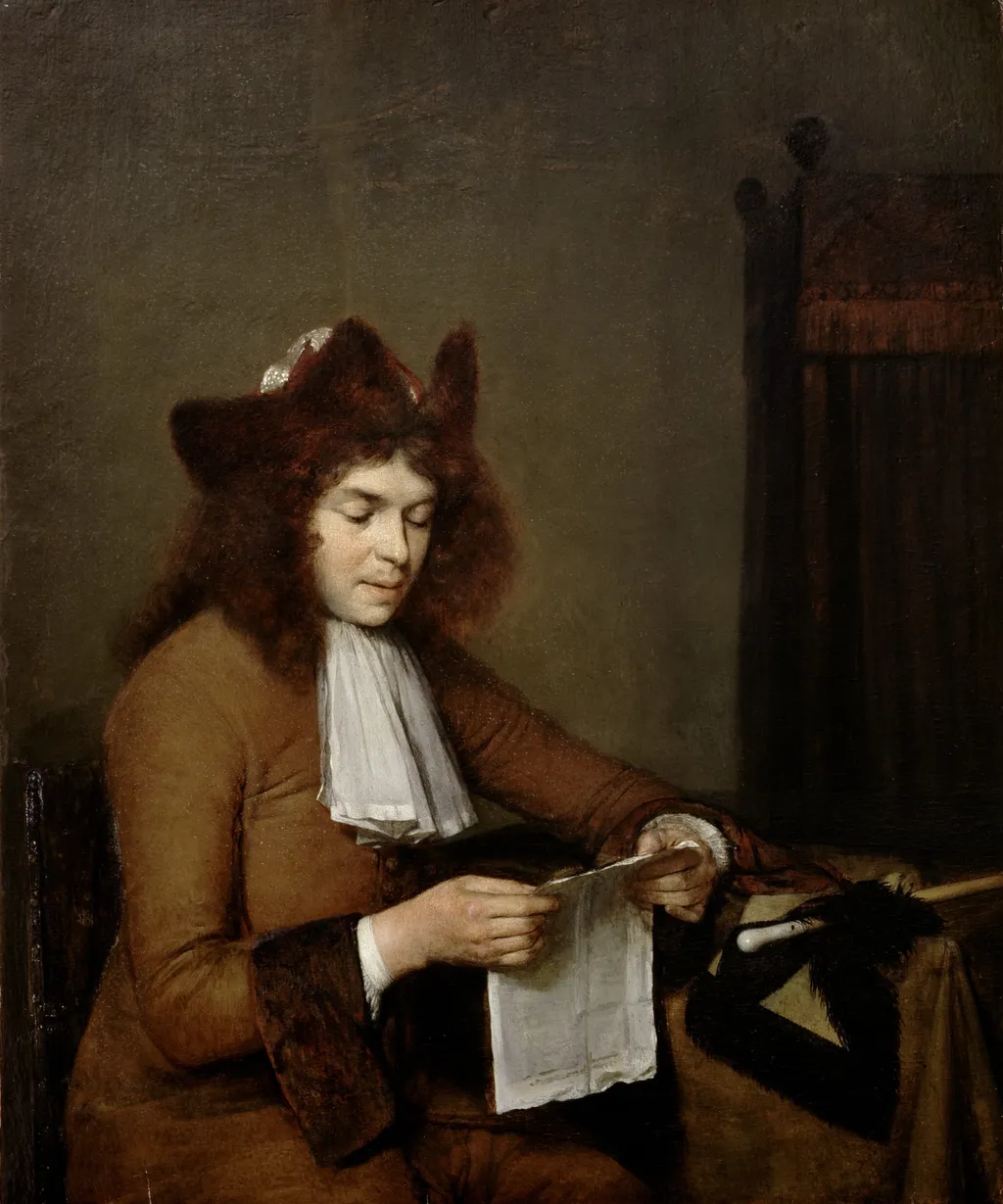
Young Man Reading is an oil painting by the Dutch Golden Age artist Gerard ter Borch. It dates from 1690 and is held in the collection of the Detroit Institute of Arts.
About this work
Overview
Created in 1690 by Dutch artist Gerard ter Borch, this oil painting portrays a solitary figure engaged with a printed sheet. The work resides in the Detroit Institute of Arts, representing the artist’s interest in quiet, everyday moments captured within a modest interior.
Subject & Meaning
The central figure, a young man with reddish curls, is shown seated at a table, his gaze directed toward a folded pamphlet he holds in his hand. The composition suggests a moment of private contemplation or study, underscoring ter Borch’s attention to subtle emotional states within domestic settings.
Technique & Style
Ter Borch employs a restrained palette and soft illumination that models the sitter’s face and clothing, creating gentle contrasts of light and shadow. This chiaroscuro effect lends depth to the scene and emphasizes the texture of the lace collar, the brown coat, and the nearby writing implements.
History & Provenance
After remaining in private hands for centuries, the painting entered the collection of the Detroit Institute of Arts, where it is displayed among other works of the Dutch Golden Age. Its acquisition reflects the museum’s focus on European genre painting.
Context & Legacy
While ter Borch’s reputation was later eclipsed by contemporaries such as Vermeer, his meticulous rendering of interior life and nuanced character studies influenced subsequent Dutch painters. The painting exemplifies the period’s shift toward intimate, narrative-driven genre scenes.
Own this work as a print
Artist & collection
Artist
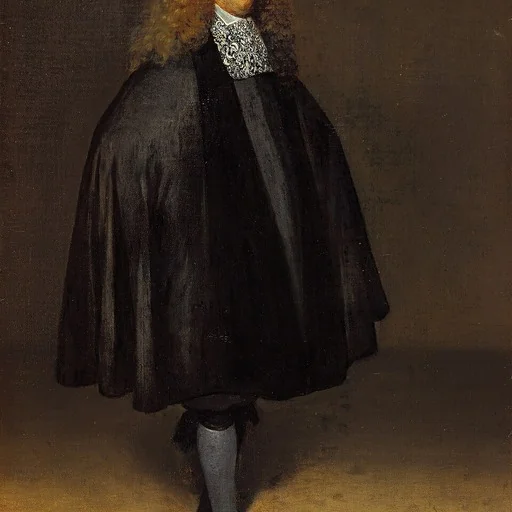
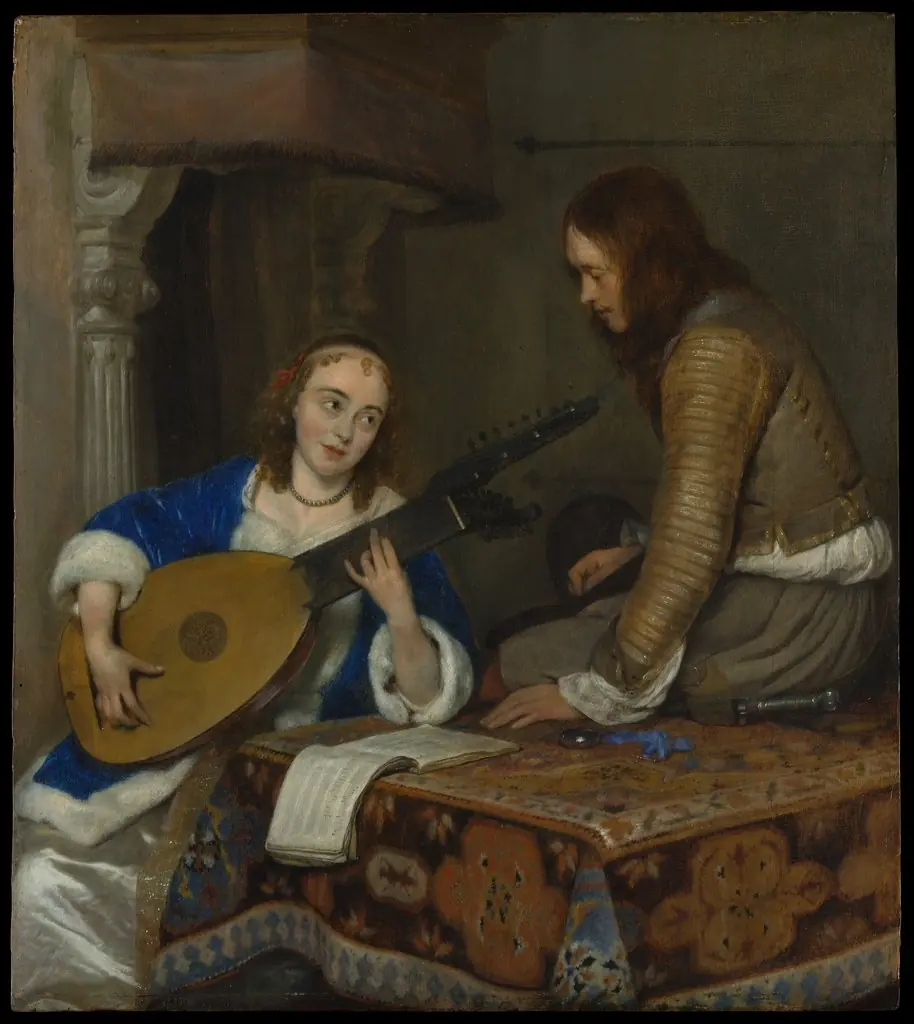
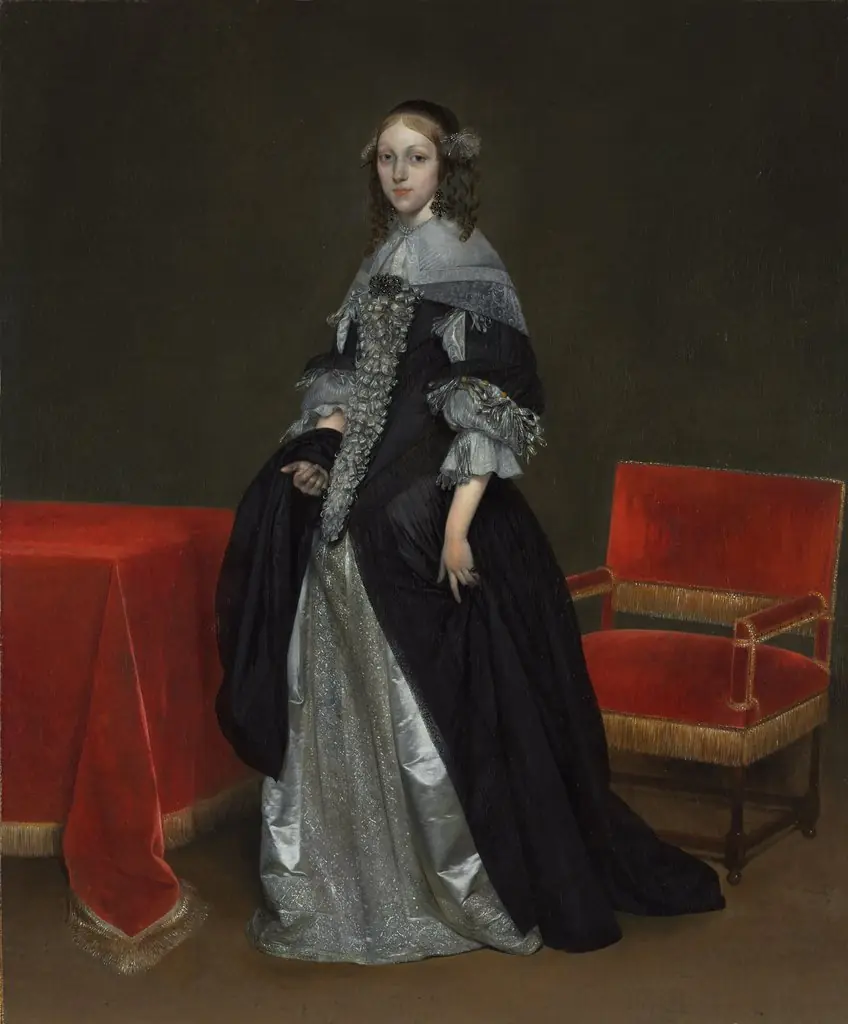
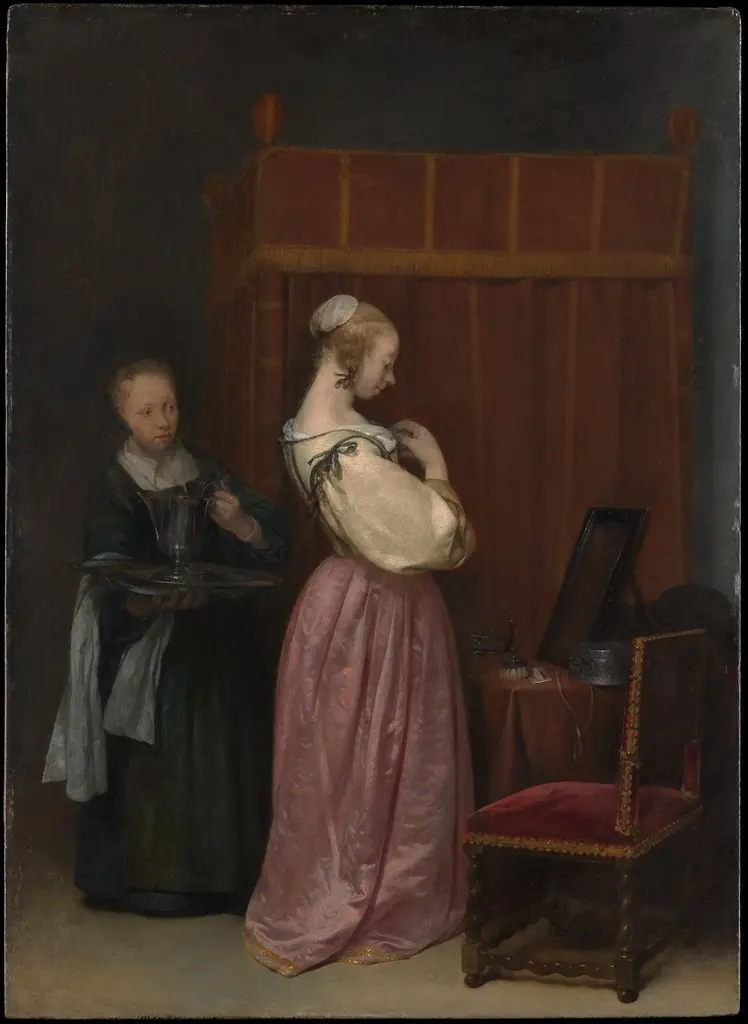
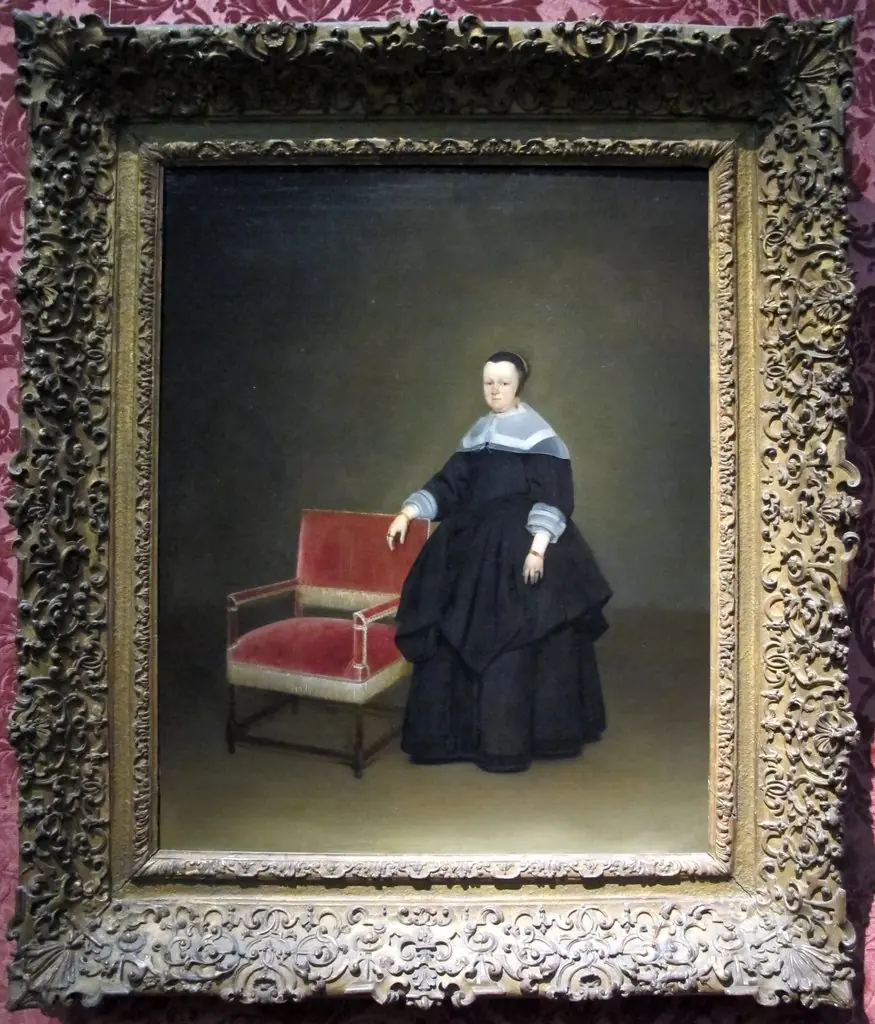
Gerard ter Borch (Dutch: ; December 1617 – 8 December 1681), also known as Gerard Terburg (Dutch: ), was a Dutch Golden Age painter mainly of genre subjects.

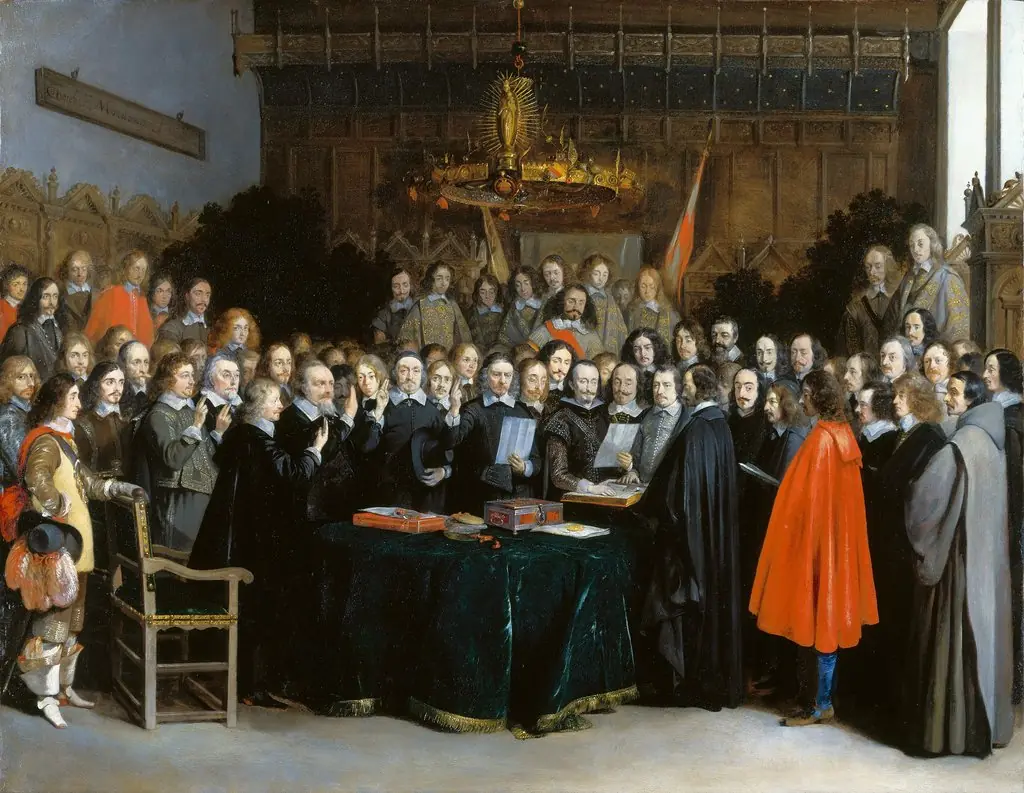
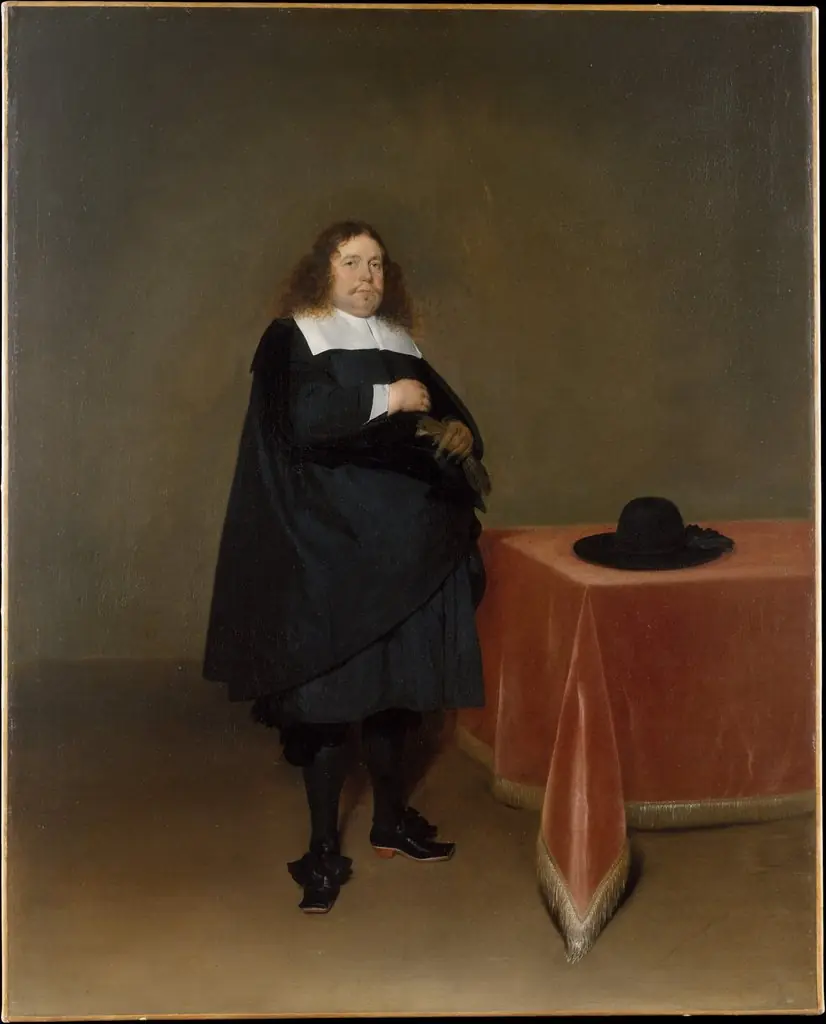
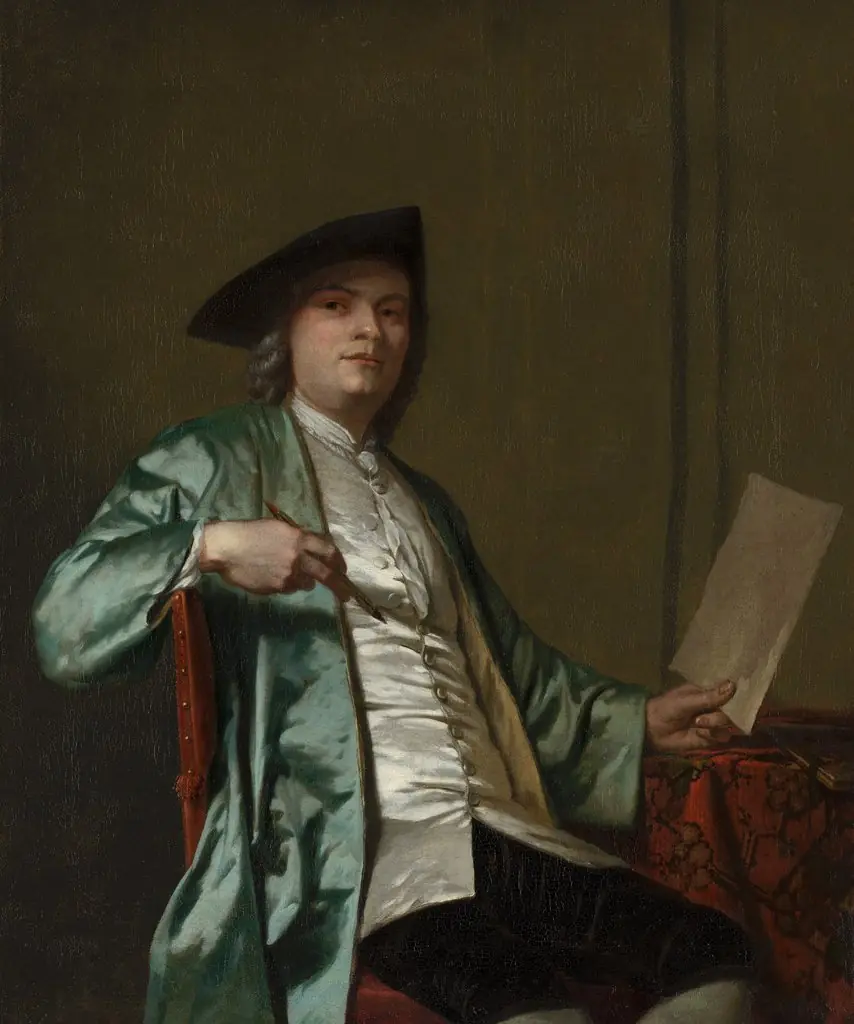 Portrait of Cornelis Ploos van Amstel (1726-1798)
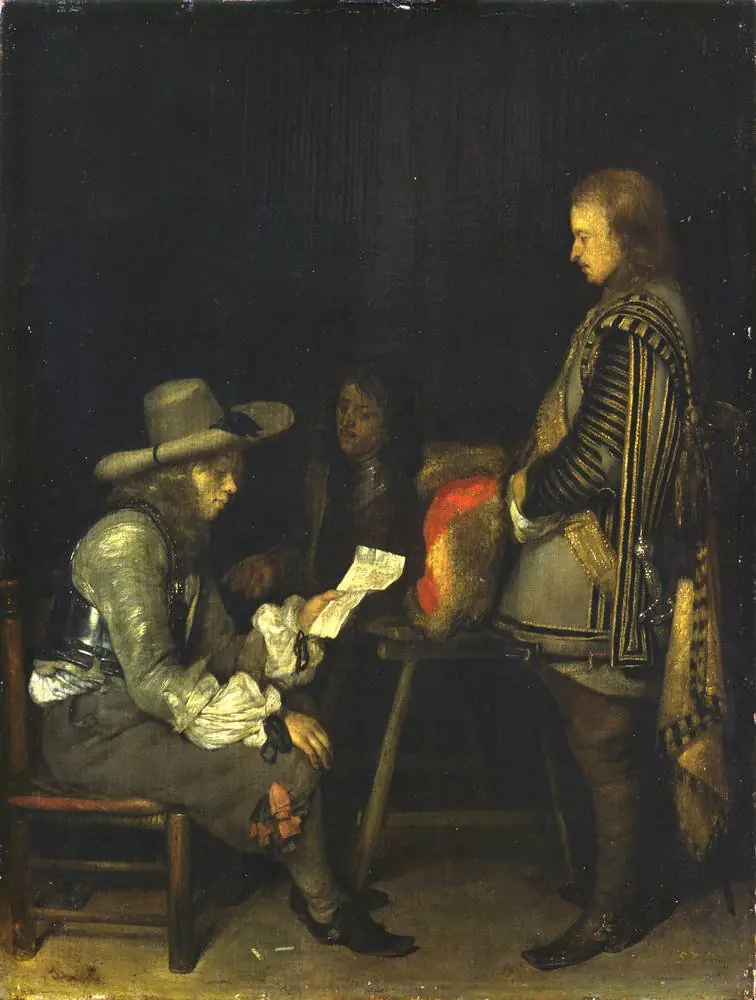 Officer Reading a Letter
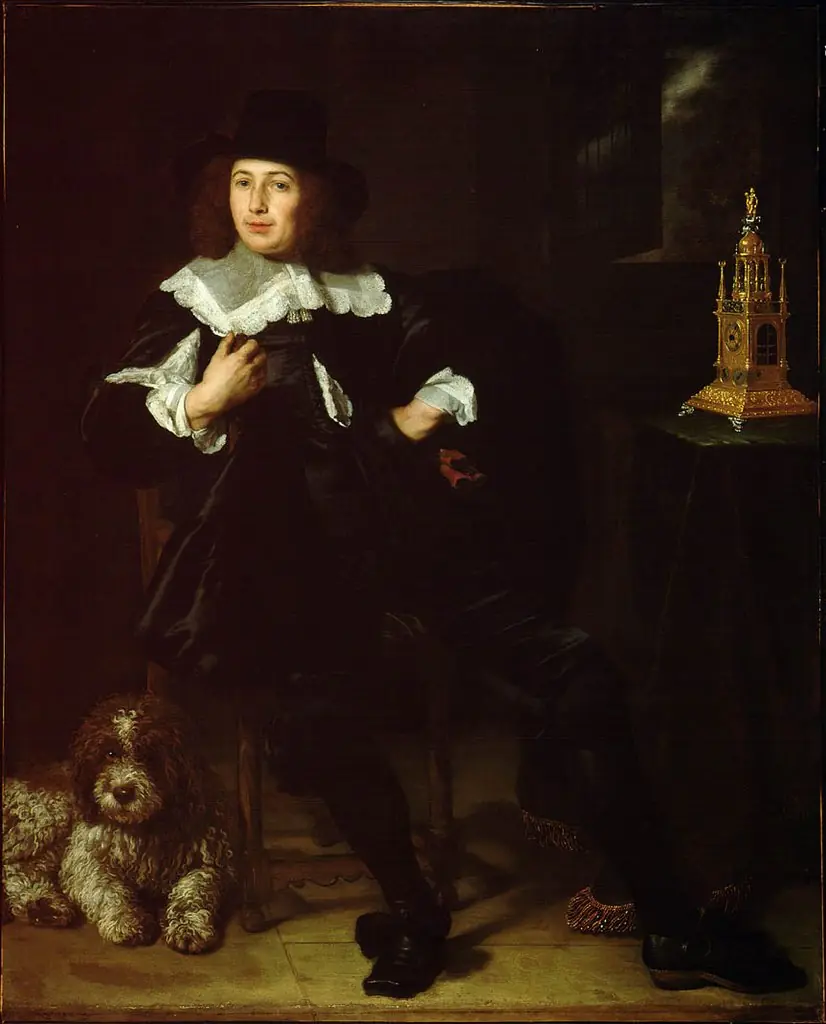 Portrait of a man, possibly Joan Hulft (1610-1677), with a dog, seated at a table with a clock
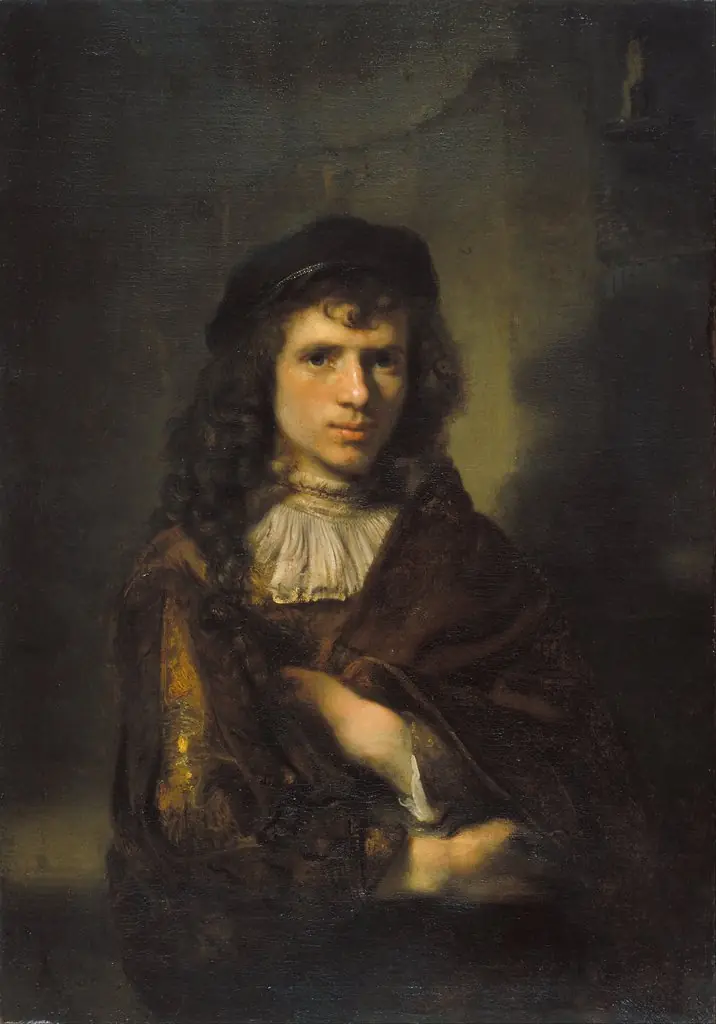 Portrait of a Young Man
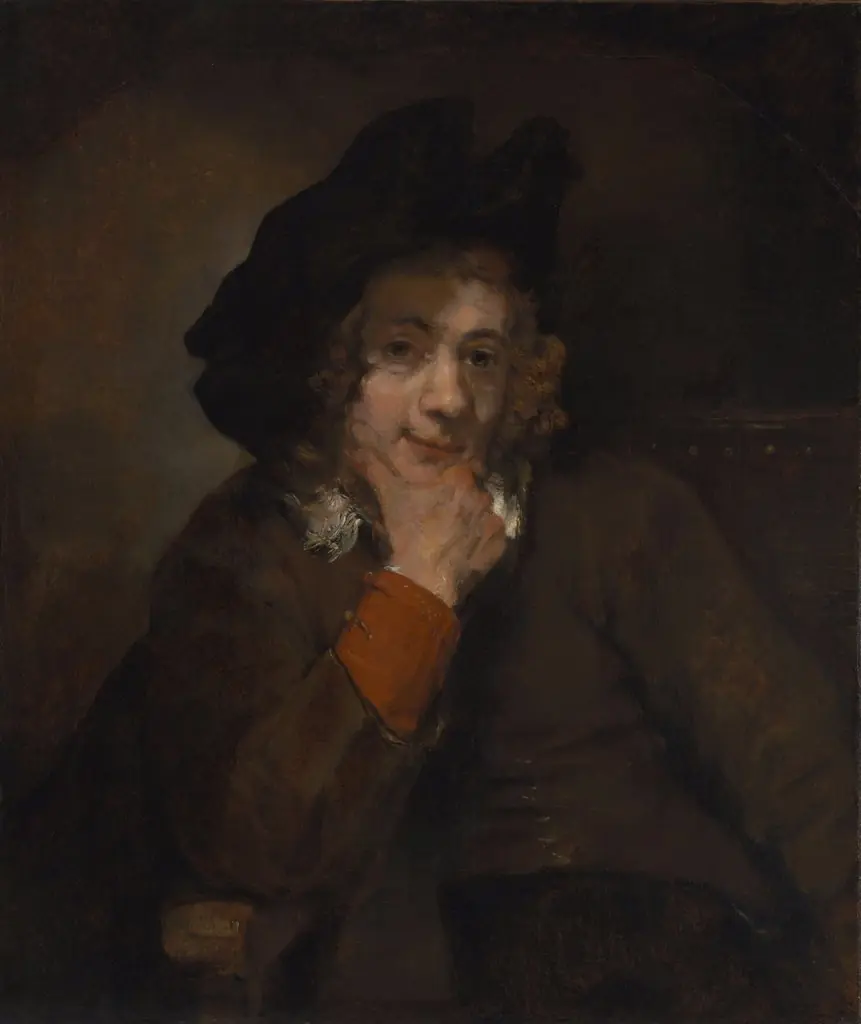 Titus, the Artist's Son
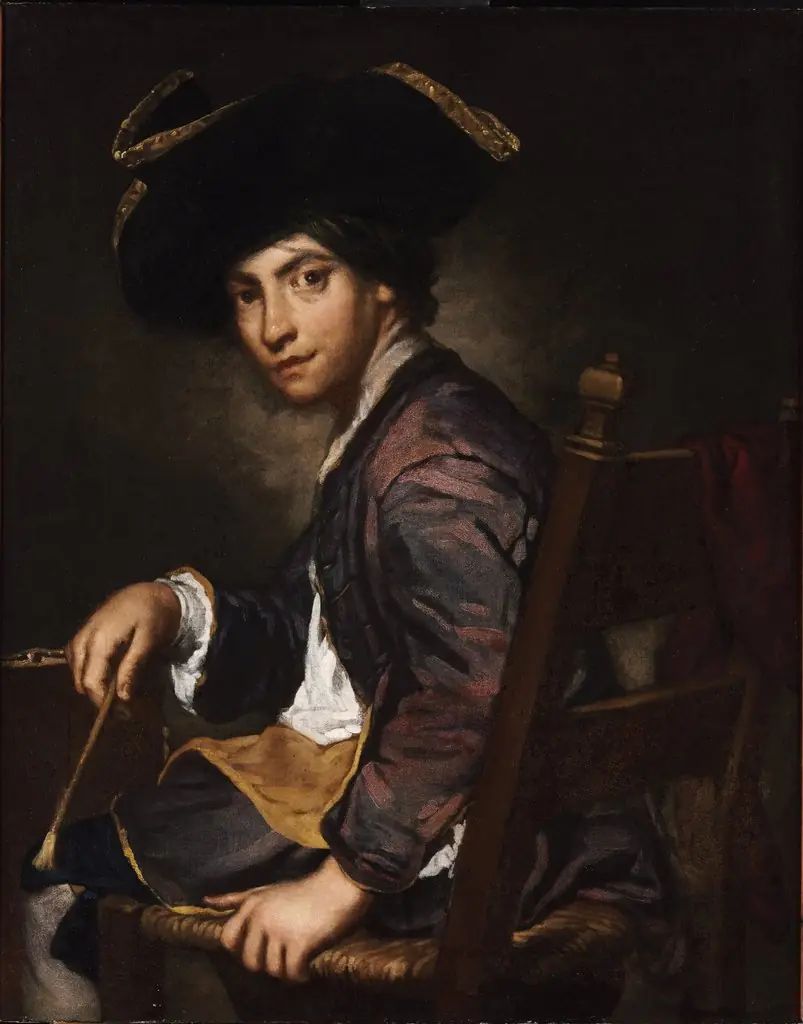 Young Painter in His Studio
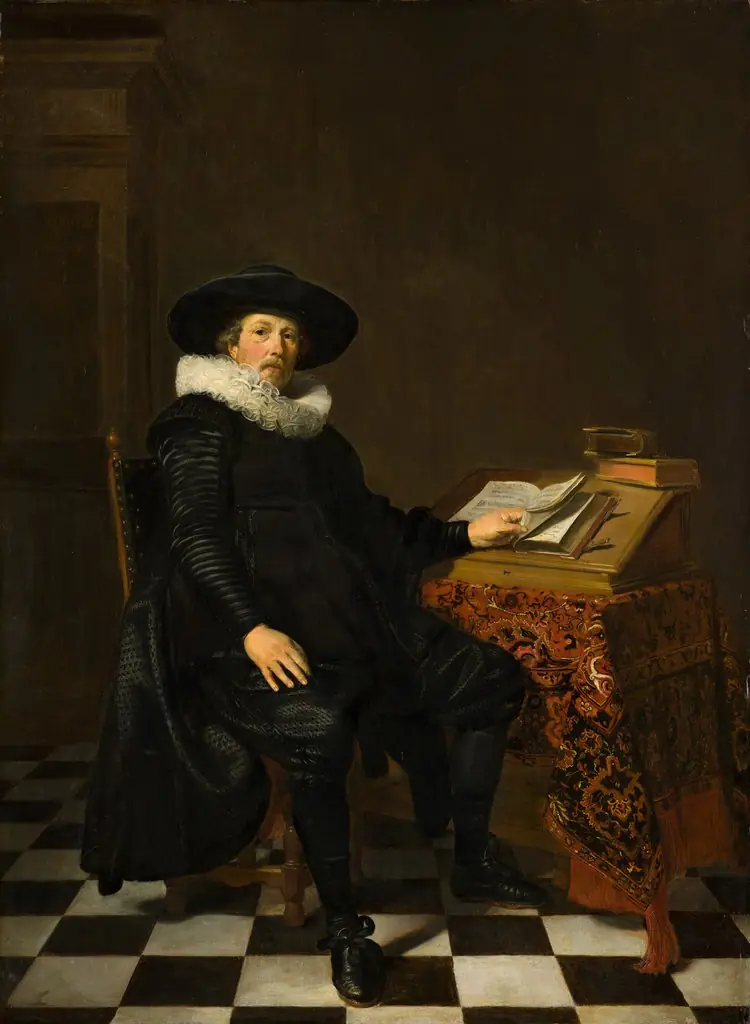 Portrait of a Scholar
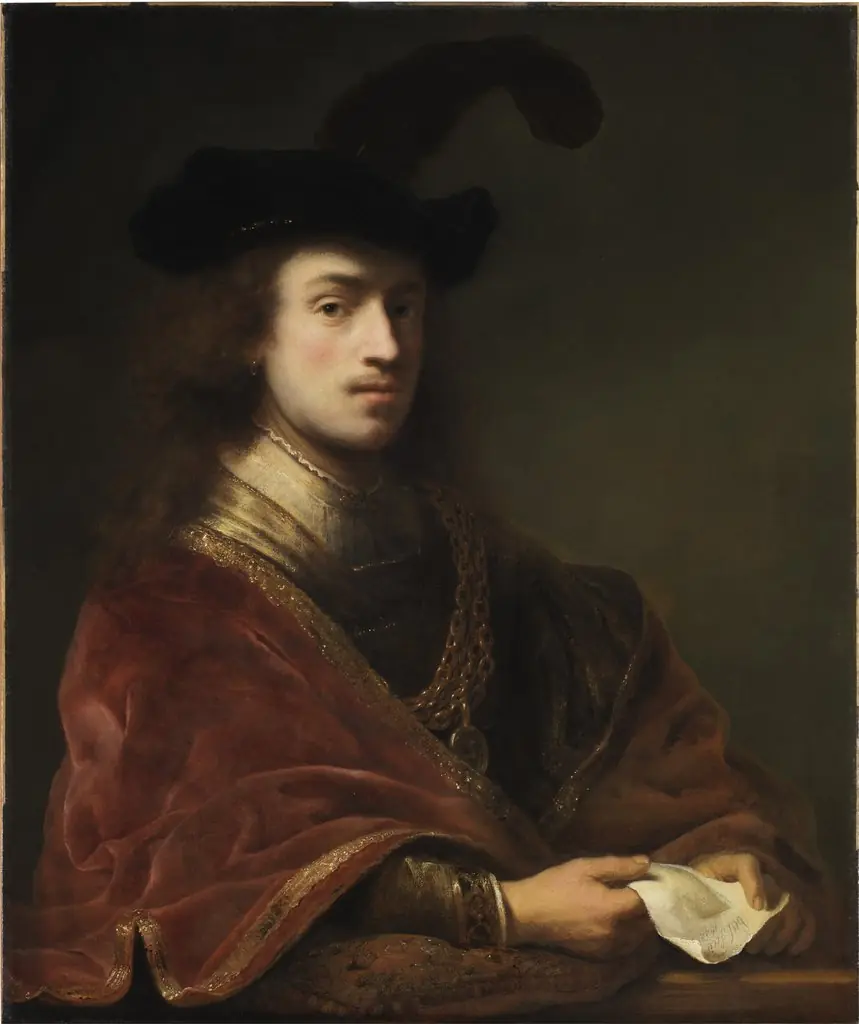 Self-Portrait, Behind a Parapet
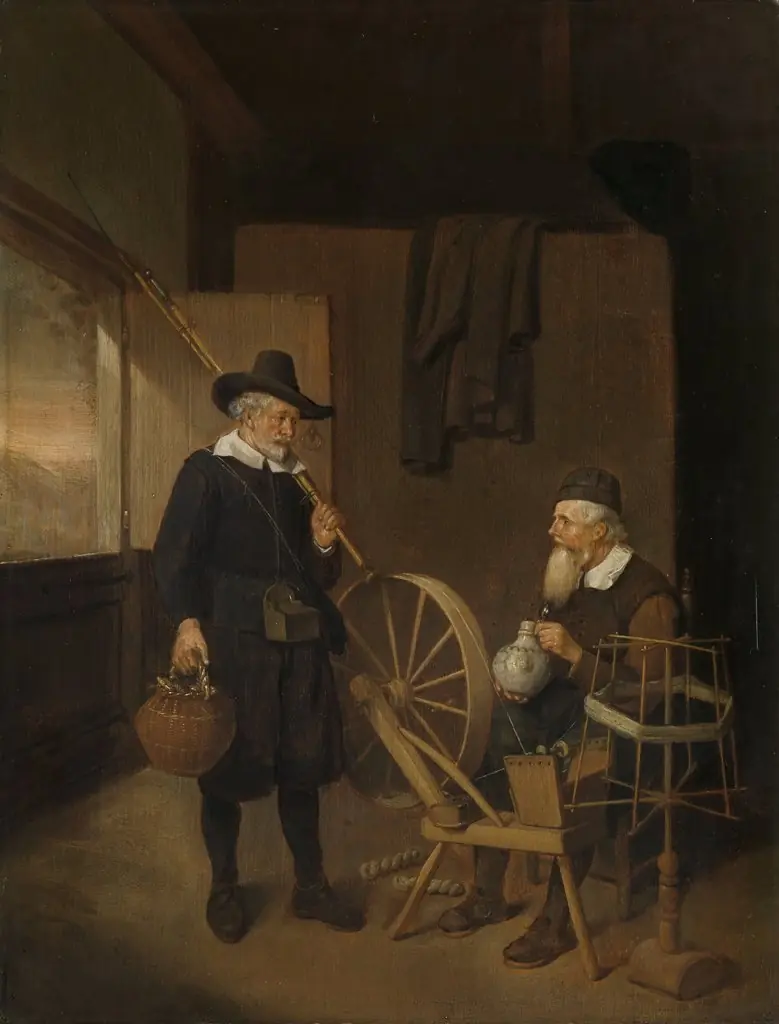 Interior with Fisherman and Man beside a Bobbin and Spool
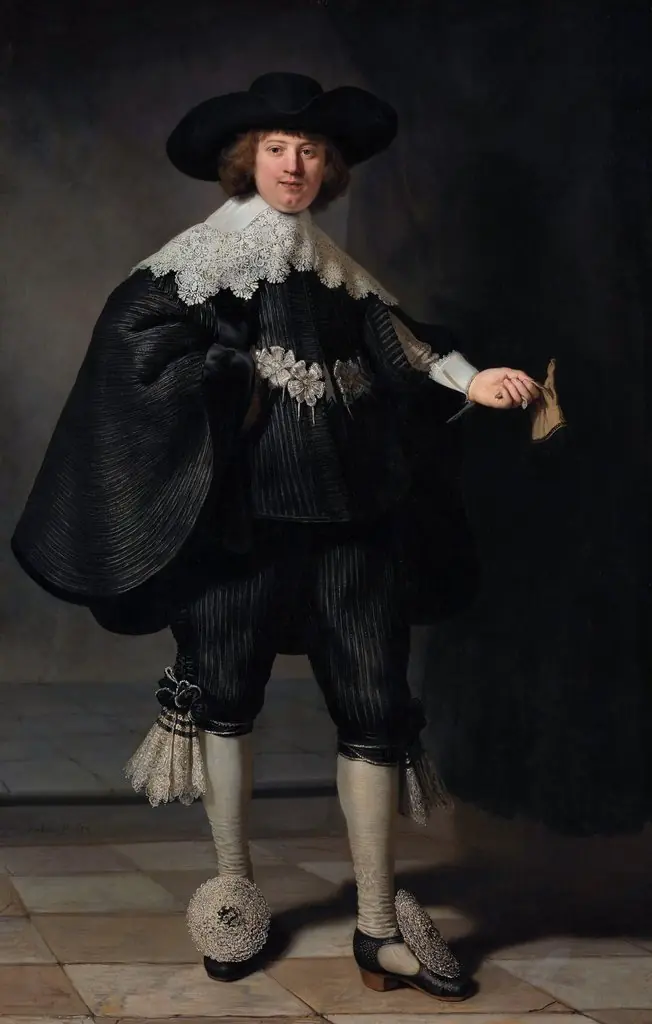 Portrait of Maerten Soolmans
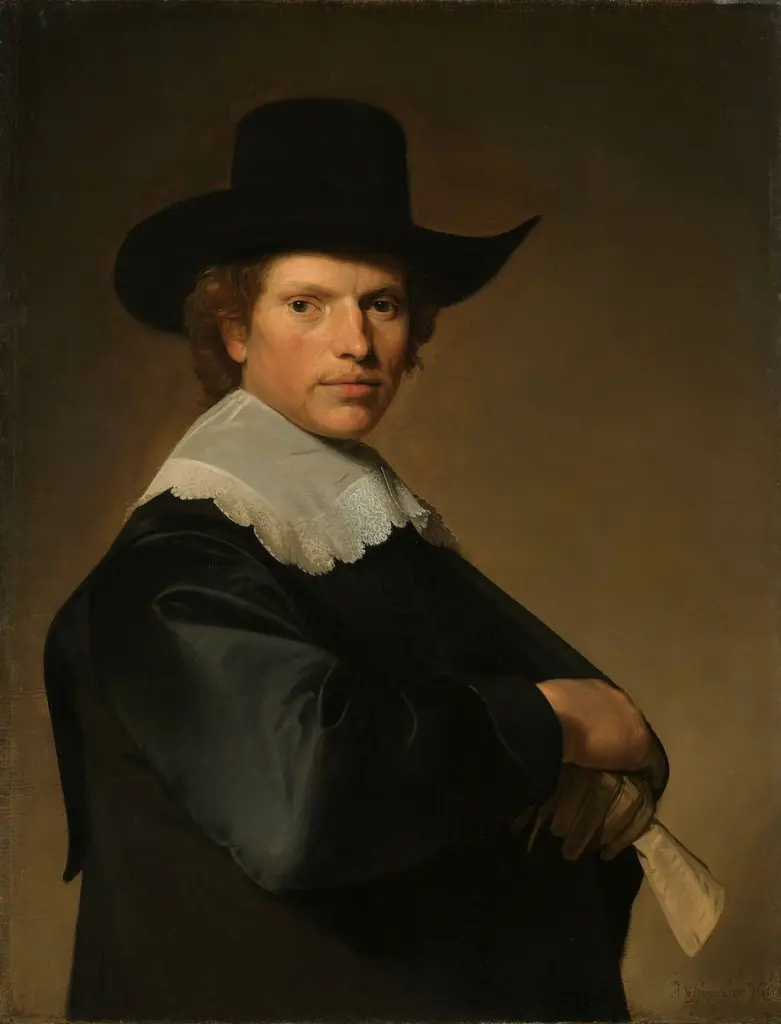 Portrait of a man
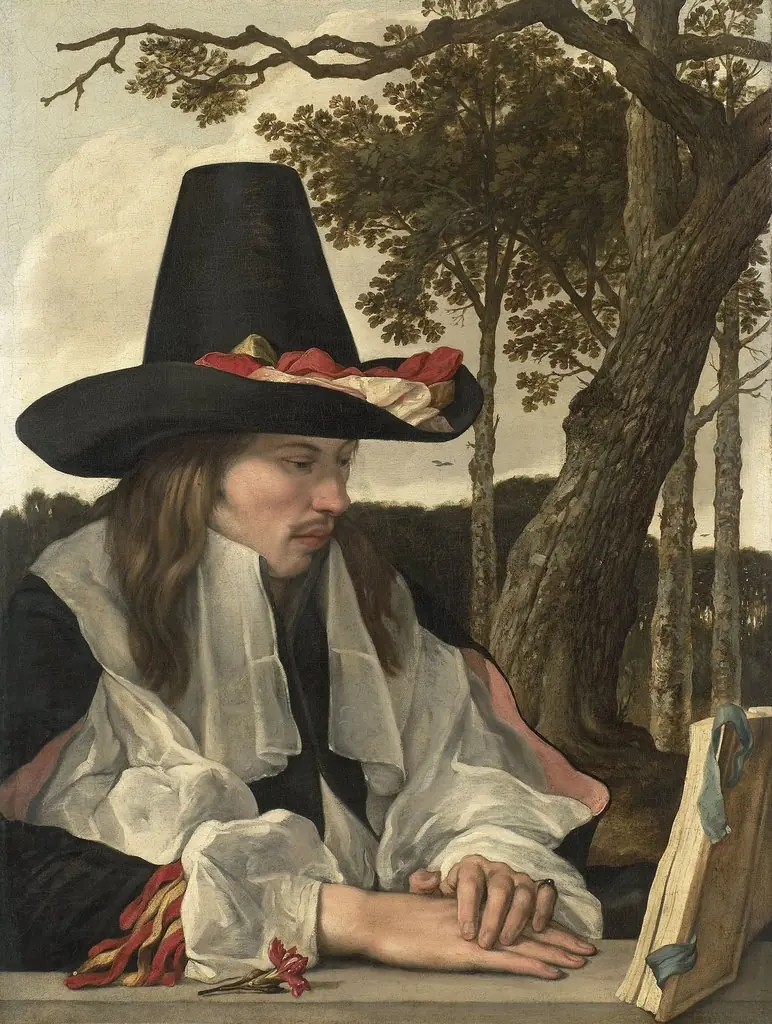 A Man Reading